About Zabargad Island
Zabargad Island, also recognized as St. John's Island, stands as the most prominent marine park landmass in Egypt's southern Red Sea, located 71 km offshore. Its striking mountainous terrain rises over 230 meters above sea level, yet its true allure lies beneath the waves, particularly around its southern fringing reef known as Turtle Bay. This area is a vital nesting ground for green sea turtles, which return annually to lay eggs on its unspoiled sandy beaches. The island's substantial size creates a natural buffer against prevailing northwesterly winds and waves, resulting in remarkably calm and predictable surface conditions on its southern side. This sheltered environment is ideal for liveaboards to anchor safely overnight, making it a prime spot for relaxed night diving in the outer marine parks. The underwater topography features a smooth transition from a dense fringing reef to a shallow sandy slope, providing an accessible and picturesque diving experience suitable for both novice and advanced divers. The diverse underwater landscape of Zabargad supports a wide array of marine life, from intricate micro-critters hidden within coral pinnacles to large nesting reptiles and schooling glassfish. Divers can explore well-preserved vertical walls adorned with hard and alcyonarian soft corals, as well as a gentle sandy slope dotted with vibrant coral formations. The island's remote location ensures uncrowded dive sites and crystal-clear visibility, solidifying its reputation as a premier destination for southern Red Sea itineraries.
Highlights
Green sea turtle nesting groundsFringing reef wallSheltered overnight mooringRussian wreck 'The Khanka'Pristine shallow coral gardensAbundant soft and black coralsLagoon cave openings
Season calendar
Best months to dive here
Jan
Feb
Mar
Apr
May
Jun
Jul
Aug
Sep
Oct
Nov
Dec
Excellent
Dive site facts: Zabargad Island
- Depth
- 5–35 m
- Typical dive
- 10–15 m, ~60 min
- Current
- Mild to moderate
- Visibility
- 20–40 m
- Water temperature
- 21–30°C
- Entry
- Liveaboard / Tender
- Level
- Easy / Advanced, suitable for Open Water divers
- Dive type
- Wall, wreck, coral garden, macro
- Night dive
- Possible in sheltered bays
- Region / port
- Southern Red Sea / Marsa Alam
- Coordinates
- 23.6333, 36.15
Conditions & Currents
Zabargad Island's immense physical presence creates a naturally sheltered harbor on its south coast, offering peaceful and current-protected conditions, a rarity for remote outer-sea safaris. While typically mild, currents around the island can vary, with gentle eastward drifts sometimes observed along the upper fringing reef wall from Turtle Bay. This allows for relaxed drift dives, particularly suitable for less experienced divers or those seeking an easy underwater experience. The island's northern and eastern reaches, however, can be more exposed, requiring careful planning by dive guides to manage entry and exit points in relation to current direction. Visibility consistently remains crystal clear, contributing to an uncrowded and enjoyable dive experience.
Marine life & sighting chances
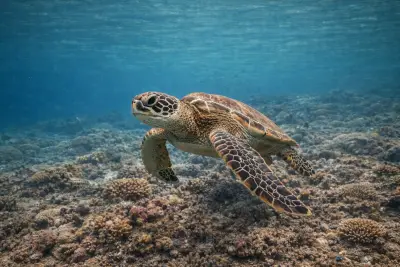
Green Sea Turtle
Year-round · common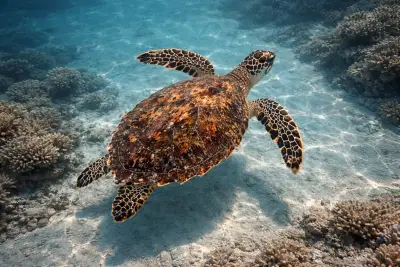
Hawksbill Turtle
Year-round · occasional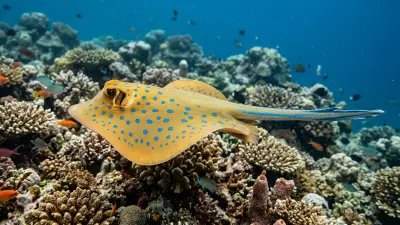
Blue-Spotted Ribbon-Tail Ray
occasional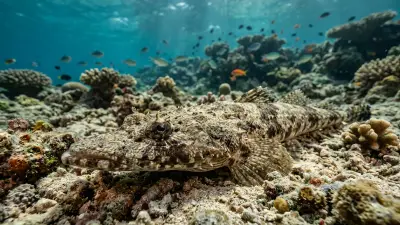
Crocodilefish
occasional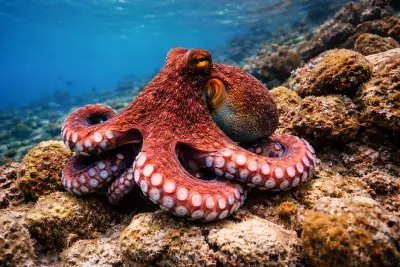
Octopus
occasional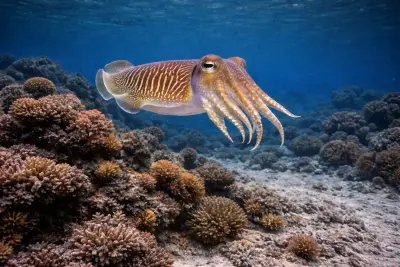
Cuttlefish
occasional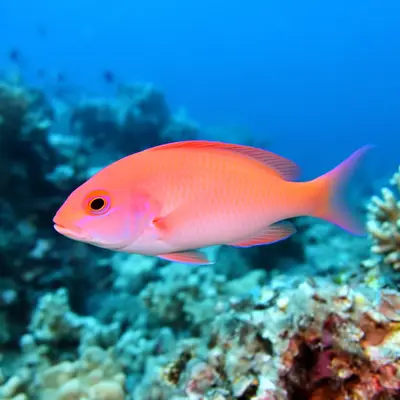
Anthias Swarms
common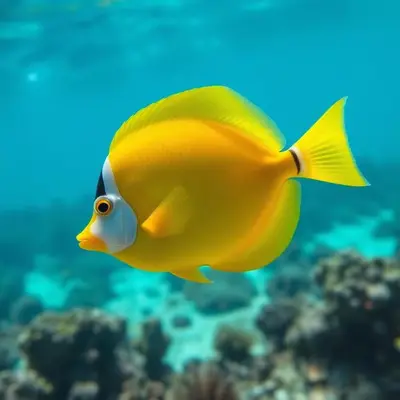
Surgeonfish
common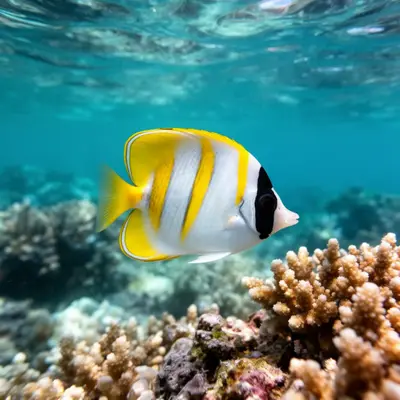
Schooling Butterflyfish
common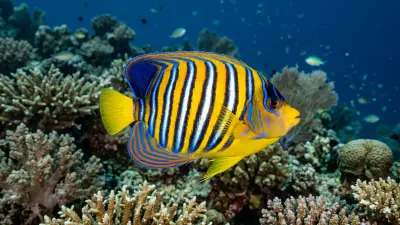
Angelfish
occasional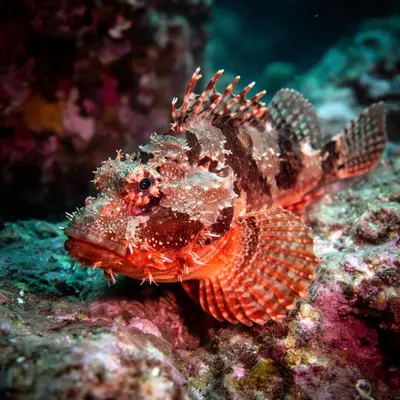
Scorpionfish
occasional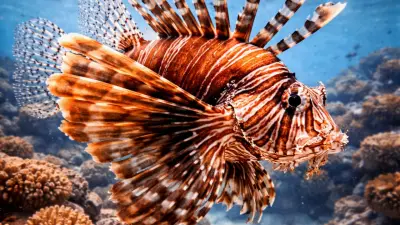
Lionfish
occasional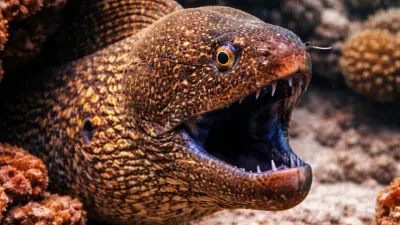
Moray Eels
occasionalDive profile & how the dive runs
A typical dive at Zabargad often begins at Turtle Bay on the southern coast, a sheltered area ideal for entry. Descend directly from the diving platform, allowing a mild eastward current to gently guide you along the upper fringing reef wall. Keep the vibrant coral structure on your left, concentrating on the rich zone between 10 and 15 meters, where soft corals and smaller reef fish flourish. Avoid dropping below this depth into the less active sandy slope. The dive progresses for approximately 60 minutes, with the turning point determined by air consumption and current conditions. Safety stops are comfortably conducted along the shallow plateau, which extends around 35 meters out from the shore before the seabed drops steeply into deeper water. For those exploring the Russian wreck 'The Khanka', located on its side at 24 meters, the dive would involve a direct descent to the wreck, exploring its structure and the mast which breaks the surface, before gradually ascending to the reef for a safety stop.
Underwater photography
Zabargad Island offers excellent opportunities for both wide-angle and macro photography. For the expansive coral gardens and reef walls, a wide-angle lens will capture the vibrant soft corals and schooling fish. The excellent visibility, often exceeding 30 meters, allows for natural light photography in shallower areas, but strobes are recommended to bring out the true colors of the corals at depth. For macro enthusiasts, the sandy slopes and coral pinnacles are home to a variety of critters like crocodilefish, octopuses, and cuttlefish; a macro lens will be invaluable here. During encounters with green sea turtles in Turtle Bay, maintain respectful distance and avoid direct flash, especially during night dives. Buoyancy control is paramount to protect the fragile reef and ensure clear shots.
Combine with nearby dive sites
- Rocky Island
Often paired with Zabargad on Deep South itineraries, located just 6 km southeast.
- St. Johns Reef
A healthy reef system located 40 kilometers southwest of Zabargad, known for abundant soft corals and schooling pelagics.
- Fury Shoals
Another extensive reef system to the north, sometimes visited on longer southern routes.
- Elphinstone Reef
A popular pelagic hot spot further north, included in comprehensive southern itineraries.
Getting there & logistics
Access to Zabargad Island is exclusively via liveaboard, typically departing from Port Ghalib or Marsa Alam in Egypt's southern Red Sea. These itineraries usually span 7 to 8 days, combining Zabargad with other renowned southern sites like Rocky Island and the St. John's reef system. Divers can fly into Hurghada (HRG) or Marsa Alam (RMF) International Airports, with transfers arranged by liveaboard operators. Marsa Alam is the closest departure port for deep south routes. Marine park fees are required as Zabargad is part of a protected area, and these are usually included in the liveaboard package. Permits are necessary for diving in marine parks, and liveaboard operators handle all the necessary arrangements. Longer, more comprehensive itineraries might also visit Daedalus Reef or Elphinstone Reef, making for an extensive exploration of the Red Sea's deep south.
Safety & environment
Diving at Zabargad Island, like other remote Red Sea sites, requires careful consideration of safety due to its isolated location. While the southern bay offers sheltered conditions, the nearest recompression chamber is several hours away on the mainland, typically in Marsa Alam. Divers must ensure they have comprehensive dive insurance that covers emergency medical evacuation. Liveaboard crews are trained in emergency procedures and carry first-aid equipment, but self-reliance and adherence to dive plan briefings are crucial. Night dives are permitted in the sheltered southern bay, but generally prohibited around Marine Park islands elsewhere to protect marine life. Always dive within your training limits, maintain excellent buoyancy, and respect the fragile coral ecosystems. A minimum of Advanced Open Water certification is recommended for offshore liveaboard itineraries.
Who it suits — and who it doesn't
Suited for
- Open Water divers
- Divers seeking pristine coral gardens
- Macro photography enthusiasts
- Divers interested in sea turtle encounters
- Those preferring sheltered, calm dive conditions
- Divers desiring remote, uncrowded sites
Less suited for
- Divers unwilling to travel by liveaboard
- Those uncomfortable with remote diving locations
- Divers seeking strong pelagic action exclusively
- Individuals prone to seasickness on longer crossings
- Divers looking for shore-based diving options
FAQ
Zabargad Island FAQ
What makes Zabargad Island unique for diving?
Zabargad Island is unique for its remote, unspoiled nature, offering pristine shallow coral gardens and serving as a crucial nesting ground for green sea turtles. Its southern bay provides remarkably calm and predictable conditions for diving and overnight mooring, a rare find in the exposed deep south of the Red Sea. Divers can also explore a Russian wreck and intricate canyon networks, making for a diverse underwater experience.
What kind of marine life can I expect to see at Zabargad?
You can expect to encounter a wide array of marine life at Zabargad, most notably green and hawksbill sea turtles, especially in Turtle Bay. The reefs are home to blue-spotted ribbon-tail rays, crocodilefish, octopuses, and cuttlefish, alongside schooling anthias, surgeonfish, butterflyfish, and angelfish. Scorpionfish, lionfish, and moray eels are also commonly spotted, thriving amongst the diverse coral formations.
Is Zabargad Island suitable for beginner divers?
Yes, Zabargad Island is suitable for beginner divers, particularly its southern coast. The massive island acts as a natural barrier, creating sheltered conditions and gentle currents in areas like Turtle Bay. The underwater landscape transitions gracefully from a dense fringing reef to a shallow sandy slope, offering an easy and picturesque environment perfect for less experienced or Open Water certified divers.
Are night dives possible at Zabargad Island?
Yes, night dives are possible at Zabargad Island, specifically in its sheltered southern bay. The calm and predictable surface conditions created by the island's natural protection allow liveaboards to safely moor overnight, making it one of the premier locations in the outer marine parks for relaxed night diving. However, night dives are generally prohibited at other Marine Park islands.
How do I get to Zabargad Island?
Zabargad Island is only accessible via liveaboard, typically departing from Port Ghalib or Marsa Alam in Egypt. These itineraries often combine Zabargad with other remote southern sites like Rocky Island and the St. John's reef system, usually lasting 7 to 8 days. Divers fly into airports like Hurghada or Marsa Alam, with liveaboard operators arranging transfers to the departure port.
Why dive Zabargad Island from a liveaboard?
Zabargad Island is one of Egypt's signature dive sites. A liveaboard sleeps you on the water and puts you in the water for three to four guided dives per day, including dawn and night dives that day-boat operators rarely offer. You skip the daily commute back to port and reach quieter, less-crowded sites in the same region on a single trip.
Below are the liveaboards that include Zabargad Island on their Egypt itineraries.
Liveaboards diving Zabargad Island
These liveaboards may visit Zabargad Island on selected itineraries — the exact dive sites depend on departure, weather and conditions.
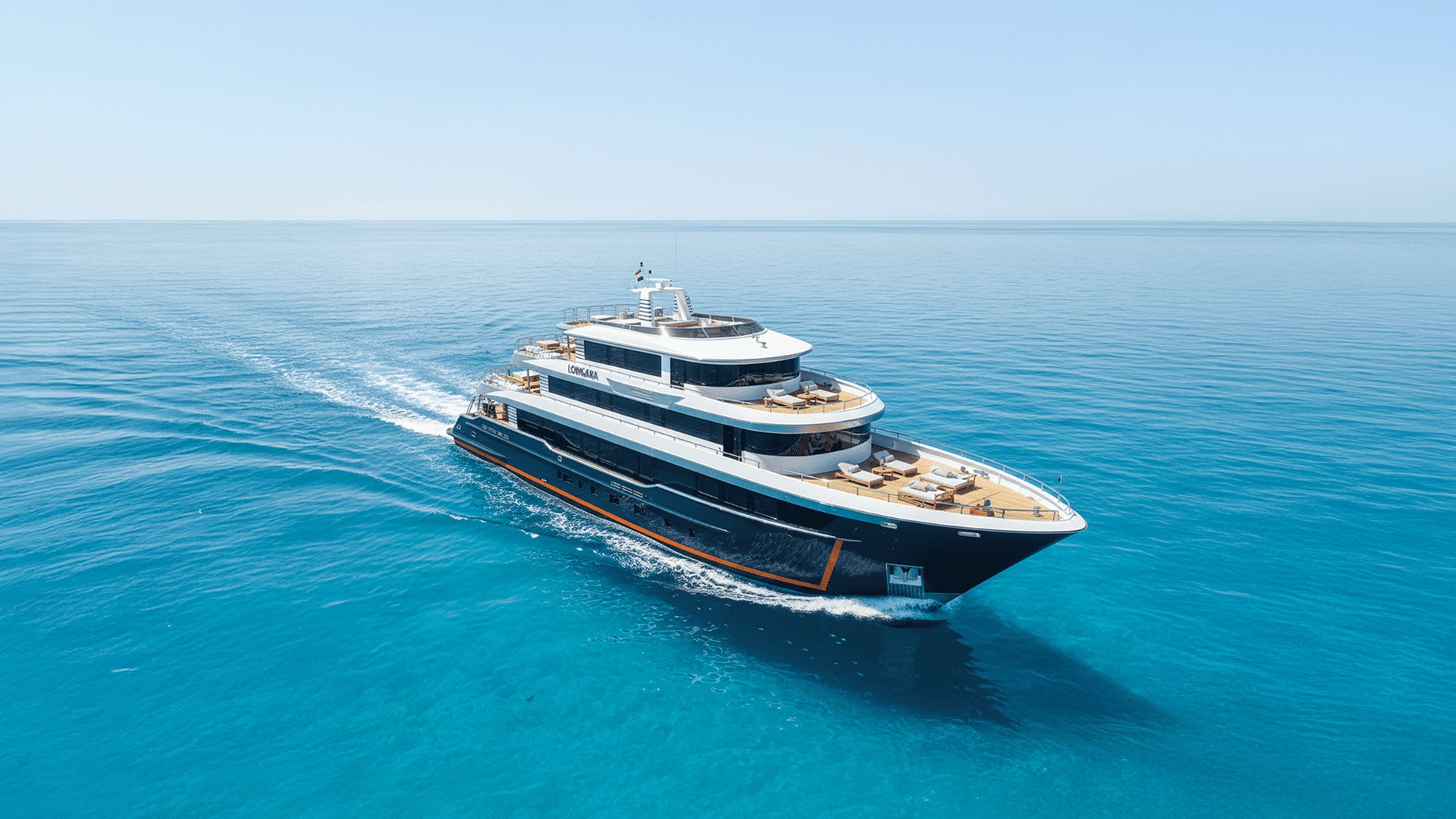
DUNE Longara
Egypt
30 guests
$150/day
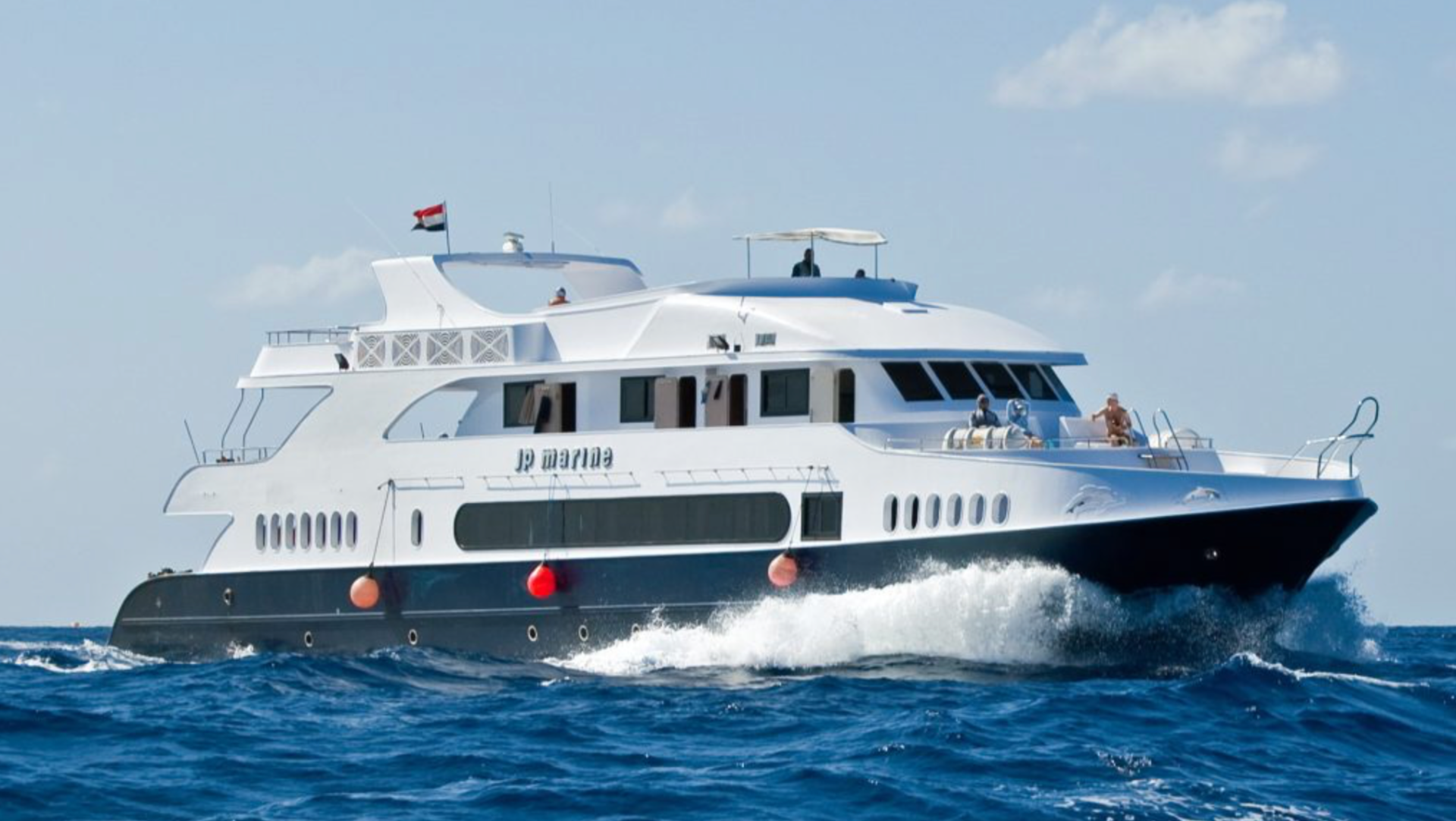
JP Marine
Egypt
28 guests
$109/day
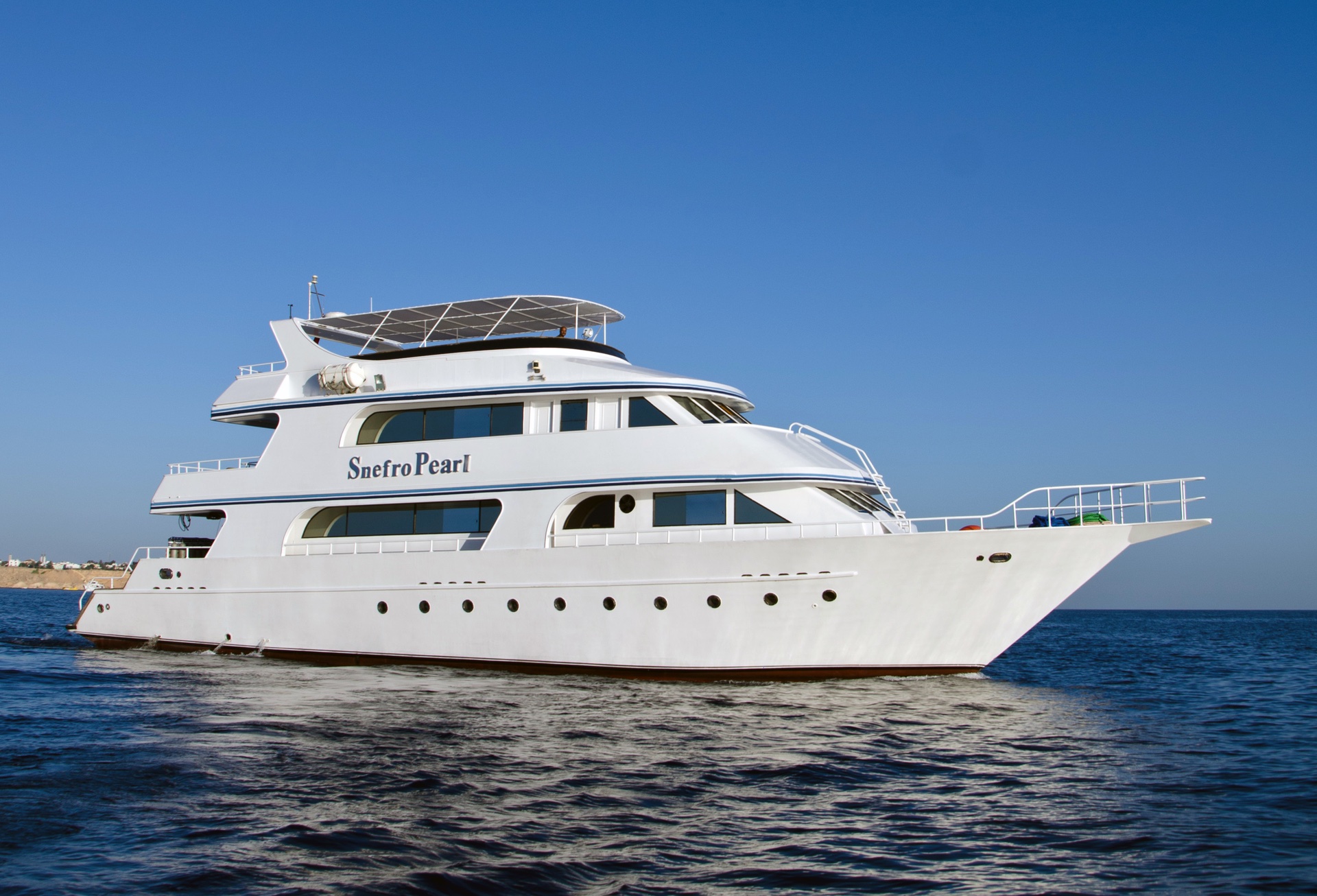
Snefro Pearl
Egypt
12 guests
$150/day
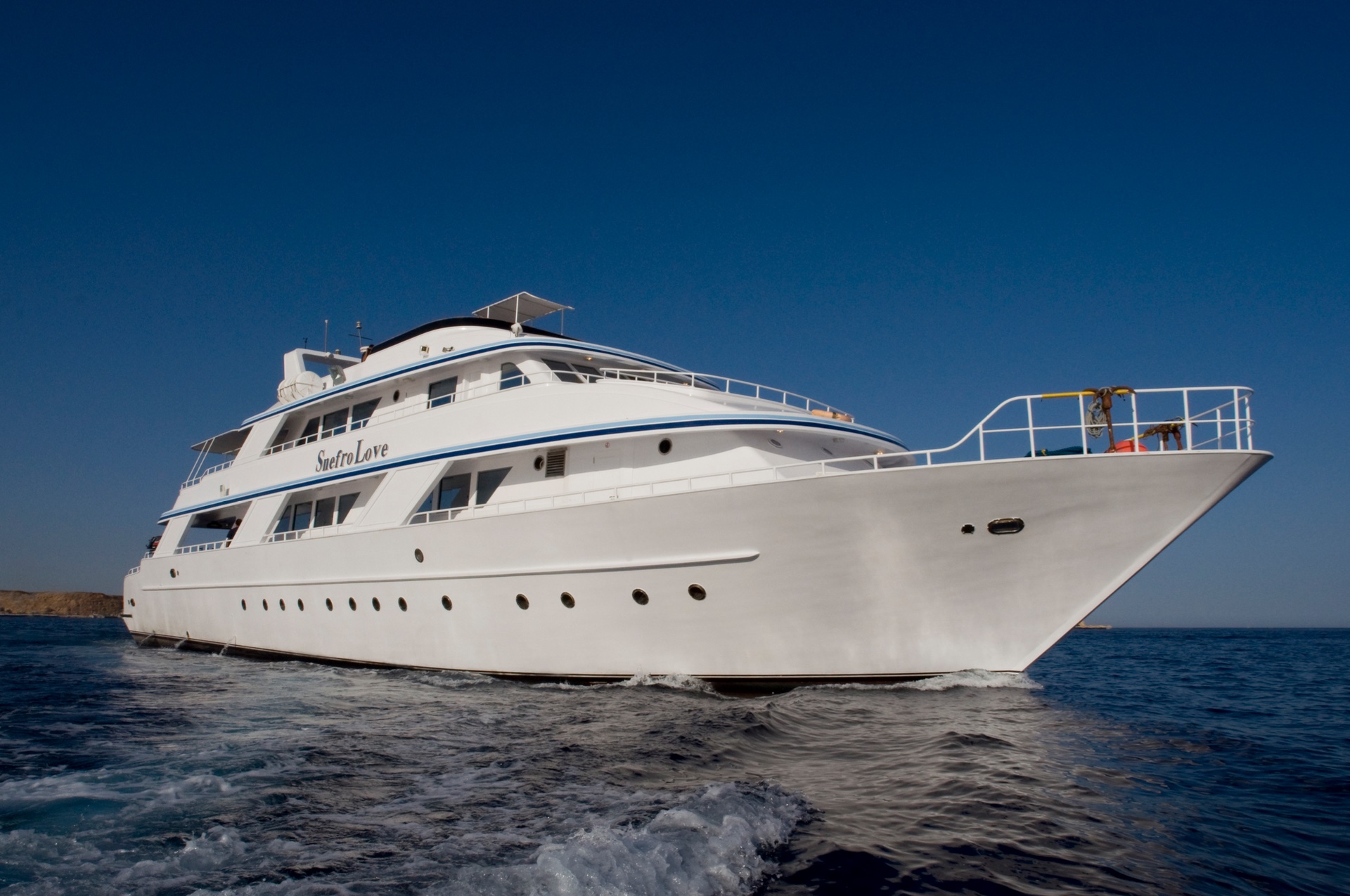
Snefro Love
Egypt
20 guests
$154/day
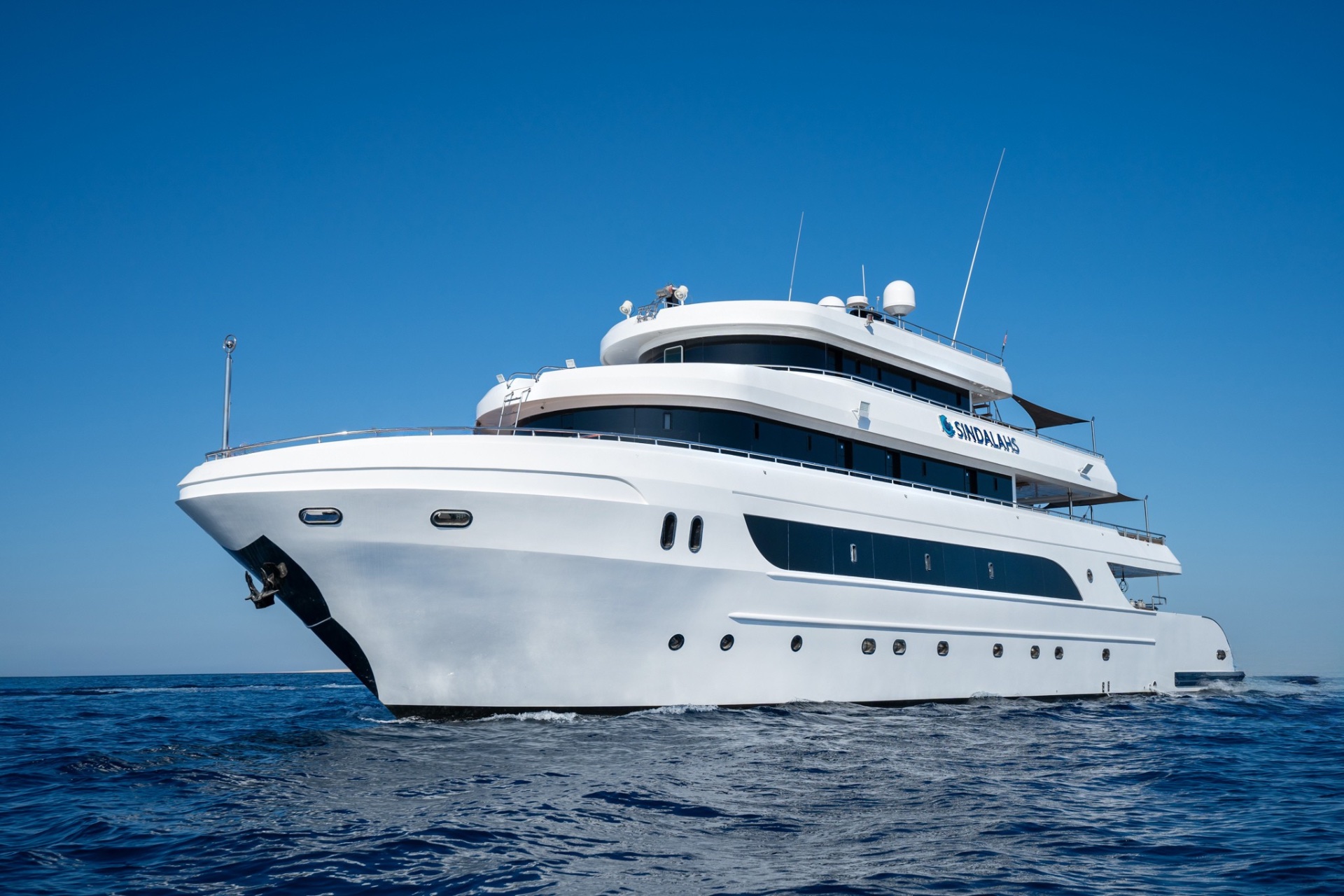
Sindalahs
Egypt
26 guests38 m
$155/day
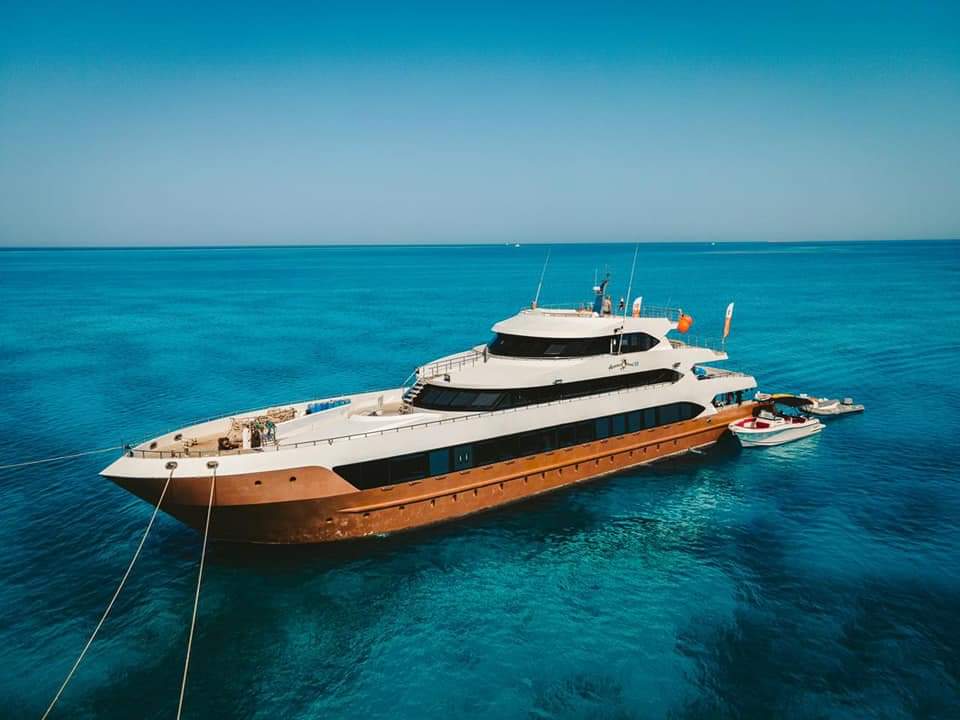
Hammerhead II
Egypt
20 guests
$173/day
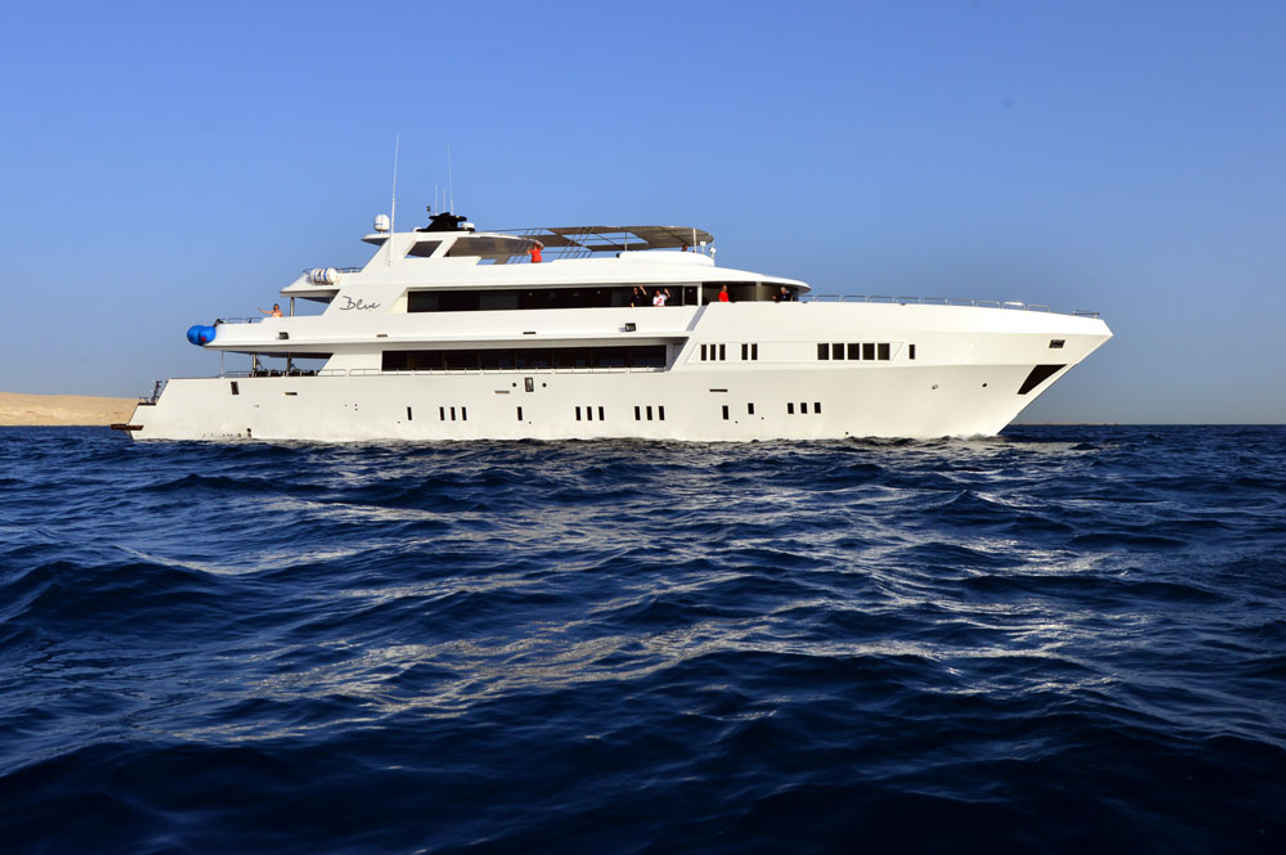
Blue Liveaboard
Egypt
24 guests43 m
$173/day
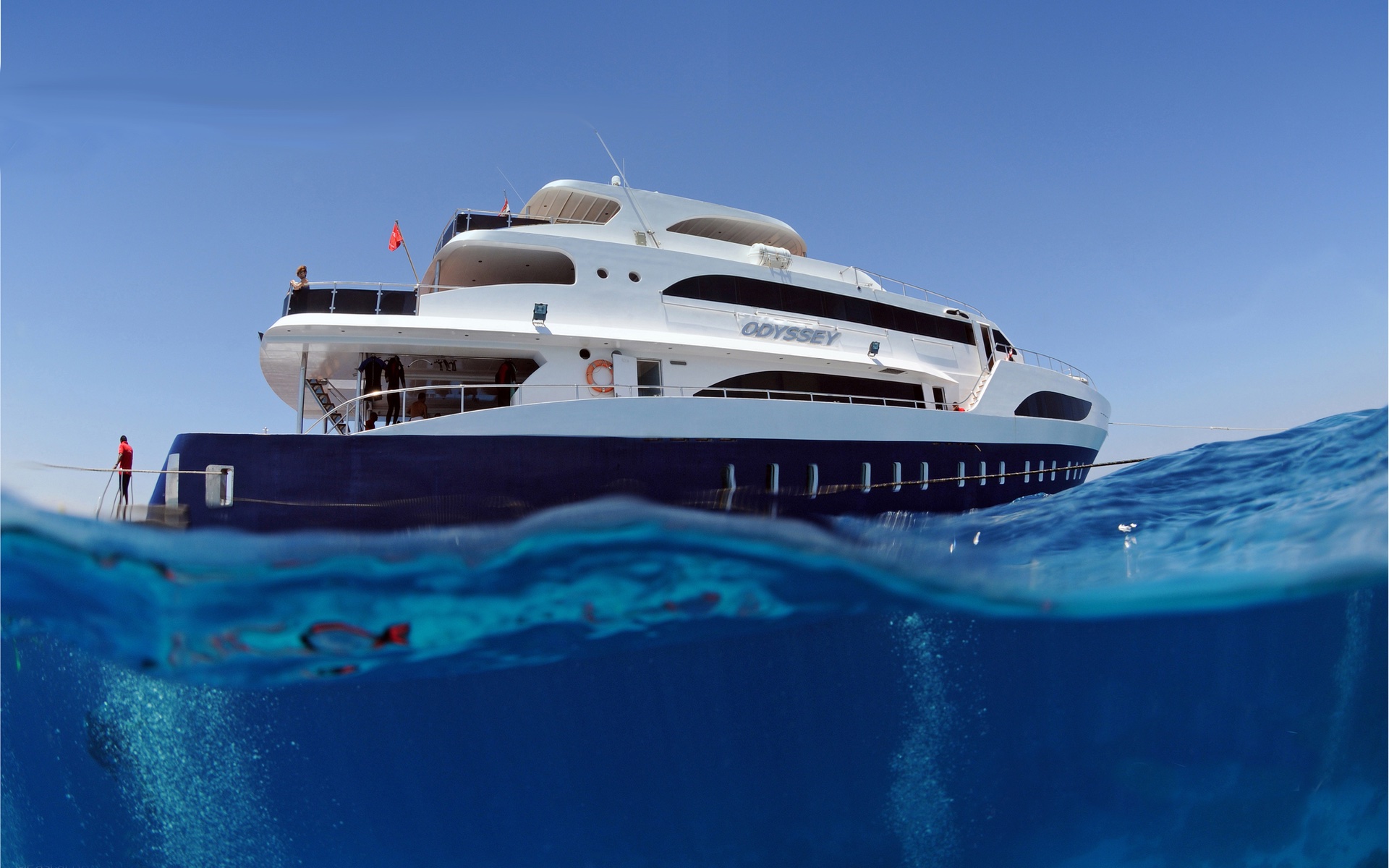
Odyssey
Egypt
26 guests40 m
$185/day
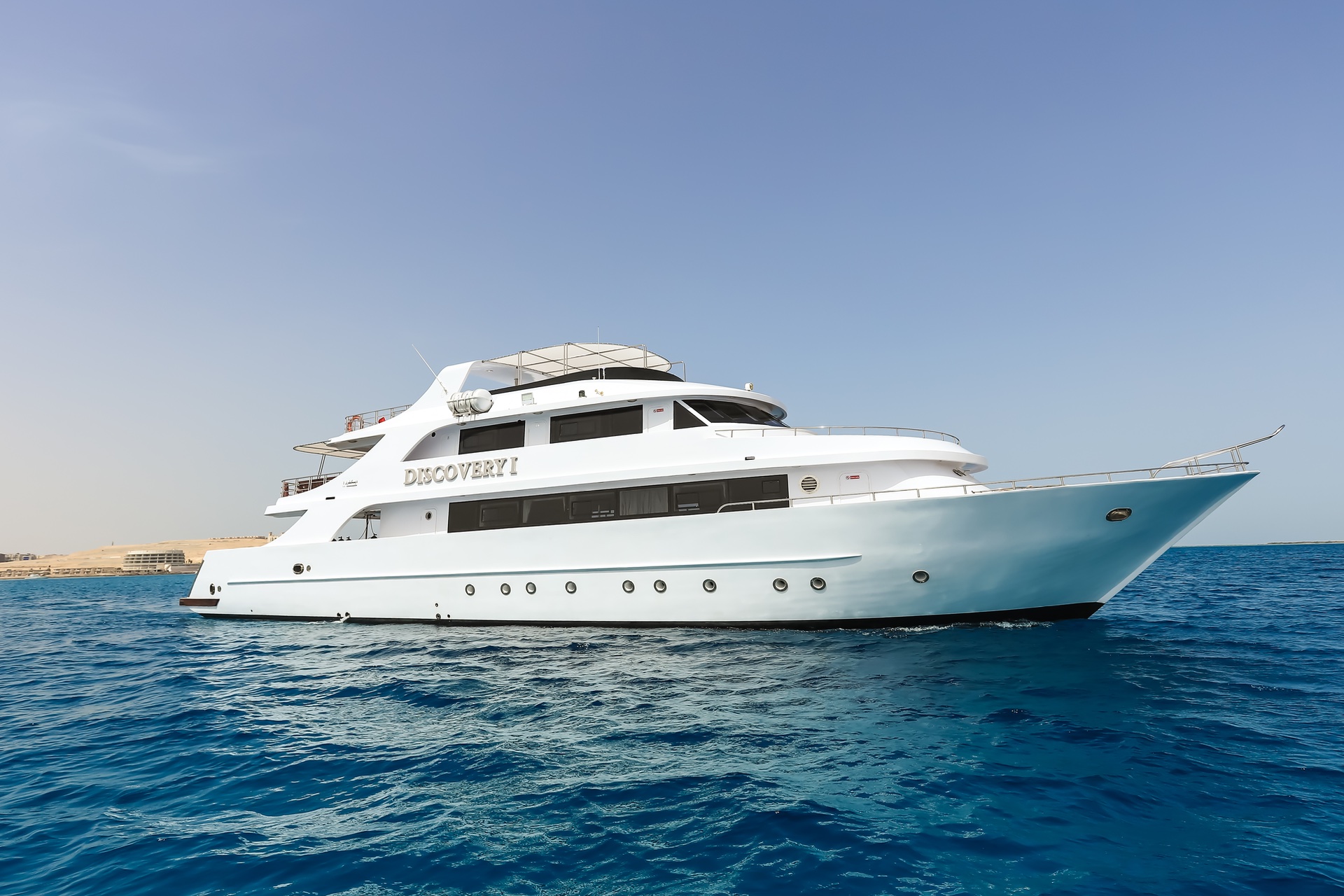
Discovery I
Egypt
20 guests
$104/day
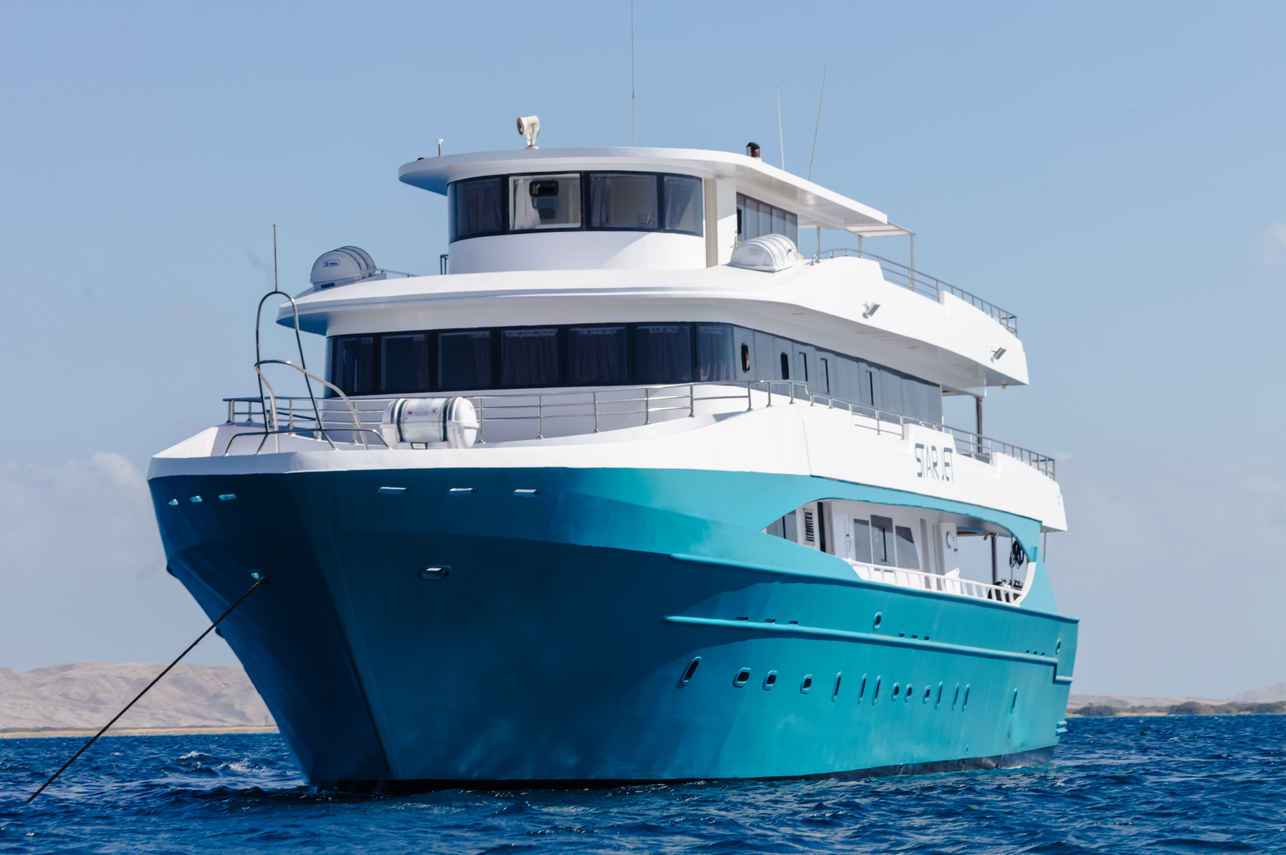
Star Jet
Egypt
28 guests35 m
$145/day
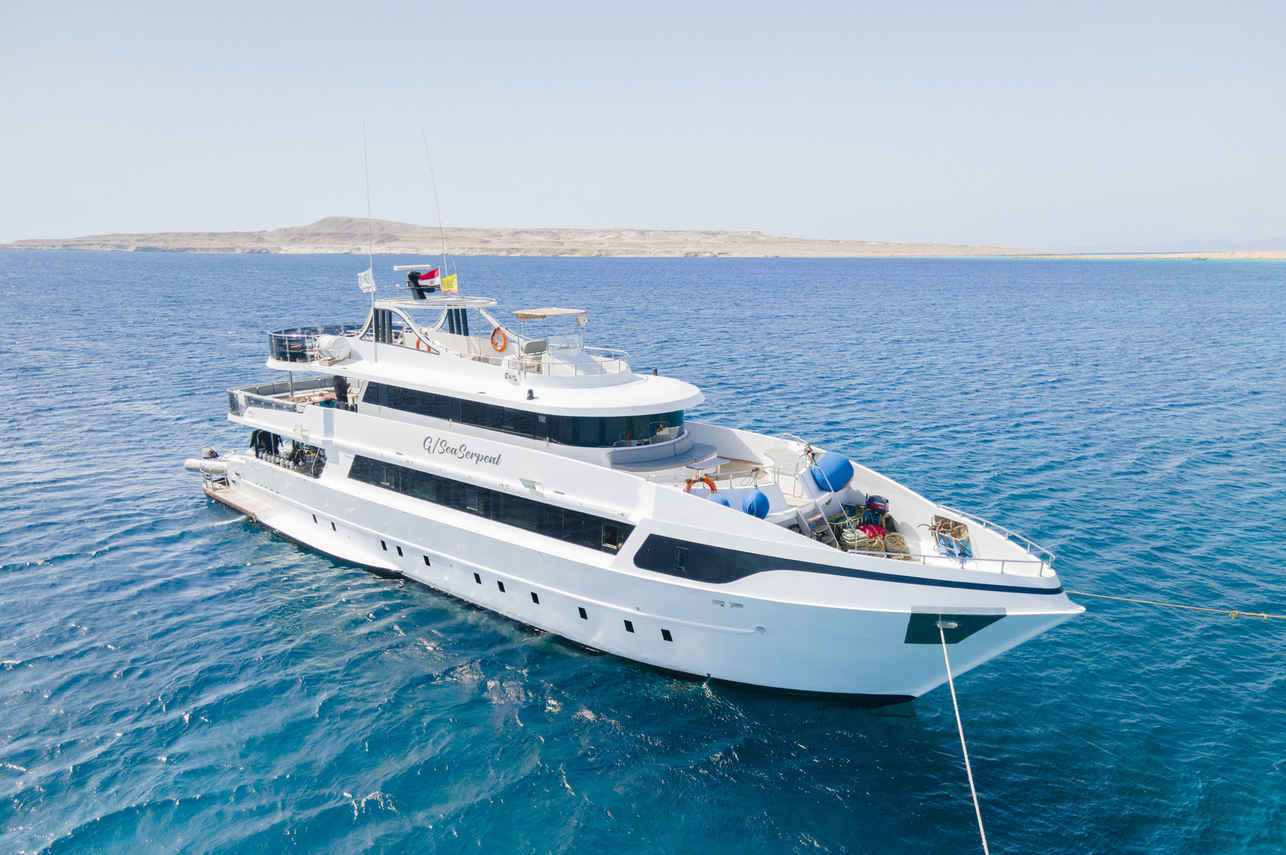
SS Serena Dreams
Egypt
18 guests33 m
$159/day
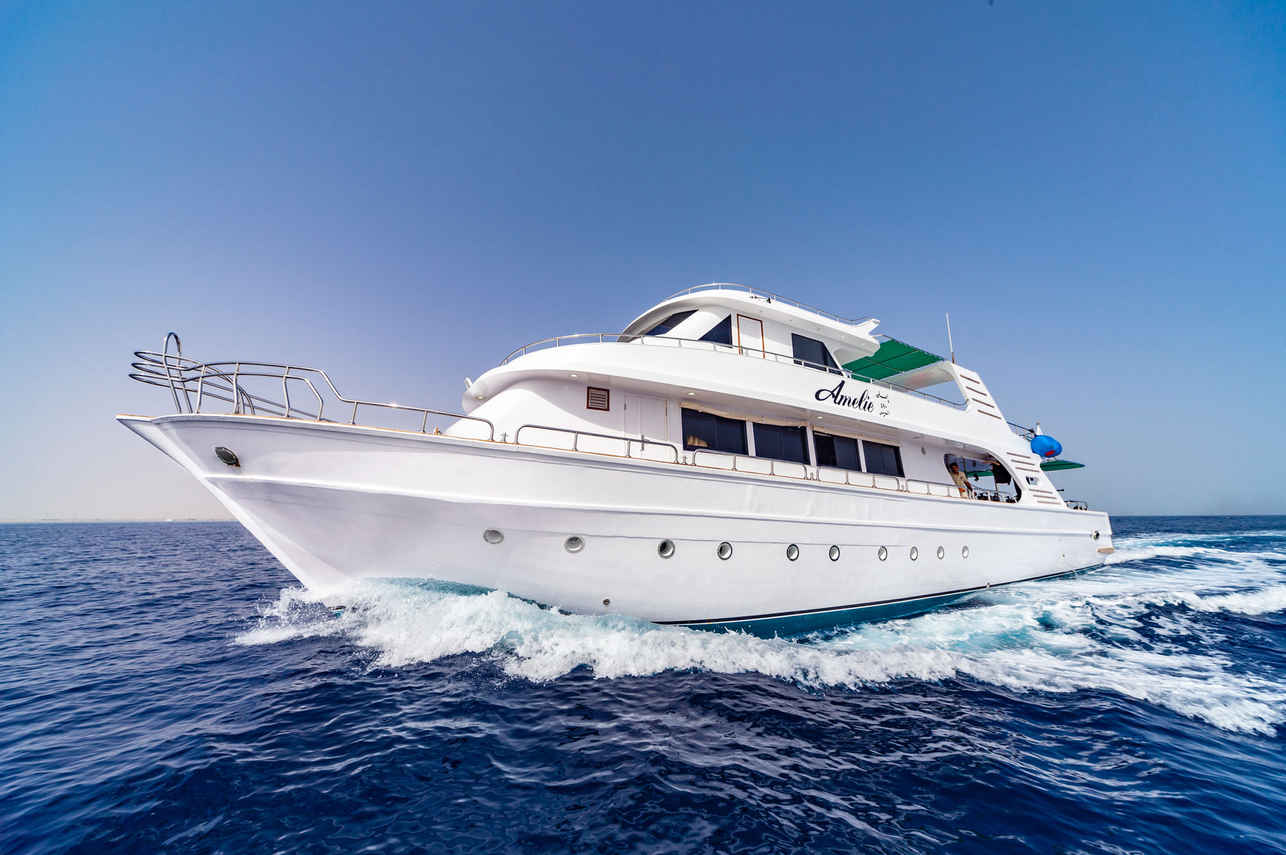
Amelie
Egypt
12 guests23 m
$115/day
Dive sites similar to Zabargad Island
Same character, same waters — six more sites divers love for the exact same reasons.Compare seasons, access and liveaboard routes — then pick the site that fits your trip best.
© Esri — Maxar, Earthstar, GIS
Carless Reef
Egypt
Carless Reef is a renowned advanced dive site near Hurghada, notable for its two prominent coral pinnacles that rise from a sandy bottom at 30 meters.
- Suitable for
- Advanced
- Current
- Strong
- Access
- Dayboat
- Depth
- 15–40 m
- Theme
- Reef / Drift
© Esri — Maxar, Earthstar, GIS
Gordon Reef
Egypt
Gordon Reef is the southernmost of the four prominent coral formations situated in the narrow Straits of Tiran, which separate the Gulf of Aqaba from the main Red Sea.
- Suitable for
- Intermediate
- Current
- Moderate
- Access
- Liveaboard only
- Depth
- 2–300 m
- Theme
- Reef
© Esri — Maxar, Earthstar, GIS
Far Garden
Egypt
Far Garden is a prominent dive site located in Sharm El Sheikh, serving as the northern headland of the adjacent Middle Garden site.
- Suitable for
- Beginner
- Current
- Moderate
- Access
- Shore / dayboat
- Depth
- 1–45 m
- Theme
- Reef / Drift
© Esri — Maxar, Earthstar, GIS
Tobia Arbaa
Egypt
Tobia Arbaa, also widely recognized as the "Seven Pillars," is a highly regarded dive site situated in Egypt, easily accessible via a short speedboat ride from Safaga or Soma Bay.
- Suitable for
- Beginner
- Current
- Mild
- Access
- Liveaboard or dayboat
- Depth
- 10–16 m
- Theme
- Reef
© Esri — Maxar, Earthstar, GIS
Alexandria
Egypt
Alexandria offers a truly unique diving experience in Egypt, differing significantly from the vibrant coral reefs of the Red Sea.
- Suitable for
- Beginner
- Current
- Moderate
- Access
- Liveaboard or dayboat
- Depth
- 5–8 m
- Theme
- Reef
© Esri — Maxar, Earthstar, GIS
El Fanadir North
Egypt
El Fanadir North is a prominent reef system in the Red Sea, situated roughly 4 kilometers offshore from Hurghada.
- Suitable for
- Advanced
- Current
- Moderate
- Access
- Liveaboard or dayboat
- Depth
- 12–70 m
- Theme
- Drift / Reef