About Little Brother
Little Brother is the smaller of Egypt's two remote Brothers Islands, rising steeply from the open Red Sea. Its walls are covered with gorgonian fans and soft corals, while exposed cleaning stations attract thresher sharks, grey reef sharks and occasional oceanic whitetips. Strong currents and deep drop-offs make this a demanding liveaboard-only site for experienced divers.
Highlights
Thresher sharksGrey reef sharksGorgonian wallsSoft corals
Season calendar
Best months to dive here
Jan
Feb
Mar
Apr
May
Jun
Jul
Aug
Sep
Oct
Nov
Dec
Excellent
Good
Mar – May & Sep – Nov (Peak)
Best conditions with 30m+ visibility, comfortable water temps 24–28°C. Hammerhead sharks at Brothers, thresher sharks at Elphinstone.
Jun – Aug & Dec – Feb (Shoulder)
Jun–Aug: hot topside but warm water, good for southern routes. Dec–Feb: cooler water (21–23°C) attracts oceanic whitetips at Elphinstone. Still excellent visibility.
Dive site facts: Little Brother
- Depth
- 5–40 m
- Current
- Strong
- Entry
- Liveaboard only
- Level
- Advanced
- Dive type
- Reef, Wall, Drift, Shark
- Region / port
- Egypt
- Coordinates
- 26.3000° N, 34.8570° E
Conditions & Currents
Little Brother is an exposed offshore reef with strong and changeable currents. Diving is normally conducted as a drift from a liveaboard, with a DSMB required and no night diving permitted in the marine park. Dive profiles here run between roughly 5 and 40 metres, so plan your gas and no-decompression limits around the deeper part of the site. It is usually briefed as a dive for advanced divers. The site is reached by liveaboard, so entries are run from the tender or straight off the back deck. Because the flow can pick up quickly, drift profiles, a surface marker buoy and a tight group are standard practice here, and the crew's briefing always overrides any general description.
Why dive Little Brother from a liveaboard?
Little Brother is one of Egypt's signature dive sites. A liveaboard sleeps you on the water and puts you in the water for three to four guided dives per day, including dawn and night dives that day-boat operators rarely offer. You skip the daily commute back to port and reach quieter, less-crowded sites in the same region on a single trip.
Below are the liveaboards that include Little Brother on their Egypt itineraries.
Route region: Liveaboards at Brothers, Daedalus & Elphinstone →
Liveaboards diving Little Brother
These liveaboards may visit Little Brother on selected itineraries — the exact dive sites depend on departure, weather and conditions.
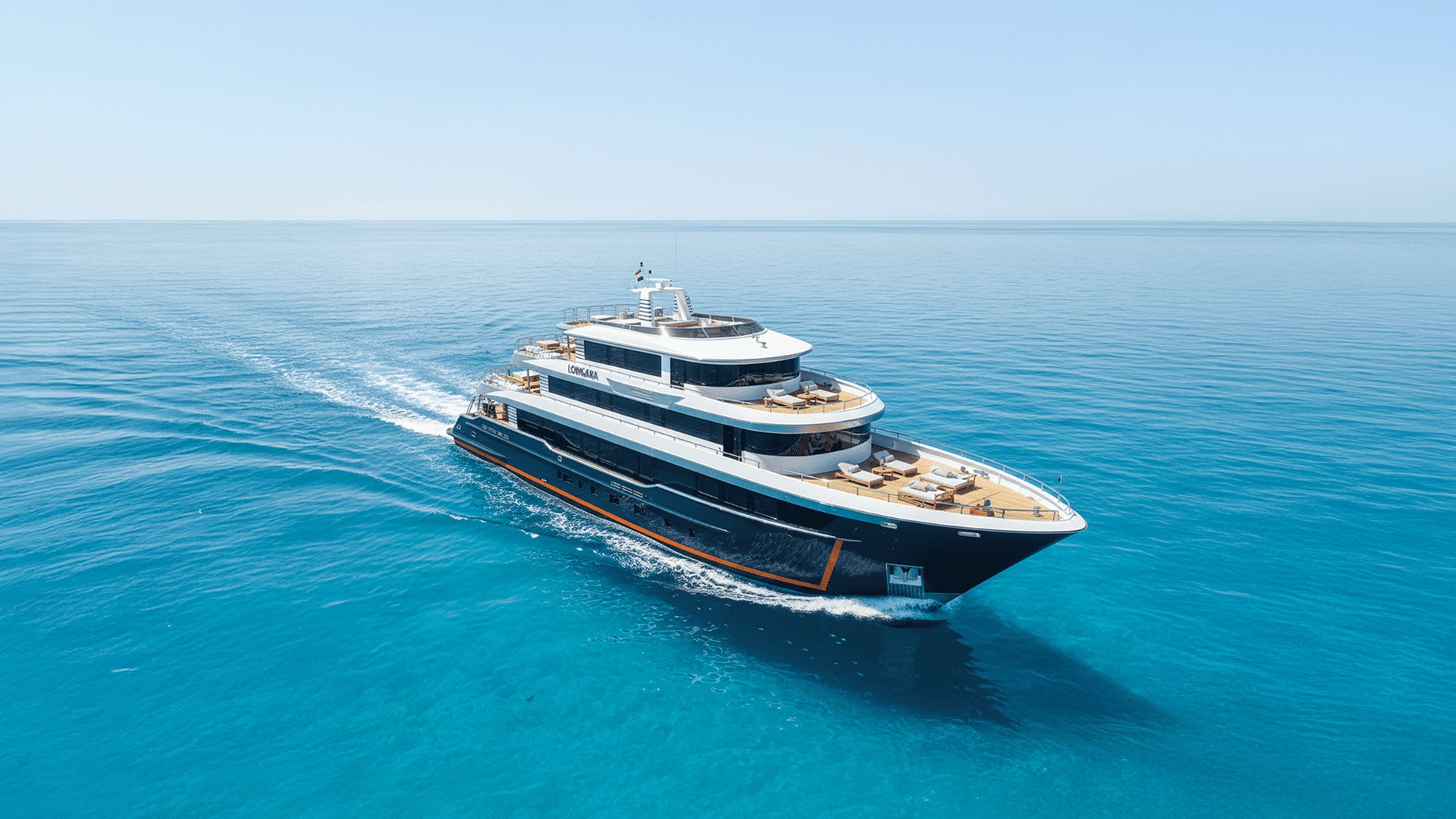
DUNE Longara
Egypt
30 guests
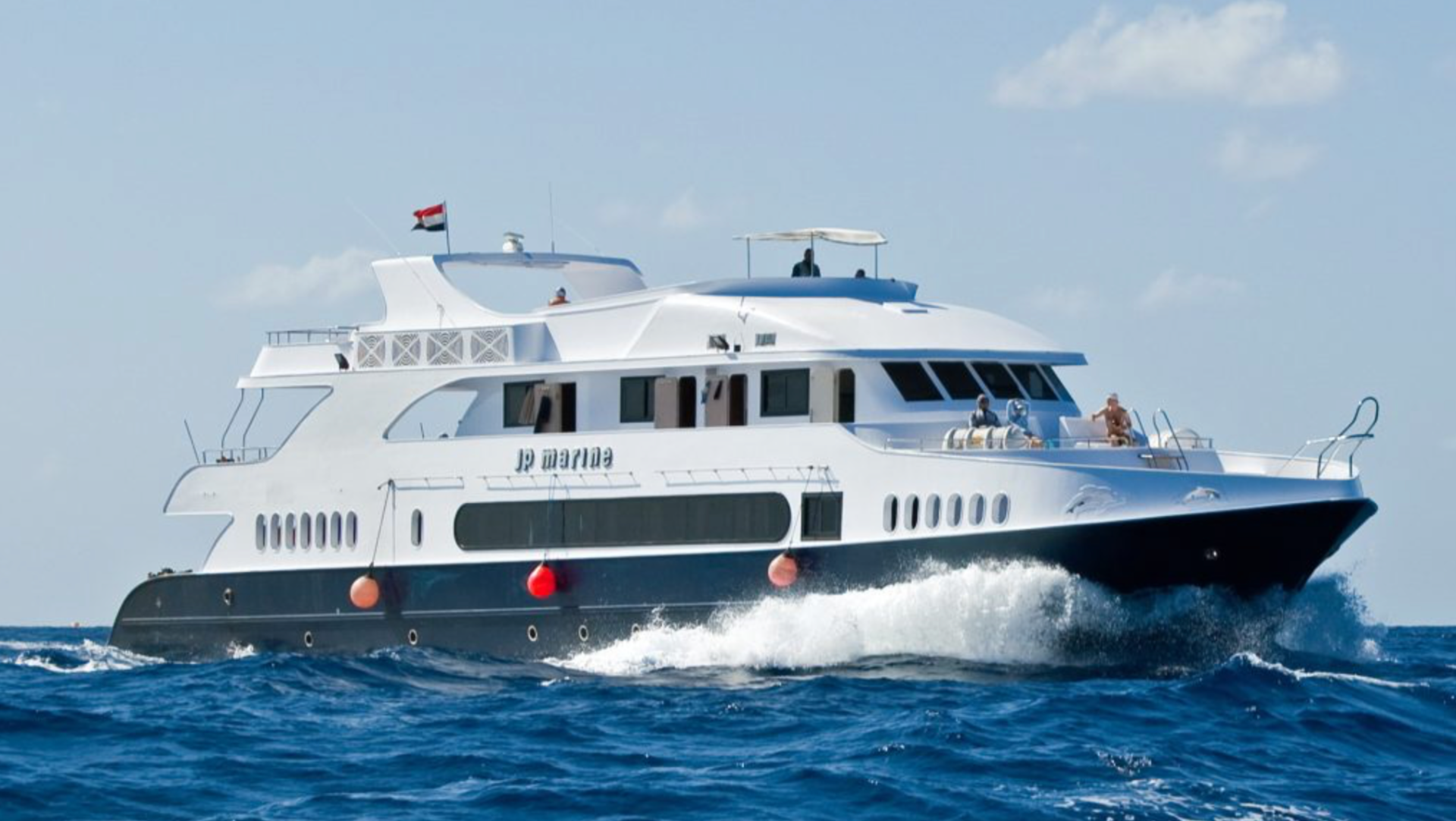
JP Marine
Egypt
28 guests
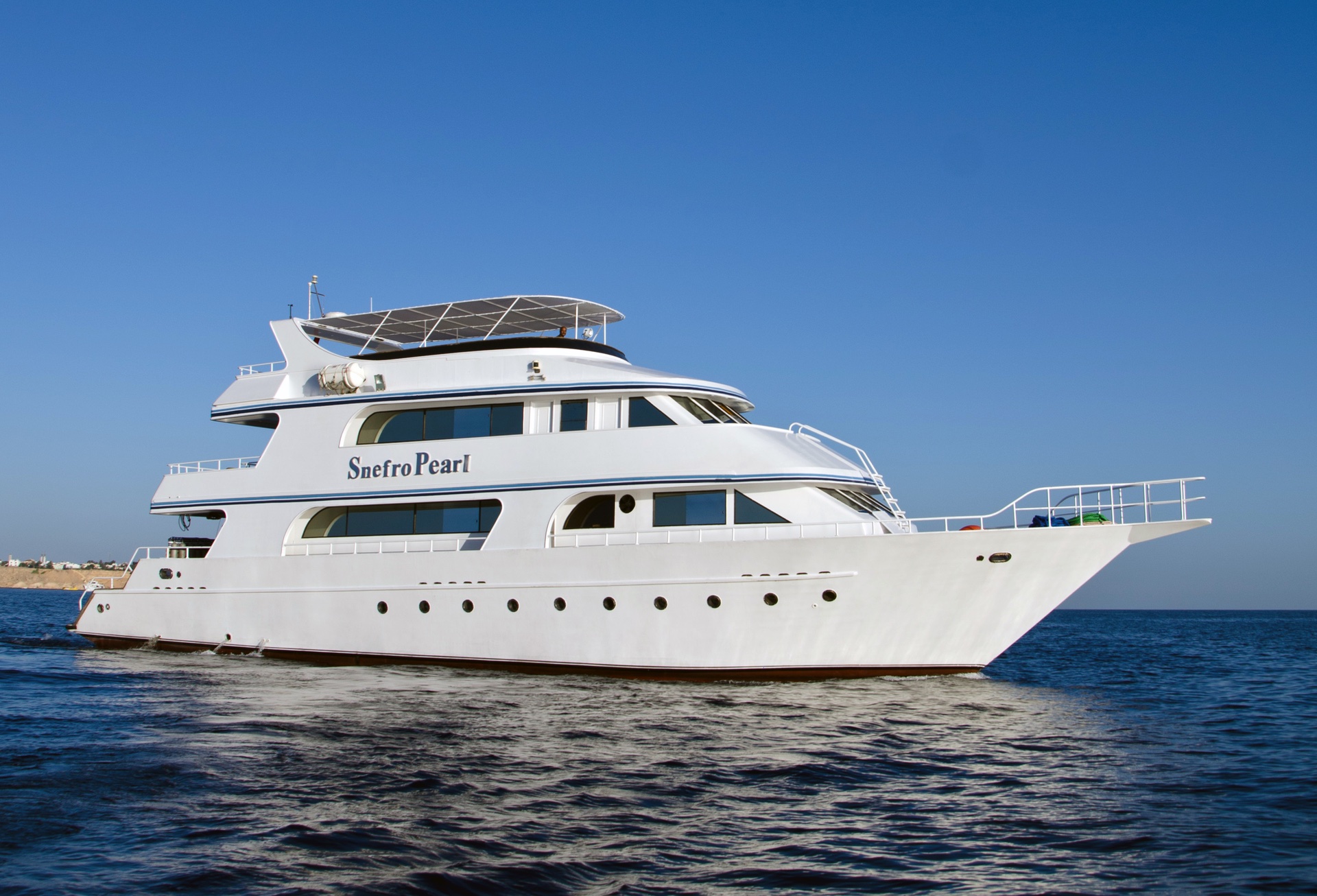
Snefro Pearl
Egypt
12 guests
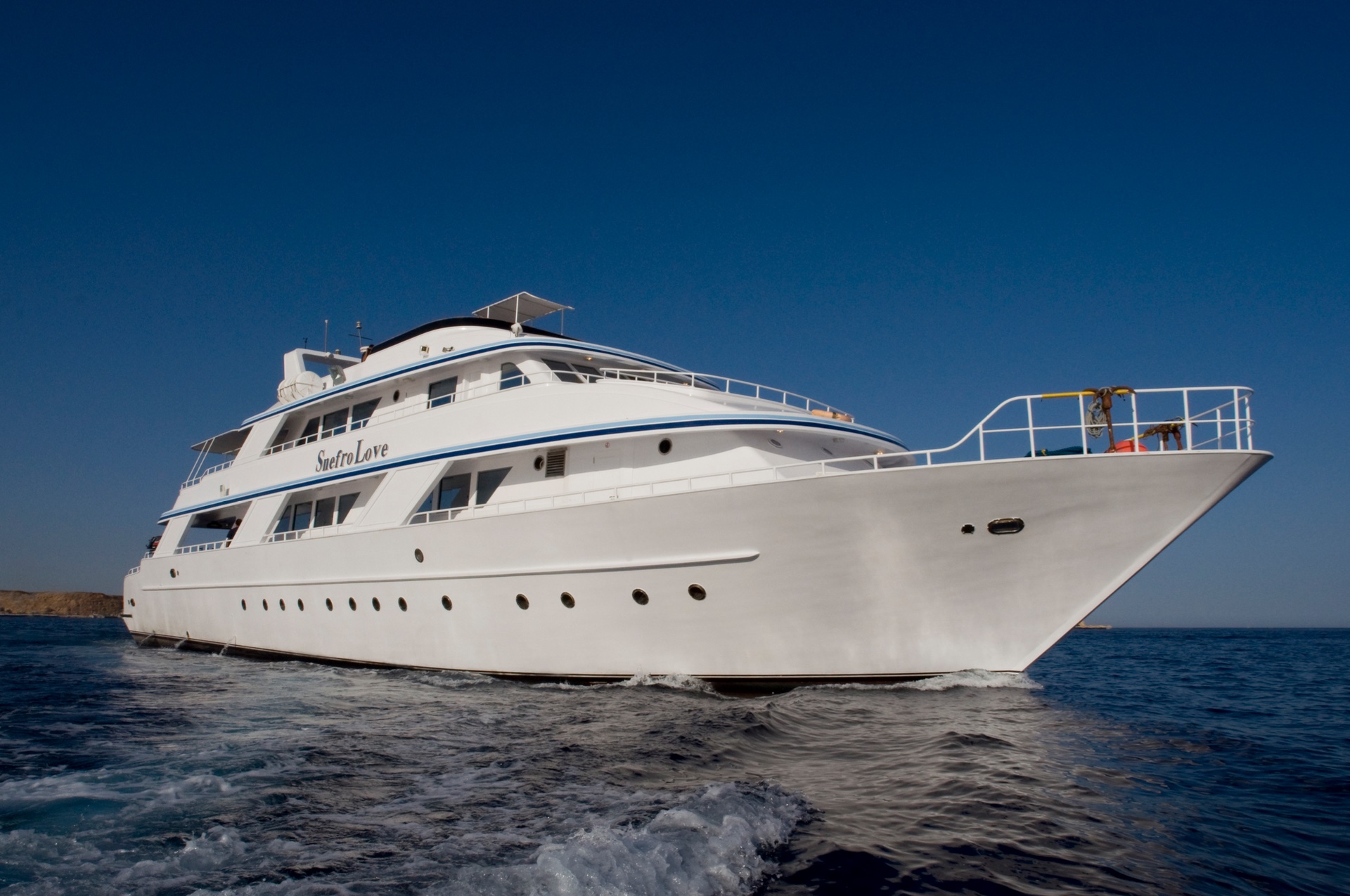
Snefro Love
Egypt
20 guests
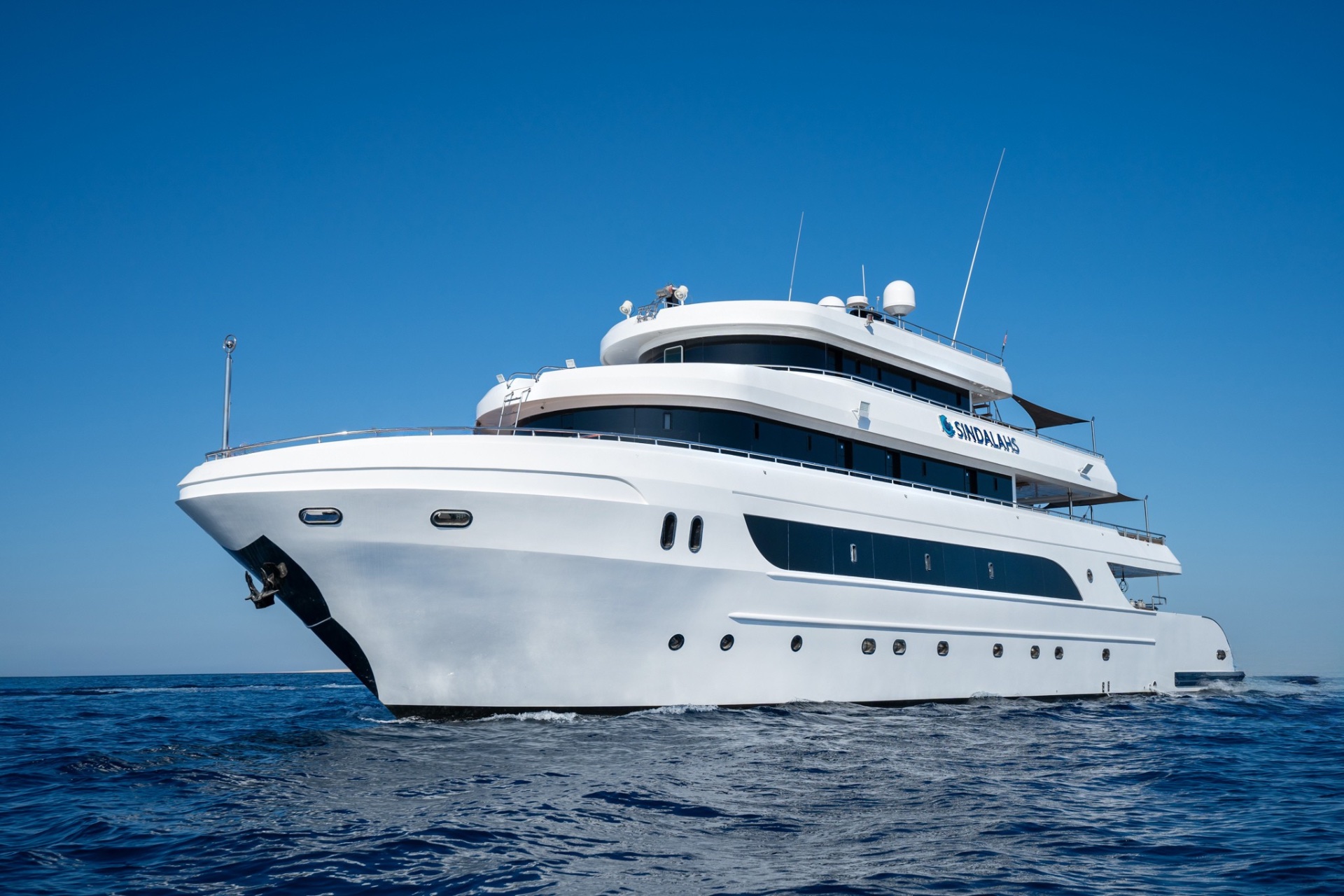
Sindalahs
Egypt
26 guests38 m
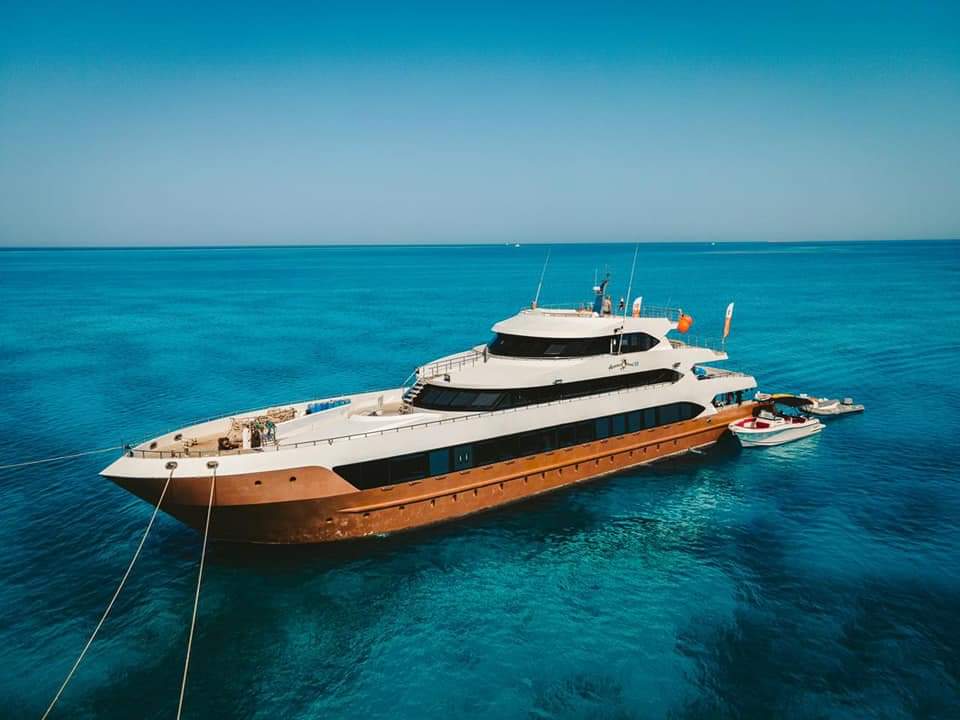
Hammerhead II
Egypt
20 guests
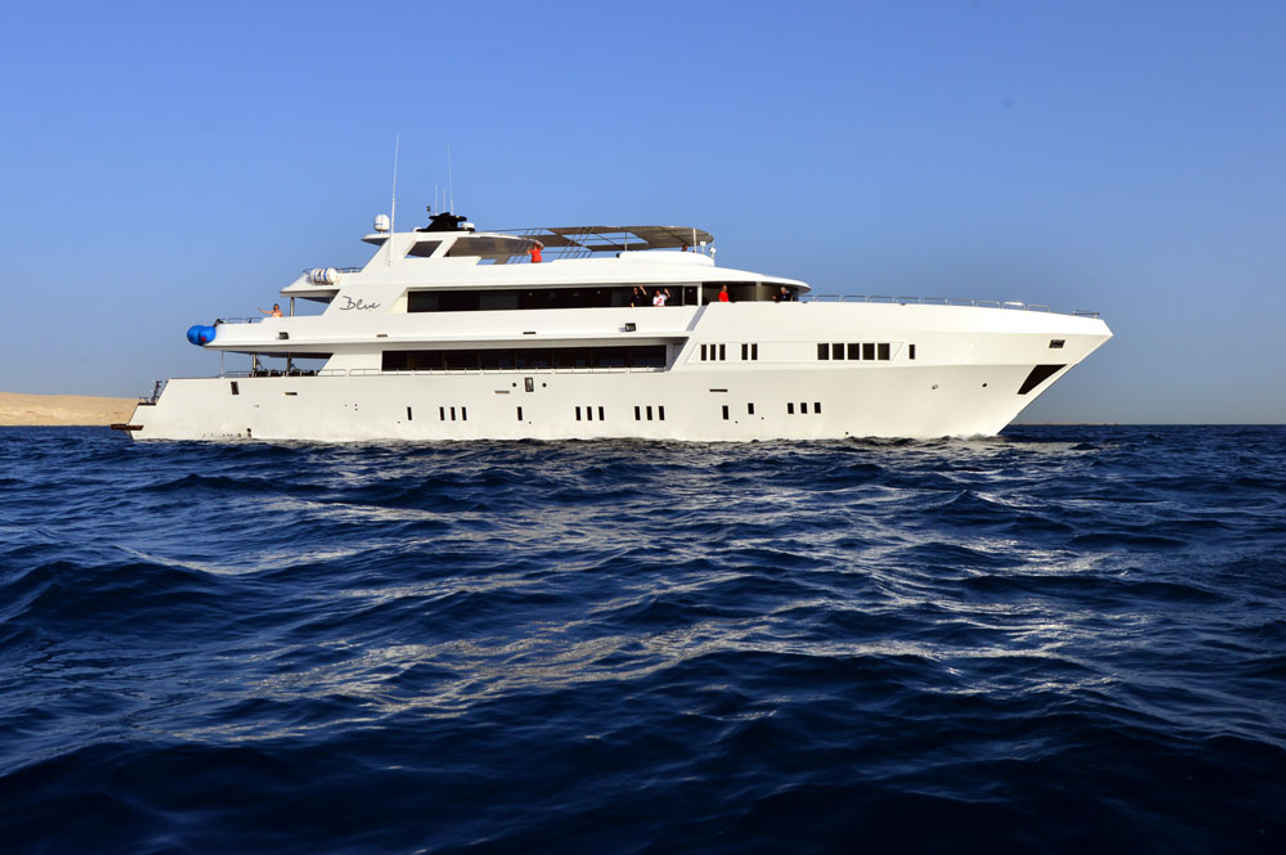
Blue Liveaboard
Egypt
24 guests43 m
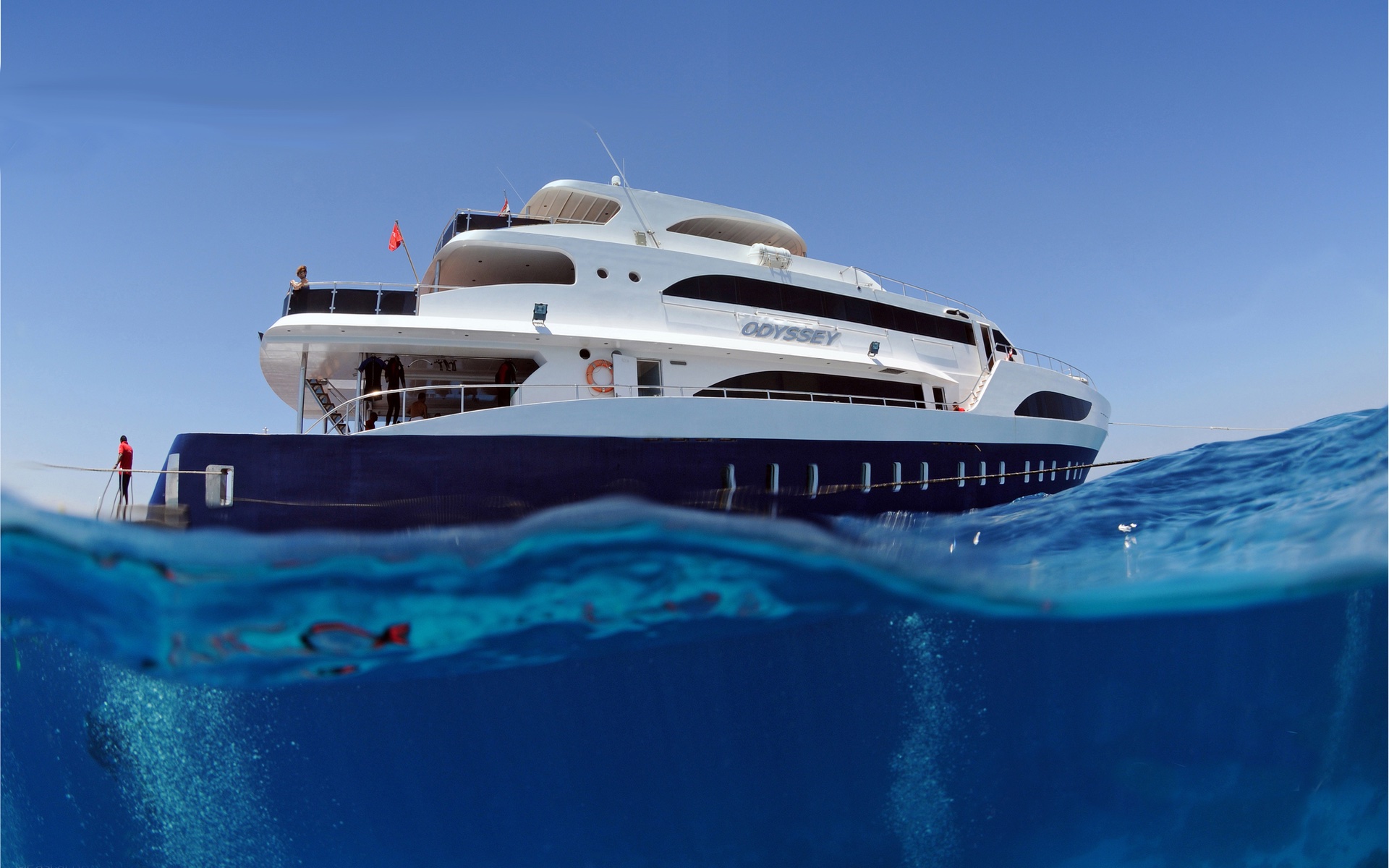
Odyssey
Egypt
26 guests40 m
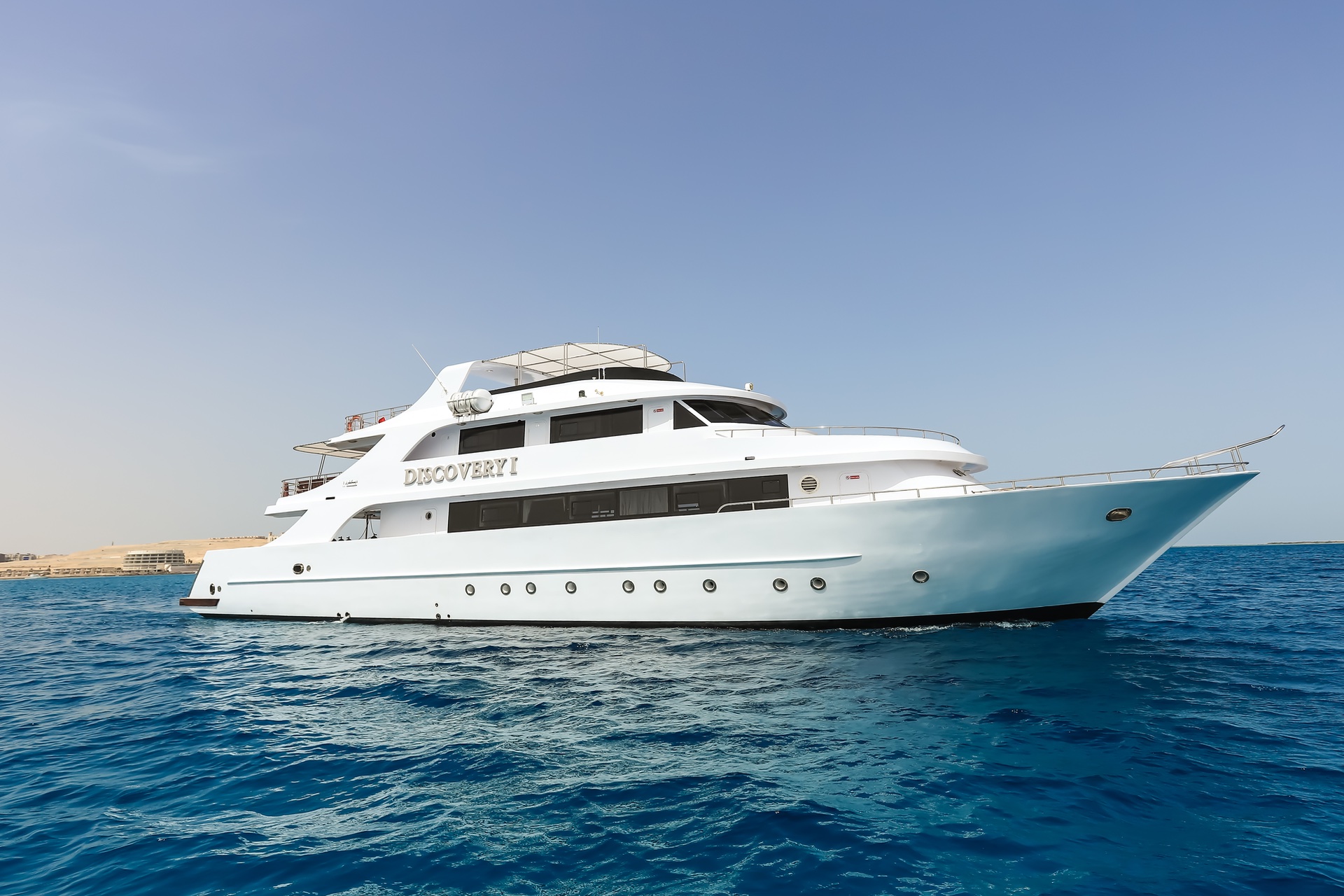
Discovery I
Egypt
20 guests
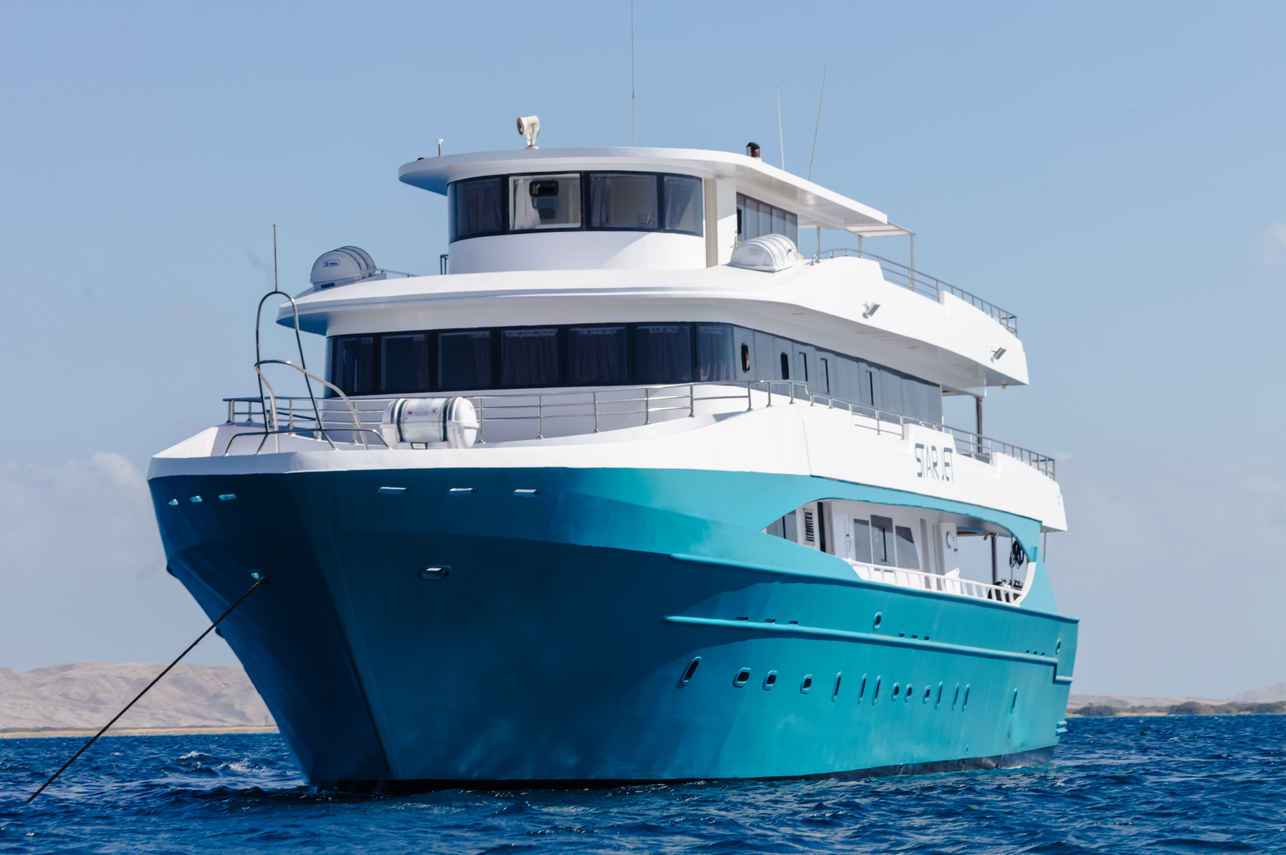
Star Jet
Egypt
28 guests35 m
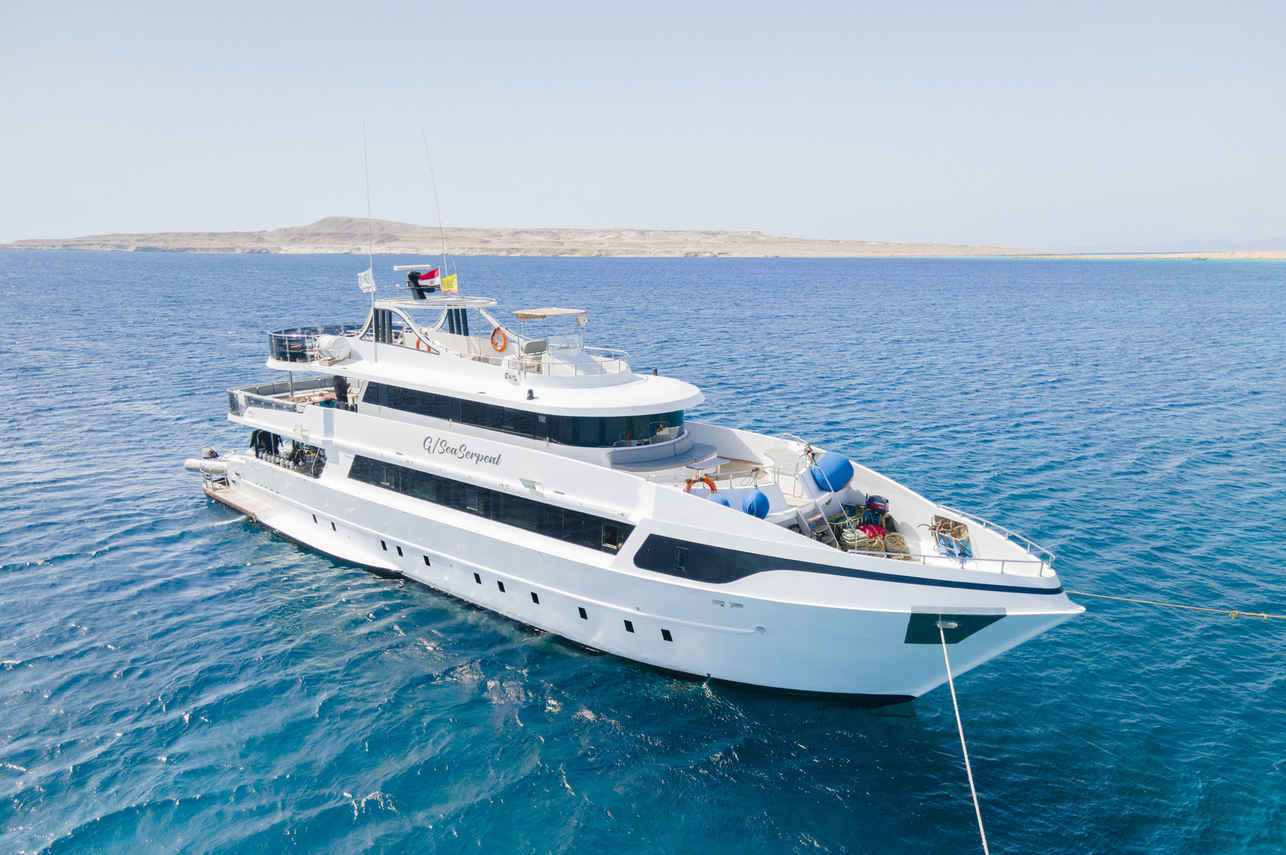
SS Serena Dreams
Egypt
18 guests33 m
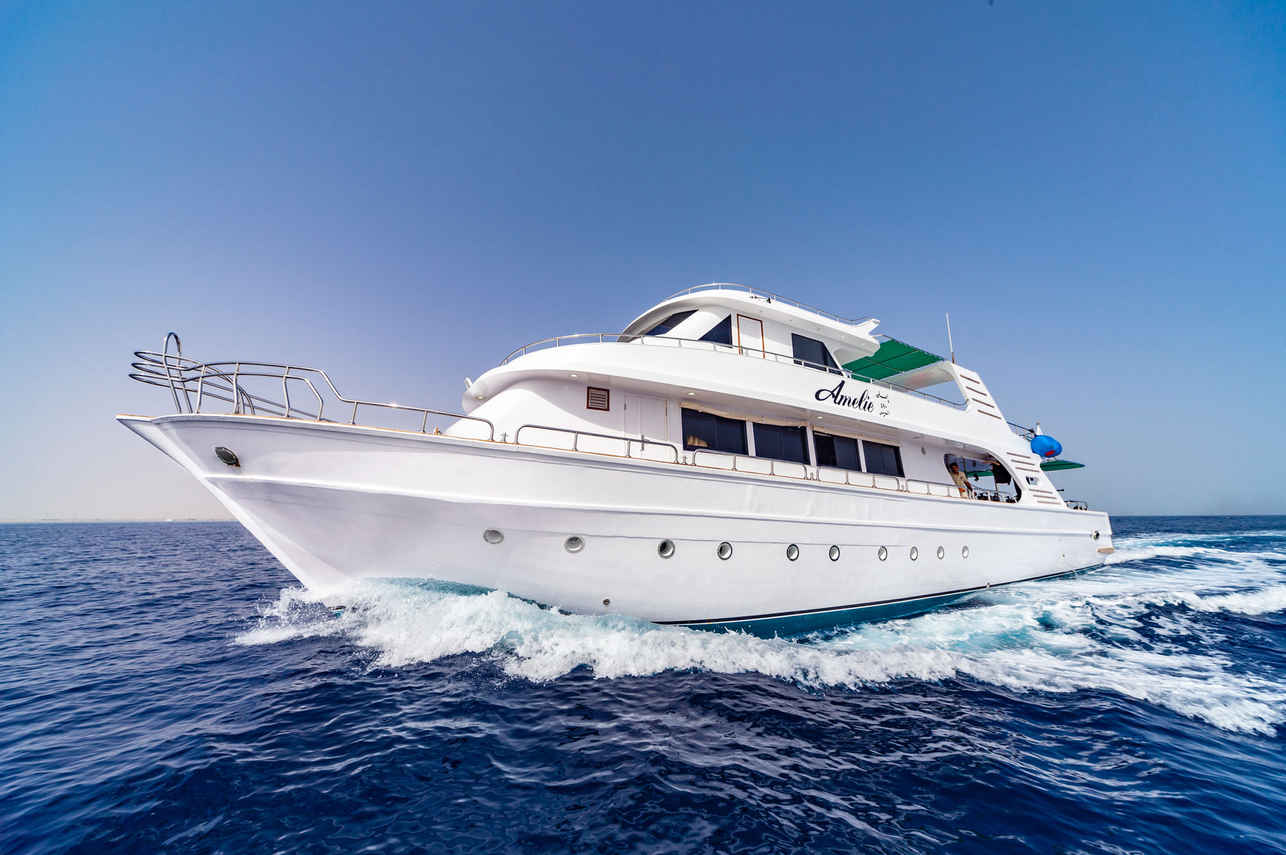
Amelie
Egypt
12 guests23 m
Dive sites similar to Little Brother
Same character, same waters — six more sites divers love for the exact same reasons.Compare seasons, access and liveaboard routes — then pick the site that fits your trip best.
© Esri — Maxar, Earthstar, GIS
Abu Dabbab
Egypt
Abu Dabbab stands out as one of the Red Sea's most celebrated dive destinations, particularly notable for being a rare location where divers can encounter the endangered dugong.
- Suitable for
- Beginner
- Current
- Strong
- Access
- Shore / dayboat
- Depth
- 3–20 m
- Theme
- Reef
© Esri — Maxar, Earthstar, GIS
Abu Galawa
Saudi Arabia
Abu Galawa is a prominent dive site within Saudi Arabia's Red Sea, specifically located among the Seven Sisters reefs near Yanbu.
- Suitable for
- Intermediate
- Current
- Strong
- Access
- Liveaboard or dayboat
- Depth
- 5–40 m
- Theme
- Reef / Wall
© Esri — Maxar, Earthstar, GIS
Abu Galawa Kebir
Egypt
Abu Galawa Kebir is a premier dive site located in the southern Red Sea, situated on the northwestern edge of the extensive Fury Shoal reef system.
- Suitable for
- Beginner
- Current
- Strong
- Access
- Liveaboard or dayboat
- Depth
- 3–18 m
- Theme
- Wreck
Abu Nuhas, often called the "ship's graveyard" of the Red Sea, is a triangular coral reef situated at the northern edge of the Strait of Gubal.
- Suitable for
- Beginner
- Current
- Strong
- Access
- Liveaboard or dayboat
- Depth
- 4–24 m
- Theme
- Wreck
The Aida is a prominent wreck dive site located in the Egyptian Red Sea, frequently visited on liveaboard itineraries that traverse the central region between the northern and southern dive sites.
- Suitable for
- Advanced
- Current
- Strong
- Access
- Liveaboard only
- Depth
- 25–65 m
- Theme
- Wreck / Drift
© Esri — Maxar, Earthstar, GIS
Al Lith Mangrove Reef
Saudi Arabia
Al Lith Mangrove Reef, located approximately 210 km south of Jeddah, serves as the primary launch point for exploring the renowned Farasan Banks.
- Suitable for
- Beginner
- Current
- Strong
- Access
- Shore / dayboat
- Depth
- 3–15 m
- Theme
- Reef / Wall