About La Patana
La Patana is a prominent dive site within the protected marine park of Jardines de la Reina, a vast archipelago stretching 150 kilometers off Cuba's southern coast. This area, named 'Gardens of the Queen' by Christopher Columbus, boasts one of the healthiest coral reef systems in the Caribbean, largely due to its remote location and stringent protection measures that limit diver access to less than three thousand annually. The site features a spectacular coral wall, descending into deeper waters, teeming with diverse reef life and pelagic species. The topography includes intricate coral formations, creating a rich habitat for various marine species. Depths typically range from the shallower coral gardens near the top of the wall to significant depths along the drop-off, catering to a range of dive levels. The healthy coral ecosystems, including vibrant soft corals, sponges, and sea fans, are sustained by cold water upwellings that bring nutrient-rich currents to the area. Divers at La Patana can expect to encounter a thriving ecosystem, often featuring larger marine predators attracted by the abundant fish. Silky sharks and Caribbean reef sharks are common, with nurse and hammerhead sharks also making appearances. The site's pristine condition offers an exceptional opportunity to observe marine life that has diminished in other Caribbean locations. This location provides a fully immersive dive experience, often leading to multiple daily encounters with significant marine biodiversity. Diving here is typically part of a liveaboard itinerary, with divers transported to the site by tender from a floating hotel base. The experience is characterized by back-to-back diving in warm, clear waters, offering ample opportunity for observation and photography. The emphasis on disconnecting from outside distractions allows for a deep appreciation of the underwater environment.
Highlights
Vibrant coral wallCaribbean reef sharksHealthy reef ecosystemSilky shark encountersDiverse fish populationsRemote, protected marine park
Season calendar
Best months to dive here
Jan
Feb
Mar
Apr
May
Jun
Jul
Aug
Sep
Oct
Nov
Dec
Excellent
Good
Off-Season
Nov – May (Dry Season)
Best visibility 30–40m, calm seas. Peak season for Jardines de la Reina. Whale sharks, silky sharks, crocodiles.
Jun – Jul & Oct (Shoulder)
Warm water, occasional rain. Good shark diving continues. Fewer tourists.
Aug – Sep (Hurricane Season)
Peak hurricane risk. Some operators pause. Rough seas and reduced visibility when storms pass.
Dive site facts: La Patana
- Depth
- 15-30+ m
- Current
- Mild to moderate
- Visibility
- Excellent, up to 30 m
- Water temperature
- 25-29°C
- Entry
- Tender / back-roll
- Level
- All levels
- Dive type
- Reef, wall, shark
- Night dive
- Possible
- Region / port
- Jardines de la Reina, Cuba
- Coordinates
- 21.6227° N, 80.3896° W
Conditions & Currents
Currents at La Patana are generally mild to sometimes moderate, making it accessible for various diver levels. Visibility is typically excellent, often reaching up to 30 meters, particularly during the dry season, which enhances both navigation and marine life observation. Water temperatures are consistently warm, ranging from 25°C to 29°C, reducing the need for heavy thermal protection. Entry into the water is usually a back-roll from a tender, facilitating precise placement at the dive site. Divers should remain aware of potential current shifts on the wall and plan their gas consumption accordingly, although conditions rarely pose extreme challenges.
Marine life & sighting chances

Caribbean reef shark
common
Silky shark
common
Nurse shark
occasional
Hammerhead shark
occasional
Goliath grouper
common
Barracuda
common
Jack
common
Sea turtle
common
Eagle ray
occasional
Tarpon
occasional
Elkhorn coral
common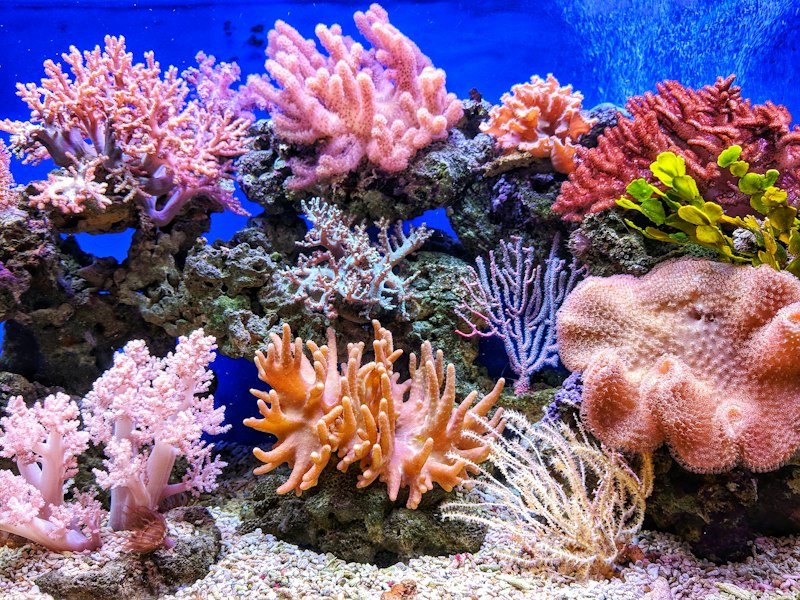
Soft coral
common
Sponge
common
Sea fan
commonDive profile & how the dive runs
Dives at La Patana typically begin with a back-roll entry from the tender, positioning divers directly over the vibrant coral wall. The initial descent often takes you to depths around 15-20 meters to explore the rich reef formations. Divers then follow the wall, observing the abundant marine life, including schools of fish and various shark species. Deeper sections of the wall can reach 30 meters or more, offering chances for pelagic sightings. The route is guided by the dive master, ensuring you explore key features such as canyons and overhangs. The dive concludes with an ascent along the shallower reef top, where the safety stop is performed amidst colorful corals and smaller fish, before returning to the tender.
Underwater photography
La Patana's excellent visibility and abundant marine life, especially sharks and healthy corals, make it a superb site for underwater photography. Wide-angle lenses are highly recommended to capture the expansive coral wallscapes and the frequent shark encounters. For macro enthusiasts, there are intricate details within the coral formations and smaller reef inhabitants to discover, though the site's highlight is its larger subjects. Use external strobes to bring out the true colors of the corals and ensure well-lit shark portraits. Maintain excellent buoyancy control to avoid disturbing the pristine reef and to achieve sharp, stable shots. Be patient with marine life, observing their natural behavior to capture authentic moments without chasing or stressing them.
Combine with nearby dive sites
- Pipin
A wall dive featuring coral canyons, caves, and frequent sightings of jacks, turtles, eagle rays, tarpons, and silky sharks.
- Farallon
A coral formation with impressive tunnels at 17-29 meters, known for large groupers and circling reef sharks.
- Black Coral I and II
Sites featuring extensive black coral colonies, gorgonians, goliath groupers, and a resident population of reef sharks.
Getting there & logistics
Access to La Patana is exclusively via liveaboard, which typically operates 7-night itineraries within the Jardines de la Reina marine park. Travelers usually fly into Jose Marti International Airport (HAV) in Havana, or alternatively to Jardines del Rey (CCC), Santa Clara (SNU), or Camaguey (CMW) international airports. From Havana, a road transfer of approximately five hours takes divers to Júcaro harbor, where the liveaboard embarks. Transfers from the other airports are shorter, around three to four hours. The liveaboard serves as a floating hotel, deploying tenders to reach individual dive sites daily, which are generally within 15 minutes of the main vessel. Permits are included in the liveaboard package, as the area has strict regulations limiting visitor numbers.
Safety & environment
Diving in Jardines de la Reina is conducted under the guidance of experienced local dive masters. The nearest recompression chamber is likely several hours away on the Cuban mainland, emphasizing the importance of adherence to dive plans, conservative dive profiles, and proper safety stops. Divers should ensure they have comprehensive dive insurance that covers emergency medical treatment and evacuation, especially given the remote nature of the marine park. Site-specific hazards are minimal, with currents generally mild, but always follow your guide's instructions. Maintain awareness of your surroundings, especially with large marine life like sharks, ensuring you do not provoke or disturb them. All divers are expected to demonstrate good buoyancy control to protect the fragile coral ecosystems.
Who it suits, and who it doesn't
Suited for
- Divers seeking pristine, shark-rich reefs
- Photographers focusing on wide-angle and large marine life
- Those who appreciate remote, liveaboard-based diving
- Divers of all experience levels
- Individuals looking to disconnect from technology
Less suited for
- Divers seeking shore-based diving
- Budget-conscious travelers
- Those who require constant internet connectivity
- Divers preferring urban or resort-centric environments
- Beginners without basic open water certification
FAQ
La Patana FAQ
What kind of sharks can I expect to see at La Patana?
La Patana is renowned for its shark population. Divers commonly encounter Caribbean reef sharks and silky sharks, which are almost guaranteed sightings on most dives. There are also occasional opportunities to spot nurse sharks and even hammerhead sharks in the area, contributing to an exhilarating dive experience.
Is La Patana suitable for beginner divers?
Yes, La Patana is generally suitable for divers of all experience levels. The currents are typically mild to moderate, and visibility is consistently excellent. Dive guides are attentive, and the liveaboard format ensures controlled conditions, making it an enjoyable and safe environment even for less experienced certified divers.
What is the water temperature like at La Patana?
The water temperature at La Patana is pleasantly warm year-round. It ranges from 25°C to 29°C (77°F to 84°F), peaking during the summer months. This comfortable temperature often means divers can use lighter wetsuits, such as 3mm, or even dive in skins, enhancing the overall dive experience.
How do I get to La Patana and the Jardines de la Reina?
Access to La Patana is exclusively through liveaboard operations departing from Júcaro harbor in Cuba. Travelers typically fly into international airports in Havana, Camaguey, or Santa Clara, followed by a several-hour road transfer to the harbor. The liveaboard then transports divers to the dive sites within the remote Jardines de la Reina marine park.
What is the visibility usually like at this dive site?
Visibility at La Patana and throughout Jardines de la Reina is consistently excellent, often reaching up to 30 meters (98 feet). This superb clarity, especially during the dry season from October to May, provides fantastic conditions for observing marine life and appreciating the healthy coral formations.
Why dive La Patana from a liveaboard?
La Patana is one of Cuba's signature dive sites. A liveaboard sleeps you on the water and puts you in the water for three to four guided dives per day, including dawn and night dives that day-boat operators rarely offer. You skip the daily commute back to port and reach quieter, less-crowded sites in the same region on a single trip.
Below are the liveaboards that include La Patana on their Cuba itineraries.
Liveaboards diving La Patana
These liveaboards may visit La Patana on selected itineraries, the exact dive sites depend on departure, weather and conditions.

Jardines Avalon Fleet
Cuba
20 guests35 m
Dive sites similar to La Patana
Same character, same waters, six more sites divers love for the exact same reasons.Compare seasons, access and liveaboard routes, then pick the site that fits your trip best.
© EsriMaxar, Earthstar, GIS
3 Fathom Wall
Cayman Islands
3 Fathom Wall is an exciting and fish-filled dive site located in the Cayman Islands, specifically at the intersection of the renowned Bloody Bay Wall.
- Suitable for
- Intermediate
- Current
- Mild
- Access
- Liveaboard only
- Depth
- ≤ 3000 m
- Theme
- Reef
While specific details for a dive site named "3 Riff" are not present in the provided sources, general diving conditions and characteristics for the Dominican Republic…
- Suitable for
- Advanced
- Current
- Mild
- Access
- Dayboat
- Depth
- 30–55 m
- Theme
- Reef
The dive site known as 3 Rocks is located off the coast of Sosúa in Puerto Plata, Dominican Republic, offering an accessible and lively underwater experience.
- Suitable for
- Beginner
- Current
- Mild
- Access
- Dayboat
- Depth
- 2–8 m
- Theme
- Reef
4 Amigos is a notable dive site located in the Bay Islands of Honduras, an area renowned for its extensive Mesoamerican Barrier Reef System, which is the world's second-longest.
- Suitable for
- Intermediate
- Current
- Moderate
- Access
- Liveaboard or dayboat
- Depth
- 9–40 m
- Theme
- Reef
© EsriMaxar, Earthstar, GIS
6 Toed Cat
Mexico
The dive site known as "6 Toed Cat" is not a recognized dive location in Mexico; rather, it refers to the polydactyl felines, many with six toes, that inhabit the Ernest Hemingway Home and Museum in Key West, Florida.
- Suitable for
- Beginner
- Current
- Mild
- Access
- Liveaboard or dayboat
- Depth
- —
- Theme
- Reef
© EsriMaxar, Earthstar, GIS
Aaron's Backyard
Honduras
Aaron's Backyard is a noted dive site within the Roatan Marine Park in Honduras, part of the extensive Mesoamerican Barrier Reef System.
- Suitable for
- Intermediate
- Current
- Moderate
- Access
- Liveaboard or dayboat
- Depth
- 9–40 m
- Theme
- Reef