About Gulf of Tadjoura – Whale Shark Area
The Gulf of Tadjoura, specifically its designated Whale Shark Area, stands as a prime destination for encounters with juvenile whale sharks in Djibouti. Situated at the convergence of the Red Sea and the Indian Ocean, this nutrient-rich basin attracts these gentle giants annually. Diving and snorkeling in this area typically involve shallow depths, ranging from 2 to 20 meters, making it accessible for various experience levels. The topography features warm, protected waters where young whale sharks congregate, offering unparalleled opportunities for close-up observations. While specific reef structures are less emphasized than the pelagic encounters, the calm conditions are ideal for observing these creatures in their natural feeding environment. From October to February, this area becomes a hotspot for whale shark gatherings, with peak season often seeing large numbers of young sharks. Manta rays are also frequently observed during these months, attracted by the same plankton blooms that draw the whale sharks. Beyond these majestic filter feeders, the vibrant marine ecosystem of Djibouti ensures a dynamic underwater experience, though the primary draw here remains the seasonal aggregations of whale sharks. Entry into the water is usually from liveaboard tenders, allowing divers and snorkelers to comfortably approach the feeding whale sharks. The calm, protected nature of the Gulf of Tadjoura makes for relatively easy diving conditions, suitable for beginners and experienced divers alike who are keen to interact with these iconic marine animals.
Highlights
Juvenile whale shark aggregationsSeasonal manta ray encountersProtected, warm watersSnorkeling with whale sharksAccessible shallow diving
Season calendar
Best months to dive here
Jan
Feb
Mar
Apr
May
Jun
Jul
Aug
Sep
Oct
Nov
Dec
Excellent
Good
Off-Season
Dive site facts: Gulf of Tadjoura – Whale Shark Area
- Depth
- 2–20 m
- Current
- Variable, can be strong in some areas
- Visibility
- 10–35 m+
- Water temperature
- 24–33°C
- Entry
- Liveaboard tender / surface entry
- Level
- All levels (snorkelling); AOWD recommended for deeper dives and currents
- Dive type
- Reef
- Night dive
- Possible
- Region / port
- Djibouti
- Coordinates
- 11.72, 43.15
Conditions & Currents
The Gulf of Tadjoura typically features protected and calm waters, which makes it suitable for beginner divers and snorkelers. While the broader region, particularly near the Bab-el-Mandeb strait, can experience strong currents due to tidal shifts, the specific whale shark aggregation areas within the gulf are known for their sheltered environment. Dives here often involve drift techniques or surface observation, ensuring accessible encounters with the marine life.
Dive profile & how the dive runs
Diving in the Gulf of Tadjoura typically begins from a liveaboard tender, which transports divers to specific whale shark aggregation points or reef sites. For whale shark encounters, the focus is often on snorkelling at the surface, allowing for direct interaction with these filter feeders. Divers then enter the water carefully, aiming to maintain a respectful distance of three to four meters from the animals. Reef dives within the Gulf explore depths ranging from 5 to 30 meters, featuring healthy coral gardens, walls, and volcanic formations. Some areas have moderate to strong currents, necessitating drift diving techniques. Safety stops are conducted at the standard 5 meters for 3 minutes, typically before re-boarding the tender.
Underwater photography
To capture the magnificent whale sharks in the Gulf of Tadjoura, a wide-angle lens is essential. For surface encounters, a dome port on your housing will allow for split-level shots, showcasing both the surface action and the underwater giant. Natural light is usually sufficient for whale shark photography due to their size and the relatively clear, shallow water they frequent. Avoid using flash photography, as it can disturb these protected animals. For reef dives, wide-angle also works well for the extensive coral gardens and schooling fish. Macro photography is possible for smaller subjects like nudibranchs and crustaceans, particularly in areas like the Moucha and Maskali Island reefs. Practice excellent buoyancy control to prevent disturbing the marine life and coral, especially during close-up encounters with whale sharks.
Combine with nearby dive sites
- Khor Ambado Reef
Khor Ambado Reef is a notable dive site located within Djibouti's Gulf of Tadjoura, an area celebrated for its exceptional marine…
- Tadjoura Bay Pinnacles
Tadjoura Bay Pinnacles, located within Djibouti's expansive Gulf of Tadjoura, offers a dynamic diving experience.
- Le Goubet (Ghoubbet al-Kharab)
Known as a nursery for juvenile whale sharks and for the Djibouti Crack tectonic fissure.
- Les Sept Frères (Seven Brothers Islands)
A chain of volcanic islands with vibrant coral reefs and strong currents attracting pelagics.
- Maskali Island
Features diverse reef fish and coral gardens, often included in itineraries.
Getting there & logistics
Access to the Gulf of Tadjoura and its whale shark area is primarily via liveaboard vessels departing from Djibouti City Marina. The main international gateway is Djibouti Ambouli International Airport (JIB), with flights from Paris, Istanbul, Dubai, and other regional hubs. Liveaboard trips typically range from 7 to 10 days, combining whale shark encounters with dives at various sites within the Gulf of Tadjoura and the Seven Brothers Islands. Visitors require an e-Visa beforehand, with the hard copy collected upon arrival. There are no specific dive site fees mentioned, as these are typically covered within the liveaboard package.
Safety & environment
Divers should maintain a respectful distance of three to four meters from whale sharks during encounters, and touching these protected animals is strictly prohibited. While currents can be strong in some parts of the Gulf, liveaboard operators provide experienced guides and appropriate safety briefings. The nearest recompression chamber is located in Djibouti City. Divers are strongly advised to have comprehensive travel and dive insurance that covers medical emergencies and evacuation, as remote locations and limited local medical infrastructure mean evacuation might be necessary for serious incidents. Malaria is a risk in Djibouti, so consult a medical professional about vaccinations and anti-malarial medication, ensuring any chosen medication does not interfere with diving safety.
Who it suits, and who it doesn't
Suited for
- Whale shark enthusiasts seeking reliable encounters with juveniles
- Underwater photographers focusing on large pelagics and wide-angle subjects
- Liveaboard divers desiring uncrowded dive sites and diverse marine life
- Divers with advanced open water certification and experience with currents
- Snorkellers and free divers wanting to interact with marine megafauna
Less suited for
- Divers seeking extensive wreck diving experiences only
- Those looking for highly predictable, calm, current-free diving conditions
- Beginner divers without a strong comfort level in open water and potential currents
- Travelers sensitive to warm weather and potentially variable visibility during transitional seasons
- Individuals seeking large resort-style amenities rather than an expeditionary dive trip
FAQ
Gulf of Tadjoura – Whale Shark Area FAQ
When is the best time to see whale sharks in the Gulf of Tadjoura?
The prime season for whale shark encounters in the Gulf of Tadjoura runs from October to February, with peak sightings typically occurring between November and January. During these months, nutrient-rich waters attract juvenile whale sharks to feed, making it an excellent time for observation. While sightings are possible outside this window, your chances are highest during the designated season.
Is it safe to swim with whale sharks in Djibouti?
Swimming with whale sharks in Djibouti is generally considered safe, as these animals are docile filter feeders. However, strict guidelines are enforced to ensure both diver and animal safety. You are required to maintain a distance of at least three to four meters from the whale sharks and are prohibited from touching them. Flash photography is also discouraged to avoid startling the animals.
What marine life can I expect to see besides whale sharks?
Beyond the incredible whale sharks, the Gulf of Tadjoura is home to a rich diversity of marine life. Divers frequently encounter manta rays, dolphins, and various reef sharks, including grey reef and nurse sharks. The healthy coral gardens teem with schooling fish like jacks, snappers, and barracuda, and you might also spot marine turtles, pilot whales, and smaller critters like nudibranchs and flatworms.
What are the typical diving conditions in the Gulf of Tadjoura?
Water temperatures in the Gulf of Tadjoura are consistently warm, ranging from 24–33°C depending on the season. Visibility is generally good, from 10 to over 35 meters. Currents can be variable; some areas within the Gulf experience strong tidal flows, which attract pelagic species and can lead to exciting drift dives. Sea states are typically calm within the protected Gulf, especially during the peak whale shark season.
Do I need any special certification to dive or snorkel with whale sharks?
For whale shark encounters, snorkelling is the primary activity and does not require a dive certification. However, if you plan to scuba dive at other sites within the Gulf of Tadjoura, an Open Water Diver certification is a minimum requirement. An Advanced Open Water Diver certification is recommended, especially for dives that involve deeper profiles or areas with stronger currents, which are common in this region.
Why dive Gulf of Tadjoura – Whale Shark Area from a liveaboard?
Gulf of Tadjoura – Whale Shark Area is one of Djibouti's signature dive sites. A liveaboard sleeps you on the water and typically offers several guided dives per day (the exact number depends on the vessel and itinerary), including dawn and night dives that day-boat operators rarely offer. You skip the daily commute back to port and reach quieter, less-crowded sites in the same region on a single trip.
Liveaboards diving Gulf of Tadjoura – Whale Shark Area
These liveaboards may visit Gulf of Tadjoura – Whale Shark Area on selected itineraries, the exact dive sites depend on departure, weather and conditions.
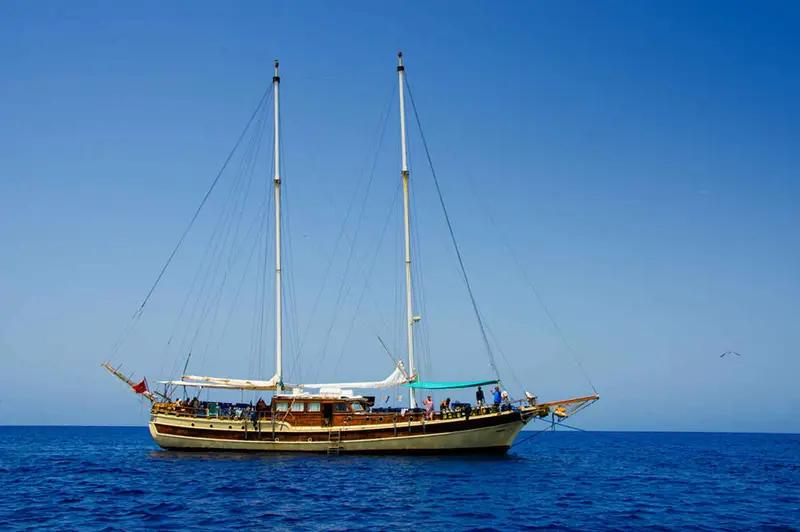
Elegante
Djibouti
14 guests25 m
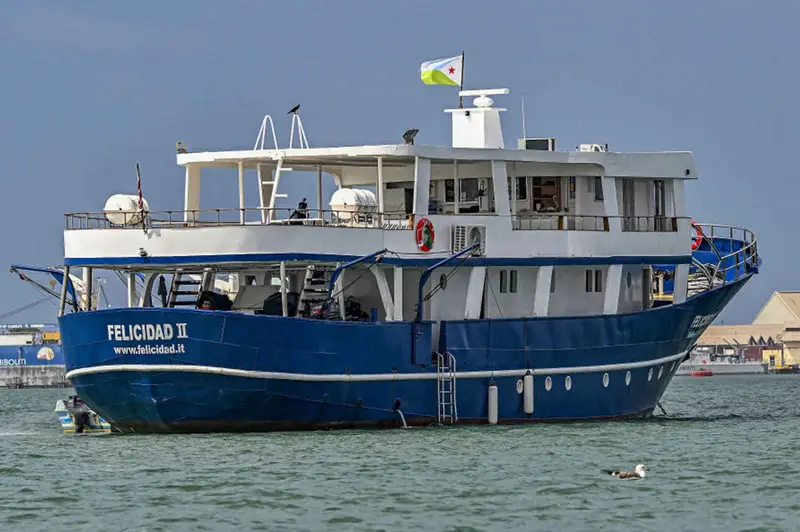
Felicidad II
Djibouti
18 guests30 m
Dive sites similar to Gulf of Tadjoura – Whale Shark Area
Same character, same waters, six more sites divers love for the exact same reasons.Compare seasons, access and liveaboard routes, then pick the site that fits your trip best.
© EsriMaxar, Earthstar, GIS
Abu Dabbab
Egypt
Abu Dabbab stands out as one of the Red Sea's most celebrated dive destinations, particularly notable for being a rare location where divers can encounter the endangered dugong.
- Suitable for
- Beginner
- Current
- Strong
- Access
- Shore / dayboat
- Depth
- 3–20 m
- Theme
- Reef
© EsriMaxar, Earthstar, GIS
Al Lith Mangrove Reef
Saudi Arabia
Al Lith Mangrove Reef, located approximately 210 km south of Jeddah, serves as the primary launch point for exploring the renowned Farasan Banks.
- Suitable for
- Beginner
- Current
- Strong
- Access
- Shore / dayboat
- Depth
- 3–15 m
- Theme
- Reef / Wall
© EsriMaxar, Earthstar, GIS
Alexandria
Egypt
Alexandria offers a truly unique diving experience in Egypt, differing significantly from the vibrant coral reefs of the Red Sea.
- Suitable for
- Beginner
- Current
- Moderate
- Access
- Liveaboard or dayboat
- Depth
- 5–8 m
- Theme
- Reef
© EsriMaxar, Earthstar, GIS
Arta Beach Reef
Djibouti
Arta Beach Reef, situated in Djibouti, presents a unique diving experience where the Red Sea meets the Indian Ocean.
- Suitable for
- Beginner
- Current
- Strong
- Access
- Liveaboard or dayboat
- Depth
- 3–15 m
- Theme
- Reef
© EsriMaxar, Earthstar, GIS
Cable Reef
Saudi Arabia
Cable Reef, also known as Rainbow Reef, stands out as one of Aqaba's most colorful and accessible dive locations, nestled within the Visitors’ Bay section of the Aqaba Marine Park.
- Suitable for
- Beginner
- Current
- Strong
- Access
- Shore / dayboat
- Depth
- 5–18 m
- Theme
- Reef
© EsriMaxar, Earthstar, GIS
Cedar Pride
Saudi Arabia
The Cedar Pride is a celebrated wreck dive located in the Gulf of Aqaba, Jordan, part of the Red Sea.
- Suitable for
- Beginner
- Current
- Mild
- Access
- Liveaboard or dayboat
- Depth
- 9–27 m
- Theme
- Wreck / Reef