About Tadjoura Bay Pinnacles
Tadjoura Bay Pinnacles, located within Djibouti's expansive Gulf of Tadjoura, offers a dynamic diving experience. This deep basin, situated at the entryway of the Red Sea, is renowned for its nutrient-rich waters, which foster vibrant coral gardens, plunging walls adorned with caverns and overhangs, and a flourishing reef ecosystem. Divers can explore depths ranging from 5 to 30 meters, encountering diverse marine life and the famous MV Priamos wreck, locally known as "le Faon," which is now blanketed in soft corals and teeming with snapper schools. The Gulf's unique blend of Red Sea and Gulf of Aden waters creates massive plankton blooms, attracting significant numbers of whale sharks and manta rays. This area is a prime location for encountering large pelagic species, particularly whale sharks and manta rays, especially due to the seasonal plankton abundance. While specific details on the "Pinnacles" are not extensively detailed, the overall Gulf of Tadjoura region is characterized by diverse topography that supports a rich marine environment. Expect to find healthy soft corals of every imaginable color, multiple sponge species, and enormous schools of fish that thrive in these nutrient-dense conditions. Diving here ranges from vibrant reef explorations to drift dives; however, specific current information for the Pinnacles isn't highlighted, generally requiring awareness in dynamic oceanic environments. The Gulf of Tadjoura is accessible for various certification levels, with dive sites spanning both shallower (5m) and deeper (30m) ranges. While liveaboards are the primary way to access these remote, pristine sites, general dive experience in varied conditions is beneficial.
Highlights
PinnaclesBarracudaBatfishWhale Sharks
Season calendar
Best months to dive here
Jan
Feb
Mar
Apr
May
Jun
Jul
Aug
Sep
Oct
Nov
Dec
Excellent
Good
Dive site facts: Tadjoura Bay Pinnacles
- Depth
- 5–40m+
- Typical dive
- 15–30m, 50–60 min
- Current
- Mild to strong
- Visibility
- 10–35m+
- Water temperature
- 24–29°C
- Entry
- Liveaboard / Zodiac
- Level
- Intermediate to Advanced
- Dive type
- Reef, wall, pelagic, drift
- Night dive
- Possible
- Region / port
- Gulf of Tadjoura, Djibouti
- Coordinates
- 11.74, 43.08
Conditions & Currents
Currents in Tadjoura Bay can vary from mild to strong, particularly at exposed sites and around the pinnacles where the Red Sea and Gulf of Aden waters converge. Divers should be prepared for potential drift dives, and experience with currents is beneficial. While specific tidal dependencies are not always detailed, nutrient-rich inflows can create currents that attract pelagic life, demanding careful dive planning and good buoyancy control. Visibility is generally excellent, often exceeding 20 meters, though plankton blooms during whale shark season can slightly reduce it while attracting megafauna. Water temperatures remain warm throughout the year, typically between 24-29°C.
Marine life & sighting chances

Whale shark
October–February · common
Manta ray
October–February · common
Grey reef shark
occasional
Nurse shark
occasional
Dolphin
common
Pilot whale
occasional
Barracuda
common
Jackfish
common
Snapper
common
Batfish
common
Green turtle
occasional
Stingray
occasionalDive profile & how the dive runs
A typical dive at the Tadjoura Bay Pinnacles often begins with a descent along one of the pinnacle walls, which plunge to depths exceeding 40 meters. Divers generally follow the contour of the pinnacle, exploring overhangs and small caverns that house various reef fish and invertebrates. The route might involve circumnavigating a specific pinnacle, moving from its deeper sections, where pelagics are often spotted in the blue, to shallower coral gardens. The turn point is usually dictated by air consumption or bottom time, with the ascent initiated along a vibrant, shallower section of the reef. The safety stop is conducted at 5 meters, often enjoying the bustling activity of the reef shallows before surfacing.
Underwater photography
Tadjoura Bay offers diverse photographic opportunities, from wide-angle shots of dramatic pinnacles and schooling fish to macro captures of intricate coral life and nudibranchs. For whale shark encounters, a wide-angle lens is essential, and natural light is often sufficient, but avoid flash photography on these animals. For reef photography, a good strobe setup will bring out the vibrant colors of the corals and smaller fish. Buoyancy control is paramount to avoid disturbing delicate ecosystems and to compose clear shots in potentially current-rich areas. Always maintain respectful distance from marine life and avoid touching the corals.
Combine with nearby dive sites
- Gulf of Tadjoura – Whale Shark Area
Famous for seasonal whale shark aggregations
- Le Goubet (Ghoubbet al-Kharab)
Known as Devil's Cauldron, a nursery for juvenile whale sharks
- Maskali Island
Part of a marine protected area with diverse reefs
- Moucha Island Reef
Home to varied reef ecosystems and shipwrecks
- Les Sept Frères (Seven Brothers Islands)
Volcanic islands with pristine corals and strong currents
Getting there & logistics
Access to Tadjoura Bay typically begins with flights into Djibouti-Ambouli International Airport (JIB). From there, divers usually embark on liveaboard trips departing from Djibouti City, which can range from 4 to 7 nights, or take day boat excursions. While there are local operators for day trips, liveaboards offer the most comprehensive exploration of the bay and other remote sites like the Seven Brothers Islands. Permits for marine protected areas may be included in liveaboard packages. It is advisable to pre-arrange all travel and diving logistics, as infrastructure outside the capital can be limited.
Safety & environment
Diving in Tadjoura Bay requires careful safety planning. The nearest recompression chamber is approximately 300 km away in Aden, Yemen, or Ethiopia, highlighting the importance of conservative dive profiles and strict adherence to no-decompression limits. Comprehensive dive insurance covering medical evacuation and recompression treatment is not optional, it is essential. Site-specific hazards include potential strong currents at some pinnacles, requiring good buoyancy control and current diving experience. Always dive with a reputable operator, follow your dive guide's instructions, and ensure all gear is properly maintained. Maintain a respectful distance from marine life and avoid disturbing the fragile coral ecosystems.
Who it suits — and who it doesn't
Suited for
- Experienced divers comfortable with currents
- Photographers seeking unique marine life and landscapes
- Adventure seekers desiring uncrowded dive sites
- Divers interested in pelagic encounters and large schools of fish
- Liveaboard enthusiasts
Less suited for
- Novice divers without current experience
- Divers requiring immediate access to recompression facilities
- Those preferring extensive shore-based amenities
- Budget travelers on very strict budgets
- Individuals sensitive to hot climates outside whale shark season
FAQ
Tadjoura Bay Pinnacles FAQ
What kind of marine life can I expect to see at Tadjoura Bay Pinnacles?
Tadjoura Bay Pinnacles are rich in marine life, offering encounters with diverse species. You can expect to see large schools of barracuda, jacks, and snappers, along with various reef fish. Pelagic species like grey reef sharks, nurse sharks, manta rays, and dolphins are also common, with seasonal whale shark sightings being a major highlight.
Are the currents strong at Tadjoura Bay Pinnacles?
Currents at Tadjoura Bay Pinnacles can range from mild to occasionally strong, especially around exposed areas and where the Gulf of Aden and Red Sea waters meet. Divers should be comfortable with varying current conditions and good buoyancy control. Many dives can become drift dives, offering exciting opportunities to see pelagic life.
What is the best time of year to dive Tadjoura Bay?
The best time for diving in Tadjoura Bay is from October to February. During these months, water temperatures are pleasant, and visibility is typically excellent. This period also coincides with the peak season for whale shark aggregations, significantly increasing your chances of encountering these magnificent creatures.
What is the visibility like in Tadjoura Bay?
Visibility in Tadjoura Bay is generally very good to excellent, often ranging between 10 to 35 meters or more. While plankton blooms during the whale shark season might occasionally reduce visibility slightly, they also attract the very megafauna divers come to see. The clear waters enhance the vibrant coral and marine life viewing.
What is the diving experience level required for Tadjoura Bay Pinnacles?
Tadjoura Bay Pinnacles are best suited for intermediate to advanced divers. The potential for strong currents and deeper dive profiles means that experience with drift diving and good buoyancy control is highly recommended. Novice divers might find some sites challenging, so prior experience in similar conditions is beneficial.
How do I get to Tadjoura Bay?
Most divers access Tadjoura Bay through liveaboard trips departing from Djibouti City, which is serviced by Djibouti-Ambouli International Airport (JIB). Day trips from the capital are also possible for some sites within the bay. It's recommended to arrange your travel and diving logistics through reputable operators before your arrival.
Why dive Tadjoura Bay Pinnacles from a liveaboard?
Tadjoura Bay Pinnacles is one of Djibouti's signature dive sites. A liveaboard sleeps you on the water and puts you in the water for three to four guided dives per day, including dawn and night dives that day-boat operators rarely offer. You skip the daily commute back to port and reach quieter, less-crowded sites in the same region on a single trip.
Below are the liveaboards that include Tadjoura Bay Pinnacles on their Djibouti itineraries.
Liveaboards diving Tadjoura Bay Pinnacles
These liveaboards may visit Tadjoura Bay Pinnacles on selected itineraries — the exact dive sites depend on departure, weather and conditions.
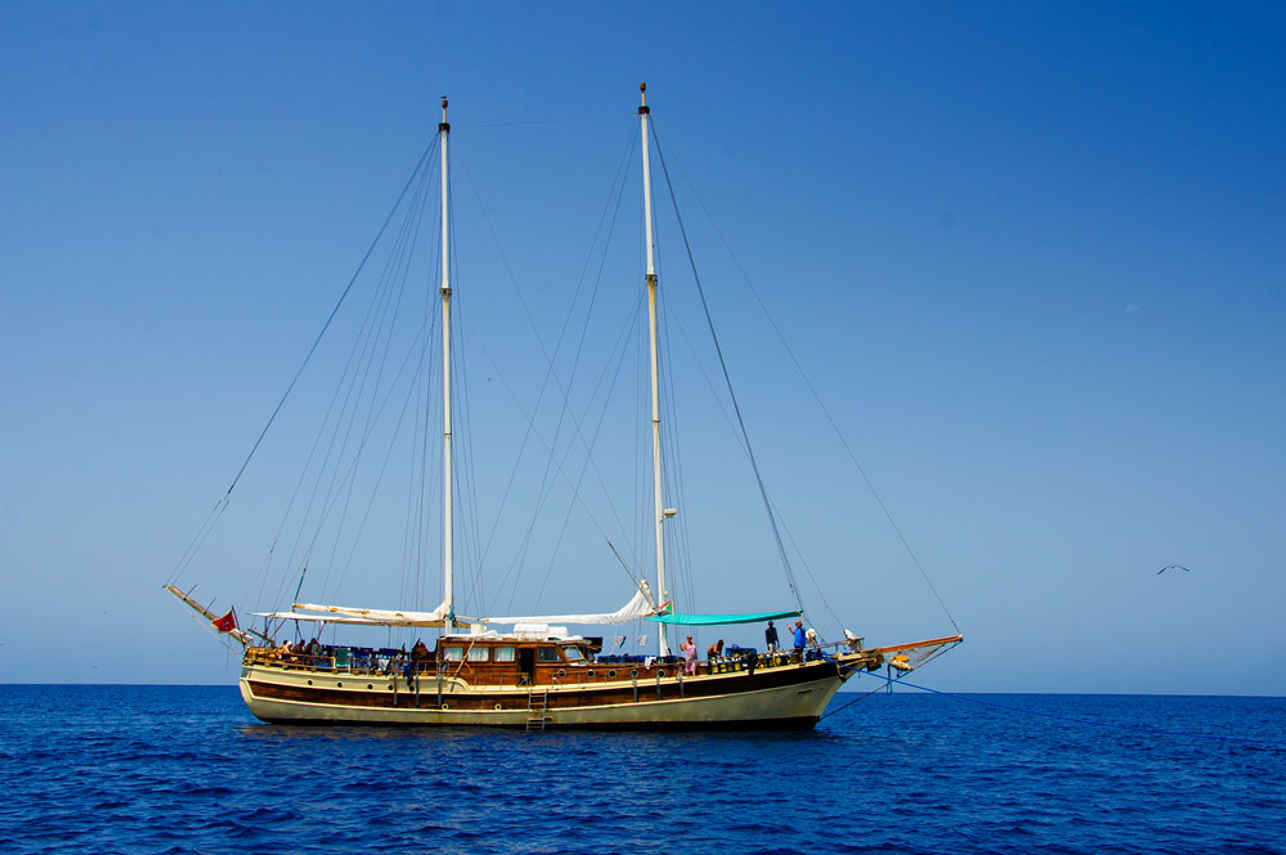
Elegante
Djibouti
14 guests25 m
$206/day
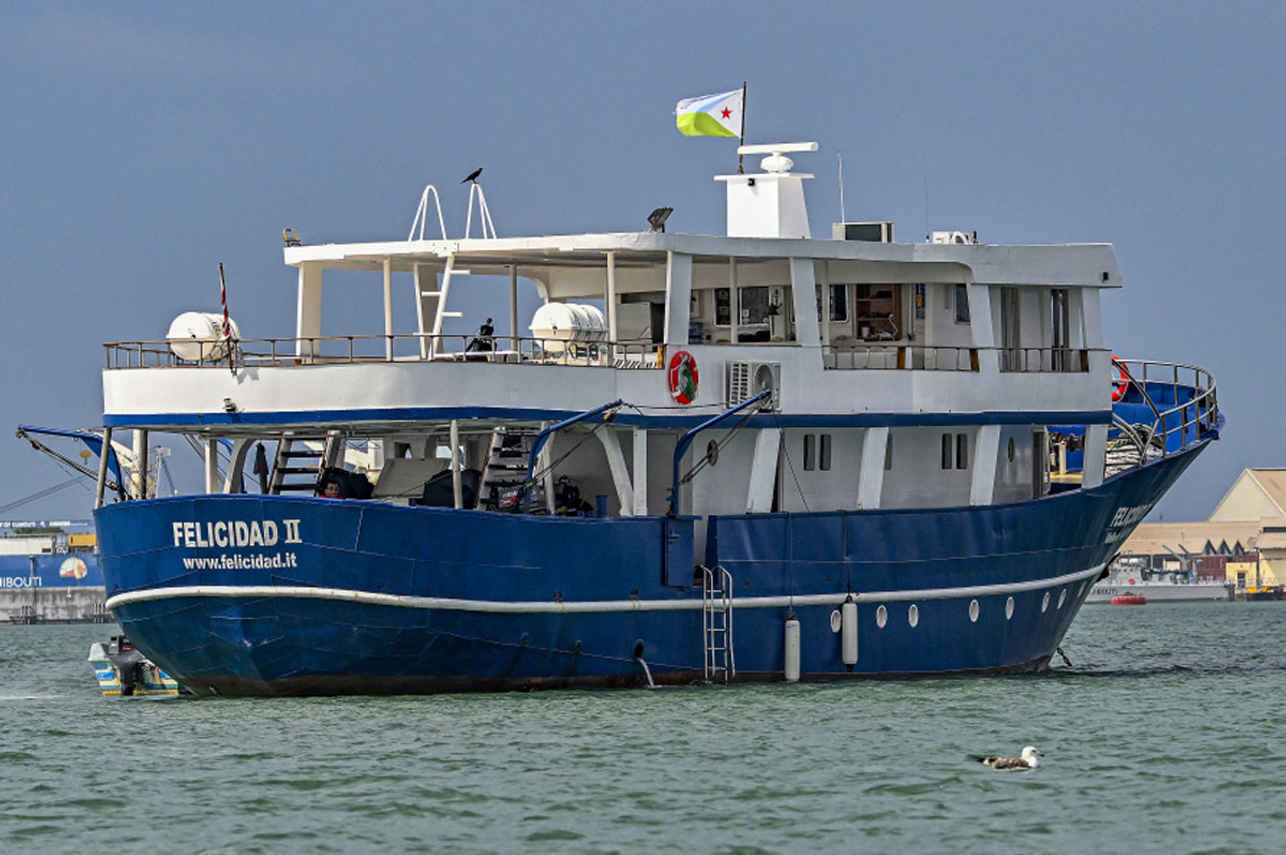
Felicidad II
Djibouti
18 guests30 m
$186/day
Dive sites similar to Tadjoura Bay Pinnacles
Same character, same waters — six more sites divers love for the exact same reasons.Compare seasons, access and liveaboard routes — then pick the site that fits your trip best.
© Esri — Maxar, Earthstar, GIS
Carless Reef
Egypt
Carless Reef is a renowned advanced dive site near Hurghada, notable for its two prominent coral pinnacles that rise from a sandy bottom at 30 meters.
- Suitable for
- Advanced
- Current
- Strong
- Access
- Dayboat
- Depth
- 15–40 m
- Theme
- Reef / Drift
© Esri — Maxar, Earthstar, GIS
Cape Rouge
Djibouti
Cape Rouge is a notable dive site in Djibouti, known for its pristine underwater environment where the Red Sea meets the Indian Ocean.
- Suitable for
- Advanced
- Current
- Mild
- Access
- Liveaboard or dayboat
- Depth
- 15–40 m
- Theme
- Reef
© Esri — Maxar, Earthstar, GIS
Farasan Islands
Saudi Arabia
The Farasan Islands, situated in the southern Red Sea off the coast of Jazan, represent Saudi Arabia's premier destination for biodiverse diving.
- Suitable for
- Advanced
- Current
- Strong
- Access
- Liveaboard only
- Depth
- 10–40 m
- Theme
- Wall / Reef
© Esri — Maxar, Earthstar, GIS
Gota Soraya
Egypt
Gota Soraya stands out as one of the Red Sea's premier wall dives, located in the southern region near the Sudanese border.
- Suitable for
- Advanced
- Current
- Moderate
- Access
- Liveaboard only
- Depth
- ≤ 20 m
- Theme
- Wall
© Esri — Maxar, Earthstar, GIS
Umm Kharalim
Egypt
Umm Kharalim, also known as St. John's Caves, is a distinctive dive site nestled within the remote St. John's reef system in the southern Red Sea, close to Egypt's border with Sudan.
- Suitable for
- Advanced
- Current
- Strong
- Access
- Liveaboard only
- Depth
- 3–15 m
- Theme
- Cave & cavern
© Esri — Maxar, Earthstar, GIS
Marsa Abu Dabab
Egypt
Marsa Abu Dabab is a distinctive, horseshoe-shaped bay located on Egypt's southern Red Sea coast, approximately 35 kilometers north of Marsa Alam town.
- Suitable for
- Beginner
- Current
- Moderate
- Access
- Shore / dayboat
- Depth
- 2–20 m
- Theme
- Reef