About Boiler Wreck
The Boiler Wreck, located on Abu Madafi Reef near Jeddah, offers a diverse diving experience suitable for both novice and experienced divers. This historic coal-fired ship, believed to be over a century old, rests between 4 and 18 meters below the Red Sea surface, making it an ideal starting point for exploring Saudi Arabia's underwater world. The wreck itself is a prominent feature, lying on its starboard side at 18 meters, yet the site offers much more than just the ship's remains. Divers typically begin their descent in open water about 50 meters west of the wreck, reaching a shelf wall at 45 meters. This deeper section reveals a vibrant ecosystem of large, gently swaying sea fans up to a meter in diameter, black coral bushes teeming with crustaceans and small fish, and soft corals in striking pink and scarlet hues. Exploring small caverns here requires a dive light to fully appreciate the array of colors. The shelf then gradually slopes upwards, allowing divers to match their ascent rate with the natural topography as they approach the wreck. Upon reaching the wreck's stern, divers find ample bottom time to observe resident marine life around the ship, which acts as an artificial reef. While visibility is generally excellent, large pelagic species such as sharks, manta rays, bonito, bluefin jacks, and kingfish are often seen along the deeper wall. The site's diverse offerings ensure a captivating experience, from historical exploration to vibrant coral gardens and potential encounters with large marine creatures. Its accessibility for various skill levels, from the shallow wreck to the deeper reef, positions it as a prime dive destination in the Red Sea. Entry is typically from a dive boat, with careful planning for gas and no-decompression limits for those exploring the deeper wall. The site is frequently visited by liveaboards, making it a well-established dive location.
Highlights
Historic coal-fired shipDeep shelf wallLarge sea fansBlack coral bushesPink and scarlet soft coralsResident wreck marine lifePotential pelagic encountersCoral-covered caves
Season calendar
Best months to dive here
Jan
Feb
Mar
Apr
May
Jun
Jul
Aug
Sep
Oct
Nov
Dec
Excellent
Good
Dive site facts: Boiler Wreck
- Depth
- 4–18 m
- Current
- Mild
- Visibility
- 10–25 m
- Entry
- Boat
- Level
- Open Water
- Dive type
- Wreck, cave, reef
- Region / port
- Jeddah, Makkah Province
- Coordinates
- 21.6167, 39.0833
Conditions & Currents
Currents at the Boiler Wreck site can be noticeable, particularly along the deeper shelf wall where large sea fans are observed gently swaying, indicating some water movement. Divers should be mindful of these currents, especially when exploring the deeper sections of the reef. Entry is typically made from a dive boat, with divers descending in open water to the reef. Visibility is generally very good, though it can fluctuate. While specific thermoclines are not mentioned for this site, Red Sea waters are consistently warm. Divers exploring the 45-meter wall will need to manage their gas consumption and no-decompression limits carefully, making this segment of the dive more suited for those with advanced certification and good buoyancy control. The shallower wreck portion, however, is accessible to a wider range of divers.
Marine life & sighting chances

Glassfish
common
Moray eel
common
Lionfish
common
Scorpionfish
occasional
Stonefish
occasional
Grouper
common
Nudibranch
common
Pufferfish
common
Hard coral
common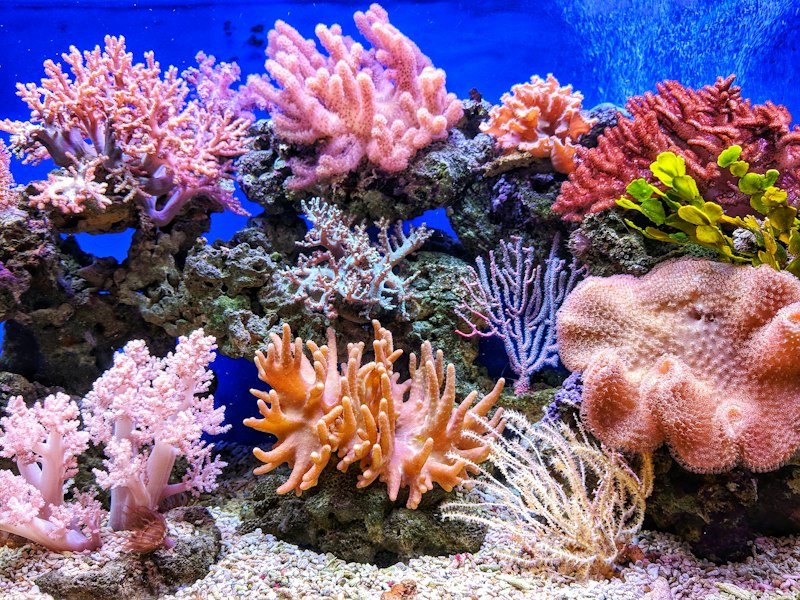
Soft coral
commonDive profile & how the dive runs
The Boiler Wreck dive typically begins with a descent line from the boat towards the stern of the wreck, resting at approximately 18 meters. From here, you can explore the main structure, including the iconic boilers that give the site its name. Divers often navigate towards the midship section, which sits around 16 meters, observing the heavy coral growth that has integrated the wreck into the reef. The route then progresses towards the bow, found at about 13 meters. After exploring the wreck's remnants and observing the marine life inhabiting its structures, the focus shifts to the surrounding reef caves. These fascinating caverns and swim-throughs are shallower, starting around 4 meters and extending to about 12 meters. Here, you can witness the stunning light effects created by sunlight penetrating small openings in the reef. The dive typically concludes with a safety stop at 5 meters, often conducted within the shallower reef areas, allowing for further observation of smaller marine creatures before ascending to the surface.
Underwater photography
The Boiler Wreck offers exceptional opportunities for both wide-angle and macro photography, especially within its unique cave systems. For wide-angle shots, utilize the dramatic shafts of sunlight penetrating the caverns. These 'natural spotlights' create stunning effects, particularly when a diver is positioned to silhouette against them. A wide-angle lens with an external strobe is recommended to balance the ambient light and illuminate the vibrant, twisted coral formations within the caves. For macro subjects, the caves are home to dense clouds of glassfish, and the reef structure hosts scorpionfish, stonefish, moray eels, and nudibranchs. A macro lens with a snoot or focused lighting will help capture intricate details. Buoyancy control is paramount to avoid stirring up sediment in the enclosed spaces and to protect the delicate corals that cover both the wreck and reef. Be mindful of your fins and equipment to prevent contact with the sensitive environment, ensuring clear shots and preserving the site.
Combine with nearby dive sites
- Ann Ann Wreck (Jeddah)
A challenging wreck known for its depth and structural complexity.
- Cable Wreck (Jeddah)
A historically rich wreck with construction materials, offering easy navigation on calm days.
- Jabal Al Lith Seamount
Features crystal clear waters and bright corals, known for large pelagic sightings including seasonal whale sharks.
- Farasan Banks
Remote reefs and islands, attracting large numbers of pelagics and offering diverse diving experiences.
- Thuwal Reef
Thuwal Reef is a distinctive dive site located close to the King Abdullah University of Science and Technology (KAUST) in Saudi Arabia.
Getting there & logistics
Access to the Boiler Wreck is primarily from Jeddah, a major city in the Makkah Province. Divers typically fly into King Abdulaziz International Airport (JED) in Jeddah. From Jeddah, the site is a relatively short boat ride of approximately 30 to 40 minutes, making it an accessible day trip. Many local dive operators in Jeddah offer excursions to the Boiler Wreck. Dive trips often combine the Boiler Wreck with other nearby sites around the Abu Madafi reef, or as part of a multi-day itinerary exploring Jeddah's diverse wrecks and reefs. There are no specific park fees mentioned, but dive operators will include boat and guide costs in their packages. Trip lengths can vary from single-day dives to longer liveaboard or resort-based packages exploring the wider Red Sea coastline.
Safety & environment
Diving at the Boiler Wreck is generally safe due to its mild currents and manageable depths. However, standard dive safety protocols are essential. Always dive with a reputable operator and ensure your equipment is well-maintained. While there's no specific mention of the nearest recompression chamber, Jeddah, as a major city, would likely have medical facilities capable of handling dive emergencies. Divers should carry valid dive insurance that covers emergency medical treatment and evacuation, especially when diving in remote areas. Inside the reef caves, maintaining excellent buoyancy control is crucial to prevent stirring up silt and to avoid contact with the delicate coral formations and the wreck itself. A dive torch is essential for exploring the darker sections of the caves and for identifying hidden marine life. Always dive within your certification limits; while Open Water divers can enjoy the shallower parts, Advanced Open Water is recommended for deeper sections and cave swim-throughs.
Who it suits — and who it doesn't
Suited for
- Open Water certified divers (shallow areas)
- Advanced Open Water divers (deeper wreck and caves)
- Underwater photographers (light effects in caves)
- Wreck enthusiasts
- Reef explorers interested in unique topography
Less suited for
- Divers uncomfortable in enclosed spaces (caves)
- Those expecting intact, large-scale wreck penetration
- Divers seeking strong currents and large pelagic action exclusively
- Beginners without adequate buoyancy control for cave environments
FAQ
Boiler Wreck FAQ
What is the Boiler Wreck and how old is it?
The Boiler Wreck comprises the remnants of an unidentified coal-fired ship, estimated to be around 100 years old. It lies on Abu Madafi reef, approximately 10 kilometers north of Jeddah. The site is named after its two prominent boilers, as little of the original vessel remains beyond fragments integrated into the living reef.
What are the caves at the Boiler Wreck like?
The Boiler Wreck features a series of captivating reef caves and swim-throughs that penetrate the shallow reef in multiple directions. These caves are renowned for their dramatic light effects, where sunlight streams through small openings in the ceiling, creating golden shafts that illuminate unique, twisted coral formations within an otherworldly atmosphere.
What certification is needed for the Boiler Wreck?
Open Water divers can explore the shallow reef and accessible wreck sections between 4 to 12 meters. However, an Advanced Open Water certification is recommended for deeper areas of the wreck at 18 meters and for navigating the cave swim-throughs safely. Due to generally calm conditions, the site is suitable for most diver levels.
What kind of marine life can I expect to see at the Boiler Wreck?
The Boiler Wreck is rich in marine life. Inside the caves, you'll find dense schools of glassfish, alongside scorpionfish, stonefish, and moray eels emerging from crevices. Lionfish are common throughout the site. On the outer reef, groupers, nudibranchs, and pufferfish are frequently observed amidst the abundant hard and soft corals.
How long is the boat ride to the Boiler Wreck from Jeddah?
The boat ride to the Boiler Wreck from Jeddah typically takes approximately 30 to 40 minutes. This short travel time makes the site easily accessible for day trips, allowing divers to quickly reach this unique blend of historical wreck and natural reef formations.
Why dive Boiler Wreck from a liveaboard?
Boiler Wreck is one of Saudi Arabia's signature dive sites. A liveaboard sleeps you on the water and puts you in the water for three to four guided dives per day, including dawn and night dives that day-boat operators rarely offer. You skip the daily commute back to port and reach quieter, less-crowded sites in the same region on a single trip.
Below are the liveaboards that include Boiler Wreck on their Saudi Arabia itineraries.
Dive sites similar to Boiler Wreck
Same character, same waters — six more sites divers love for the exact same reasons.Compare seasons, access and liveaboard routes — then pick the site that fits your trip best.
© Esri — Maxar, Earthstar, GIS
Jeddah Wreck Valley
Saudi Arabia
Jeddah Wreck Valley, located off the coast of Jeddah in Saudi Arabia, is a captivating dive destination renowned for its collection of historical shipwrecks and thriving coral gardens.
- Suitable for
- Intermediate
- Current
- Strong
- Access
- Shore / dayboat
- Depth
- 18–35 m
- Theme
- Wreck
© Esri — Maxar, Earthstar, GIS
Farasan Islands
Saudi Arabia
The Farasan Islands, situated in the southern Red Sea off the coast of Jazan, represent Saudi Arabia's premier destination for biodiverse diving.
- Suitable for
- Advanced
- Current
- Strong
- Access
- Liveaboard only
- Depth
- 10–40 m
- Theme
- Wall / Reef
© Esri — Maxar, Earthstar, GIS
Cable Wreck
Saudi Arabia
The Cable Wreck, also known as the Staphonos or Greek Staphonos, lies off Jeddah's coast in Saudi Arabia.
- Suitable for
- Intermediate
- Current
- Moderate
- Access
- Dayboat
- Depth
- 24–24 m
- Theme
- Wreck / Reef
© Esri — Maxar, Earthstar, GIS
Cable Wreck (Jeddah)
Saudi Arabia
The Cable Wreck, originally known as the Staphonos, sank in 1978 near Jeddah while carrying a cargo of construction materials, including steel beams, cables, chain link fence, and asbestos sheets.
- Suitable for
- Intermediate
- Current
- Moderate
- Access
- Dayboat
- Depth
- 15–24 m
- Theme
- Wreck / Reef
Long Reef (South) is the deeper southern section of an extensive offshore reef system located near Al Lith, Saudi Arabia.
- Suitable for
- Advanced
- Current
- Strong
- Access
- Liveaboard only
- Depth
- 25–35 m
- Theme
- Reef / Wall
© Esri — Maxar, Earthstar, GIS
Sharm Yanbu
Saudi Arabia
Sharm Yanbu is a well-regarded dive site situated north of Yanbu City, offering easy shore access to a shallow, sheltered bay.
- Suitable for
- Beginner
- Current
- Mild
- Access
- Shore / dayboat
- Depth
- ≤ 12 m
- Theme
- Reef / Wreck