About Jabal Al Lith Seamount
Jabal Al Lith Seamount, a prominent dive site in Saudi Arabia, rises from the deep waters near Al Lith, offering an exceptional underwater experience in the Red Sea. This submerged mountain is celebrated for its pristine conditions and thriving marine ecosystem, a testament to the region's largely unexplored nature. Divers can expect a captivating environment where the pinnacle's summit, at 15 meters, is blanketed with vivid soft corals, creating a rich habitat for diverse species. The seamount acts as a magnet for large pelagic fish, including various shark species and manta rays, particularly during cooler months. Its remote location, typically accessed via liveaboard, ensures minimal diver traffic, preserving the delicate coral structures and promoting abundant marine life. The clear, warm waters and excellent visibility make it a premier destination for those seeking untouched reefs and thrilling encounters with significant ocean inhabitants. Liveaboard trips typically offer multiple daily dives, including early morning and night dives, allowing for comprehensive exploration of the seamount and surrounding areas. This approach maximizes opportunities to witness the seamount's diverse ecosystems at different times of day, providing a complete and immersive diving adventure.
Highlights
Remote seamount pinnacleVibrant soft coral coverFrequent pelagic sightingsSilky and whale sharksUntouched Red Sea ecosystemExceptional visibility
Season calendar
Best months to dive here
Jan
Feb
Mar
Apr
May
Jun
Jul
Aug
Sep
Oct
Nov
Dec
Good
Dive site facts: Jabal Al Lith Seamount
- Depth
- 15 m (summit) to deep water
- Current
- Moderate to strong
- Visibility
- 15–60 m
- Water temperature
- 24–32°C
- Entry
- Negative entry from liveaboard tender
- Level
- Advanced recommended
- Dive type
- Wall, drift, pelagic encounters
- Night dive
- Possible on liveaboard
- Region / port
- Al Lith, Southern Red Sea
- Coordinates
- 20.05, 40.15
Conditions & Currents
Jabal Al Lith Seamount often experiences significant currents, making it an ideal location for drift diving. Divers should anticipate moderate to strong water movement, especially around the seamount, which attracts large pelagics. A negative entry is typically used to ensure groups descend together and avoid being swept away from the site. Guides will emphasize maintaining streamlined body positions to conserve air and reduce effort while drifting. Staying close to the reef structure or at shallower depths can sometimes offer a respite from stronger currents. Due to the dynamic nature of drift dives, meticulous attention to the pre-dive briefing is crucial, covering entry, descent, buddy procedures, and boat pickup protocols, ensuring a safe and enjoyable experience.
Marine life & sighting chances
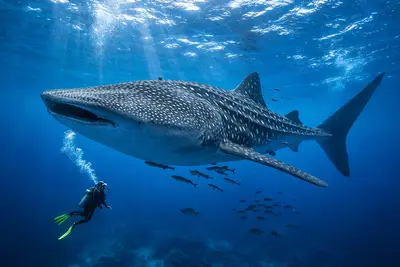
Whale Shark
February to May · occasional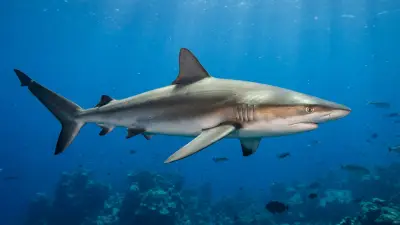
Silky Shark
January to May, November · occasional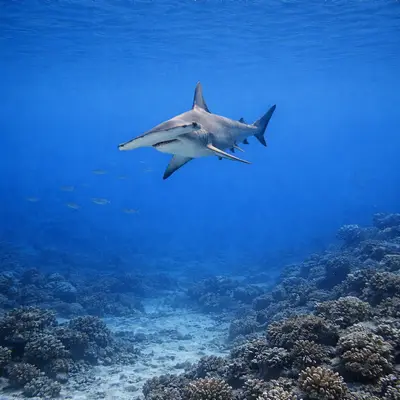
Hammerhead Shark
January to April, November · occasional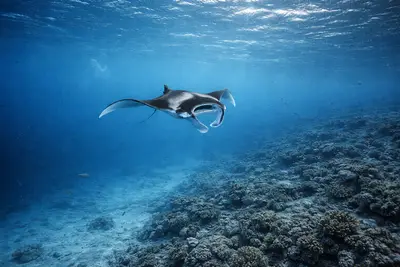
Manta Ray
February to April, December · occasional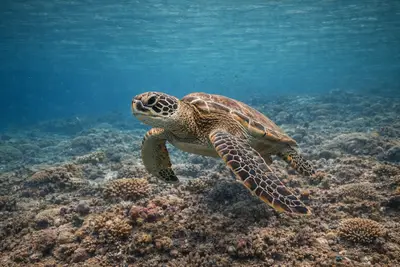
Green Turtle
Year-round · occasional
Dolphin
January to May, November, December · occasional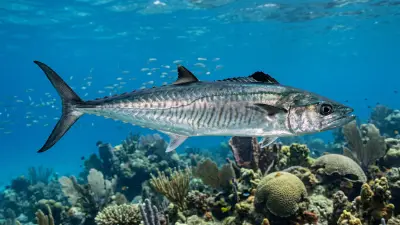
King Mackerel
common
Great Barracuda
common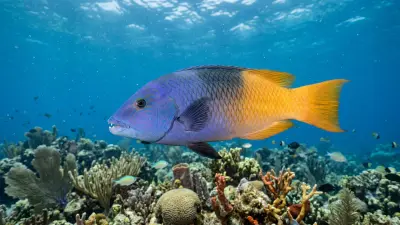
Humphead Wrasse
occasional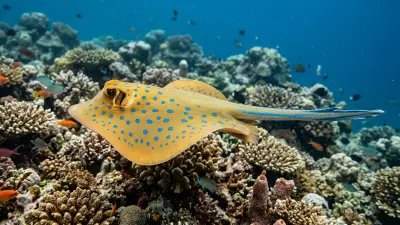
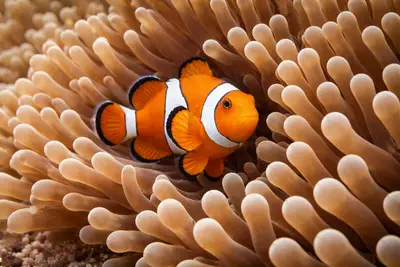
Red Sea Clownfish
common
Coral Trout
common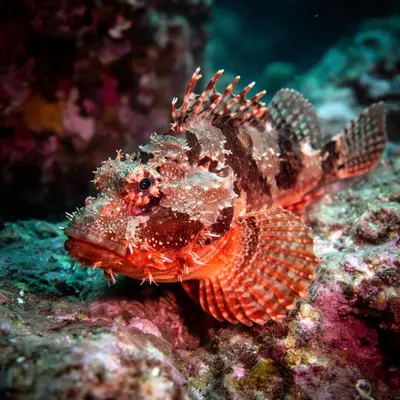
Tassled Scorpionfish
occasionalDive profile & how the dive runs
A typical dive at Jabal Al Lith Seamount begins with a negative entry from a liveaboard tender, allowing divers to quickly descend and stay together in potentially strong currents. The dive plan usually involves exploring the seamount's summit, which begins around 15 meters and is covered in soft corals. Divers will drift along the reef, often hugging the wall or exploring various pinnacles and overhangs. The route is largely dictated by the current, which carries divers past vibrant coral gardens and into deeper sections where pelagic encounters are more likely. Turnaround points are determined by air consumption and current direction, ensuring divers can ascend safely. Safety stops are often conducted in the blue, deploying an SMB, as the boat tracks and picks up divers down-current.
Underwater photography
Jabal Al Lith Seamount offers fantastic opportunities for both wide-angle and macro photography, though wide-angle is often preferred due to the abundance of pelagic life and expansive coral formations. For wide-angle, a fisheye or rectilinear wide-angle lens is ideal to capture schooling sharks, mantas, and the majestic seamount structure. External strobes are highly recommended to bring out the true colors of the soft corals and reef fish, especially at deeper sections. For macro, focus on the intricate details of the soft corals and smaller reef inhabitants found among the pinnacle. Buoyancy control is paramount, particularly in currents, to avoid contact with the pristine corals and maintain stable shots. Always be mindful of your fin kicks and position to capture the dynamic marine action without disturbing the environment.
Combine with nearby dive sites
- Farasan South Wall
The Farasan South Wall is an integral part of the vast Farasan archipelago, located approximately 40 kilometers off the Jizan coast in…
- Farasan Banks
A collection of remote reefs and islands attracting large pelagics.
- Al Lith Mangrove Reef
Al Lith Mangrove Reef, located approximately 210 km south of Jeddah, serves as the primary launch point for exploring the renowned Farasan…
Getting there & logistics
Access to Jabal Al Lith Seamount is primarily via liveaboard departing from Al Lith, a coastal city in Saudi Arabia. Divers typically fly into King Abdulaziz International Airport (JED) in Jeddah, then travel south to Al Lith for embarkation. Liveaboard itineraries usually span 5 to 7 days, combining dives at Jabal Al Lith Seamount with other remote sites in the Farasan Banks region, which are renowned for their untouched reefs and pelagic encounters. Due to the remote nature of these dive sites and minimal infrastructure, liveaboard operations provide a comprehensive experience, including accommodation, meals, and multiple daily guided dives, including early morning and night dives. No specific national park fees are widely reported, but always confirm with your liveaboard operator for any local charges or permits.
Safety & environment
Diving at Jabal Al Lith Seamount requires adherence to rigorous safety protocols due to its remote location and potential for strong currents. All divers should have valid dive insurance that covers emergency medical treatment and evacuation, as the nearest recompression chamber or advanced medical facility would be in Jeddah. Liveaboard crews are trained in emergency first aid and oxygen administration. Divers must be proficient in drift diving techniques and comfortable with negative entries. Maintaining good buoyancy control is essential to prevent damage to the delicate coral ecosystems and avoid uncontrolled ascents or descents in currents. Always dive with a surface marker buoy (SMB) and a dive computer, and strictly follow your dive guide’s instructions, especially regarding buddy procedures and surface pickup protocols. Satellite communication is generally available on liveaboards for emergencies.
Who it suits — and who it doesn't
Suited for
- Experienced divers comfortable with currents
- Pelagic enthusiasts and shark fans
- Underwater photographers seeking wide-angle subjects
- Liveaboard adventurers
- Divers seeking pristine, uncrowded reefs
Less suited for
- Beginner divers
- Divers uncomfortable with drift diving
- Those prone to seasickness
- Divers on limited budgets (liveaboards only)
FAQ
Jabal Al Lith Seamount FAQ
What kind of marine life can I expect at Jabal Al Lith Seamount?
Jabal Al Lith Seamount is renowned for its large pelagic encounters. Divers frequently spot silky sharks, hammerhead sharks, and manta rays. During specific seasons, whale sharks are also a significant draw. The seamount's vibrant soft corals host a variety of reef fish, including Red Sea clownfish, coral trout, and bluespotted ribbontail rays.
What are the typical diving conditions at Jabal Al Lith Seamount?
Conditions are generally excellent with exceptional visibility often ranging from 15 to 60 meters. Water temperatures are warm, averaging between 24°C and 32°C depending on the season. However, divers should be prepared for moderate to strong currents, as the seamount's exposed location attracts pelagic species and creates dynamic drift diving conditions.
Is Jabal Al Lith Seamount suitable for beginner divers?
Jabal Al Lith Seamount is best suited for experienced divers, particularly those comfortable with drift diving and moderate to strong currents. The deeper sections and exposed nature of the seamount make it less ideal for beginners. Advanced Open Water certification and prior experience in similar conditions are highly recommended.
How do I get to Jabal Al Lith Seamount?
The primary way to access Jabal Al Lith Seamount is by liveaboard from Al Lith, Saudi Arabia. Most international travelers fly into King Abdulaziz International Airport (JED) in Jeddah and then arrange transfer to Al Lith for liveaboard embarkation. Liveaboards offer multi-day trips that include Jabal Al Lith Seamount as part of a wider Red Sea itinerary.
What is the best time of year to dive Jabal Al Lith Seamount?
The best time to dive Jabal Al Lith Seamount is from November to May. This period offers optimal water temperatures, consistently good visibility, and the highest chances for encounters with significant pelagic marine life, such as whale sharks, silky sharks, and hammerheads. While diving is possible year-round, these months provide the most favorable conditions.
Why dive Jabal Al Lith Seamount from a liveaboard?
Jabal Al Lith Seamount is one of Saudi Arabia's signature dive sites. A liveaboard sleeps you on the water and puts you in the water for three to four guided dives per day, including dawn and night dives that day-boat operators rarely offer. You skip the daily commute back to port and reach quieter, less-crowded sites in the same region on a single trip.
Below are the liveaboards that include Jabal Al Lith Seamount on their Saudi Arabia itineraries.
Dive sites similar to Jabal Al Lith Seamount
Same character, same waters — six more sites divers love for the exact same reasons.Compare seasons, access and liveaboard routes — then pick the site that fits your trip best.
Marker 35
Saudi Arabia
Marker 35 is a captivating dive site situated within the Seven Sisters, a renowned collection of reef islands located approximately 18 miles offshore from Yanbu in Saudi Arabia.
- Suitable for
- Advanced
- Current
- Moderate
- Access
- Liveaboard only
- Depth
- 5–35 m
- Theme
- Reef / Wall
Shib Habil Reef
Saudi Arabia
Shib Habil is a small, coastal reef located off the Red Sea coast of Saudi Arabia, uniquely recognized for hosting a significant aggregation of whale sharks.
- Suitable for
- Advanced
- Current
- Moderate
- Access
- Liveaboard only
- Depth
- 5–23 m
- Theme
- Reef / Drift
Jeddah Wreck Valley
Saudi Arabia
Jeddah Wreck Valley, located off the coast of Jeddah in Saudi Arabia, is a captivating dive destination renowned for its collection of historical shipwrecks and thriving coral gardens.
- Suitable for
- Intermediate
- Current
- Strong
- Access
- Shore / dayboat
- Depth
- 18–35 m
- Theme
- Wreck
Marker 42 Mansi
Saudi Arabia
Marker 42 Mansi, or "the forgotten" in Arabic, is a distinctive and isolated madreporic coral column situated in Saudi Arabia's Seven Sisters region, approximately 18 kilometers west of Yanbu Port.
- Suitable for
- Advanced
- Current
- Moderate
- Access
- Liveaboard only
- Depth
- 20–40 m
- Theme
- Reef / Wall
Farasan Islands
Saudi Arabia
The Farasan Islands, situated in the southern Red Sea off the coast of Jazan, represent Saudi Arabia's premier destination for biodiverse diving.
- Suitable for
- Advanced
- Current
- Strong
- Access
- Liveaboard only
- Depth
- 10–40 m
- Theme
- Wall / Reef
Cable Wreck
Saudi Arabia
The Cable Wreck, also known as the Staphonos or Greek Staphonos, lies off Jeddah's coast in Saudi Arabia.
- Suitable for
- Intermediate
- Current
- Moderate
- Access
- Dayboat
- Depth
- 24–24 m
- Theme
- Wreck / Reef