About Nuweiba
Nuweiba, nestled on the Gulf of Aqaba coast between Dahab and the Israeli border, presents an exceptional and uncrowded diving experience. This quiet Egyptian town is often overlooked, but its fringing reef boasts some of the healthiest coral in the Sinai, with water conditions comparable to Dahab yet without the heavy diver traffic. The topography features a classic Gulf of Aqaba fringing reef, starting in very shallow water and extending over a reef flat before descending gently to depths of 30 meters. Certain areas feature steeper declines, leading to walls, crevices, and caverns that reach depths up to 90 meters, forming an underwater bridge towards Saudi Arabia. Marine life thrives here due to minimal human impact. Divers can consistently spot thorny seahorses, a signature sighting, alongside diverse nudibranchs, frogfish, and a resident population of large green turtles. While sharks and mantas are less common, dolphins and rays are frequent visitors, especially during winter months. The healthy coral coverage includes dense gardens of branching, plate, and massive hard corals. Most dives are conducted from shore, offering calm and relaxed conditions perfect for all skill levels. The serene atmosphere means you are unlikely to encounter other dive groups, fostering a more personal and authentic diving experience away from the bustling dive centers of southern Sinai.
Highlights
Uncrowded fringing reefsShore-accessible divingHealthy hard coral gardensThorny seahorse sightingsDiverse nudibranchs and frogfishRelaxed dive paceResident green turtlesMinimal human impact
Season calendar
Best months to dive here
Jan
Feb
Mar
Apr
May
Jun
Jul
Aug
Sep
Oct
Nov
Dec
Excellent
Good
Mar – May & Sep – Nov (Peak)
Best conditions with 30m+ visibility, comfortable water temps 24–28°C. Hammerhead sharks at Brothers, thresher sharks at Elphinstone.
Jun – Aug & Dec – Feb (Shoulder)
Jun–Aug: hot topside but warm water, good for southern routes. Dec–Feb: cooler water (21–23°C) attracts oceanic whitetips at Elphinstone. Still excellent visibility.
Dive site facts: Nuweiba
- Depth
- 0–30 m (recreational), up to 90 m (technical)
- Typical dive
- 10–20 m, 50–60 min
- Current
- Mild, occasional moderate
- Visibility
- 15–30 m
- Water temperature
- 21–28 °C
- Entry
- Shore entry
- Level
- All levels (Beginner to Advanced)
- Dive type
- Reef, shore, macro, wall, cavern
- Night dive
- Possible at select sites
- Region / port
- Gulf of Aqaba, South Sinai
- Coordinates
- 29.0267° N, 34.6672° E
Conditions & Currents
Currents in Nuweiba are generally mild, particularly for most shore dives over the sloping coral gardens and seagrass beds, making it very suitable for new divers. However, some sites may experience stronger currents influenced by tidal flow and lunar cycles, especially in deeper areas or during specific conditions. Surface conditions can include light surge in the shallow zones. Visibility consistently ranges from 15 to 30 meters, often reaching its clearest from March through November. Water temperatures remain comfortable, between 21 and 28 degrees Celsius year-round, with summer months providing the warmest and calmest conditions. The prevalence of shore entries simplifies access and reduces concerns about boat traffic during entry and exit.
Marine life & sighting chances

Thorny seahorse
Year-round · common
Mimic octopus
Year-round · occasional
Frogfish
Year-round · occasional
Ghost pipefish
Year-round · occasional
Nudibranchs
Year-round · common
Green turtle
Year-round · common
Napoleon wrasse
Year-round · common
Moray eel
Year-round · common
Lionfish
Year-round · common
Clownfish
Year-round · common
Blue-spotted ribbontail ray
Year-round · common
Dolphins
Winter months · occasionalDive profile & how the dive runs
Dives at Nuweiba typically begin with a gentle shore entry, wading through ankle-deep water over a rubble zone directly onto the reef slope at around 4 meters. The dive then progresses down a gradual slope, often following the reef structure, allowing for flexible depth management. The reef slope between 10 and 20 meters offers peak diversity, with abundant coral and marine life. Divers can explore crevices for moray eels and observe clownfish in their anemone homes. The maximum recreational depth typically reached is 30 meters. The turn point is determined by air consumption and dive plan, with the ascent usually mirroring the entry route along the slope. A safety stop is performed at 5 meters, often above the shallow reef flat or near the entry point, allowing for decompression and observation of abundant shallow reef life.
Underwater photography
Nuweiba is a macro and wide-angle paradise for underwater photographers due to its relaxed diving pace and diverse marine life. For macro subjects like thorny seahorses, nudibranchs, and frogfish, a dedicated macro lens (e.g., 60mm or 100mm) with external strobes is highly recommended to capture fine details and vibrant colors. Wide-angle lenses are effective for showcasing the healthy coral gardens and unique topography, especially in shallower areas where light penetration is excellent. Patience and good buoyancy control are crucial, particularly when photographing shy critters or delicate corals. Respect marine life by avoiding contact and maintaining a safe distance, especially from nesting or territorial species like clownfish. The uncrowded conditions provide ample time to compose shots without feeling rushed.
Combine with nearby dive sites
- The Canyon
The Canyons is a captivating outer reef dive located near Opunohu Pass on the north coast of Moorea in the Society Islands of French…
- Eel Garden
Eel Garden, situated on the northern side of Dahab, Egypt, is celebrated for its unique population of garden eels.
- The Islands
Apo Island, located in the central Visayas region of the Philippines, is a globally recognized marine sanctuary celebrated for its…
- Far Garden
Far Garden is a prominent dive site located in Sharm El Sheikh, serving as the northern headland of the adjacent Middle Garden site.
- Dahab
The Blue Hole in Dahab is one of Egypt's most iconic dive sites, drawing underwater enthusiasts globally.
Getting there & logistics
Nuweiba is situated on the eastern coast of the Sinai Peninsula, approximately 70 kilometers north of Dahab and 170 kilometers from Sharm el-Sheikh. Travelers can reach Nuweiba by bus or taxi from Sharm el-Sheikh Airport (SSH), a journey of about three hours, or by direct buses from Cairo. The town also features a port with ferry connections to Aqaba, Jordan. Dive operations are typically smaller and often Bedouin-owned, providing a personalized experience. Most diving is shore-based, with day trips available to more distant sites along the coastline. Liveaboards do not directly cruise the Nuweiba area but operate in nearby Red Sea regions such as Sharm el-Sheikh.
Safety & environment
While Nuweiba offers relaxed diving conditions, it is crucial to prioritize safety. Divers should always carry comprehensive dive insurance that covers recompression chamber treatment and medical evacuation. The exact distance to the nearest recompression chamber is not specified in the sources, but general Red Sea safety guidelines suggest prompt evacuation is required for serious incidents. Site-specific hazards are minimal due to mild currents and gentle slopes, but divers should still be aware of occasional stronger tidal flows. Adherence to responsible diving practices, such as maintaining good buoyancy, avoiding contact with marine life, and never diving beyond your training and limits, is paramount. Dive operations in Nuweiba are generally smaller and locally managed, emphasizing the importance of choosing a reputable operator.
Who it suits — and who it doesn't
Suited for
- Beginner divers seeking calm conditions
- Underwater photographers (macro & wide-angle)
- Divers preferring uncrowded sites
- Those looking for a relaxed, authentic dive experience
- Technical divers exploring deeper areas
Less suited for
- Divers prioritizing pelagic shark/manta encounters
- Those seeking large-scale dive factory operations
- Divers who prefer solely boat-accessed sites
- Those expecting significant wreck diving opportunities
- Party-seeking travelers
FAQ
Nuweiba FAQ
What makes Nuweiba diving different from Dahab or Sharm el-Sheikh?
Nuweiba offers similar excellent water conditions, visibility, and healthy fringing reefs as Dahab, but with significantly less diver traffic. You are likely to be one of the few divers, if not the only one, on the reef. The dive operations are smaller, often Bedouin-owned, and provide a more personal and culturally authentic experience, contrasting with the more commercialized hubs to the south.
Is Nuweiba suitable for beginner divers?
Yes, Nuweiba is an excellent choice for beginner divers. The shore entries are typically gentle, currents are generally mild, and the reef slopes gradually to comfortable depths, allowing for easy navigation and acclimatization. These calm conditions are ideal for training and building confidence in a relaxed environment.
What kind of marine life can I expect to see in Nuweiba?
Nuweiba is known for its macro life and diverse reef inhabitants. You can frequently spot thorny seahorses, various nudibranchs, and frogfish. Large populations of resident green turtles are common, along with Napoleon wrasse, moray eels, lionfish, and clownfish. While large pelagics like sharks and mantas are rare, dolphins and rays are occasional visitors, especially in winter.
What are the typical dive depths and access methods in Nuweiba?
Most recreational dives in Nuweiba typically range from 10 to 30 meters, primarily accessed via shore entry. The reef gradually slopes down from ankle-deep water. For technical divers, certain sites offer deeper areas, including walls and caverns, extending up to 90 meters, although these are less common for standard recreational outings.
How do I get to Nuweiba and what is the local atmosphere like?
Nuweiba is accessible by bus or taxi from Sharm el-Sheikh Airport, approximately a three-hour drive, or by direct buses from Cairo. The town is significantly quieter and smaller than Dahab or Sharm el-Sheikh, offering a relaxed atmosphere. It attracts travelers seeking a slower pace and a more authentic cultural experience, often involving local Bedouin hospitality.
Why dive Nuweiba from a liveaboard?
Nuweiba is one of Egypt's signature dive sites. A liveaboard sleeps you on the water and puts you in the water for three to four guided dives per day, including dawn and night dives that day-boat operators rarely offer. You skip the daily commute back to port and reach quieter, less-crowded sites in the same region on a single trip.
Below are the liveaboards that include Nuweiba on their Egypt itineraries.
Liveaboards diving Nuweiba
These liveaboards may visit Nuweiba on selected itineraries — the exact dive sites depend on departure, weather and conditions.
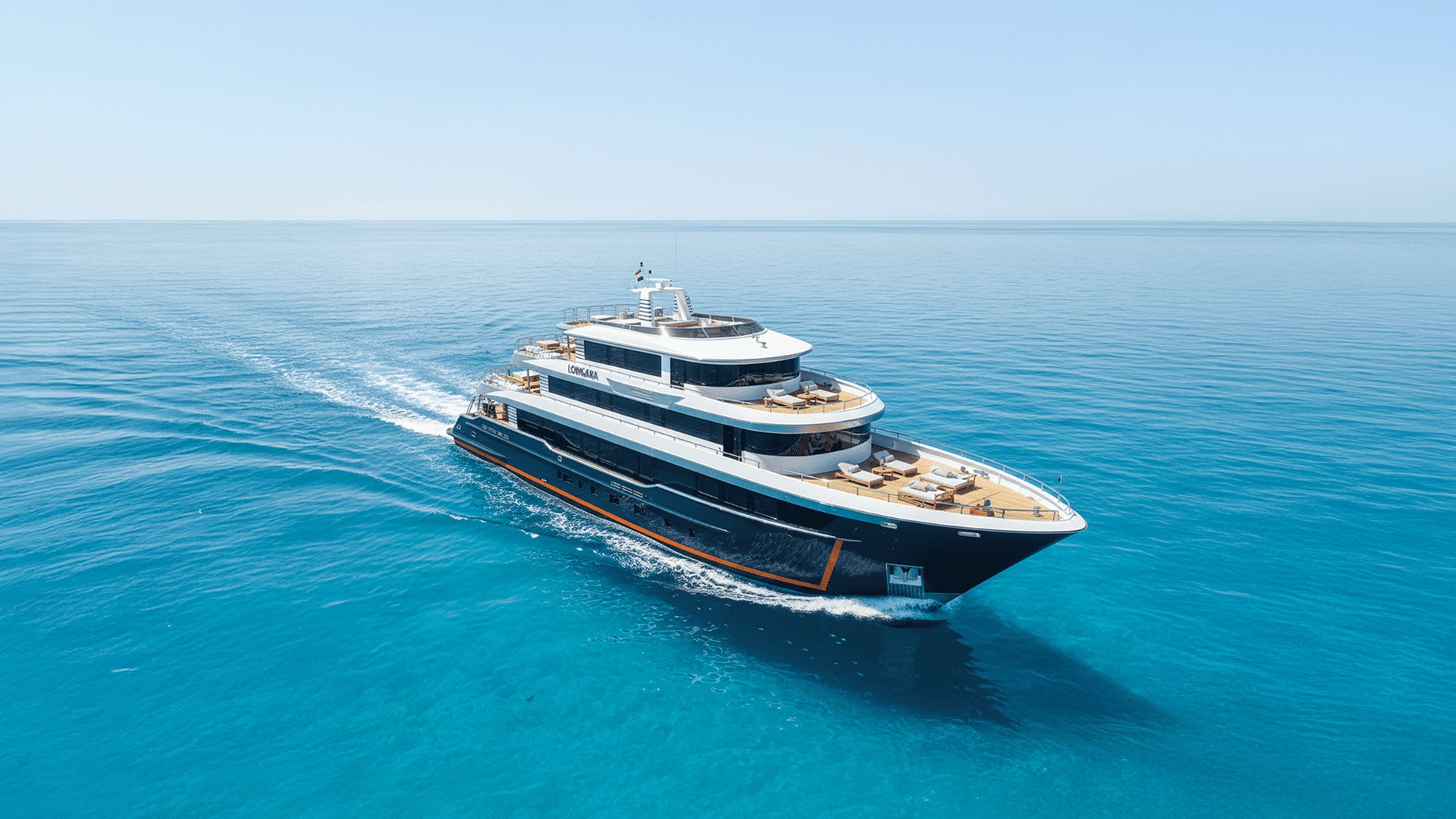
DUNE Longara
Egypt
30 guests
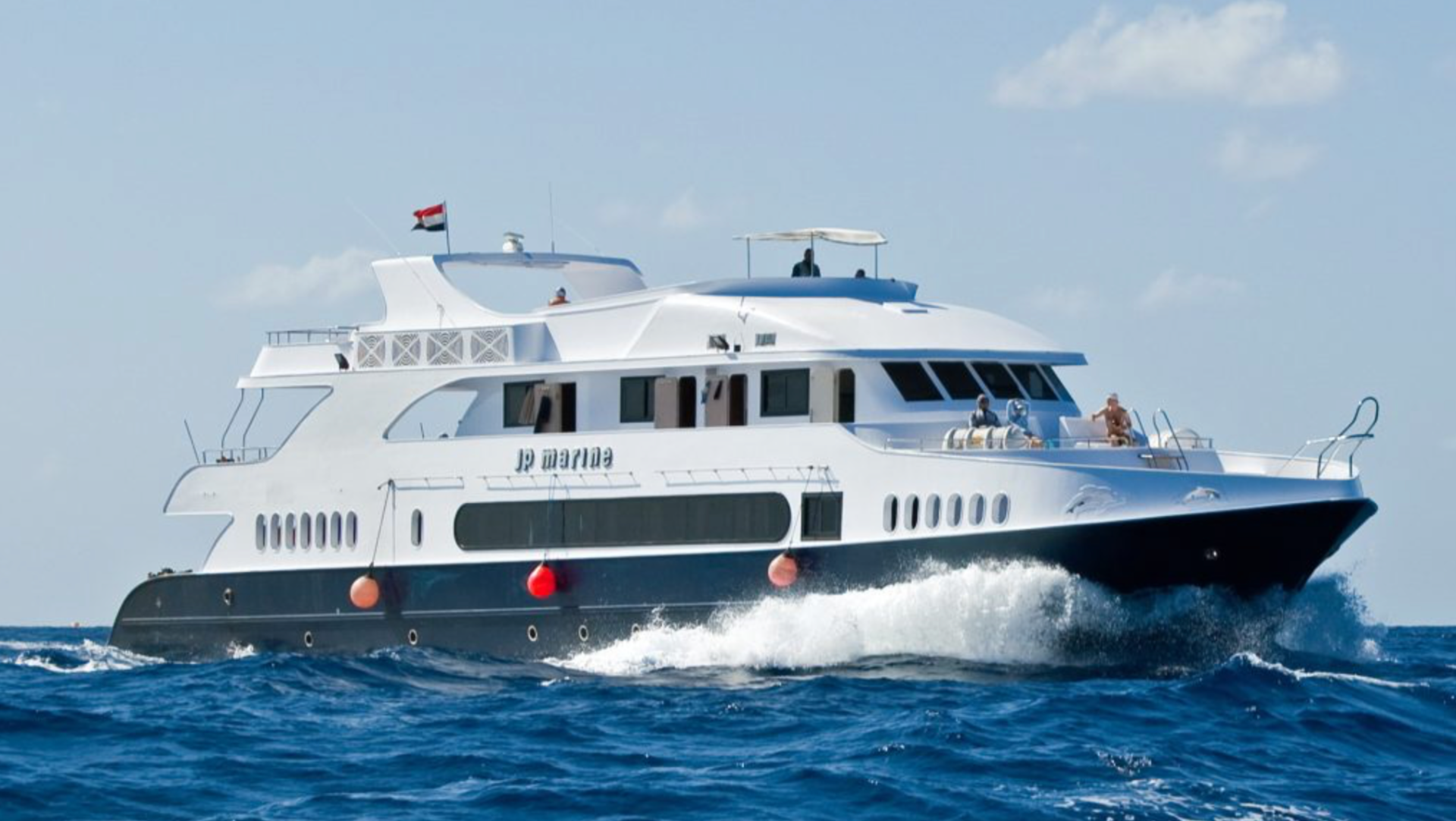
JP Marine
Egypt
28 guests
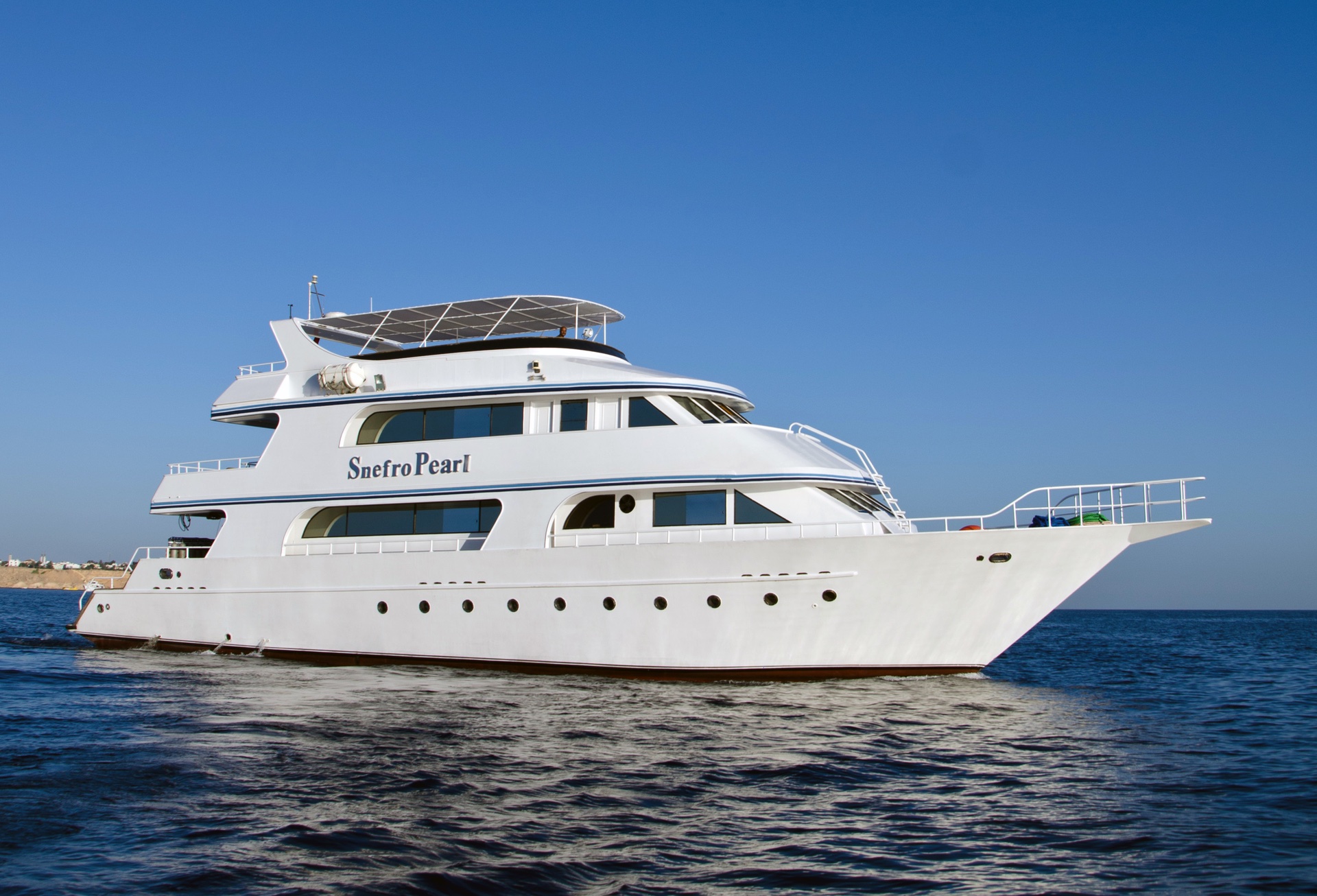
Snefro Pearl
Egypt
12 guests
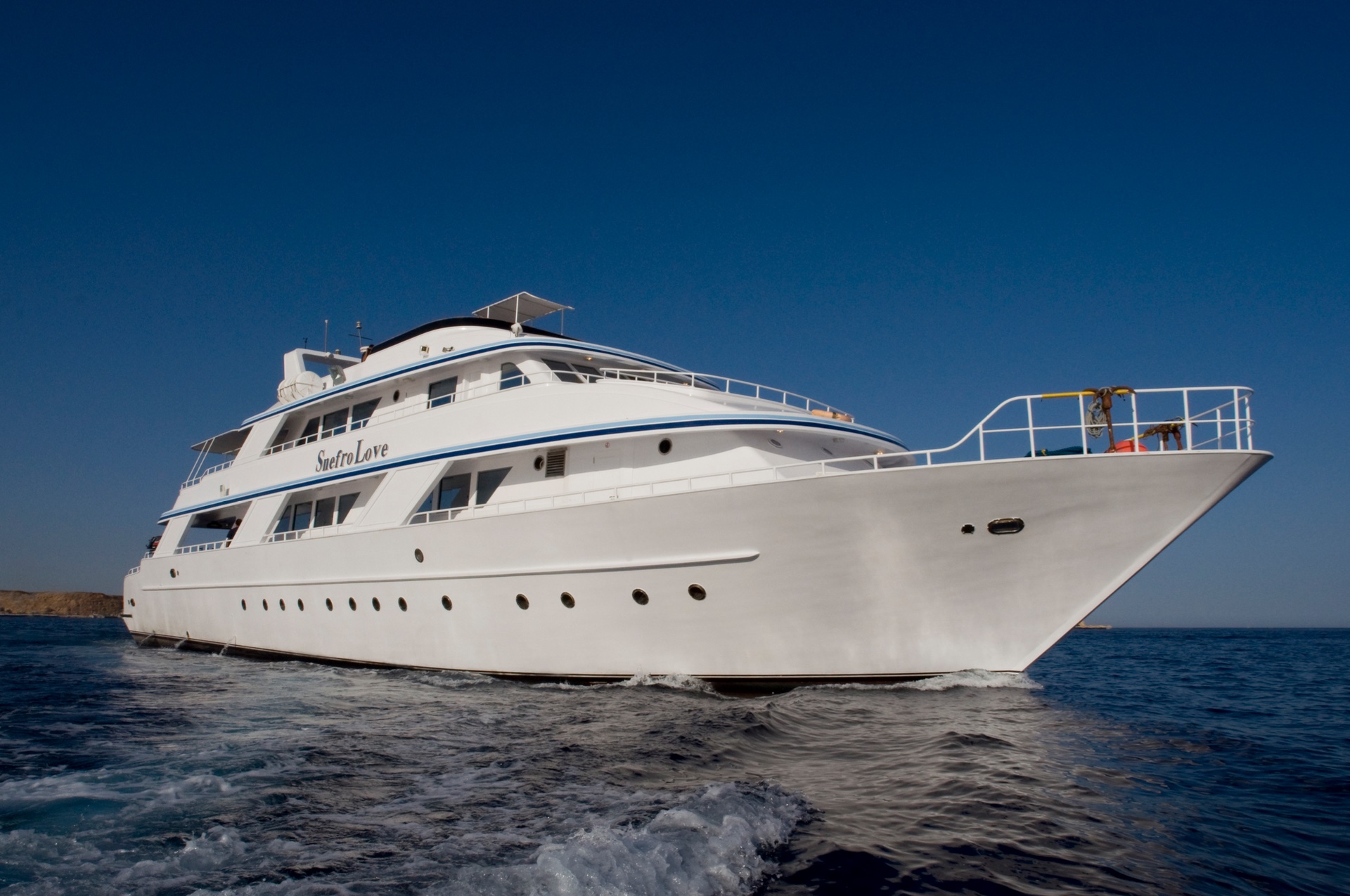
Snefro Love
Egypt
20 guests
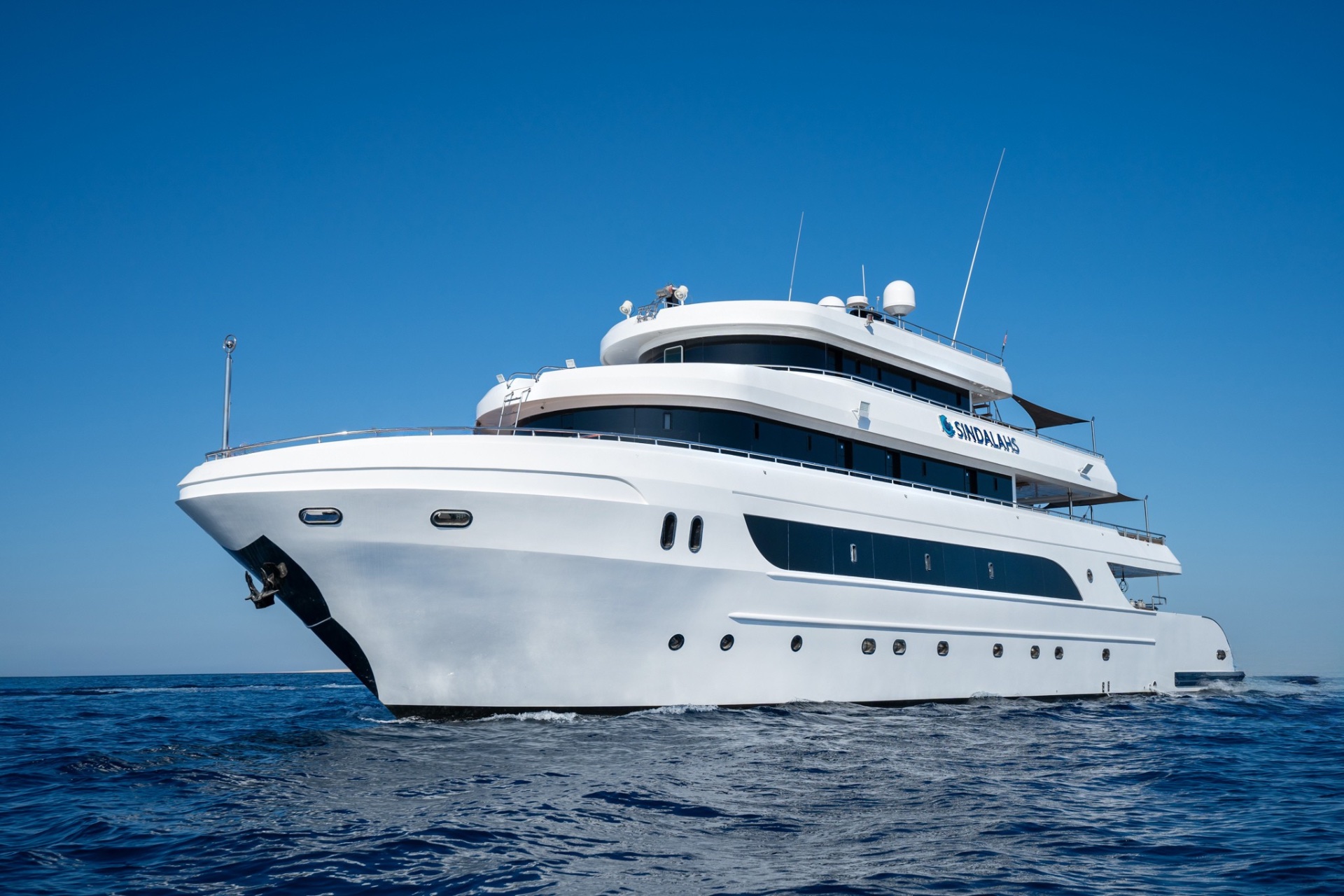
Sindalahs
Egypt
26 guests38 m
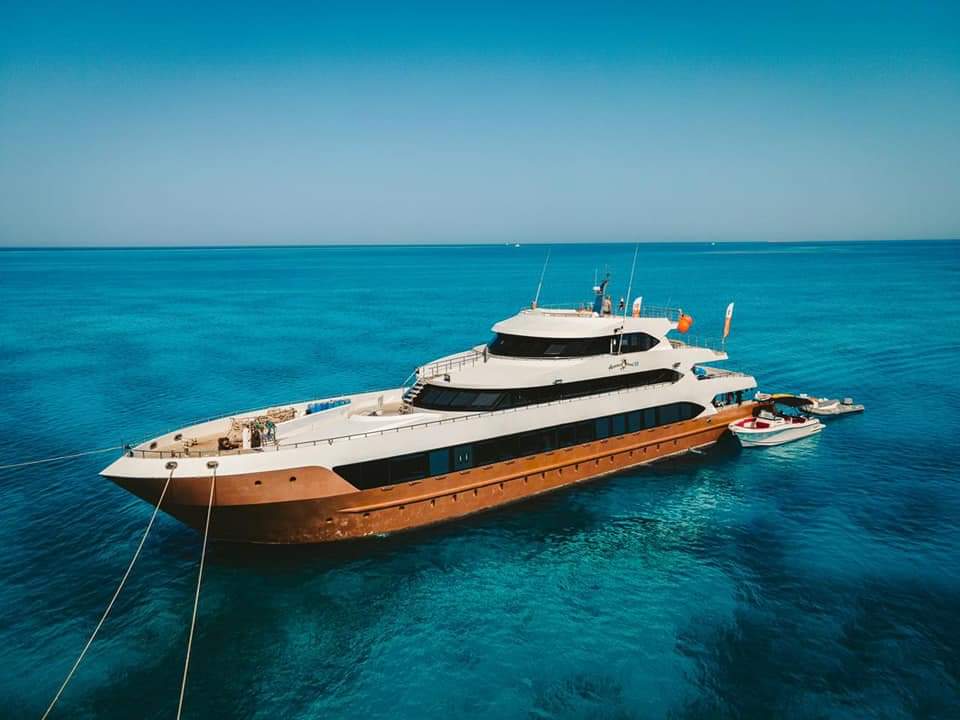
Hammerhead II
Egypt
20 guests
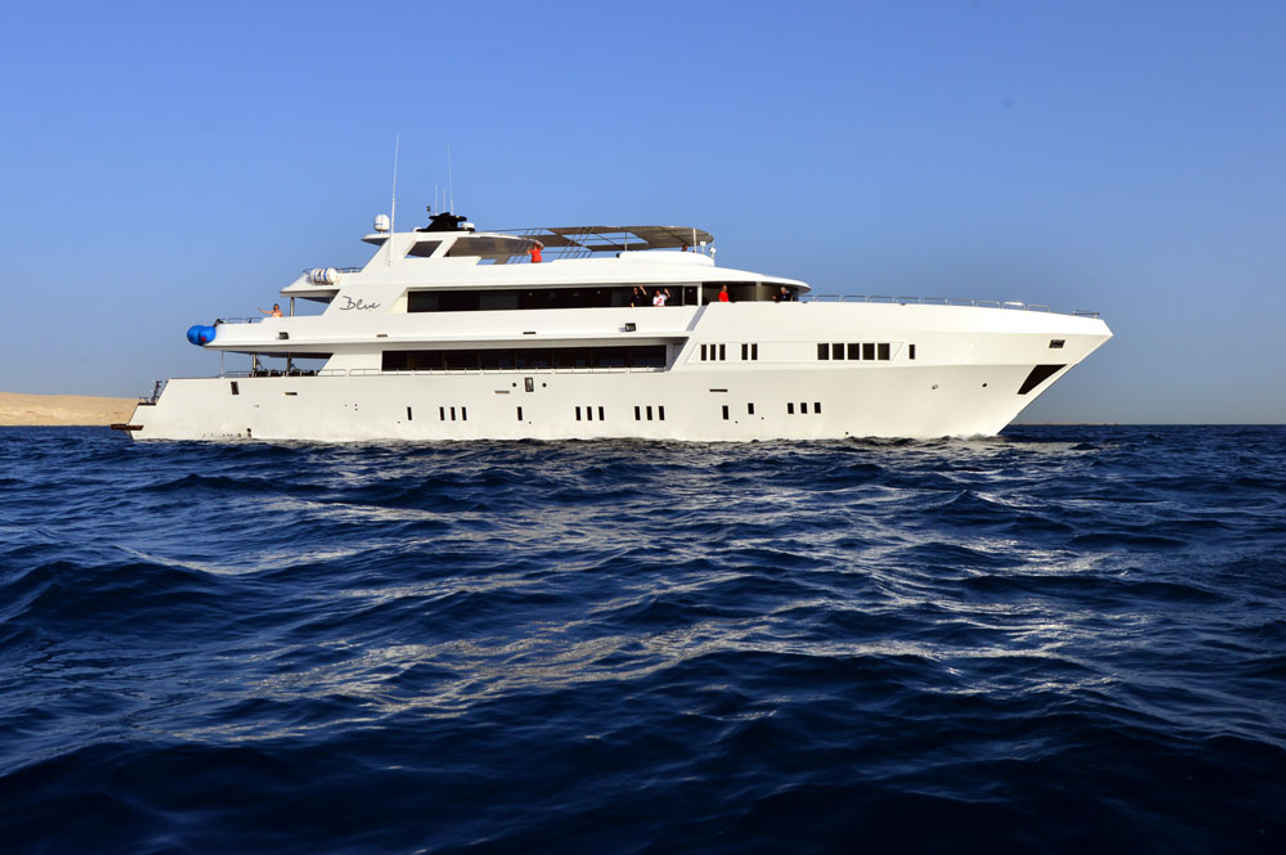
Blue Liveaboard
Egypt
24 guests43 m
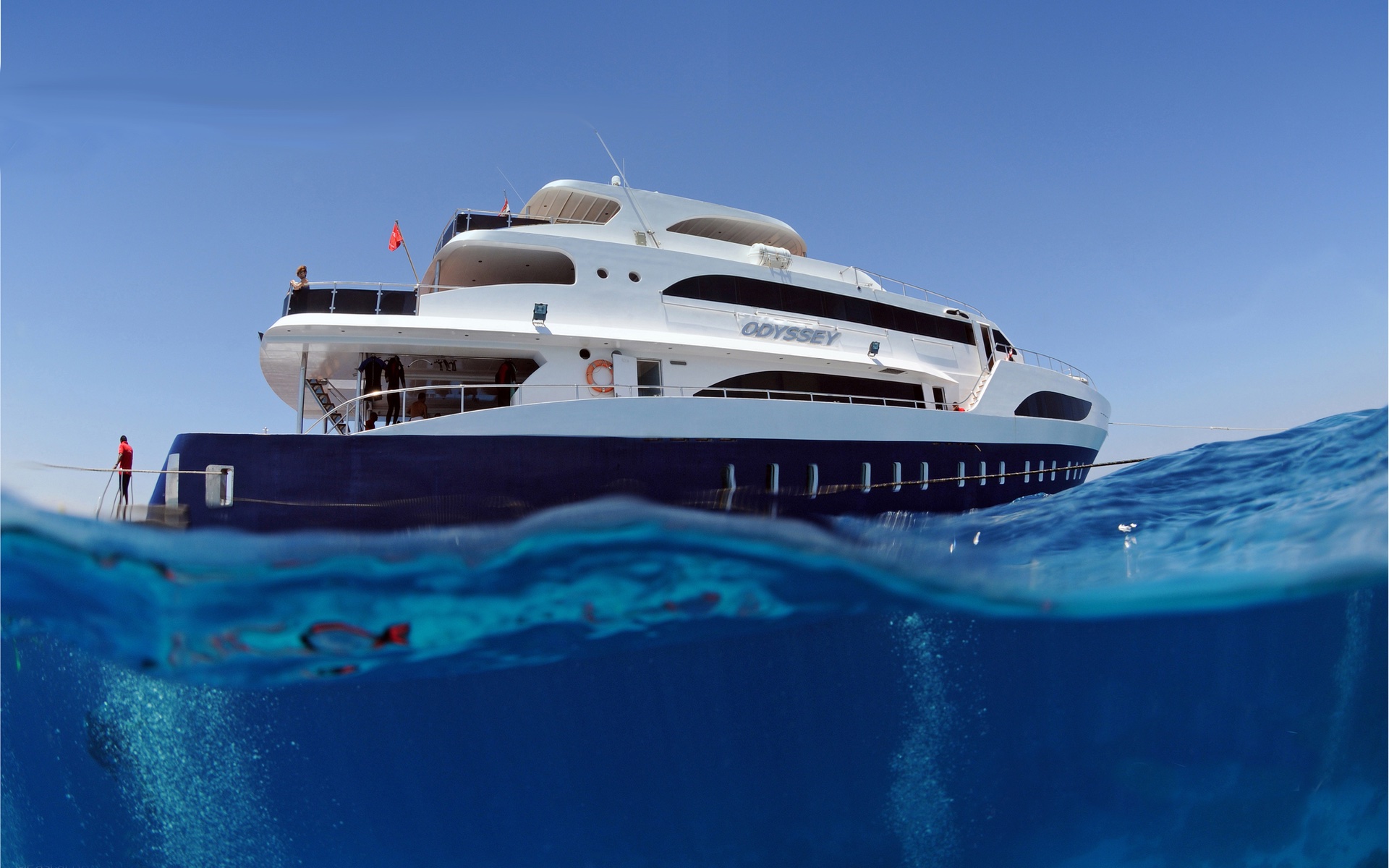
Odyssey
Egypt
26 guests40 m
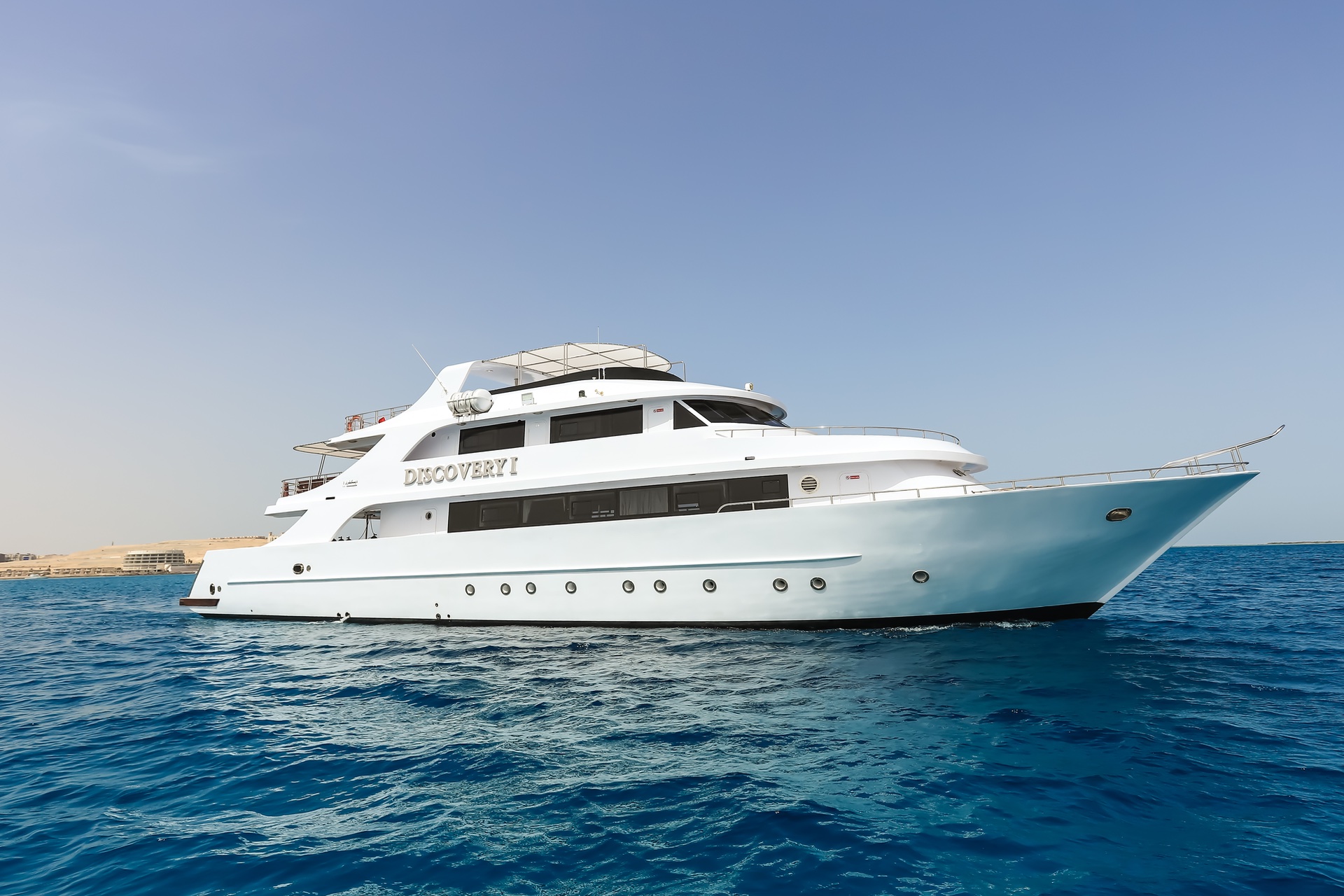
Discovery I
Egypt
20 guests
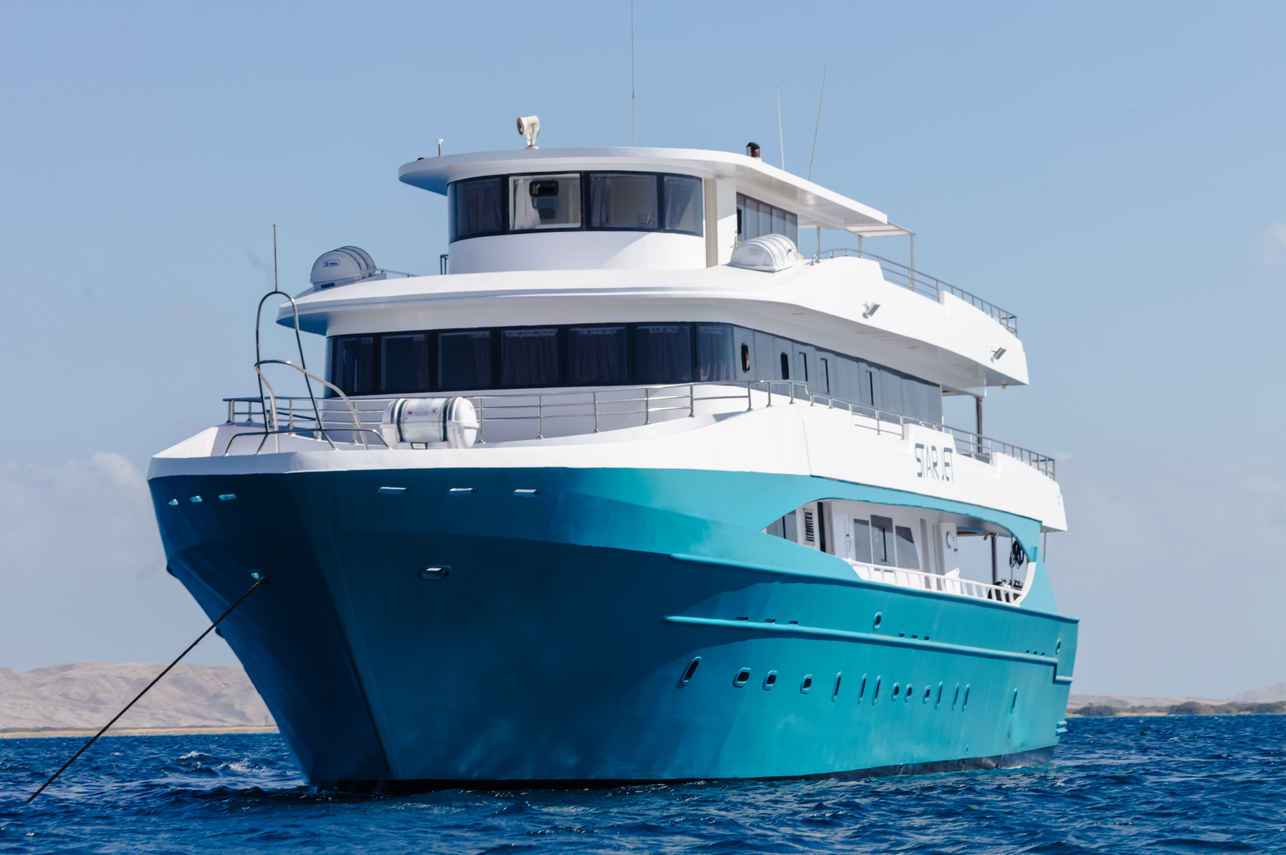
Star Jet
Egypt
28 guests35 m
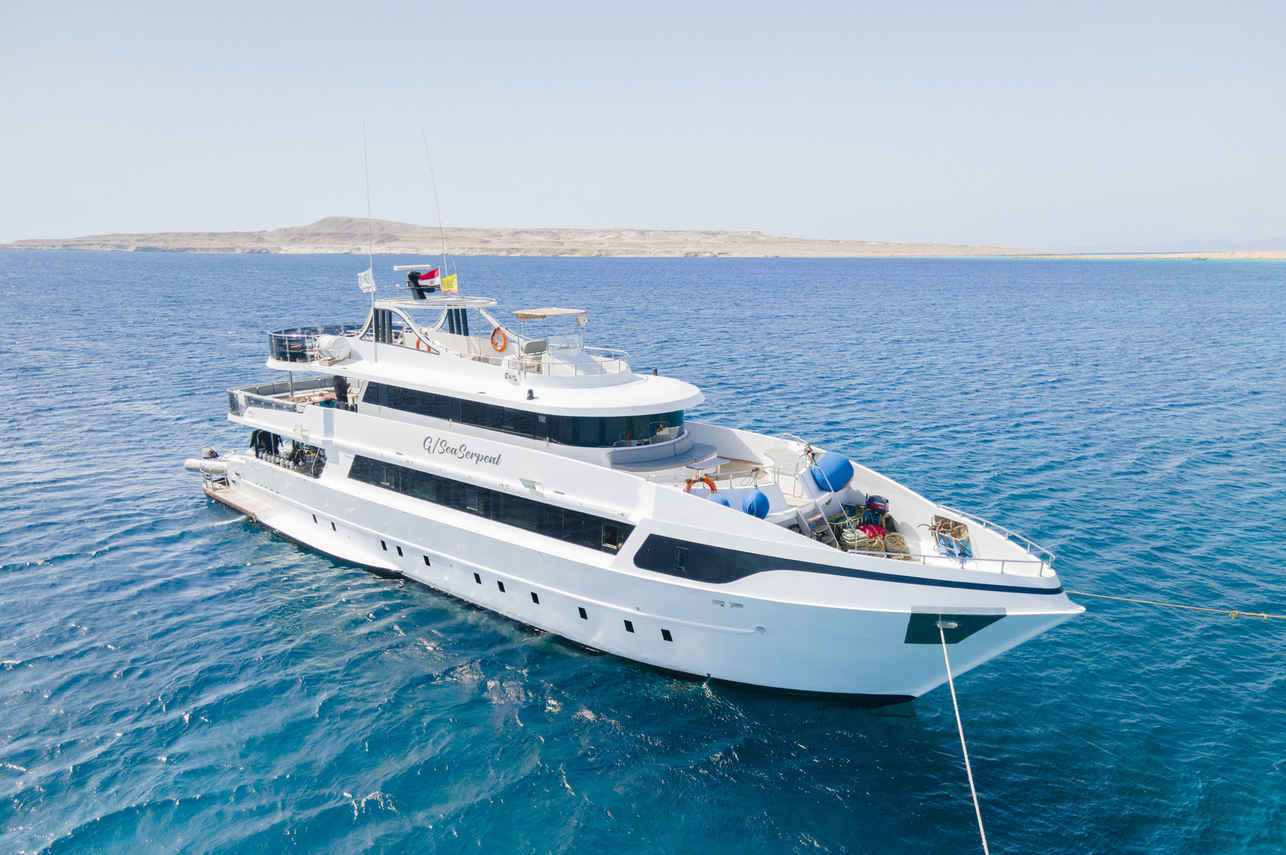
SS Serena Dreams
Egypt
18 guests33 m
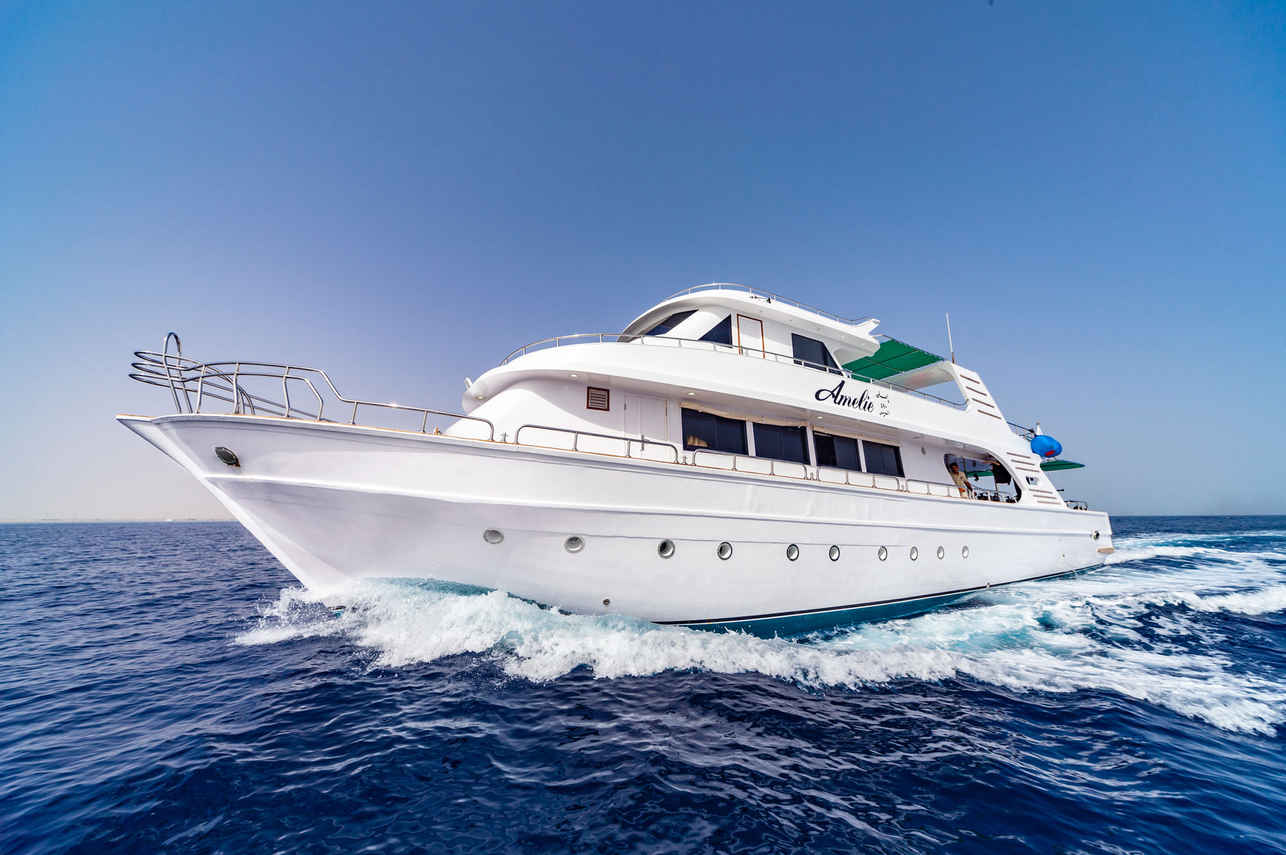
Amelie
Egypt
12 guests23 m
Dive sites similar to Nuweiba
Same character, same waters — six more sites divers love for the exact same reasons.Compare seasons, access and liveaboard routes — then pick the site that fits your trip best.
© Esri — Maxar, Earthstar, GIS
Abu Dabbab
Egypt
Abu Dabbab stands out as one of the Red Sea's most celebrated dive destinations, particularly notable for being a rare location where divers can encounter the endangered dugong.
- Suitable for
- Beginner
- Current
- Strong
- Access
- Shore / dayboat
- Depth
- 3–20 m
- Theme
- Reef
© Esri — Maxar, Earthstar, GIS
Abu Galawa
Saudi Arabia
Abu Galawa is a prominent dive site within Saudi Arabia's Red Sea, specifically located among the Seven Sisters reefs near Yanbu.
- Suitable for
- Intermediate
- Current
- Strong
- Access
- Liveaboard or dayboat
- Depth
- 5–40 m
- Theme
- Reef / Wall
© Esri — Maxar, Earthstar, GIS
Abu Galawa Kebir
Egypt
Abu Galawa Kebir is a premier dive site located in the southern Red Sea, situated on the northwestern edge of the extensive Fury Shoal reef system.
- Suitable for
- Beginner
- Current
- Strong
- Access
- Liveaboard or dayboat
- Depth
- 3–18 m
- Theme
- Wreck
Abu Nuhas, often called the "ship's graveyard" of the Red Sea, is a triangular coral reef situated at the northern edge of the Strait of Gubal.
- Suitable for
- Beginner
- Current
- Strong
- Access
- Liveaboard or dayboat
- Depth
- 4–24 m
- Theme
- Wreck
The Aida is a prominent wreck dive site located in the Egyptian Red Sea, frequently visited on liveaboard itineraries that traverse the central region between the northern and southern dive sites.
- Suitable for
- Advanced
- Current
- Strong
- Access
- Liveaboard only
- Depth
- 25–65 m
- Theme
- Wreck / Drift
© Esri — Maxar, Earthstar, GIS
Al Lith Mangrove Reef
Saudi Arabia
Al Lith Mangrove Reef, located approximately 210 km south of Jeddah, serves as the primary launch point for exploring the renowned Farasan Banks.
- Suitable for
- Beginner
- Current
- Strong
- Access
- Shore / dayboat
- Depth
- 3–15 m
- Theme
- Reef / Wall