About Crocodile Rock
Crocodile Rock is a captivating dive site situated within the Alor Archipelago, a remote Indonesian region celebrated for its untouched marine ecosystems. Located in the heart of the Coral Triangle, Alor benefits from nutrient-rich currents flowing through the Pantar Strait, which sustain an astonishing diversity of life and healthy coral reefs. The site itself presents a rugged underwater landscape, reflecting the volcanic origins of the surrounding islands, with topography that includes slopes, walls, and unique rock formations. Water conditions at Crocodile Rock can vary significantly, characterized by visibility often reaching 20-40 meters during the peak season and water temperatures ranging from 25-28°C. However, cold upwellings can occasionally drop temperatures to 17-22°C at depth, especially during the pelagic season. Currents can be moderate to strong and unpredictable, making for exhilarating drift dives but also requiring careful planning and experience. Marine life here is prolific, offering a blend of macro critters such as nudibranchs and pygmy seahorses, alongside larger pelagic species like hammerhead sharks, thresher sharks, and even mola mola, particularly during seasonal migrations. The vibrant hard and soft coral gardens are teeming with reef fish, providing a rich backdrop for exploration. Dolphins are frequently sighted on boat transfers to and from the site, adding to the overall wildlife experience. Diving Crocodile Rock typically involves boat access, often requiring negative entries due to currents. Divers navigate through sections of dramatic reef, observing both the intricate small life and the impressive larger inhabitants. The varying depths and current exposures offer different experiences, from exploring protected crevices to exhilarating drifts along coral-covered slopes, culminating in a safety stop in calmer, shallower waters.
Highlights
Diverse coral formationsPotential for pelagic encountersUnique volcanic topographyRich macro life diversityDynamic current conditionsHealthy reef ecosystems
Season calendar
Best months to dive here
Jan
Feb
Mar
Apr
May
Jun
Jul
Aug
Sep
Oct
Nov
Dec
Excellent
Good
Dive site facts: Crocodile Rock
- Depth
- 5–40 m
- Typical dive
- 15–30 m, 45–60 min
- Current
- Moderate to strong, unpredictable
- Visibility
- 15–40 m
- Water temperature
- 17–28°C
- Entry
- Tender / negative entry
- Level
- Advanced Open Water, current experience required
- Dive type
- Reef, drift, pelagic, macro
- Night dive
- Possible in sheltered areas
- Region / port
- Alor Archipelago
- Coordinates
- -8.122, 124.548
Conditions & Currents
Currents at Crocodile Rock can range from mild to strong, and their direction and intensity can be unpredictable due to the site's location within the Pantar Strait. Divers should expect the possibility of swift-moving water and be prepared for potential negative entries to quickly descend below surface currents. Surface conditions may appear calm, but strong currents can be present at depth or along the bottom, requiring good buoyancy control and current diving experience. Occasional cold thermoclines, where water temperatures can drop significantly, may also be encountered at deeper levels. Visibility is generally excellent, often exceeding 20 meters, but it can be affected by current-driven plankton blooms that attract larger marine life.
Marine life & sighting chances

Hammerhead shark
Sept-Nov · occasional
Thresher shark
occasional
Mola mola
Sept-Dec · rare
Blue-ringed octopus
occasional
Flamboyant cuttlefish
occasional
Mimic octopus
occasional
Pygmy seahorse
occasional
Nudibranchs
common
Dolphins
June-Nov · common
Clownfish
common
Frogfish
occasional
Harlequin sweetlips
occasionalDive profile & how the dive runs
A typical dive at Crocodile Rock begins with a rapid, negative entry due to potentially strong surface currents, descending quickly to approximately 10-15 meters to reach the main reef structure. From there, divers often drift along a sloping wall or pinnacle, allowing the current to carry them past vibrant coral gardens and rock formations, looking out into the blue for larger pelagics. Depths can vary, with opportunities to explore down to 30-40 meters for experienced divers, or shallower sections for macro spotting. The turning point is often dictated by current direction or air consumption, after which the dive might proceed to a more sheltered area or shallower reef. The safety stop is usually conducted in a calmer, shallower section, often around 5-7 meters, before ascending to the surface for boat pickup.
Underwater photography
Crocodile Rock offers diverse photographic opportunities, demanding versatility from photographers. For wide-angle shots, a fisheye or wide rectilinear lens is ideal to capture the expansive coral formations, dramatic topography, and potential pelagic encounters. Given the strong currents and potential for cold upwellings, robust strobes are essential to bring out the vibrant colors and cut through any particulate matter. For macro subjects like nudibranchs, pygmy seahorses, or flamboyant cuttlefish, a dedicated macro lens with a diopter or wet lens is highly recommended. Buoyancy control is paramount to avoid damaging delicate corals and to maintain position in currents. Consider a snoot for creative lighting on smaller subjects, highlighting them against a darker background. Always respect marine life by maintaining a safe distance and avoiding disturbance.
Combine with nearby dive sites
- The Arch
The Arch is a captivating intermediate dive site located off Ternate Island in the Alor Archipelago, Indonesia.
- Pantar Strait
Known for strong currents and pelagic action
- Clown Valley
Renowned for anemones and clownfish
- Kal's Dream
Pristine coral wall with potential for hammerhead sightings
- Sharks Galore
Sharks Galore, an iconic drift-dive in Alor, offers thrilling encounters with diverse marine life.
Getting there & logistics
Access to Alor primarily involves flights from Bali (DPS) to Kupang (KOE), followed by a connecting flight to Alor's Mali Airport (ARD) near Kalabahi, the main town. The total travel time from Bali can be around six hours or more. Liveaboards typically depart from Kalabahi or offer pickups in the area, with trip lengths varying from 7 to 10 days to thoroughly explore the Alor archipelago. Dive resorts on Alor also offer daily boat trips to sites like Crocodile Rock. There are no specific park fees mentioned for diving in Alor, but ensure your liveaboard or resort package clarifies all inclusions. Alor diving is often combined with visits to traditional villages or whale watching excursions, enhancing the overall experience.
Safety & environment
Diving at Crocodile Rock, like many Alor sites, necessitates a high level of dive experience due to unpredictable and potentially strong currents. Divers must maintain excellent buoyancy control and be proficient in current diving techniques, including negative entries. It is highly recommended to dive with an experienced local guide who is intimately familiar with the site's conditions. The nearest recompression chamber is located in Bali, which is several flights away, highlighting the importance of cautious diving and adequate dive insurance that covers emergency medical evacuation. Satellite phones and O2 kits are standard safety equipment on reputable dive boats. Always carry an SMB (Surface Marker Buoy) for potential surface pickups in open water, especially with currents.
Who it suits — and who it doesn't
Suited for
- Experienced divers comfortable with strong currents
- Advanced Open Water certified divers
- Underwater photographers seeking diverse subjects
- Divers interested in both macro and pelagic encounters
- Adventurous divers seeking remote, uncrowded sites
Less suited for
- Novice divers or those with limited current experience
- Divers uncomfortable with varying water temperatures
- Individuals seeking easily accessible dive sites
- Divers who prefer very calm, predictable conditions
FAQ
Crocodile Rock FAQ
What kind of marine life can I expect to see at Crocodile Rock?
Crocodile Rock offers a rich diversity of marine life. You can anticipate spotting colorful reef fish, various nudibranchs, and potentially larger pelagics such as hammerhead sharks or thresher sharks, especially during certain seasons. Macro enthusiasts may find pygmy seahorses and flamboyant cuttlefish.
Are the currents at Crocodile Rock always strong?
Currents at Crocodile Rock can vary significantly from mild to strong and are often unpredictable due to the Pantar Strait's dynamics. While sometimes calm, divers should always be prepared for rapid water movement and potential negative entries. An experienced local guide is crucial for safely navigating these conditions.
What is the best time of year to dive Crocodile Rock?
The prime diving season for Crocodile Rock and Alor in general runs from April to November. During these months, you can expect optimal visibility, calmer surface conditions, and a higher chance of encountering a wide range of marine species. Water temperatures are generally comfortable, though cold upwellings can occur.
What certification level is recommended for Crocodile Rock?
Given the potential for strong and unpredictable currents, an Advanced Open Water certification is recommended for diving Crocodile Rock. Divers should also have solid experience with drift diving and excellent buoyancy control to safely explore the site. Novice divers may find the conditions challenging.
How do I get to Crocodile Rock?
Crocodile Rock is accessed via boat from Kalabahi, Alor's main town. The journey typically starts with flights from Bali to Kupang, followed by a connecting flight to Mali Airport (ARD) in Alor. Dive resorts and liveaboards in Alor arrange transfers and boat trips to the dive site.
Can I do a night dive at Crocodile Rock?
Night dives might be possible in more sheltered sections of Crocodile Rock, depending on current conditions. However, the site is primarily known for its daytime biodiversity and dynamic conditions. Consult with your dive operator regarding the feasibility and safety of night diving at this specific location.
Why dive Crocodile Rock from a liveaboard?
Crocodile Rock is one of Alor's signature dive sites. A liveaboard sleeps you on the water and puts you in the water for three to four guided dives per day, including dawn and night dives that day-boat operators rarely offer. You skip the daily commute back to port and reach quieter, less-crowded sites in the same region on a single trip.
Below are the liveaboards that include Crocodile Rock on their Alor itineraries.
Liveaboards diving Crocodile Rock
These liveaboards may visit Crocodile Rock on selected itineraries — the exact dive sites depend on departure, weather and conditions.
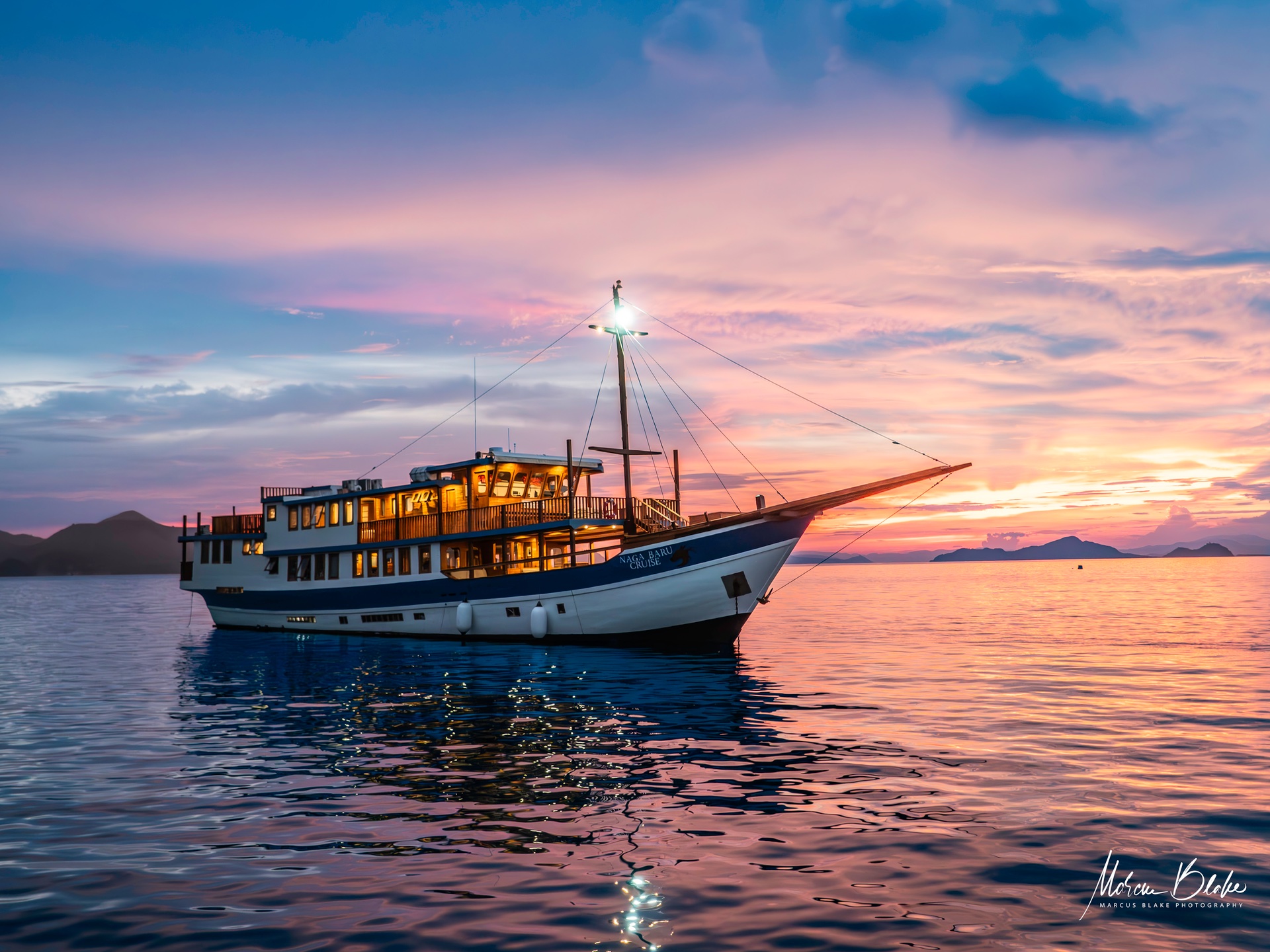
Naga Biru
Indonesia
12 guests40 m
$272/day
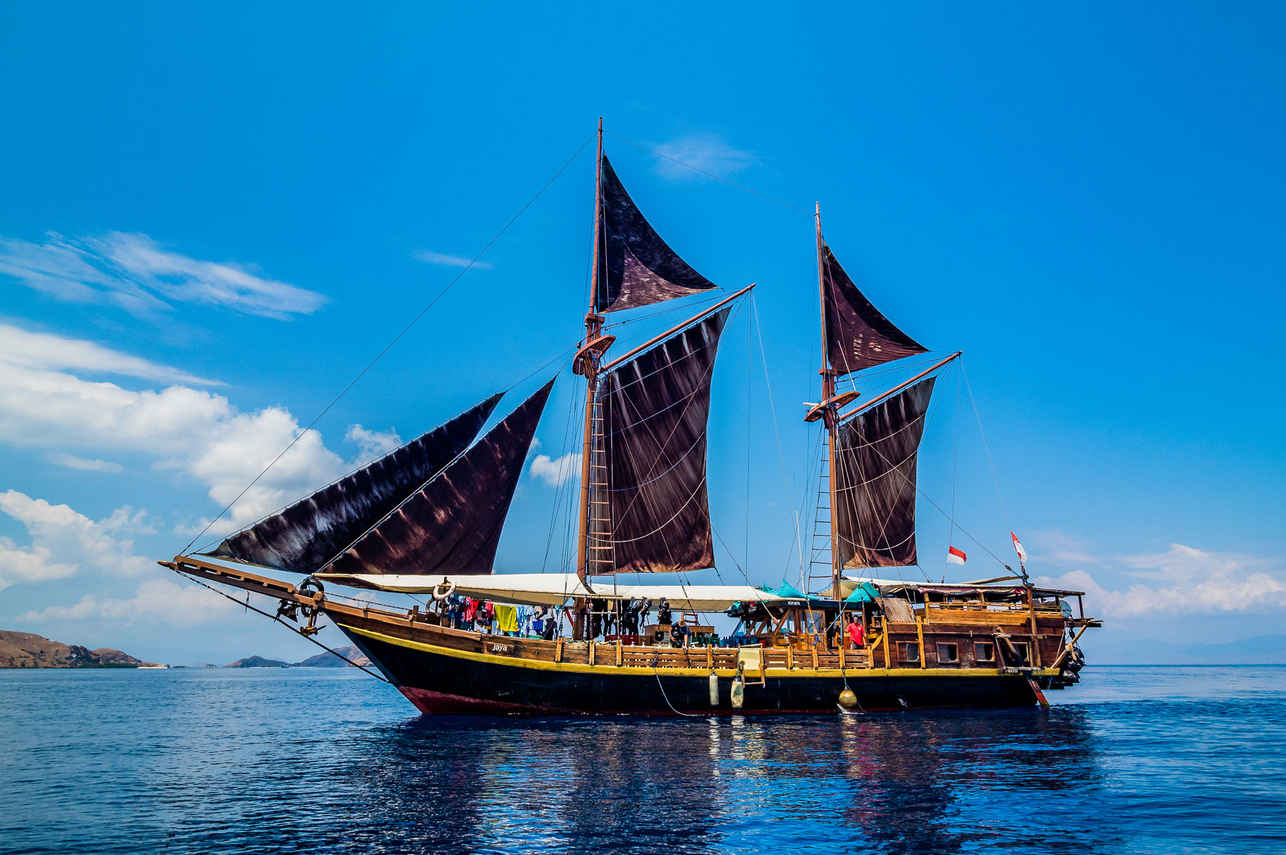
Jaya
Indonesia
14 guests23 m
$280/day
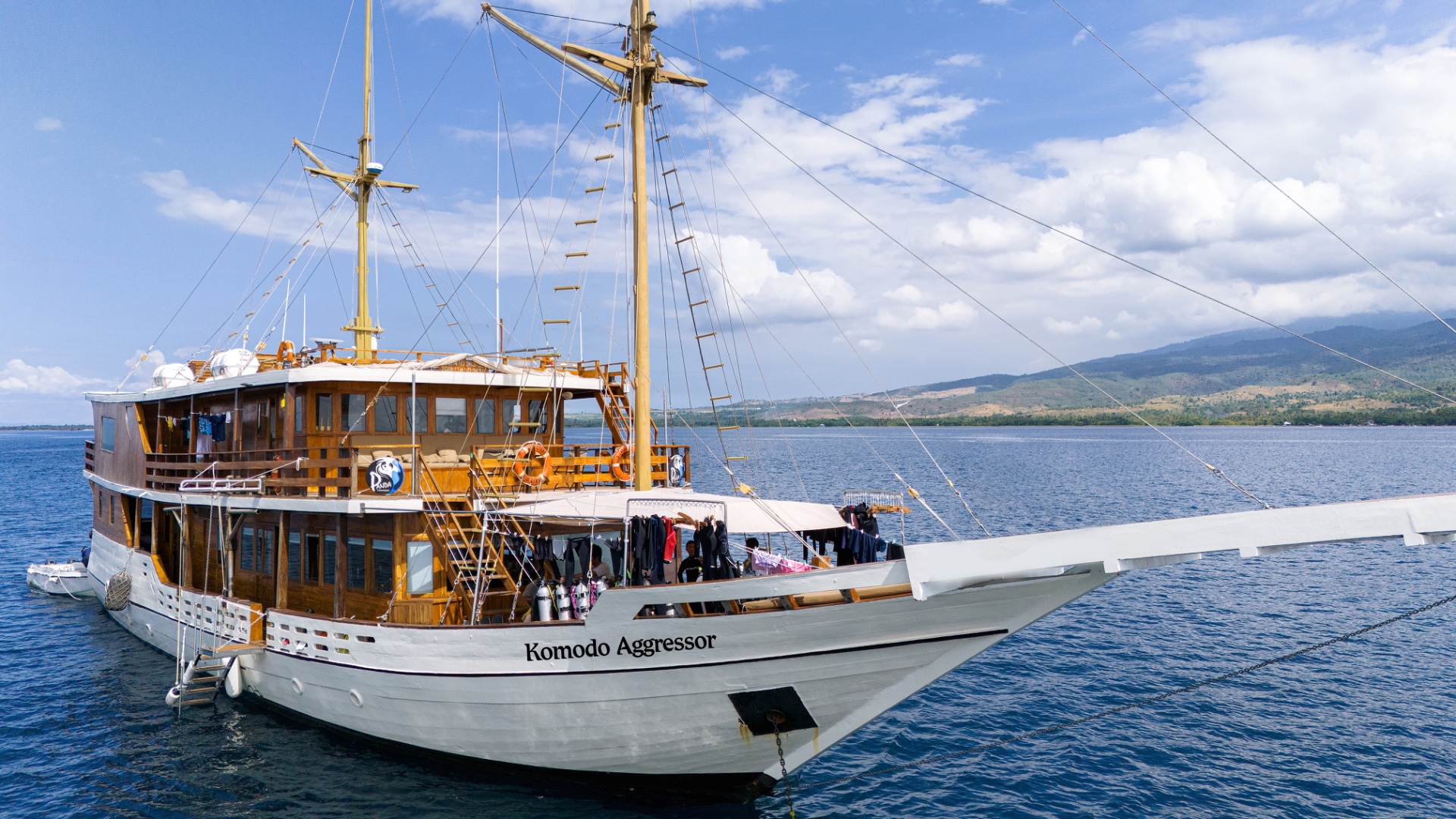
Komodo Aggressor
Komodo, Indonesia
16 guests29 m
$312/day
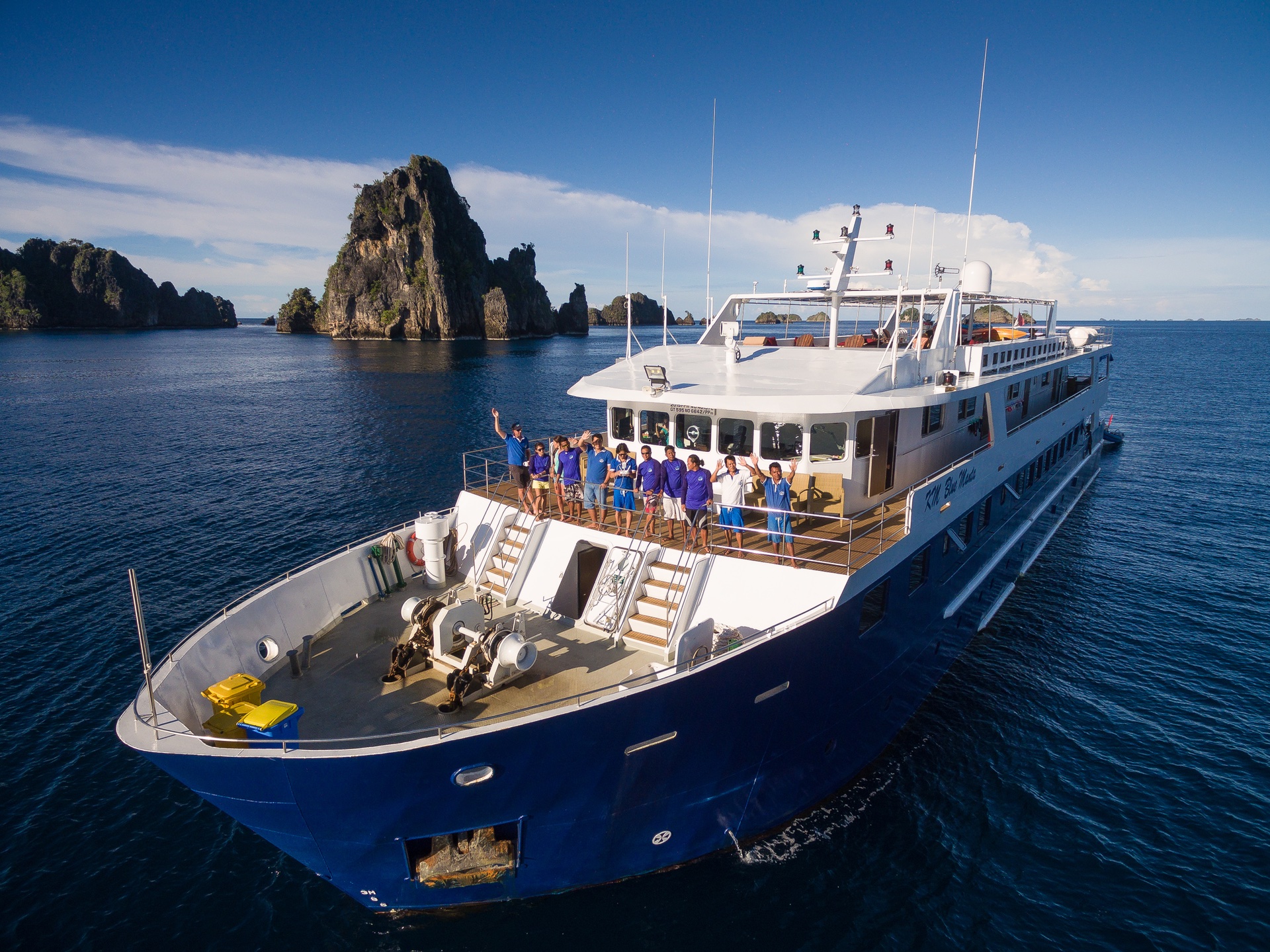
Blue Manta
Indonesia
20 guests45 m
$482/day
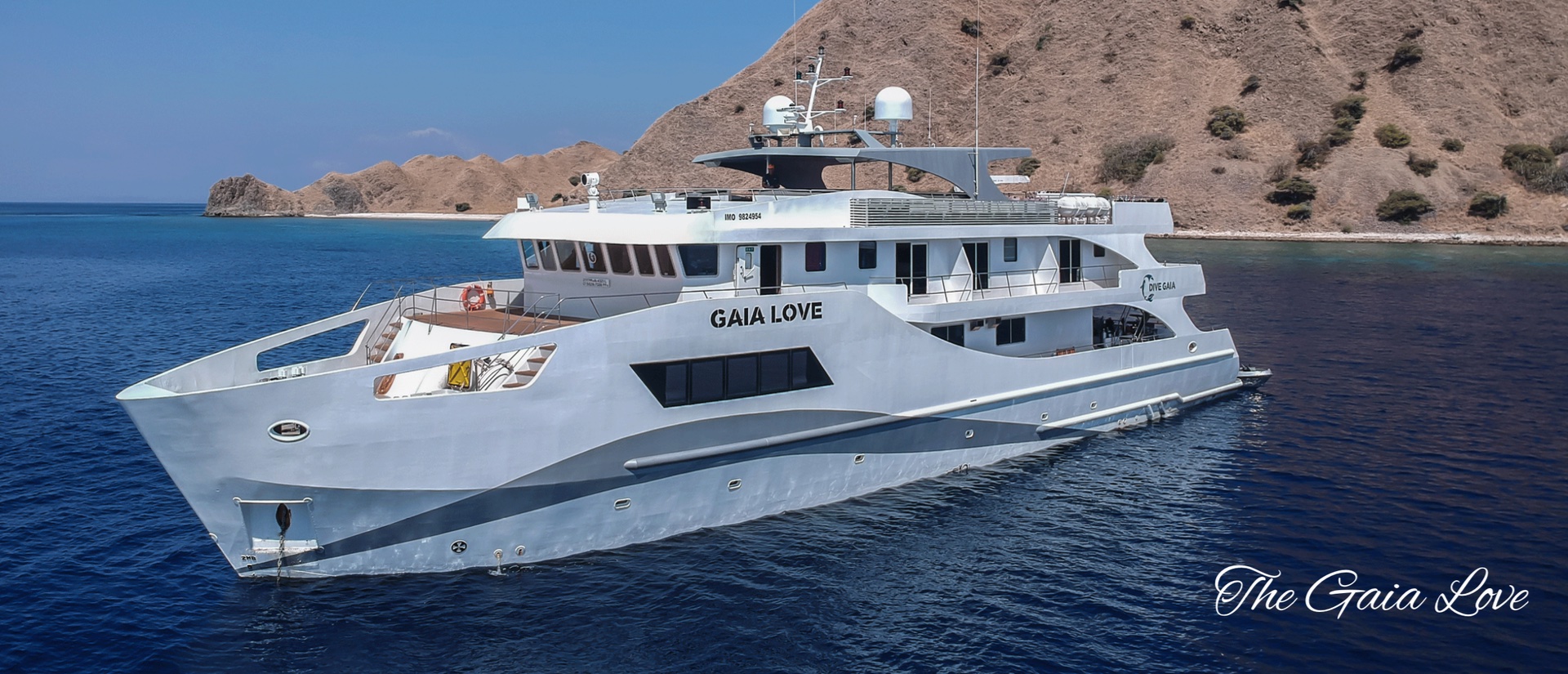
Gaia Love
Alor
20 guests
$554/day
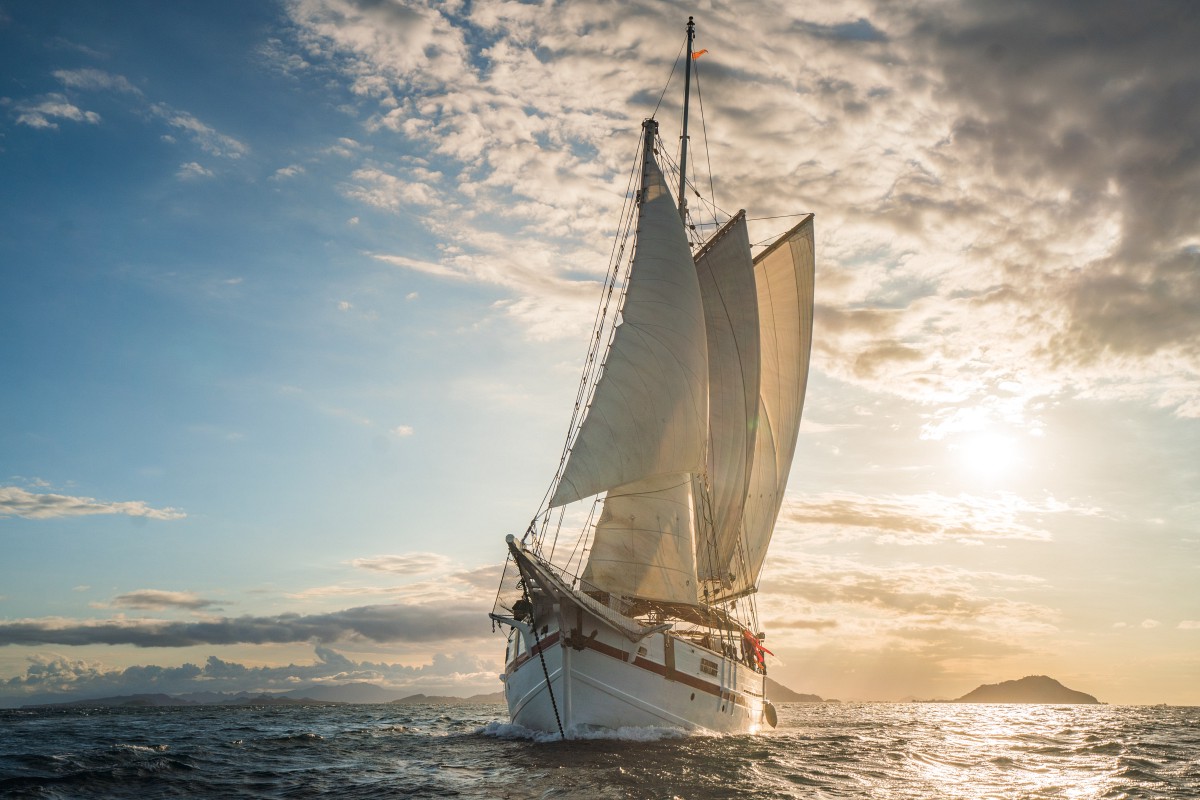
Emperor Raja Laut
Raja Ampat, Indonesia
12 guests31 m
$413/day
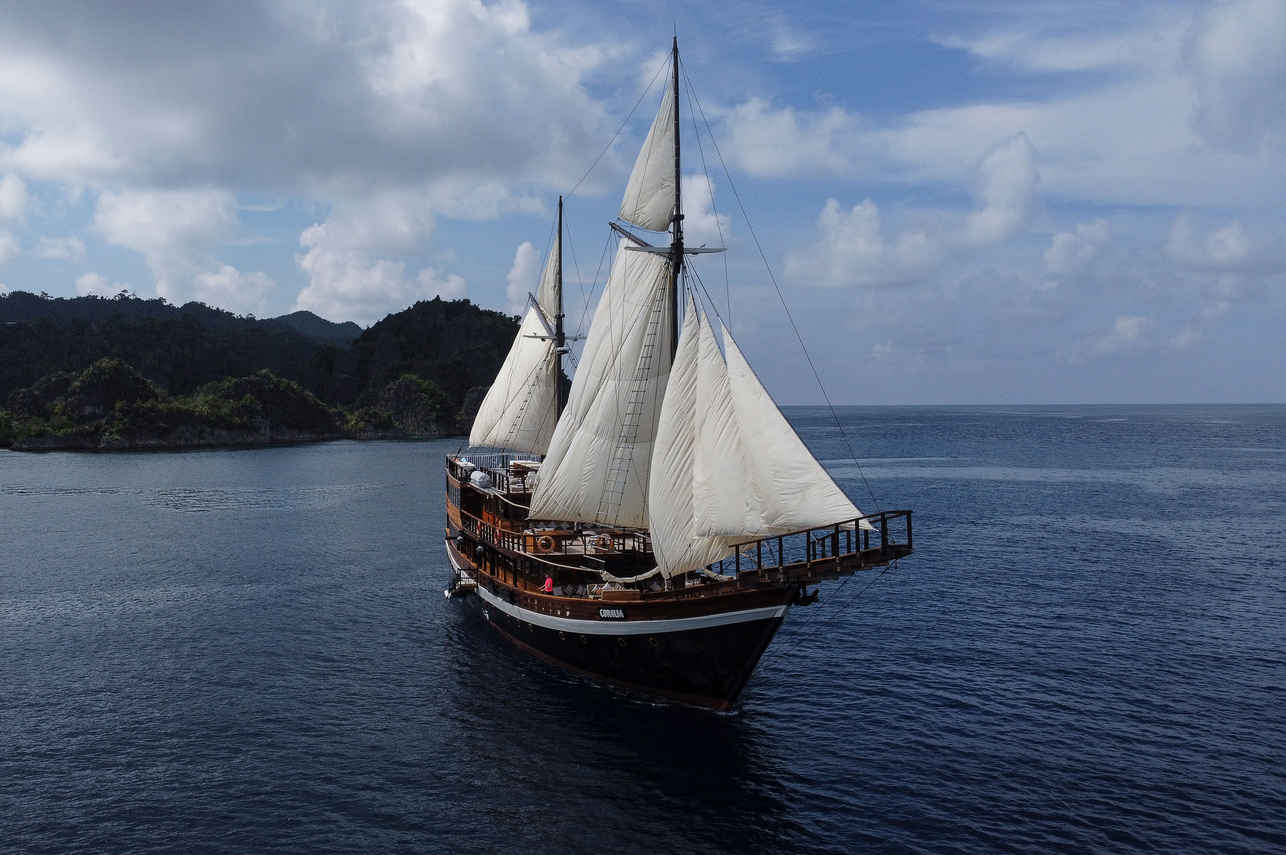
Coralia
Indonesia
16 guests48 m
$577/day
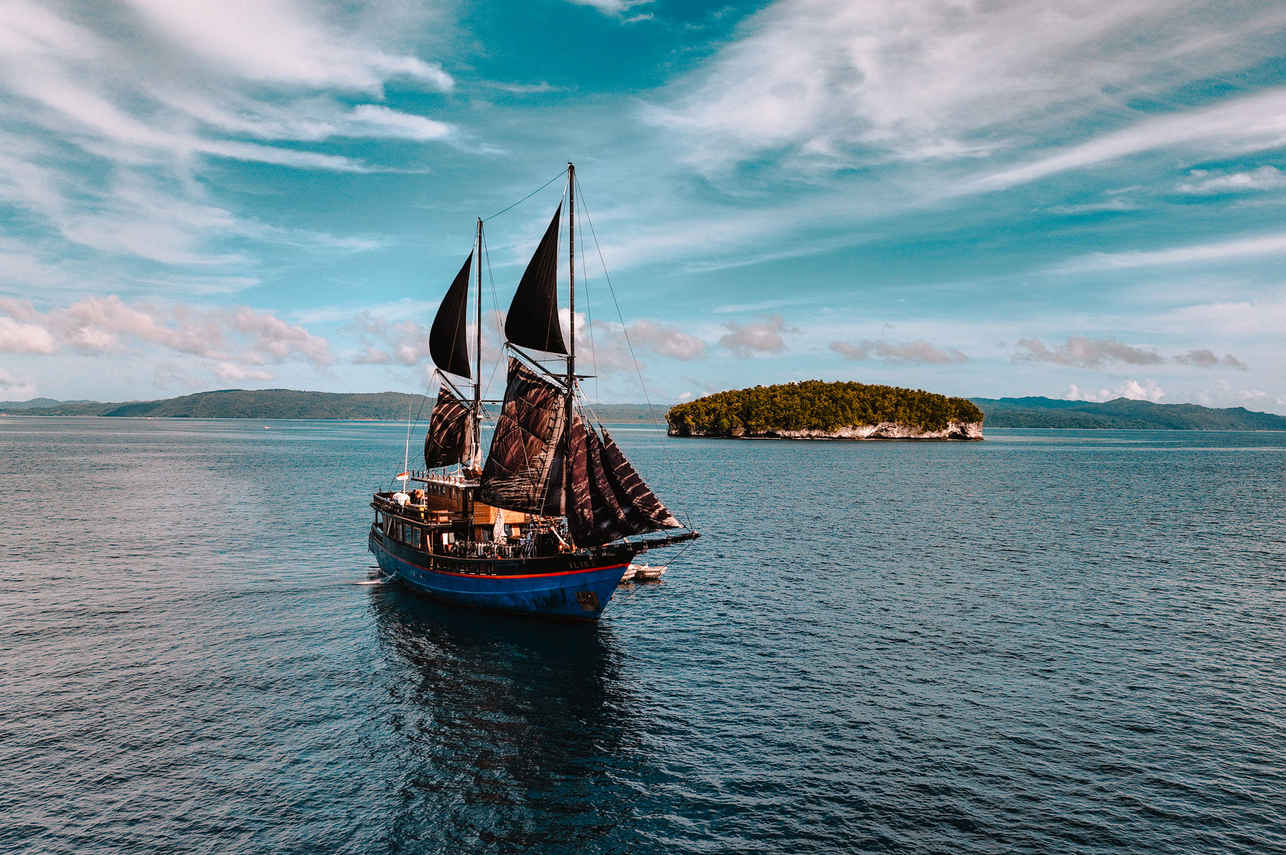
Ilike
Indonesia
16 guests40 m
$350/day
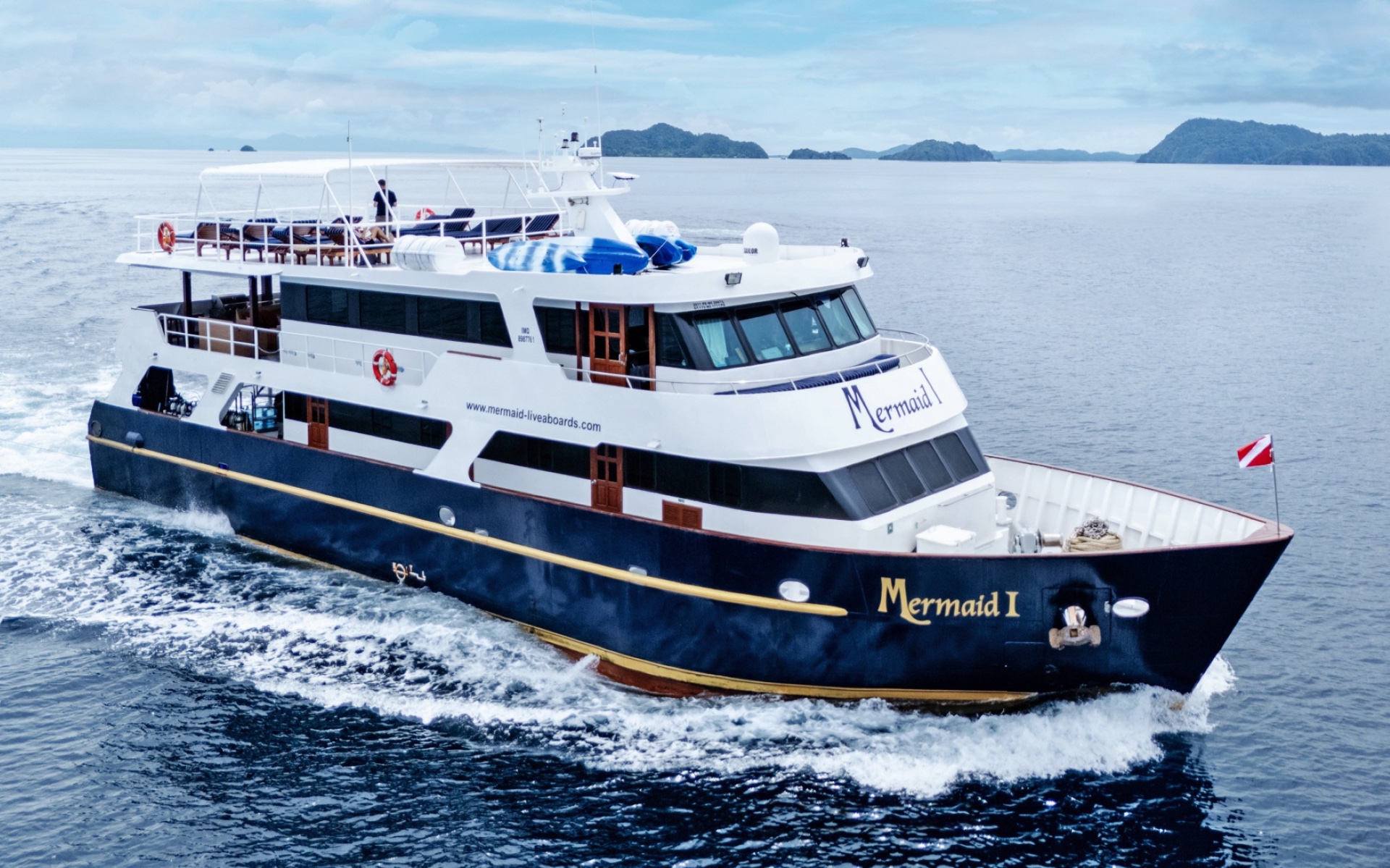
Mermaid I
Alor
15 guests28 m
$476/day
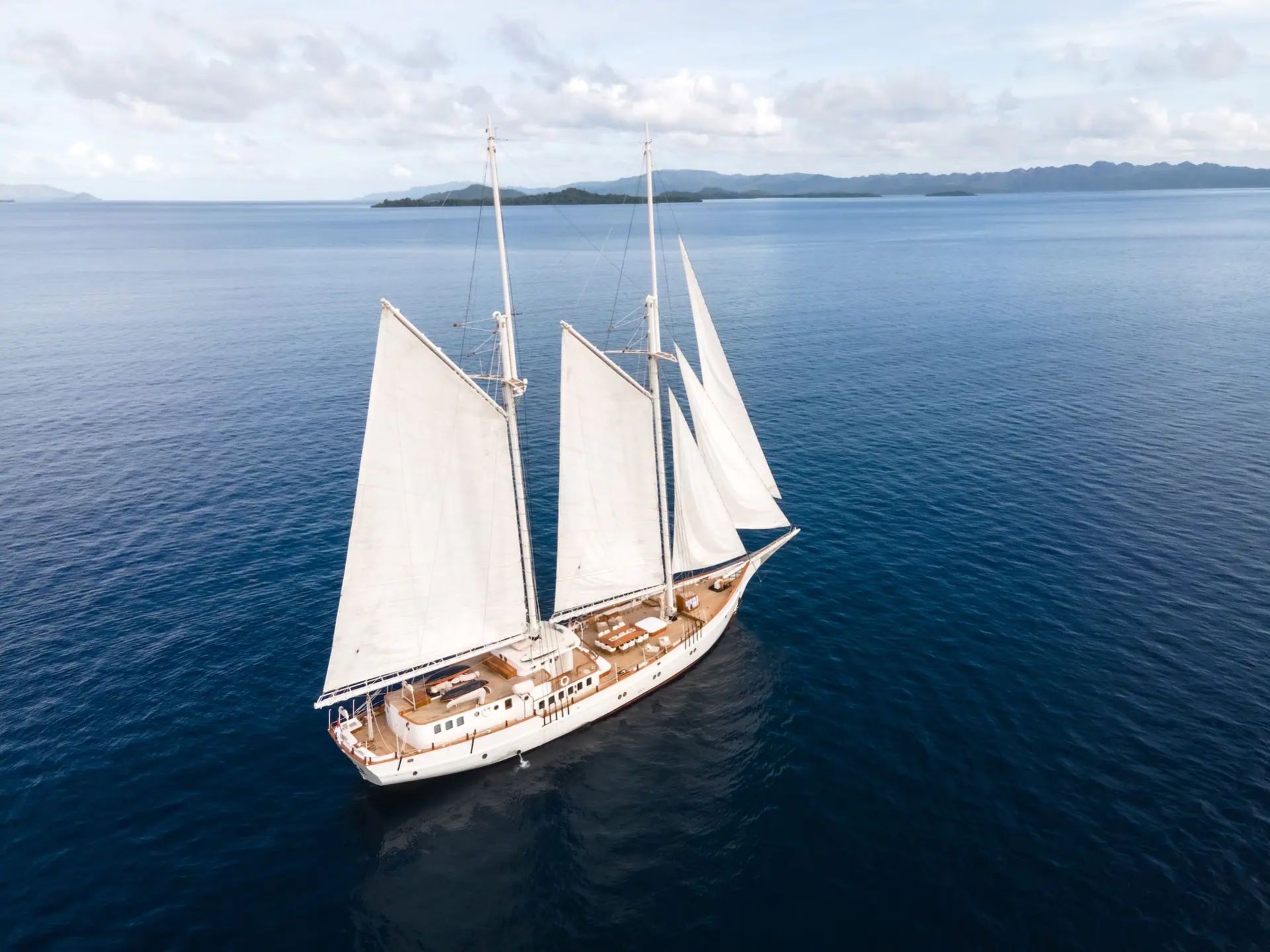
Mutiara Laut
Indonesia
14 guests46 m
$741/day
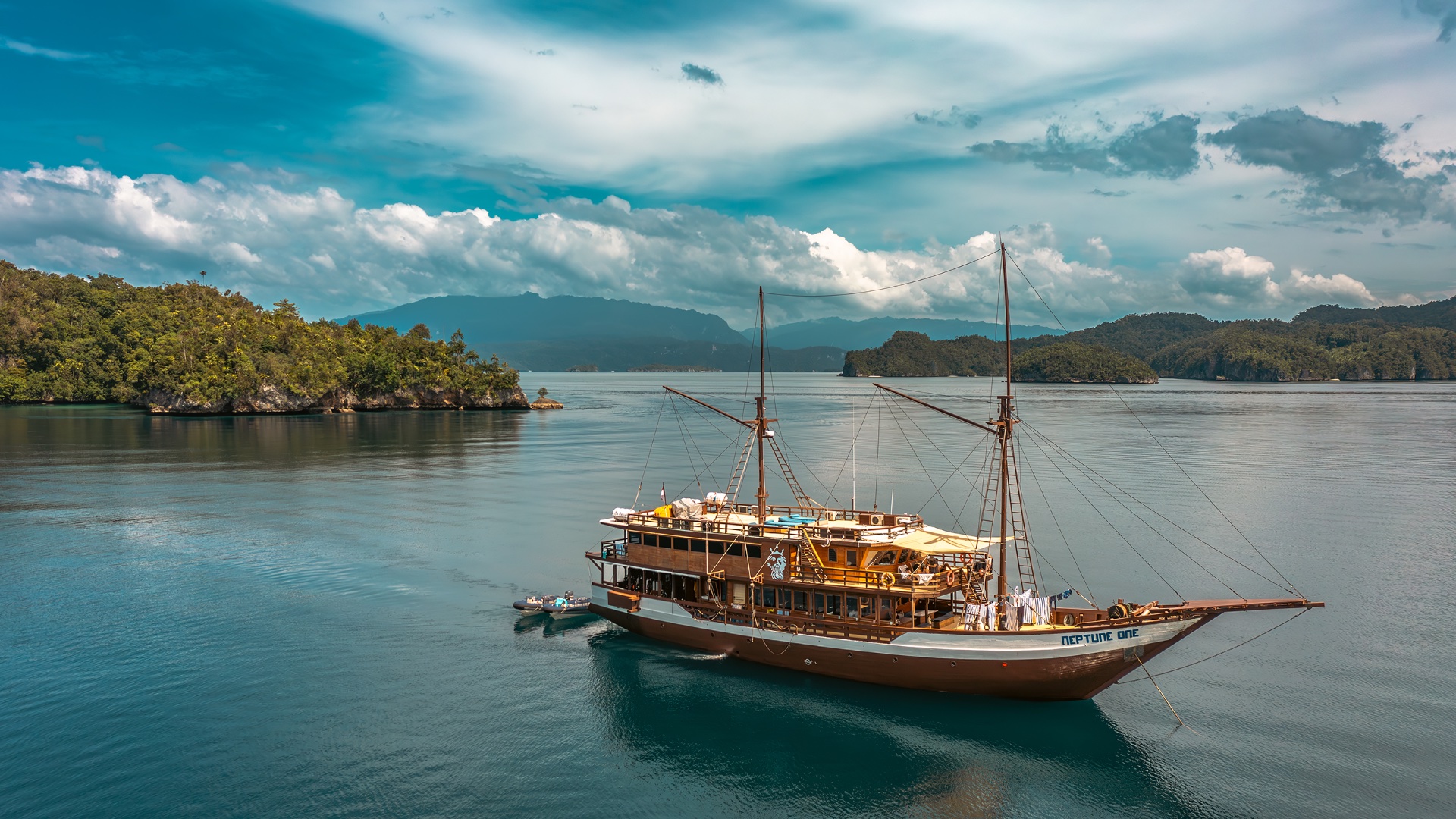
Neptune One
Indonesia
16 guests38 m
$312/day
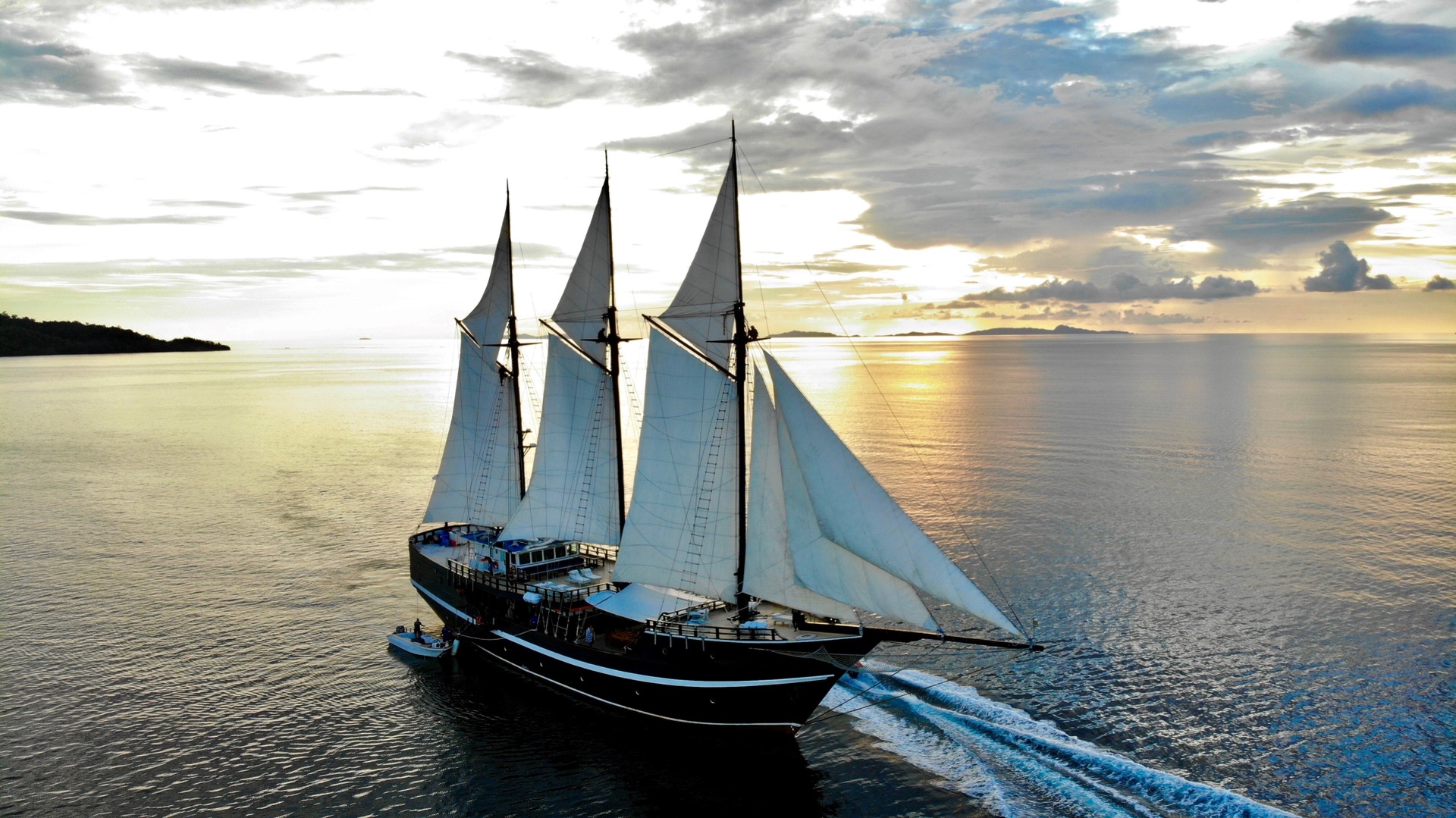
Dewi Nusantara
Indonesia
18 guests57 m
$599/day
Dive sites similar to Crocodile Rock
Same character, same waters — six more sites divers love for the exact same reasons.Compare seasons, access and liveaboard routes — then pick the site that fits your trip best.
Halerman is a prominent dive site located in the southern part of Alor, known for its distinct underwater landscape and varied marine life.
- Suitable for
- Advanced
- Current
- Strong
- Access
- Liveaboard or dayboat
- Depth
- —
- Theme
- Wall / Drift
© Esri — Maxar, Earthstar, GIS
Sharks Galore
Alor
Sharks Galore, an iconic drift-dive in Alor, offers thrilling encounters with diverse marine life.
- Suitable for
- Advanced
- Current
- Ripping
- Access
- Liveaboard or dayboat
- Depth
- 15–40 m
- Theme
- Channel / Drift
© Esri — Maxar, Earthstar, GIS
Yellow Corner
Alor
Yellow Corner, also known as Current Alley, is a challenging dive site specifically suited for advanced divers due to its strong and potentially ripping currents.
- Suitable for
- Advanced
- Current
- Strong
- Access
- Liveaboard only
- Depth
- 18–40 m
- Theme
- Drift
© Esri — Maxar, Earthstar, GIS
Goa Wolang
Alor
Goa Wolang, also known as Wolang Cave, is a distinctive dive site located in South Alor, renowned for its intriguing topography and diverse marine life.
- Suitable for
- Advanced
- Current
- Strong
- Access
- Dayboat
- Depth
- 5–30 m
- Theme
- Cavern / Wall
Munaseli is a prominent dive site situated off the northern coast of Pantar Island in the Alor archipelago, an area celebrated for its rich marine biodiversity within the Coral Triangle.
- Suitable for
- Advanced
- Current
- Strong
- Access
- Liveaboard or dayboat
- Depth
- ≤ 40 m
- Theme
- Wall / Drift
© Esri — Maxar, Earthstar, GIS
Ipet Drop-off
Alor
Situated off Adonara Island, Ipet Drop-off is a renowned dive site in the Alor region, celebrated for its vibrant and densely populated reef.
- Suitable for
- Advanced
- Current
- Strong
- Access
- Liveaboard only
- Depth
- —
- Theme
- Reef / Wall