About Christmas Island - Thundercliff Cave
Thundercliff Cave, located along Christmas Island's northern coast, offers a unique cave diving experience in Australia's Indian Ocean territory. The site features two distinct cave systems. The first is a large, open chamber bathed in beautiful blue light, especially when the sun is shining. Beyond this, a second, more intricate cave awaits, known for its captivating stalactites and stalagmites, including a remarkably thin, almost cylindrical column and a hanging shroud formation. Outside the cave, at approximately 12 meters, lies a vibrant reef teeming with diverse marine life. The reef then drops off at a steep angle, characteristic of Christmas Island's volcanic topography. Diving here reveals a variety of common reef inhabitants such as Leatherjackets, Ornate Butterflyfish, Velvet Surgeon, and Goldspot Seabream. The cave itself sometimes hosts schooling bullseye fish, creating a dynamic underwater spectacle. Christmas Island's waters are renowned for exceptional visibility, often reaching 50 meters, and a comfortable water temperature ranging from 26° to 30° Celsius, making for an enjoyable dive experience. This site offers a chance to explore both geological wonders within the caves and the bustling marine ecosystem of the surrounding reef. Entry to the site is typically by boat, as many of Christmas Island's dive spots are comfortably reachable only by sea. While the cave exploration offers a unique adventure, the presence of a shallow reef section makes it accessible to various skill levels. It is considered a highlight for those seeking a combination of cavern exploration and vibrant reef diving.
Highlights
Whale SharksSilvertip SharksCaves
Season calendar
Best months to dive here
Jan
Feb
Mar
Apr
May
Jun
Jul
Aug
Sep
Oct
Nov
Dec
Excellent
Dive site facts: Christmas Island - Thundercliff Cave
- Depth
- 5–12 m (cave), 12 m+ (reef)
- Typical dive
- Approx. 50-60 min
- Current
- Mild to moderate
- Visibility
- 30–50 m
- Water temperature
- 26–30°C
- Entry
- Boat
- Level
- Intermediate
- Dive type
- Cave, reef, wall
- Night dive
- Possible
- Region / port
- Christmas Island, Indian Ocean
- Coordinates
- -10.4917, 105.6333
Conditions & Currents
Currents at Thundercliff Cave are typically mild, making the site generally accessible for most divers. However, some sources describe them as moderate, indicating that divers should be prepared for varying conditions and consult with local dive operators for the most up-to-date information. While the caves themselves offer sheltered conditions, the outer reef and drop-off areas may experience more pronounced water movement. Entry is almost always via boat, allowing for flexible positioning relative to any existing currents. Divers should always monitor their air supply carefully, particularly when navigating the enclosed cave environments, and maintain good buoyancy control to avoid contact with delicate formations.
Marine life & sighting chances

Leatherjackets
common
Ornate Butterflyfish
common
Velvet Surgeon
common
Goldspot Seabream
common
Bullseye fish
occasional
Whale Sharks
November to April · occasional
Dolphins
Year-round · occasional
Turtles
Year-round · occasional
Manta Rays
Year-round · occasional
Reef Sharks
Year-round · occasional
Spotted Hawkfish
commonDive profile & how the dive runs
A typical dive at Thundercliff Cave begins with a boat entry, followed by a descent into the first, larger cave chamber. Divers navigate through this impressive space, admiring the natural blue light that penetrates from the surface. The route then continues into the second, more intricate cave, where unique stalactite and stalagmite formations, including a thin column and a 'hanging shroud,' can be observed. After exploring the cave systems, the dive proceeds to the outer reef at around 12 meters, which is rich in marine life. The reef slopes dramatically into deeper waters, offering opportunities for further exploration before ascending for a safety stop, typically conducted along the shallower reef or wall section, and concluding with a boat exit.
Underwater photography
Thundercliff Cave presents fantastic photographic opportunities, particularly for wide-angle shots to capture the grand scale of the cave entrances and the unique blue light effects. Inside the caves, a strong primary dive light and a focus light for your camera are essential to illuminate the intricate stalactites and stalagmites. For marine life on the outer reef, macro lenses can capture the numerous smaller reef inhabitants, while a wide-angle lens is still suitable for the dramatic drop-off and potential larger pelagic encounters. Buoyancy control is paramount, especially within the confined cave spaces, to avoid stirring up silt and to protect delicate formations, ensuring clear shots and preserving the environment.
Combine with nearby dive sites
- Cocos Keeling Islands
The Cocos (Keeling) Islands, an Australian external territory, consist of 27 coral islands forming two atolls in the Indian Ocean.
- Perpendicular Point Cave
Another prominent cave dive site on Christmas Island.
- The Grotto
A partially submerged cave on Christmas Island, suitable for various skill levels.
Getting there & logistics
Access to Christmas Island is via air, with regular flights connecting to mainland Australia. Once on the island, dive operators provide boat transfers to Thundercliff Cave, as most dive sites are only comfortably reached by sea. Liveaboards often incorporate Thundercliff Cave into their itineraries, allowing divers to explore multiple sites in the region over several days. While no specific permits are mentioned for diving the cave itself, divers should arrange their trips through reputable local dive shops to ensure compliance with any local regulations and to access necessary equipment and guidance. Trip lengths typically range from day trips to multi-day liveaboard experiences, depending on the desired itinerary.
Safety & environment
Diving at Thundercliff Cave requires adherence to standard safety protocols, especially given the cave environment. Divers should possess appropriate certifications and experience for cavern or cave diving. It is crucial to dive with a reliable buddy, have a clear dive plan, and meticulously manage air supply following the rule of thirds. Always carry a strong dive light and a backup. While Christmas Island has dive operators, emergency medical facilities are limited, and recompression chambers are not on the island, meaning any serious diving accident would necessitate evacuation to mainland Australia. Comprehensive dive insurance, covering medical emergencies and evacuation, is therefore highly recommended. Divers should maintain excellent buoyancy control to prevent disturbing silt or damaging the delicate cave formations.
Who it suits — and who it doesn't
Suited for
- Intermediate to advanced divers comfortable with cave environments
- Photographers interested in unique geological formations and blue light effects
- Divers seeking a combination of cave and vibrant reef exploration
- Those looking for exceptional visibility and warm water diving
Less suited for
- Absolute beginner divers with no cave or cavern training
- Divers with poor buoyancy control
- Individuals prone to claustrophobia
- Divers without proper dive insurance for remote locations
FAQ
Christmas Island - Thundercliff Cave FAQ
What kind of cave diving experience can I expect at Thundercliff Cave?
Thundercliff Cave offers a unique two-part cave diving experience. You will explore a large, open chamber filled with natural blue light, then proceed into a second, more intricate cave system known for its fascinating stalactite and stalagmite formations, including a distinctive thin column and a 'hanging shroud'. This blend of grand open spaces and detailed inner caverns makes it a memorable dive.
What marine life will I see at Thundercliff Cave?
While the cave itself can host schooling bullseye fish, the outer reef beyond Thundercliff Cave is teeming with diverse marine life. You can expect to encounter common reef inhabitants like Leatherjackets, Ornate Butterflyfish, Velvet Surgeon, and Goldspot Seabream. Occasionally, larger pelagic species such as whale sharks, dolphins, turtles, manta rays, and reef sharks can be spotted in the surrounding waters, especially during specific seasons.
Is Thundercliff Cave suitable for beginner divers?
Thundercliff Cave is generally recommended for intermediate divers due to the cave environment. While the first chamber is open and well-lit, navigating the second, more intricate cave requires good buoyancy control and comfort in confined spaces. Although the site has a shallow reef section accessible to various skill levels, specific cave diving training or experience is highly beneficial for a safe and enjoyable exploration of the cave systems.
What is the best time of year to dive Thundercliff Cave?
The prime diving season for Thundercliff Cave and Christmas Island in general is from November to April. During these months, the sea conditions are typically calmer, and visibility is at its best, often reaching up to 50 meters. This period offers the most comfortable and rewarding experience for exploring both the cave formations and the vibrant outer reef.
What are the water temperatures and visibility like?
Christmas Island waters, including Thundercliff Cave, boast exceptional visibility, frequently extending between 30 and 50 meters. Divers can enjoy comfortable water temperatures, ranging from 26°C to 30°C throughout the year. This combination of clear, warm water ensures an enjoyable and visually stunning dive experience.
Why dive Christmas Island - Thundercliff Cave from a liveaboard?
Christmas Island - Thundercliff Cave is one of Australia's signature dive sites. A liveaboard sleeps you on the water and puts you in the water for three to four guided dives per day, including dawn and night dives that day-boat operators rarely offer. You skip the daily commute back to port and reach quieter, less-crowded sites in the same region on a single trip.
Below are the liveaboards that include Christmas Island - Thundercliff Cave on their Australia itineraries.
Liveaboards diving Christmas Island - Thundercliff Cave
These liveaboards may visit Christmas Island - Thundercliff Cave on selected itineraries — the exact dive sites depend on departure, weather and conditions.
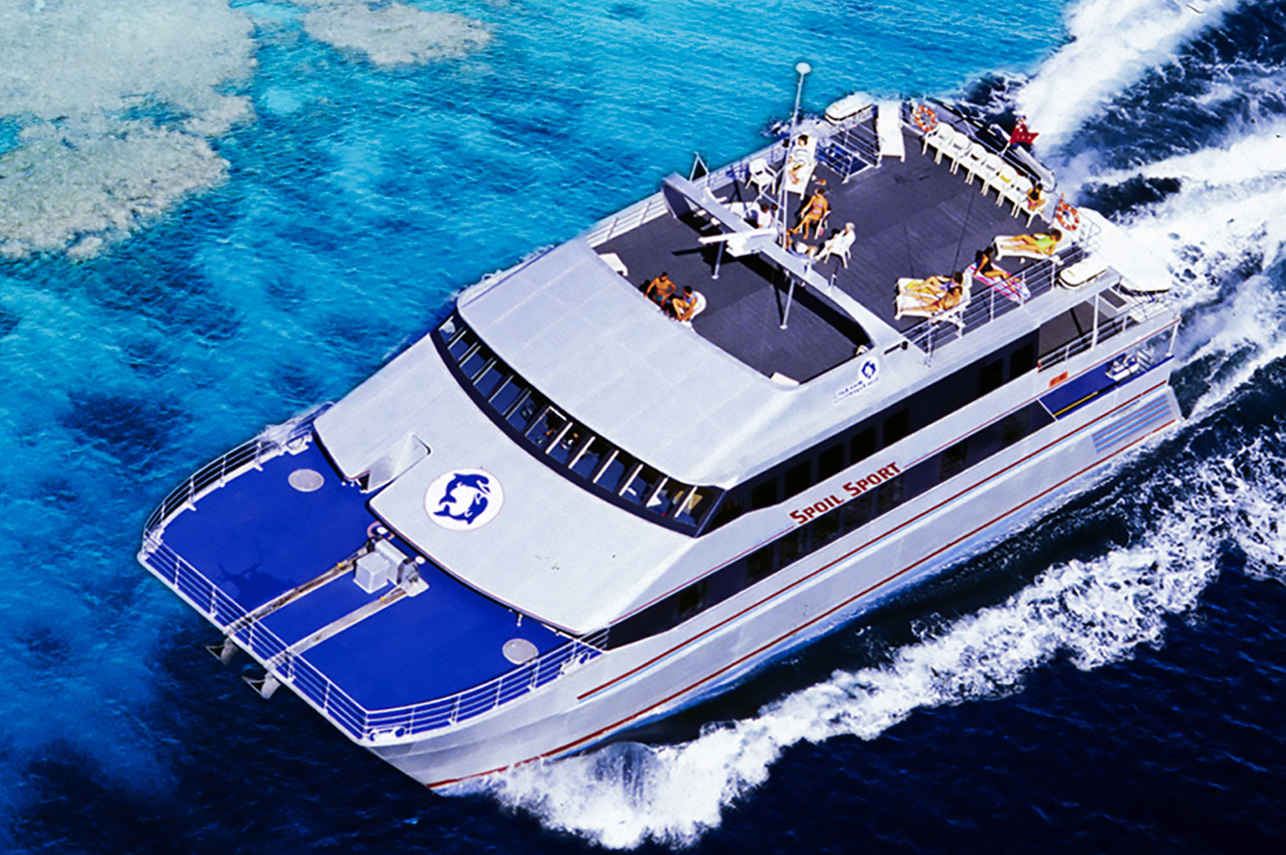
Spoilsport
Australia
28 guests30 m
$404/day
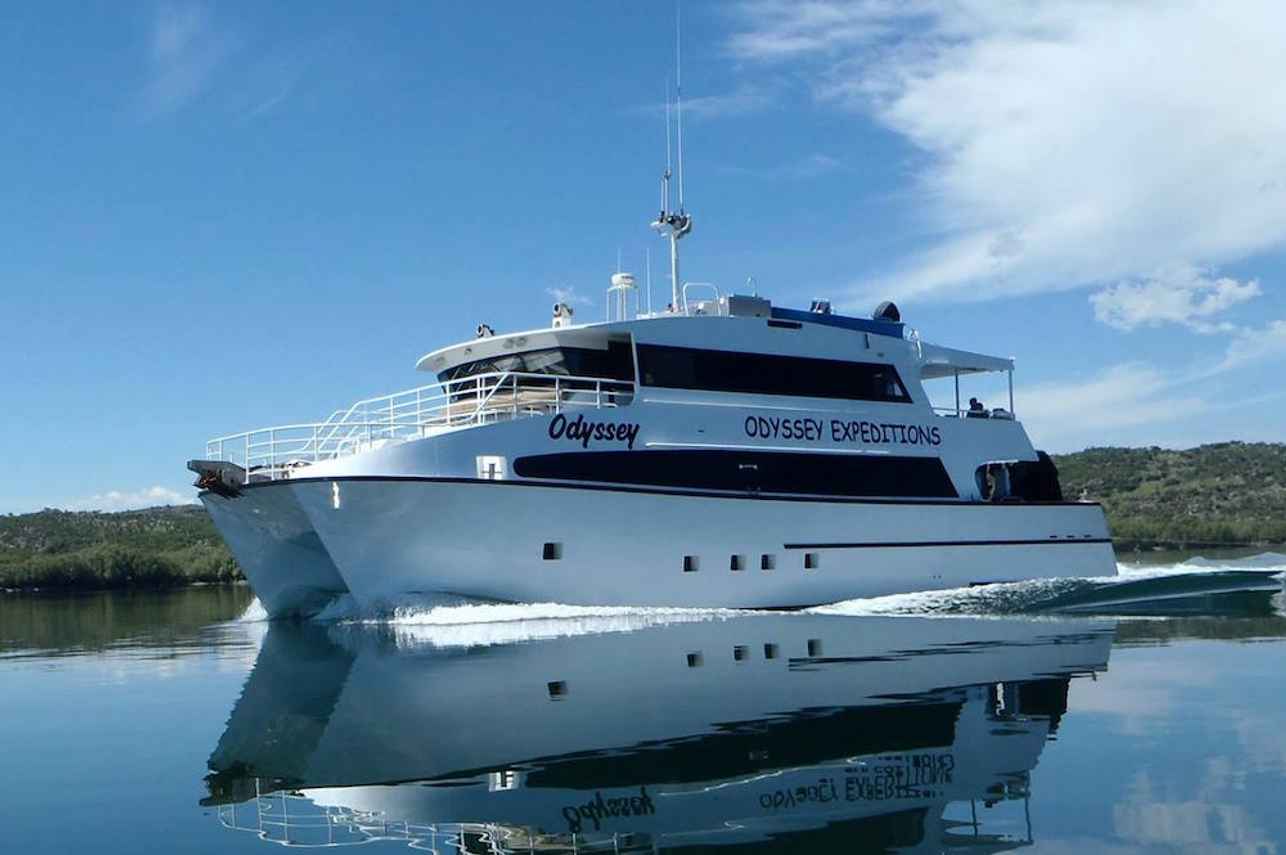
Odyssey Liveaboard
Australia
20 guests24 m
$392/day
Dive sites similar to Christmas Island - Thundercliff Cave
Same character, same waters — six more sites divers love for the exact same reasons.Compare seasons, access and liveaboard routes — then pick the site that fits your trip best.
© Esri — Maxar, Earthstar, GIS
Rottnest Island
Australia
Rottnest Island, located approximately 18 kilometers off Perth, Western Australia, offers exceptional diving characterized by its distinctive limestone formations.
- Suitable for
- Intermediate
- Current
- Mild
- Access
- Dayboat
- Depth
- 8–22 m
- Theme
- Reef / Cave & cavern
© Esri — Maxar, Earthstar, GIS
Cocklebiddy Cave
Australia
Cocklebiddy Cave, situated beneath the vast, arid Nullarbor Plain in Western Australia, represents one of the world's most significant and extensive water-filled cave systems.
- Suitable for
- Expert
- Current
- No current
- Access
- Shore / dayboat
- Depth
- 10–122 m
- Theme
- Cave & cavern
© Esri — Maxar, Earthstar, GIS
Second Valley
Australia
Second Valley, a picturesque, north-facing cove nestled on the Fleurieu Peninsula, offers a varied and captivating dive experience.
- Suitable for
- Intermediate
- Current
- Mild
- Access
- Shore / dayboat
- Depth
- 3–15 m
- Theme
- Reef / Cave & cavern
© Esri — Maxar, Earthstar, GIS
The Grotto
Australia
The Grotto is a boat-access reef dive situated on the Lonsdale Wall, offering an ideal experience for divers who appreciate detailed inspection rather than technical profiles.
- Suitable for
- Intermediate
- Current
- Moderate
- Access
- Dayboat
- Depth
- 12–23 m
- Theme
- Reef / Cave & cavern
© Esri — Maxar, Earthstar, GIS
Jenolan Caves — Blue Lake
Australia
The Jenolan Caves complex, nestled high in Australia's Blue Mountains, 175 km west of Sydney, houses a network of waterlogged cave systems, including the Mammoth Cave where underwater exploration occurs.
- Suitable for
- Expert
- Current
- No current
- Access
- Shore / dayboat
- Depth
- 4–25 m
- Theme
- Cave & cavern
© Esri — Maxar, Earthstar, GIS
Fish Rock Cave
Australia
Fish Rock Cave, located off South West Rocks in New South Wales, Australia, is renowned as the country's only true ocean cave dive.
- Suitable for
- Advanced
- Current
- Strong
- Access
- Liveaboard or dayboat
- Depth
- 7–35 m
- Theme
- Cave & cavern / Channel