About Yulliet Kecil
Yulliet Kecil is a captivating islet dive site situated in the Misool region of Raja Ampat, Indonesia. It lies just to the east of the main Yulliet Pulau island and near Romeo. This site is celebrated for its diverse and vibrant marine ecosystem, characteristic of the world-renowned biodiversity found throughout Raja Ampat, which boasts 75% of the planet's coral species and over 1,500 fish species. The dive begins with abundant coral formations visible from depths as shallow as 5 meters, gradually extending down through 10, 20, and reaching a maximum recorded depth of 23 meters. The underwater topography offers a dynamic environment where divers can explore these various depth bands. The site supports a rich array of reef fish and invertebrates, providing a comprehensive diving experience. Raja Ampat, in general, offers a mix of wall, drift, and reef diving experiences, and sites like Yulliet Kecil contribute to this diverse offering, making it suitable for varying preferences. Divers can anticipate encounters with a multitude of fish species, including angelfish, triggerfish, clownfish, and rockfish. The area's healthy coral reefs and prolific marine life are a constant draw. While specific seasonality for Yulliet Kecil's marine life isn't detailed, the broader Misool region is known for its rich biodiversity year-round, with the dry season generally offering optimal conditions for observing pelagic species. Raja Ampat's tropical waters maintain temperatures between 28-30°C. A typical dive duration at Yulliet Kecil is around 57 minutes. The site is generally accessible to divers of various certification levels, given the typical maximum depth and the general conditions of the region, though specific current information for this particular site is not provided. Safety protocols are conservative in this remote area, with no deco diving allowed, and dives are typically limited to 30 meters.
Highlights
Vibrant coral formationsDiverse reef fish speciesAngelfish, triggerfish, clownfishGradually sloping reefIslet east of Yulliet PulauMisool region biodiversity
Season calendar
Best months to dive here
Jan
Feb
Mar
Apr
May
Jun
Jul
Aug
Sep
Oct
Nov
Dec
Good
Dive site facts: Yulliet Kecil
- Depth
- 5–30 m
- Typical dive
- 57 min, to 23m
- Current
- Variable, generally manageable
- Visibility
- 15–30 m
- Water temperature
- 26–30°C
- Entry
- Tender / boat
- Level
- Open Water Diver
- Dive type
- Reef, coral slope
- Region / port
- Misool, Raja Ampat
- Coordinates
- 0.8039° S, 130.4782° E
Conditions & Currents
Currents at Yulliet Kecil are generally manageable, although Raja Ampat is known for variable and sometimes strong currents in certain areas. Divers should be prepared for potential moderate flows, particularly if nutrient-rich waters are present, as these can enhance marine activity. Visibility typically ranges from 15 to 30 meters, benefiting from the nutrient flow that keeps the water clear yet vibrant with life. Entry to the site is usually via tender boat, often requiring a negative entry depending on the prevailing conditions to quickly descend to the reef. The dive profile typically follows the natural slope of the reef, allowing divers to enjoy the various depth bands. Awareness of air consumption and good buoyancy control are always important, especially when navigating any unexpected current changes. This site is generally suitable for most divers due to its often gentler natu
Marine life & sighting chances
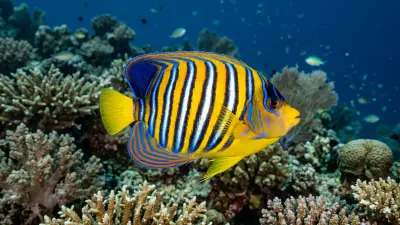
Angelfish
Year-round · common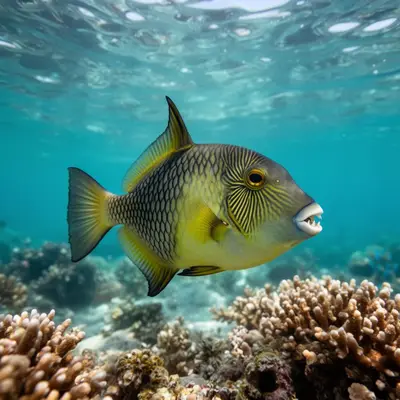
Triggerfish
Year-round · common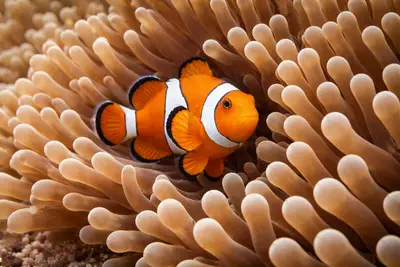
Clownfish
Year-round · common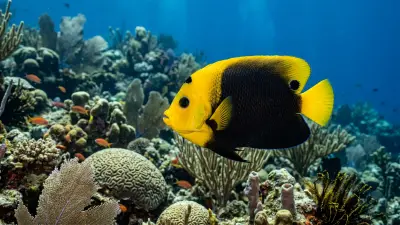
Rock fish
Year-round · common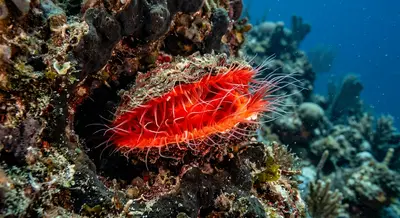
File fish
Year-round · occasionalStone fish
Year-round · occasionalTrumpet fish
Year-round · occasional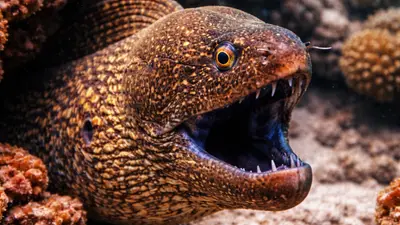
Moray eel
Year-round · occasional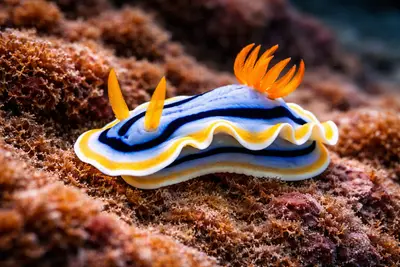
Nudibranch
Year-round · occasional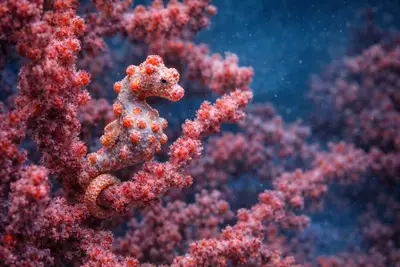
Pygmy seahorse
Year-round · occasionalDive profile & how the dive runs
Diving at Yulliet Kecil typically begins with a tender drop-off directly onto the reef, allowing for a swift descent into the vibrant underwater landscape. The site features coral formations that start as shallow as 5 meters, providing an immediate visual feast. Divers then gradually explore the sloping reef, which descends to depths of 10, 20, and 30 meters, following the contours of the islet. The route allows for a leisurely progression across different depth bands, showcasing a diverse array of fish and coral life at each stage. As the dive progresses, shallower sections are revisited, offering extended bottom time among brightly lit corals. The safety stop is usually conducted in the 5-meter zone, often a continuation of the shallow reef, making for a scenic and engaging decompression period.
Underwater photography
Yulliet Kecil's diverse topography, ranging from shallow coral gardens to deeper slopes, makes it excellent for both wide-angle and macro photography. For wide-angle shots, consider a fisheye or wide rectilinear lens to capture the extensive coral formations and schools of reef fish. The clear visibility and ample natural light, especially in shallower areas, create ideal conditions for capturing the vibrant colors without excessive artificial lighting. When moving into deeper sections, a strobe or video light will help bring out the true hues of the corals and marine life. Macro photographers will find opportunities for pygmy seahorses and nudibranchs among the corals; a 60mm or 100mm macro lens with a snoot can isolate these smaller subjects effectively. Pay attention to buoyancy, especially around delicate coral structures, to avoid accidental contact. Ethical photography means never harassing marine life for a shot.
Combine with nearby dive sites
- Puri Pinnacle
Located in South Misool, 5km north of Yulliet Pulau with a large plateau and several pinnacles.
- Yulliet Besar
Just north of the main Yulliet Pulau island, known for plateaus, slopes, walls, and macro life.
- Nudi Rock
A prominent rock formation in the Misool area, recognized for steep walls, sloping reefs, and abundant macro and pelagic life.
- Magic Mountain
A world-class dive site mentioned in the context of Misool area liveaboard itineraries.
- Fiabacet
Part of a group of small islands east of Fiabacet Island, renowned for diverse marine ecosystems.
Getting there & logistics
Yulliet Kecil is located in the remote southern Misool region of Raja Ampat, which is typically accessed via liveaboard trips departing from Sorong. Sorong, the largest city in West Papua, serves as the primary gateway, with domestic flights connecting from major Indonesian cities like Jakarta or Bali. Liveaboard itineraries typically range from 7 to 10 days, allowing ample time to explore Misool and other iconic Raja Ampat areas. All divers are required to purchase a Raja Ampat Marine Park Entry Permit, which costs approximately USD $100 and is valid for one calendar year. Given the remote location, booking well in advance, especially for the peak season (October to May), is highly recommended for liveaboards.
Safety & environment
Due to Raja Ampat's extremely remote location, especially in Misool, dive safety is paramount. The nearest recompression chamber is approximately 250 kilometers away in Sorong, emphasizing the need for conservative diving practices. Misool resorts and liveaboards, like Misool Resort, strictly enforce no-decompression diving, prohibit solo dives, and often limit depths to 30 meters. Comprehensive dive insurance, covering emergency evacuation and hyperbaric treatment, is essential. Divers should possess good buoyancy control and be mindful of their air consumption, particularly given the potential for variable currents. A reef hook can be a useful safety tool to maintain position without touching the reef, especially in stronger flows, ensuring both diver safety and reef protection.
Who it suits — and who it doesn't
Suited for
- Open Water certified divers
- Underwater photographers (macro & wide-angle)
- Divers interested in diverse reef ecosystems
- Liveaboard guests exploring Misool
- Divers seeking vibrant coral formations
Less suited for
- Beginners without current experience
- Divers prone to seasickness on open seas
- Those seeking only large pelagic action
- Divers preferring shore-based operations exclusively
FAQ
Yulliet Kecil FAQ
What kind of marine life can I expect at Yulliet Kecil?
Yulliet Kecil is rich in reef fish, commonly featuring angelfish, triggerfish, clownfish, and various rock fish. You might also spot file fish, stone fish, and trumpet fish. For macro enthusiasts, there are opportunities to find nudibranchs and even pygmy seahorses among the vibrant coral structures.
How deep is the dive at Yulliet Kecil and what is a typical dive profile?
The coral formations at Yulliet Kecil begin as shallow as 5 meters and extend down to depths of 30 meters. A typical dive usually reaches a maximum depth of around 23 meters and lasts approximately 57 minutes. Divers often explore the gradually sloping reef, moving from deeper sections back into the shallower, brightly lit areas for the safety stop.
Are the currents strong at Yulliet Kecil?
Currents at Yulliet Kecil are generally manageable, although they can be variable, as is common in Raja Ampat. While not typically as strong as some other sites in the region, divers should always be prepared for potential moderate flows. Good buoyancy control and awareness of conditions are recommended for an enjoyable dive.
What is the best time of year to dive Yulliet Kecil?
The best time to visit Yulliet Kecil is during Raja Ampat's peak diving season, which runs from October to May. During these months, conditions are typically favorable with calmer seas, reduced winds, and excellent visibility. This period also offers a higher chance of encountering various marine life.
Is Yulliet Kecil suitable for all diver levels?
Yulliet Kecil is generally suitable for Open Water certified divers due to its accessible depths and often manageable currents. However, divers with good buoyancy control and some experience with variable currents will have the most comfortable and rewarding experience. It is a great site for those looking to explore vibrant reef ecosystems.
Why dive Yulliet Kecil from a liveaboard?
Yulliet Kecil is one of Raja Ampat, Indonesia's signature dive sites. A liveaboard sleeps you on the water and puts you in the water for three to four guided dives per day, including dawn and night dives that day-boat operators rarely offer. You skip the daily commute back to port and reach quieter, less-crowded sites in the same region on a single trip.
Below are the liveaboards that include Yulliet Kecil on their Raja Ampat, Indonesia itineraries.
Liveaboards diving Yulliet Kecil
These liveaboards may visit Yulliet Kecil on selected itineraries — the exact dive sites depend on departure, weather and conditions.
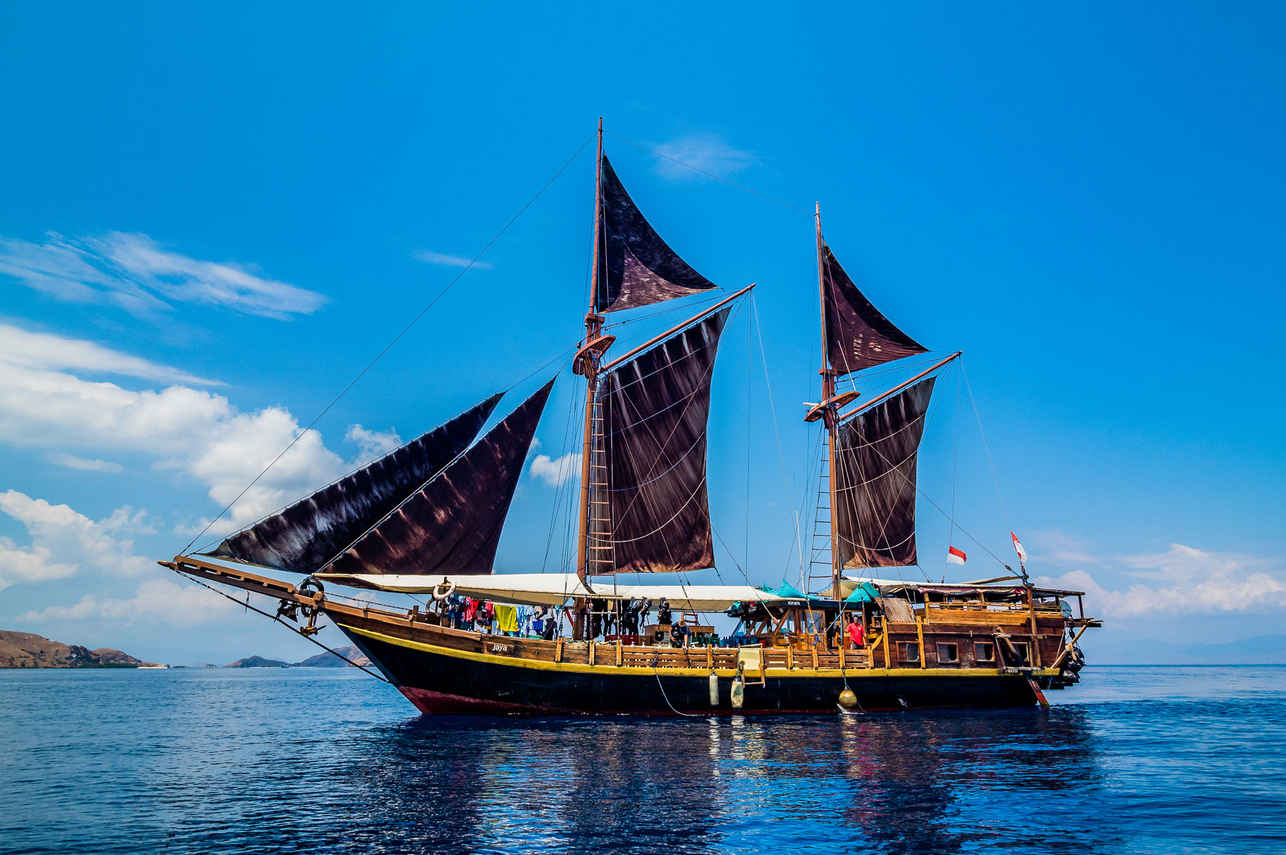
Jaya
Indonesia
14 guests23 m
$280/day
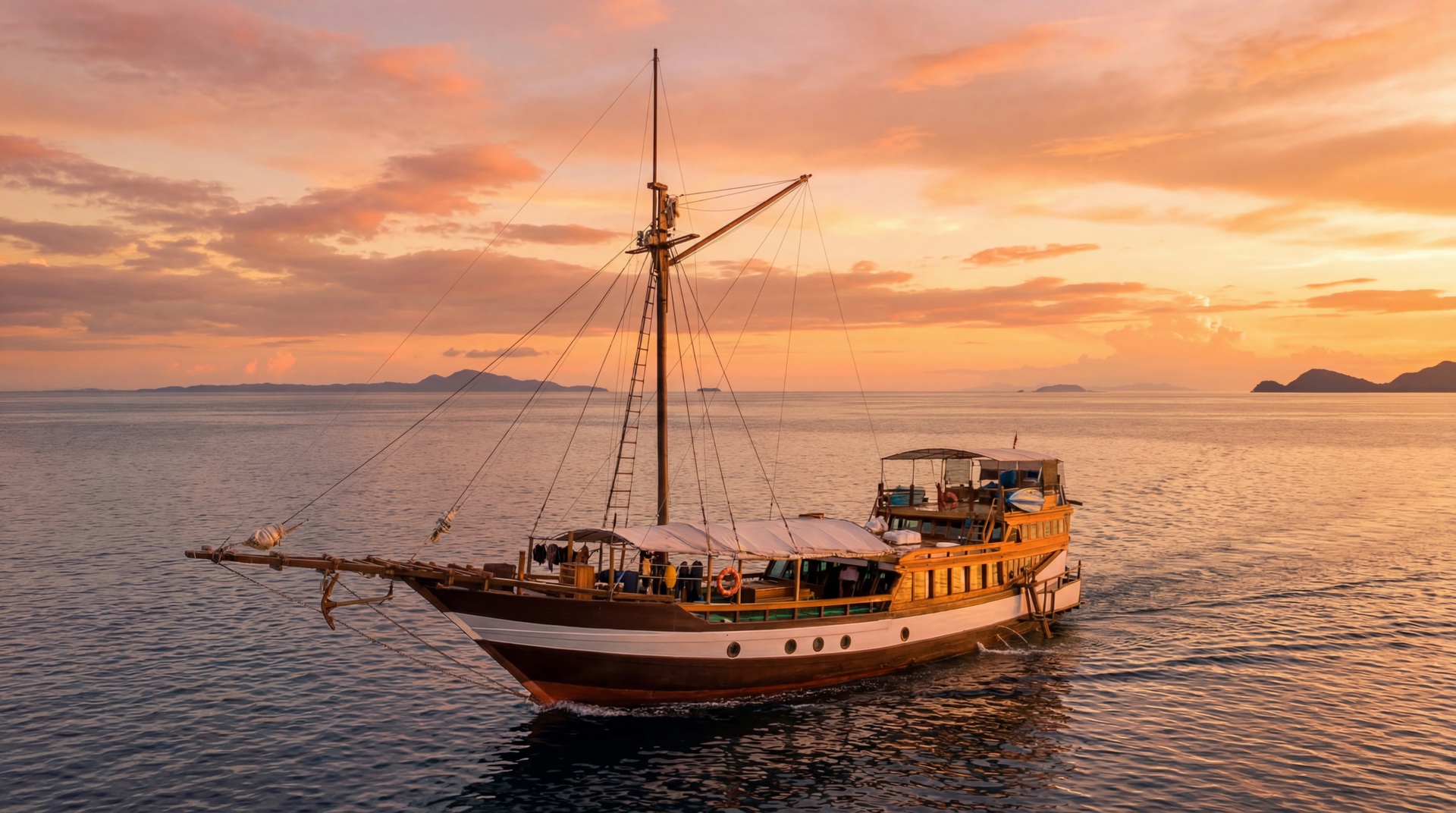
Wellenreng
Indonesia
9 guests25 m
$426/day
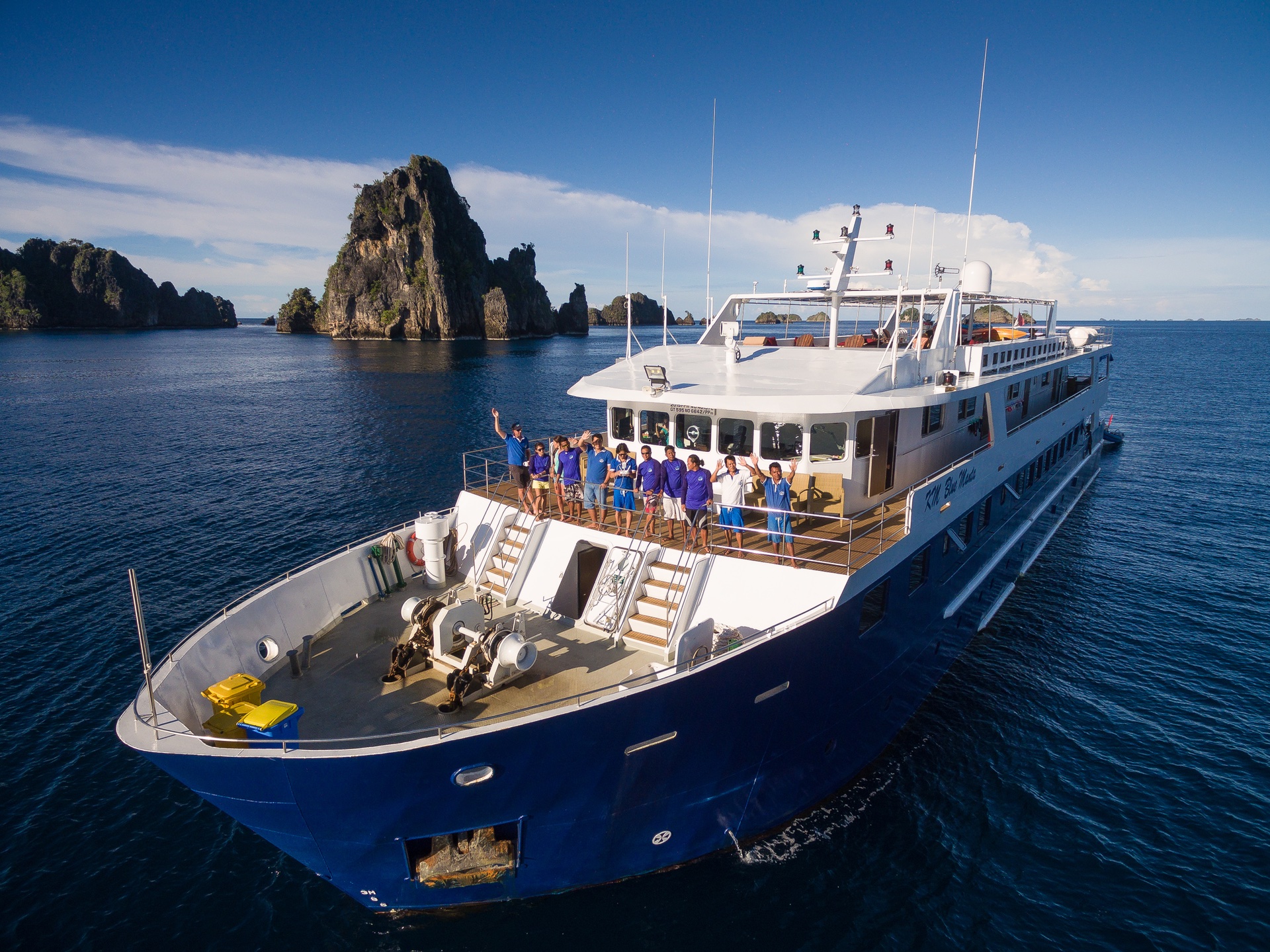
Blue Manta
Indonesia
20 guests45 m
$488/day
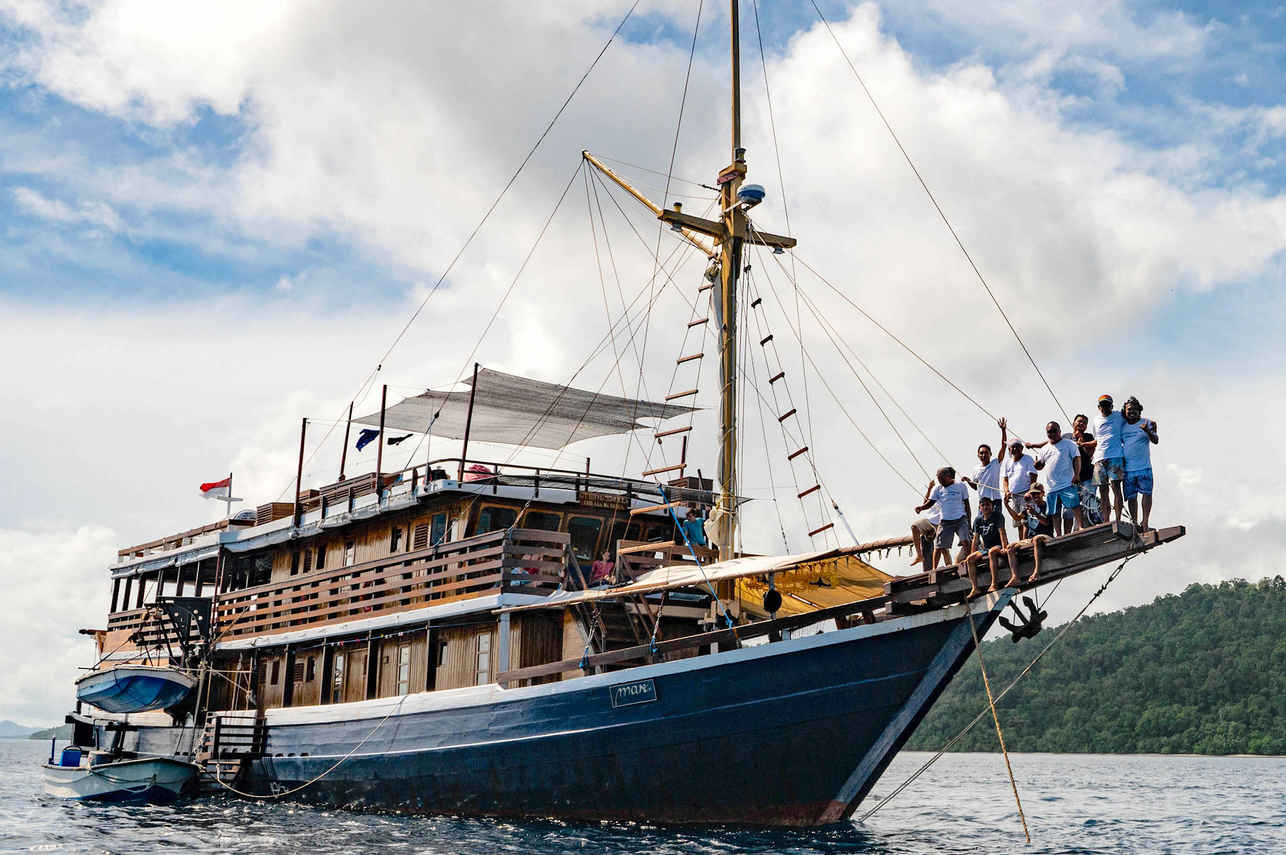
Mari
Indonesia
14 guests32.2 m
$327/day
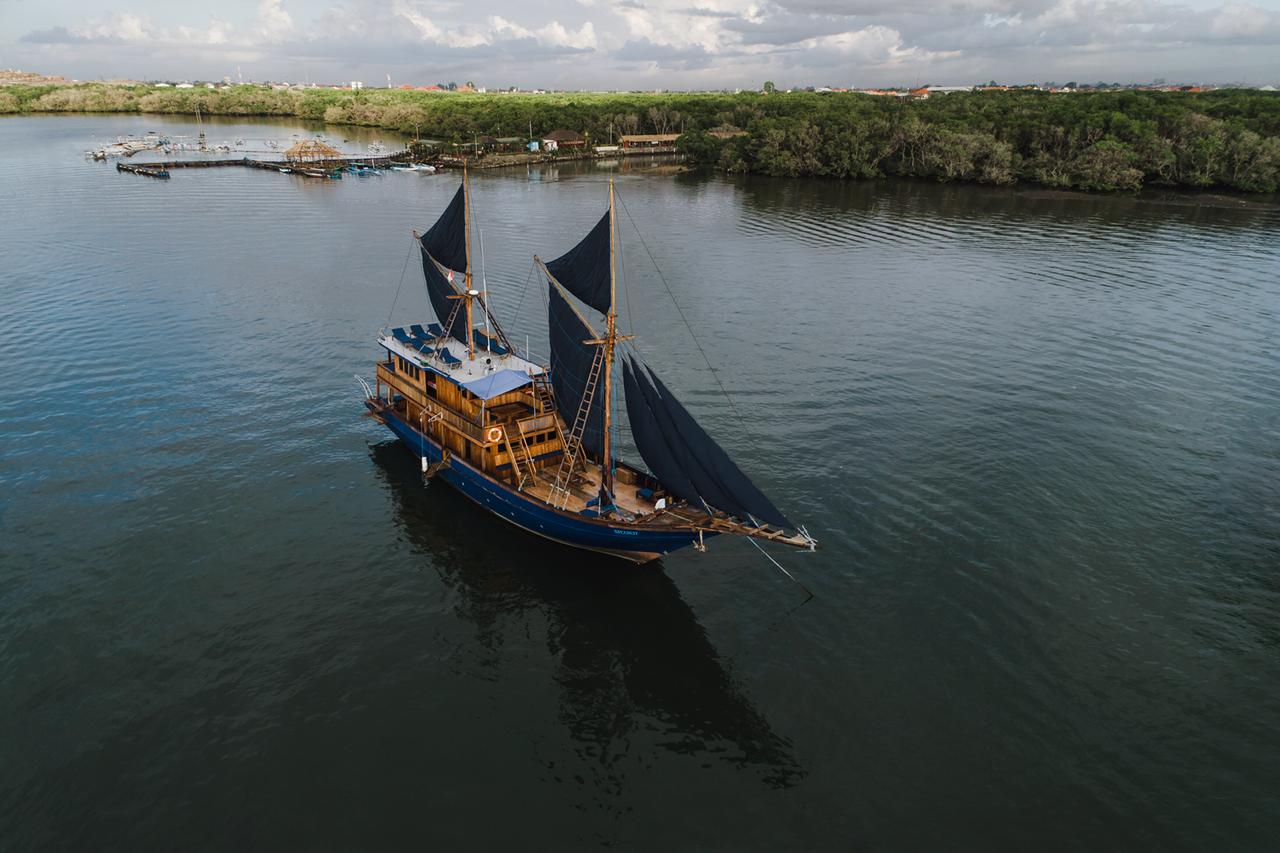
Situju7
Komodo, Indonesia
10 guests32.7 m
$362/day
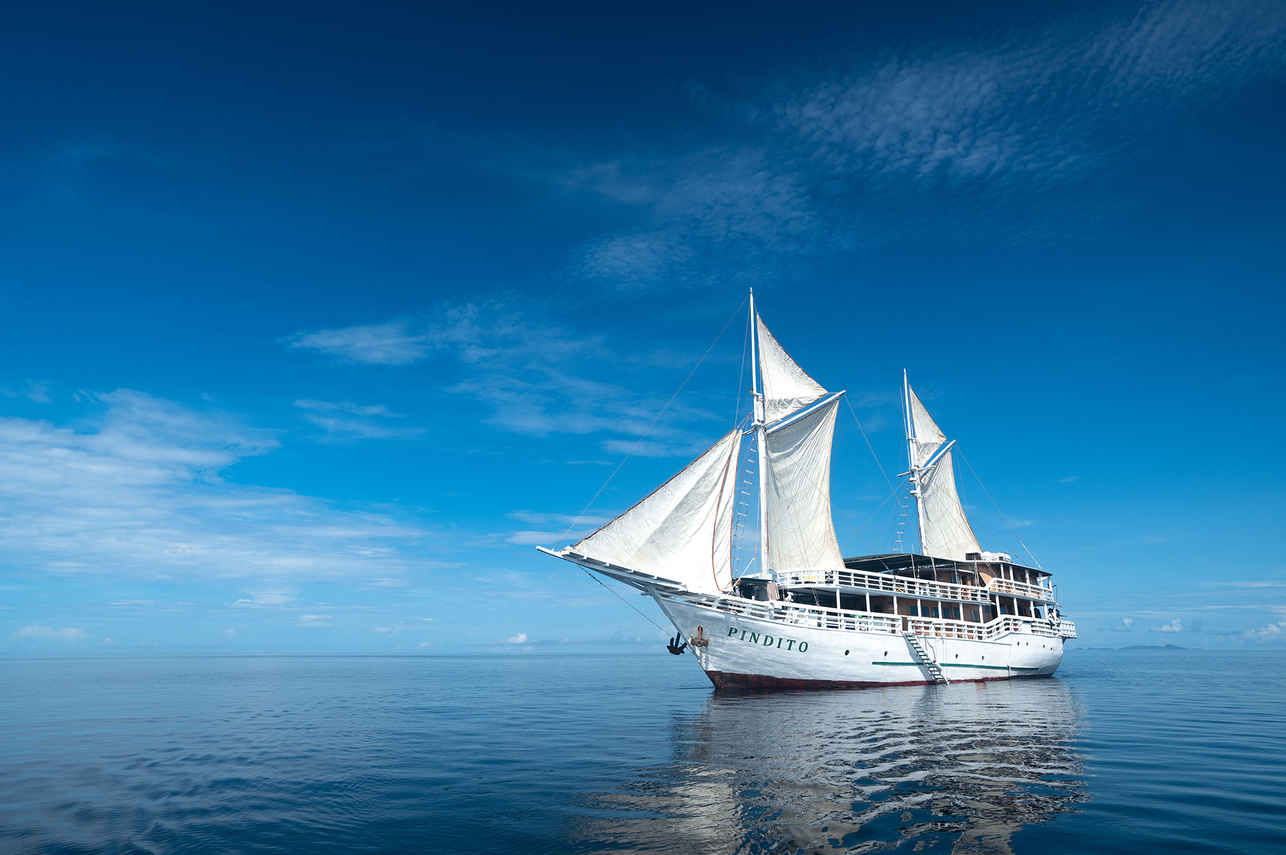
Pindito
Indonesia
16 guests37.79 m
$533/day
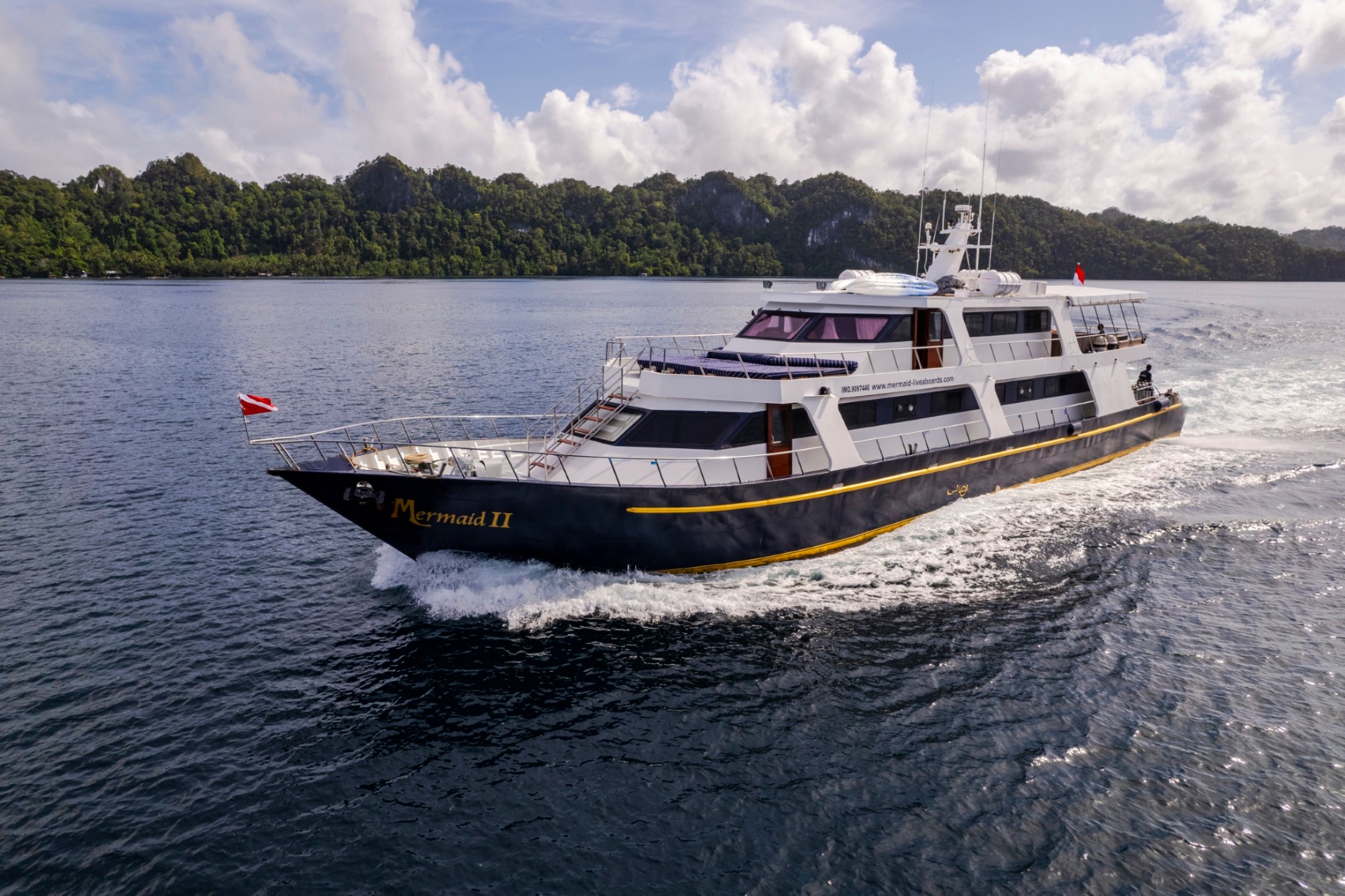
Mermaid II
Komodo, Indonesia
18 guests
$354/day
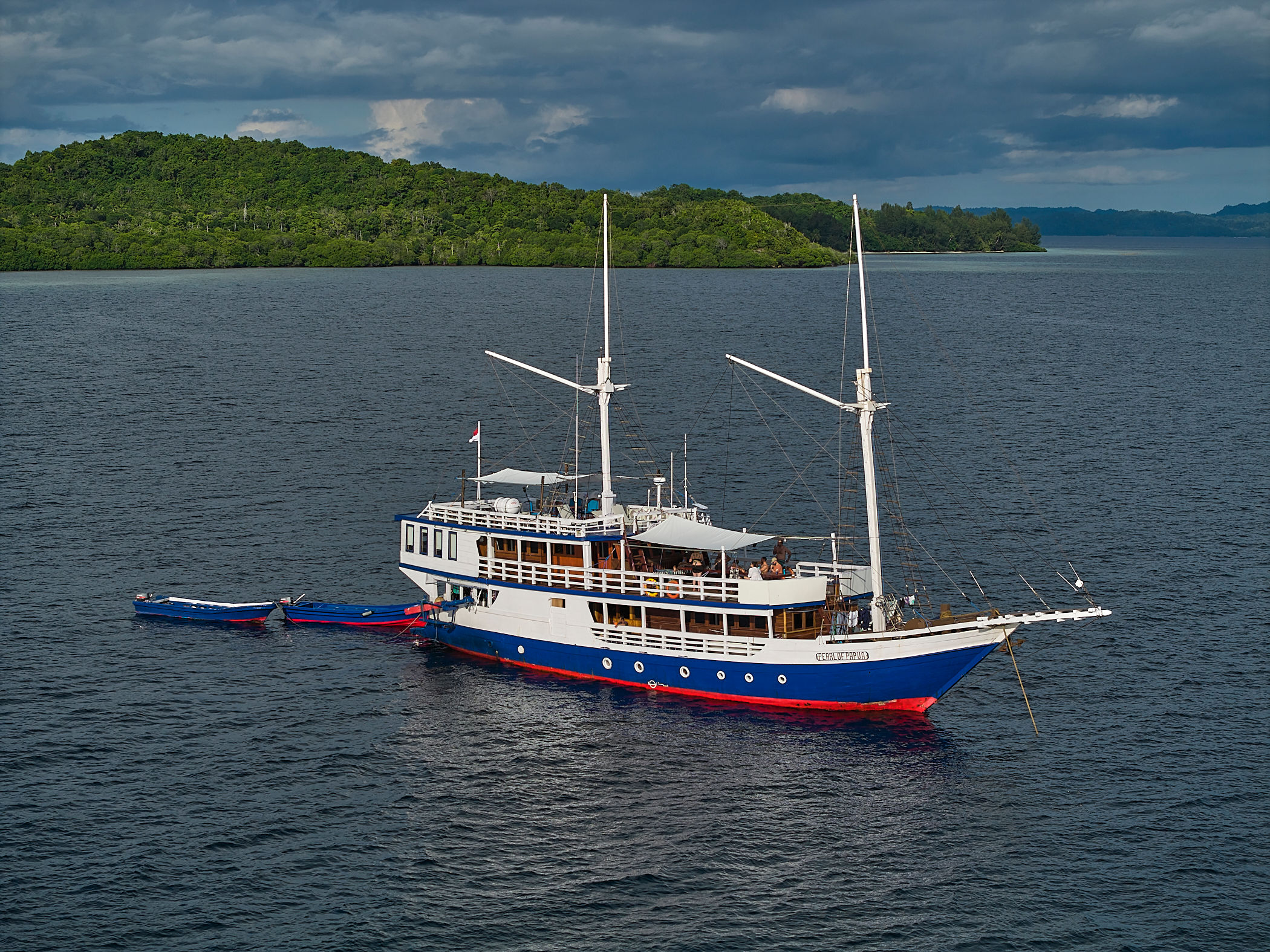
Pearl of Papua
Raja Ampat, Indonesia
14 guests30 m
$303/day
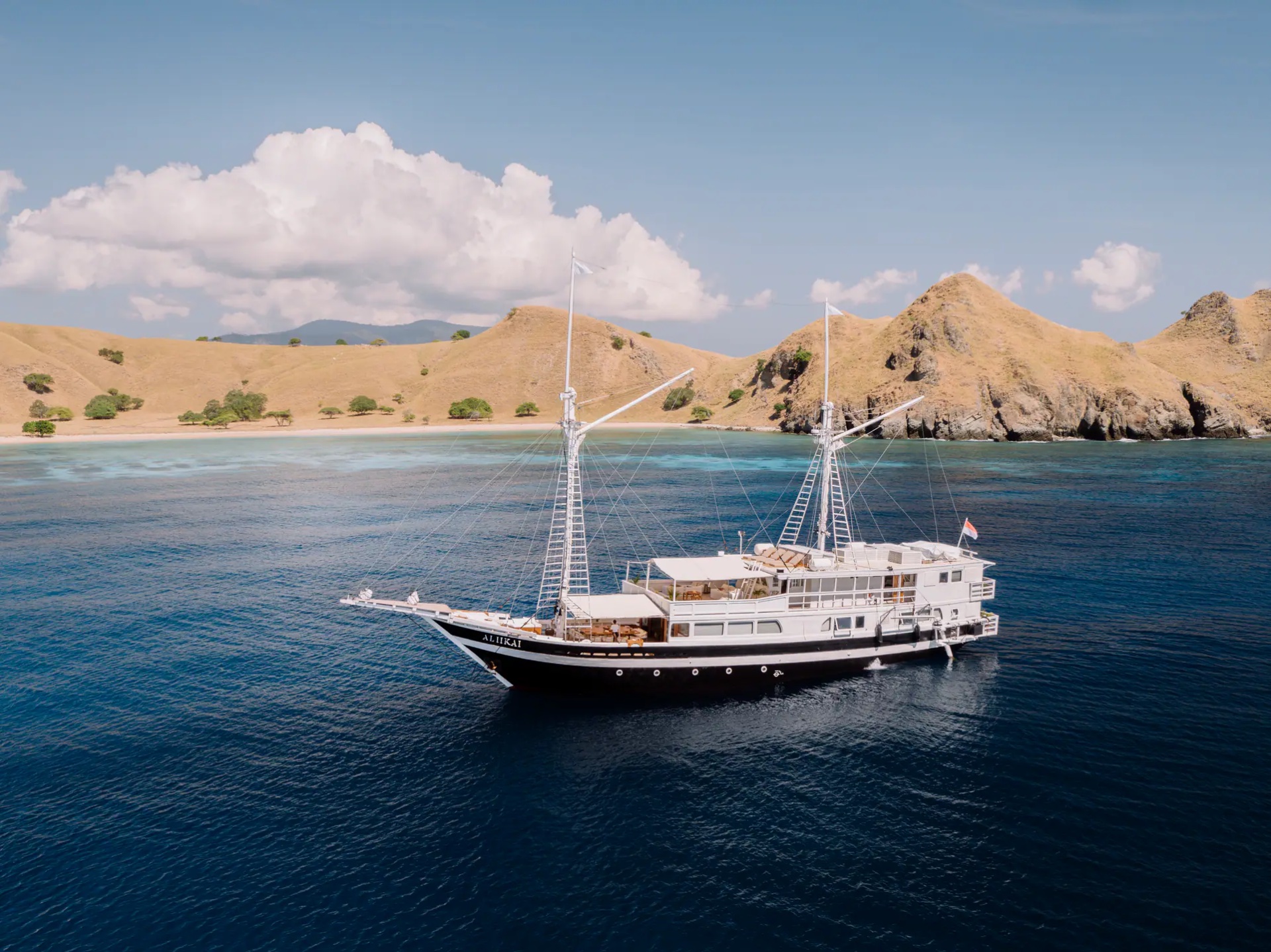
Aliikai Voyage
Indonesia
15 guests40 m
$658/day
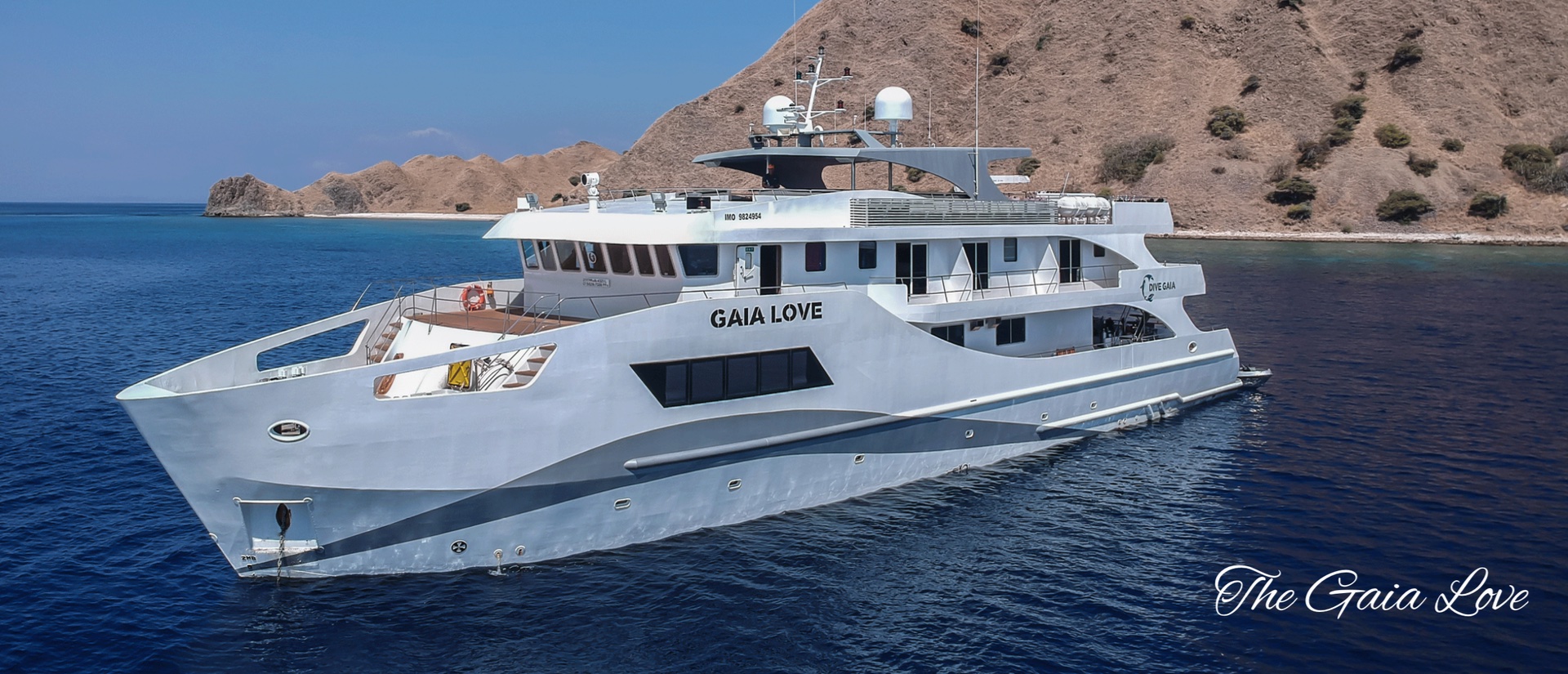
Gaia Love
Alor
20 guests
$554/day
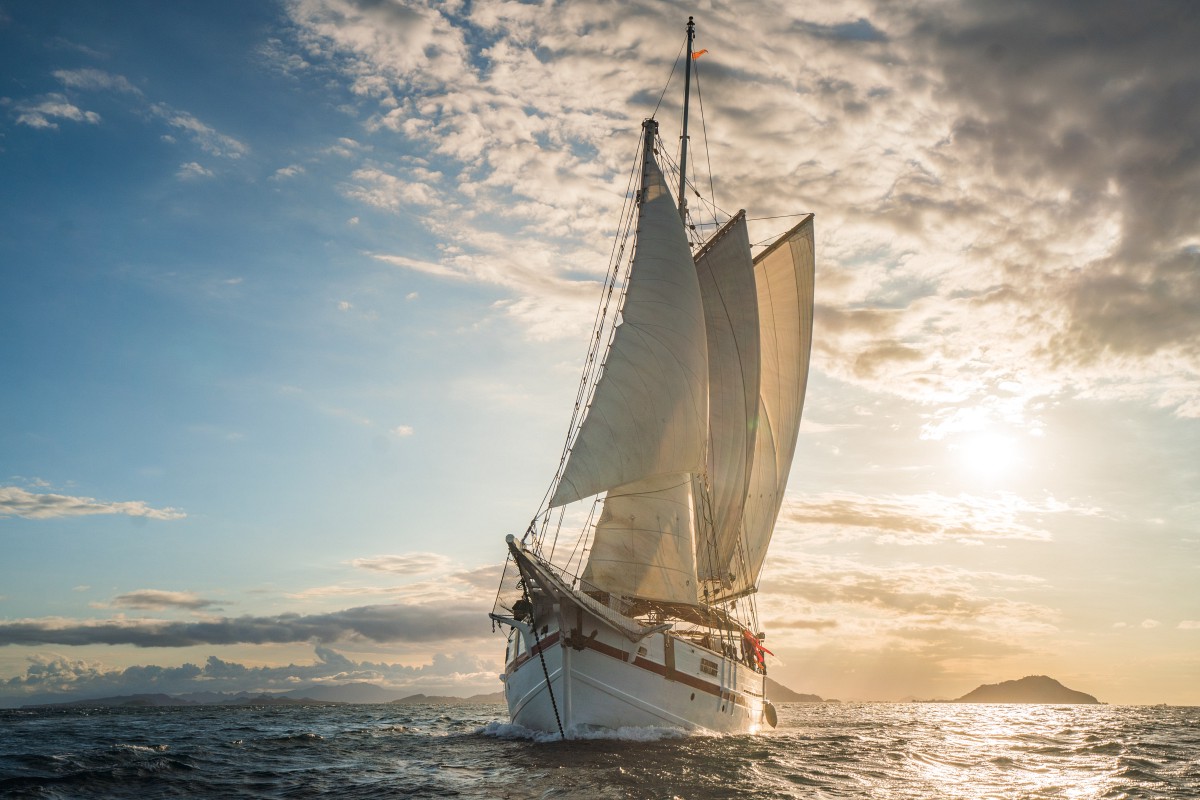
Emperor Raja Laut
Raja Ampat, Indonesia
12 guests31 m
$413/day
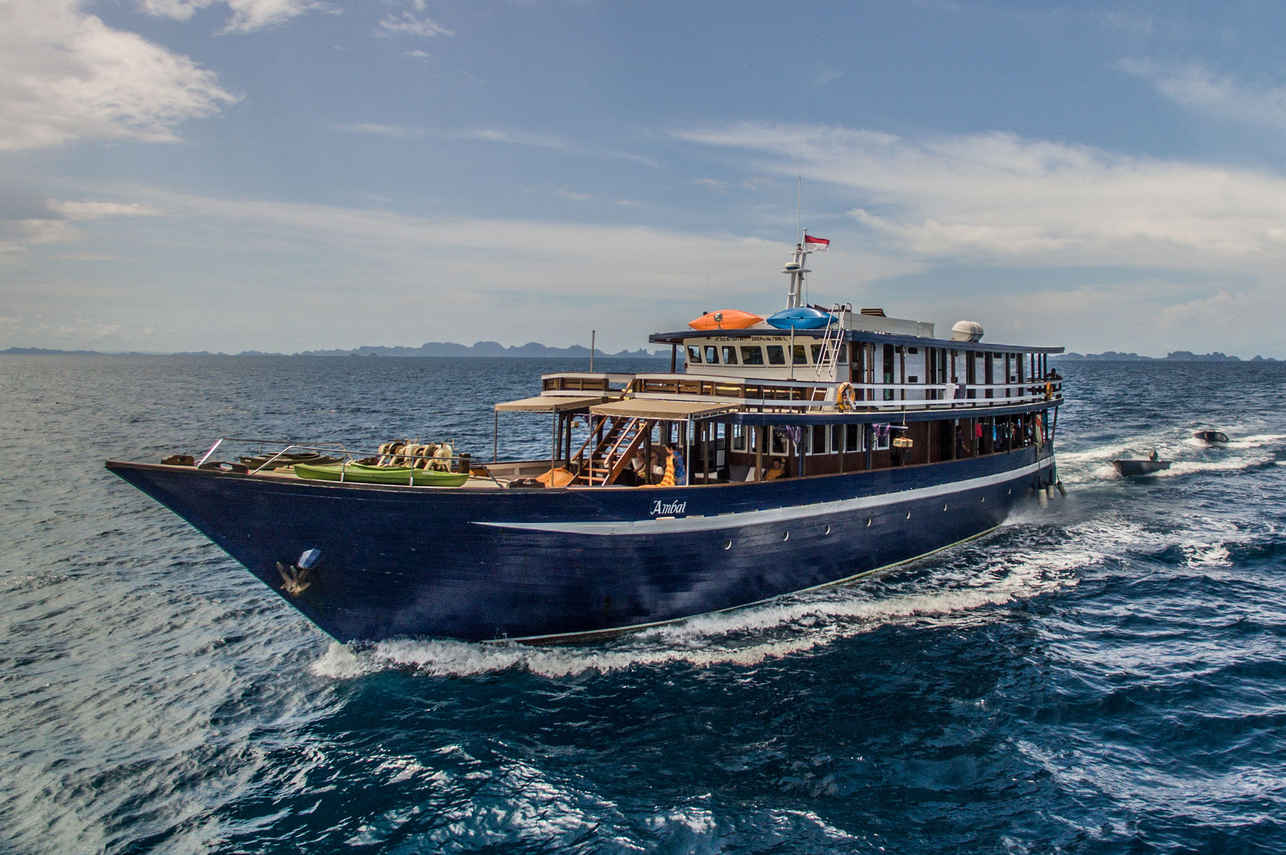
Ambai
Indonesia
16 guests32 m
$452/day
Dive sites similar to Yulliet Kecil
Same character, same waters — six more sites divers love for the exact same reasons.Compare seasons, access and liveaboard routes — then pick the site that fits your trip best.
© Esri — Maxar, Earthstar, GIS
Misool Batu Kecil
Raja Ampat, Indonesia
Misool Batu Kecil, often referred to as Tank Rock, is a prime dive site nestled within the Misool area of Raja Ampat, part of the extensive marine protected areas.
- Suitable for
- Intermediate
- Current
- Strong
- Access
- Liveaboard only
- Depth
- 5–25 m
- Theme
- Drift / Reef
© Esri — Maxar, Earthstar, GIS
Citrus Ridge
Raja Ampat, Indonesia
Citrus Ridge is a renowned dive site in Raja Ampat, located in a natural channel separating Gam Island from Yanggelo.
- Suitable for
- Intermediate
- Current
- Strong
- Access
- Liveaboard only
- Depth
- 10–27 m
- Theme
- Drift / Reef
© Esri — Maxar, Earthstar, GIS
Boo Windows
Raja Ampat, Indonesia
Boo Windows, located at the eastern edge of Raja Ampat's Misool region, is an iconic dive site renowned for its unique underwater topography, particularly its famous "windows" or archways.
- Suitable for
- Intermediate
- Current
- Strong
- Access
- Liveaboard only
- Depth
- 5–30 m
- Theme
- Drift / Reef
Nudi Rock, situated in the Misool area of Raja Ampat, gains its distinctive name from a prominent rock formation above the waterline that bears a striking resemblance to a nudibranch.
- Suitable for
- Intermediate
- Current
- Strong
- Access
- Liveaboard only
- Depth
- 5–28 m
- Theme
- Reef / Wall
© Esri — Maxar, Earthstar, GIS
Chicken Reef
Raja Ampat, Indonesia
Chicken Reef, located in the Dampier Straits of Raja Ampat, Indonesia, stands as a captivating dive site renowned for its vibrant marine biodiversity and stunning underwater landscapes.
- Suitable for
- Beginner
- Current
- Strong
- Access
- Liveaboard only
- Depth
- 5–20 m
- Theme
- Reef / Wall