About Nudi Rock
Nudi Rock, situated in the Misool area of Raja Ampat, gains its distinctive name from a prominent rock formation above the waterline that bears a striking resemblance to a nudibranch. This site is part of a cluster of small islands east of Fiabacet island, renowned for its diverse marine ecosystem and vibrant topography. It offers a captivating blend of underwater landscapes, making it a highlight for any diver exploring Raja Ampat. The underwater terrain at Nudi Rock features steep vertical walls plunging to significant depths, gentle sloping reefs, and various small pinnacles. These structures create an ideal habitat for an abundance of marine life, thriving with intricate coral formations and a spectrum of colors. A coral ridge at around 28 meters connects Nudi Rock to Tank Rock, with the northern side showcasing a dramatic wall adorned with soft corals, while the southern side gradually slopes into shallower waters around 7 to 8 meters. Marine life here is rich and varied, encompassing both large pelagics and intricate macro species. Divers frequently encounter schools of barracuda, hunting giant trevally, and cruising grey reef sharks. Lucky divers might also spot oceanic manta rays at cleaning stations, while pygmy seahorses, porcelain crabs, and various species of snappers, groupers, and Napoleon wrasse add to the macro diversity. Turtles are also a common sight, enhancing the beauty of the dive. Given the moderate to strong currents often present, especially on the plateau where large schools of fish gather, divers should be prepared with a reef hook for stability. The dive typically begins with a descent to about 28 meters, progressing through different depths and showcasing a wide array of coral formations. The dive concludes in shallower areas of 5 to 10 meters, where the vibrant light illuminates small reefs teeming with life. Nudi Rock caters to all levels of divers, including snorkelers, providing both thrilling pelagic encounters and exquisite macro experiences.
Highlights
Nudibranch-shaped rock formationSteep vertical wallsAbundant soft coral gardensSchools of barracuda and trevallyOccasional oceanic manta raysPygmy seahorses and porcelain crabsNapoleon wrasse sightingsShallow coral plateaus
Season calendar
Best months to dive here
Jan
Feb
Mar
Apr
May
Jun
Jul
Aug
Sep
Oct
Nov
Dec
Excellent
Good
Dive site facts: Nudi Rock
- Depth
- 5–24 m
- Typical dive
- 10–24 m, 50–60 min
- Current
- Mild to moderate
- Visibility
- 15–30 m
- Water temperature
- 27–30°C
- Entry
- Liveaboard tender
- Level
- Open Water Diver
- Dive type
- Reef, macro, drift (optional)
- Night dive
- Possible
- Region / port
- Misool, Raja Ampat
- Coordinates
- -0.5372, 130.6215
Conditions & Currents
Nudi Rock frequently experiences moderate to strong currents, which can be particularly noticeable across the coral plateau where fish schools congregate. Divers should carry a reef hook to secure themselves to rocky formations, allowing for stable observation of the rich marine life without constant finning. Visibility at Nudi Rock is typically excellent, often benefiting from the strong currents that bring clear, nutrient-rich water. Entry is usually direct from a liveaboard, and the dive profile often involves exploring various depths along walls and slopes before ascending to shallower, illuminated reefs. The presence of currents means divers should be comfortable with drift diving techniques and aware of their air consumption, making this site best suited for intermediate to advanced divers.
Marine life & sighting chances

Nudibranch
Year-round · common
Flatworm
Year-round · commonSeaslug
Year-round · common
Hairy Shrimp
Year-round · occasional
Snapper
Year-round · common
Grouper
Year-round · common
Napoleon Wrasse
Year-round · occasional
Barracuda
Year-round · occasional
Green Sea Turtle
Year-round · occasional
Pygmy Seahorse
Year-round · occasional
Ghost Pipefish
Year-round · rare
Moray Eel
Year-round · commonDive profile & how the dive runs
Diving at Nudi Rock typically begins with a descent along the main rock formation, which starts shallow at 5 meters and slopes down to a maximum of 24 meters. The dive usually proceeds by circumnavigating the rock, exploring its diverse coral formations, including soft corals, sea fans, and hard coral gardens. Many divers focus on the shallower sections for macro life, often moving slowly to spot nudibranchs, flatworms, and various crustaceans nestled among the reef. The profile allows for a gradual depth progression, with the turn point often determined by air consumption and bottom time. The safety stop is conducted in the calm, shallow waters, providing an excellent opportunity for further macro observations or wide-angle shots of the sunlit reef top.
Underwater photography
Nudi Rock is an excellent site for both macro and wide-angle photography. For macro enthusiasts, a dedicated macro lens (e.g., 60mm or 100/105mm) is essential to capture the intricate details of the numerous nudibranchs, flatworms, and other small critters. Snoots can be particularly effective here to isolate subjects against the vibrant coral background. Wide-angle photographers will find success with a fisheye or rectilinear wide-angle lens, focusing on the expansive soft coral gardens, schooling fish, and the unique rock formations themselves. Natural light can be sufficient in the shallower areas, but strobes are recommended to bring out the true colors of the corals and marine life, especially at greater depths. Maintain impeccable buoyancy to avoid damaging delicate corals and disturbing macro subjects.
Combine with nearby dive sites
- Tank Rock
A submerged ridge may connect this site to Nudi Rock under favorable conditions, offering further exploration.
- Fiabacet
Part of the same reef system, known for its vibrant corals and abundant fish life, often combined with Nudi Rock itineraries.
- Boo Windows
Famous for its swim-throughs and scenic underwater topography, offering a different type of dive experience.
- Yulliet Kecil
Features beautiful and relatively shallow coral slopes, ideal for extended bottom times.
- Magic Mountain
An offshore pinnacle known for pelagic action and potential manta ray sightings at a cleaning station.
Getting there & logistics
Access to Nudi Rock, like most of Raja Ampat's remote sites, is primarily via liveaboard departing from Sorong (SOQ). Sorong is reached by domestic flights from major Indonesian hubs such as Jakarta (CGK) or Makassar (UPG). Liveaboard trips typically range from 7 to 10 days, allowing for comprehensive exploration of the Misool area, including Nudi Rock and its surrounding dive sites. A Raja Ampat Marine Park Entry Permit, costing approximately USD $100 and valid for one calendar year, is mandatory for all divers. These trips often combine the Misool region with other areas of Raja Ampat like the Dampier Strait, offering a diverse itinerary.
Safety & environment
Diving in Raja Ampat requires a strong emphasis on safety due to the region's remote nature. The nearest recompression chamber is located in Waisai, Waigeo, which is a considerable distance from Misool. In case of a diving emergency at Nudi Rock, evacuation would typically involve transport by liveaboard or local boat to the nearest medical facility, followed by air evacuation if necessary. Therefore, comprehensive dive insurance covering emergency medical treatment and evacuation is essential. Divers should maintain good buoyancy control to avoid damaging the pristine coral reefs and follow their dive guide's instructions, especially regarding currents, which can vary. Always check your gear thoroughly before each dive and ensure you are within your training limits.
Who it suits — and who it doesn't
Suited for
- Macro photographers
- Wide-angle photographers
- Divers interested in diverse reef ecosystems
- Open Water certified divers
- Underwater naturalists
Less suited for
- Divers seeking only large pelagic encounters
- Those who prefer strong current dives exclusively
- Divers unwilling to spend time spotting small creatures
- Beginners without basic buoyancy control
- Divers seeking technical or wreck diving
FAQ
Nudi Rock FAQ
What is the best time of year to dive Nudi Rock?
The ideal time to dive Nudi Rock is during Raja Ampat's dry season, which runs from October to April. During these months, you can expect calmer seas, excellent visibility ranging from 15 to 30 meters, and consistent water temperatures around 28-30°C. This period offers the most stable and enjoyable conditions for exploring the site's rich marine life.
Why is it called Nudi Rock?
Nudi Rock gets its name from two primary reasons. Firstly, from certain angles on the surface, the rock itself is said to resemble a nudibranch. More importantly, the underwater environment is exceptionally rich in various species of nudibranchs, flatworms, and other sea slugs, making it a prime spot for macro enthusiasts.
What kind of marine life can I expect to see at Nudi Rock?
Nudi Rock is teeming with diverse marine life. You can expect to encounter numerous nudibranchs, flatworms, and other small invertebrates. Larger residents include snappers, groupers, barracudas, and occasional Napoleon wrasse. Turtles are also frequently sighted, making it a vibrant reef ecosystem with both macro and wide-angle photographic opportunities.
Is Nudi Rock suitable for beginner divers?
Yes, Nudi Rock is generally suitable for Open Water certified divers. The site typically features mild to moderate currents and depths ranging from 5 to 24 meters, with abundant life in shallower areas. This allows for a relaxed dive profile, making it enjoyable for less experienced divers who have good buoyancy control.
How do I get to Nudi Rock?
Nudi Rock is located in the remote Misool region of Raja Ampat, and the most practical way to access it is via a liveaboard dive boat. These trips typically depart from Sorong, which is reachable by domestic flights within Indonesia. Liveaboards provide comprehensive itineraries that visit Nudi Rock as part of a multi-day exploration of the Misool area.
Are there strong currents at Nudi Rock?
Currents at Nudi Rock are generally mild to moderate, making for a relatively relaxed dive. However, as with many sites in Raja Ampat, conditions can be variable due to tidal influences. Your dive guide will assess the currents before entry to ensure a safe and enjoyable experience, sometimes opting for a drift dive if conditions allow.
Why dive Nudi Rock from a liveaboard?
Nudi Rock is one of Raja Ampat, Indonesia's signature dive sites. A liveaboard sleeps you on the water and puts you in the water for three to four guided dives per day, including dawn and night dives that day-boat operators rarely offer. You skip the daily commute back to port and reach quieter, less-crowded sites in the same region on a single trip.
Below are the liveaboards that include Nudi Rock on their Raja Ampat, Indonesia itineraries.
Liveaboards diving Nudi Rock
These liveaboards may visit Nudi Rock on selected itineraries — the exact dive sites depend on departure, weather and conditions.
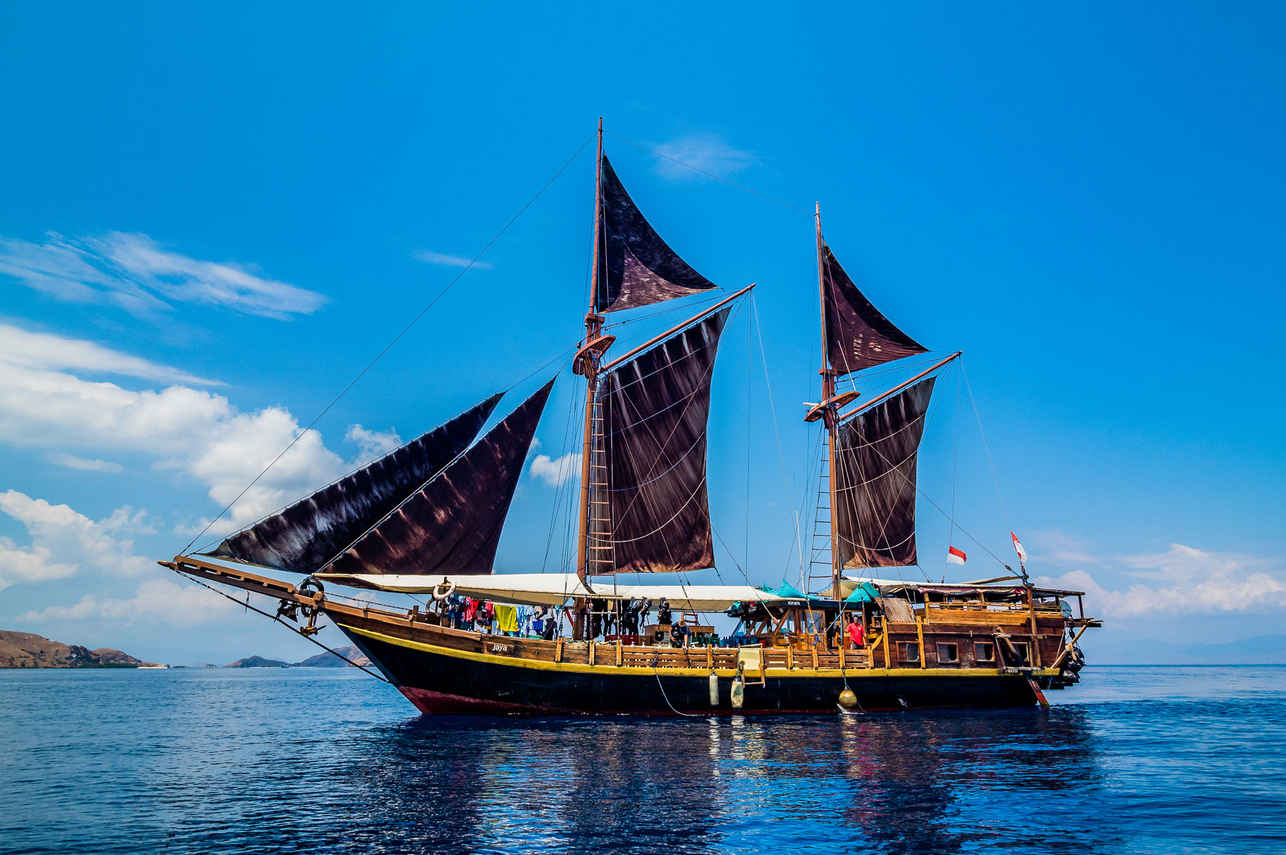
Jaya
Indonesia
14 guests23 m
$280/day
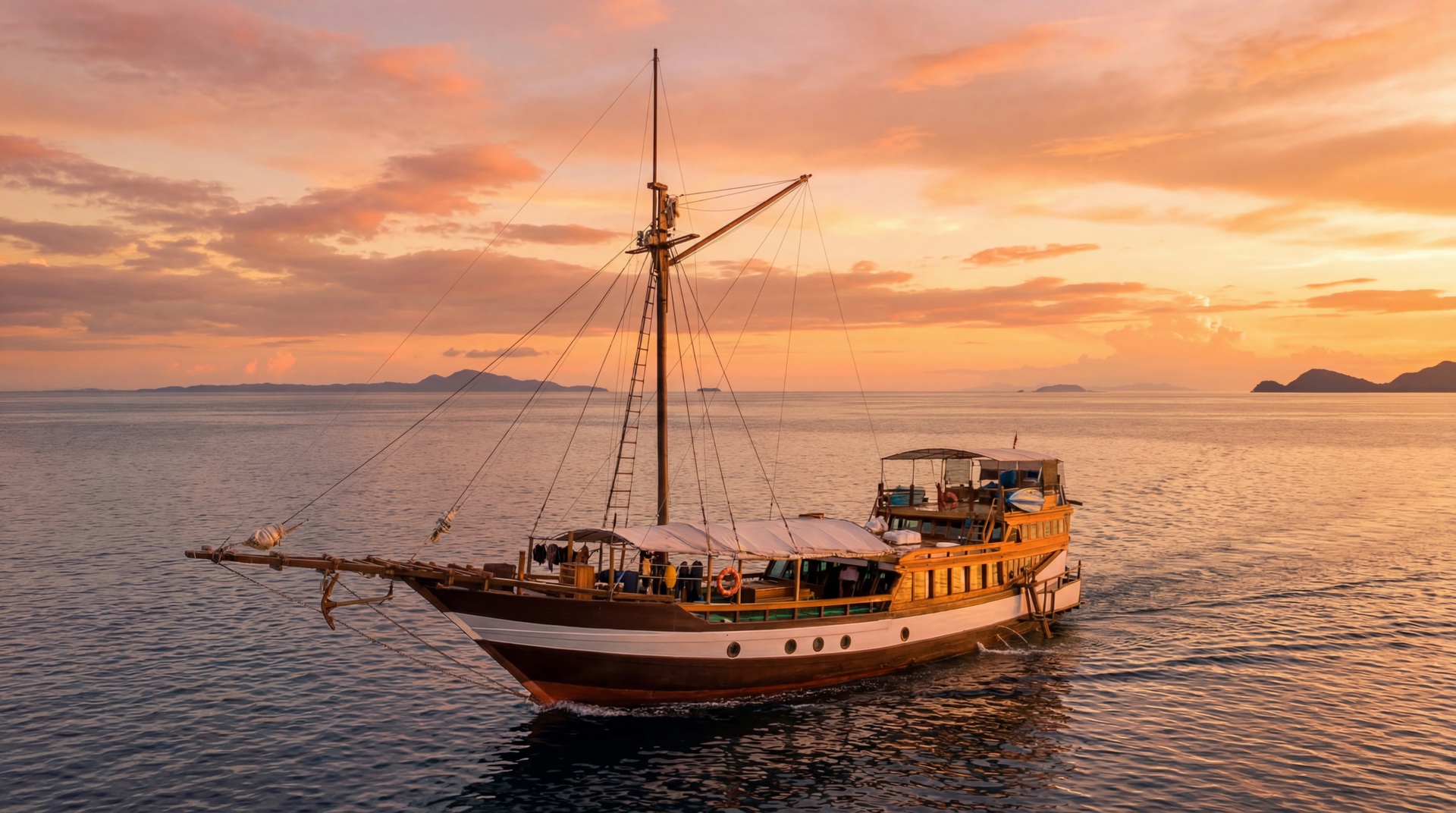
Wellenreng
Indonesia
9 guests25 m
$427/day
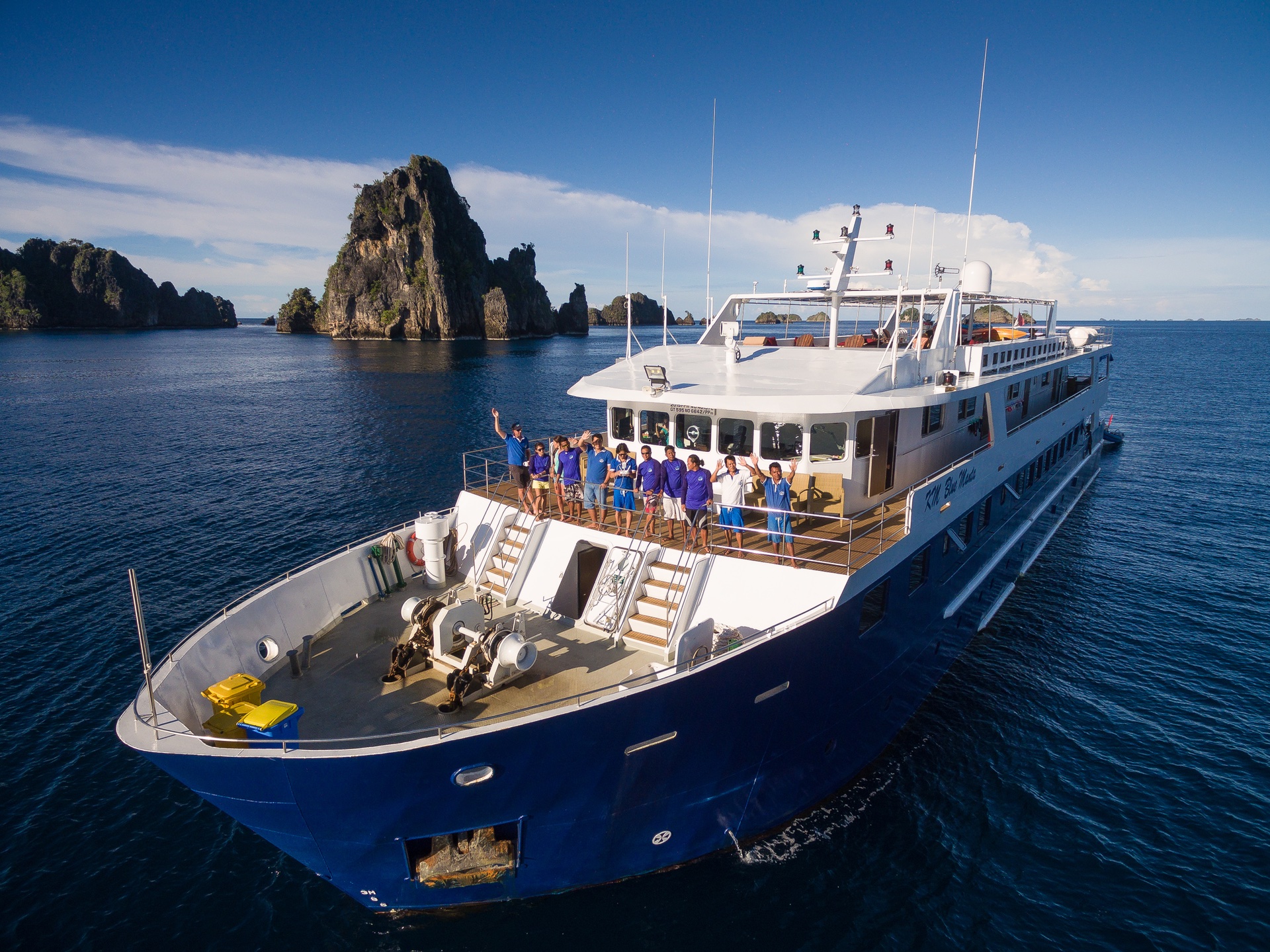
Blue Manta
Indonesia
20 guests45 m
$482/day
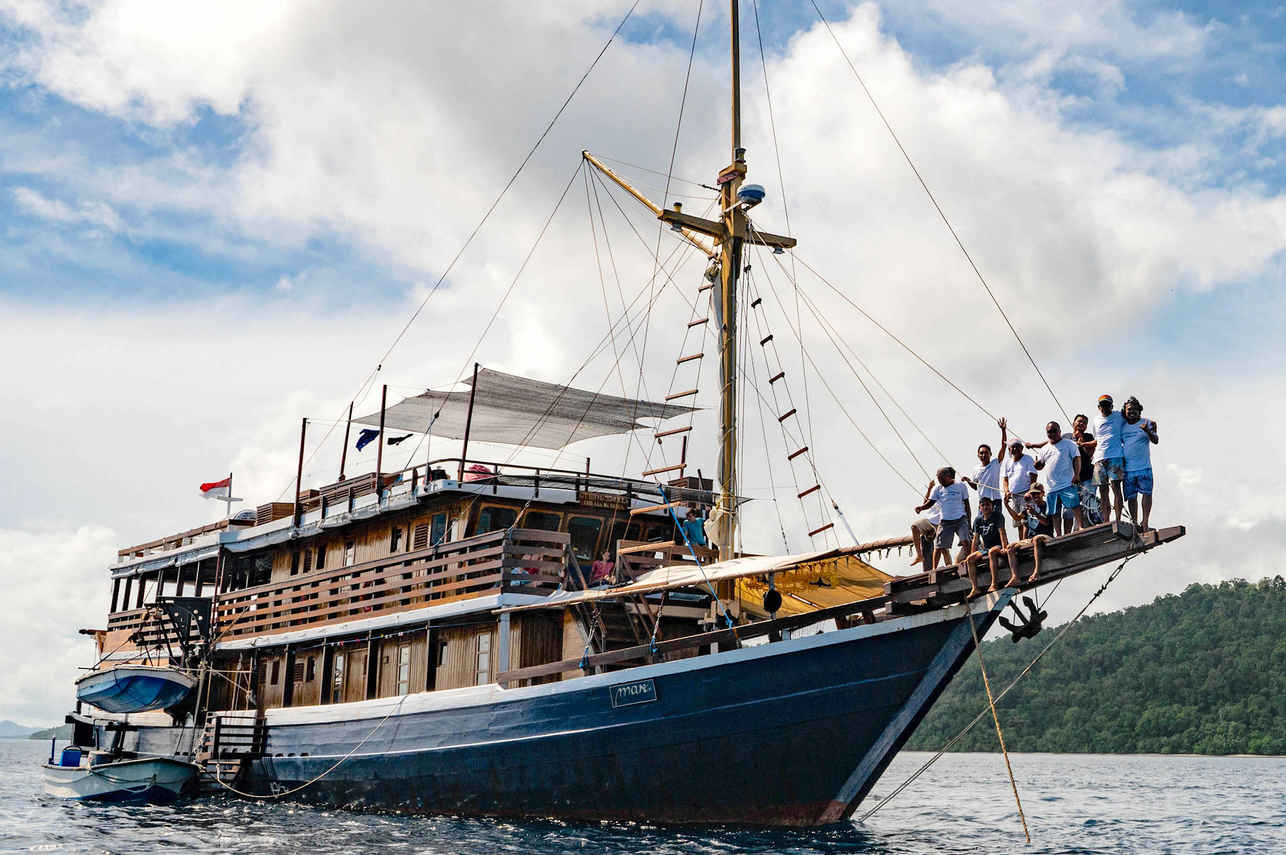
Mari
Indonesia
14 guests32.2 m
$328/day
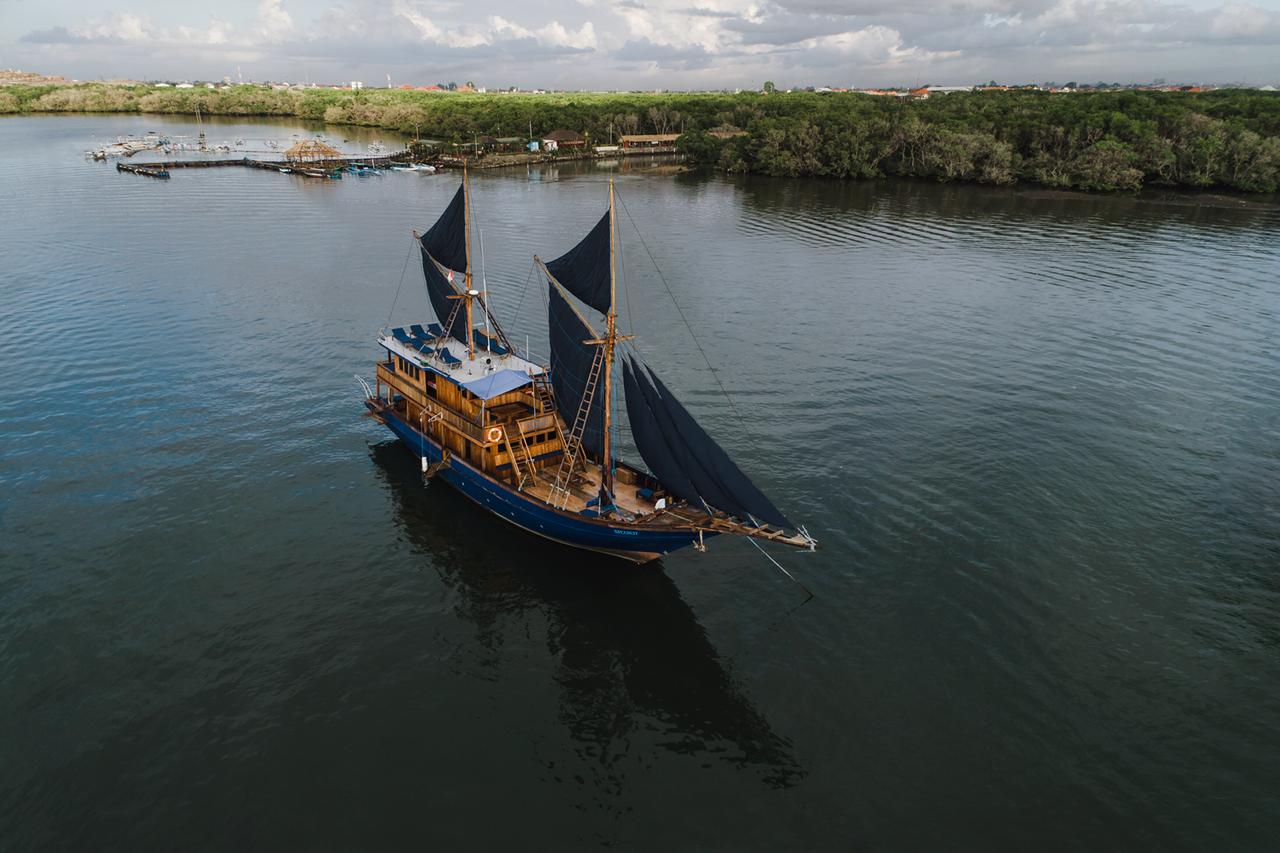
Situju7
Komodo, Indonesia
10 guests32.7 m
$362/day
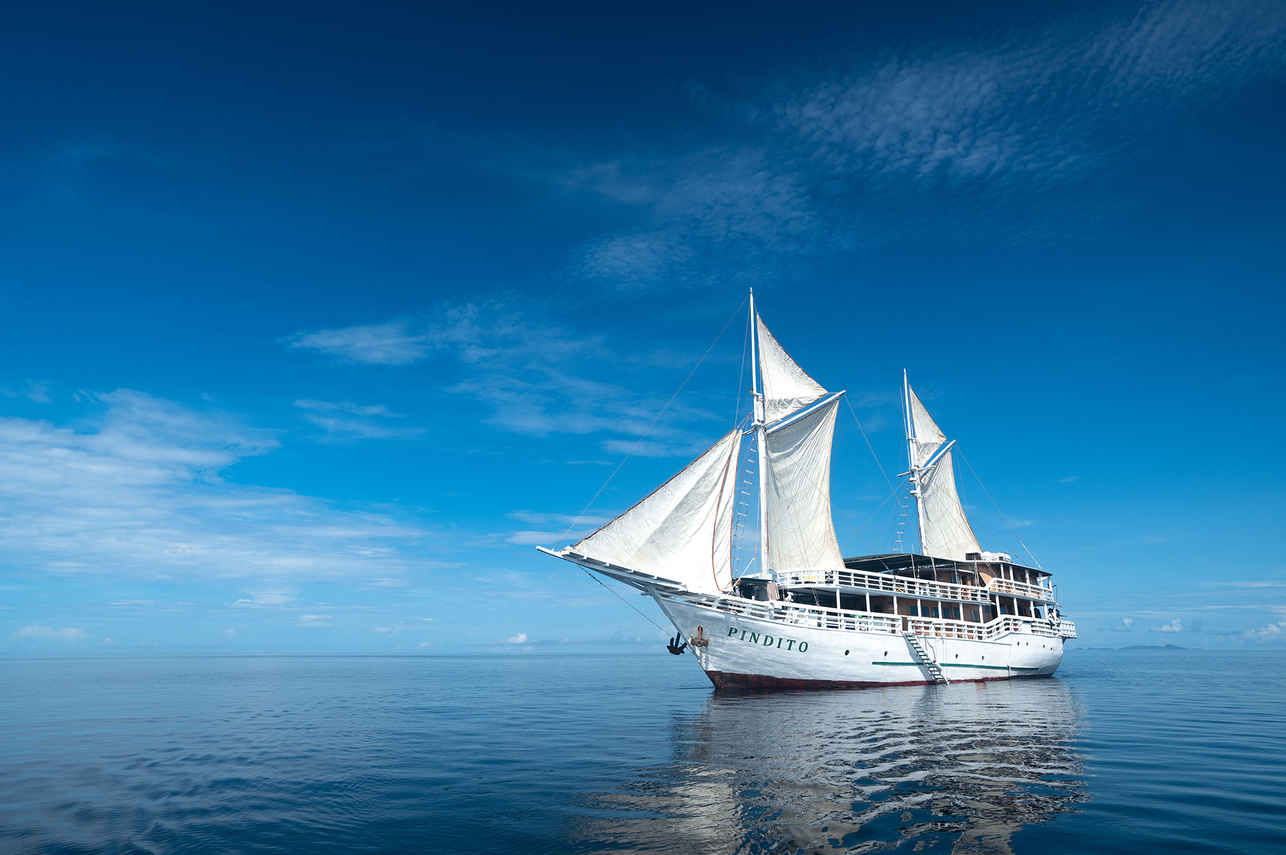
Pindito
Indonesia
16 guests37.79 m
$533/day
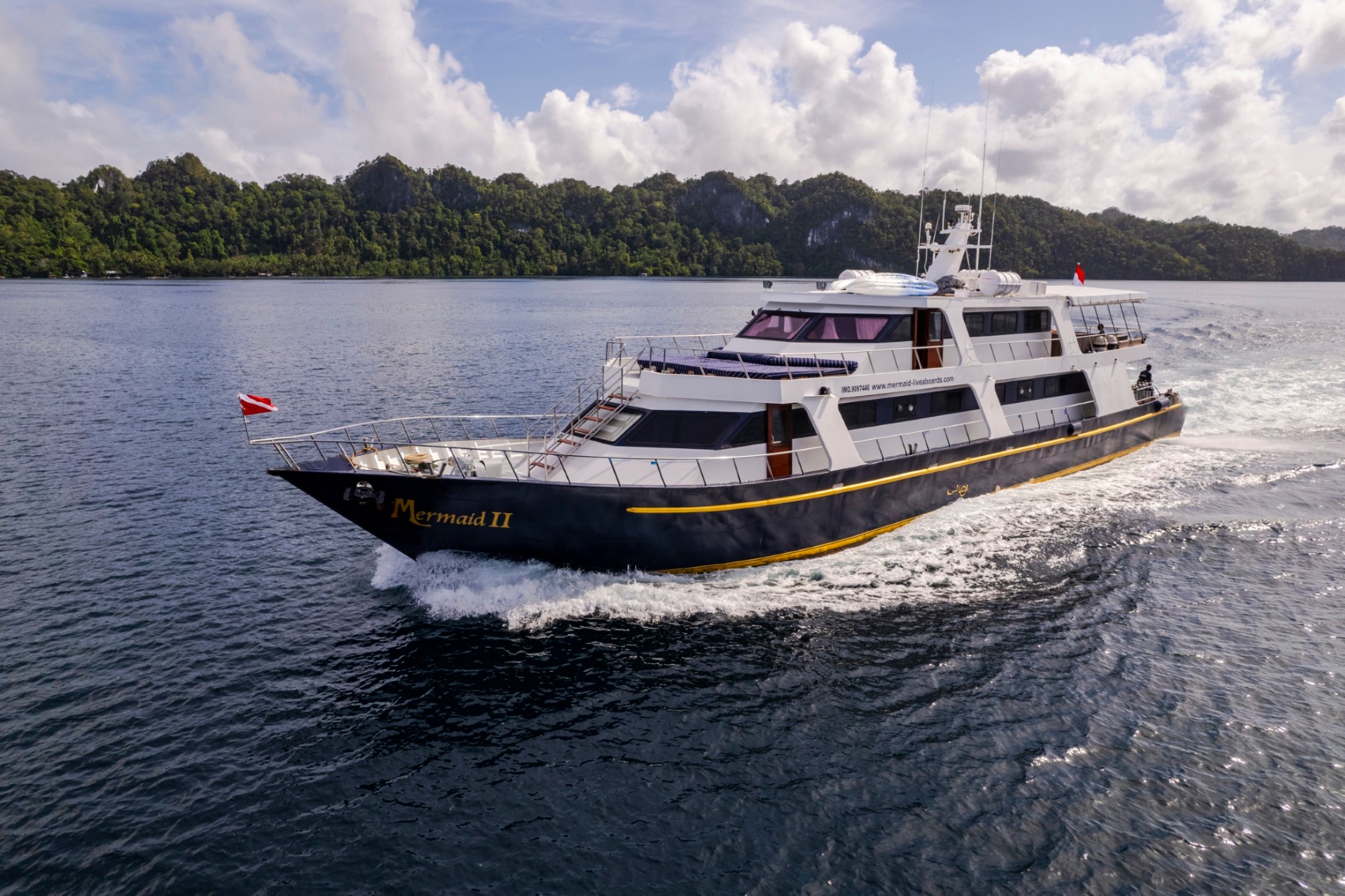
Mermaid II
Komodo, Indonesia
18 guests
$391/day
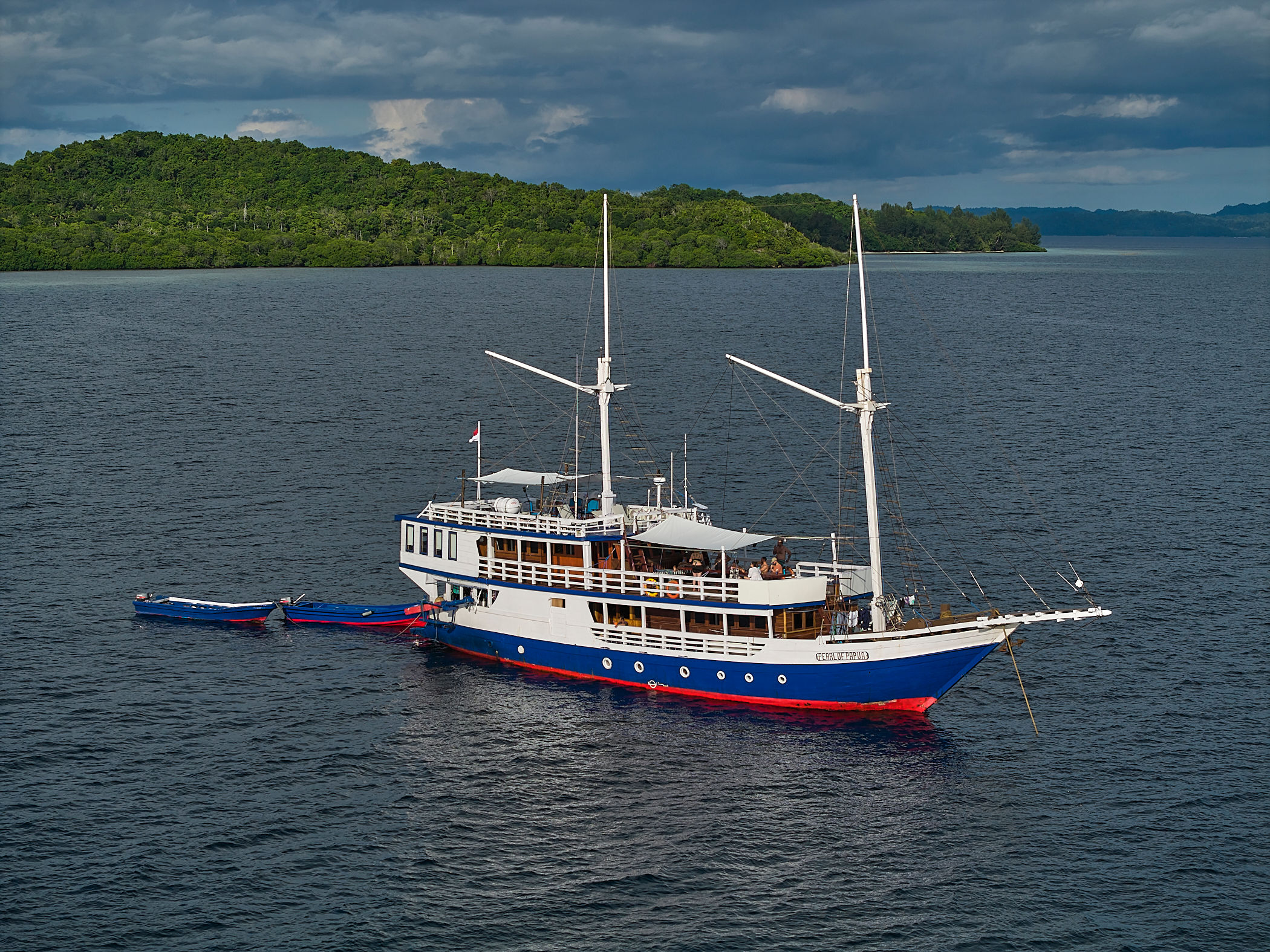
Pearl of Papua
Raja Ampat, Indonesia
14 guests30 m
$303/day
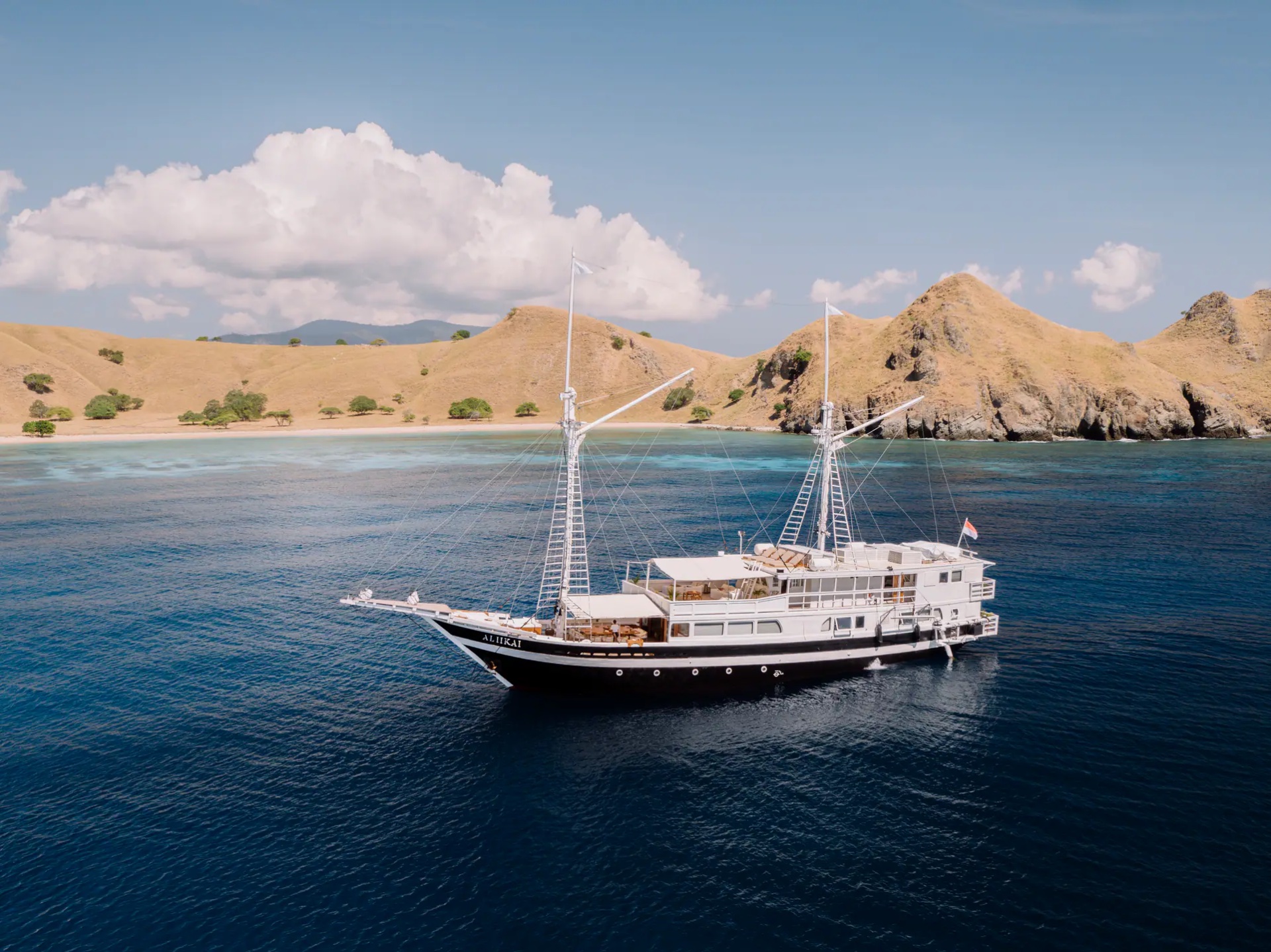
Aliikai Voyage
Indonesia
15 guests40 m
$658/day
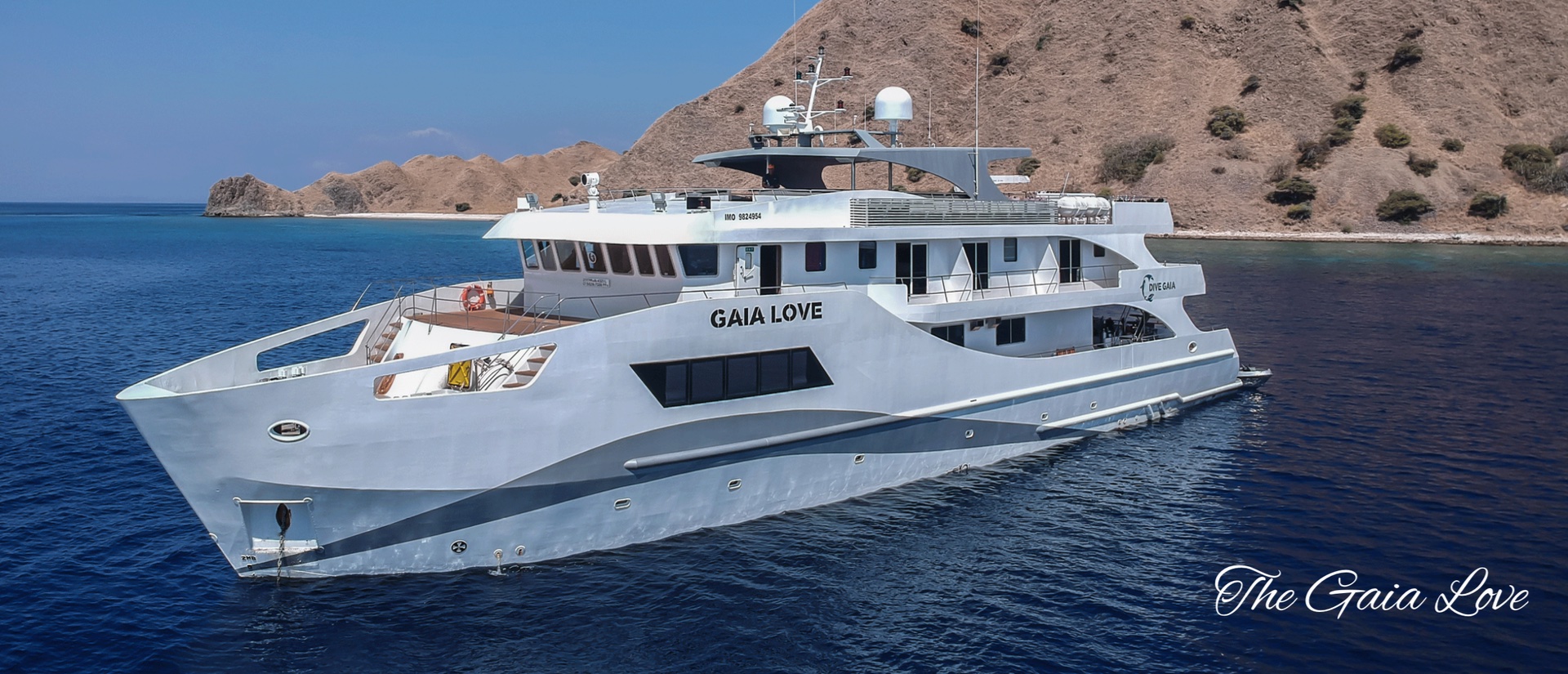
Gaia Love
Alor
20 guests
$554/day
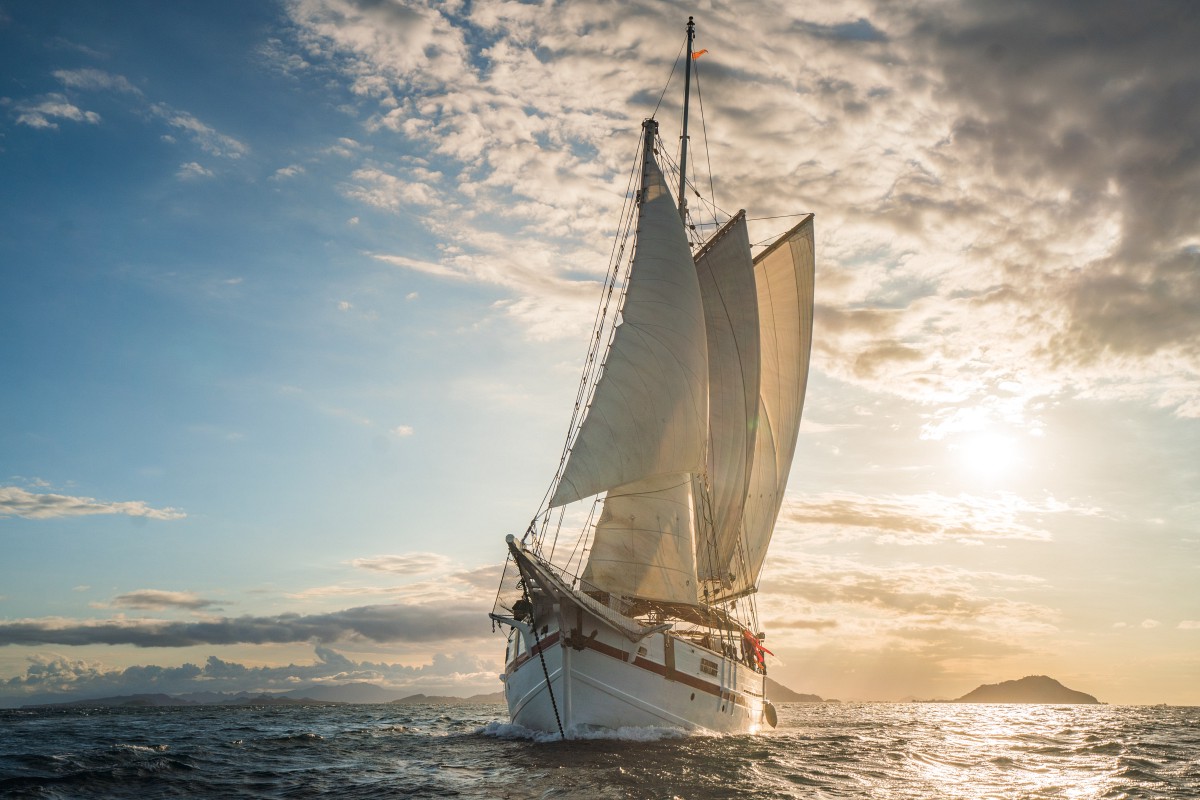
Emperor Raja Laut
Raja Ampat, Indonesia
12 guests31 m
$413/day
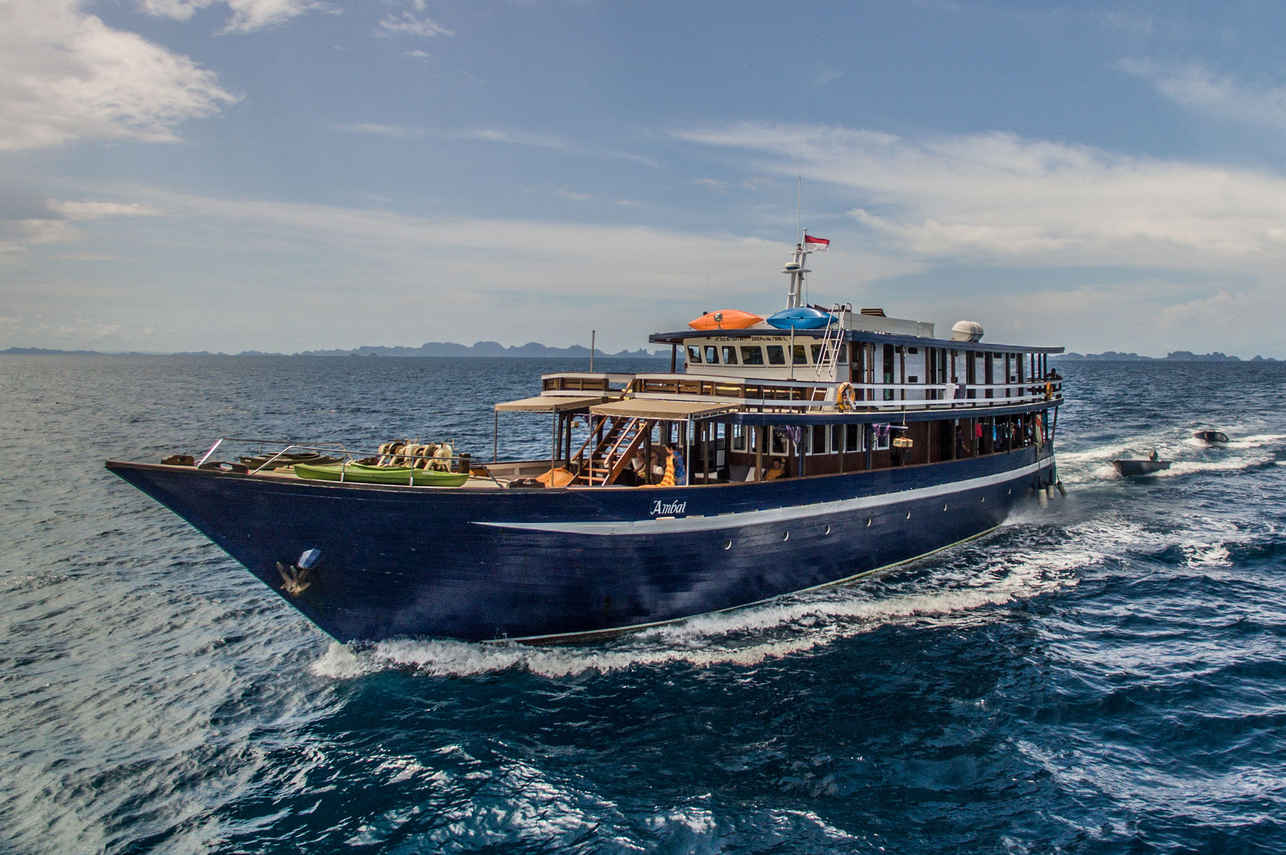
Ambai
Indonesia
16 guests32 m
$453/day
Dive sites similar to Nudi Rock
Same character, same waters — six more sites divers love for the exact same reasons.Compare seasons, access and liveaboard routes — then pick the site that fits your trip best.
© Esri — Maxar, Earthstar, GIS
Misool Batu Kecil
Raja Ampat, Indonesia
Misool Batu Kecil, often referred to as Tank Rock, is a prime dive site nestled within the Misool area of Raja Ampat, part of the extensive marine protected areas.
- Suitable for
- Intermediate
- Current
- Strong
- Access
- Liveaboard only
- Depth
- 5–25 m
- Theme
- Drift / Reef
© Esri — Maxar, Earthstar, GIS
Penemu Wall
Raja Ampat, Indonesia
Penemu Wall is a captivating dive site nestled within Raja Ampat, a region renowned as the epicenter of global marine biodiversity.
- Suitable for
- Intermediate
- Current
- Strong
- Access
- Liveaboard only
- Depth
- 5–35 m
- Theme
- Wall
© Esri — Maxar, Earthstar, GIS
Yulliet Kecil
Raja Ampat, Indonesia
Yulliet Kecil is a captivating islet dive site situated in the Misool region of Raja Ampat, Indonesia.
- Suitable for
- Intermediate
- Current
- Moderate
- Access
- Liveaboard only
- Depth
- 5–30 m
- Theme
- Reef
© Esri — Maxar, Earthstar, GIS
Friwin Wall
Raja Ampat, Indonesia
Friwin Wall, nestled in the heart of Raja Ampat's Dampier Strait, is a premier dive site renowned for its vibrant reef wall and rich biodiversity.
- Suitable for
- Intermediate
- Current
- Strong
- Access
- Liveaboard only
- Depth
- 1–25 m
- Theme
- Cave & cavern / Drift
© Esri — Maxar, Earthstar, GIS
Citrus Ridge
Raja Ampat, Indonesia
Citrus Ridge is a renowned dive site in Raja Ampat, located in a natural channel separating Gam Island from Yanggelo.
- Suitable for
- Intermediate
- Current
- Strong
- Access
- Liveaboard only
- Depth
- 10–27 m
- Theme
- Drift / Reef
© Esri — Maxar, Earthstar, GIS
Boo Windows
Raja Ampat, Indonesia
Boo Windows, located at the eastern edge of Raja Ampat's Misool region, is an iconic dive site renowned for its unique underwater topography, particularly its famous "windows" or archways.
- Suitable for
- Intermediate
- Current
- Strong
- Access
- Liveaboard only
- Depth
- 5–30 m
- Theme
- Drift / Reef