About Boo Windows
Boo Windows, located at the eastern edge of Raja Ampat's Misool region, is an iconic dive site renowned for its unique underwater topography, particularly its famous "windows" or archways. These large, natural apertures are carved into the reef just below the surface, creating stunning photographic opportunities as sunlight streams through them. The site itself is a small islet following the characteristic karst-uplift model of the area. Below the surface, the rock face slopes inward, forming a water-carved channel around the islet before extending into a gently sloping reef, which then drops off into a wall descending to a sandy bottom. The dive site boasts incredible marine biodiversity, with thick, plentiful soft corals covering the formations and numerous schooling fish like fusiliers, sweetlips, and batfish. While there's plenty of macro life such as nudibranchs, pygmy seahorses, and mantis shrimp, the site truly shines for wide-angle photography. On the southern side, a plateau features rock formations resembling splayed cards, all adorned with a variety of soft corals. A small adjacent rock, often called Pygmy Rock, leads to a fish-rich pinnacle. Wobegong sharks are frequently spotted resting on the hard corals of the plateau. Boo Windows is best suited for intermediate to advanced divers due to often-present currents, typically running east to west, which can lead to drift diving. Maximum depth reaches around 30 meters, but the shallow areas near the windows sit comfortably between 5-10 meters, making it accessible for diverse skill levels and even snorkelers. The site offers a dynamic dive experience with varying conditions depending on tidal phases, affecting which corals are open and the appearance of the windows.
Highlights
Swim-throughsRock formationsGreat for photographySoft corals
Season calendar
Best months to dive here
Jan
Feb
Mar
Apr
May
Jun
Jul
Aug
Sep
Oct
Nov
Dec
Good
Dive site facts: Boo Windows
- Depth
- 5–30 m
- Typical dive
- 10–25 m, 50–60 min
- Current
- Medium to Strong
- Visibility
- 9–21 m
- Water temperature
- 27–31°C
- Entry
- Tender / negative entry
- Level
- Advanced recommended, current experience helpful
- Dive type
- Wall, slope, reef, drift
- Region / port
- Raja Ampat, Dampier Strait
- Coordinates
- -1.848, 130.31
Conditions & Currents
Boo Windows is characterized by medium to strong currents, typically flowing from east to west, necessitating readiness for drift diving. These dynamic currents, however, are a key factor in the site's exceptional biodiversity, bringing in a constant supply of nutrients that sustain the vibrant ecosystem. Divers should be proficient in current management and be prepared for potential strong drifts, especially when navigating around the reef's corners. Entry is often a negative descent to quickly reach the reef and avoid surface current, while exits are typically live pick-ups by tender. Visibility is generally excellent, but can be influenced by plankton blooms during high current periods.
Marine life & sighting chances

Fusiliers
common
Sweetlips
common
Batfish
common
Red Tooth Triggerfish
common
Pygmy seahorse
occasional
Wobbegong shark
occasional
Blacktip reef shark
occasional
Whitetip reef shark
occasional
Ghost pipefish
occasional
Frogfish
occasional
Nudibranchs
common
Jacks
common
Snappers
commonDive profile & how the dive runs
Diving at Boo Windows typically begins with a drop-in on the west side of the main island, often requiring a negative entry due to currents. As you descend, the immediate objective is to reach the famous "window" formation, an excellent spot for initial photographs. The dive then proceeds with the reef kept on your left, tracing a path from the north end southward. You will follow a sloping reef past a shallow saddle near the window, continuing deeper to around 25 meters. Here, you can expect to encounter large schools of Red Tooth Triggerfish. The route then leads past a small wall and a vibrant coral garden on another saddle at approximately 18 meters. Upon reaching the southernmost point, an underwater seamount at 15 meters marks the turnaround. Depending on current direction, the return may involve rounding the seamount to explore the east face of the reef, or doubling back on the west side, gradually ascending along the reef slope. The dive concludes with a safety stop back at the window at 5 meters, offering a final chance to appreciate the light rays piercing through the archway.
Underwater photography
Boo Windows offers exceptional opportunities for both wide-angle and macro photography, making it essential to prepare your gear for diverse subjects. For the iconic archways and schooling fish, a wide-angle lens is indispensable to capture the grandeur of the formations and the vastness of the fish schools. Natural light is often sufficient in the shallower sections, but strobes will enhance color and detail, especially within the swim-throughs and deeper areas. For macro enthusiasts, the intricate coral gardens and numerous nooks provide excellent subjects like pygmy seahorses, ghost pipefish, and nudibranchs; a macro lens will be key here. Pay close attention to your buoyancy, particularly when maneuvering through the windows and swim-throughs, to protect the delicate corals and maintain stable shots. Capturing the sun rays penetrating the windows at shallower depths during your safety stop is a must-do shot, often best achieved with a wide-angle setup.
Combine with nearby dive sites
- Cape Kri
Renowned for record-breaking fish diversity and strong currents.
- Manta Sandy
A popular cleaning station for both reef and oceanic manta rays.
- Blue Magic
Known for pelagic encounters, including grey reef sharks and schooling fish.
- Sardine Reef
Features immense schools of fish, barracudas, and fusiliers.
- Melissa's Garden
Famous for its pristine hard coral gardens and abundant reef fish.
Getting there & logistics
Access to Raja Ampat, including Boo Windows, typically involves flying into Sorong (SOQ) in West Papua, Indonesia. This usually requires multiple flights, often via major hubs like Jakarta (CGK) or Makassar (UPG). From Sorong, the primary mode of transport to dive sites is by liveaboard, which are essential for reaching remote locations like Boo Windows. Liveaboard itineraries usually range from 7 to 12 days, with longer trips often encompassing all three main diving zones: Dampier Strait, Misool, and Wayag. A typical 7-day liveaboard will cover two of these zones, with Boo Windows being a highlight within the Dampier Strait. A Raja Ampat Marine Park entry fee is mandatory for all visitors and contributes to conservation efforts. It is advisable to book liveaboards well in advance, especially for peak season travel (December to February), as space can be limited.
Safety & environment
Diving in Raja Ampat, including Boo Windows, requires a high standard of dive safety awareness due to its remote location and sometimes strong currents. The nearest recompression chamber is in Waisai, but medical evacuation to a more advanced facility in Sorong or even further to Makassar or Bali can be a complex and time-consuming process. Comprehensive dive insurance, including coverage for emergency medical treatment and evacuation, is not just recommended but essential. Divers should maintain excellent buoyancy control, particularly when navigating through the iconic archways, to protect the fragile coral formations. Always dive within your training limits, pay close attention to your dive guide's briefings, and be prepared for potential drift conditions. Given the strong currents, proper gas planning and adherence to dive profiles are critical. Snorkelers can enjoy the shallow areas around the windows, but should be mindful of boat traffic and currents.
Who it suits — and who it doesn't
Suited for
- Experienced divers comfortable with currents
- Underwater photographers seeking unique topography
- Macro enthusiasts and wide-angle photographers
- Divers interested in high biodiversity and schooling fish
- Snorkelers in shallow, calm areas
Less suited for
- Beginner divers without current experience
- Divers with poor buoyancy control
- Those uncomfortable with drift diving
- Individuals prone to seasickness on liveaboards
- Divers seeking only calm, current-free sites
FAQ
Boo Windows FAQ
What makes Boo Windows a unique dive site?
Boo Windows is distinguished by its dramatic underwater topography, featuring large, naturally carved archways and swim-throughs in the reef. These iconic "windows" allow sunlight to penetrate, creating stunning visual effects and unique photographic opportunities. The site also boasts an exceptional density of marine life, thriving in and around these formations.
What kind of marine life can I expect to see at Boo Windows?
Divers at Boo Windows can anticipate a vibrant display of marine biodiversity. You will frequently encounter large schools of fusiliers, sweetlips, and batfish. The site is also home to thousands of Red Tooth Triggerfish, and occasionally offers sightings of pelagic species, various nudibranchs, and even wobbegong sharks tucked under coral overhangs.
Is Boo Windows suitable for all diving levels?
Boo Windows is generally best suited for experienced and advanced divers due to the presence of medium to strong currents. While the shallow areas near the windows are accessible, navigating the deeper sections and managing drift conditions requires proficiency. Divers should have good buoyancy control and experience with currents.
Can I take good photos at Boo Windows?
Absolutely, Boo Windows is a highly sought-after location for underwater photography. The iconic windows with their natural light effects provide incredible wide-angle opportunities, especially during safety stops. Macro subjects are also abundant in the coral gardens, allowing for a versatile photographic experience. Prepare your gear for both wide-angle and macro shots.
What is the typical dive profile for Boo Windows?
A typical dive at Boo Windows starts with a drop-in on the west side, aiming for a quick descent to the main window. Divers then drift along the reef, keeping it on their left, exploring depths up to 25 meters. The dive usually progresses past a wall and coral gardens, reaching an underwater seamount before turning back. The safety stop is often conducted at the iconic windows, allowing for final photo opportunities.
Why dive Boo Windows from a liveaboard?
Boo Windows is one of Raja Ampat, Indonesia's signature dive sites. A liveaboard sleeps you on the water and puts you in the water for three to four guided dives per day, including dawn and night dives that day-boat operators rarely offer. You skip the daily commute back to port and reach quieter, less-crowded sites in the same region on a single trip.
Below are the liveaboards that include Boo Windows on their Raja Ampat, Indonesia itineraries.
Liveaboards diving Boo Windows
These liveaboards may visit Boo Windows on selected itineraries — the exact dive sites depend on departure, weather and conditions.
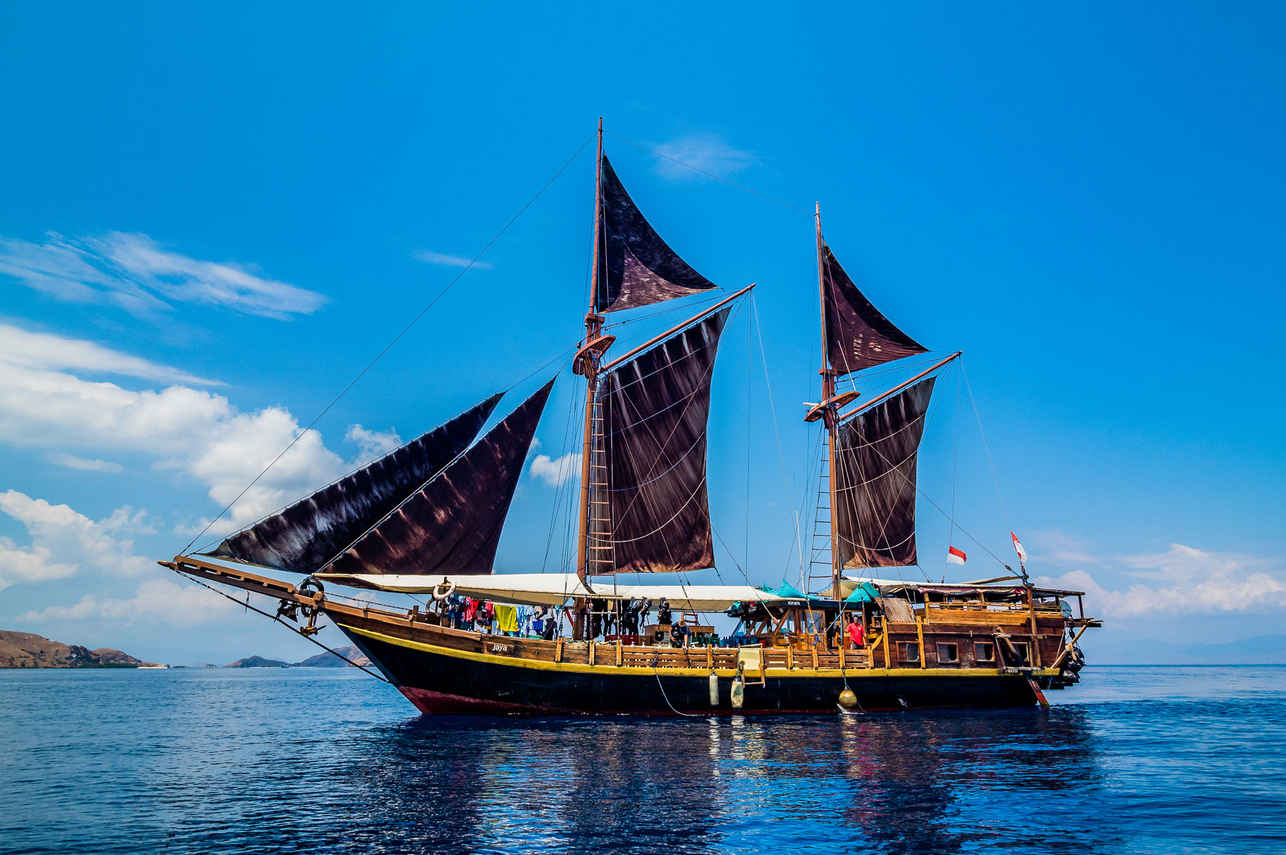
Jaya
Indonesia
14 guests23 m
$280/day
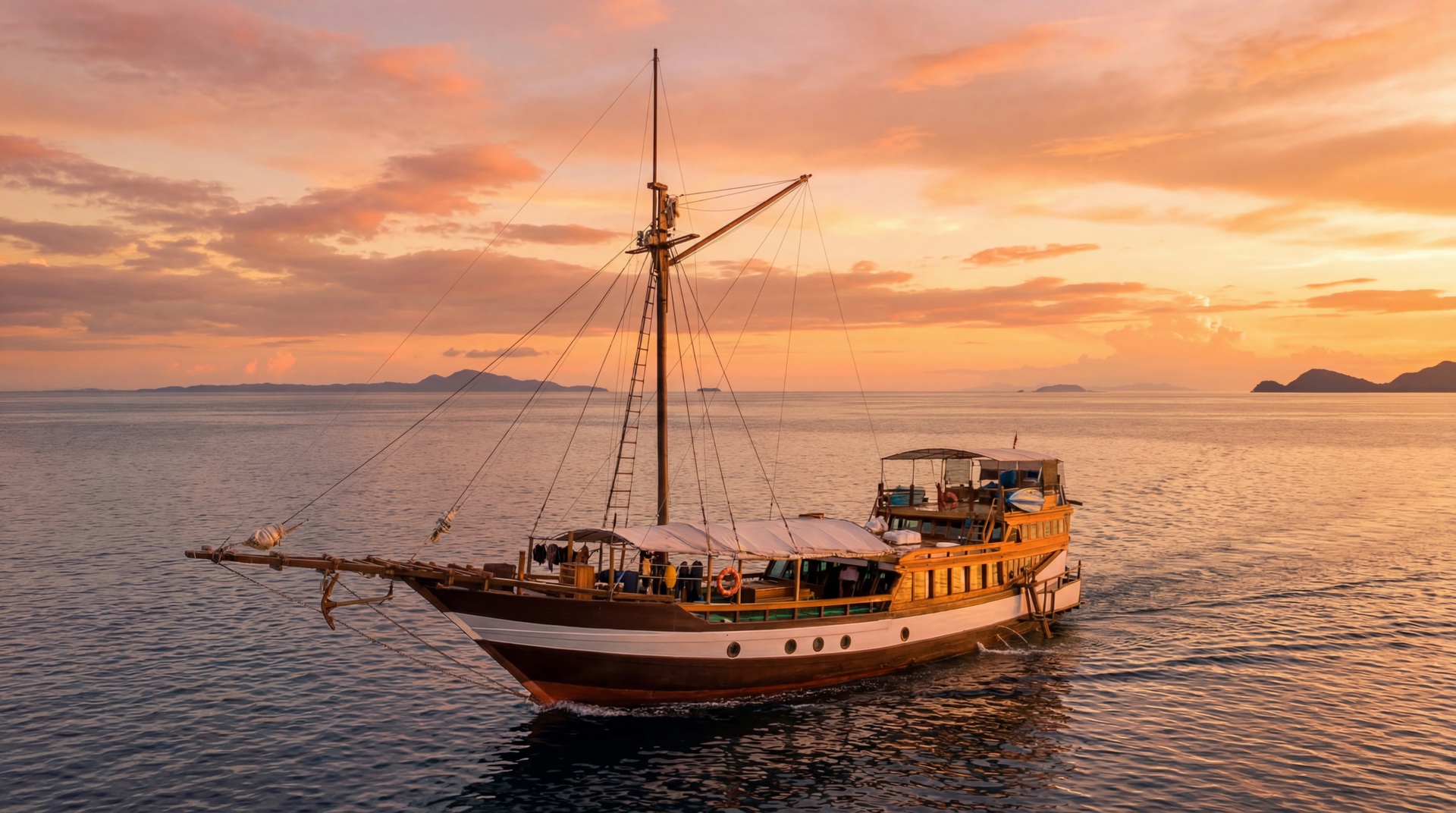
Wellenreng
Indonesia
9 guests25 m
$427/day
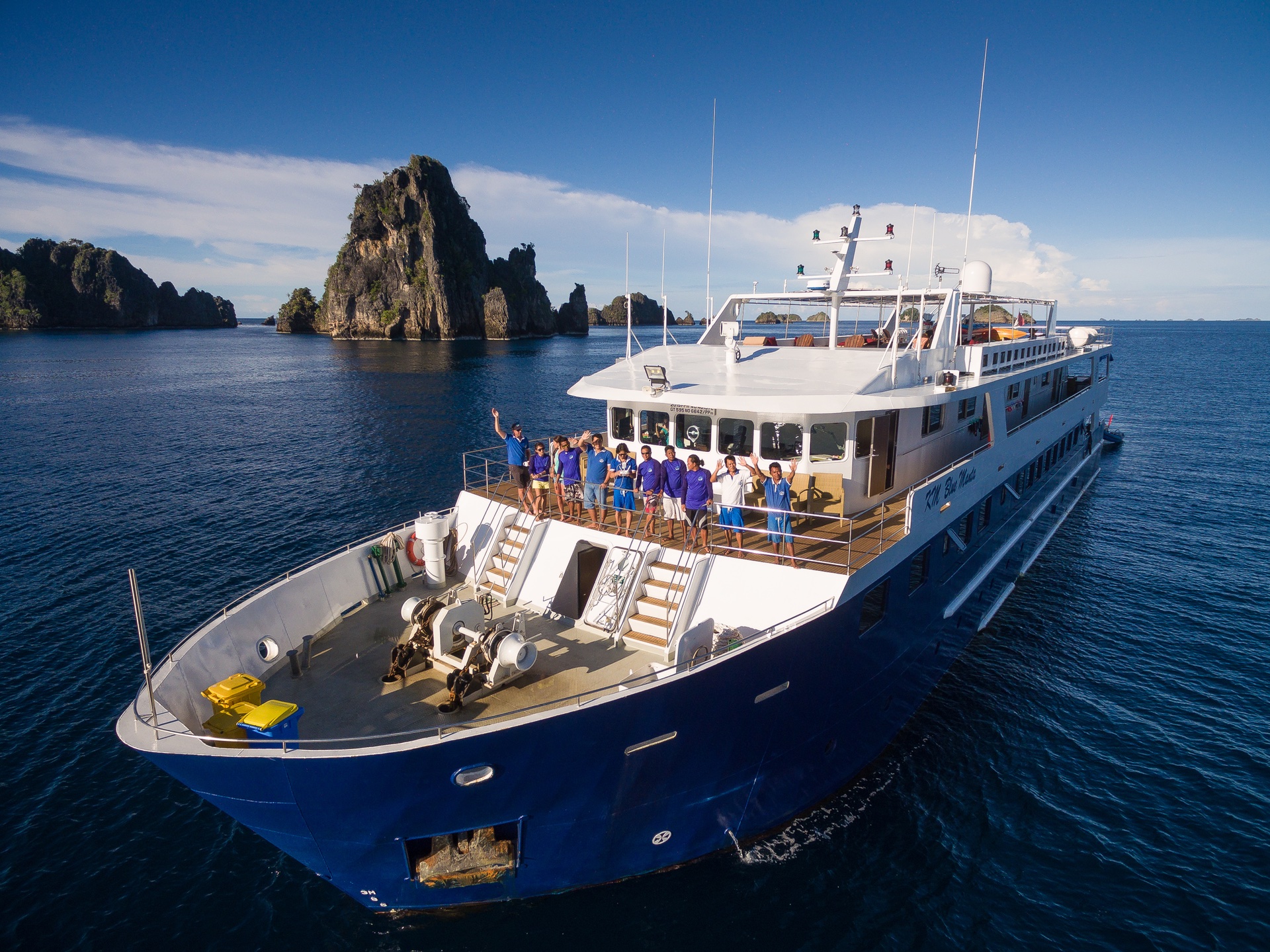
Blue Manta
Indonesia
20 guests45 m
$482/day
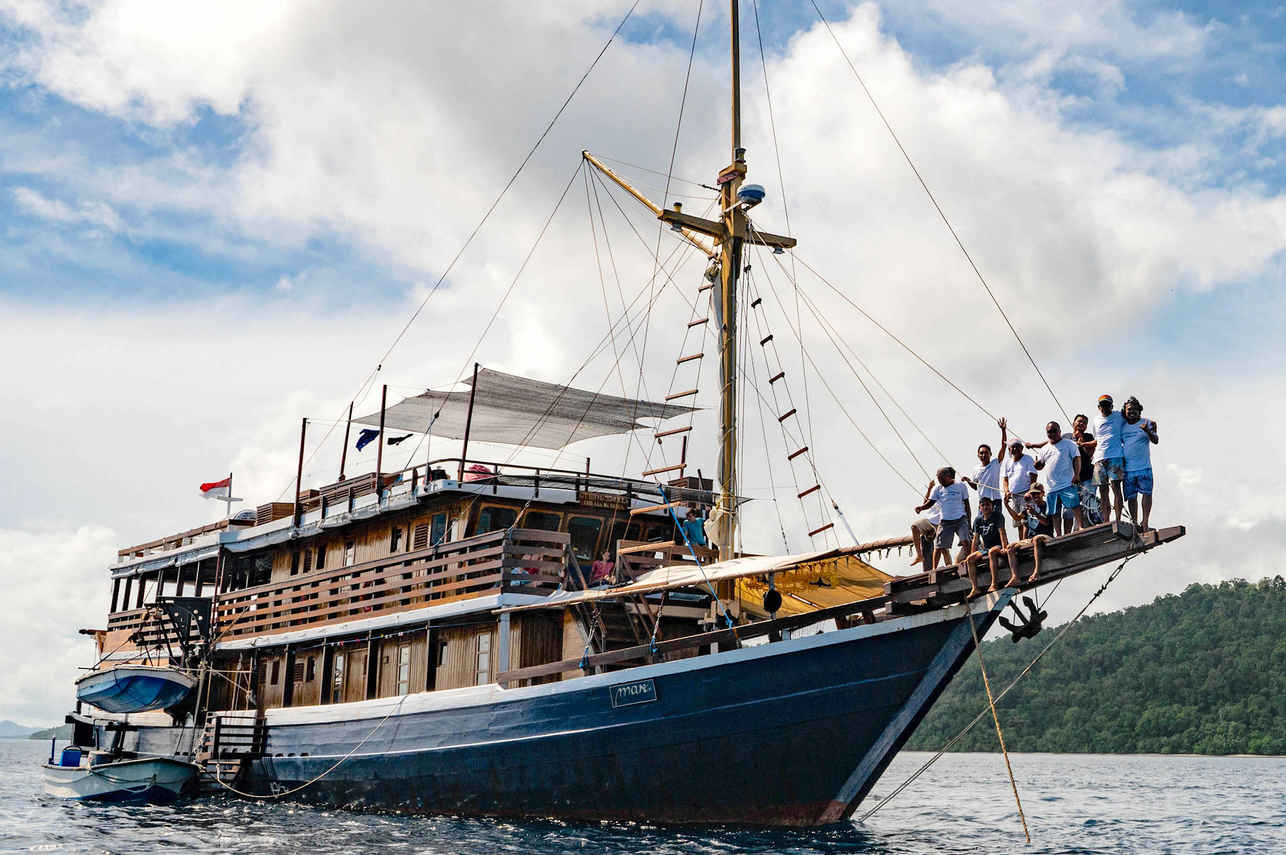
Mari
Indonesia
14 guests32.2 m
$328/day
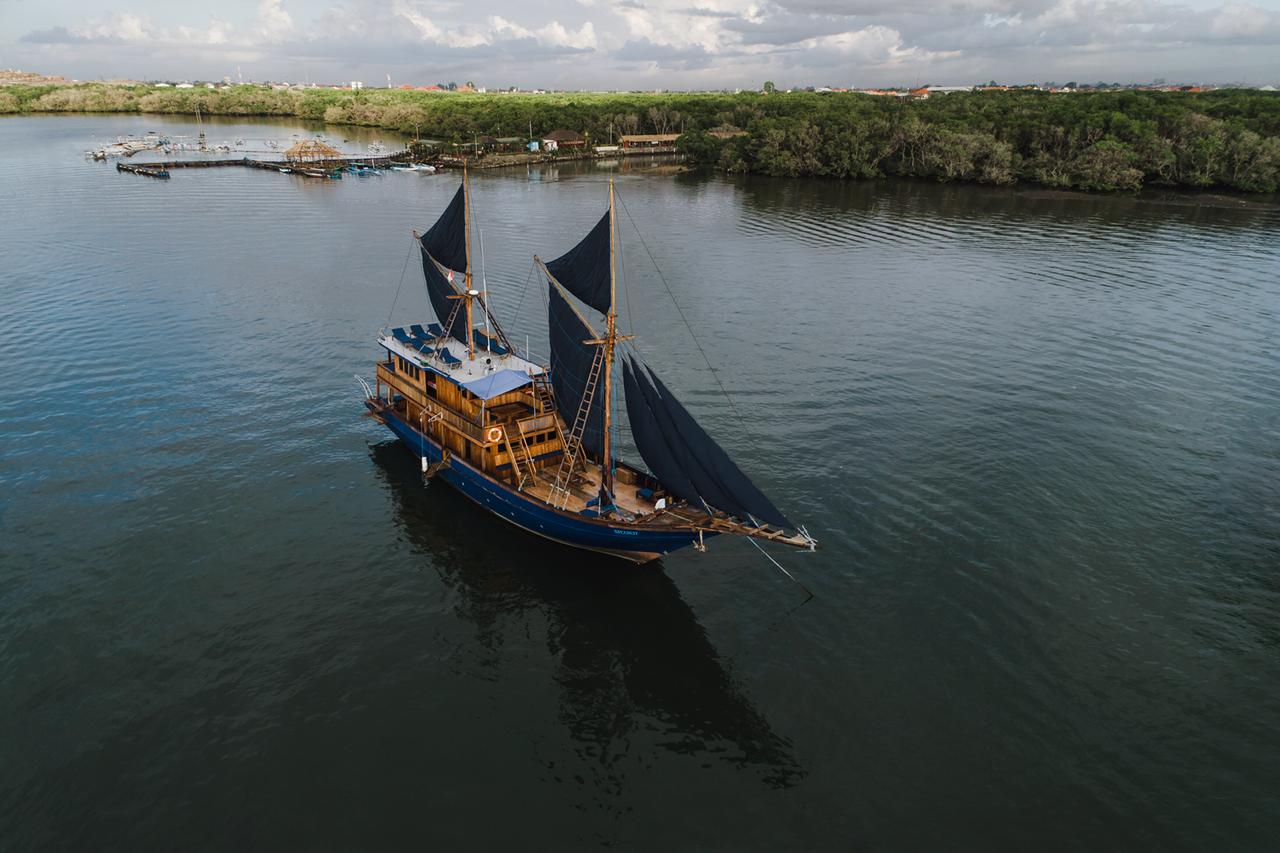
Situju7
Komodo, Indonesia
10 guests32.7 m
$362/day
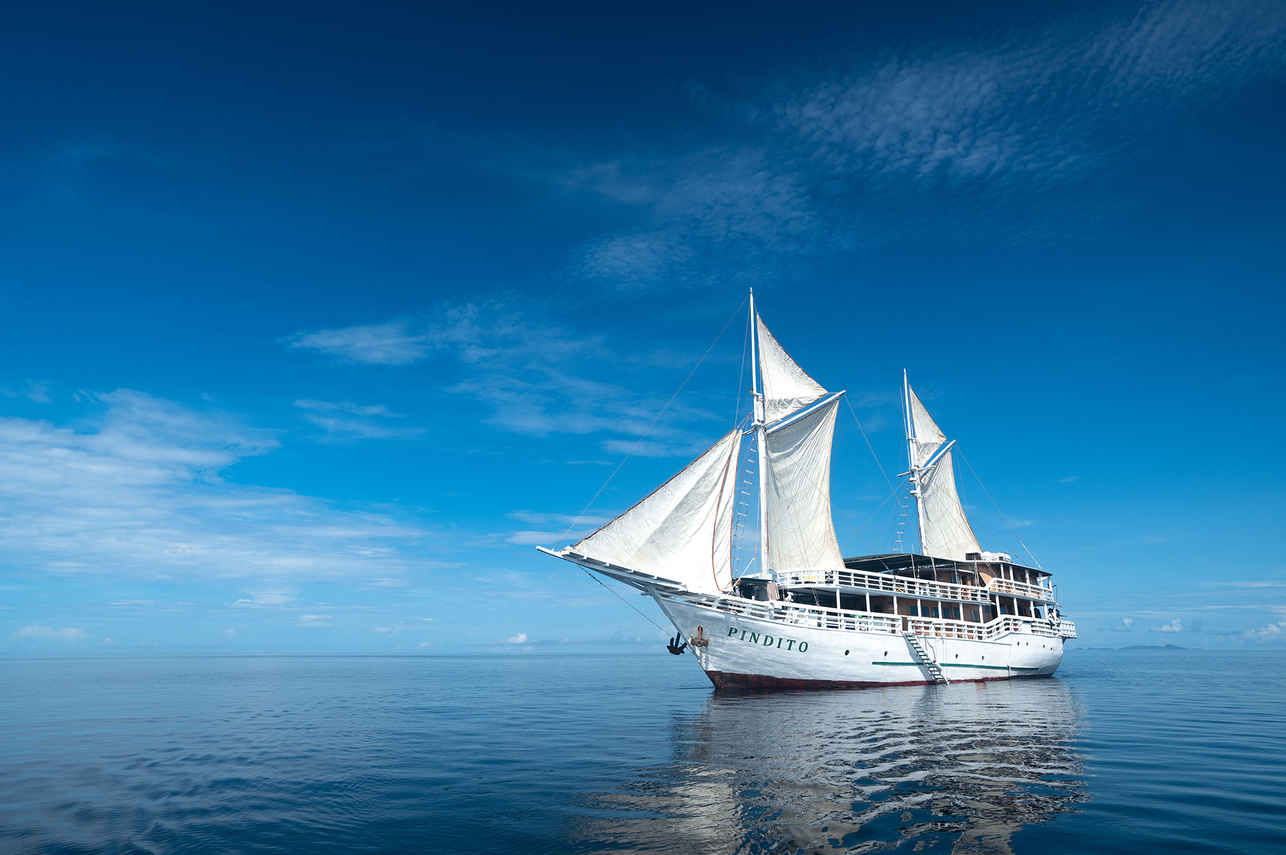
Pindito
Indonesia
16 guests37.79 m
$533/day
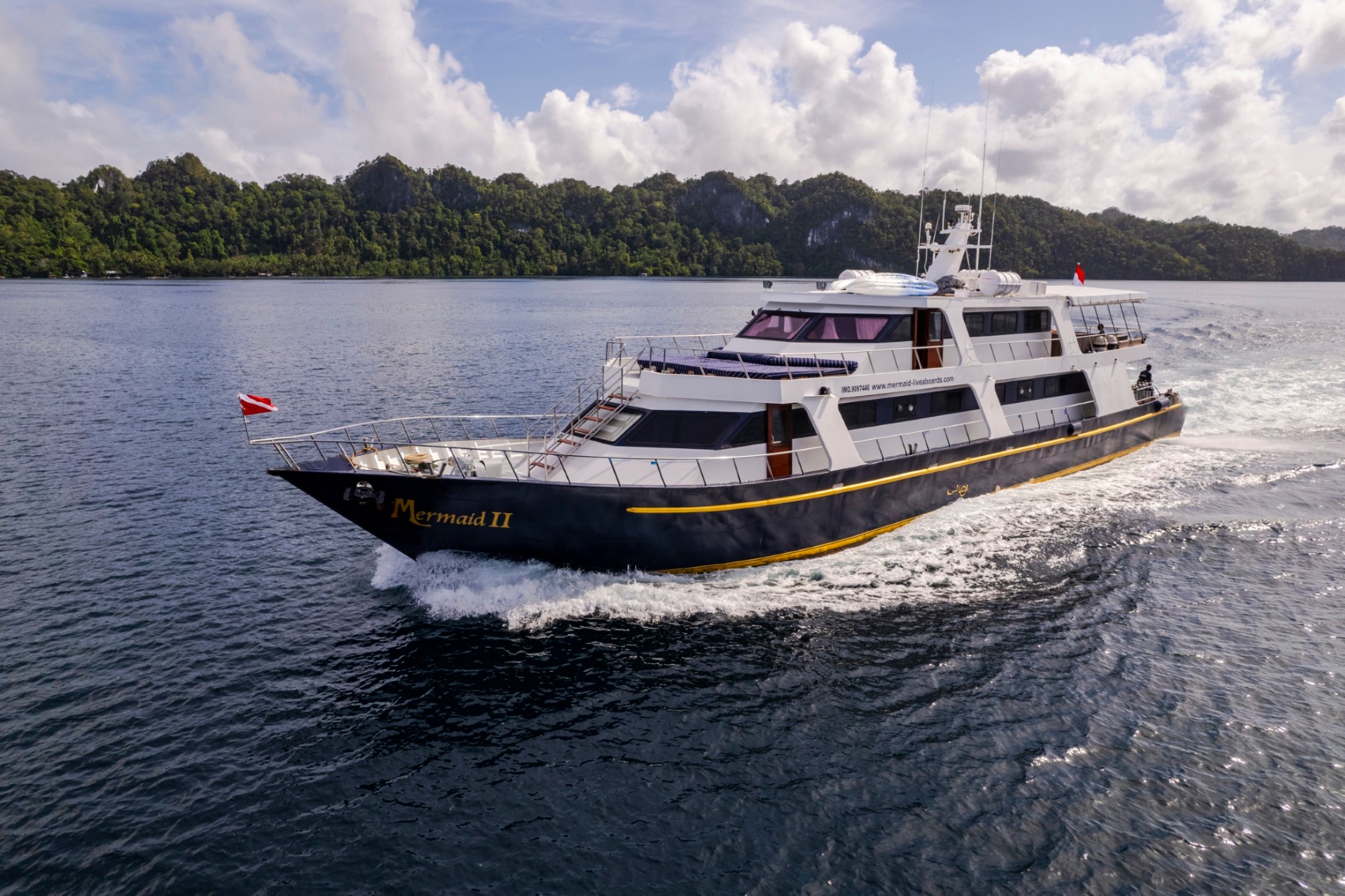
Mermaid II
Komodo, Indonesia
18 guests
$391/day
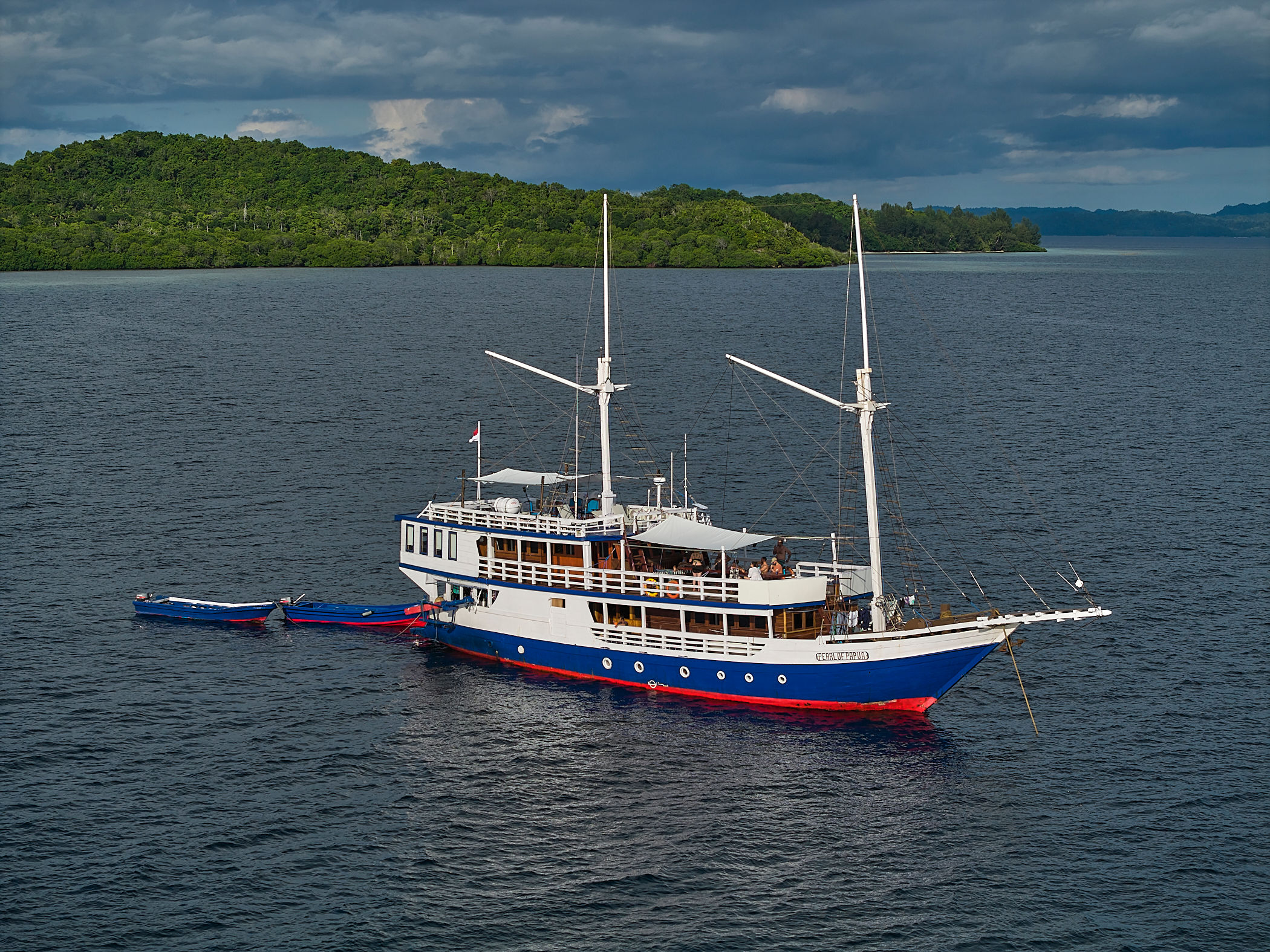
Pearl of Papua
Raja Ampat, Indonesia
14 guests30 m
$303/day
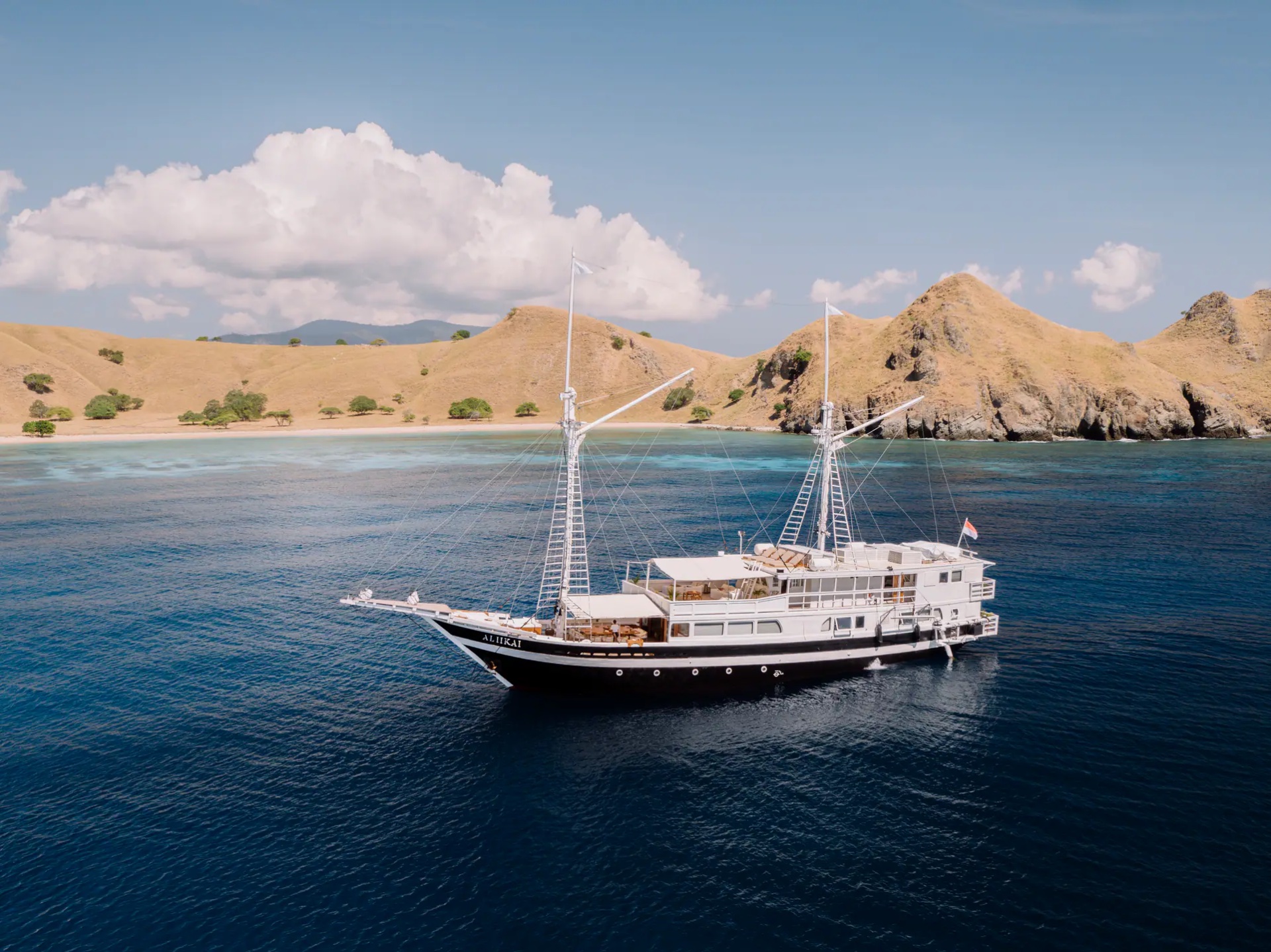
Aliikai Voyage
Indonesia
15 guests40 m
$658/day
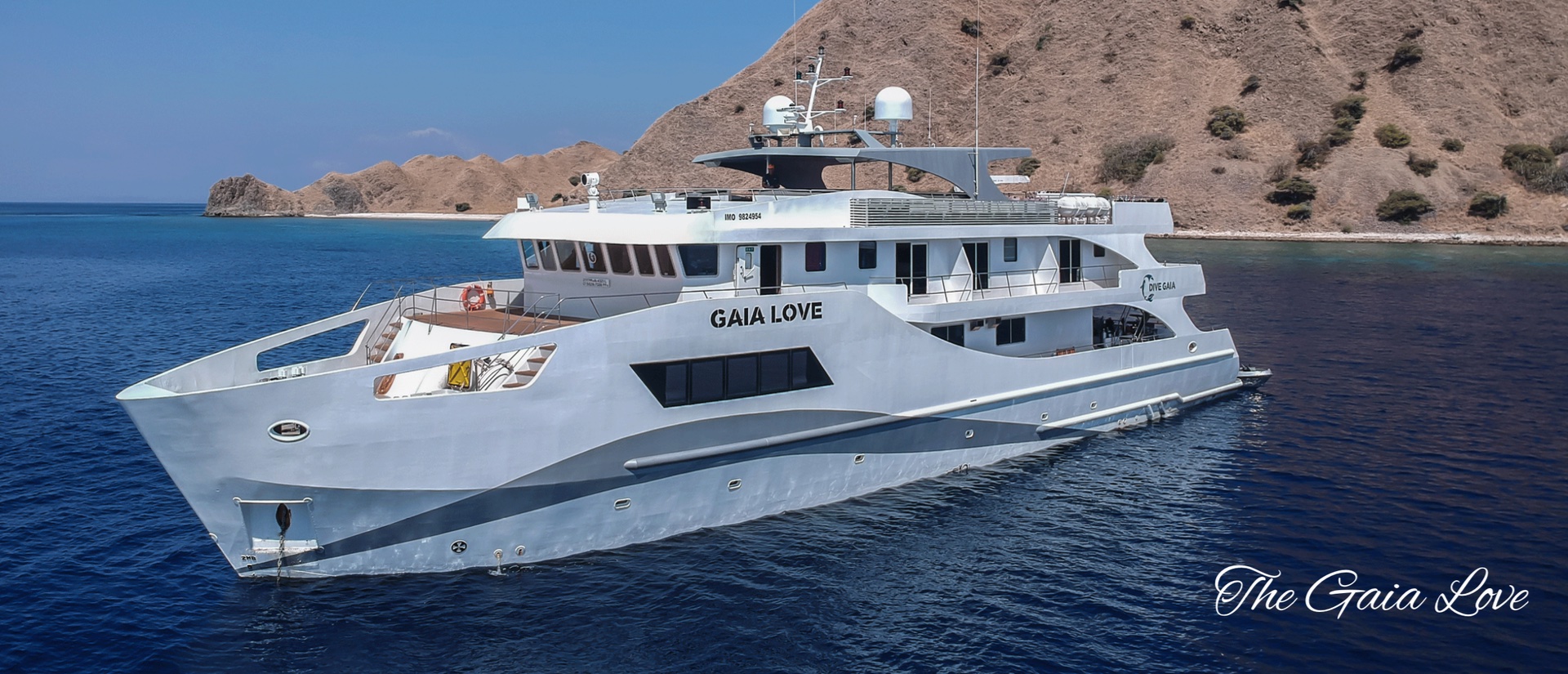
Gaia Love
Alor
20 guests
$554/day
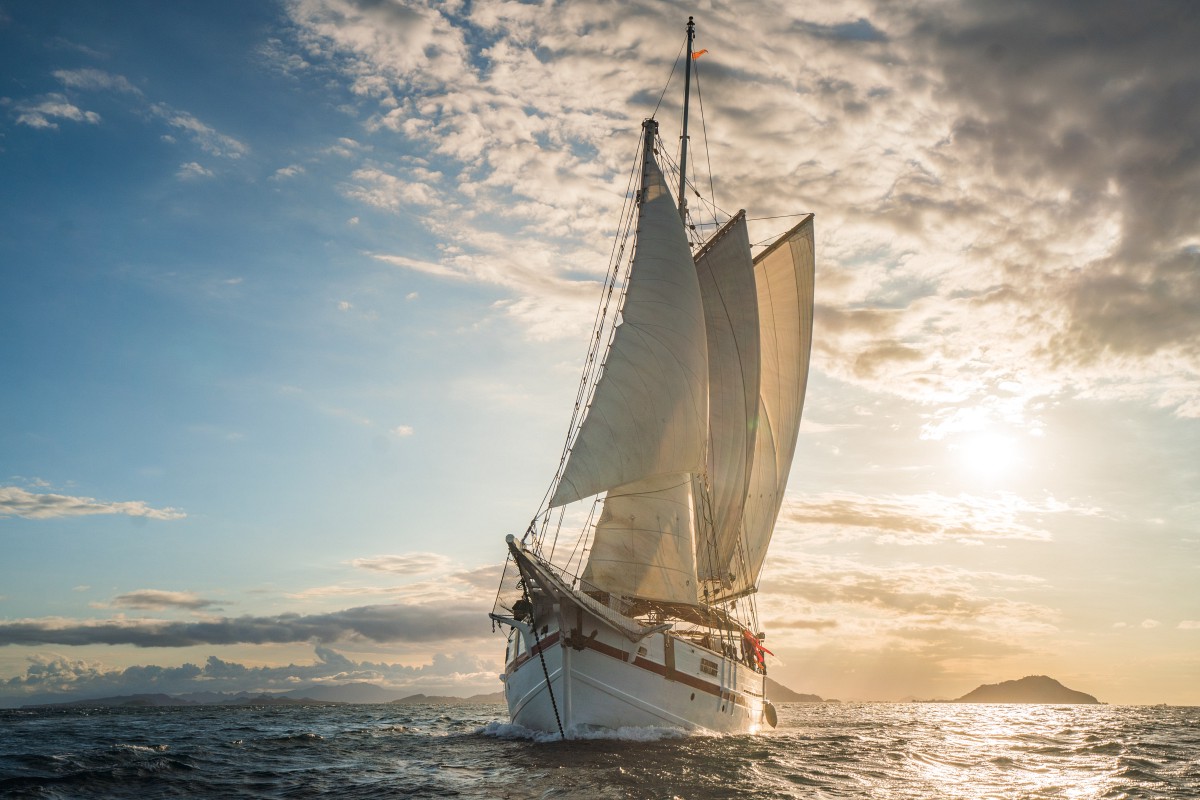
Emperor Raja Laut
Raja Ampat, Indonesia
12 guests31 m
$413/day
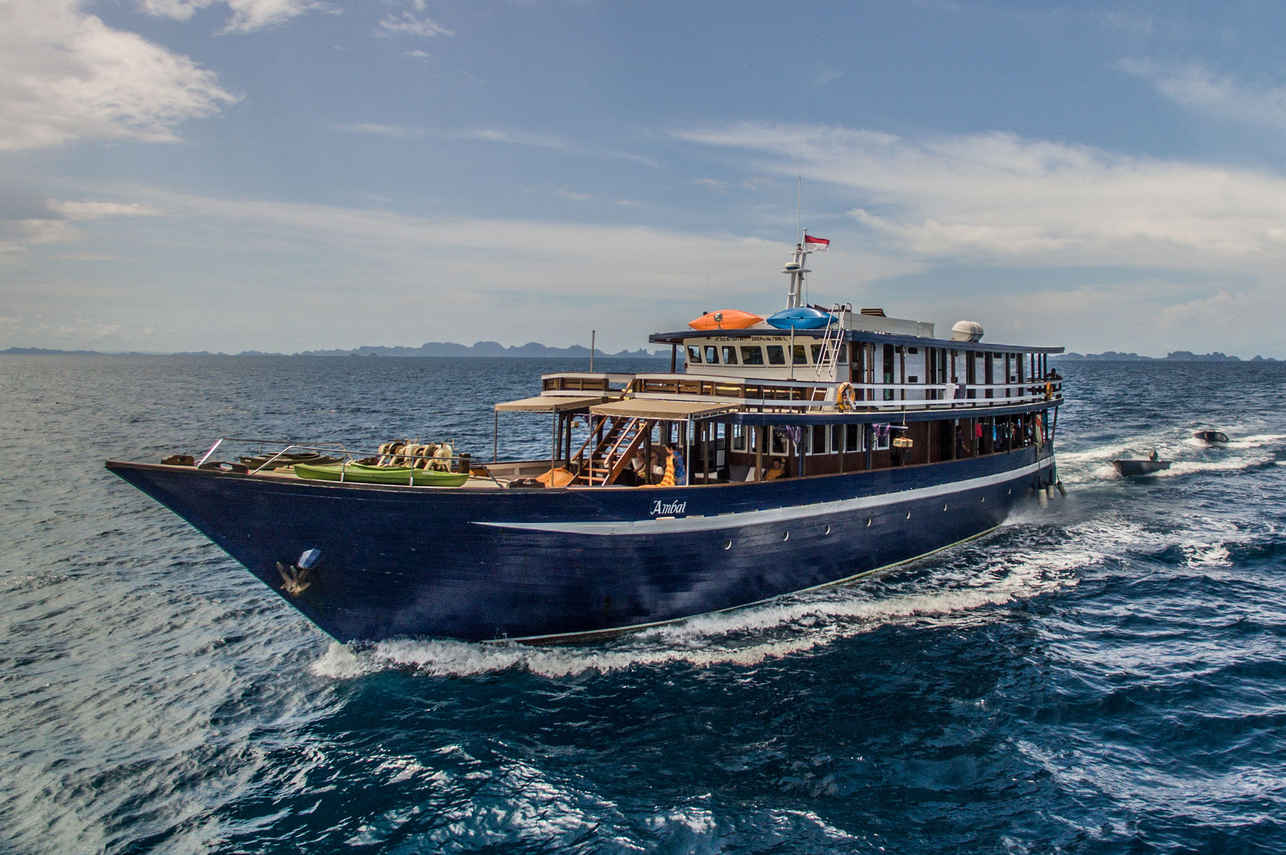
Ambai
Indonesia
16 guests32 m
$453/day
Dive sites similar to Boo Windows
Same character, same waters — six more sites divers love for the exact same reasons.Compare seasons, access and liveaboard routes — then pick the site that fits your trip best.
© Esri — Maxar, Earthstar, GIS
Misool Batu Kecil
Raja Ampat, Indonesia
Misool Batu Kecil, often referred to as Tank Rock, is a prime dive site nestled within the Misool area of Raja Ampat, part of the extensive marine protected areas.
- Suitable for
- Intermediate
- Current
- Strong
- Access
- Liveaboard only
- Depth
- 5–25 m
- Theme
- Drift / Reef
© Esri — Maxar, Earthstar, GIS
Penemu Wall
Raja Ampat, Indonesia
Penemu Wall is a captivating dive site nestled within Raja Ampat, a region renowned as the epicenter of global marine biodiversity.
- Suitable for
- Intermediate
- Current
- Strong
- Access
- Liveaboard only
- Depth
- 5–35 m
- Theme
- Wall
© Esri — Maxar, Earthstar, GIS
Yulliet Kecil
Raja Ampat, Indonesia
Yulliet Kecil is a captivating islet dive site situated in the Misool region of Raja Ampat, Indonesia.
- Suitable for
- Intermediate
- Current
- Moderate
- Access
- Liveaboard only
- Depth
- 5–30 m
- Theme
- Reef
© Esri — Maxar, Earthstar, GIS
Friwin Wall
Raja Ampat, Indonesia
Friwin Wall, nestled in the heart of Raja Ampat's Dampier Strait, is a premier dive site renowned for its vibrant reef wall and rich biodiversity.
- Suitable for
- Intermediate
- Current
- Strong
- Access
- Liveaboard only
- Depth
- 1–25 m
- Theme
- Cave & cavern / Drift
© Esri — Maxar, Earthstar, GIS
Citrus Ridge
Raja Ampat, Indonesia
Citrus Ridge is a renowned dive site in Raja Ampat, located in a natural channel separating Gam Island from Yanggelo.
- Suitable for
- Intermediate
- Current
- Strong
- Access
- Liveaboard only
- Depth
- 10–27 m
- Theme
- Drift / Reef
Nudi Rock, situated in the Misool area of Raja Ampat, gains its distinctive name from a prominent rock formation above the waterline that bears a striking resemblance to a nudibranch.
- Suitable for
- Intermediate
- Current
- Strong
- Access
- Liveaboard only
- Depth
- 5–28 m
- Theme
- Reef / Wall