About Tank Rock
Tank Rock, also known as Batu Kecil, is a prominent dive site within the Fiabacet area of Misool, Southern Raja Ampat. This submerged pinnacle is part of a deeper underwater ridge connecting Boo and Kalig islands, renowned for its exceptional soft coral coverage and abundant marine life. The site's unique topography, combined with nutrient-rich currents, creates a thriving ecosystem that makes it a highlight of any Raja Ampat itinerary. The dive site features a main rock formation that rises from deeper waters, creating walls and slopes adorned with a profusion of colorful soft corals and large sea fans. Depths typically range from 5 to 30 meters, catering to a variety of dive profiles. The shallower sections are particularly vibrant, bathed in sunlight and showcasing the true density of coral species and reef fish. Marine life at Tank Rock is incredibly diverse, encompassing both macro and pelagic species. Divers can expect to encounter numerous species of pygmy seahorses nestled in sea fans, various nudibranchs, and occasional wobbegong sharks resting on the reef. The currents also attract schooling fish, including barracudas, jacks, and fusiliers, while reef sharks patrol the deeper edges. Diving Tank Rock offers an immersive experience into the Coral Triangle's richest waters. Its accessibility within Misool's dive groupings makes it a frequent stop for liveaboards exploring the southern region. The site consistently delivers stunning visuals, making it a favorite for underwater photographers and marine enthusiasts alike.
Highlights
Dense soft coral coverageAbundant pygmy seahorsesPart of Fiabacet pinnaclesDiverse schooling fishWobbegong shark sightingsVibrant reef topographyNutrient-rich currentsRich macro life
Season calendar
Best months to dive here
Jan
Feb
Mar
Apr
May
Jun
Jul
Aug
Sep
Oct
Nov
Dec
Excellent
Good
Off-Season
Oct – Apr (Oct–Apr)
Calmest seas and best diving conditions. Manta ray season peaks Nov–Apr. Best visibility. Most liveaboards and resorts operate during this window.
May & Sep (May, Sep)
Transitional months with variable conditions. Still good diving on many sites. Fewer boats. Some operators offer shoulder-season discounts.
Jun – Aug (Jun–Aug)
Stronger winds and rougher seas, especially in exposed areas. Some dive sites inaccessible. Fewer operators running. Best for adventurous divers seeking solitude.
Dive site facts: Tank Rock
- Depth
- 5–30 m
- Typical dive
- 10–25 m, 50–60 min
- Current
- Moderate to strong, variable
- Visibility
- 15–30 m
- Water temperature
- 28–30°C
- Entry
- Tender / negative entry recommended
- Level
- Advanced recommended, current experience helpful
- Dive type
- Wall, pinnacle, coral garden
- Region / port
- Misool, Raja Ampat
- Coordinates
- -1.894, 130.295
Conditions & Currents
Tank Rock frequently experiences moderate to strong currents, typical for many nutrient-rich sites in Raja Ampat, which can necessitate negative entries. These currents are a primary factor in the site's immense biodiversity, feeding the expansive soft coral gardens and attracting large schools of fish and pelagic species. Current strength can vary with lunar cycles, often increasing during full and new moons. Divers should be prepared for drift dives and be mindful of potential downcurrents on the deeper sections of the reef. Visibility is generally very good, ranging from 15 to 30 meters, though plankton blooms, while attracting filter feeders like mantas, can occasionally reduce clarity. Proper current awareness and advanced buoyancy control are recommended to fully enjoy this dynamic site.
Marine life & sighting chances

Pygmy Seahorse
common
Nudibranch
common
Wobbegong Shark
occasional
Barracuda
common
Jack
common
Fusilier
common
Reef Shark
occasional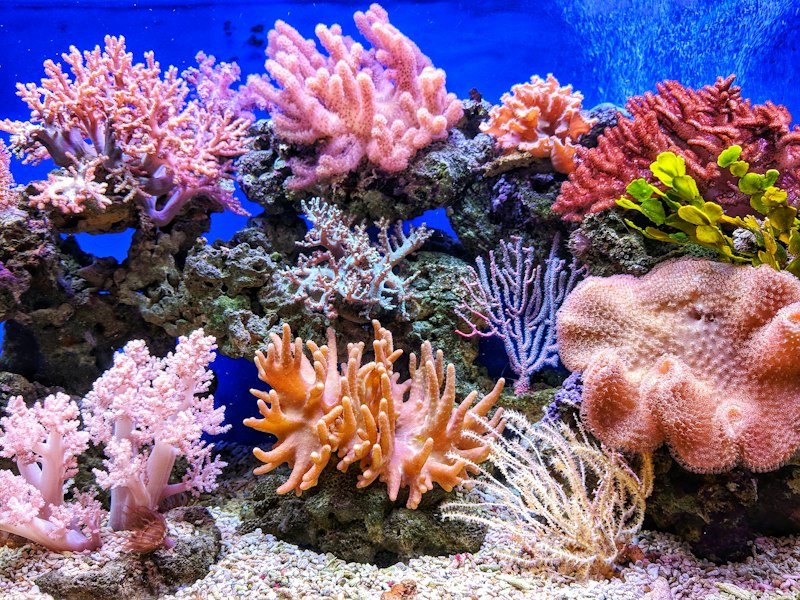
Soft Coral
common
Sea Fan
common
Bubble Coral Shrimp
occasional
Crinoid Shrimp
occasional
Orangutan Crab
occasional
Peacock Mantis Shrimp
occasionalDive profile & how the dive runs
Your dive at Tank Rock typically begins with a negative entry from the tender directly onto the main pinnacle, often into a mild to moderate current. The route generally involves circling the rock, starting from a deeper section at around 20-25 meters, where you can observe reef sharks and schooling pelagics. As you ascend, the vibrant soft corals become more prominent in the 8-18 meter range, draped across the walls and overhangs. Keep an eye out for pygmy seahorses in the gorgonian fans and nudibranchs on the coral. The dive often culminates in the shallower reef top at 5-10 meters, rich with reef fish and dense coral growth, before completing a safety stop while drifting gently with the current, if present.
Underwater photography
Tank Rock offers exceptional opportunities for both wide-angle and macro photography. For wide-angle shots, a fisheye or wide-angle lens is ideal to capture the dramatic topography, dense soft coral gardens, and schools of fish, especially in the shallower, sunlit sections. Natural light is often sufficient here due to the clear water and vibrant corals, but strobes will help bring out the true colors and reduce backscatter in deeper areas. For macro enthusiasts, a 60mm or 100mm lens is essential to seek out the numerous pygmy seahorses, nudibranchs, and other small critters hiding among the corals. Practicing excellent buoyancy is crucial to avoid damaging the delicate soft corals, especially when focusing on macro subjects in current-swept areas.
Combine with nearby dive sites
Getting there & logistics
Access to Tank Rock and other Misool dive sites is predominantly via liveaboard from Sorong, the main port for Raja Ampat. Flights typically connect through Jakarta or Makassar to Sorong (SOQ). Liveaboard trips usually range from 9 to 11 nights, focusing on either Misool and Central Raja Ampat or dedicated Misool exploration routes. A Marine Park Entry Permit (approximately USD $100), valid for one calendar year, is required for all divers. These itineraries often combine several dive areas, but Misool sites like Tank Rock are usually a significant part of the southern segment.
Safety & environment
Diving at Tank Rock requires careful attention to safety protocols due to potentially strong currents and its remote location. The nearest recompression chamber is in Waisai, which is a significant distance from Misool, making immediate access difficult in an emergency. Divers must ensure they have comprehensive dive insurance that covers emergency medical evacuation and treatment, including hyperbaric therapy. Always dive with an experienced guide, maintain excellent buoyancy control to protect the fragile corals, and adhere to dive plan limits. Satellite communication is the primary method for emergencies in this remote region, underscoring the importance of preventative safety measures.
Who it suits, and who it doesn't
Suited for
- Advanced divers with current experience
- Underwater photographers (macro and wide-angle)
- Divers seeking rich biodiversity and vibrant corals
- Experienced drift divers
- Marine life enthusiasts
Less suited for
- Beginner divers without current training
- Divers uncomfortable with negative entries
- Individuals prone to seasickness in choppier conditions
- Divers seeking very calm, current-free environments
FAQ
Tank Rock FAQ
What kind of currents can I expect at Tank Rock?
Tank Rock is known for moderate to strong currents, which are a key factor in its rich marine life. These currents can vary in intensity depending on the tides and lunar cycle, sometimes requiring a negative entry. Divers should be prepared for drift dives and be mindful of potential downcurrents on the deeper reef sections.
What marine life is commonly seen at Tank Rock?
You can expect a spectacular array of marine life, including abundant soft corals and sea fans. Macro subjects like pygmy seahorses, various nudibranchs, and decorator crabs are common. Schools of barracudas, jacks, and fusiliers are often seen, and occasionally, you might spot wobbegong sharks and reef sharks.
Is Tank Rock suitable for beginner divers?
Tank Rock is generally recommended for advanced divers due to the potential for strong currents and the necessity of good buoyancy control. While the beauty is undeniable, less experienced divers or those without current experience might find the conditions challenging. It is advisable for beginners to gain more experience in milder conditions before attempting this site.
What is the best time of year to dive Tank Rock?
The prime diving season for Tank Rock, and Raja Ampat as a whole, is from October to May. During these months, the weather is typically calm, visibility is excellent, and water temperatures are consistently warm. This period provides the most comfortable and rewarding diving conditions to explore the site.
How do I get to Tank Rock?
Tank Rock is located in the remote Misool region of Raja Ampat, best accessed via liveaboard trips departing from Sorong. Divers typically fly into Sorong (SOQ) from major Indonesian hubs like Jakarta. Liveaboard itineraries vary but often feature Tank Rock as a highlight among Misool's stunning dive sites.
Why dive Tank Rock from a liveaboard?
Tank Rock is one of Raja Ampat, Indonesia's signature dive sites. A liveaboard sleeps you on the water and puts you in the water for three to four guided dives per day, including dawn and night dives that day-boat operators rarely offer. You skip the daily commute back to port and reach quieter, less-crowded sites in the same region on a single trip.
Below are the liveaboards that include Tank Rock on their Raja Ampat, Indonesia itineraries.
Liveaboards diving Tank Rock
These liveaboards may visit Tank Rock on selected itineraries, the exact dive sites depend on departure, weather and conditions.

Panunee
Indonesia
18 guests38 m

Jaya
Indonesia
14 guests23 m

Wellenreng
Indonesia
9 guests25 m

Blue Manta
Indonesia
20 guests45 m

Mari
Indonesia
14 guests32 m

Situju7
Komodo, Indonesia
10 guests33 m

Pindito
Indonesia
16 guests38 m

Mermaid II
Komodo, Indonesia
18 guests

Pearl of Papua
Raja Ampat, Indonesia
14 guests30 m

Aliikai Voyage
Indonesia
15 guests40 m

Gaia Love
Alor
20 guests

Emperor Raja Laut
Raja Ampat, Indonesia
12 guests31 m
Dive sites similar to Tank Rock
Same character, same waters, six more sites divers love for the exact same reasons.Compare seasons, access and liveaboard routes, then pick the site that fits your trip best.
Abila is a notable dive site located within the Alor Islands Marine Park, an area celebrated for its rich marine biodiversity due to its position in the Coral Triangle.
- Suitable for
- Beginner
- Current
- Mild
- Access
- Liveaboard only
- Depth
- —
- Theme
- Reef
© EsriMaxar, Earthstar, GIS
Adonara Channel
Alor
Adonara Channel stands as one of Alor's most iconic dive sites, celebrated for its dynamic currents and exceptionally rich biodiversity.
- Suitable for
- Advanced
- Current
- Strong
- Access
- Liveaboard or dayboat
- Depth
- 10–40 m
- Theme
- Drift / Wall
© EsriMaxar, Earthstar, GIS
Adonara Wall
Indonesia
Adonara is an Indonesian island dive site, renowned for its vibrant underwater topography characterized by submerged seamounts.
- Suitable for
- Intermediate
- Current
- Strong
- Access
- Liveaboard or dayboat
- Depth
- 5–35 m
- Theme
- Seamount / Wall
© EsriMaxar, Earthstar, GIS
Agnay Fish Sanctuary
Philippines
Agnay Fish Sanctuary is nestled in a sheltered bay near the village of Agnay in Romblon, a province celebrated for its rich marine biodiversity.
- Suitable for
- Beginner
- Current
- Mild
- Access
- Dayboat
- Depth
- 9–18 m
- Theme
- Reef
© EsriMaxar, Earthstar, GIS
Ai Island Reef
Banda Sea
Ai Island Reef, nestled within the Banda Sea, offers a remarkable diving experience characterized by its rich marine biodiversity and varied underwater topography.
- Suitable for
- Beginner
- Current
- Strong
- Access
- Liveaboard only
- Depth
- 3–30 m
- Theme
- Reef / Seamount
© EsriMaxar, Earthstar, GIS
Akitsushima
Philippines
The Akitsushima is a distinguished World War II Japanese seaplane tender, sunk in September 1944 during an American air raid in Coron Bay, Palawan.
- Suitable for
- Advanced
- Current
- Strong
- Access
- Dayboat
- Depth
- 22–38 m
- Theme
- Wreck