About Fiabacet
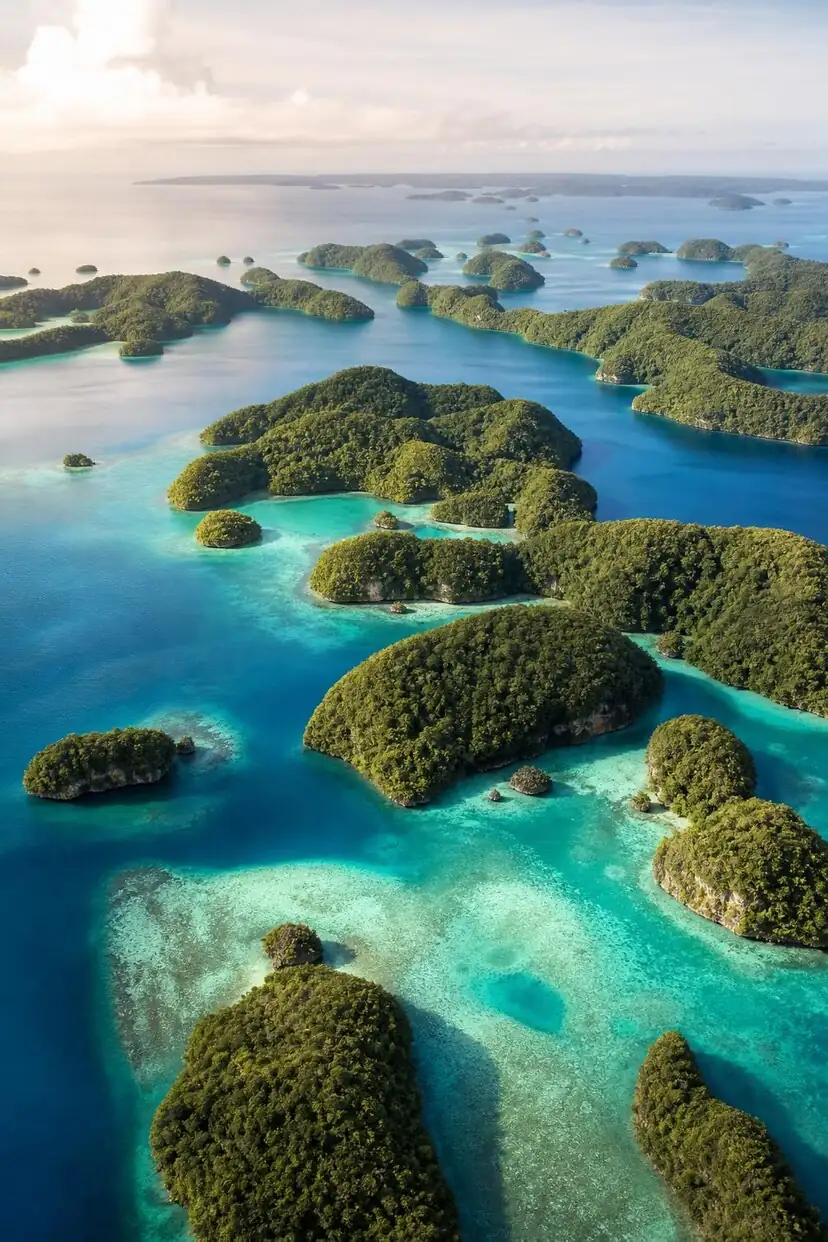
Fiabacet is considered a premier dive site in Raja Ampat, particularly within the Misool region, embodying the quintessential diving experience of the area. This location is celebrated for its extraordinary variety of corals and an even greater abundance of reef-associated fish. The dive site features towering vertical walls that drop from sunlit shallow reef flats at 3-5 meters to depths exceeding 60 meters in some sections. The most spectacular part of the main wall runs north-south for about 400 meters, with a central 200-meter stretch plunging vertically from a reef crest at 3 meters to a first ledge at around 25 meters before descending into the abyss. This stepped architecture creates distinct depth zones, each with unique marine communities and photographic opportunities. Fiabacet distinguishes itself by offering an exceptional combination of macro life, pelagic encounters, and pristine coral formations. While strong currents, typical of Raja Ampat, sweep past the walls and ridges, they deliver nutrient-rich waters that sustain the reef's extraordinary biodiversity. These currents make it an ideal site for drift diving, especially for those who enjoy being carried gently past the underwater wonders.
Highlights
Season calendar
Dive site facts: Fiabacet
- Depth
- 3–60 m
- Typical dive
- 10–25 m
- Current
- Moderate to strong
- Visibility
- 10–30 m
- Water temperature
- 27–30°C
- Entry
- Tender / negative entry
- Level
- Intermediate to advanced
- Dive type
- Wall, drift, pelagic, macro
- Region / port
- Misool, Raja Ampat
- Coordinates
- -1.898, 130.308
Conditions & Currents
Fiabacet is characterized by moderate to strong currents that sweep past its walls and ridges, a defining feature of the Raja Ampat diving experience. These nutrient-rich flows are crucial for supporting the site's healthy coral systems and abundant marine life. Divers should be prepared for drift diving, leveraging the currents to navigate along the wall, though there are sections suitable for calmer exploration. Entrances often involve negative entries to quickly reach the sheltered side of the reef. Good buoyancy control and experience with currents are essential for safely navigating this site. Reef hooks can be beneficial for stationary viewing, allowing divers to observe the rich ecosystems without expending excessive energy. Visibility generally remains good, though plankton blooms, which are common with these currents, can sometimes reduce it while simultaneously attracting pela
Marine life & sighting chances

Schools of Snappers
common
Schools of Jacks
common
Manta Rays
December–March · occasional
Wobbegong Sharks
occasional
Denise's Pygmy Seahorse
occasional
Bargibant's Pygmy Seahorse
occasional
Black Coral Trees
common
Gorgonian Sea Fans
common
Gobies
common
Hawkfish
common
Longnose Filefish
common
Porites Hard Corals
common
Table Acropora Corals
common
Hawksbill Turtles
occasionalDive profile & how the dive runs
A typical dive at Fiabacet begins with a negative entry to quickly descend to the wall, mitigating the effect of surface currents. The primary wall runs north-south, dropping from a shallow reef crest at 3 meters. Divers usually explore the central 200-meter stretch, where the wall descends vertically to a first ledge at approximately 25 meters before continuing into deeper water. The most vibrant coral life is found between 10 and 25 meters, where massive gorgonian sea fans and black coral trees thrive. The dive often progresses as a drift, allowing currents to carry divers along the wall, observing schools of snappers and jacks, as well as searching for pygmy seahorses in the gorgonians. The shallow reef flat above the wall crest, filled with hard corals and juvenile fish, makes for a scenic safety stop, offering a rich environment for final observations before ascending.
Underwater photography
Fiabacet offers diverse opportunities for both wide-angle and macro photography. For wide-angle shots, utilize the dramatic vertical walls adorned with massive gorgonian sea fans, which can exceed two meters in diameter, creating excellent natural frames. The vibrant soft corals and schooling fish against the blue water backdrop are ideal subjects. Consider using strobes to bring out the true colors of the corals and marine life in deeper sections or under overhangs. For macro enthusiasts, focus on the gorgonian sea fans and black coral trees, which host sought-after critters like Denise's and Bargibant's pygmy seahorses. A macro lens with good magnification is essential, along with a focus light. Patient searching and excellent buoyancy are critical to avoid damaging delicate coral structures. The clear water typically allows for good visibility, enhancing photographic results, though occasional plankton blooms might require adjusting settings to maintain clarity.
Combine with nearby dive sites
- Magic Mountain
Magic Mountain is an iconic offshore pinnacle located in the Misool region of southern Raja Ampat, renowned for its extraordinary marine…
- Boo Windows
Boo Windows, located at the eastern edge of Raja Ampat's Misool region, is an iconic dive site renowned for its unique underwater…
- Misool Batu Kecil
Misool Batu Kecil, often referred to as Tank Rock, is a prime dive site nestled within the Misool area of Raja Ampat, part of the extensive…
- Melissa's Garden
Melissa's Garden stands out as one of Raja Ampat's most spectacular dive sites, particularly renowned for its vibrant and extensive coral…
- Cape Kri
Cape Kri, situated off the northern tip of Kri Island in Raja Ampat's Dampier Strait, is a legendary dive site renowned for its exceptional…
Getting there & logistics
Access to Fiabacet in Raja Ampat is primarily via liveaboard, which typically depart from Sorong. Flights to Sorong (SOQ) usually connect through major Indonesian hubs like Jakarta (CGK) or Makassar (UPG). Liveaboard trips vary in length, commonly ranging from 9 to 12 days, and often combine sites across North, Central, and South Raja Ampat. Dive cruises expertly plan routes and site choices, particularly for areas like Fiabacet that can experience strong currents. Permits, often referred to as Marine Park fees, are required for diving in Raja Ampat and are usually arranged by the liveaboard operator. These fees contribute to conservation efforts. Given the remote nature of the region, thorough preparation, including dive insurance and necessary certifications, is highly recommended.
Safety & environment
Diving in Raja Ampat, including at sites like Fiabacet, requires adherence to stringent safety protocols due to its remote location and potential for strong currents. All divers should have comprehensive dive insurance that covers emergency evacuation and recompression. The nearest recompression chamber is in Manado, a considerable distance away, making immediate medical attention in a severe diving emergency challenging. Evacuation typically involves boat travel to Sorong, followed by air transport to Manado or another major medical facility. Site-specific hazards at Fiabacet include strong and unpredictable currents, necessitating excellent buoyancy control, current experience, and possibly the use of reef hooks. Divers must follow their dive guide's instructions closely, especially regarding entry techniques and dive plans. Maintaining adequate gas supply and a conservative dive profile is crucial. Touching corals is strictly prohibited as per the marine protected area's 'no glove' policy, and divers should maintain a respectful distance from all marine life.
Who it suits — and who it doesn't
Suited for
- Intermediate to advanced divers with current experience
- Macro photographers seeking rare critter encounters
- Wide-angle photographers capturing dramatic wall formations
- Drift diving enthusiasts
- Divers seeking pristine coral gardens and pelagic action
Less suited for
- Beginner divers without current experience
- Divers prone to seasickness in potentially choppy conditions
- Individuals seeking easy, calm dives exclusively
- Those unprepared for remote liveaboard conditions
FAQ
Fiabacet FAQ
What kind of currents can I expect at Fiabacet?
What is the visibility like at Fiabacet?
What marine life is commonly seen at Fiabacet?
Is Fiabacet suitable for beginner divers?
What type of dive is Fiabacet?
How is Fiabacet typically accessed?
Why dive Fiabacet from a liveaboard?
Fiabacet is one of Raja Ampat, Indonesia's signature dive sites. A liveaboard sleeps you on the water and puts you in the water for three to four guided dives per day, including dawn and night dives that day-boat operators rarely offer. You skip the daily commute back to port and reach quieter, less-crowded sites in the same region on a single trip.
Below are the liveaboards that include Fiabacet on their Raja Ampat, Indonesia itineraries.
Liveaboards diving Fiabacet
These liveaboards may visit Fiabacet on selected itineraries — the exact dive sites depend on departure, weather and conditions.

Jaya
Indonesia

Wellenreng
Indonesia

Blue Manta
Indonesia

Mari
Indonesia

Situju7
Komodo, Indonesia

Pindito
Indonesia

Mermaid II
Komodo, Indonesia

Pearl of Papua
Raja Ampat, Indonesia

Aliikai Voyage
Indonesia

Gaia Love
Alor

Emperor Raja Laut
Raja Ampat, Indonesia

Ambai
Indonesia
Dive sites similar to Fiabacet
Misool Batu Kecil
Raja Ampat, Indonesia
Misool Batu Kecil, often referred to as Tank Rock, is a prime dive site nestled within the Misool area of Raja Ampat, part of the extensive marine protected areas.
- Suitable for
- Intermediate
- Current
- Strong
- Access
- Liveaboard only
- Depth
- 5–25 m
- Theme
- Drift / Reef
Penemu Wall
Raja Ampat, Indonesia
Penemu Wall is a captivating dive site nestled within Raja Ampat, a region renowned as the epicenter of global marine biodiversity.
- Suitable for
- Intermediate
- Current
- Strong
- Access
- Liveaboard only
- Depth
- 5–35 m
- Theme
- Wall
Friwin Wall
Raja Ampat, Indonesia
Friwin Wall, nestled in the heart of Raja Ampat's Dampier Strait, is a premier dive site renowned for its vibrant reef wall and rich biodiversity.
- Suitable for
- Intermediate
- Current
- Strong
- Access
- Liveaboard only
- Depth
- 1–25 m
- Theme
- Cave & cavern / Drift
Citrus Ridge
Raja Ampat, Indonesia
Citrus Ridge is a renowned dive site in Raja Ampat, located in a natural channel separating Gam Island from Yanggelo.
- Suitable for
- Intermediate
- Current
- Strong
- Access
- Liveaboard only
- Depth
- 10–27 m
- Theme
- Drift / Reef
Boo Windows
Raja Ampat, Indonesia
Boo Windows, located at the eastern edge of Raja Ampat's Misool region, is an iconic dive site renowned for its unique underwater topography, particularly its famous "windows" or archways.
- Suitable for
- Intermediate
- Current
- Strong
- Access
- Liveaboard only
- Depth
- 5–30 m
- Theme
- Drift / Reef
Nudi Rock, situated in the Misool area of Raja Ampat, gains its distinctive name from a prominent rock formation above the waterline that bears a striking resemblance to a nudibranch.
- Suitable for
- Intermediate
- Current
- Strong
- Access
- Liveaboard only
- Depth
- 5–28 m
- Theme
- Reef / Wall