About Wayag
Wayag, located in Raja Ampat, offers an unparalleled diving experience that places it firmly among the world's top dive destinations. This region is the epicenter of marine biodiversity, boasting over 550 species of corals, which accounts for three-quarters of the world's hard corals and more than half of all soft corals. Divers here encounter an incredible abundance of marine life, including over 1,400 reef fish species, numerous pelagic fish, and various marine mammals and sea turtles. The underwater topography at Wayag features vibrant coral reefs, dramatic drop-offs, and submerged pinnacles. While visibility can range from 10 to 30 meters, it may occasionally reduce due to plankton blooms, which also attract larger marine life. The area is renowned for its macro photography opportunities, showcasing pygmy seahorses, and for wide-angle shots of majestic manta rays and schooling fish. Divers frequently encounter grey reef sharks, white tip sharks, butterfly fish, giant clams, and Napoleon wrasse, along with endemic species like the walking shark. Temperatures hover around 28–30°C underwater, making for comfortable diving. Currents can range from null to strong, providing opportunities for thrilling drift dives amidst huge schools of fish and pelagic predators. Though some of the best dives feature current, there are plenty of options available for those who prefer calmer conditions. The remote location and diverse dive sites make it suitable for a range of experiences, from intermediate to advanced divers, though beginner options are available at resort-based operations.
Highlights
Iconic karst lagoonPristine wallsRemote locationSharks
Season calendar
Best months to dive here
Jan
Feb
Mar
Apr
May
Jun
Jul
Aug
Sep
Oct
Nov
Dec
Excellent
Good
Dive site facts: Wayag
- Depth
- 5–30 m
- Typical dive
- 15–25 m, 50–60 min
- Current
- Mild to strong
- Visibility
- 10–30 m
- Water temperature
- 27–30°C
- Entry
- Liveaboard tender / drift entry
- Level
- Advanced Open Water recommended
- Dive type
- Reef, drift, scenic
- Night dive
- Possible in sheltered areas
- Region / port
- Northern Raja Ampat
- Coordinates
- -0.1628, 130.0412
Conditions & Currents
Currents around Wayag can vary from mild to strong, typical of many Raja Ampat sites where nutrient-rich waters fuel abundant marine life. Divers should be prepared for drift diving, as the tidal flows can create dynamic conditions. Your dive guide will meticulously plan dives around tidal phases to ensure safety and maximise enjoyment, often favoring slack or incoming tides for certain areas. Negative entries may be necessary at some more exposed locations. Visibility generally remains excellent, often exceeding 20 meters, though plankton blooms, while attracting pelagics, can temporarily reduce it. Water temperatures consistently stay warm, between 27-30°C.
Marine life & sighting chances

Wobbegong shark
October–April · occasional
Epaulette shark
Year-round · occasional
Barracuda schools
Year-round · common
Jackfish schools
Year-round · common
Snapper schools
Year-round · common
Fusilier schools
Year-round · common
Pygmy seahorse
Year-round · occasional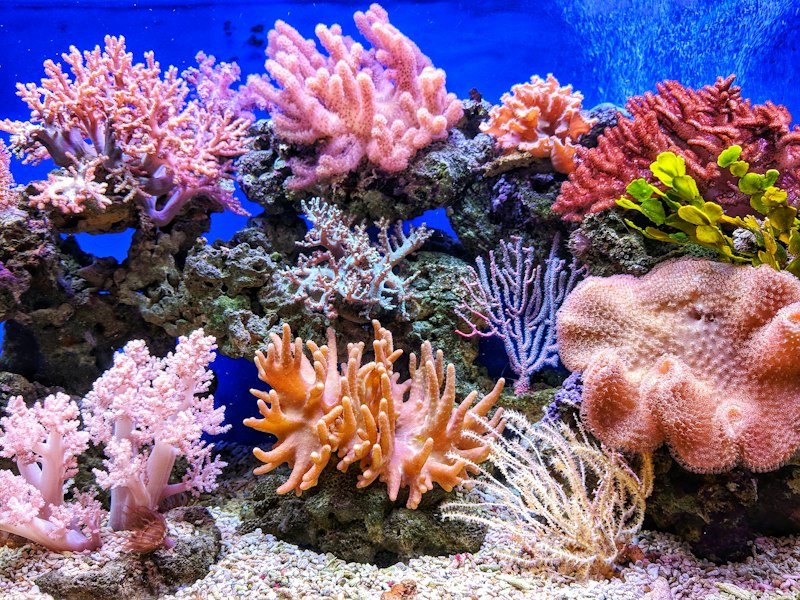
Soft corals
Year-round · common
Hard corals
Year-round · common
Reef sharks
Year-round · occasional
Napoleon wrasse
Year-round · occasional
Giant trevally
Year-round · occasionalDive profile & how the dive runs
A typical dive at Wayag begins with a tender drop-off near one of the karst formations, often involving a negative entry to quickly descend below the current. You'll typically follow a sloping reef or wall, exploring the rich coral gardens and looking for macro life in crevices, while keeping an eye on the blue for passing pelagics. Depths usually range from 15 to 25 meters, allowing ample bottom time for exploration. The dive often concludes by drifting along the reef edge with the prevailing current, which provides an effortless way to cover ground and observe schooling fish. Your safety stop will be conducted in a sheltered area or while drifting slowly, before surfacing near the tender for pickup.
Underwater photography
Wayag offers exceptional opportunities for both wide-angle and macro photography due to its diverse underwater topography and rich marine life. For wide-angle shots, a fisheye or wide-angle rectilinear lens is ideal to capture the dramatic karst structures, expansive coral gardens, and schooling fish against the clear blue water. Consider external strobes to bring out the vibrant colors of the corals. For macro, a 60mm or 100mm lens (or equivalent) will be perfect for capturing pygmy seahorses, nudibranchs, and other small critters hidden in the reefs. Due to potentially strong currents, excellent buoyancy control is crucial to avoid damaging delicate corals and to position yourself for stable shots. Be prepared to shoot quickly, especially when pelagic action is encountered.
Combine with nearby dive sites
Getting there & logistics
Accessing Wayag typically involves flying into Sorong (SOQ) from major Indonesian hubs like Jakarta, Makassar, or Manado. From Sorong, nearly all visits to Wayag are facilitated by liveaboard, as it is a remote northern region not easily reached by daily transfers. Liveaboard trips to Wayag are usually part of longer itineraries, often 10-12 days, which allow sufficient time to transit to and from this distant location while also exploring other regions like the Dampier Strait. National park fees and diving permits are mandatory and are typically included in the liveaboard package, managed by the operator. It's recommended to stay a night in Sorong before or after your liveaboard, as flights can be subject to delays.
Safety & environment
Diving in Wayag, like much of Raja Ampat, requires adherence to strict safety protocols due to its remote nature. The nearest recompression chamber is in Waisai, which can be several hours away by boat depending on your exact location in Wayag. Emergency evacuation is complex and time-consuming, usually involving a boat transfer to Waisai followed by further transport to Sorong or beyond. Comprehensive dive insurance, including evacuation and recompression coverage, is therefore essential. Site-specific hazards include strong and unpredictable currents, which necessitate good buoyancy control and experience with drift diving. Always follow your dive guide's instructions, carry a DSMB, and plan your dives conservatively, especially regarding no-decompression limits.
Who it suits — and who it doesn't
Suited for
- Experienced divers comfortable with currents
- Underwater photographers seeking dramatic landscapes
- Divers prioritizing remote, pristine environments
- Liveaboard enthusiasts
- Nature lovers keen on iconic scenery
Less suited for
- Beginner divers (Open Water certified)
- Divers prone to seasickness on longer crossings
- Those looking for resort-based diving
- Divers with limited travel time
- Divers uncomfortable with strong currents
FAQ
Wayag FAQ
What makes Wayag unique compared to other Raja Ampat dive sites?
Wayag is most famous for its stunning topside karst formations, which are iconic to Raja Ampat. While other areas also offer incredible diving, Wayag's dramatic limestone islands and pristine, remote dive sites provide a truly unique aesthetic and a sense of untouched wilderness both above and below the water.
Can I visit Wayag on a short Raja Ampat trip?
Visiting Wayag typically requires a longer liveaboard itinerary, usually 10-12 days or more. Its remote location in northern Raja Ampat means it's not feasible for shorter 5-7 day trips, which usually focus on the more central Dampier Strait or southern Misool regions. You need adequate travel time to reach this distant area.
What kind of marine life can I expect to see at Wayag?
Wayag boasts a rich diversity of marine life, including large schools of reef fish like barracuda, jacks, and snappers. You can also spot various reef sharks, the unique walking shark (epaulette shark), and vibrant soft and hard coral gardens. Macro life, such as pygmy seahorses, can also be found in certain areas.
Are the currents strong at Wayag?
Currents at Wayag can range from mild to strong, depending on the specific dive site and tidal conditions. Like much of Raja Ampat, these currents bring vital nutrients that support the abundant marine life. Divers should be prepared for drift dives and possess good buoyancy control to navigate these conditions safely and enjoyably.
Is Wayag suitable for beginner divers?
Wayag is generally not recommended for beginner divers. The remote location, potential for strong currents, and the need for advanced buoyancy skills make it better suited for Advanced Open Water certified divers or those with significant experience in similar conditions. Many of the best sites require comfort with drift diving.
Why dive Wayag from a liveaboard?
Wayag is one of Raja Ampat, Indonesia's signature dive sites. A liveaboard sleeps you on the water and puts you in the water for three to four guided dives per day, including dawn and night dives that day-boat operators rarely offer. You skip the daily commute back to port and reach quieter, less-crowded sites in the same region on a single trip.
Below are the liveaboards that include Wayag on their Raja Ampat, Indonesia itineraries.
Liveaboards diving Wayag
These liveaboards may visit Wayag on selected itineraries — the exact dive sites depend on departure, weather and conditions.
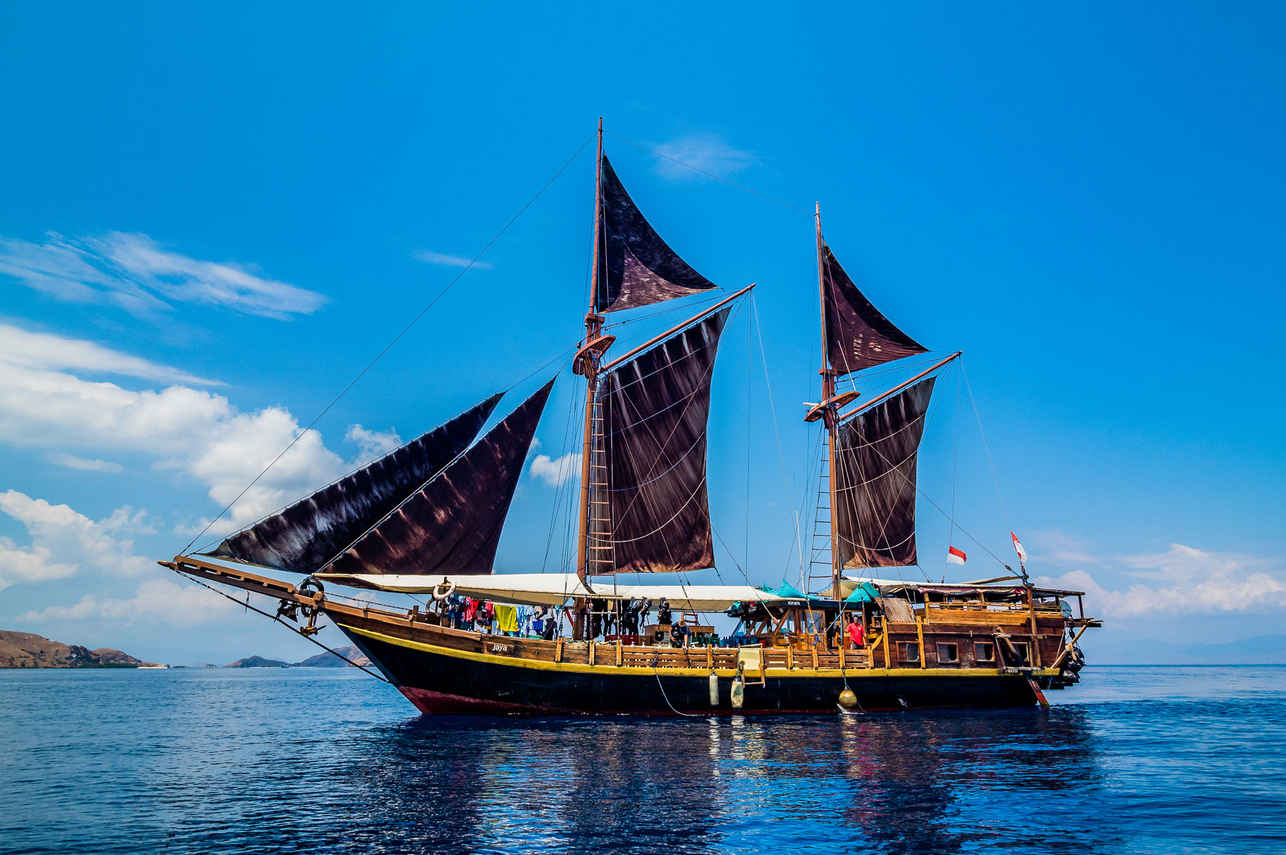
Jaya
Indonesia
14 guests23 m
$280/day
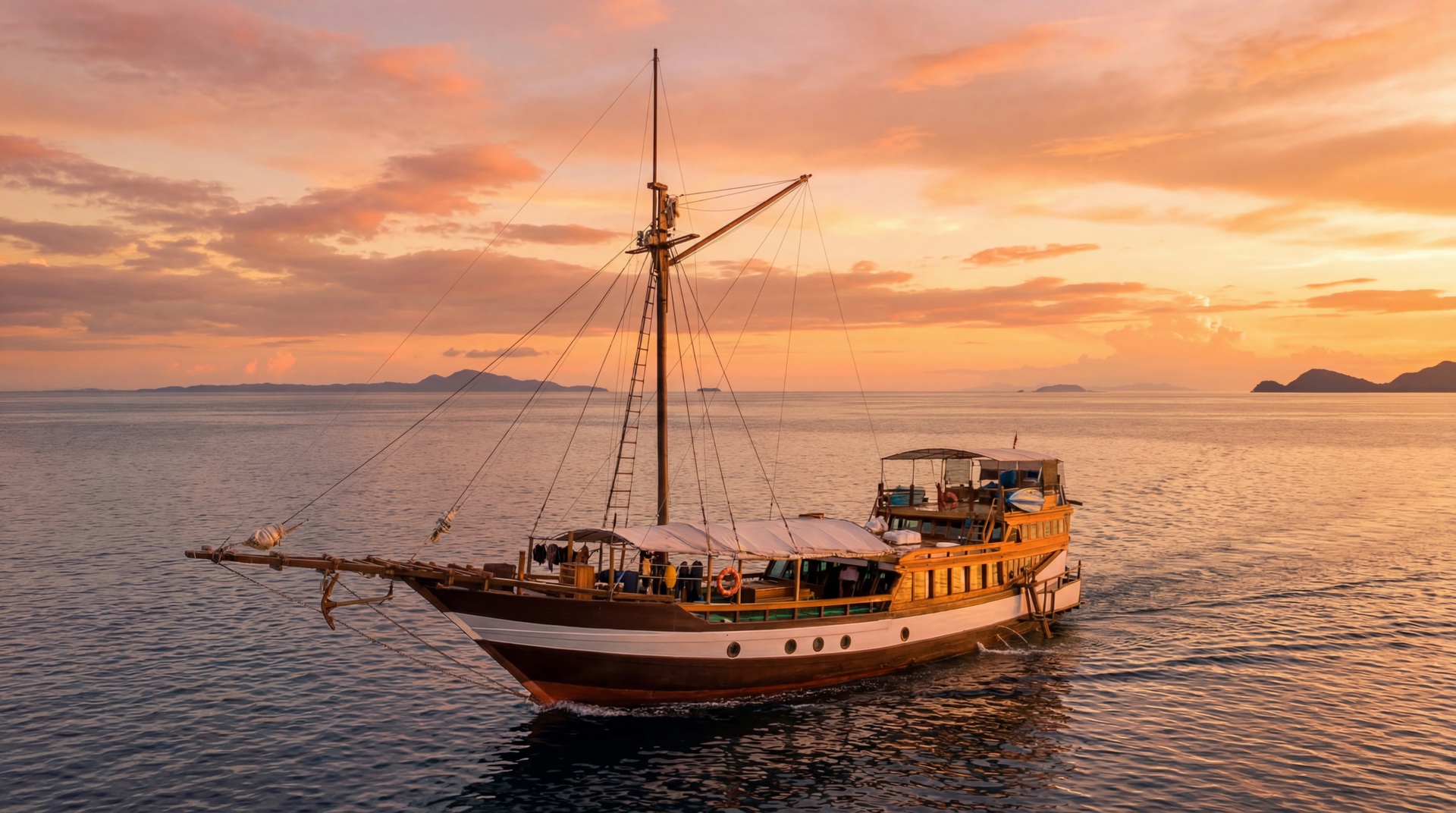
Wellenreng
Indonesia
9 guests25 m
$427/day
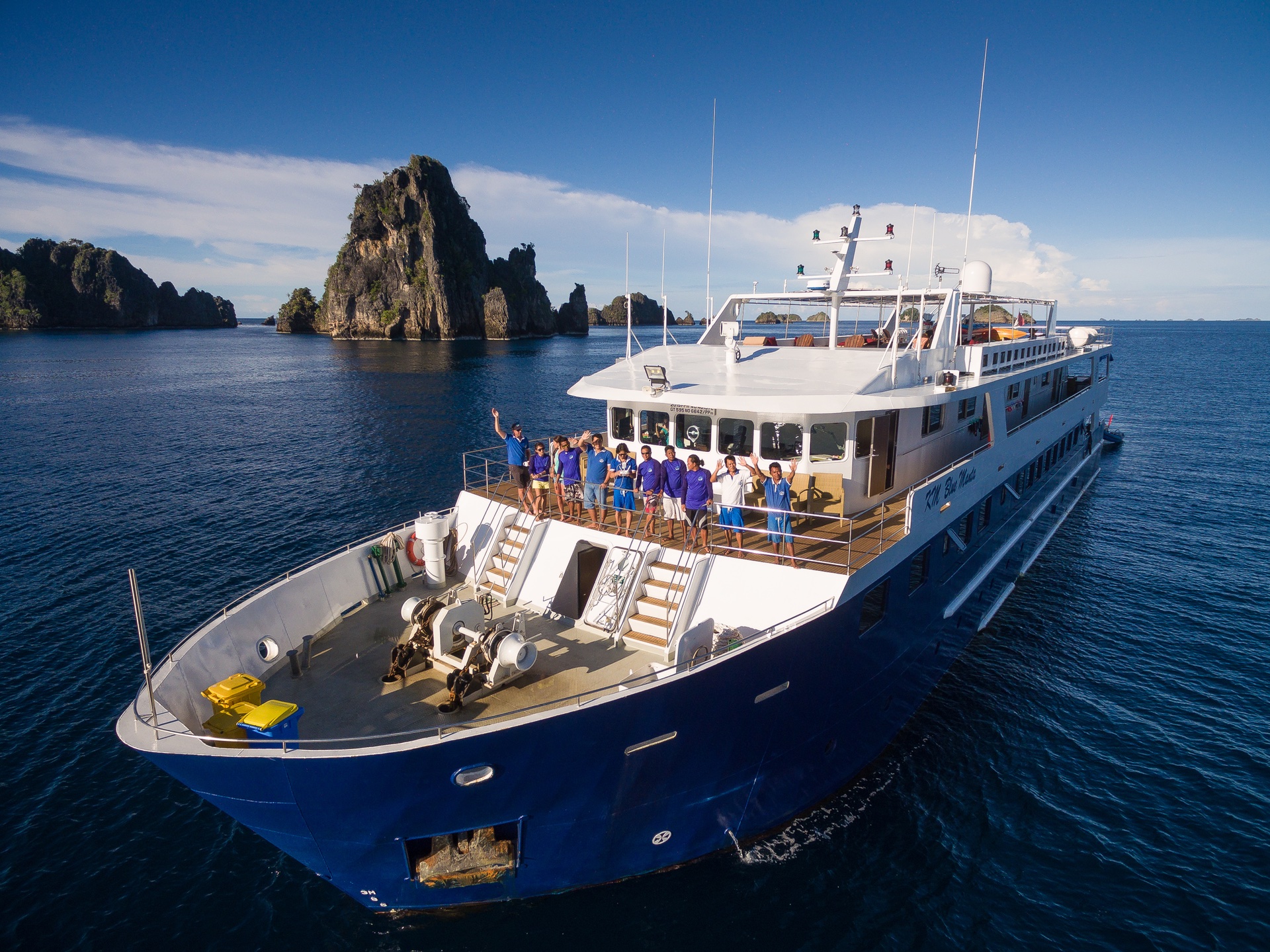
Blue Manta
Indonesia
20 guests45 m
$482/day
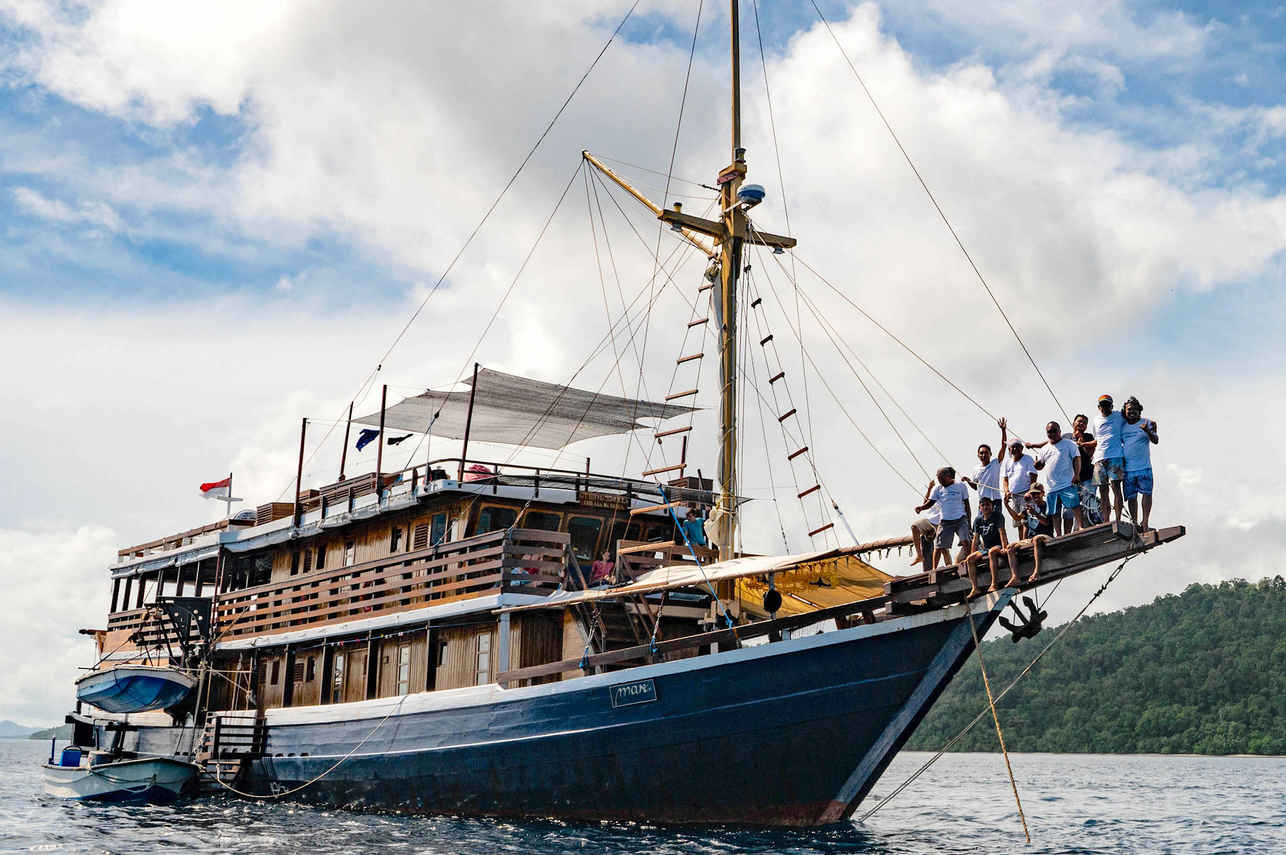
Mari
Indonesia
14 guests32.2 m
$328/day
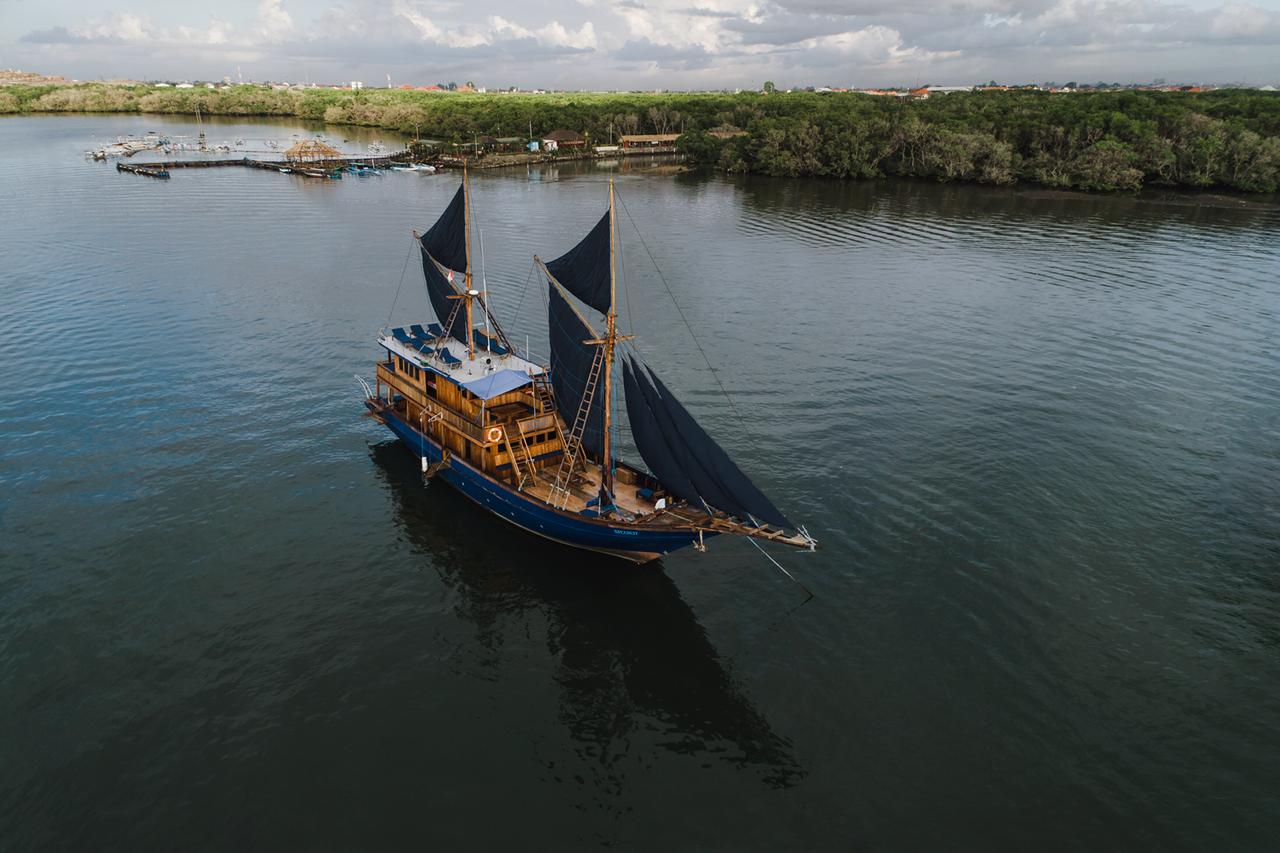
Situju7
Komodo, Indonesia
10 guests32.7 m
$362/day
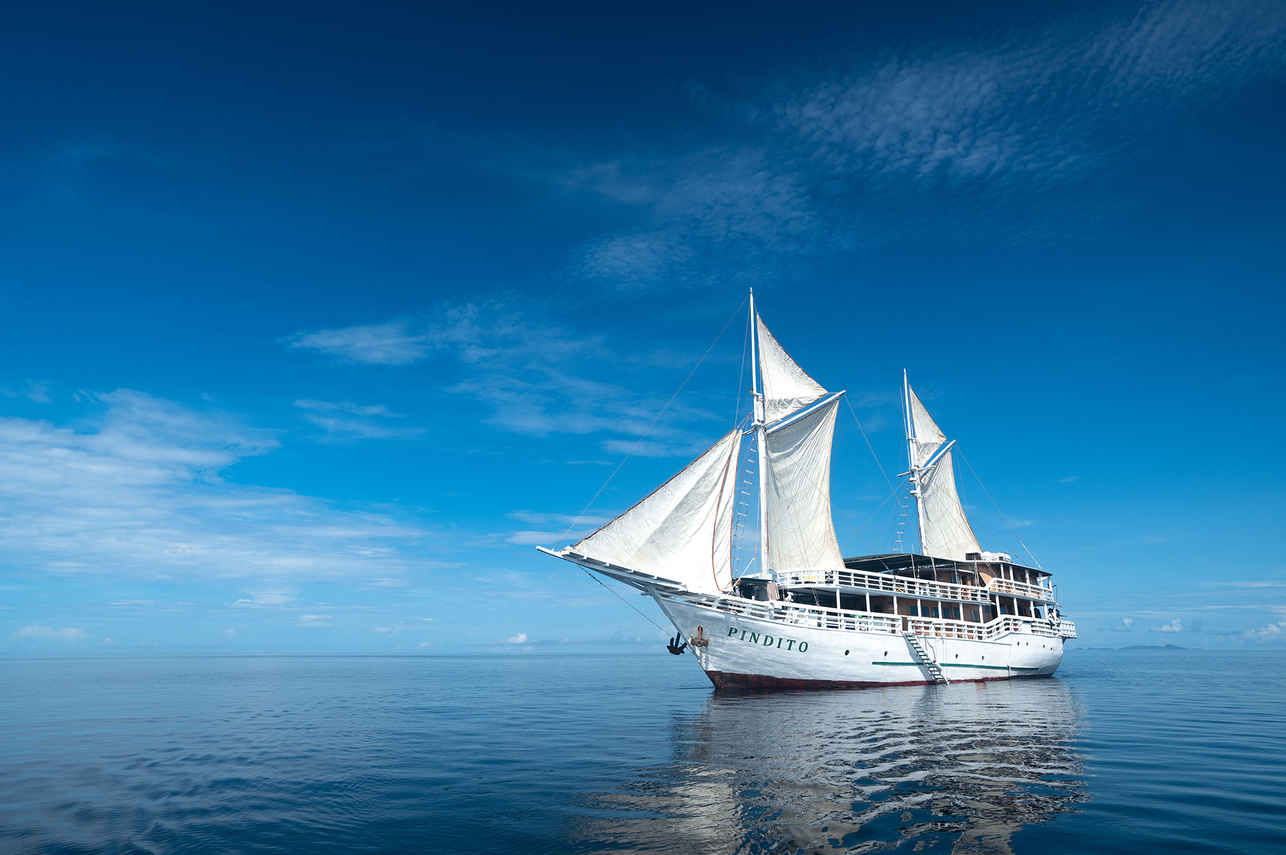
Pindito
Indonesia
16 guests37.79 m
$533/day
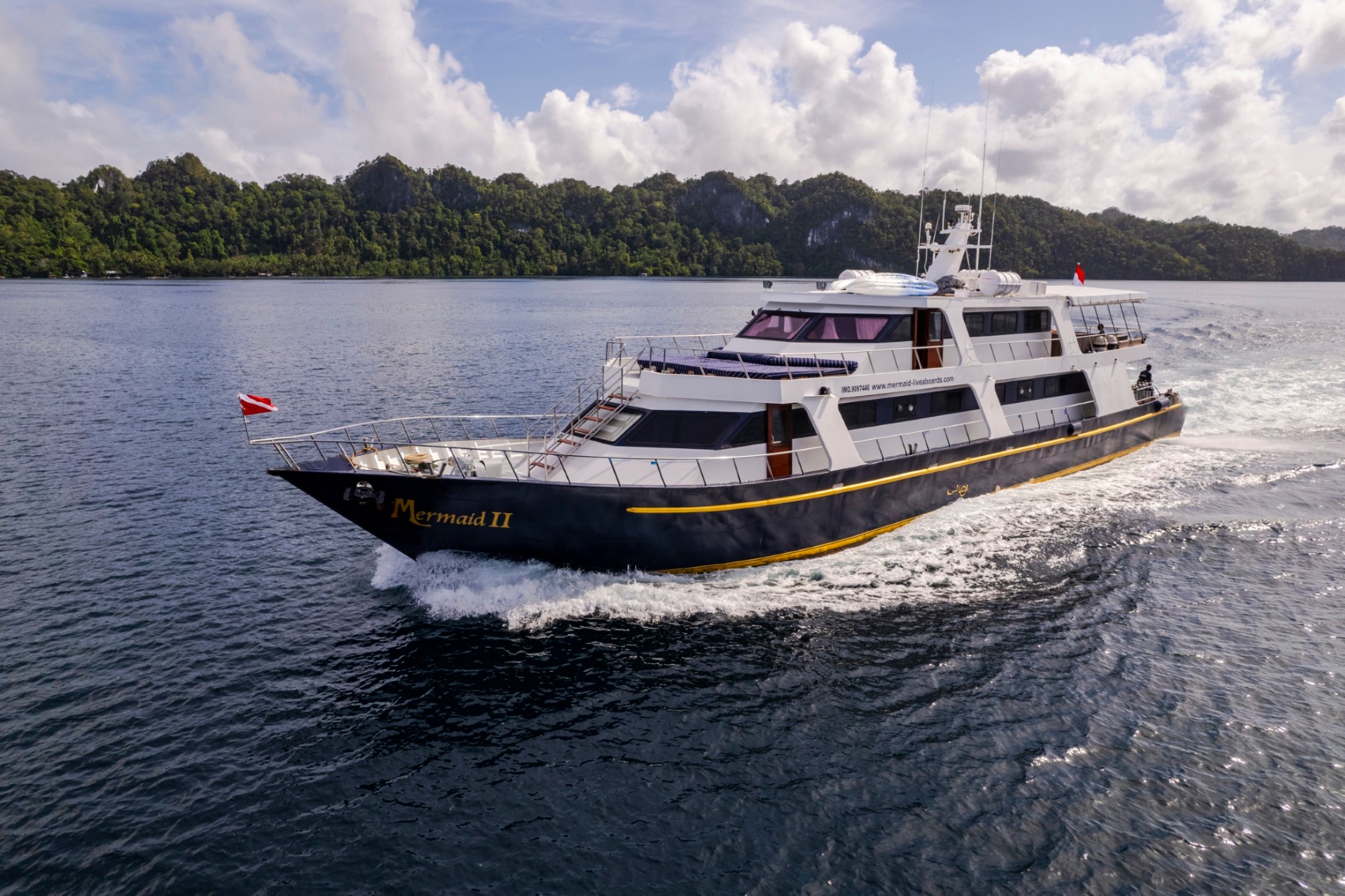
Mermaid II
Komodo, Indonesia
18 guests
$355/day
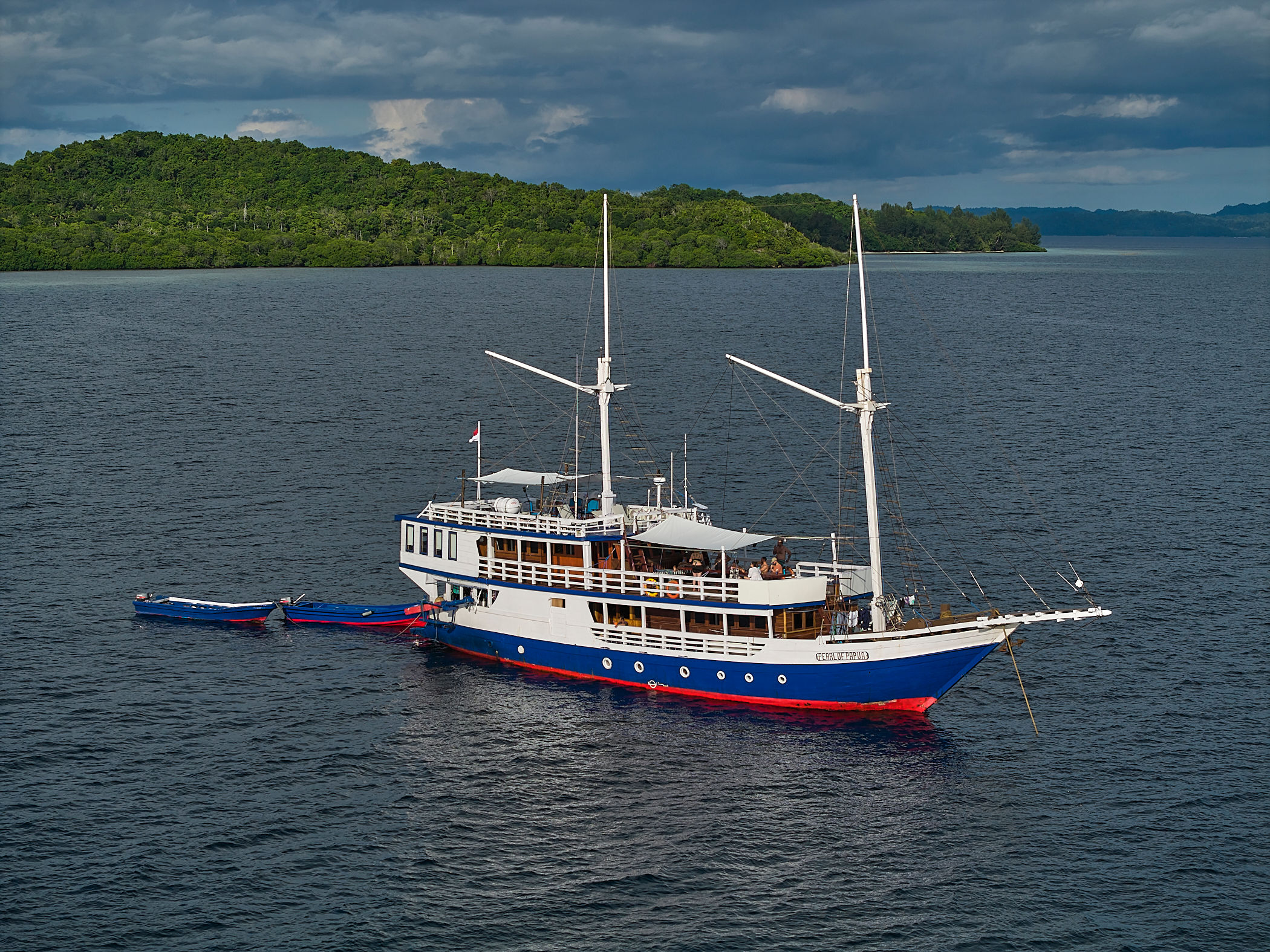
Pearl of Papua
Raja Ampat, Indonesia
14 guests30 m
$303/day
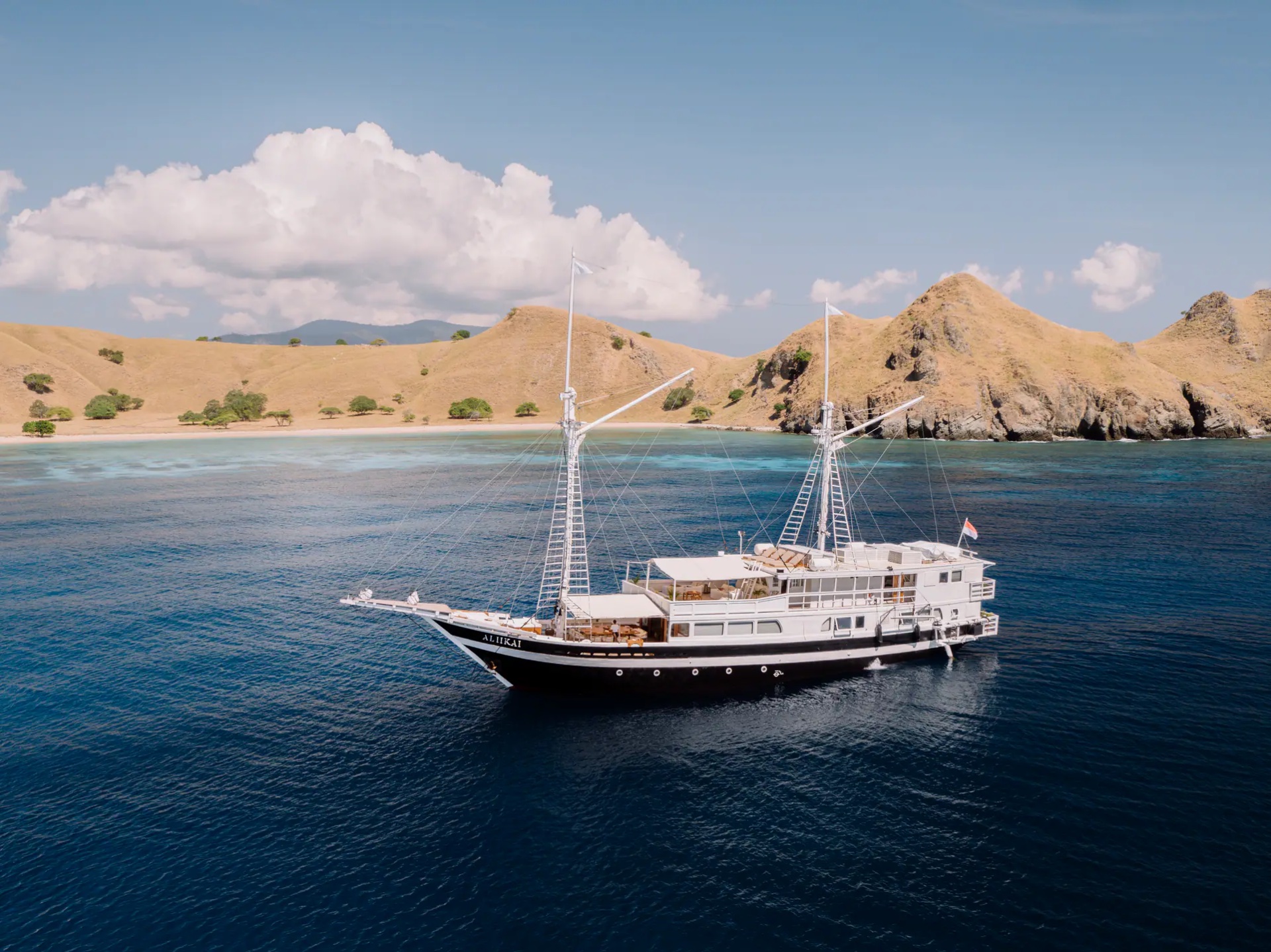
Aliikai Voyage
Indonesia
15 guests40 m
$658/day
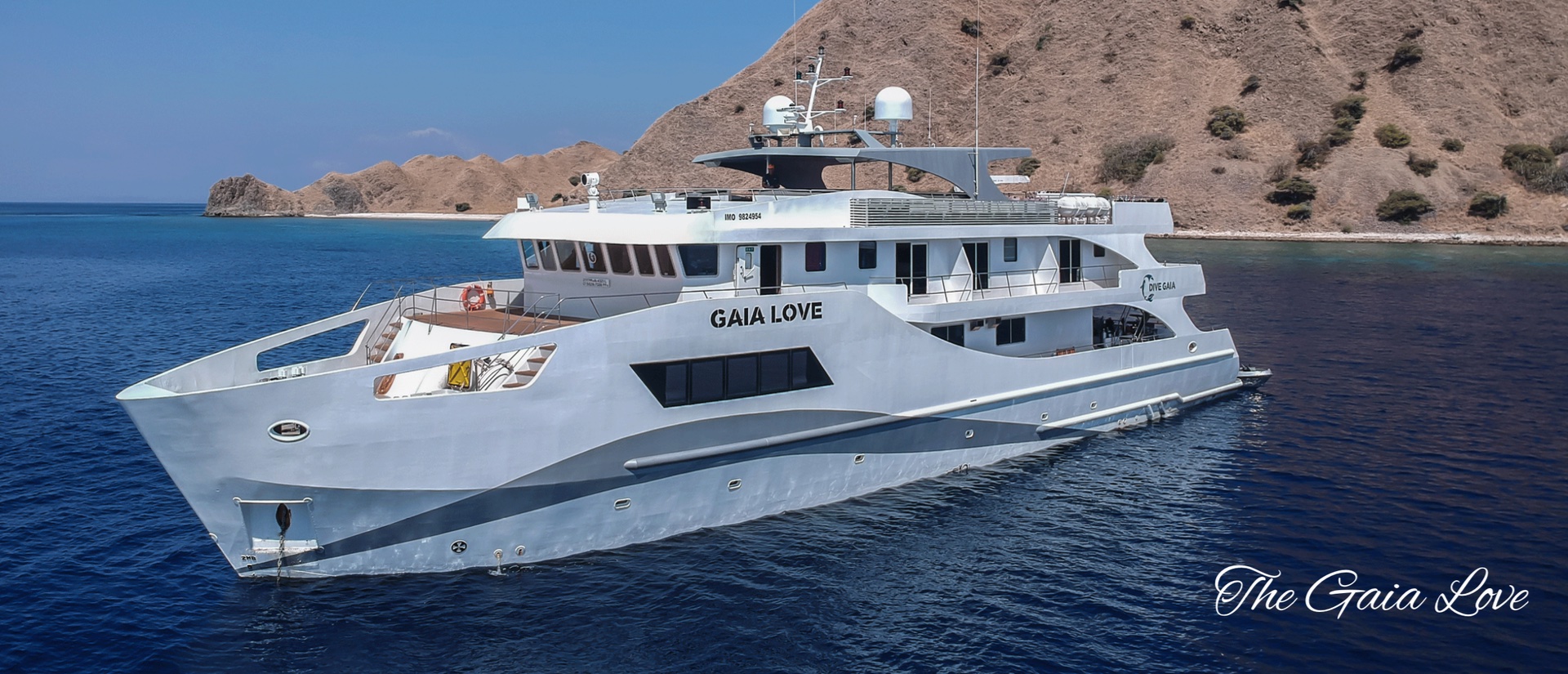
Gaia Love
Alor
20 guests
$554/day
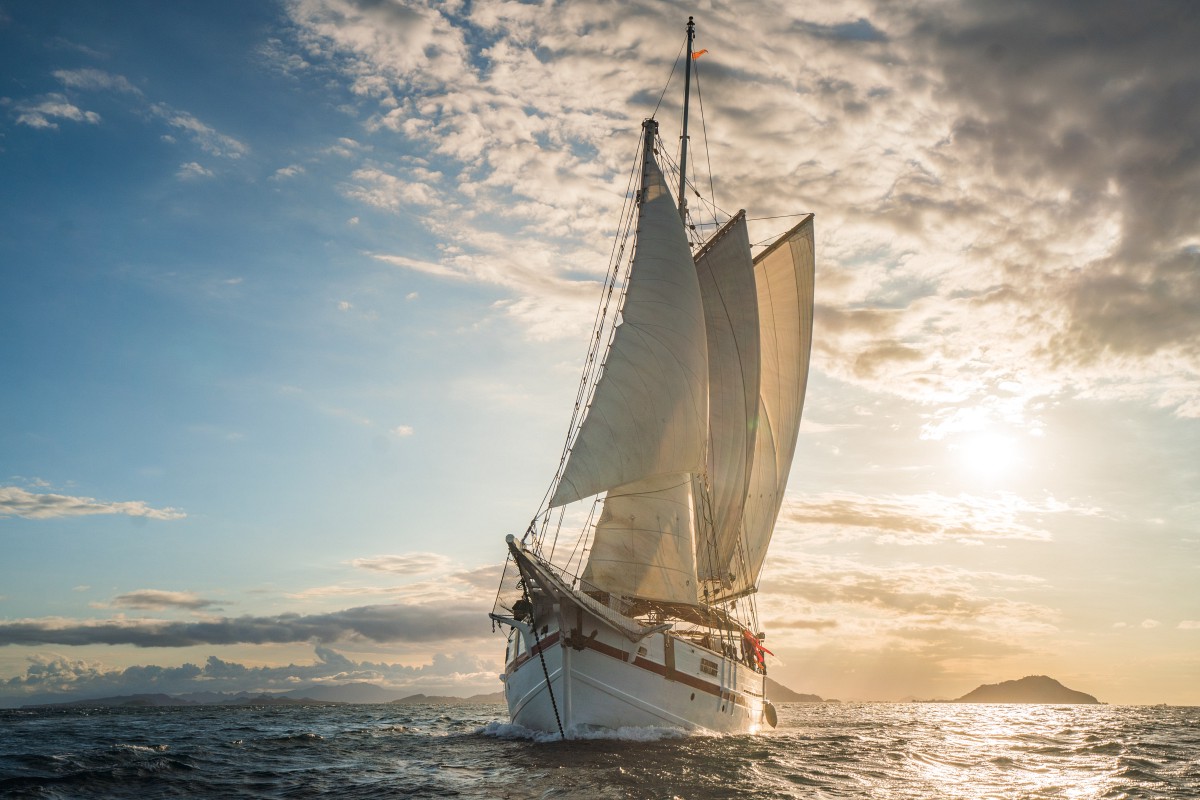
Emperor Raja Laut
Raja Ampat, Indonesia
12 guests31 m
$413/day
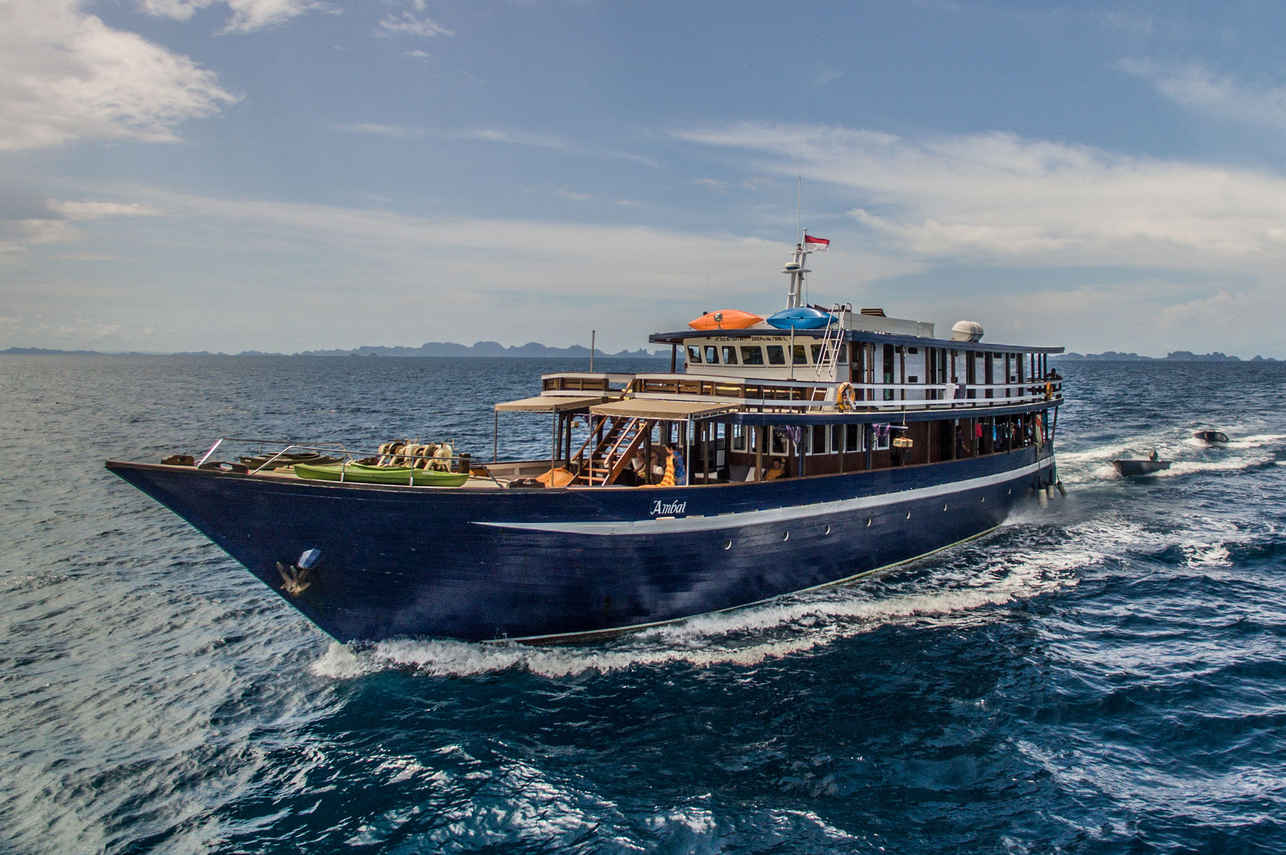
Ambai
Indonesia
16 guests32 m
$453/day
Dive sites similar to Wayag
Same character, same waters — six more sites divers love for the exact same reasons.Compare seasons, access and liveaboard routes — then pick the site that fits your trip best.
© Esri — Maxar, Earthstar, GIS
Misool Batu Kecil
Raja Ampat, Indonesia
Misool Batu Kecil, often referred to as Tank Rock, is a prime dive site nestled within the Misool area of Raja Ampat, part of the extensive marine protected areas.
- Suitable for
- Intermediate
- Current
- Strong
- Access
- Liveaboard only
- Depth
- 5–25 m
- Theme
- Drift / Reef
© Esri — Maxar, Earthstar, GIS
Penemu Wall
Raja Ampat, Indonesia
Penemu Wall is a captivating dive site nestled within Raja Ampat, a region renowned as the epicenter of global marine biodiversity.
- Suitable for
- Intermediate
- Current
- Strong
- Access
- Liveaboard only
- Depth
- 5–35 m
- Theme
- Wall
© Esri — Maxar, Earthstar, GIS
Yulliet Kecil
Raja Ampat, Indonesia
Yulliet Kecil is a captivating islet dive site situated in the Misool region of Raja Ampat, Indonesia.
- Suitable for
- Intermediate
- Current
- Moderate
- Access
- Liveaboard only
- Depth
- 5–30 m
- Theme
- Reef
© Esri — Maxar, Earthstar, GIS
Friwin Wall
Raja Ampat, Indonesia
Friwin Wall, nestled in the heart of Raja Ampat's Dampier Strait, is a premier dive site renowned for its vibrant reef wall and rich biodiversity.
- Suitable for
- Intermediate
- Current
- Strong
- Access
- Liveaboard only
- Depth
- 1–25 m
- Theme
- Cave & cavern / Drift
© Esri — Maxar, Earthstar, GIS
Citrus Ridge
Raja Ampat, Indonesia
Citrus Ridge is a renowned dive site in Raja Ampat, located in a natural channel separating Gam Island from Yanggelo.
- Suitable for
- Intermediate
- Current
- Strong
- Access
- Liveaboard only
- Depth
- 10–27 m
- Theme
- Drift / Reef
© Esri — Maxar, Earthstar, GIS
Boo Windows
Raja Ampat, Indonesia
Boo Windows, located at the eastern edge of Raja Ampat's Misool region, is an iconic dive site renowned for its unique underwater topography, particularly its famous "windows" or archways.
- Suitable for
- Intermediate
- Current
- Strong
- Access
- Liveaboard only
- Depth
- 5–30 m
- Theme
- Drift / Reef