About Penemu Wall
Penemu Wall is a captivating dive site nestled within Raja Ampat, a region renowned as the epicenter of global marine biodiversity. This site, like many in Raja Ampat, boasts an extraordinary display of colorful soft corals and expansive sea fans that adorn its underwater topography. Divers exploring Penemu Wall can expect a rich tapestry of marine life, from schooling fish to smaller, fascinating creatures. The topography typically features walls and slopes, often descending to depths of around 30 meters, where the vibrant soft corals truly flourish. The shallows often present spectacular coral gardens, providing a habitat for a myriad of reef fish and opportunities for macro enthusiasts. The site benefits from the warm, nutrient-rich waters characteristic of Raja Ampat, which consistently hover between 27-30°C. While specific details on Penemu Wall's precise configuration are less documented than some of its more famous neighbors, it shares the general characteristics of the Penemu region: healthy reefs, good visibility, and a high probability of encountering a wide array of Indo-Pacific marine species. The currents here can vary, playing a significant role in distributing nutrients and attracting pelagic life, making each dive a dynamic experience. Diving Penemu Wall offers a quintessential Raja Ampat experience, showcasing the area's unparalleled beauty and biological richness. It provides ample opportunities for both wide-angle photography, capturing the expansive coral formations, and macro exploration, seeking out the smaller, hidden inhabitants.
Highlights
Vibrant soft coral gardensDiverse reef fish schoolsExpansive sea fan formationsDynamic current-fed ecosystemRich macro opportunitiesHealthy hard coral structures
Season calendar
Best months to dive here
Jan
Feb
Mar
Apr
May
Jun
Jul
Aug
Sep
Oct
Nov
Dec
Excellent
Good
Off-Season
Oct – Apr (Oct–Apr)
Calmest seas and best diving conditions. Manta ray season peaks Nov–Apr. Best visibility. Most liveaboards and resorts operate during this window.
May & Sep (May, Sep)
Transitional months with variable conditions. Still good diving on many sites. Fewer boats. Some operators offer shoulder-season discounts.
Jun – Aug (Jun–Aug)
Stronger winds and rougher seas, especially in exposed areas. Some dive sites inaccessible. Fewer operators running. Best for adventurous divers seeking solitude.
Dive site facts: Penemu Wall
- Depth
- 5–30 m
- Current
- Mild to moderate
- Visibility
- 15–25 m
- Water temperature
- 27–30°C
- Entry
- Tender / liveaboard
- Level
- Open Water Diver, current experience helpful
- Dive type
- Wall, reef, drift
- Night dive
- Possible
- Region / port
- Raja Ampat, West Papua
- Coordinates
- -0.5728, 130.4612
Conditions & Currents
Currents at Penemu Wall can range from mild to moderate, typical of Raja Ampat's nutrient-rich waters, and are largely dependent on tidal movements. These currents are crucial for the health of the soft coral ecosystems and can attract schooling fish and pelagic species. Divers should be prepared for drift diving conditions, where entry and exit strategies are often coordinated with the boat crew to ensure a safe and enjoyable experience. While surge is generally minimal in calmer conditions, strong currents can occasionally lead to choppier surface conditions. Visibility is typically good, averaging 15-25 meters, though plankton blooms driven by currents can sometimes reduce it. Divers with experience in varied current conditions will find Penemu Wall rewarding.
Marine life & sighting chances

Pygmy seahorse
occasional
Nudibranchs
common
Turtles
occasional
Reef sharks
occasional
Schooling batfish
common
Schooling fusiliers
common
Snappers
common
Wobbegong shark
occasional
Napoleon wrasse
occasional
Barracuda
occasional
Manta ray
December–March · rare
Reef octopus
occasionalDive profile & how the dive runs
Your dive at Penemu Wall typically begins with a tender drop close to the wall, often involving a negative entry if currents are present, allowing immediate descent. You will generally follow the main wall or slope, allowing the current to assist your movement. Depths can range from 5 meters in the vibrant coral gardens to 30 meters along the wall, offering diverse marine encounters at different levels. The route often involves exploring overhangs and smaller crevices for macro life, while also keeping an eye on the blue for larger pelagics. Your turn point will be dictated by air consumption and current strength, after which you'll gradually ascend along the reef, with the safety stop conducted in the shallower, coral-rich areas.
Underwater photography
Penemu Wall presents excellent opportunities for both wide-angle and macro photography. For wide-angle, a rectilinear lens captures the expansive soft coral formations and sea fans that smother the walls, as well as schooling fish in the blue. Natural light can be effective in the shallower sections, but strobes are recommended to bring out the true colors of the corals and reef inhabitants at greater depths. For macro, a 60mm or 100mm lens will be ideal for capturing pygmy seahorses, nudibranchs, and other small critters hiding among the corals. Practicing excellent buoyancy is crucial here to avoid damaging the delicate ecosystems, especially when focusing on macro subjects. Be mindful of currents, as they can make stable shots challenging; consider finding sheltered spots for macro work.
Combine with nearby dive sites
- Fam Islands
The Fam Islands, nestled within Raja Ampat's vast archipelago, are a renowned diving destination, celebrated for their exceptional marine…
- Arborek Jetty
Arborek Jetty, situated off the north coast of Arborek Island in Raja Ampat's Dampier Strait, offers a unique and accessible dive…
- Melissa's Garden
Melissa's Garden stands out as one of Raja Ampat's most spectacular dive sites, particularly renowned for its vibrant and extensive coral…
- Mioskon
Mioskon is a celebrated dive site located within the highly biodiverse Dampier Strait of Raja Ampat, Indonesia.
- Manta Sandy
Manta Sandy, situated in the Dampier Strait southeast of Arborek Island, is a celebrated dive site in Raja Ampat, globally recognised for…
Getting there & logistics
Access to Penemu Wall, like most dive sites in Raja Ampat, is primarily via liveaboard cruises. The main gateway airport is Sorong (SOQ) in West Papua, Indonesia. Divers typically fly into Sorong from major Indonesian hubs like Jakarta (CGK) or Makassar (UPG), often requiring an overnight stay in transit. Liveaboard trips in Raja Ampat generally range from 7 to 12 days, exploring various regions including Misool, Dampier Strait, and the Fam/Penemu area. Park fees are mandatory for diving in Raja Ampat, contributing to conservation efforts, and are usually included in liveaboard packages. Itineraries often combine Penemu with other iconic sites in the Central or Northern Raja Ampat regions.
Safety & environment
Diving at Penemu Wall requires adherence to standard dive safety protocols. The nearest recompression chamber is located in Sorong, which can be several hours away by boat from the dive site, making evacuation a significant logistical challenge. Therefore, comprehensive dive insurance covering emergency medical evacuation is absolutely essential. Site-specific hazards include strong and unpredictable currents, which necessitate good buoyancy control and experience in drift diving. Always stay with your dive guide, maintain awareness of your surroundings, and regularly check air supply and depth. Respect for the marine environment is paramount; avoid touching corals or marine life. Ensure all equipment is in good working order before entering the water.
Who it suits, and who it doesn't
Suited for
- Experienced divers comfortable with currents
- Underwater photographers (both macro and wide-angle)
- Divers seeking rich coral ecosystems
- Marine life enthusiasts
Less suited for
- Beginner divers without current experience
- Divers uncomfortable with potential drift dives
- Those prone to seasickness in choppier conditions
FAQ
Penemu Wall FAQ
What kind of marine life can I expect at Penemu Wall?
Penemu Wall offers a vibrant array of marine life typical of Raja Ampat's rich waters. You can expect to see diverse schooling fish like batfish and fusiliers, various nudibranchs, occasional reef sharks, and turtles. Pygmy seahorses are also sometimes found, making it a rewarding site for both wide-angle and macro enthusiasts.
Are the currents strong at Penemu Wall?
Currents at Penemu Wall can range from mild to moderate and are often influenced by tidal changes. These currents are beneficial, bringing nutrients to the coral and attracting a variety of marine life. Divers should be comfortable with drift diving techniques, as this is a common way to explore the site safely.
What is the best time of year to dive Penemu Wall?
The prime diving season for Penemu Wall, and Raja Ampat generally, is from October to April. During these months, conditions typically feature calm seas, excellent visibility, and consistently warm water temperatures. This period also coincides with higher chances of encountering larger pelagic species across the region.
Is Penemu Wall suitable for beginner divers?
While Open Water Divers can theoretically dive Penemu Wall, experience with currents is highly recommended due to the site's dynamic nature. Stronger currents can make the dive more challenging. Divers with advanced certifications or those comfortable with drift diving will likely have a more enjoyable and safer experience.
How do I get to Penemu Wall?
Penemu Wall is predominantly accessed via liveaboard trips operating in Raja Ampat. The journey typically begins by flying into Sorong (SOQ), West Papua, Indonesia, which serves as the main embarkation point for liveaboards. From Sorong, liveaboards will navigate to various dive regions, including the area around Penemu.
Why dive Penemu Wall from a liveaboard?
Penemu Wall is one of Raja Ampat, Indonesia's signature dive sites. A liveaboard sleeps you on the water and puts you in the water for three to four guided dives per day, including dawn and night dives that day-boat operators rarely offer. You skip the daily commute back to port and reach quieter, less-crowded sites in the same region on a single trip.
Below are the liveaboards that include Penemu Wall on their Raja Ampat, Indonesia itineraries.
Liveaboards diving Penemu Wall
These liveaboards may visit Penemu Wall on selected itineraries, the exact dive sites depend on departure, weather and conditions.
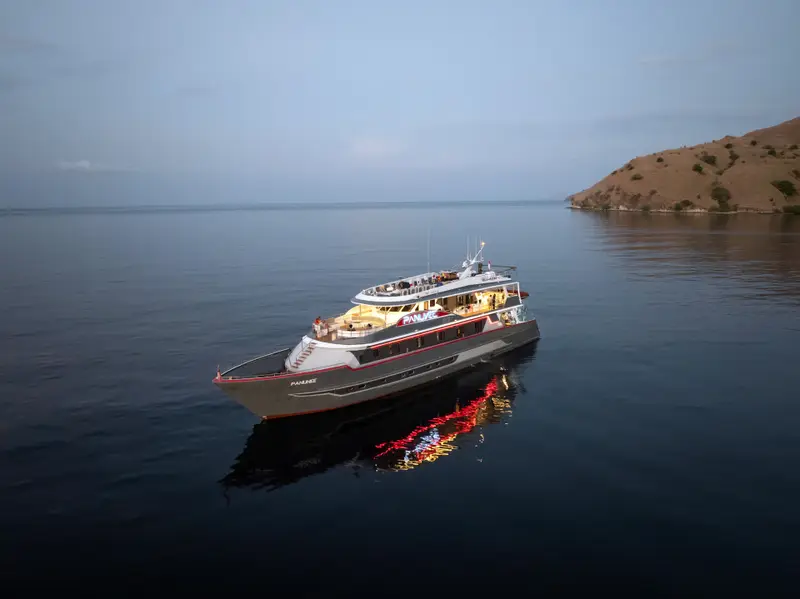
Panunee
Indonesia
18 guests38 m
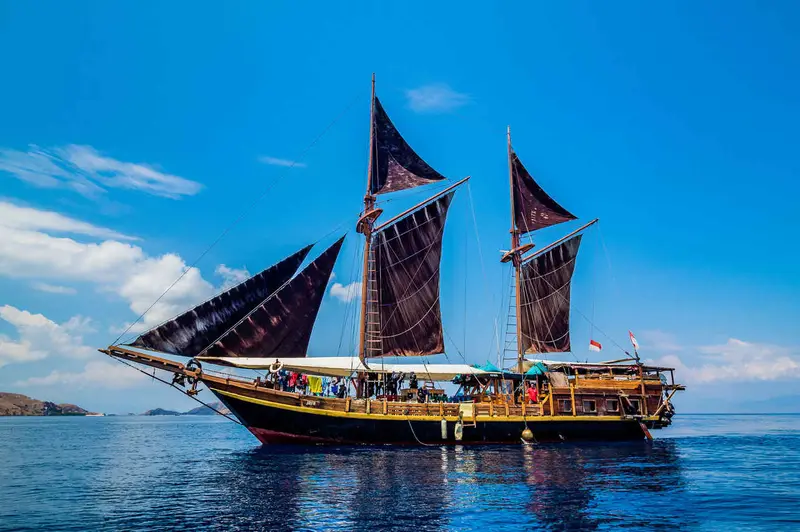
Jaya
Indonesia
14 guests23 m
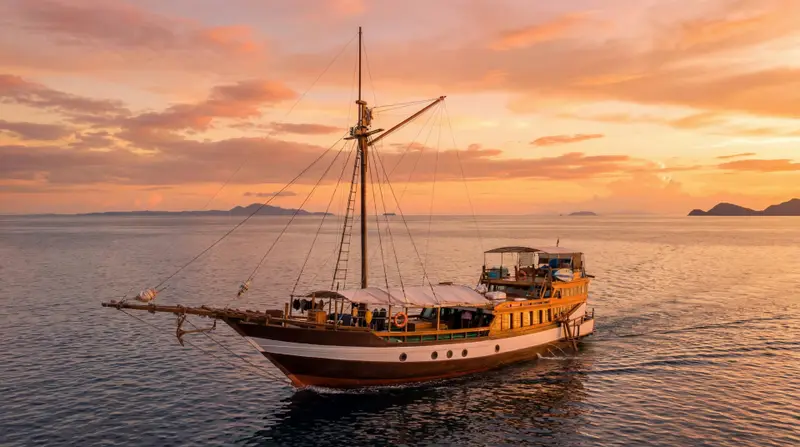
Wellenreng
Indonesia
9 guests25 m
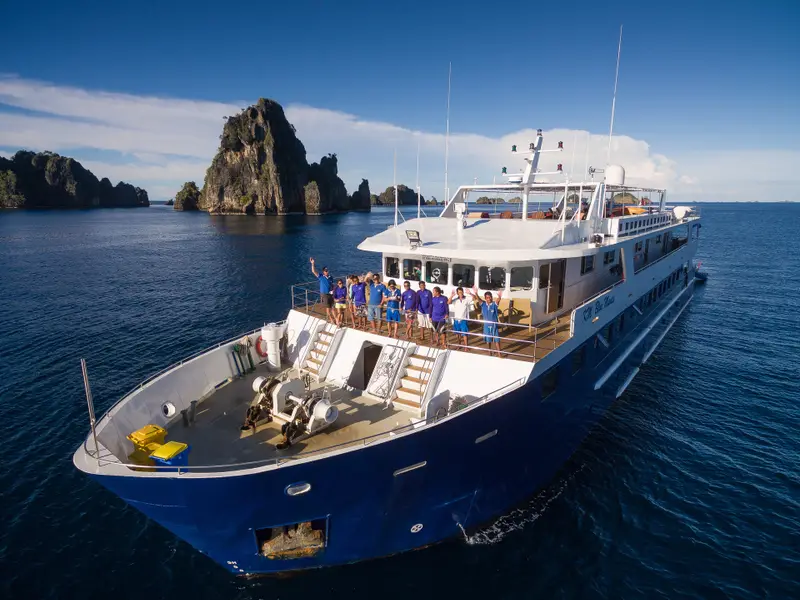
Blue Manta
Indonesia
20 guests45 m
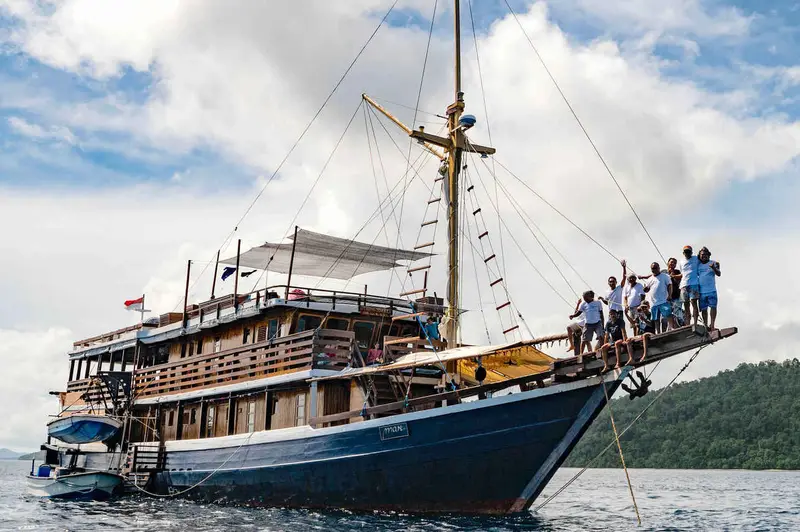
Mari
Indonesia
14 guests32 m
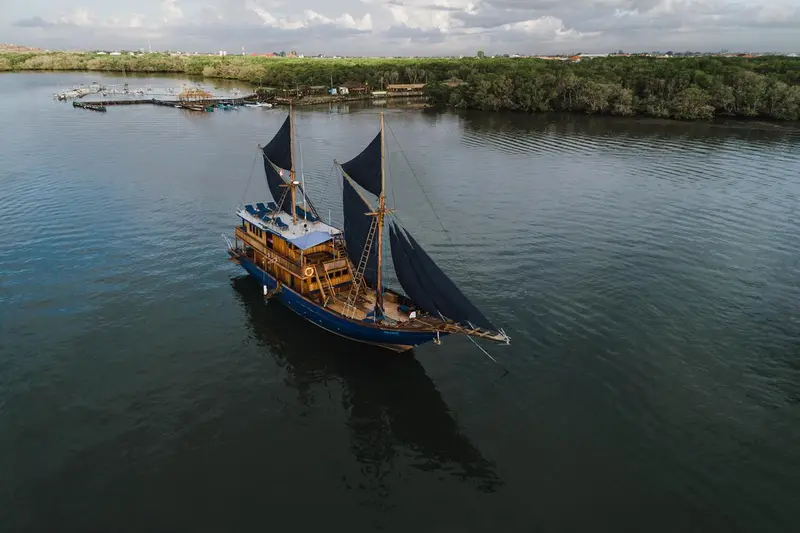
Situju7
Komodo, Indonesia
10 guests33 m
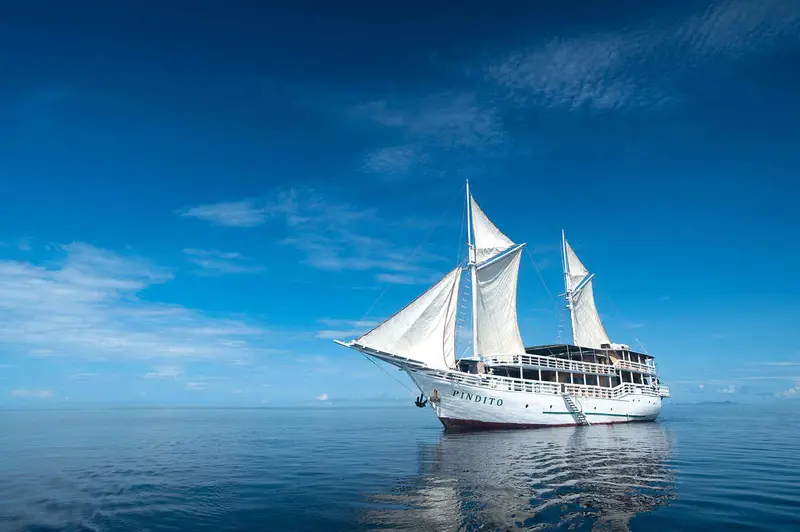
Pindito
Indonesia
16 guests38 m
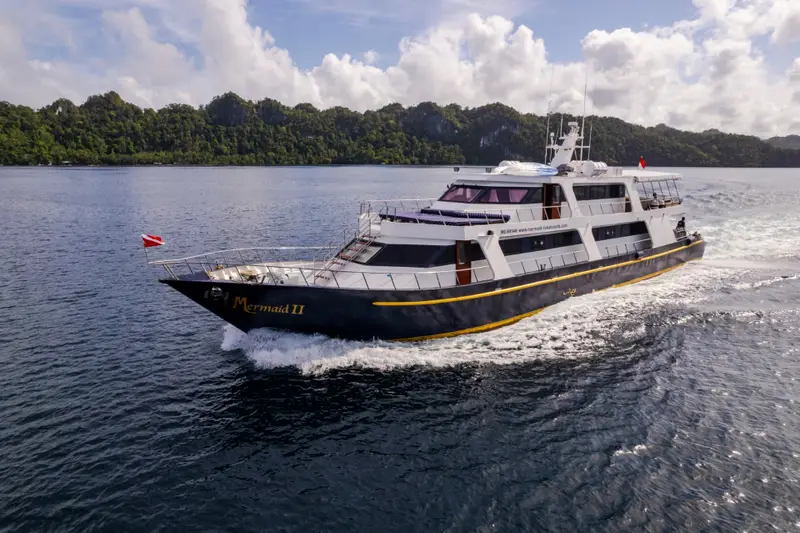
Mermaid II
Komodo, Indonesia
18 guests
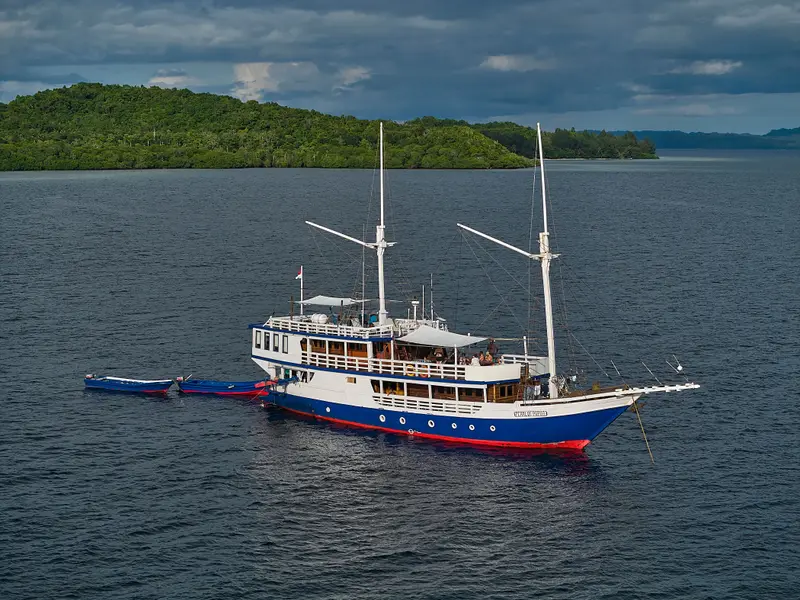
Pearl of Papua
Raja Ampat, Indonesia
14 guests30 m
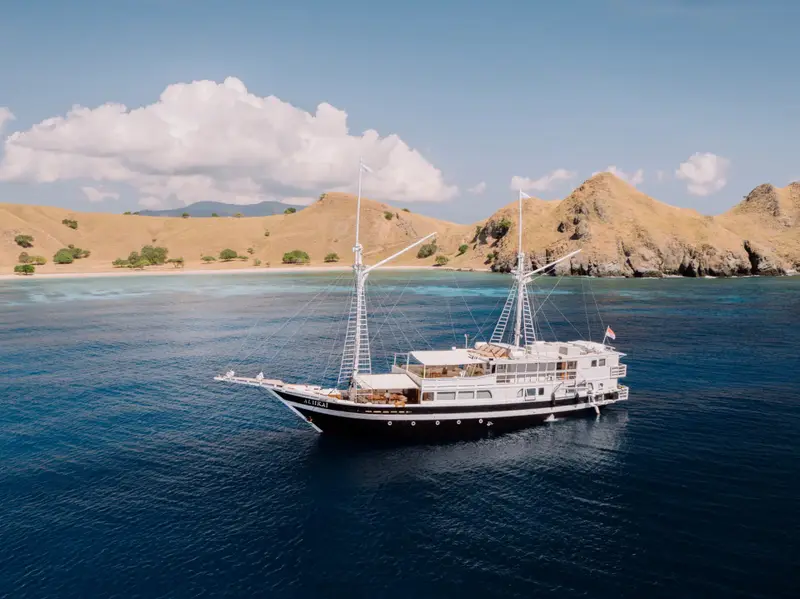
Aliikai Voyage
Indonesia
15 guests40 m
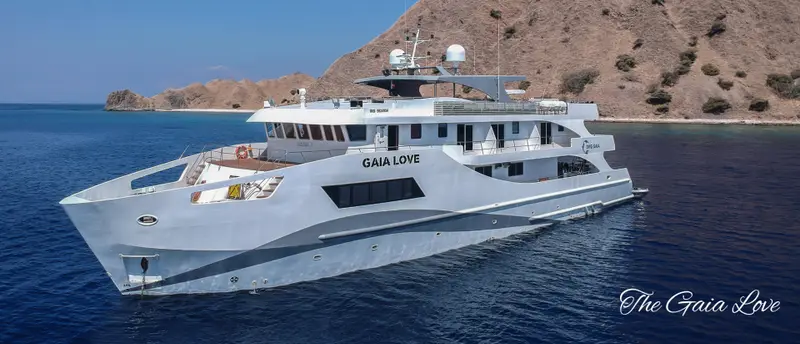
Gaia Love
Alor
20 guests
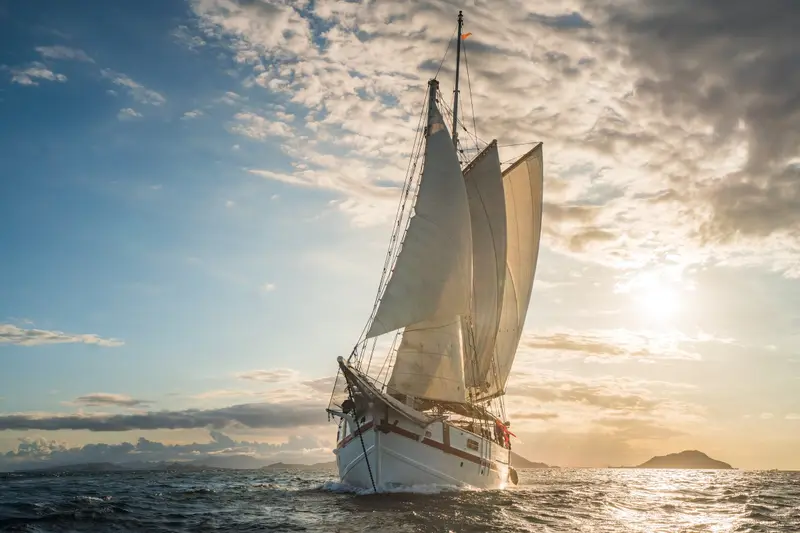
Emperor Raja Laut
Raja Ampat, Indonesia
12 guests31 m
Dive sites similar to Penemu Wall
Same character, same waters, six more sites divers love for the exact same reasons.Compare seasons, access and liveaboard routes, then pick the site that fits your trip best.
Abila is a notable dive site located within the Alor Islands Marine Park, an area celebrated for its rich marine biodiversity due to its position in the Coral Triangle.
- Suitable for
- Beginner
- Current
- Mild
- Access
- Liveaboard only
- Depth
- —
- Theme
- Reef
© EsriMaxar, Earthstar, GIS
Adonara Channel
Alor
Adonara Channel stands as one of Alor's most iconic dive sites, celebrated for its dynamic currents and exceptionally rich biodiversity.
- Suitable for
- Advanced
- Current
- Strong
- Access
- Liveaboard or dayboat
- Depth
- 10–40 m
- Theme
- Drift / Wall
© EsriMaxar, Earthstar, GIS
Adonara Wall
Indonesia
Adonara is an Indonesian island dive site, renowned for its vibrant underwater topography characterized by submerged seamounts.
- Suitable for
- Intermediate
- Current
- Strong
- Access
- Liveaboard or dayboat
- Depth
- 5–35 m
- Theme
- Seamount / Wall
© EsriMaxar, Earthstar, GIS
Agnay Fish Sanctuary
Philippines
Agnay Fish Sanctuary is nestled in a sheltered bay near the village of Agnay in Romblon, a province celebrated for its rich marine biodiversity.
- Suitable for
- Beginner
- Current
- Mild
- Access
- Dayboat
- Depth
- 9–18 m
- Theme
- Reef
© EsriMaxar, Earthstar, GIS
Ai Island Reef
Banda Sea
Ai Island Reef, nestled within the Banda Sea, offers a remarkable diving experience characterized by its rich marine biodiversity and varied underwater topography.
- Suitable for
- Beginner
- Current
- Strong
- Access
- Liveaboard only
- Depth
- 3–30 m
- Theme
- Reef / Seamount
© EsriMaxar, Earthstar, GIS
Akitsushima
Philippines
The Akitsushima is a distinguished World War II Japanese seaplane tender, sunk in September 1944 during an American air raid in Coron Bay, Palawan.
- Suitable for
- Advanced
- Current
- Strong
- Access
- Dayboat
- Depth
- 22–38 m
- Theme
- Wreck