About Dayan
Dayan, nestled within the extraordinary marine biodiversity of Raja Ampat, represents the epitome of what makes this region a global diving mecca. Its strategic location contributes to nutrient-rich waters, fostering an explosion of coral growth and supporting an astonishing array of marine species. This site is celebrated for its dynamic currents, which, while challenging, deliver unparalleled opportunities for pelagic encounters and vibrant reef exploration. The topography of Dayan typically features a combination of slopes and walls, often adorned with hard and soft corals. Depths can vary significantly, catering to different dive profiles, from shallower sections rich in macro life to deeper areas where larger marine creatures patrol. The currents dictate the flow of the dive, often transforming it into an exhilarating drift, guiding divers along the reef's contours. Marine life sightings are consistently spectacular year-round, though the peak season from October to April brings calmer seas and optimal visibility. Divers can expect to encounter reef sharks, various schooling fish, and an abundance of macro subjects. The nutrient upwellings frequently attract larger predators, making every dive a potential surprise. Experienced divers will find Dayan particularly rewarding, as navigating its conditions requires good buoyancy control and an understanding of drift diving techniques. Liveaboard itineraries frequently incorporate this site, allowing for multiple dives to fully appreciate its multifaceted ecosystem. The site provides a quintessential Raja Ampat diving adventure, promising both beauty and excitement.
Highlights
Dynamic current divingRich pelagic encountersVibrant coral ecosystemsExceptional fish diversityChallenging yet rewardingDeep wall exploration
Season calendar
Best months to dive here
Jan
Feb
Mar
Apr
May
Jun
Jul
Aug
Sep
Oct
Nov
Dec
Excellent
Good
Dive site facts: Dayan
- Depth
- 5–40 m
- Typical dive
- 15–30 m, 45–60 min
- Current
- Moderate to strong
- Visibility
- 10–30 m
- Water temperature
- 28–30 °C
- Entry
- Tender / negative entry
- Level
- Advanced, current experience essential
- Dive type
- Wall, drift, pelagic
- Night dive
- Possible, with caution
- Region / port
- Central Raja Ampat
- Coordinates
- -1.83, 130.325
Conditions & Currents
Dayan is renowned for its strong, dynamic currents, which are a defining characteristic of many Raja Ampat dive sites. These currents, driven by tidal changes and the interaction of ocean forces with the archipelago's unique geography, bring a constant influx of nutrients, fostering incredible marine life. Divers should be prepared for drift dives, requiring excellent buoyancy control and comfort with negative entries to descend quickly to the reef. While currents can be intense, dive guides meticulously plan dives around tide schedules and lunar phases, often aiming for slack tide when conditions are calmer. However, even with planning, conditions can shift, necessitating adaptability and adherence to the guide's instructions. Surface marker buoys and reef hooks are essential equipment for managing these conditions, ensuring safety and allowing divers to observe marine life without exer
Marine life & sighting chances

Reef sharks
October-April · common
Manta rays
December-April · occasional
Giant Trevally
common
Barracuda
common
Fusiliers
common
Pygmy seahorses
occasional
Nudibranchs
common
Wobbegong sharks
occasional
Sweetlips
common
Spotted Eagle Ray
occasionalDive profile & how the dive runs
Diving at Dayan typically begins with a negative entry from the tender boat, allowing divers to quickly descend beneath the often-strong surface currents. The initial route often follows the reef's wall or slope, allowing the current to carry divers along. Your dive guide will monitor the current direction and strength, adjusting the plan to maximize marine life encounters and minimize exertion. Depths usually range from 15 to 30 meters, where the richest biodiversity is found, though deeper exploration to 40 meters is possible for advanced divers. Turn points are determined by air consumption and current conditions, ensuring a safe return profile. Safety stops are often conducted as a drift, maintaining good buoyancy at 5 meters while signaling for boat pickup, which is seamlessly coordinated by the crew.
Underwater photography
Dayan's strong currents and abundant pelagic life make it an exhilarating site for wide-angle photography, capturing schooling fish and potential large animal encounters. Consider bringing a fisheye or wide-angle lens to fully capture the vast reefscapes and the dramatic action. For macro enthusiasts, there are sheltered areas and crevices to explore, but managing buoyancy in current is paramount. A powerful strobe setup is crucial to bring out the vibrant colors of the corals and fish in deeper sections or during overcast conditions. Always prioritize safe diving practices; maintain impeccable buoyancy control to avoid damaging the delicate reef, and secure all gear to prevent accidental contact with corals or marine life. Respect marine life by avoiding any disturbance for a photo opportunity.
Combine with nearby dive sites
- Sardine Reef
Another current-rich site known for schooling fish.
- Mike's Point
A dynamic site with strong currents and diverse marine life.
- Blue Magic
Famous for pelagic action and manta ray sightings.
- Cape Kri
Holds a record for the most fish species observed on a single dive.
- Chicken Reef
Offers a mix of reef and pelagic encounters.
Getting there & logistics
Access to Dayan, like most prime Raja Ampat dive sites, is primarily via liveaboard vessels departing from Sorong. International travelers typically fly into Jakarta (CGK) or Bali (DPS), then connect to Sorong Airport (SOQ). It is advisable to arrive in Sorong at least one day prior to your liveaboard departure to account for potential flight delays. Liveaboard trips generally range from 7 to 12 nights, with itineraries often combining Central Raja Ampat sites like Dayan with destinations in North Raja Ampat (Waigeo, Wayag) or South Misool, depending on trip duration and season. All divers must obtain a Raja Ampat Marine Park Entry Permit, valid for one calendar year, which supports conservation efforts.
Safety & environment
Diving in Raja Ampat, including at Dayan, demands a high level of preparedness due to its remote location and dynamic conditions. The nearest recompression chamber is not reliably available in Papua, necessitating immediate evacuation to Bali or Manado in case of decompression sickness. Therefore, all dives must be planned as no-decompression dives, and conservative dive profiles are essential. Comprehensive dive insurance covering emergency medical evacuation is mandatory. Site-specific hazards at Dayan primarily involve strong, unpredictable currents; divers must be proficient in buoyancy control, drift diving techniques, and comfortable with negative entries. Always follow your experienced local dive guide's instructions, as they are intimately familiar with current patterns and site specifics. Secure all equipment, use reef hooks judiciously for stability, and carry a Surface Marker Buoy (SMB) for safety.
Who it suits — and who it doesn't
Suited for
- Experienced divers comfortable with strong currents
- Underwater photographers seeking pelagic action
- Divers looking for diverse coral and fish life
- Liveaboard enthusiasts seeking remote, pristine sites
- Advanced Open Water divers
Less suited for
- Beginner divers
- Divers with limited current experience
- Those prone to seasickness on tenders
- Individuals seeking very calm, sheltered dives
- Divers without comprehensive dive insurance
FAQ
Dayan FAQ
What kind of currents can I expect at Dayan?
Dayan is known for its moderate to strong currents, which can be dynamic and change direction. These currents are part of what makes the site so vibrant with marine life, but they require good buoyancy control and comfort with drift diving techniques. Dive guides will plan dives carefully around tidal conditions.
Is Dayan suitable for beginner divers?
Dayan is generally not recommended for beginner divers due to its strong and unpredictable currents. It is best suited for experienced divers who are comfortable with drift diving and have excellent buoyancy control. There are calmer sites in Raja Ampat more appropriate for novices.
What marine life is commonly seen at Dayan?
Dayan is rich in marine biodiversity, offering common sightings of reef sharks, large schools of fusiliers, barracuda, and giant trevally. Occasional encounters with manta rays and spotted eagle rays are also possible. The vibrant coral gardens also host a variety of macro life.
Do I need special equipment to dive Dayan?
Given the strong currents, a reef hook is highly recommended for stability and to observe marine life without constantly finning. A Surface Marker Buoy (SMB) is also essential for safety and signaling your location to the boat crew after a drift dive. Proper fins suitable for current conditions will also enhance your experience.
What is the visibility like at Dayan?
Visibility at Dayan typically ranges from 10 to 30 meters, depending on the season and presence of plankton blooms. While plankton can sometimes reduce clarity, it also attracts larger pelagic species. During the peak diving season from October to April, visibility is generally at its best.
Why dive Dayan from a liveaboard?
Dayan is one of Raja Ampat, Indonesia's signature dive sites. A liveaboard sleeps you on the water and puts you in the water for three to four guided dives per day, including dawn and night dives that day-boat operators rarely offer. You skip the daily commute back to port and reach quieter, less-crowded sites in the same region on a single trip.
Below are the liveaboards that include Dayan on their Raja Ampat, Indonesia itineraries.
Liveaboards diving Dayan
These liveaboards may visit Dayan on selected itineraries — the exact dive sites depend on departure, weather and conditions.
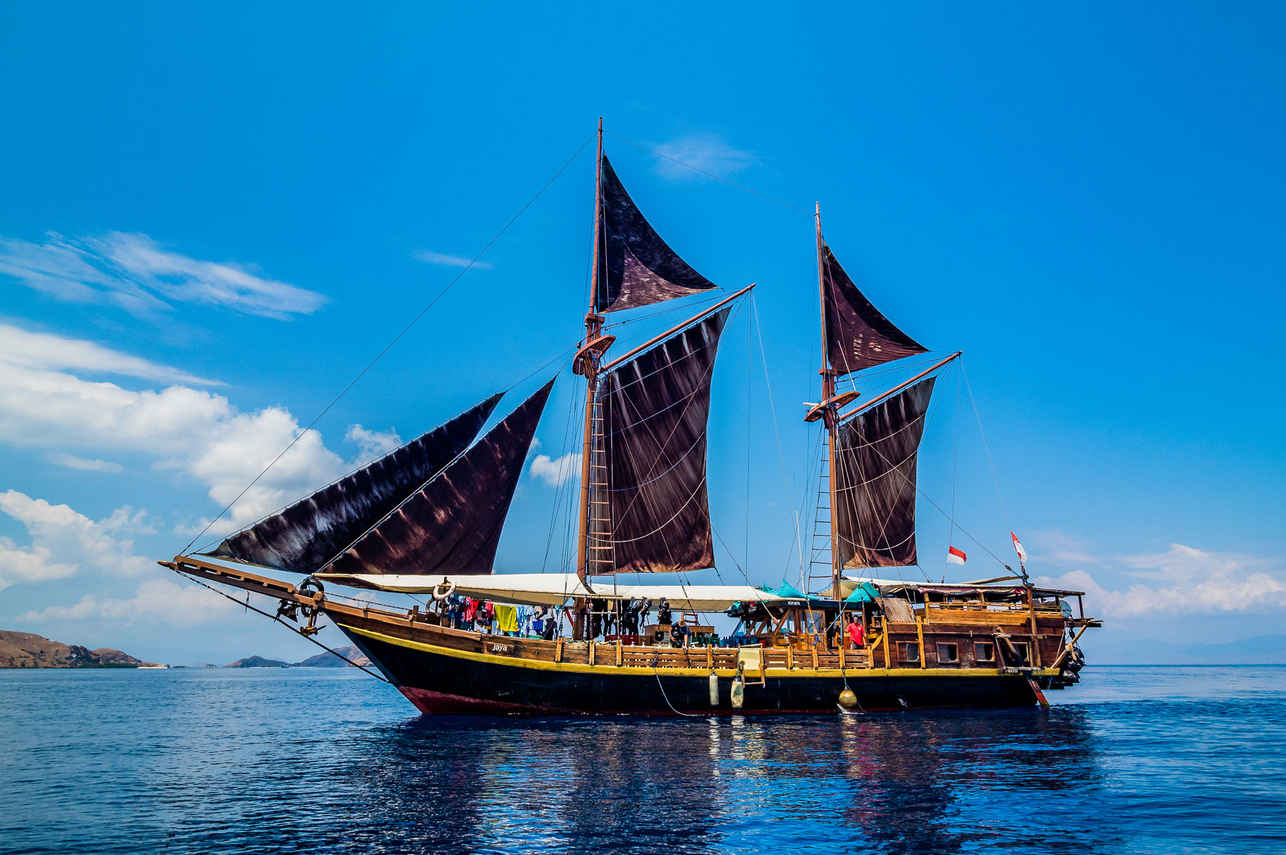
Jaya
Indonesia
14 guests23 m
$280/day
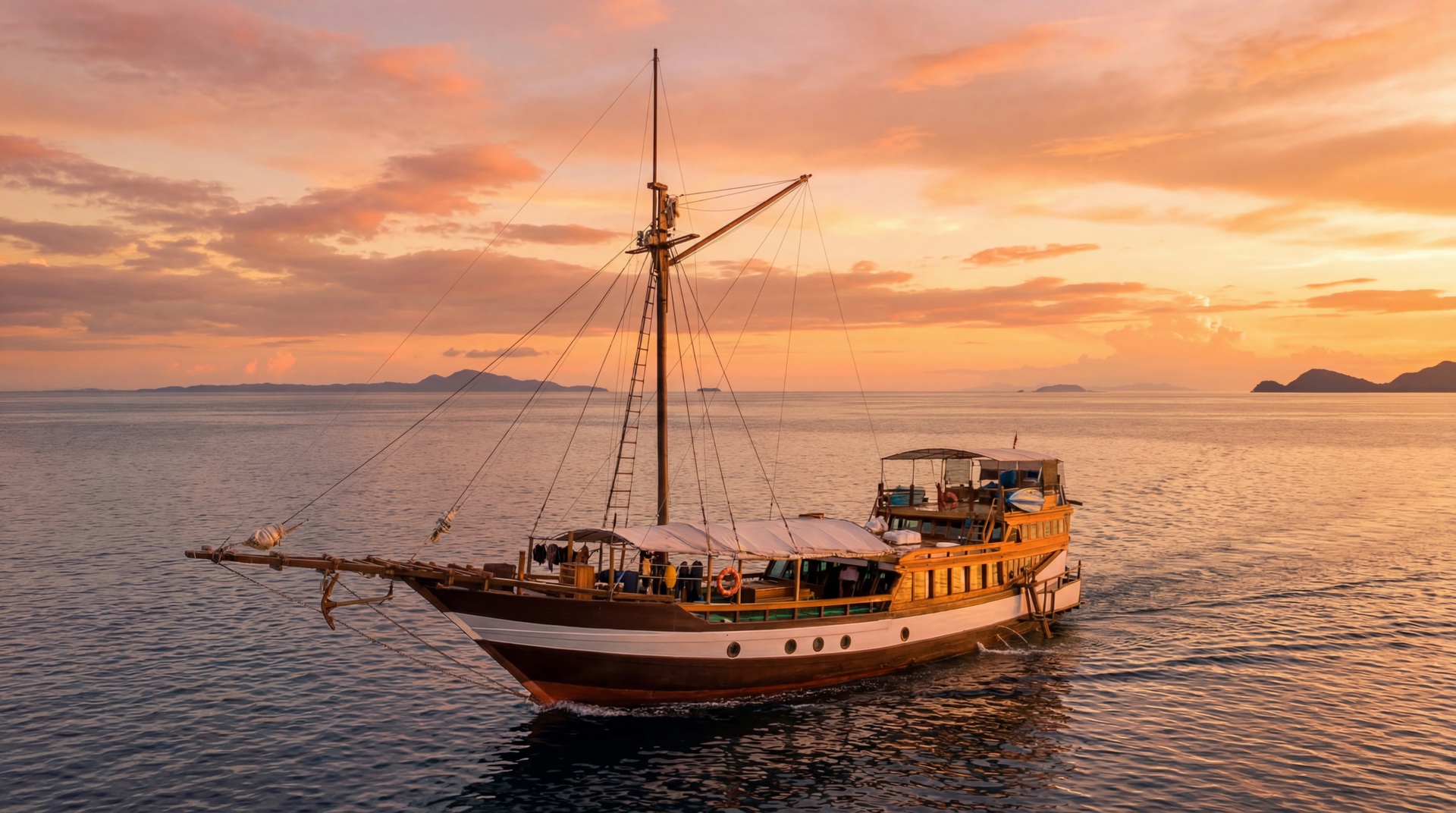
Wellenreng
Indonesia
9 guests25 m
$427/day
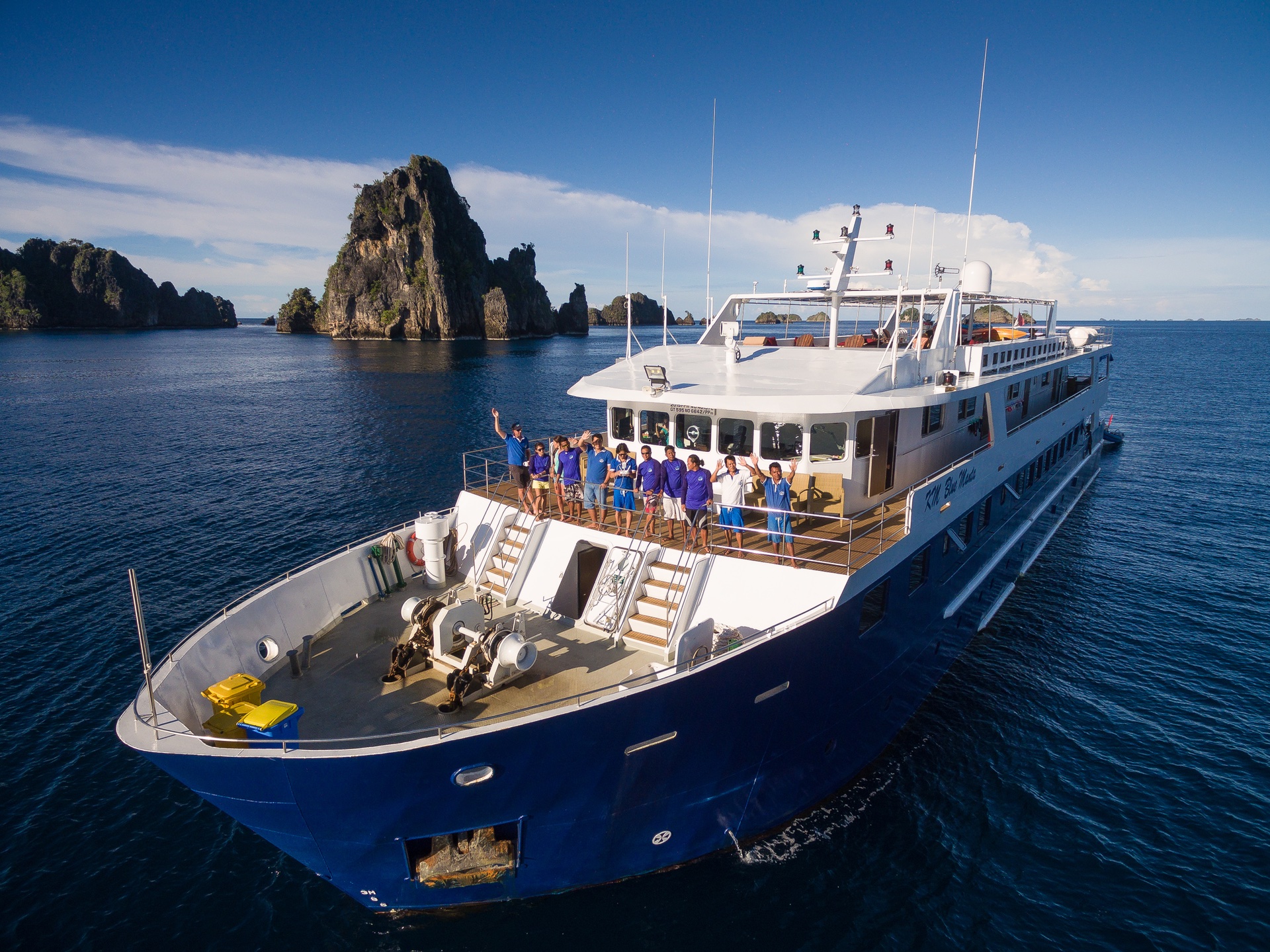
Blue Manta
Indonesia
20 guests45 m
$482/day
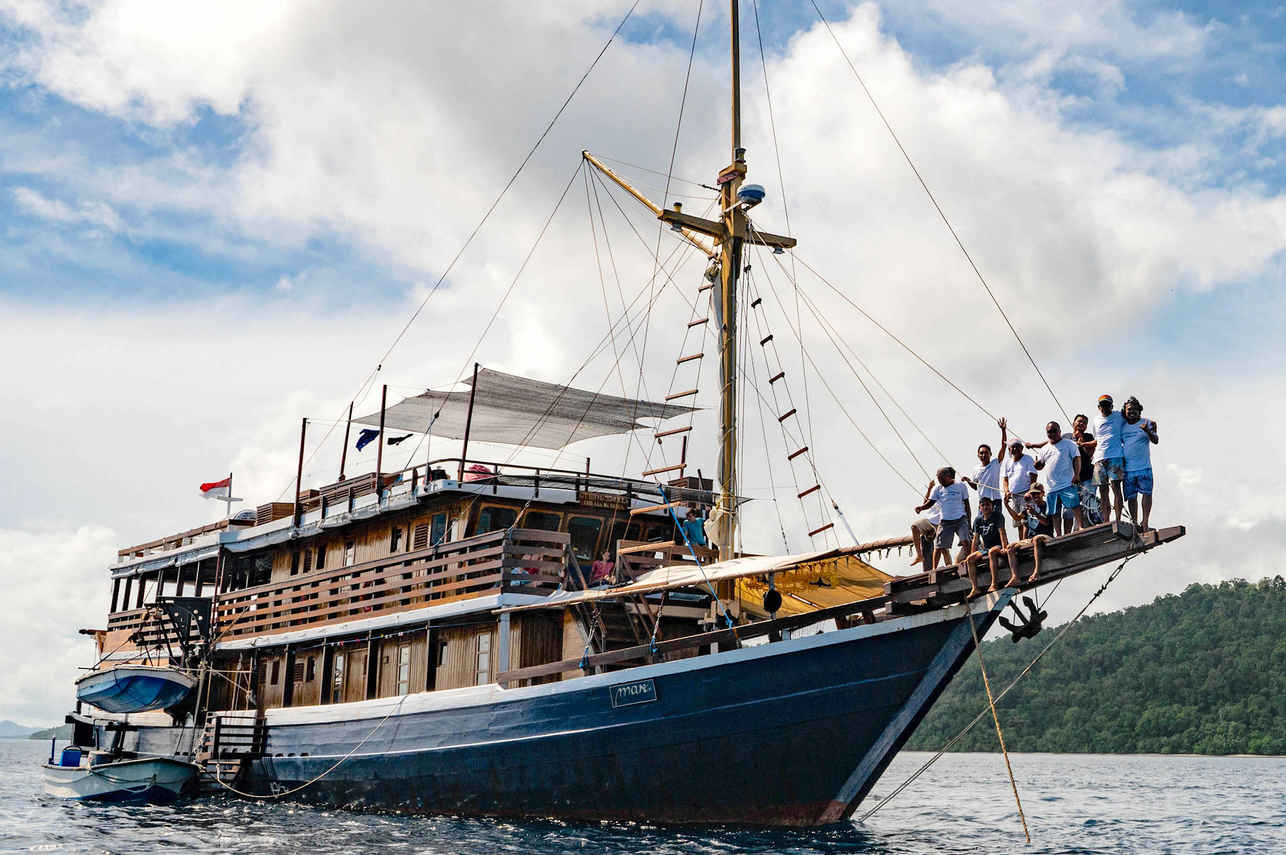
Mari
Indonesia
14 guests32.2 m
$328/day
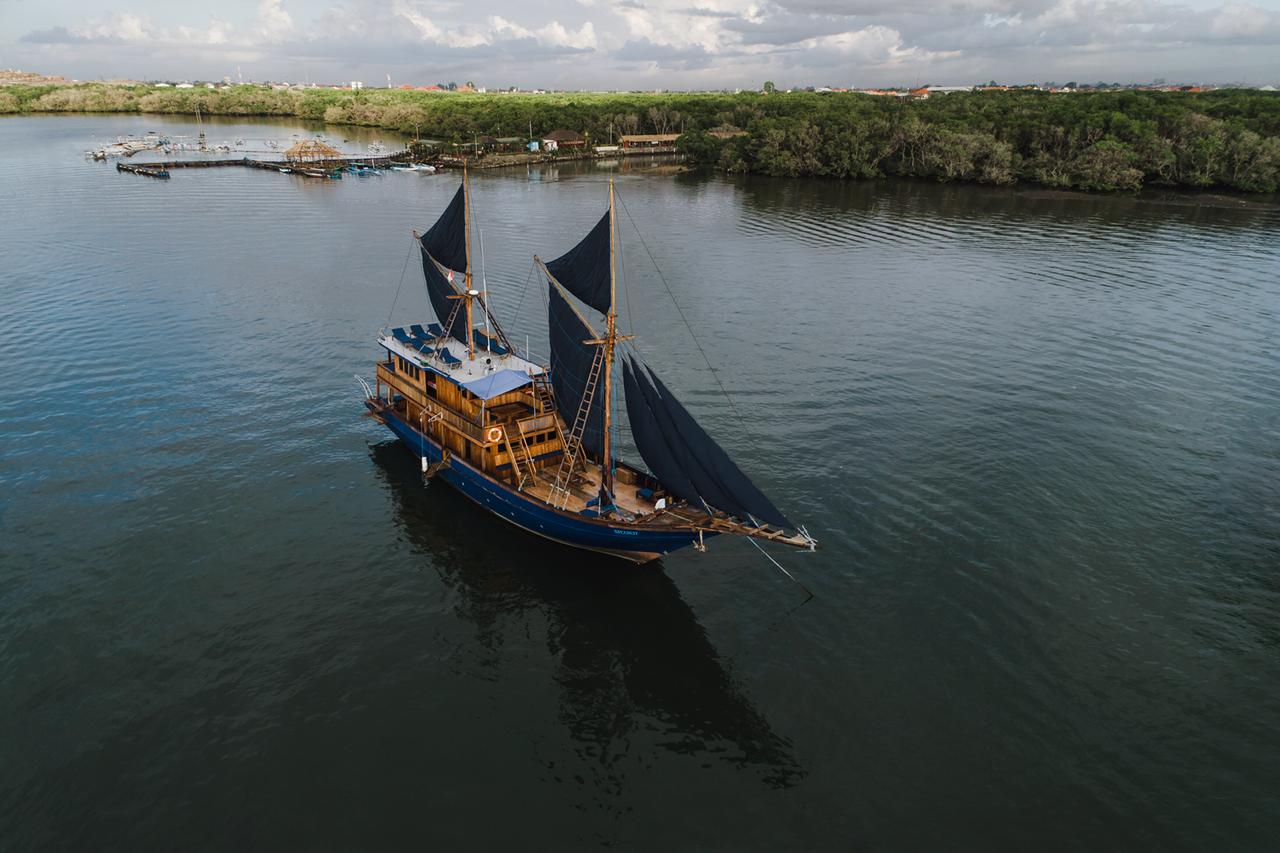
Situju7
Komodo, Indonesia
10 guests32.7 m
$362/day
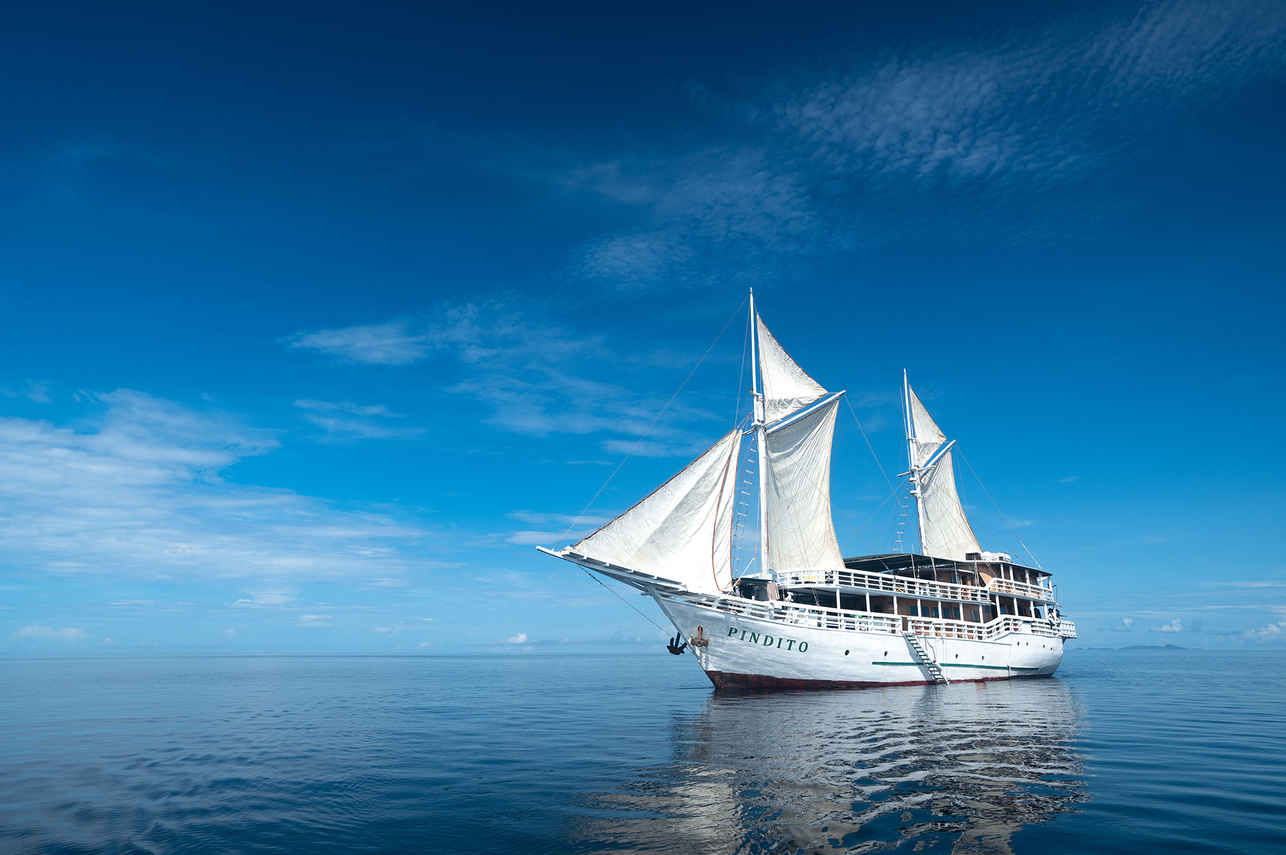
Pindito
Indonesia
16 guests37.79 m
$533/day
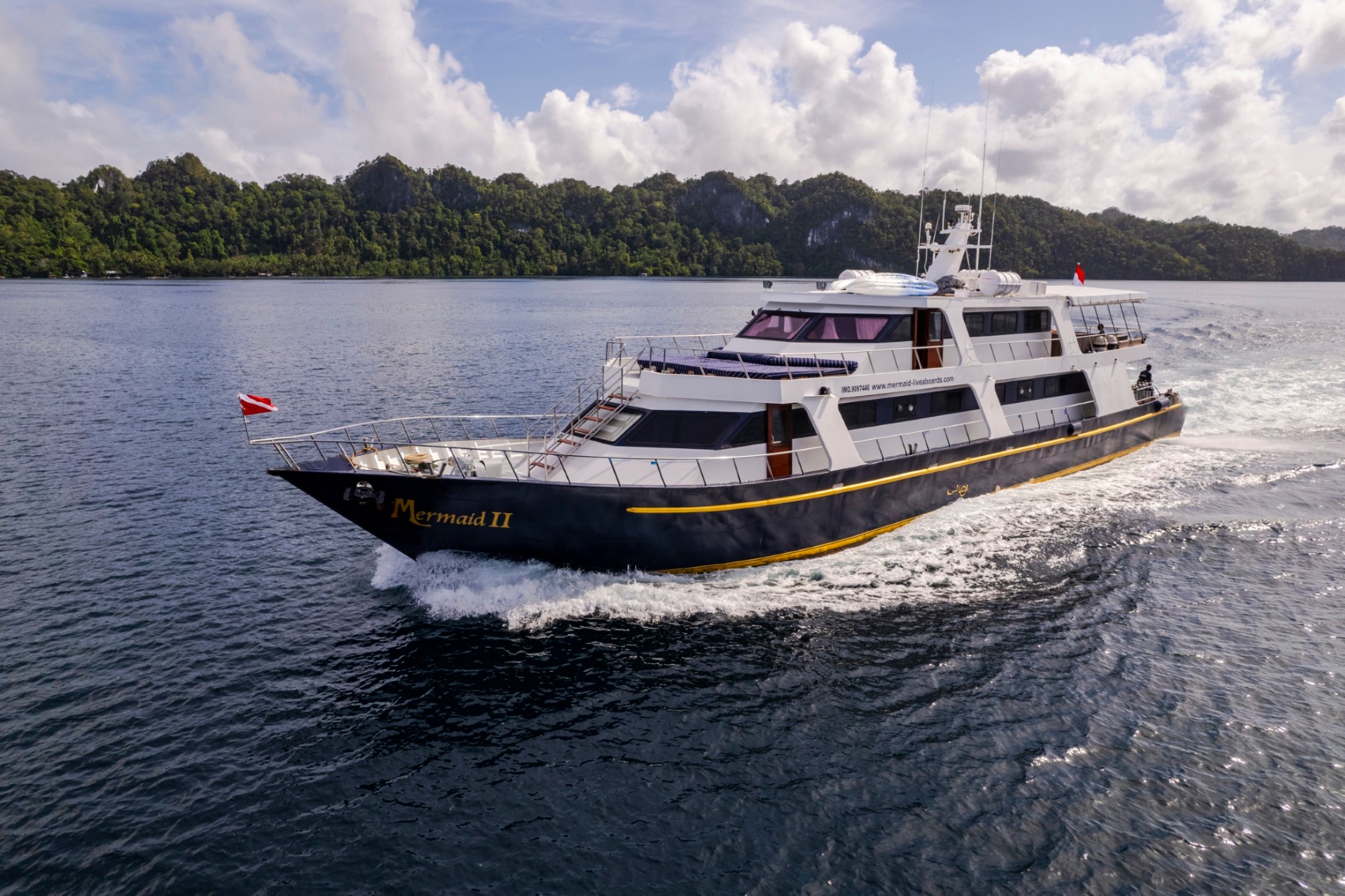
Mermaid II
Komodo, Indonesia
18 guests
$391/day
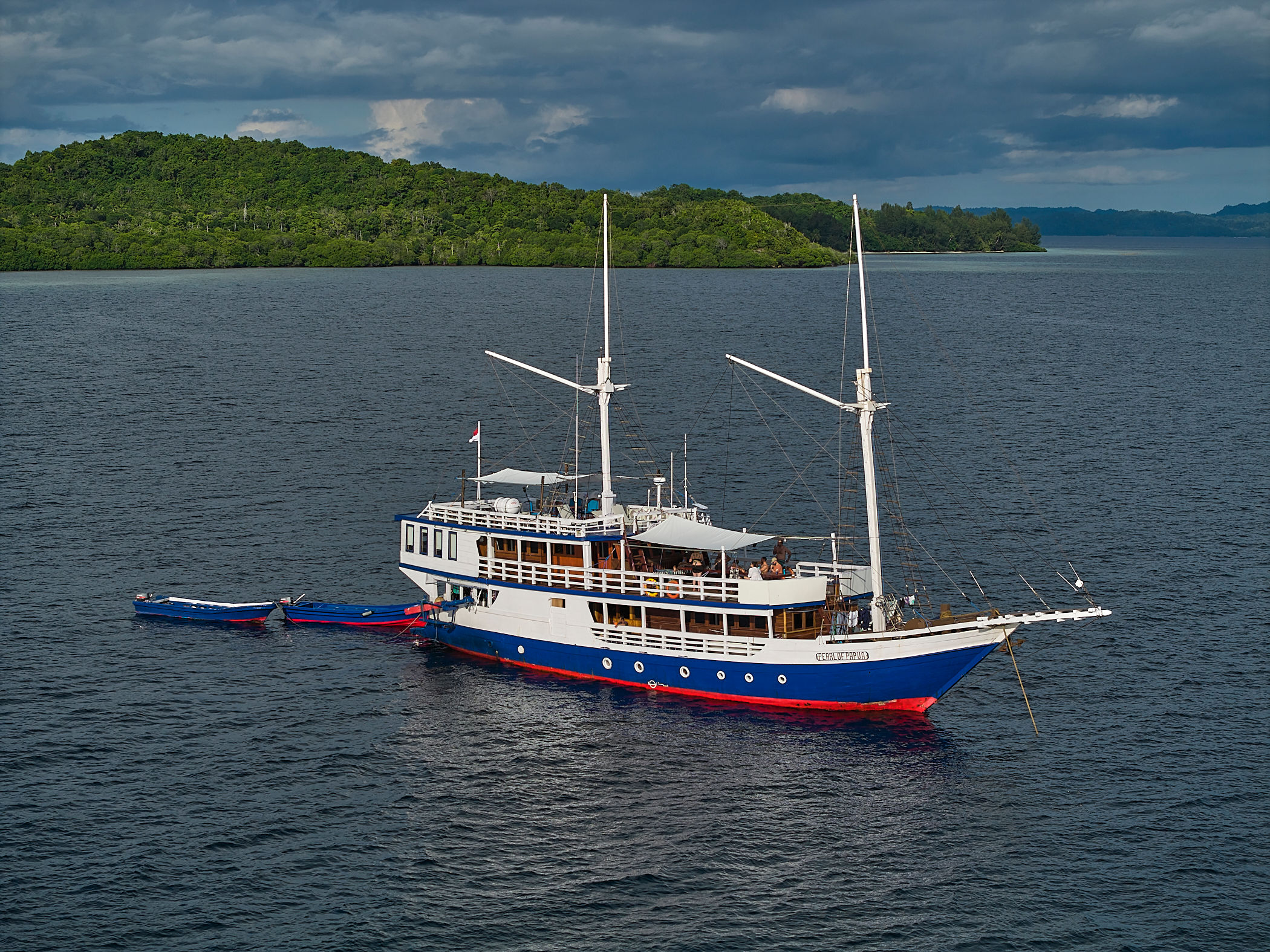
Pearl of Papua
Raja Ampat, Indonesia
14 guests30 m
$303/day
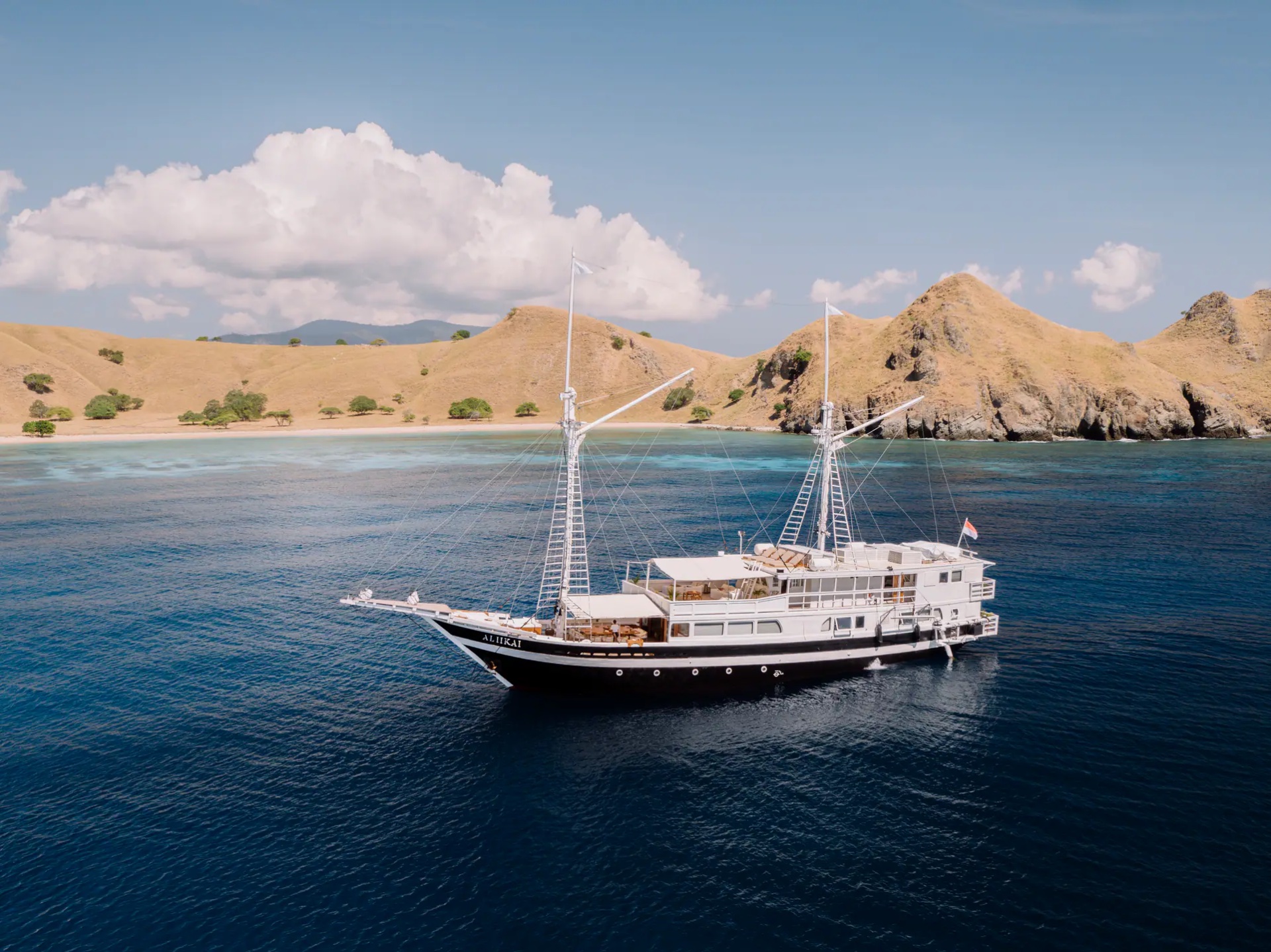
Aliikai Voyage
Indonesia
15 guests40 m
$658/day
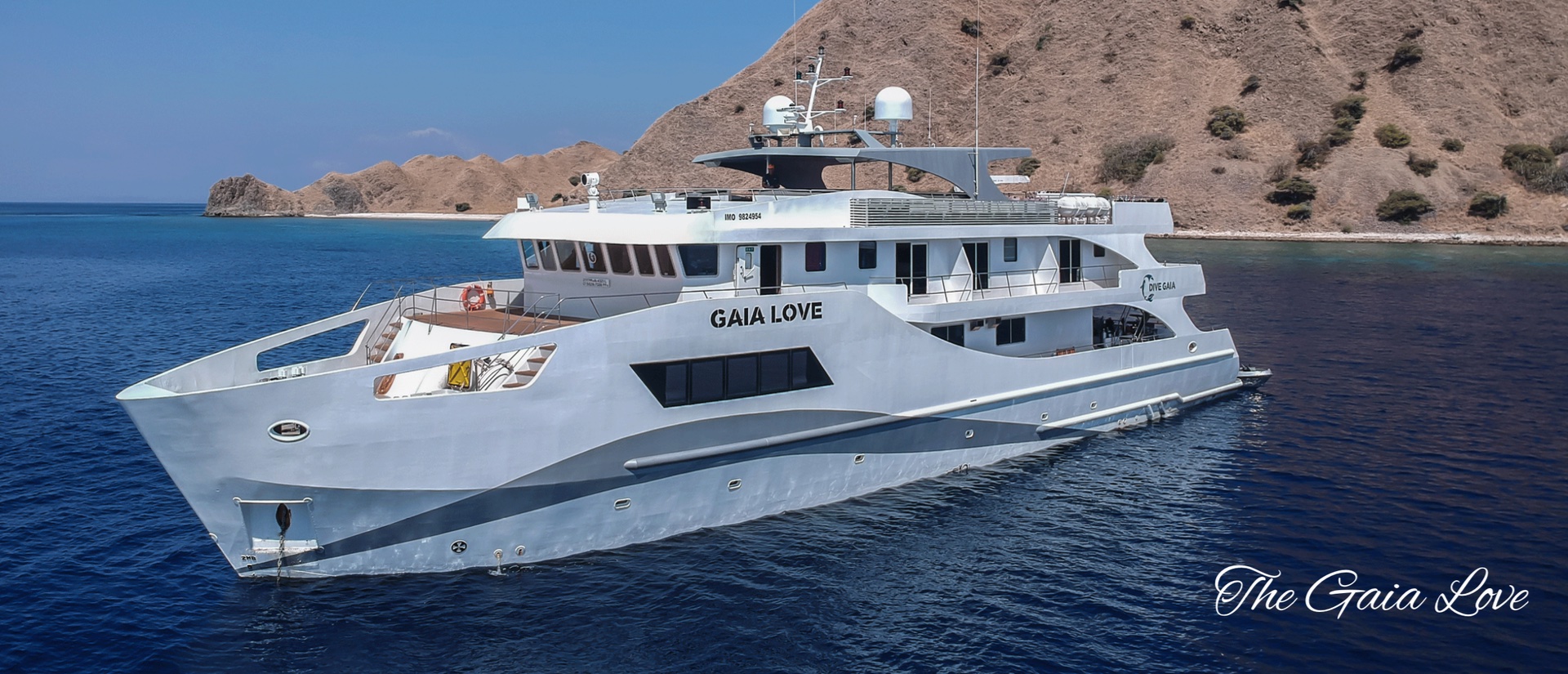
Gaia Love
Alor
20 guests
$554/day
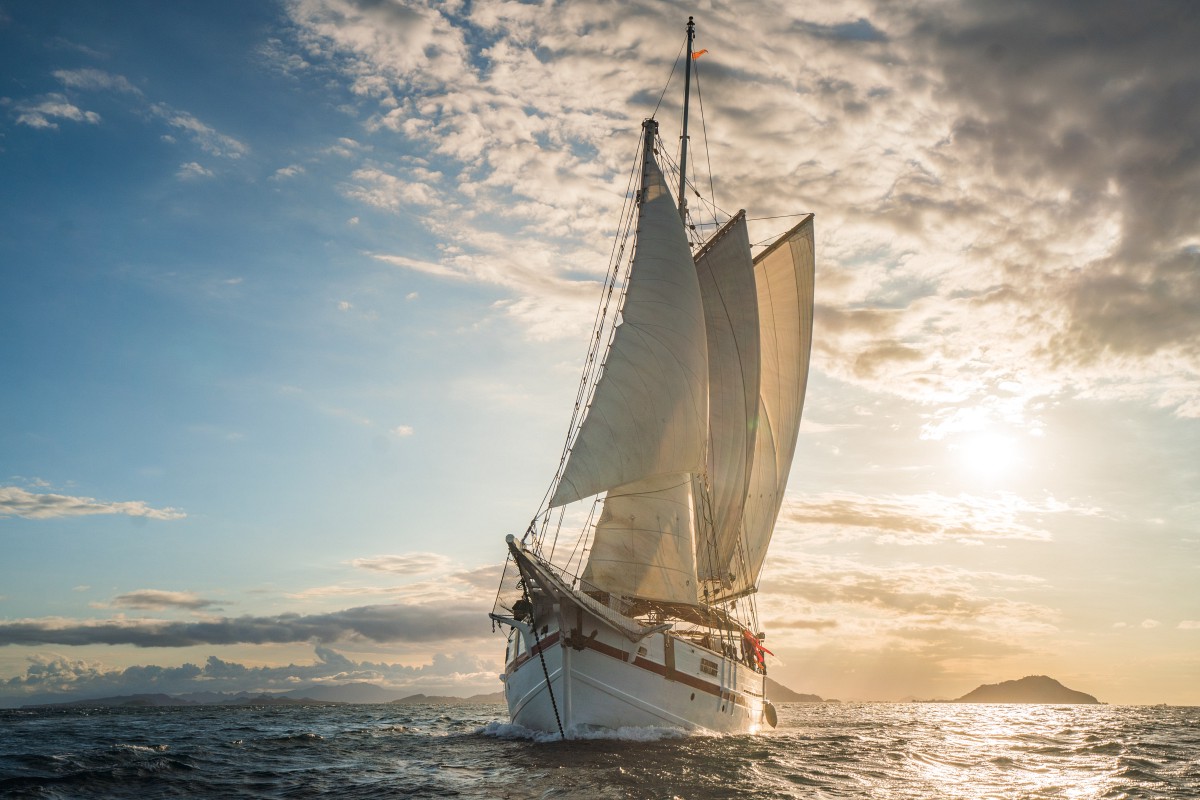
Emperor Raja Laut
Raja Ampat, Indonesia
12 guests31 m
$413/day
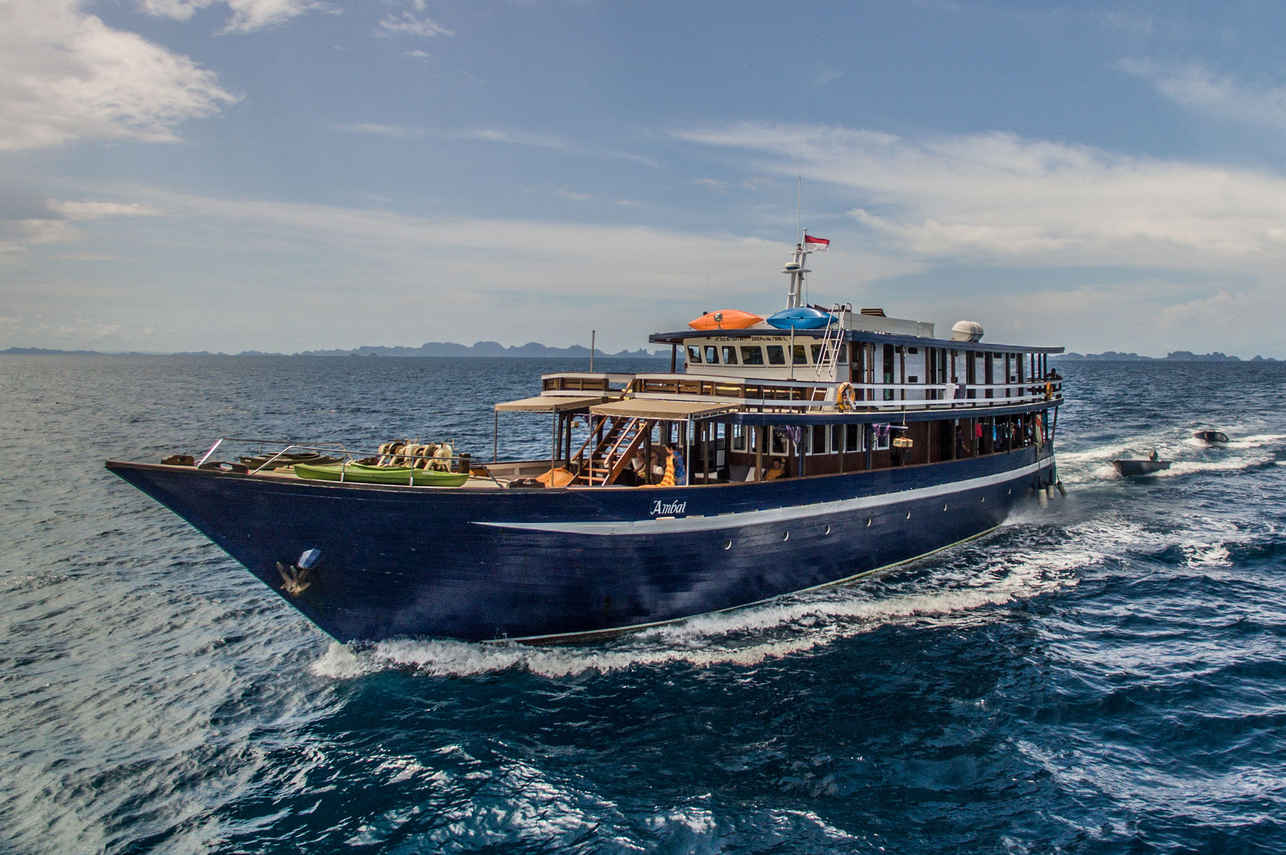
Ambai
Indonesia
16 guests32 m
$453/day
Dive sites similar to Dayan
Same character, same waters — six more sites divers love for the exact same reasons.Compare seasons, access and liveaboard routes — then pick the site that fits your trip best.
© Esri — Maxar, Earthstar, GIS
Misool Batu Kecil
Raja Ampat, Indonesia
Misool Batu Kecil, often referred to as Tank Rock, is a prime dive site nestled within the Misool area of Raja Ampat, part of the extensive marine protected areas.
- Suitable for
- Intermediate
- Current
- Strong
- Access
- Liveaboard only
- Depth
- 5–25 m
- Theme
- Drift / Reef
© Esri — Maxar, Earthstar, GIS
Penemu Wall
Raja Ampat, Indonesia
Penemu Wall is a captivating dive site nestled within Raja Ampat, a region renowned as the epicenter of global marine biodiversity.
- Suitable for
- Intermediate
- Current
- Strong
- Access
- Liveaboard only
- Depth
- 5–35 m
- Theme
- Wall
© Esri — Maxar, Earthstar, GIS
Yulliet Kecil
Raja Ampat, Indonesia
Yulliet Kecil is a captivating islet dive site situated in the Misool region of Raja Ampat, Indonesia.
- Suitable for
- Intermediate
- Current
- Moderate
- Access
- Liveaboard only
- Depth
- 5–30 m
- Theme
- Reef
© Esri — Maxar, Earthstar, GIS
Friwin Wall
Raja Ampat, Indonesia
Friwin Wall, nestled in the heart of Raja Ampat's Dampier Strait, is a premier dive site renowned for its vibrant reef wall and rich biodiversity.
- Suitable for
- Intermediate
- Current
- Strong
- Access
- Liveaboard only
- Depth
- 1–25 m
- Theme
- Cave & cavern / Drift
© Esri — Maxar, Earthstar, GIS
Citrus Ridge
Raja Ampat, Indonesia
Citrus Ridge is a renowned dive site in Raja Ampat, located in a natural channel separating Gam Island from Yanggelo.
- Suitable for
- Intermediate
- Current
- Strong
- Access
- Liveaboard only
- Depth
- 10–27 m
- Theme
- Drift / Reef
© Esri — Maxar, Earthstar, GIS
Boo Windows
Raja Ampat, Indonesia
Boo Windows, located at the eastern edge of Raja Ampat's Misool region, is an iconic dive site renowned for its unique underwater topography, particularly its famous "windows" or archways.
- Suitable for
- Intermediate
- Current
- Strong
- Access
- Liveaboard only
- Depth
- 5–30 m
- Theme
- Drift / Reef