About Batu Kecil
Batu Kecil, meaning "small rock" in Indonesian, is a dive site located in the Alor archipelago, renowned for its pristine and diverse marine ecosystems. This region, situated in the Coral Triangle, boasts some of Indonesia's most well-preserved coral reef systems, thanks to early conservation efforts by local communities. The site is characterized by an impressive topography that includes a vibrant soft coral garden thriving in nutrient-rich waters. Cold water upwellings from the southern seas, particularly noticeable after new and full moons, surge through the Pantar Strait, contributing to the site's rich biodiversity and maintaining water temperatures. These currents sculpt the underwater landscape and attract a wide array of marine life, from schooling fish to pelagic visitors. Divers at Batu Kecil can expect to encounter healthy coral formations alongside a dynamic fish population. The site offers opportunities to observe both smaller reef inhabitants and larger species drawn by the currents. The experience is highly dependent on tidal conditions, which dictate the intensity of the currents and the activity of marine life. Diving here provides a true immersion into Alor's vibrant underwater world, showcasing the unique interplay of topography, currents, and abundant marine life that makes this region a diver's paradise.
Highlights
Vibrant soft coral gardensDynamic current divingNutrient-rich upwellingsDiverse reef fish schoolsHealthy coral ecosystemsPelagic marine activity
Season calendar
Best months to dive here
Jan
Feb
Mar
Apr
May
Jun
Jul
Aug
Sep
Oct
Nov
Dec
Excellent
Good
Dive site facts: Batu Kecil
- Depth
- 5–30 m
- Typical dive
- 15–25 m, 45–55 min
- Current
- Moderate to very strong
- Visibility
- 15–40 m
- Water temperature
- 27–30°C (can drop to 15°C seasonally)
- Entry
- Tender / Negative entry
- Level
- Advanced Open Water Diver with current experience
- Dive type
- Wall, drift, coral garden
- Region / port
- Alor, Indonesia
- Coordinates
- -8.192, 124.38
Conditions & Currents
Batu Kecil is known for its dynamic currents, which can range from moderate to very strong, particularly influenced by the new and full moon cycles pushing cold water upwellings through the Pantar Strait. Diving here often involves exhilarating drifts, requiring divers to be proficient in current diving techniques and buoyancy control. Entry is typically a tender drop, often negative, to quickly descend to the reef. Exits usually involve a safety stop in calmer, shallower areas or deploying an SMB for boat pick-up. Visibility can be outstanding, ranging from 15 meters during shoulder seasons to 40 meters in the dry season, but strong currents can sometimes stir up particulate matter, affecting clarity locally. Thermoclines can occur due to the cold water upwellings, so a 5mm wetsuit is advisable. Divers should always be mindful of their gas consumption and turnaround times due to the pot
Marine life & sighting chances


Schools of fusiliers
common
Surgeonfish
common
Big-eyed trevally schools
occasional
Batfish schools
occasional
White tip reef sharks
occasional
Eagle rays
occasional
Grey reef sharks
rare

Dolphins
occasionalDive profile & how the dive runs
A typical dive at Batu Kecil begins with a negative entry from a tender, dropping quickly onto the main reef to avoid strong surface currents. The dive progresses as a drift along the vibrant wall and sloping coral gardens, typically between 15 to 25 meters, where the richest soft coral and fish activity occurs. Divers should maintain good buoyancy to navigate the currents and enjoy the rich marine life without damaging the fragile corals. The route often follows the contours of the 'small rock,' with the current dictating the direction and speed of the drift. Turnaround is usually determined by air consumption or reaching a calmer area. The safety stop is conducted in shallower, more sheltered waters, or by deploying an SMB in open water for surface pick-up, always keeping an eye on boat traffic and current direction.
Underwater photography
Batu Kecil presents excellent opportunities for wide-angle photography due to its extensive soft coral gardens, schooling fish, and pelagic encounters. A wide-angle lens is essential to capture the grandeur of the reef and the dynamic schools of fusiliers, butterflyfish, and surgeonfish. Due to strong currents, precise buoyancy control is paramount for stable shots, so consider a faster shutter speed. External strobes are highly recommended to bring out the vibrant colors of the soft corals, especially at depth where ambient light diminishes. For pelagic subjects like sharks or rays, be prepared for quick adjustments and fast shooting. Always be mindful of your fin kicks to avoid kicking up sediment or contacting the reef.
Combine with nearby dive sites
- Pantar Strait
Known for strong currents and diverse marine life.
- The Arch
A unique geological formation with rich marine biodiversity.
- Pura Island Drop-off
Features dramatic walls and diverse coral ecosystems.
- Mandarin House
Famous for mandarin fish sightings during dusk dives.
- Clown Valley
Home to numerous anemonefish species.
Getting there & logistics
Access to Batu Kecil is primarily via liveaboard trips or dive resorts operating out of Alor. The nearest major airport is in Kupang (KOE) on Timor, from where domestic flights connect to Alor's Mali Airport (ARD). Alternatively, some liveaboards depart from larger hubs like Labuan Bajo or Sorong for extended itineraries that include Alor. Typical liveaboard trips to Alor range from 7 to 11 nights, often combining it with other sites in the Alor-Pantar Strait. Dive packages from local resorts usually include daily boat dives and unlimited house reef diving. Marine park fees are typically included in liveaboard or resort packages, but it's always wise to confirm.
Safety & environment
Diving at Batu Kecil requires advanced diving skills and experience with strong currents. Always dive with a qualified guide familiar with the local conditions and tides. Maintain excellent buoyancy control to avoid reef damage and conserve energy. A surface marker buoy (SMB) is crucial for every diver for safety and efficient surface pick-up. Ensure your dive insurance covers emergency evacuations and recompression. The nearest recompression chamber is likely in Bali or Makassar, necessitating a potentially long and complex evacuation in case of a serious incident. Always have a personal locator beacon (PLB) or similar emergency signaling device, especially on liveaboard trips.
Who it suits — and who it doesn't
Suited for
- Experienced Advanced Open Water Divers
- Divers comfortable with strong currents
- Underwater photographers (wide-angle specialists)
- Marine biology enthusiasts
- Liveaboard guests seeking remote diving
Less suited for
- Beginner divers or Open Water certified
- Divers uncomfortable with drift diving
- Individuals prone to seasickness in choppy conditions
- Divers with limited buoyancy control
- Those preferring very calm, current-free dives
FAQ
Batu Kecil FAQ
What kind of currents can I expect at Batu Kecil?
Batu Kecil is known for its strong and dynamic currents, especially during new and full moon periods. These currents are a result of cold water upwellings through the Pantar Strait, bringing nutrients to the reef. Divers should be comfortable with drift diving and possess good buoyancy control to manage these conditions effectively.
What is the best time of year to dive Batu Kecil?
The prime diving season for Batu Kecil and the Alor region generally runs from March through December. During these months, both surface weather and underwater visibility are typically at their best. October is specifically noted as a good time to visit for optimal conditions.
What marine life is commonly seen at Batu Kecil?
Batu Kecil's vibrant soft coral gardens attract a rich diversity of fish. You can expect to see large schools of pyramid butterflyfish, fusiliers, and surgeonfish. Occasionally, divers might encounter schools of big-eyed trevally, batfish, and even white tip reef sharks. Rare sightings of grey reef sharks and silvertips are also possible.
What dive experience level is required for Batu Kecil?
Due to the strong and unpredictable currents, Batu Kecil is best suited for experienced Advanced Open Water Divers. Divers should have prior experience with current diving and excellent buoyancy control. It is not recommended for beginners or those uncomfortable with challenging dive conditions.
How do I get to Batu Kecil?
Batu Kecil is located in Alor, Indonesia, and is typically accessed via liveaboard trips or local dive resorts. The most common route involves flying into Kupang (KOE), then taking a connecting domestic flight to Mali Airport (ARD) in Alor. Some longer liveaboard itineraries to Alor might originate from other major Indonesian dive hubs.
Why dive Batu Kecil from a liveaboard?
Batu Kecil is one of Alor's signature dive sites. A liveaboard sleeps you on the water and puts you in the water for three to four guided dives per day, including dawn and night dives that day-boat operators rarely offer. You skip the daily commute back to port and reach quieter, less-crowded sites in the same region on a single trip.
Below are the liveaboards that include Batu Kecil on their Alor itineraries.
Liveaboards diving Batu Kecil
These liveaboards may visit Batu Kecil on selected itineraries — the exact dive sites depend on departure, weather and conditions.
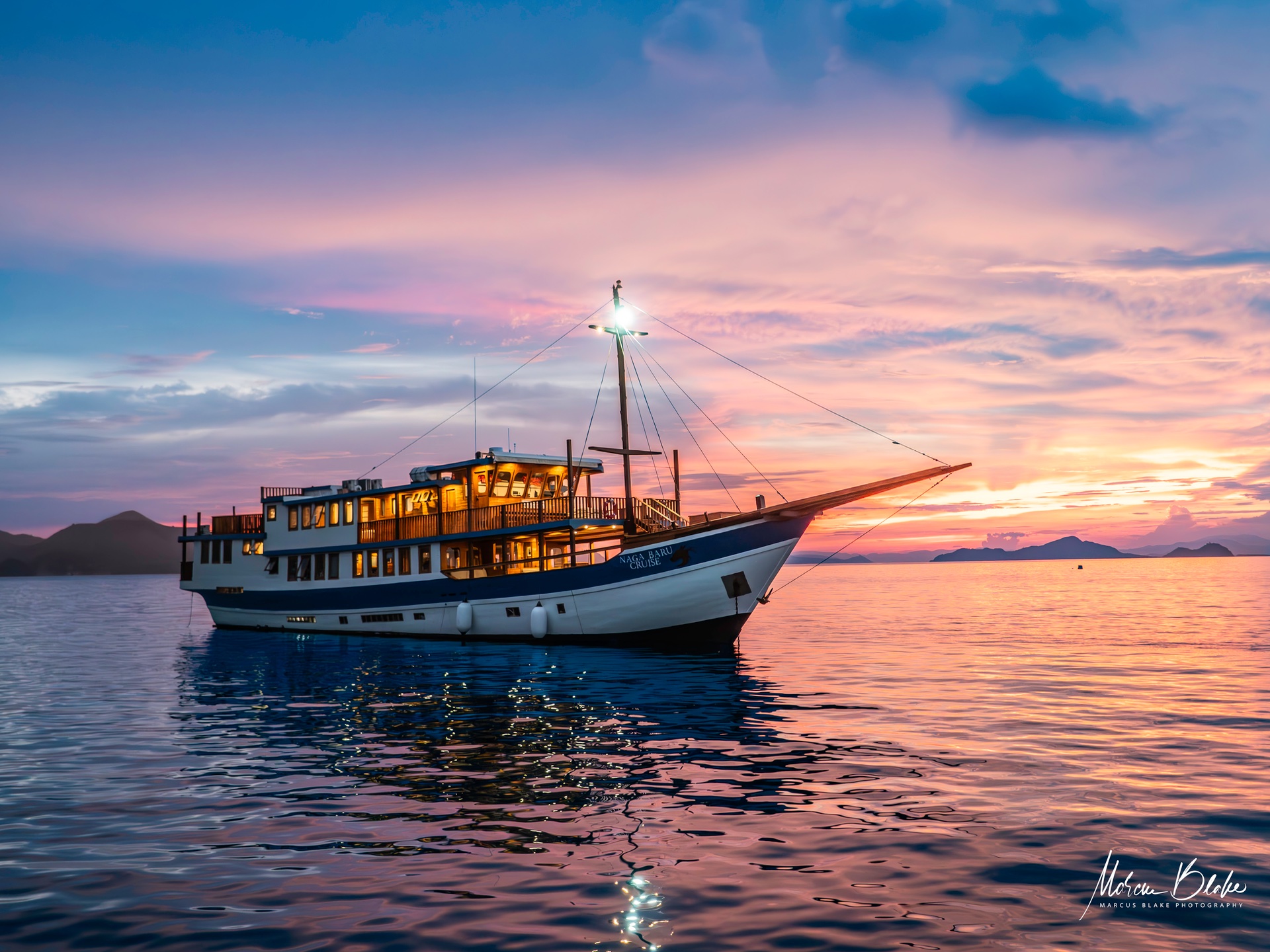
Naga Biru
Indonesia
12 guests40 m
$273/day
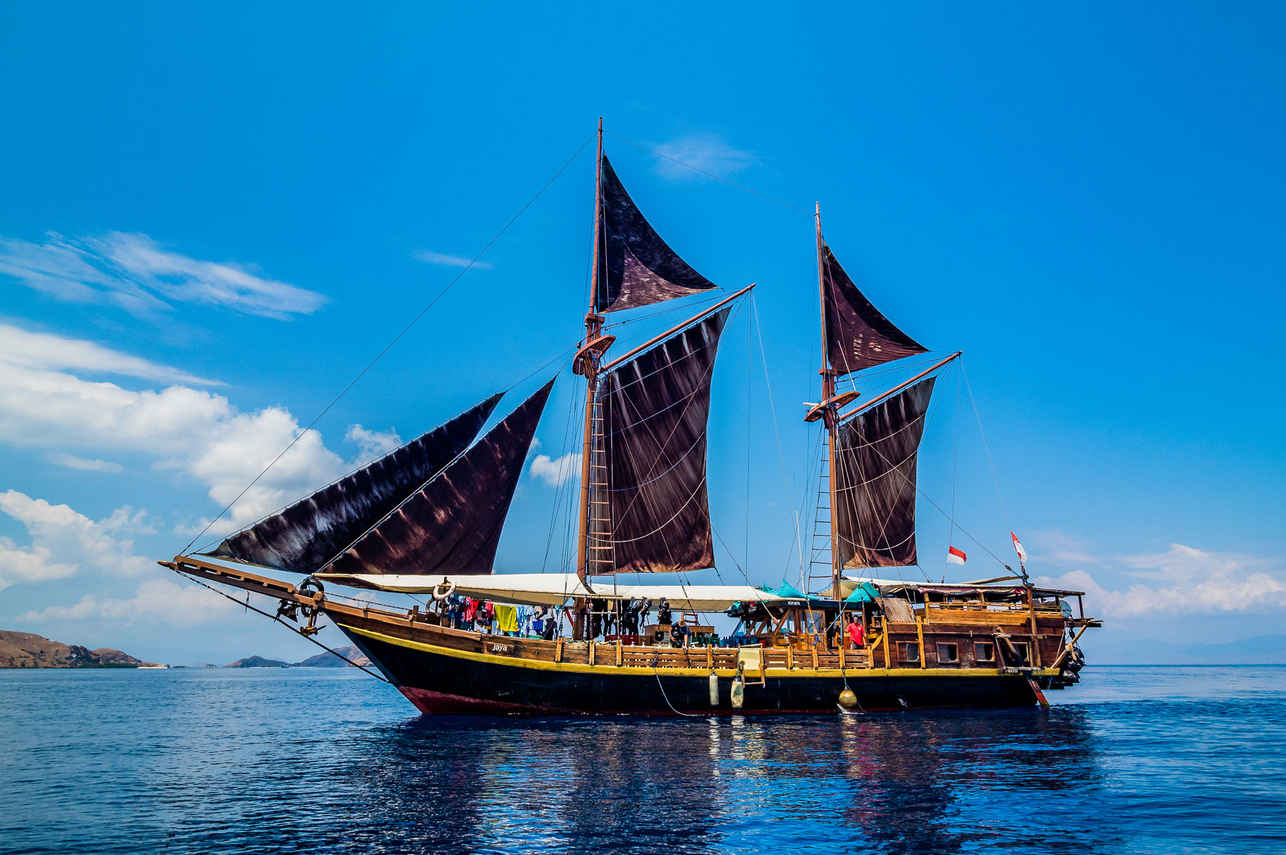
Jaya
Indonesia
14 guests23 m
$280/day
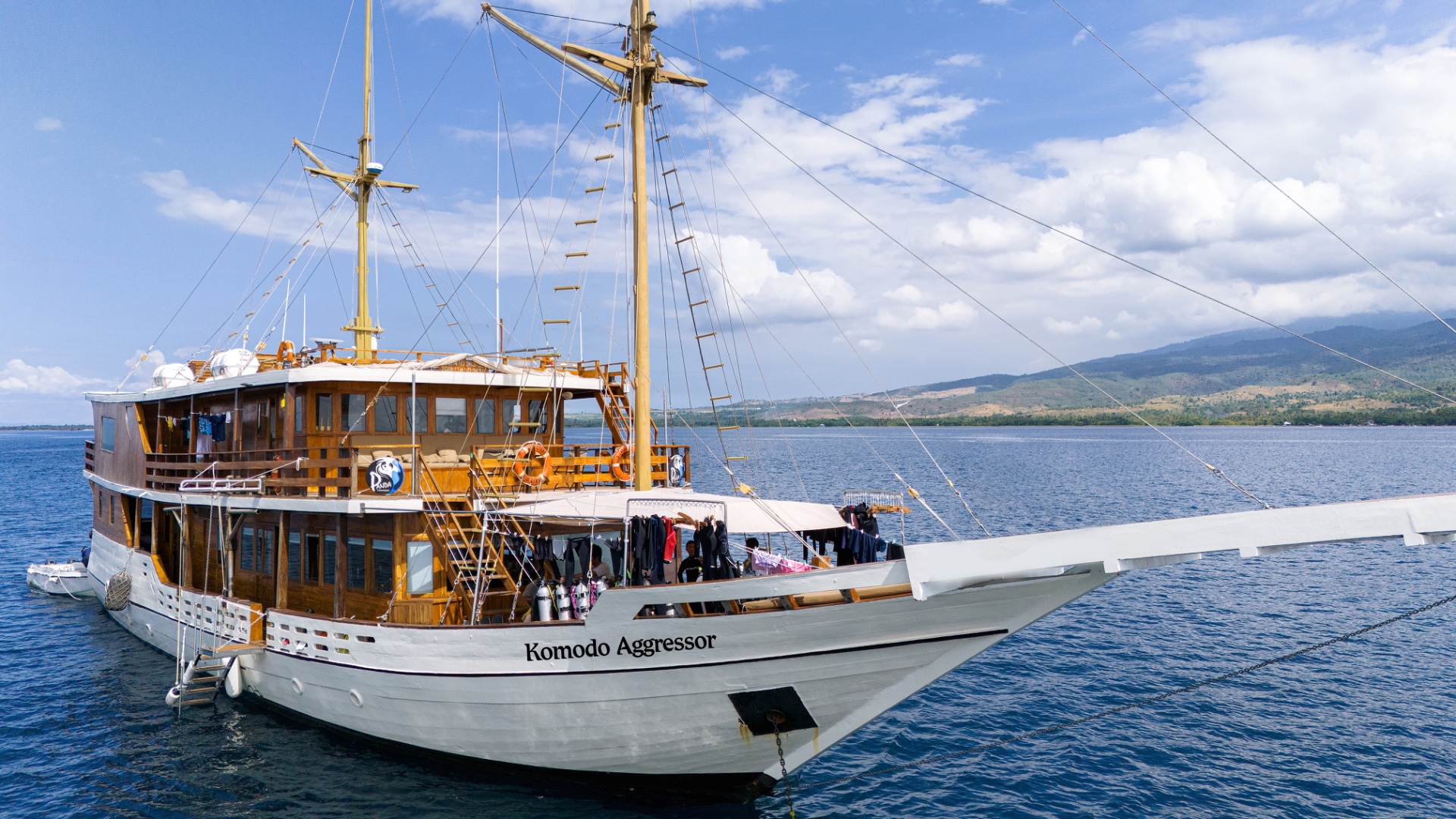
Komodo Aggressor
Komodo, Indonesia
16 guests29 m
$312/day
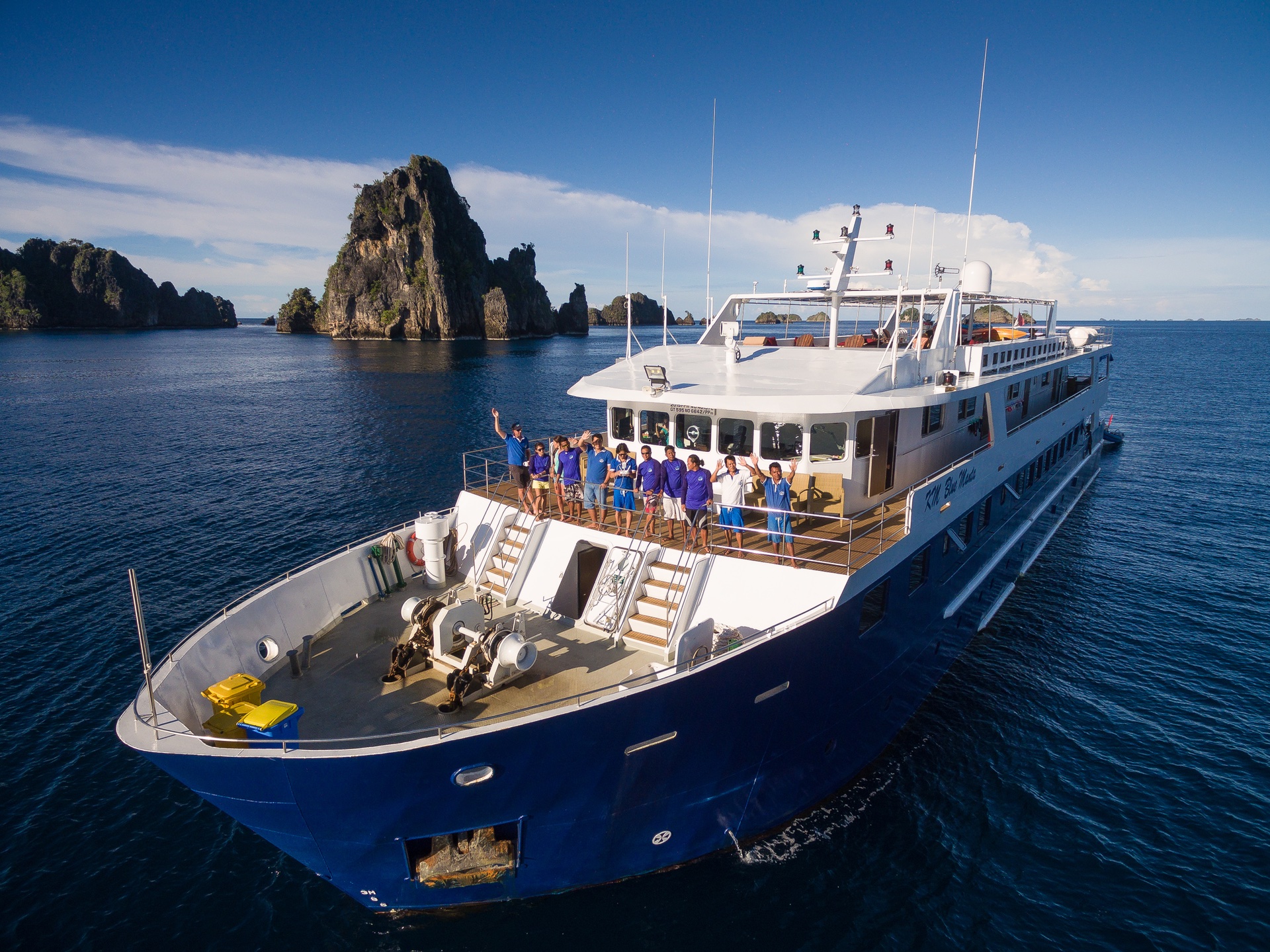
Blue Manta
Indonesia
20 guests45 m
$482/day
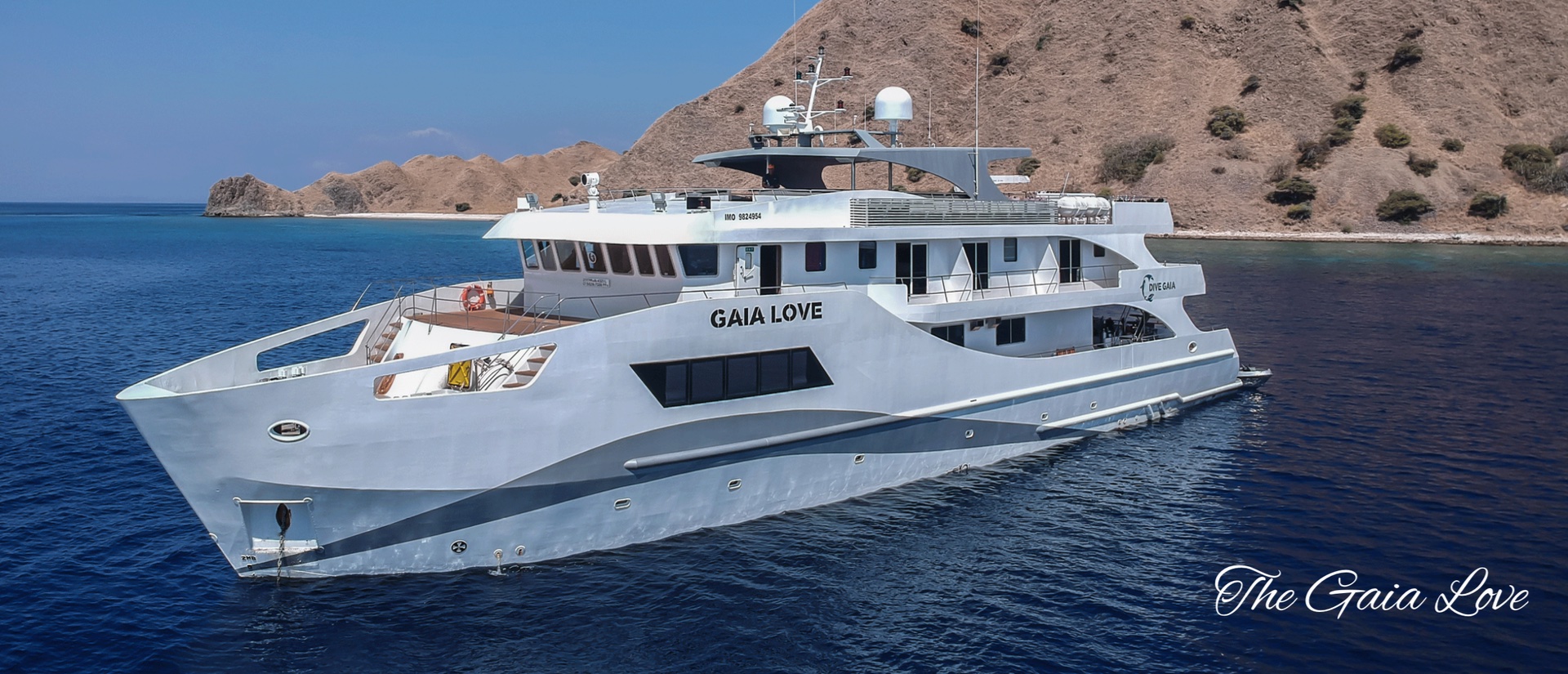
Gaia Love
Alor
20 guests
$554/day
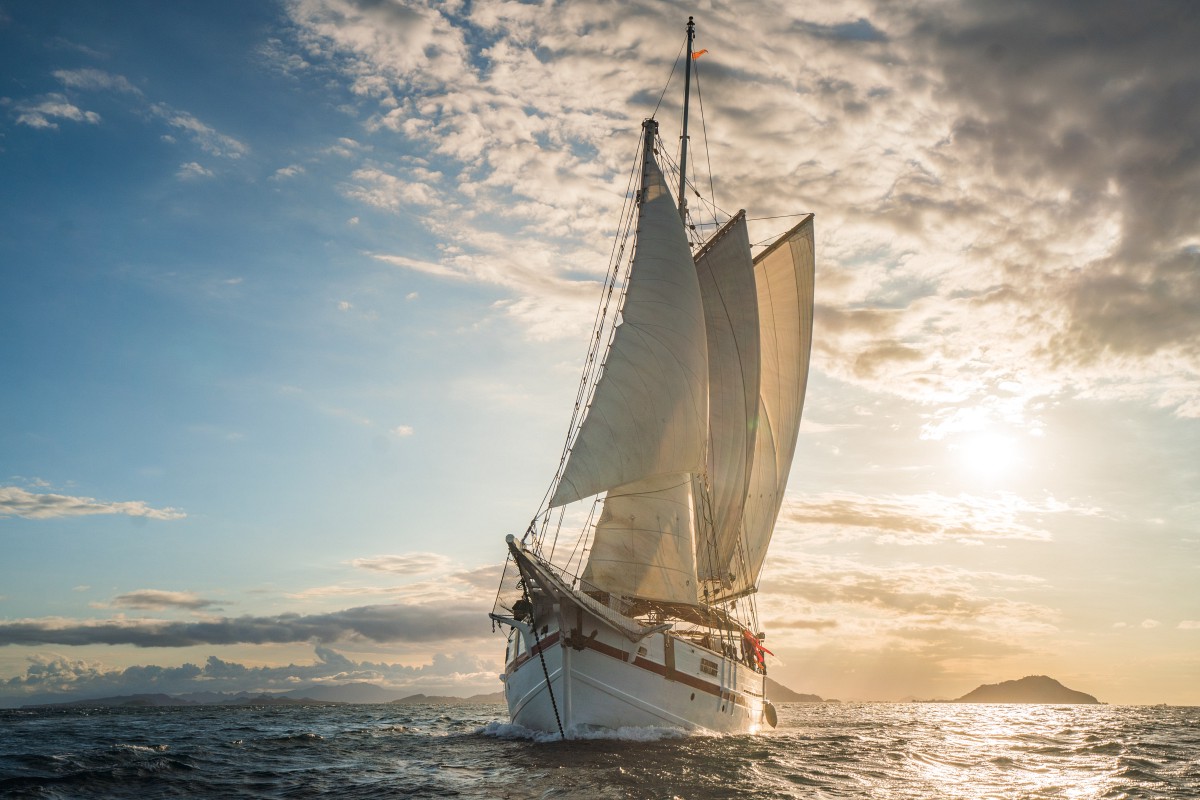
Emperor Raja Laut
Raja Ampat, Indonesia
12 guests31 m
$413/day
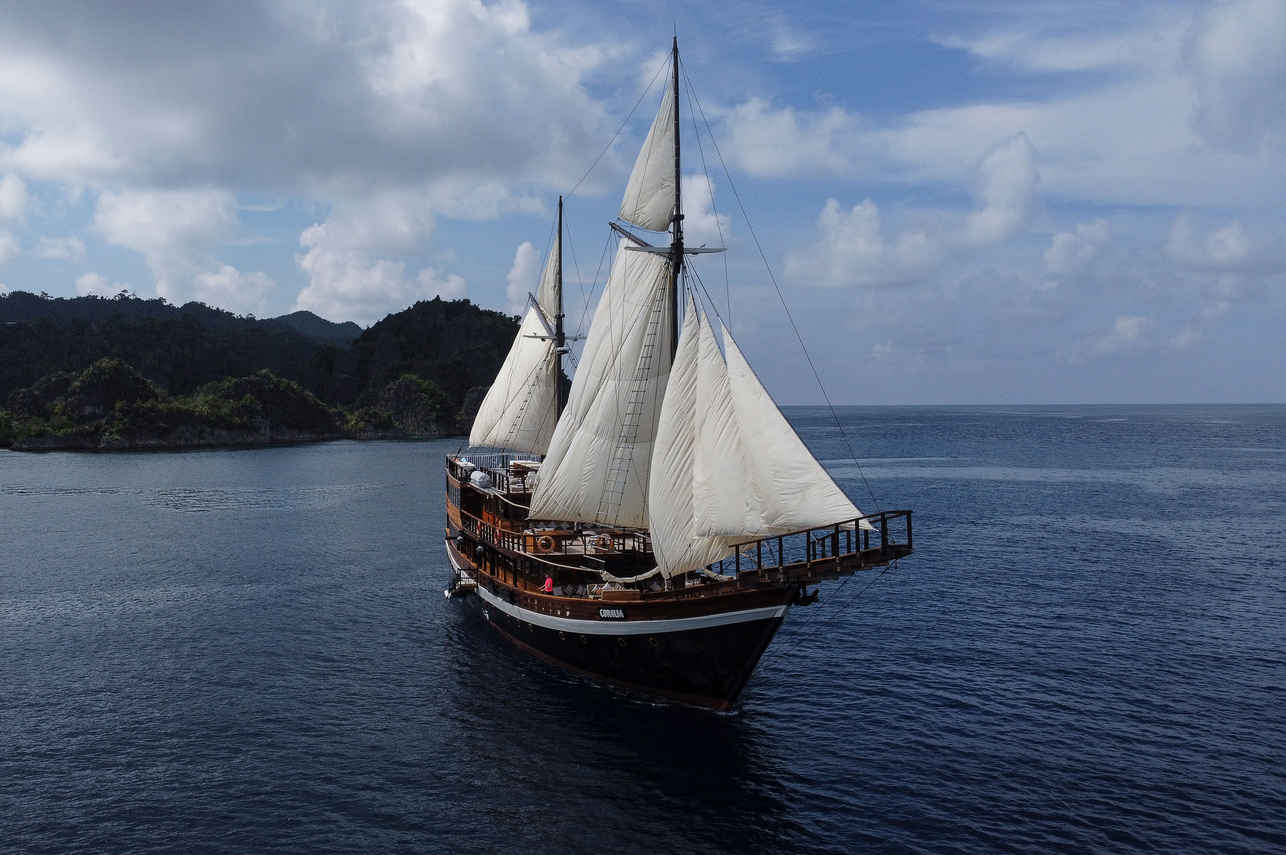
Coralia
Indonesia
16 guests48 m
$563/day
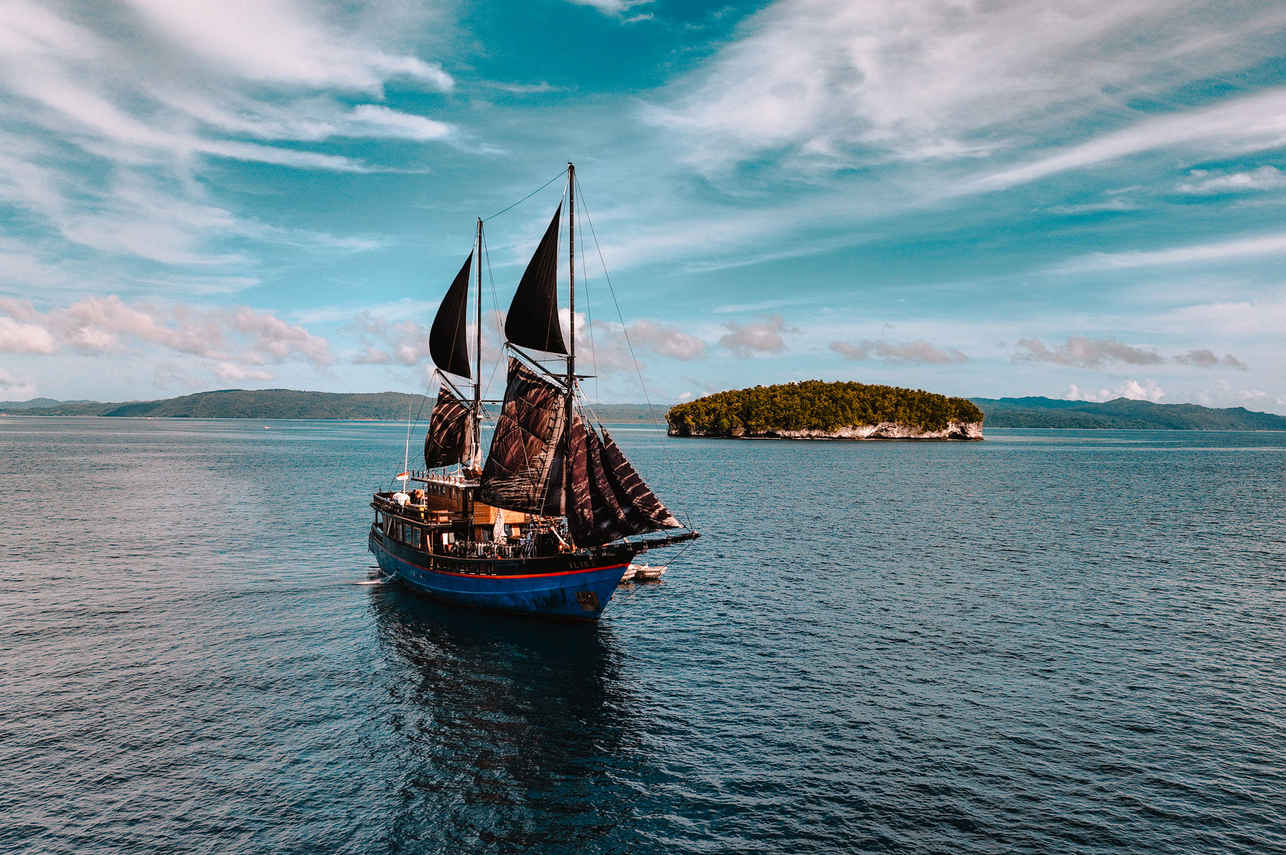
Ilike
Indonesia
16 guests40 m
$350/day
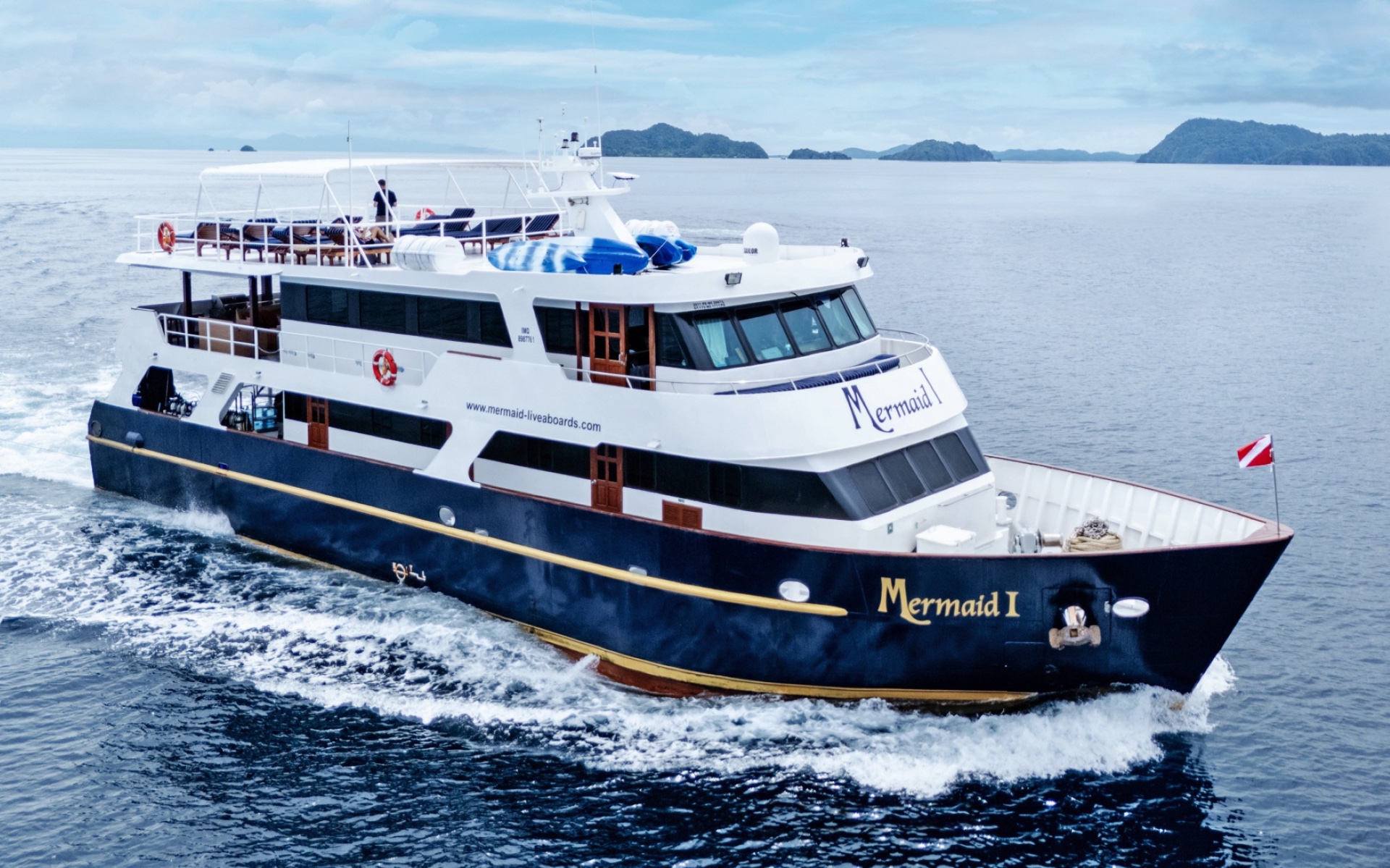
Mermaid I
Alor
15 guests28 m
$479/day
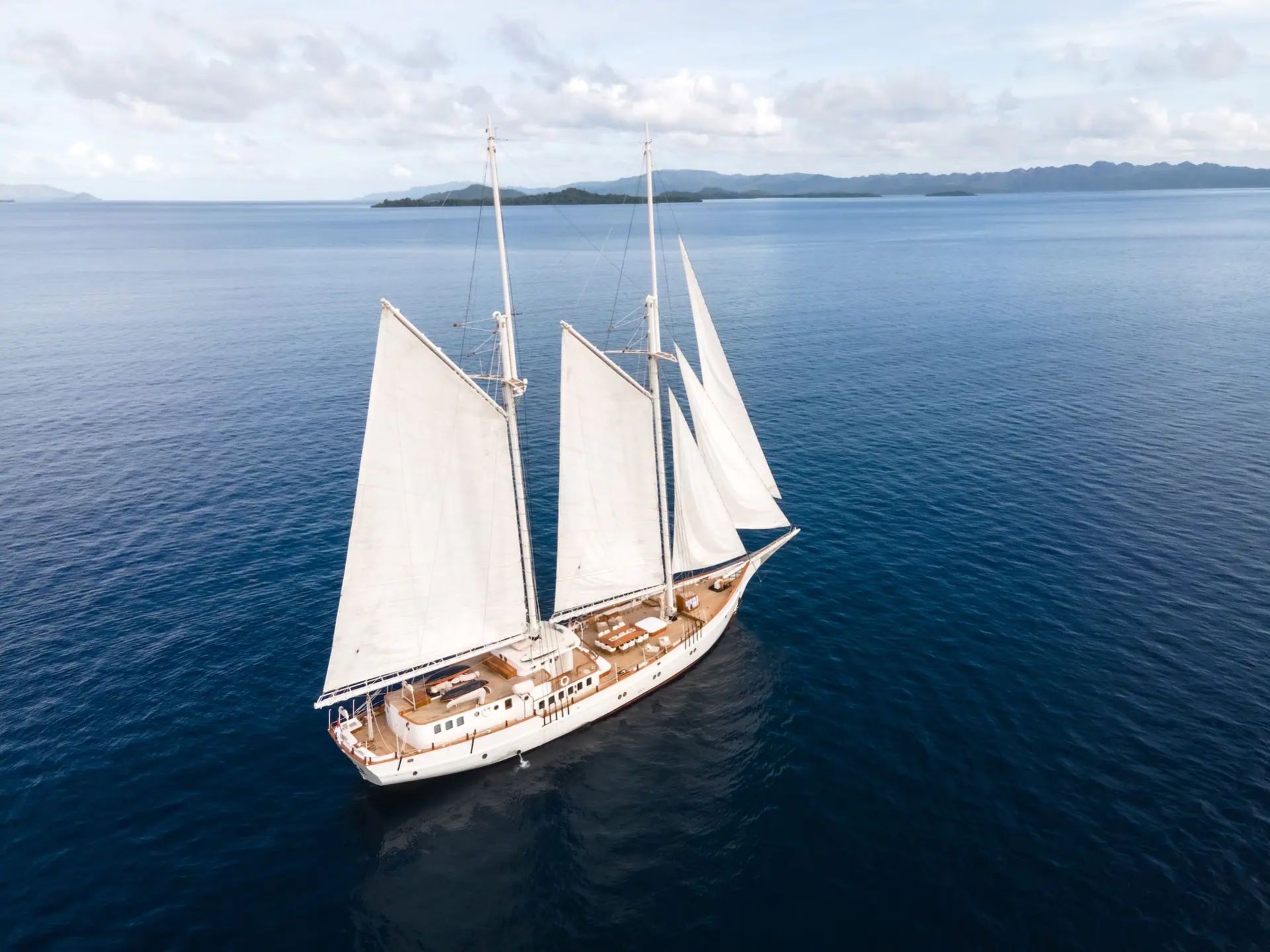
Mutiara Laut
Indonesia
14 guests46 m
$741/day
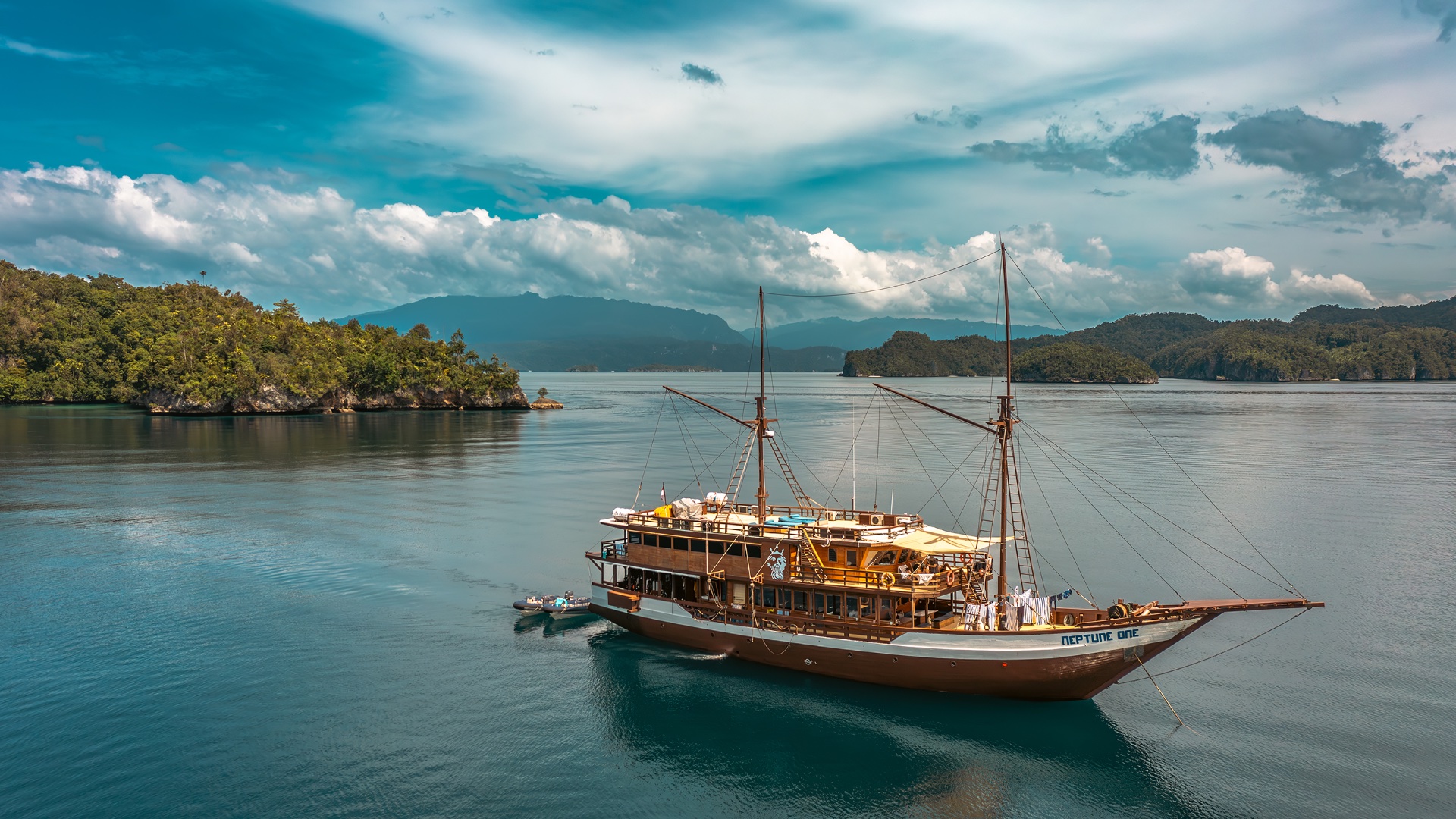
Neptune One
Indonesia
16 guests38 m
$332/day
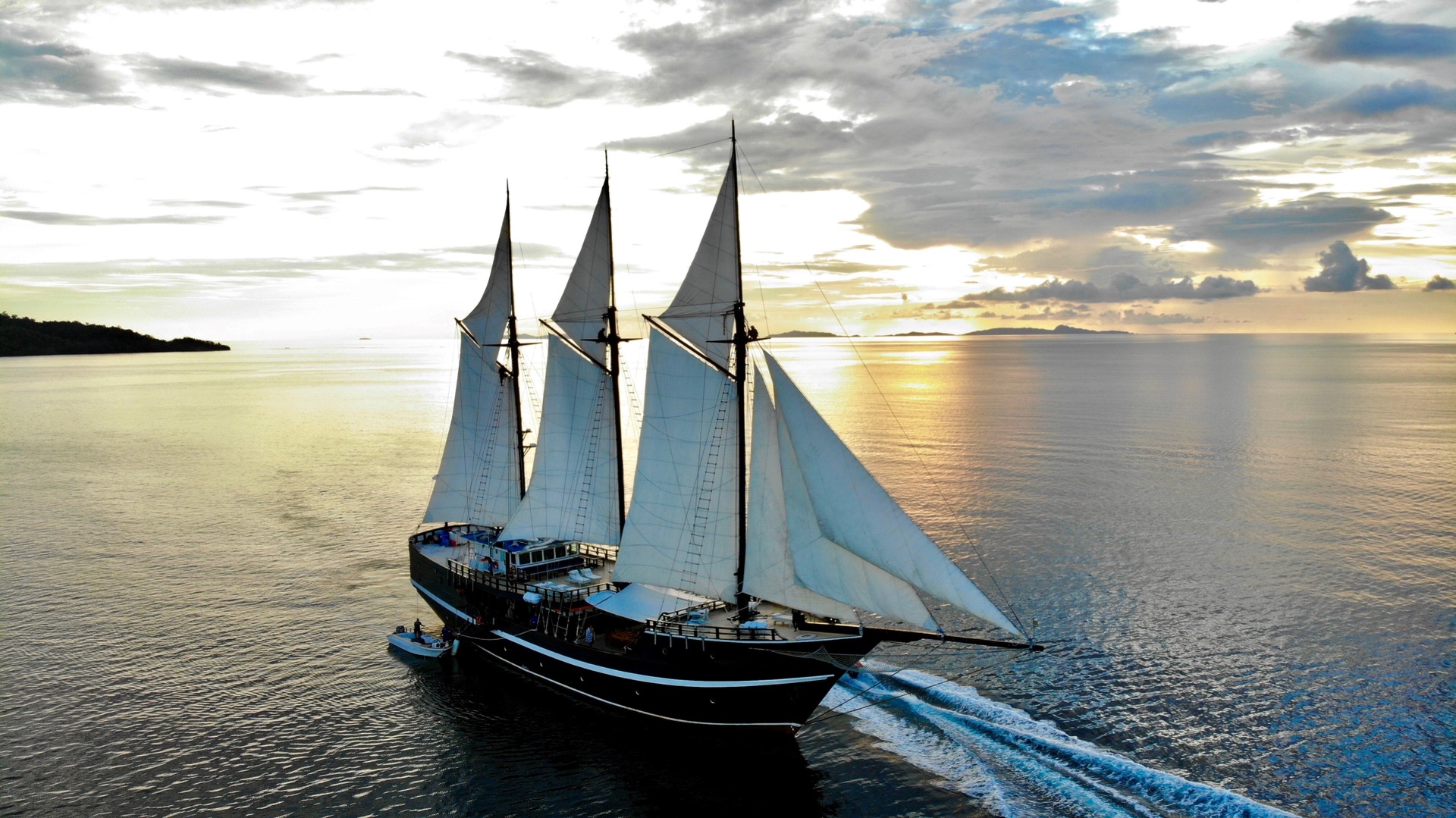
Dewi Nusantara
Indonesia
18 guests57 m
$599/day
Dive sites similar to Batu Kecil
Same character, same waters — six more sites divers love for the exact same reasons.Compare seasons, access and liveaboard routes — then pick the site that fits your trip best.
© Esri — Maxar, Earthstar, GIS
Komba Volcano
Alor
Komba Volcano presents a rare and dramatic dive experience in the remote Banda Sea, northeast of Flores.
- Suitable for
- Expert
- Current
- Moderate
- Access
- Liveaboard or dayboat
- Depth
- 15–50 m
- Theme
- Pinnacle / Wall
Abila is a notable dive site located within the Alor Islands Marine Park, an area celebrated for its rich marine biodiversity due to its position in the Coral Triangle.
- Suitable for
- Beginner
- Current
- Mild
- Access
- Liveaboard only
- Depth
- —
- Theme
- Reef
© Esri — Maxar, Earthstar, GIS
Adonara Channel
Alor
Adonara Channel stands as one of Alor's most iconic dive sites, celebrated for its dynamic currents and exceptionally rich biodiversity.
- Suitable for
- Advanced
- Current
- Strong
- Access
- Liveaboard or dayboat
- Depth
- 10–40 m
- Theme
- Drift / Wall
Alcatraz is a renowned dive site in Alor, celebrated for its unique underwater garden of pink soft coral trees that stretch several meters high from the sandy seabed.
- Suitable for
- Intermediate
- Current
- Mild
- Access
- Liveaboard only
- Depth
- 24–30 m
- Theme
- Reef
© Esri — Maxar, Earthstar, GIS
Andy’s Bus Stop
Alor
Andy's Bus Stop is an exceptional wall dive located in the southern part of Alor, renowned for its stunning and dense coral coverage.
- Suitable for
- Intermediate
- Current
- Moderate
- Access
- Liveaboard only
- Depth
- 8–30 m
- Theme
- Reef / Drift