About Bare Island West
Bare Island West stands as one of Sydney's most cherished shore diving destinations, offering a rich tapestry of marine life and diverse underwater topography. Situated along the western side of Bare Island, the site is characterized by rocky ledges, vibrant sponge gardens, scattered kelp patches, and shallow gullies, making it a favorite for local divers and underwater photographers. The dive typically focuses on a leisurely exploration of the temperate reef habitat, where attention to detail reveals hidden gems within weed beds, rock crevices, and sheltered corners. Depths here range from a mere 2 meters to a maximum of 12-19 meters, with much of the interesting biodiversity concentrated in the shallower sections. This makes it an accessible site while still offering plenty to discover. The site is particularly renowned for its macro subjects, including elusive seadragons, various species of seahorses, octopuses, cuttlefish, and an abundance of nudibranchs. Seasonal schooling fish also add to the vibrant underwater spectacle. Visibility averages around 8 meters, though it can fluctuate with swell. Access is straightforward from the shore, but divers should be mindful of swell conditions and tide timing, as surge can impact the experience. It's a site best enjoyed by those comfortable with basic navigation and entry over a rock platform, ensuring a safe and rewarding dive experience.
Highlights
Weedy Seadragons and SeahorsesAbundant Macro LifeSponge Gardens and KelpAccessible Shore DiveTemperate Reef HabitatRocky Ledges and Gullies
Season calendar
Best months to dive here
Jan
Feb
Mar
Apr
May
Jun
Jul
Aug
Sep
Oct
Nov
Dec
Good
Dive site facts: Bare Island West
- Depth
- 2–19 m
- Typical dive
- 7–12 m, 49 min
- Current
- Mild
- Visibility
- 8 m
- Water temperature
- 17–24°C
- Entry
- Shore / Rock platform
- Level
- Intermediate
- Dive type
- Macro, temperate reef, shore
- Night dive
- Possible
- Region / port
- Sydney, New South Wales
- Coordinates
- -34.002071, 151.218471
Conditions & Currents
Bare Island West generally experiences light currents, especially when timed appropriately with the tides. However, divers should be aware that currents can become more noticeable on incoming or outgoing tides. Surge is also a factor, typically light, but it can intensify significantly after periods of swell or during unfavorable tide cycles. Visibility averages around 8 meters but can decrease rapidly under strong swell conditions. Entry and exit require careful navigation over a rock platform, necessitating comfort with this terrain. While the site is generally considered intermediate-friendly, awareness of these variable conditions and basic navigation skills are beneficial for a safe and enjoyable dive.
Marine life & sighting chances

Weedy Seadragon
common
Common Seahorse
common
Pygmy Pipefish
common
Nudibranch
common
Octopus
common
Cuttlefish
common
Red Indianfish
common
Eastern Blue Groper
common
Port Jackson Shark
common
Anglerfish
common
Sea Star
common
Wobbegong Shark
commonDive profile & how the dive runs
Access to Bare Island West involves a shore entry over a rock platform, requiring careful footing and awareness of conditions. Once in the water, divers typically follow the western coastline of the island, exploring the shallow reef system. The dive profile emphasizes slow, detailed observation rather than covering large distances, with depths ranging from 2 meters, where much of the macro life resides, down to about 12 meters in deeper gullies. The route often involves weaving through rocky ledges, sponge gardens, and kelp patches. Divers should remain attentive to the ebb and flow of mild currents and potential surge, particularly near the entry point. The turnaround point is typically dictated by air consumption or a predetermined time limit. The safety stop is generally performed in the shallower areas of the reef, close to the exit point, allowing for continued observation of marine life.
Underwater photography
Bare Island West is a premier location for macro photography, thanks to its exceptional diversity of small and camouflaged marine life. A macro lens (e.g., 60mm or 100mm/105mm) is highly recommended to capture the intricate details of nudibranchs, seahorses, and pygmy pipefish. Consider a diopter for super macro shots of the smaller critters. For the resident weedy seadragons, a mid-range macro lens might be versatile. External strobes are essential to bring out vibrant colors and create dramatic lighting in the often dimmer reef environment. Patience and excellent buoyancy control are crucial to avoid disturbing delicate subjects and stirring up silt. Focus on isolating subjects against the busy reef background, and respect marine life by maintaining a distance and avoiding touching or manipulating creatures for a shot.
Combine with nearby dive sites
- Bare Island East
A neighboring Sydney shore dive known for sponge gardens and Red Indian fish.
- Henry Head
A Sydney sponge-garden reef dive located nearby.
- The Gutter
An entry point to one of the best dives at Bass Point, suitable for various skill levels.
- Gravel Loader
A productive dive along a jetty, with potential for grey nurse sharks and banded coral shrimp.
- Bushrangers Bay
A marine protected area known for resident grey nurse sharks and stingrays.
Getting there & logistics
Bare Island West is a popular shore dive located in Sydney, Australia. International travelers typically fly into Sydney Airport (SYD) before heading to the dive site. As a shore dive, no specific departure port or liveaboard is required. Divers usually access the site independently or through local dive shops offering guided shore dives. There are no permits or fees mentioned for diving this public site. Given its shore access and proximity to Sydney, it's often dived as a half-day excursion or combined with other local Sydney shore dives like Bare Island East. Most dive trips are day trips, allowing divers to explore the site's unique macro life without extensive travel commitments.
Safety & environment
While Bare Island West is accessible, divers must be highly aware of site-specific hazards. The primary concerns include variable visibility, which can drop significantly with swell, and surge, particularly on the rocky entry and exit platforms. These conditions necessitate careful judgment of sea state before diving. Mild currents are generally present but can become stronger depending on tide. As a public shore-access site, boat traffic near the island also warrants caution. Although no specific recompression chamber is noted in immediate proximity, Sydney has medical facilities capable of handling dive emergencies. Comprehensive dive insurance is strongly recommended. Divers should practice excellent buoyancy control to avoid damaging the delicate reef and stirring up silt, and maintain situational awareness throughout the dive.
Who it suits — and who it doesn't
Suited for
- Macro photographers seeking diverse subjects
- Shore diving enthusiasts comfortable with rock entries
- Divers interested in temperate reef ecosystems
- Intermediate divers seeking detailed exploration
- Underwater naturalists focused on identification
Less suited for
- Divers uncomfortable with potential surge and rock entries
- Those prioritizing large pelagic encounters
- Beginners without adequate buoyancy control
- Divers expecting consistently crystal-clear visibility
- Individuals seeking deep wreck or wall diving
FAQ
Bare Island West FAQ
What kind of marine life can I expect to see at Bare Island West?
Bare Island West is a renowned hotspot for macro life and temperate species. You can frequently spot Weedy Seadragons, various species of seahorses, pygmy pipefish, nudibranchs, octopuses, and cuttlefish. The site also hosts Red Indianfish, Eastern Blue Gropers, and occasional Port Jackson sharks or Wobbegong sharks.
Is Bare Island West suitable for beginner divers?
Bare Island West is generally considered an intermediate-level dive due to the shore entry over a rock platform and potential for surge or variable visibility. While shallow areas exist, comfort with basic navigation and currents is beneficial. Beginners should consider diving with a local guide.
What are the typical diving conditions at Bare Island West?
Conditions typically include mild currents, but surge can increase with swell. Visibility averages around 8 meters but can fluctuate. Water temperatures range from 17-24°C depending on the season. It's a temperate shore dive with depths mostly between 2-12 meters.
When is the best time of year to dive Bare Island West?
The site can be dived year-round. However, many local divers prefer the winter months for potentially clearer visibility and calmer conditions, especially when swell is low. Timing your dive with the right tide is also key to a pleasant experience, regardless of the season.
Is Bare Island West a good site for underwater photography?
Absolutely, Bare Island West is celebrated as an excellent site for underwater macro photography. Its rich biodiversity, particularly the abundance of seadragons, seahorses, nudibranchs, and other small creatures, provides endless opportunities for stunning close-up shots. A macro lens and good buoyancy are essential.
Why dive Bare Island West from a liveaboard?
Bare Island West is one of Australia's signature dive sites. A liveaboard sleeps you on the water and puts you in the water for three to four guided dives per day, including dawn and night dives that day-boat operators rarely offer. You skip the daily commute back to port and reach quieter, less-crowded sites in the same region on a single trip.
Below are the liveaboards that include Bare Island West on their Australia itineraries.
Liveaboards diving Bare Island West
These liveaboards may visit Bare Island West on selected itineraries — the exact dive sites depend on departure, weather and conditions.
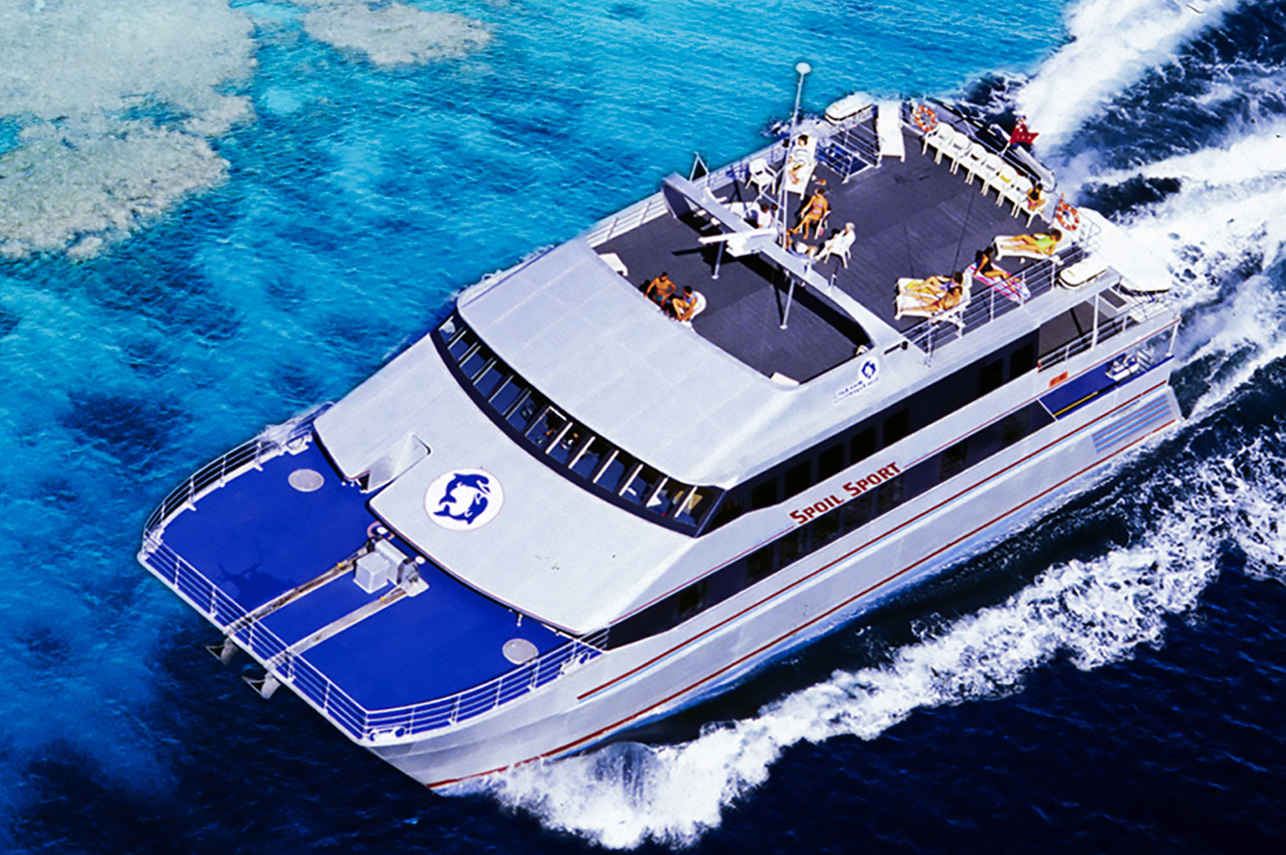
Spoilsport
Australia
28 guests30 m
$403/day
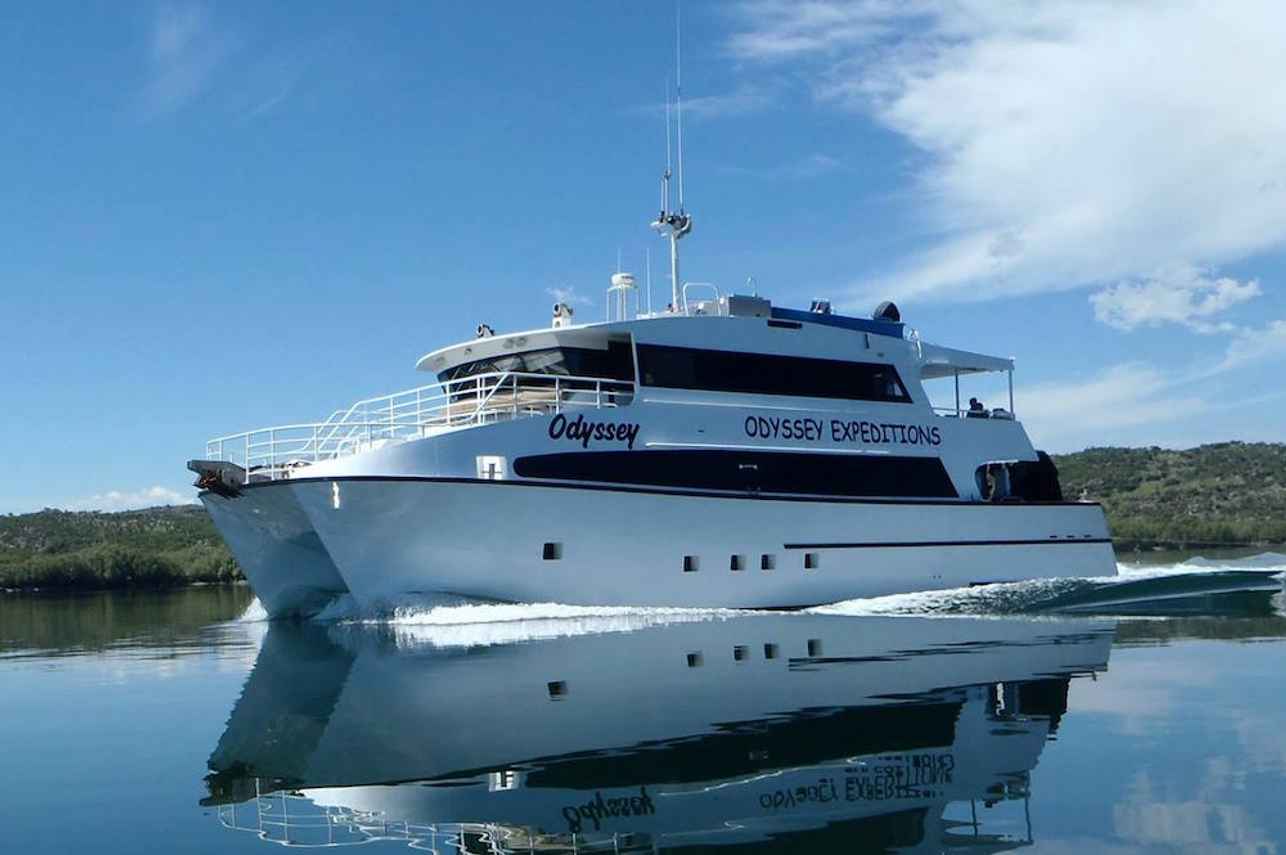
Odyssey Liveaboard
Australia
20 guests24 m
$392/day
Dive sites similar to Bare Island West
Same character, same waters — six more sites divers love for the exact same reasons.Compare seasons, access and liveaboard routes — then pick the site that fits your trip best.
© Esri — Maxar, Earthstar, GIS
Challenger Bay
Australia
Challenger Bay, nestled on Ribbon Reef #10, approximately 176 kilometers north of Port Douglas, is a renowned dive site on the remote northern Great Barrier Reef.
- Suitable for
- Advanced
- Current
- Moderate
- Access
- Liveaboard only
- Depth
- 5–30 m
- Theme
- Reef
© Esri — Maxar, Earthstar, GIS
Blizzard Ridge
Australia
Blizzard Ridge is a renowned dive site situated within Lighthouse Bay on Ningaloo Reef, Western Australia, easily accessible from Exmouth.
- Suitable for
- Beginner
- Current
- Moderate
- Access
- Liveaboard or dayboat
- Depth
- ≤ 15 m
- Theme
- Reef
© Esri — Maxar, Earthstar, GIS
Rottnest Island
Australia
Rottnest Island, located approximately 18 kilometers off Perth, Western Australia, offers exceptional diving characterized by its distinctive limestone formations.
- Suitable for
- Intermediate
- Current
- Mild
- Access
- Dayboat
- Depth
- 8–22 m
- Theme
- Reef / Cave & cavern
© Esri — Maxar, Earthstar, GIS
Bare Island East
Australia
Bare Island East is a highly regarded shore dive in Sydney, celebrated for its diverse and colourful sponge gardens.
- Suitable for
- Intermediate
- Current
- Mild
- Access
- Shore / dayboat
- Depth
- 2–11 m
- Theme
- Reef
© Esri — Maxar, Earthstar, GIS
Raine Island
Australia
Raine Island is a pivotal dive site located in the Far Northern Great Barrier Reef, approximately 85 kilometers east-north-east of Cape Grenville and just over 4 nautical miles south of the island itself.
- Suitable for
- Advanced
- Current
- Strong
- Access
- Liveaboard only
- Depth
- 5–40 m
- Theme
- Reef / Wall
© Esri — Maxar, Earthstar, GIS
Gravel Loader
Australia
The Gravel Loader dive site in New South Wales offers a productive jetty dive experience, particularly appealing for its unique artificial reef habitat.
- Suitable for
- Beginner
- Current
- Moderate
- Access
- Shore / dayboat
- Depth
- ≤ 9 m
- Theme
- Reef