About Henry Head
Henry Head is a captivating intermediate-level dive site situated at the mouth of Botany Bay in Sydney, New South Wales, Australia. This exposed headland dive is renowned for its dramatic underwater topography and the abundant marine life that thrives in its temperate waters, at the meeting point of the bay and the open Tasman Sea. The site consistently rewards exploration with its intricate geological features and varied ecosystems, making it a Sydney favorite. The underwater landscape at Henry Head is characterized by a rocky coastline that extends beneath the surface into a complex network of walls, boulders, and reef formations. Divers can explore gutters, swim-throughs, and deep channels, all carved into the sandstone over centuries by powerful wave action. These structures create a three-dimensional habitat that supports a wide array of marine species, from resting sharks to schooling fish. The site's unique location ensures a rich ecosystem. Nutrient-laden currents flowing past the headland nourish extensive sponge gardens, ascidians, and other colorful encrusting organisms that adorn the rocky walls in shades of orange, yellow, and purple. Gorgonian fans and sea whips are prominent, extending from the rock faces, particularly in deeper sections. This constant nutrient supply contributes to impressive marine biodiversity and numbers. Diving Henry Head typically involves boat access, though shore access is also mentioned for certain areas. Given its exposure to the Tasman Sea, conditions can vary, requiring careful planning around swell and currents. The best experience often aligns with calm conditions and slack water, offering visibility that can range from 5 to 20 meters. Water temperatures mirror Sydney's temperate climate, ranging from approximately 16°C in winter to 23°C in summer.
Highlights
Dramatic sandstone topographyExtensive sponge gardensWobbegong and Port Jackson sharksGorgonian fans and sea whipsGutters and swim-throughsDiverse temperate marine lifeJunction of bay and ocean waters
Season calendar
Best months to dive here
Jan
Feb
Mar
Apr
May
Jun
Jul
Aug
Sep
Oct
Nov
Dec
Good
Dive site facts: Henry Head
- Depth
- 12–26 m
- Current
- Moderate to strong
- Visibility
- 5–20 m
- Water temperature
- 16–23°C
- Entry
- Boat / Shore (variable)
- Level
- Intermediate
- Dive type
- Reef, wall, drift, sponge garden
- Region / port
- Sydney, New South Wales
- Coordinates
- -33.998, 151.235
Conditions & Currents
Henry Head is an exposed site that can experience significant surge near the surface, especially when open ocean swell is present. Currents can develop strongly around the headland due to its position at the entrance to Botany Bay, where bay waters meet the Tasman Sea. Divers must plan for potential drift and account for varying current strengths, which can dictate entry and exit techniques, particularly for boat dives. Visibility can fluctuate considerably, from 5 to 20 meters, depending on recent weather patterns and sea state, with better clarity often associated with cooler, drier periods. Air management is crucial due to the site's depth and potential currents. Calm conditions and slack water provide the most comfortable and rewarding dive experience, especially for exploring the intricate topography without excessive effort.
Marine life & sighting chances
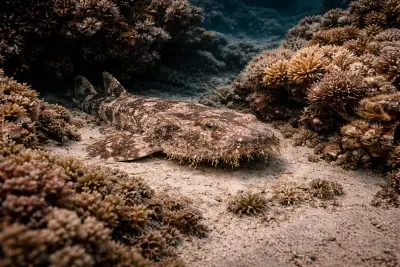
Wobbegong shark
common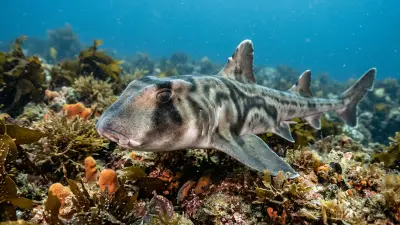
Port Jackson shark
common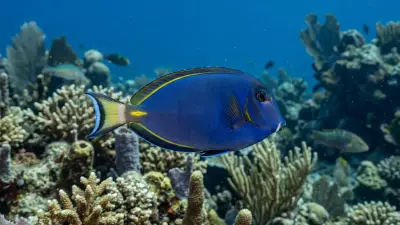
Blue groper
common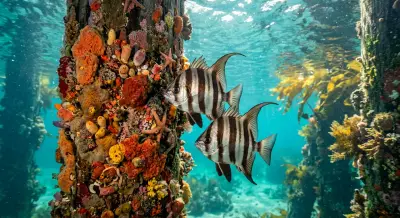
Old wife
commonMado
common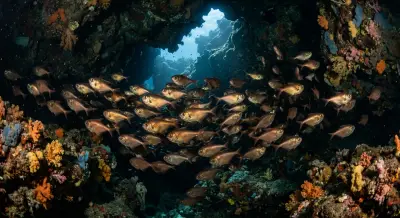
Bullseye
common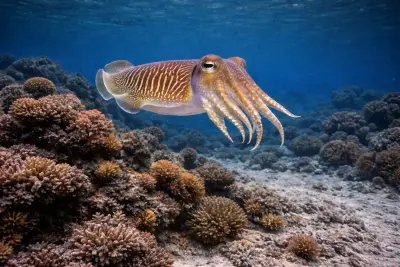
Cuttlefish
common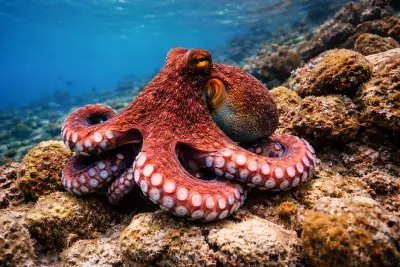
Octopus
common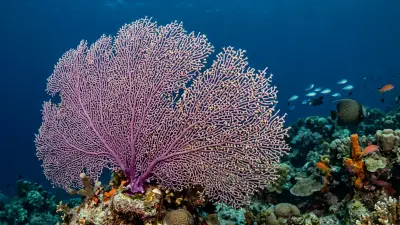
Gorgonian fan
common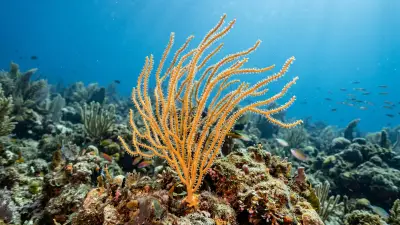
Sea whip
common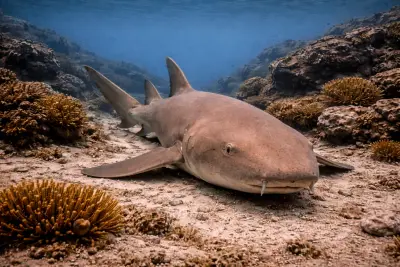
Grey nurse shark
seasonal migrations · occasionalDive profile & how the dive runs
A typical dive at Henry Head often begins as a boat dive, given its exposed location. After a negative or controlled descent, divers explore the extensive rocky reef that starts in the shallow teens and slopes down to depths of up to 26 meters on the seaward side. The route typically follows the contours of the headland, weaving through sandstone gutters, overhangs, and swim-throughs adorned with vibrant sponge gardens. Depending on current direction, this may become a drift dive, allowing the current to carry you effortlessly along the reef. The dive progresses through varying depth bands, exploring deeper walls where gorgonian fans are more prevalent, before gradually ascending. The turn point is usually dictated by air consumption and current conditions. Safety stops are commonly conducted in the shallower sections of the reef, often around 5 meters, allowing for extended exploration of the colorful encrusting life while decompressing.
Underwater photography
Henry Head offers excellent opportunities for both wide-angle and macro photography, necessitating versatile gear or careful planning. For wide-angle shots, a fisheye or rectilinear wide-angle lens is ideal to capture the dramatic sandstone topography, vast sponge gardens, and schooling fish. Positioning strobes carefully is essential, especially with variable visibility, to avoid backscatter in the water column. For macro subjects, including nudibranchs, mantis shrimp, and juvenile fish hiding among the sponges, a macro lens with powerful strobes or a snoot will highlight fine details and vibrant colors. Given the potential for surge and current, maintaining excellent buoyancy control is crucial to protect delicate marine life and ensure stable shots. Ethical photography practices, such as avoiding touching marine organisms or stirring up sediment, are paramount to preserve the site's pristine condition.
Combine with nearby dive sites
- Sutherland Point
Sutherland Point offers an accessible shore diving experience along the dramatic coastline of Kurnell in Botany Bay, Sydney, New South…
- The Monument
The Monument dive site, located within Botany Bay at Kurnell in Sydney, Australia, is named for its proximity to the Captain Cook landing…
- Magic Point
Known for grey nurse sharks.
- Bare Island East
Shore dive with sponge gardens and macro life.
- The Grotto
The Grotto is a boat-access reef dive situated on the Lonsdale Wall, offering an ideal experience for divers who appreciate detailed…
Getting there & logistics
Henry Head is primarily accessed via day boats departing from Sydney, specifically from areas like La Perouse, which is approximately 14 km from Sydney's CBD. Divers typically fly into Sydney Kingsford Smith Airport (SYD). Day trips to Henry Head are common, often combined with other local sites depending on conditions and diver preferences. While shore access is mentioned, boat diving is more frequently utilized for this exposed site. Divers should coordinate with local dive operators in Sydney, such as those in Ramsgate or Bondi, who regularly run trips to Henry Head. There are no specific national park fees mentioned for diving this site itself, but standard tour operator costs apply. A dive at Henry Head is usually part of a half-day or full-day excursion.
Safety & environment
Diving at Henry Head requires careful attention to safety protocols due to its exposed nature. Key hazards include strong currents, which can develop around the headland, and significant waves or surge, especially near the surface. Divers must plan for potential drift, maintain vigilant buoyancy control, particularly when navigating through ledges and swim-throughs, and avoid diving when swell is pushing through the headland. The nearest recompression chamber is located at Prince of Wales Hospital in Randwick, Sydney, approximately 15-20 kilometers from Henry Head, but evacuation procedures would depend on the dive boat's capabilities and proximity. Comprehensive dive insurance covering hyperbaric treatment and emergency evacuation is strongly recommended for all divers. Always follow the guidelines set by dive operators and adhere to Kamay Botany Bay National Park access rules and local boat-dive guidance to ensure a safe experience.
Who it suits — and who it doesn't
Suited for
- Intermediate to advanced divers comfortable with currents
- Divers seeking dramatic reef topography and swim-throughs
- Underwater photographers interested in diverse temperate marine life
- Divers looking for robust sponge gardens and encrusting organisms
- Those who appreciate both macro and pelagic encounters
Less suited for
- Beginner divers without current management experience
- Divers uncomfortable with potential surge and variable visibility
- Those seeking calm, sheltered diving conditions exclusively
- Divers with limited buoyancy control in complex environments
FAQ
Henry Head FAQ
What kind of marine life can I expect to see at Henry Head?
Henry Head is home to a diverse range of marine life, including common sightings of wobbegong and Port Jackson sharks resting under ledges. You will also encounter large blue groupers, schools of old wife, mado, and bullseye. Cuttlefish and octopus are frequently spotted, and seasonally, grey nurse sharks may pass through the area during migrations. The rocky walls are covered with vibrant sponge gardens, gorgonian fans, and sea whips.
What are the typical diving conditions at Henry Head?
Conditions at Henry Head can vary significantly due to its exposed location at the entrance to Botany Bay. Divers can expect water temperatures ranging from 16°C in winter to 23°C in summer. Visibility typically ranges from 5 to 20 meters, depending on recent weather. Currents can be moderate to strong, and there might be surge near the surface, especially with open ocean swell. Calm conditions and slack water offer the best diving experience.
Is Henry Head suitable for beginner divers?
Henry Head is generally rated as an intermediate-level dive site. Its exposure to open ocean swell, potential for significant currents, and depths reaching 26 meters mean it's not ideal for beginners. Divers should have experience managing currents, excellent buoyancy control, and be comfortable with varying visibility to safely enjoy this site. It is recommended for certified divers with some experience beyond entry-level.
How do I access Henry Head for diving?
Henry Head is predominantly accessed via boat dives from Sydney, with dive operators typically departing from areas around La Perouse. While shore access is mentioned as a possibility, boat diving is more common due to the site's exposed nature and to comfortably reach the best dive sections. You can arrange trips through local dive centers in Sydney, which include transport to the site.
What kind of underwater topography will I find at Henry Head?
The underwater topography at Henry Head is dramatic, featuring a continuation of the rocky coastline below the surface. You'll find a series of walls, large boulders, and extensive reef formations. The sandstone has been carved by wave action into gutters, swim-throughs, and deep channels, creating a complex three-dimensional environment. These structures are richly covered in colorful sponge gardens, ascidians, and gorgonian fans, providing diverse habitats.
Why dive Henry Head from a liveaboard?
Henry Head is one of Australia's signature dive sites. A liveaboard sleeps you on the water and puts you in the water for three to four guided dives per day, including dawn and night dives that day-boat operators rarely offer. You skip the daily commute back to port and reach quieter, less-crowded sites in the same region on a single trip.
Below are the liveaboards that include Henry Head on their Australia itineraries.
Liveaboards diving Henry Head
These liveaboards may visit Henry Head on selected itineraries — the exact dive sites depend on departure, weather and conditions.
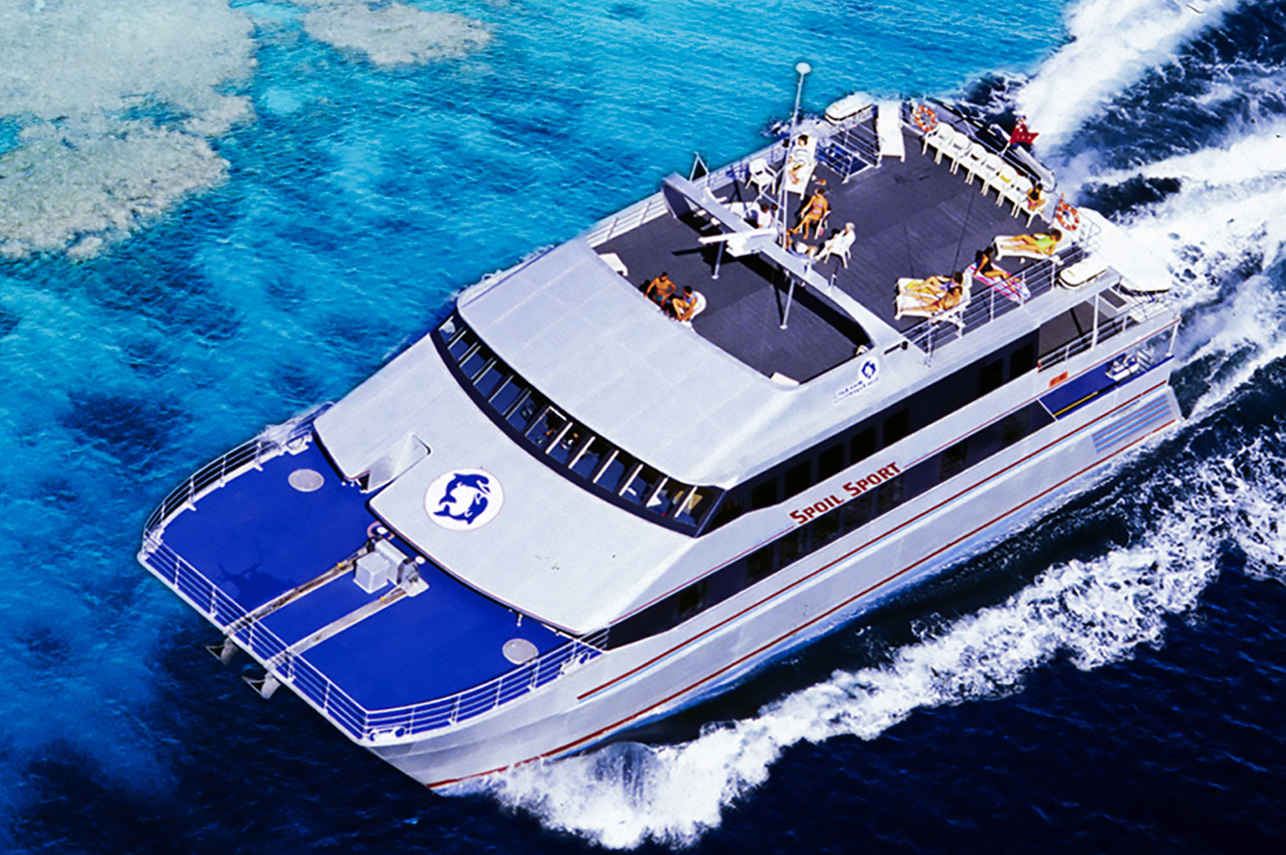
Spoilsport
Australia
28 guests30 m
$408/day
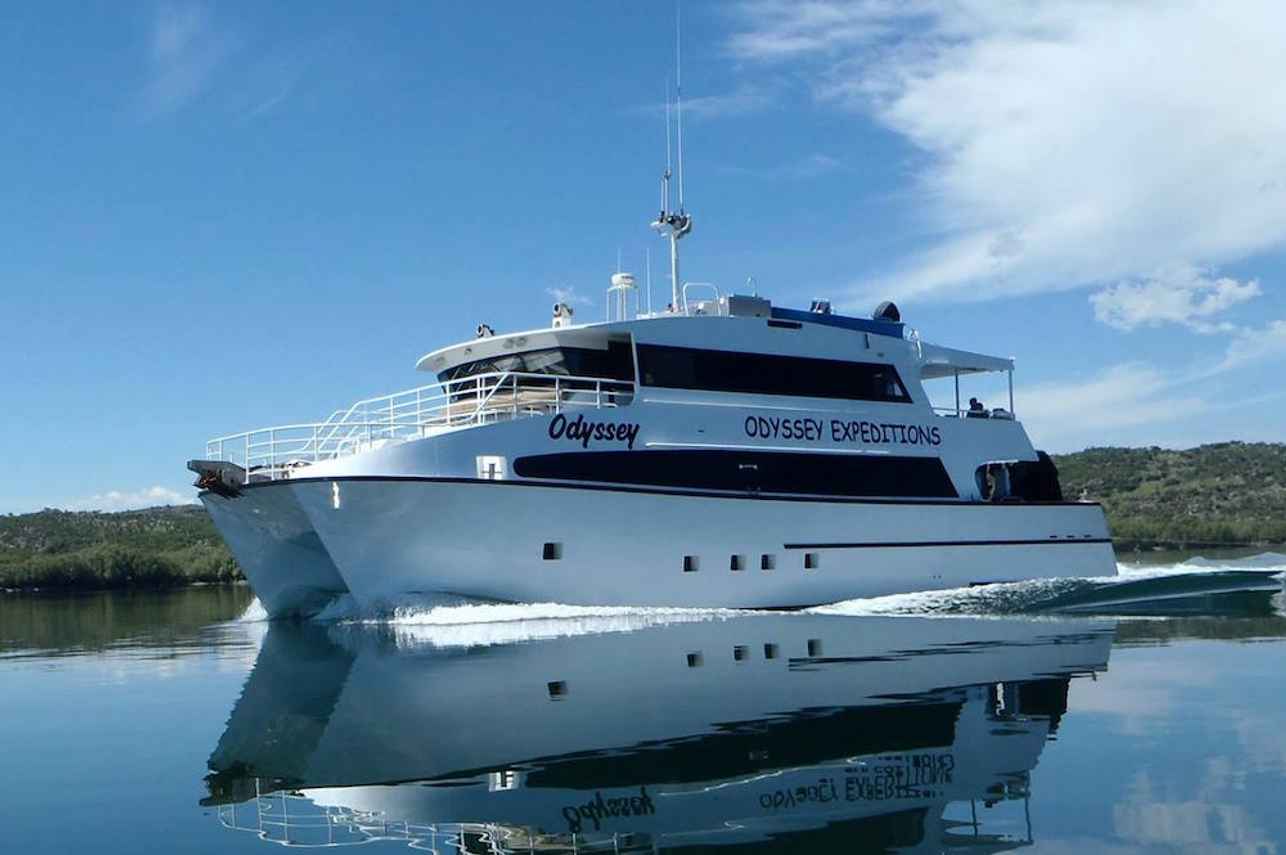
Odyssey Liveaboard
Australia
20 guests24 m
$392/day
Dive sites similar to Henry Head
Same character, same waters — six more sites divers love for the exact same reasons.Compare seasons, access and liveaboard routes — then pick the site that fits your trip best.
© Esri — Maxar, Earthstar, GIS
Agincourt Reef
Australia
Agincourt Reef sits on the outer edge of the Great Barrier Reef, roughly 60–72 km off Port Douglas in Far North Queensland, at the southern end of the true ribbon reefs that run…
- Suitable for
- Beginner
- Current
- Moderate
- Access
- Dayboat
- Depth
- 2–20 m
- Theme
- Reef / Wall
© Esri — Maxar, Earthstar, GIS
Cocos Keeling - Canons
Australia
Cocos Keeling - Canons offers a distinctive dive experience within the Cocos (Keeling) Islands lagoon, making it Australia's most remote dive destination.
- Suitable for
- Beginner
- Current
- Mild
- Access
- Dayboat
- Depth
- 8–12 m
- Theme
- Reef
© Esri — Maxar, Earthstar, GIS
Raine Island
Australia
Raine Island is a pivotal dive site located in the Far Northern Great Barrier Reef, approximately 85 kilometers east-north-east of Cape Grenville and just over 4 nautical miles south of the island itself.
- Suitable for
- Advanced
- Current
- Strong
- Access
- Liveaboard only
- Depth
- 5–40 m
- Theme
- Reef / Wall
© Esri — Maxar, Earthstar, GIS
Neptune Islands
Australia
The Neptune Islands, nestled at the mouth of South Australia's Spencer Gulf, offer an unparalleled opportunity to encounter great white sharks.
- Suitable for
- Advanced
- Current
- Strong
- Access
- Liveaboard or dayboat
- Depth
- 5–15 m
- Theme
- Drift
© Esri — Maxar, Earthstar, GIS
Bare Island East
Australia
Bare Island East is a highly regarded shore dive in Sydney, celebrated for its diverse and colourful sponge gardens.
- Suitable for
- Intermediate
- Current
- Mild
- Access
- Shore / dayboat
- Depth
- 2–11 m
- Theme
- Reef
© Esri — Maxar, Earthstar, GIS
Cocos Keeling - Broccoli Patch
Australia
Broccoli Patch is a premier dive site nestled within the Cocos (Keeling) Islands lagoon system, offering a gentle yet captivating underwater experience.
- Suitable for
- Beginner
- Current
- Mild
- Access
- Dayboat
- Depth
- 5–10 m
- Theme
- Reef