About HTMS Chang Wreck
The HTMS Chang Wreck, an impressive artificial reef, is Thailand's largest purpose-sunk vessel, resting off the coast of Koh Chang in the Gulf of Thailand. This 100-meter-long ship, originally the USS Lincoln County, served in WWII and the Korean War before joining the Royal Thai Navy. In 2012, it was intentionally scuttled upright on a sandy bottom, transforming into a vibrant underwater metropolis at depths reaching 34 meters. Today, the wreck's decks, cargo holds, and passageways are extensively colonized by soft corals, sponges, and anemones, creating a stunning contrast against its steel structure. The site provides a thriving habitat for a diverse array of marine life, from small nudibranchs to large schools of barracuda and snappers. Accessible to advanced open water divers, the HTMS Chang offers both recreational wreck exploration and significant opportunities for technical wreck penetration for appropriately trained and certified divers. Its scale and structural complexity make it a prime location for advanced wreck and technical diving courses. The experience of diving the HTMS Chang combines history with rich marine biology. Descending onto the wreck, divers witness the superstructure emerge, gradually revealing the ship's immense dimensions, from its bridge and radar mast to its gun platforms. The warm Gulf waters ensure rapid marine colonization, continually enhancing its appeal as one of Southeast Asia's must-dive wrecks.
Highlights
Thailand's largest purpose-sunk wreck100-meter-long LST-898 vesselExtensive coral and sponge growthThriving artificial reef ecosystemTechnical wreck penetration potentialDiverse fish schools and macro lifeUpright position on sandy bottomFormer US Navy (USS Lincoln County)
Season calendar
Best months to dive here
Jan
Feb
Mar
Apr
May
Jun
Jul
Aug
Sep
Oct
Nov
Dec
Excellent
Good
Dive site facts: HTMS Chang Wreck
- Depth
- 12–34 m
- Typical dive
- 30 m, 40–50 min
- Current
- Mild to moderate
- Visibility
- 10–25 m
- Water temperature
- 28–30°C
- Entry
- Boat
- Level
- Advanced Open Water, Wreck Diver for penetration
- Dive type
- Wreck, artificial reef, technical
- Night dive
- Possible
- Region / port
- Koh Chang / Gulf of Thailand
- Coordinates
- 11.945, 102.365
Conditions & Currents
Currents at the HTMS Chang Wreck are generally mild, but can occasionally increase, requiring divers to be mindful of drift, particularly around the deeper sections and during penetrations. While the wreck is usually dived as a boat trip, conditions are typically calm enough for simple entry and exit. Visibility averages around 15 meters, but can extend up to 25 meters during peak season, with water temperatures consistently warm at 28-30°C. Divers should plan their descent and ascent carefully, using the wreck's structure for shelter if needed, and always consider the potential for moderate currents when planning gas consumption and bottom time, especially for deeper or penetration dives.
Marine life & sighting chances
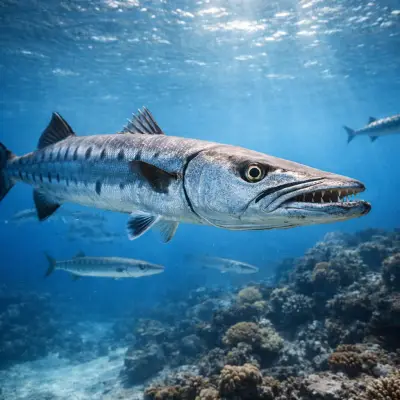
Barracuda
common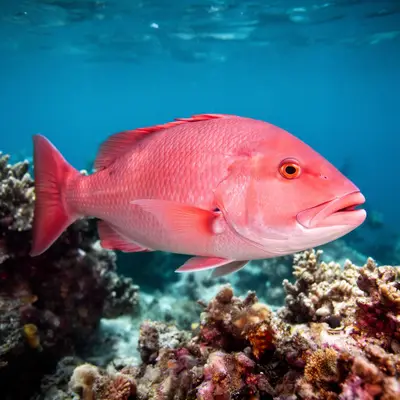
Snapper
common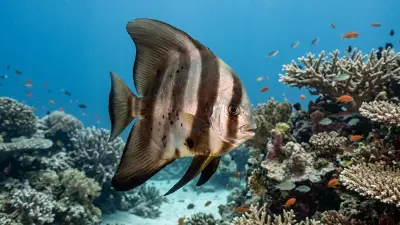
Batfish
common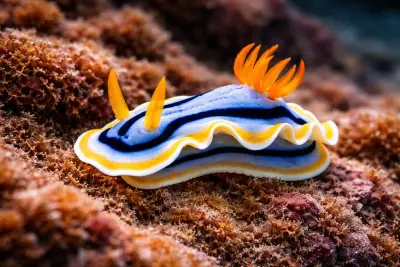
Nudibranch
common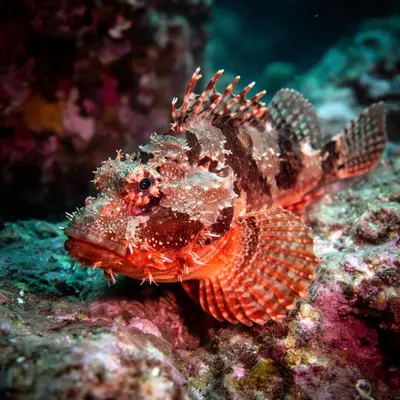
Scorpionfish
occasional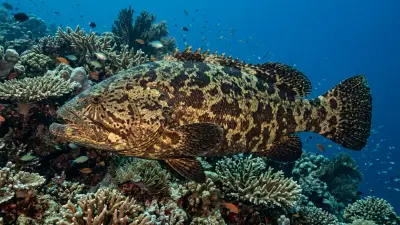
Grouper
occasional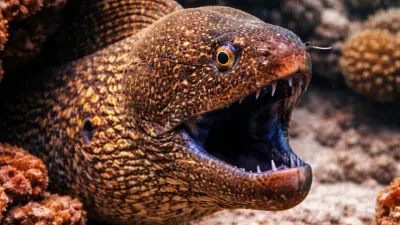
Moray eel
occasional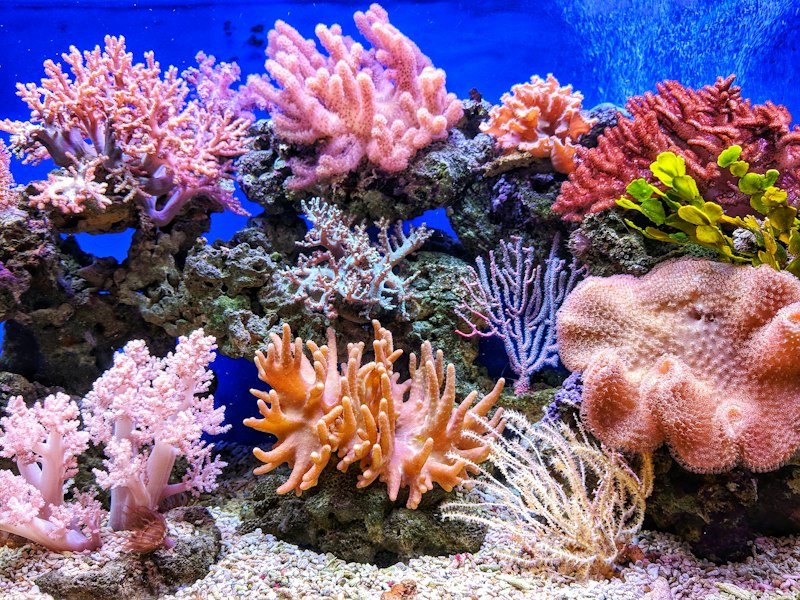
Soft corals
common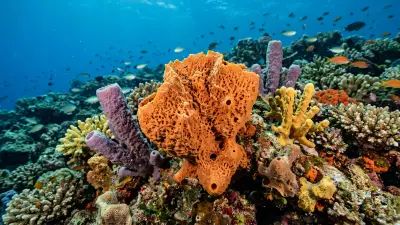
Sponges
common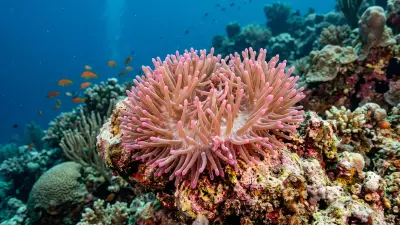
Anemones
common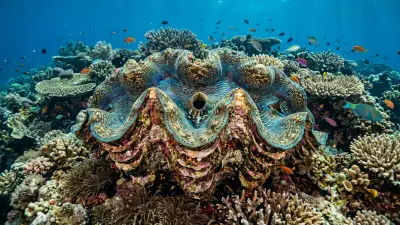
Clams
occasional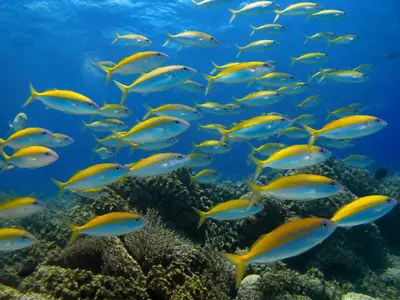
Fusilier
commonDive profile & how the dive runs
Your dive on the HTMS Chang typically begins with a descent along a mooring line to the wreck's superstructure. Recreational divers usually explore the upper decks and external areas, starting around 12-18 meters. You can circumnavigate the massive hull, observing the bridge, radar mast, and gun platforms. A common route involves swimming along the length of the vessel, taking in the scale and marine growth, before heading to the deeper sections around 30 meters where the propellers and rudder are located. Due to the depth and size, multiple dives are often required to fully appreciate the wreck. Penetration dives for appropriately trained divers explore internal spaces like the engine room and cargo holds. Safety stops are conducted on the ascent, often utilizing the mooring line or shallower parts of the wreck, before returning to the boat.
Underwater photography
The HTMS Chang offers abundant opportunities for wreck and wide-angle photography, capturing the immense scale of the 100-meter vessel and its dense fish schools. A wide-angle lens is essential for documenting the full ship profile, particularly the impressive superstructure and large external features. For macro enthusiasts, numerous nudibranchs, smaller invertebrates, and intricate coral growth provide excellent close-up subjects. Due to the depth and potential for lower visibility, external strobes are highly recommended to bring out the vibrant colors of the marine life and corals. When exploring the wreck's interior, a powerful video light or torch is crucial for illumination and to aid focusing. Maintaining excellent buoyancy is paramount to avoid disturbing sediments and ensuring clear shots, especially within the overhead environment.
Combine with nearby dive sites
Getting there & logistics
Access to Koh Chang usually begins with travel to Bangkok, followed by a 4-5 hour drive or bus to Trat, or a short flight to Trat Airport (TDX). From Trat, regular ferries connect to Koh Chang, taking 30-45 minutes. Once on the island, dive centers, primarily located on the west coast, organize boat trips to the HTMS Chang, typically as day trips. There are no national park fees specific to this wreck, but dive operators will charge for the boat trip and dive guiding. It is normally combined with other local Koh Chang reef dives.
Safety & environment
Diving the HTMS Chang requires advanced dive certification due to its depth and potential for currents. For wreck penetration, specific training and certification, such as TDI Advanced Wreck, are mandatory due to the overhead environment and associated risks. Divers must be proficient in buoyancy control to avoid entanglement or disturbing silt. The nearest recompression chamber is likely in Pattaya or Bangkok, meaning evacuation could be lengthy; therefore, comprehensive dive insurance is highly recommended. Always dive with a reputable local operator, adhere strictly to guide instructions, and avoid solo diving or exceeding training limits. Conservative dive planning, including gas management and decompression, is essential given the depth.
Who it suits — and who it doesn't
Suited for
- Advanced Open Water divers seeking a challenging wreck
- Wreck penetration specialists with appropriate training
- Technical divers practicing advanced decompression and overhead procedures
- Underwater photographers interested in large marine life and structural shots
- Divers comfortable with depths up to 34 meters and potential currents
Less suited for
- Beginner or Open Water certified divers
- Divers without proper wreck penetration training for internal exploration
- Those uncomfortable with deep diving
- Divers prone to claustrophobia in confined spaces
- Snorkelers (due to depth)
FAQ
HTMS Chang Wreck FAQ
What is the maximum depth of the HTMS Chang Wreck?
The HTMS Chang Wreck rests on a sandy bottom, with its deepest parts reaching approximately 34 meters. The superstructure and upper decks are considerably shallower, making various sections accessible to different levels of certified divers.
Is wreck penetration allowed on the HTMS Chang?
Yes, wreck penetration is possible on the HTMS Chang, which has been prepared with access points for divers. However, full penetration beyond recreational limits requires specific wreck penetration training and certification, such as TDI Advanced Wreck, to ensure diver safety in an overhead environment.
What marine life can I expect to see on the HTMS Chang?
The HTMS Chang Wreck is a vibrant artificial reef teeming with marine life. You can commonly encounter large schools of barracuda, snappers, and batfish, along with various nudibranchs, scorpionfish, groupers, and moray eels residing within the wreck's structure and surrounding areas.
What is the best time of year to dive the HTMS Chang?
The prime diving season for the HTMS Chang is from November to May. During these months, the Koh Chang region typically experiences calmer sea conditions and better underwater visibility, enhancing the wreck diving experience.
What certification level is required to dive the HTMS Chang?
To dive the HTMS Chang, an Advanced Open Water certification is generally recommended due to the depth of the wreck. For any internal exploration or penetration, a specialized wreck diving certification with overhead environment training is strictly required.
How long is the HTMS Chang wreck?
The HTMS Chang is Thailand's largest purpose-sunk wreck, measuring an impressive 100 to 117 meters in length. Its substantial size offers extensive areas for exploration, making it a significant dive site in the Gulf of Thailand.
Why dive HTMS Chang Wreck from a liveaboard?
HTMS Chang Wreck is one of Thailand's signature dive sites. A liveaboard sleeps you on the water and puts you in the water for three to four guided dives per day, including dawn and night dives that day-boat operators rarely offer. You skip the daily commute back to port and reach quieter, less-crowded sites in the same region on a single trip.
Below are the liveaboards that include HTMS Chang Wreck on their Thailand itineraries.
Liveaboards diving HTMS Chang Wreck
These liveaboards may visit HTMS Chang Wreck on selected itineraries — the exact dive sites depend on departure, weather and conditions.
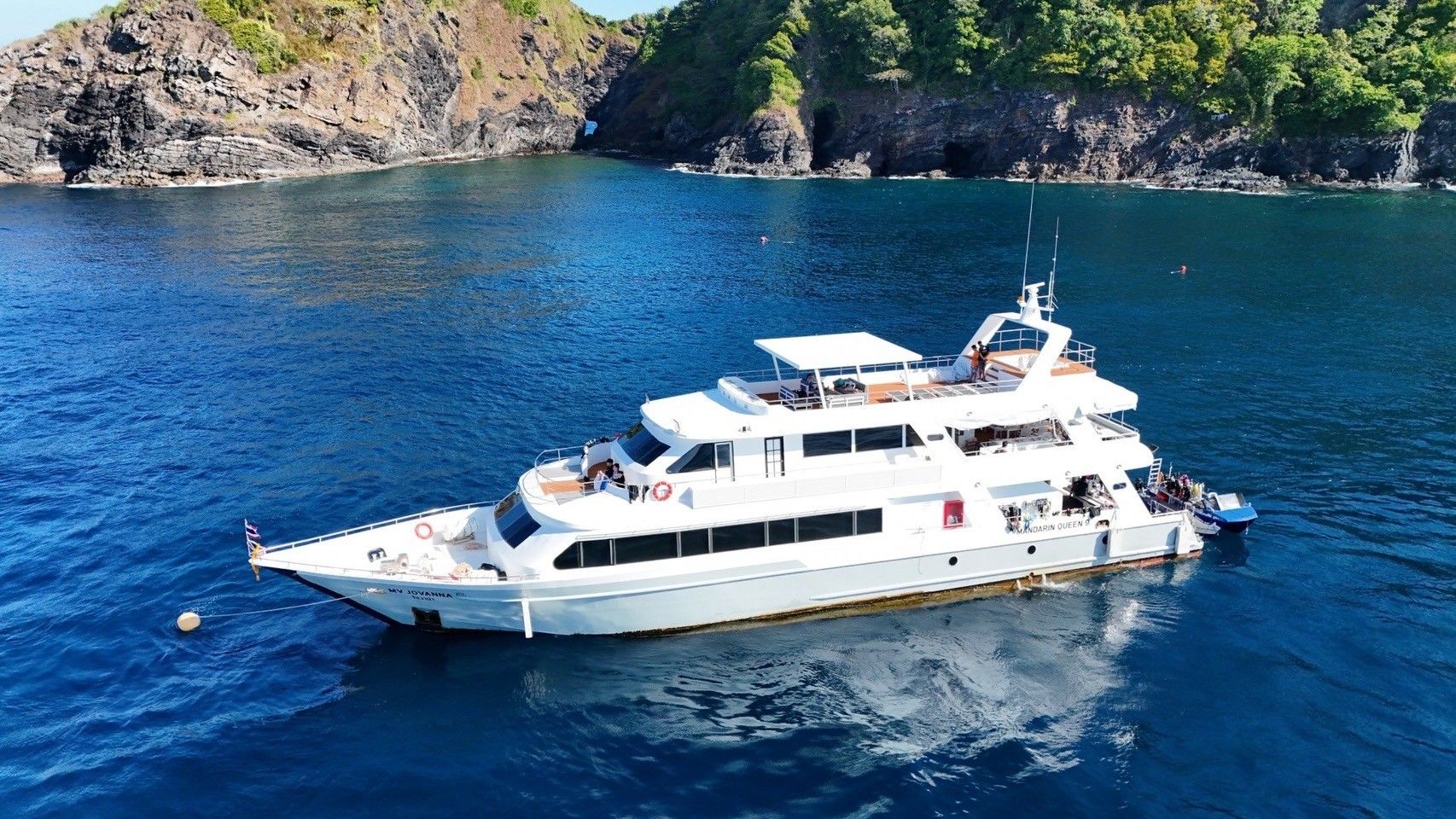
Mandarin Queen 9
Thailand
26 guests37.5 m
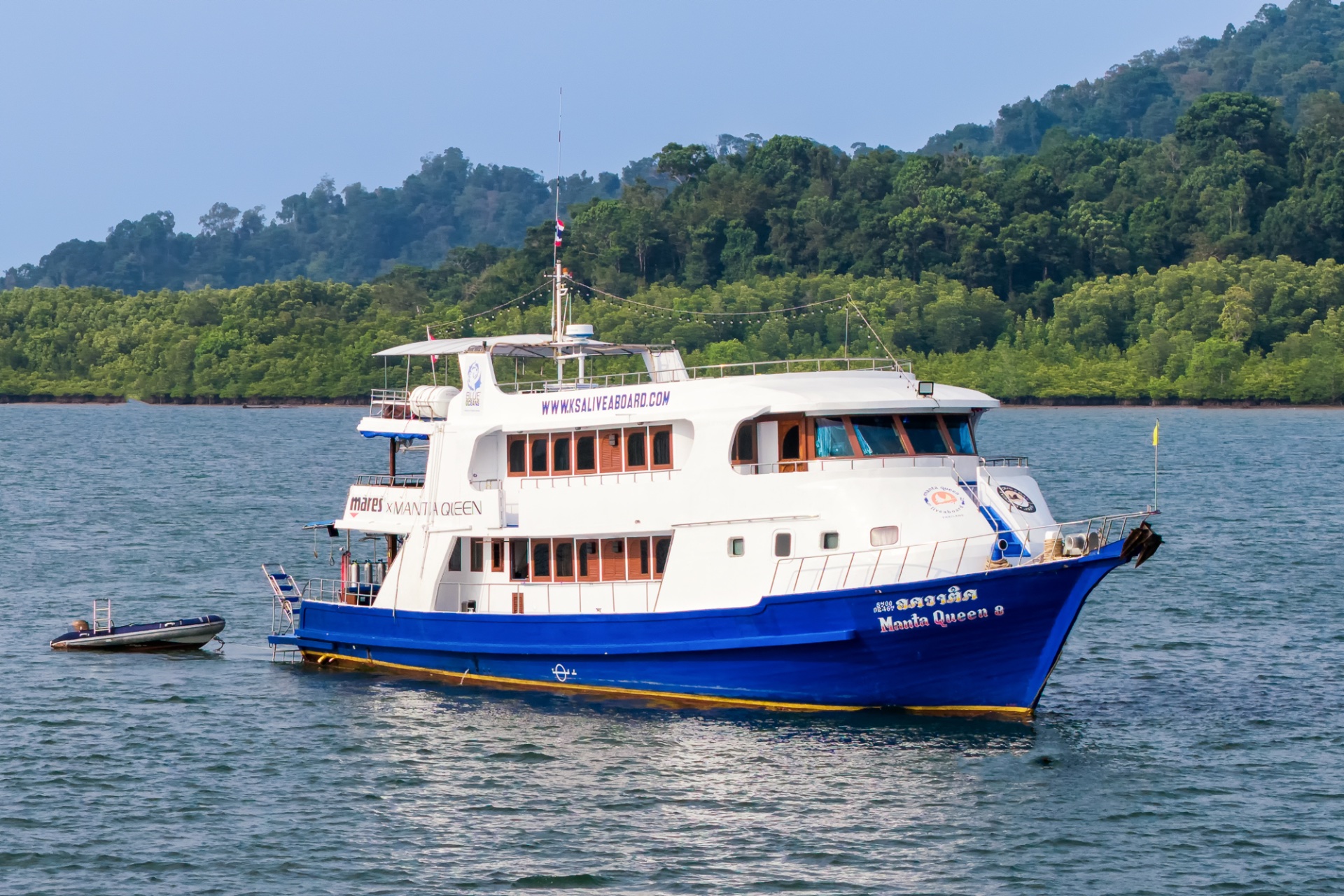
Manta Queen 8
Thailand
24 guests
$127/day
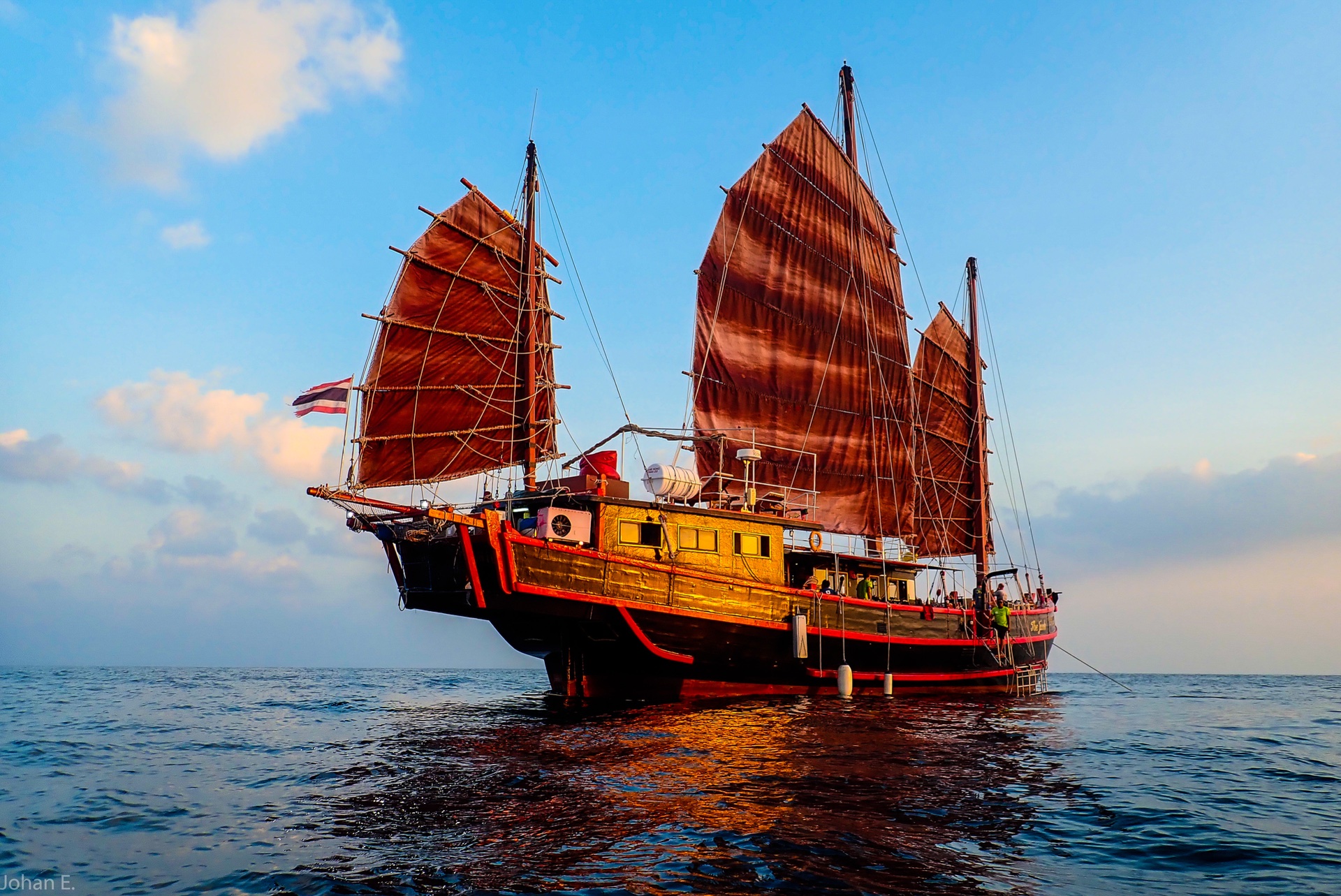
The Junk
Thailand
18 guests33 m
$163/day
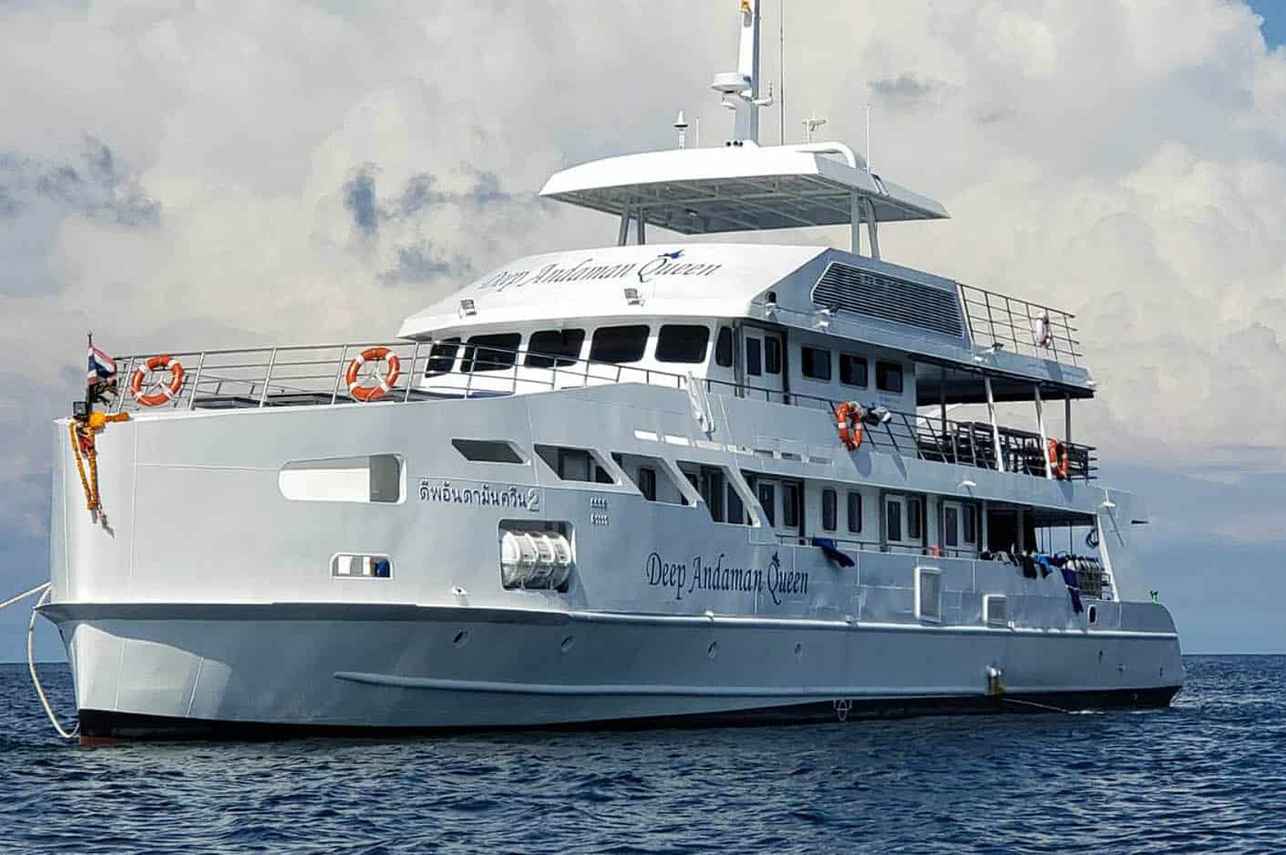
Deep Andaman Queen
Thailand
23 guests30.5 m
$194/day
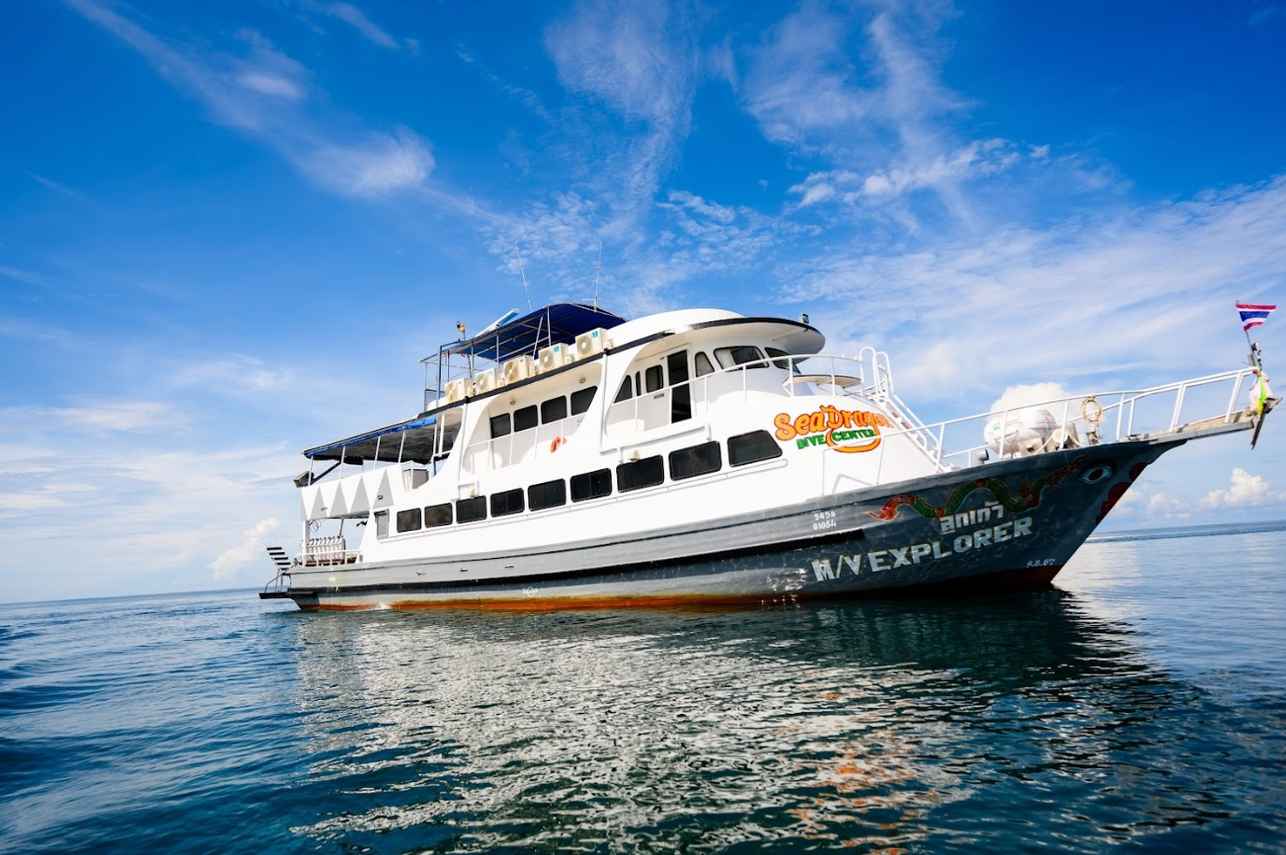
Explorer
Thailand
16 guests25 m
$150/day
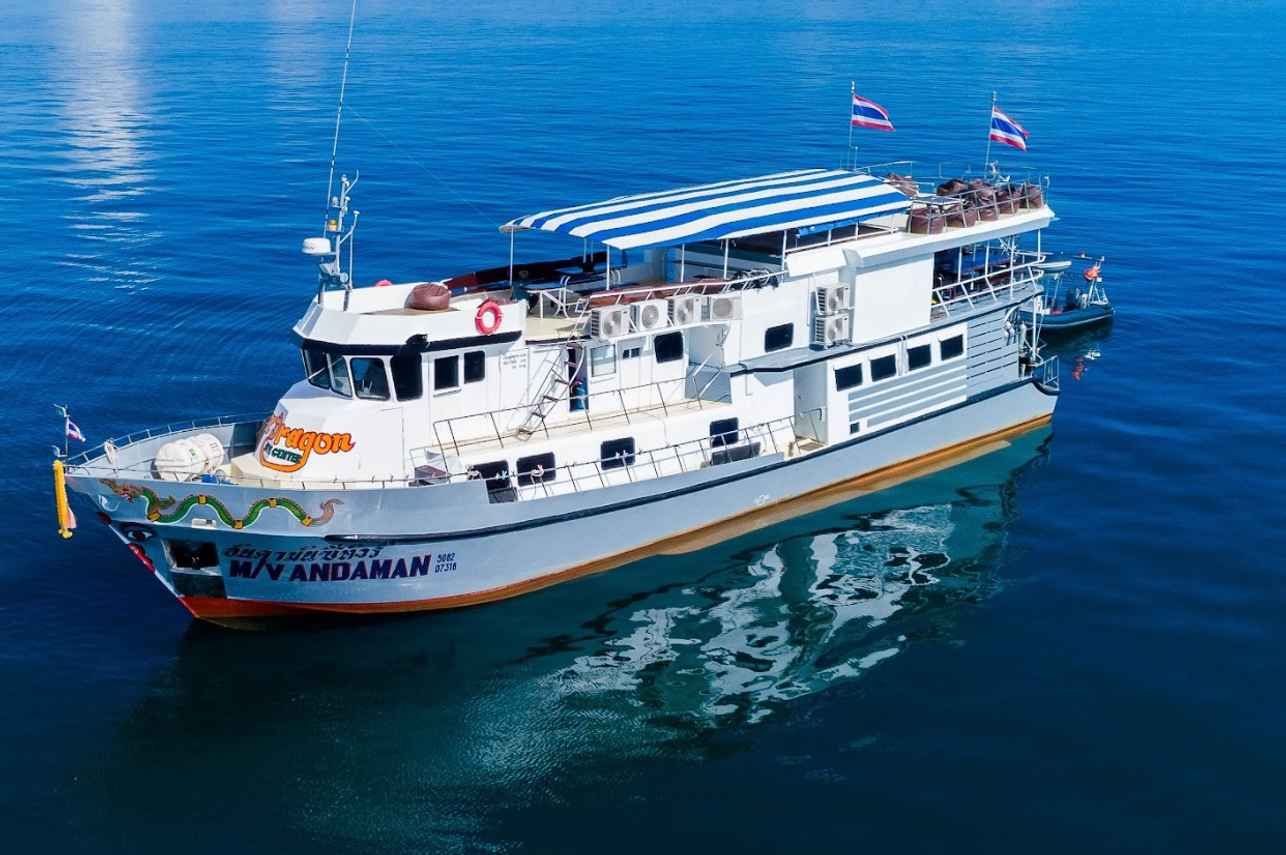
Andaman
Thailand
20 guests26 m
$108/day
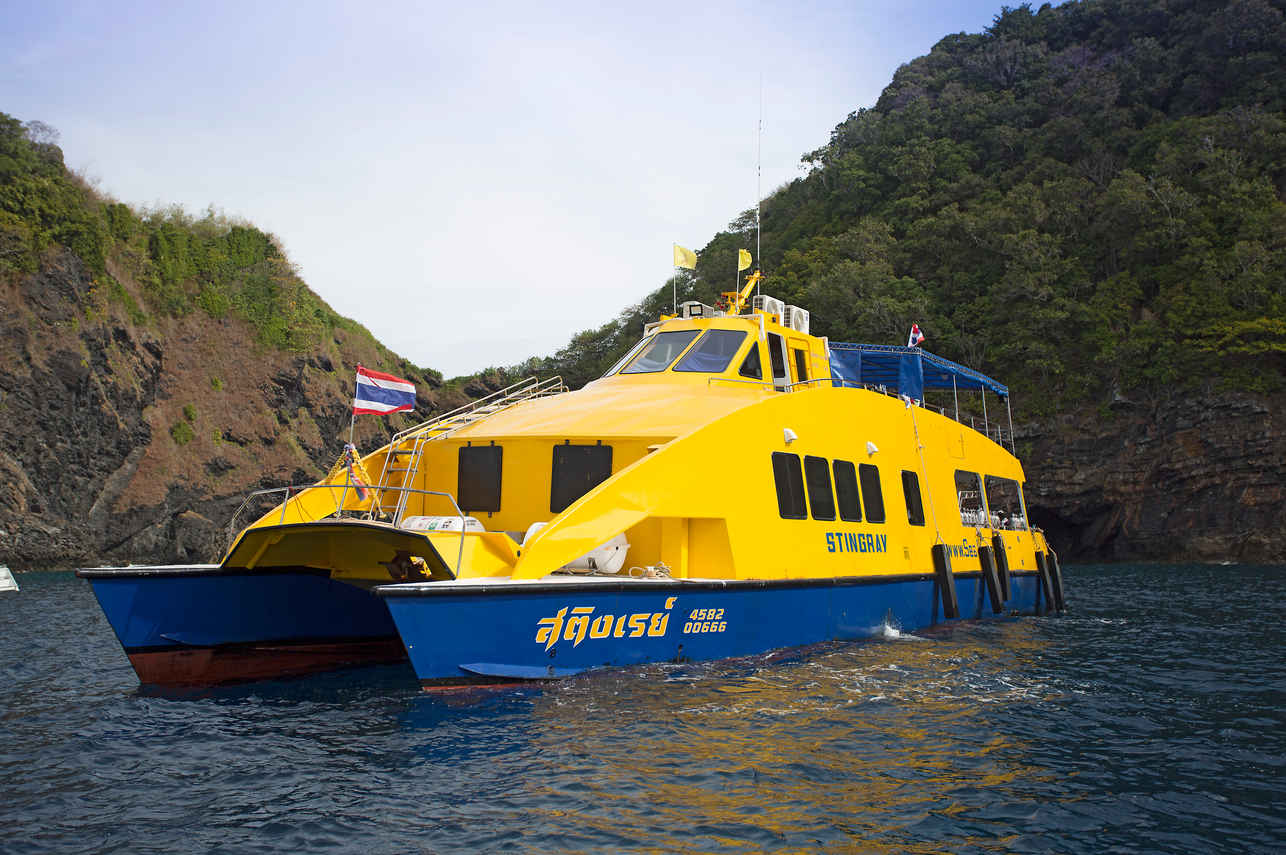
Stingray
Thailand
8 guests24 m
$245/day
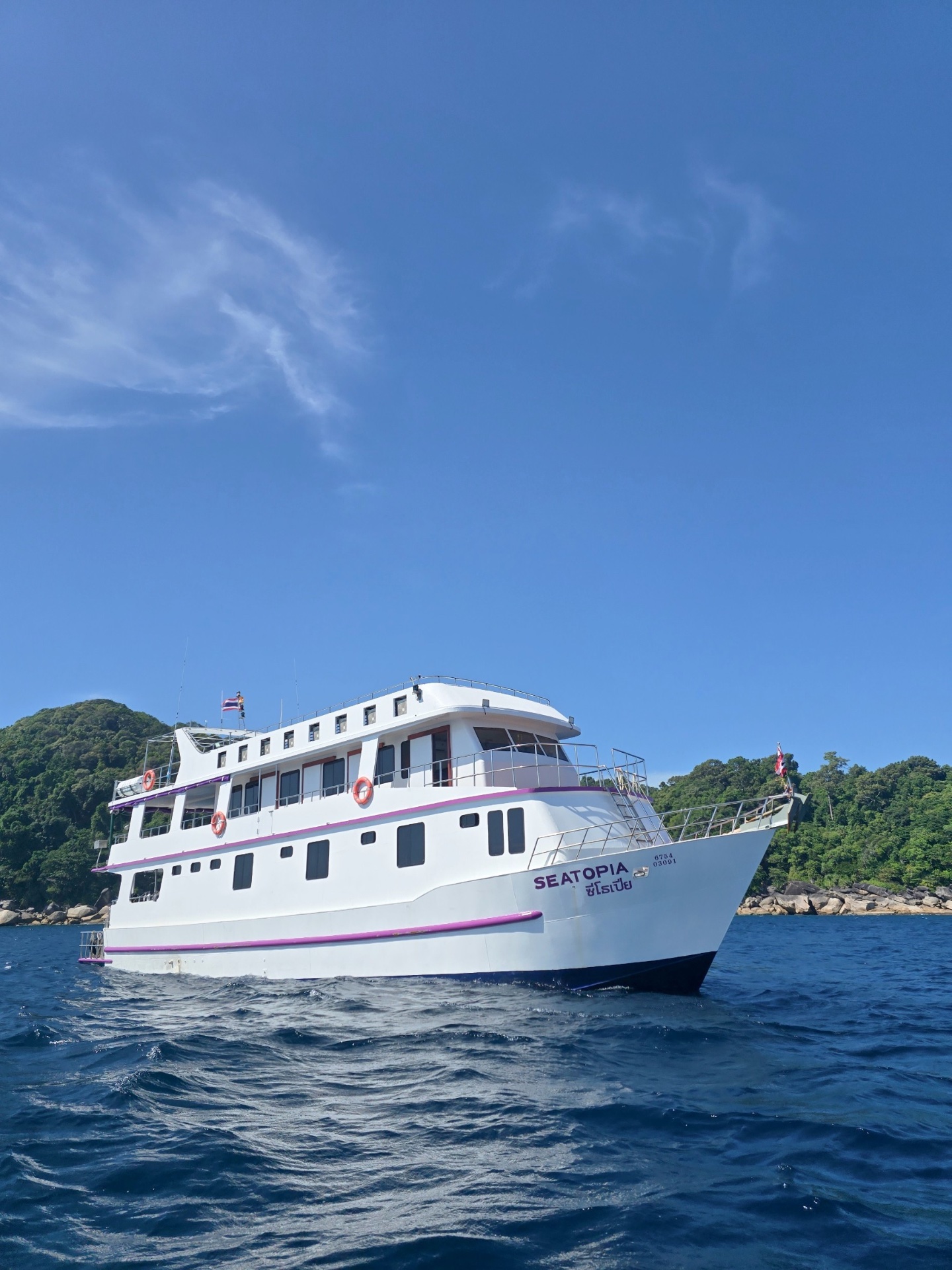
Seatopia
Thailand
24 guests24 m
Dive sites similar to HTMS Chang Wreck
Same character, same waters — six more sites divers love for the exact same reasons.Compare seasons, access and liveaboard routes — then pick the site that fits your trip best.
© Esri — Maxar, Earthstar, GIS
Racha Yai — Bay 1
Thailand
Racha Yai Bay 1 is a highly sought-after dive destination located on the northeastern side of Racha Yai Island, south of Phuket.
- Suitable for
- Beginner
- Current
- Strong
- Access
- Liveaboard or dayboat
- Depth
- 5–25 m
- Theme
- Reef / Wreck
© Esri — Maxar, Earthstar, GIS
HTMS Sattakut Wreck
Thailand
The HTMS Sattakut Wreck is a 48-meter long, decommissioned U.S. Navy vessel deliberately sunk in 2011 to create an artificial reef near Koh Tao in the Gulf of Thailand.
- Suitable for
- Intermediate
- Current
- Mild
- Access
- Liveaboard or dayboat
- Depth
- 18–30 m
- Theme
- Wreck
© Esri — Maxar, Earthstar, GIS
Beacon Reef
Thailand
Beacon Reef, sometimes referred to as Beacon Bay or Beacon Point, is a cherished dive site within Thailand's Similan Islands National Park.
- Suitable for
- Beginner
- Current
- Moderate
- Access
- Liveaboard or dayboat
- Depth
- 5–25 m
- Theme
- Reef / Wreck
© Esri — Maxar, Earthstar, GIS
King Cruiser Wreck
Thailand
The King Cruiser Wreck, a former 85-meter car and passenger ferry, transformed into one of Thailand's most celebrated artificial reefs after its unexpected sinking on May 4, 1997.…
- Suitable for
- Intermediate
- Current
- Strong
- Access
- Liveaboard or dayboat
- Depth
- 12–30 m
- Theme
- Wreck
© Esri — Maxar, Earthstar, GIS
Anemone Reef
Thailand
Anemone Reef, locally known as "Hin Jom" or "submerged rock," is a significant limestone pinnacle entirely hidden beneath the Andaman Sea's surface.
- Suitable for
- Intermediate
- Current
- Ripping
- Access
- Liveaboard or dayboat
- Depth
- 5–26 m
- Theme
- Pinnacle / Wall
© Esri — Maxar, Earthstar, GIS
Ang Thong — Wao Island
Thailand
Wao Island, nestled within the picturesque Ang Thong National Marine Park, is a captivating dive site characterized by its dramatic limestone formations and intricate underwater landscape.
- Suitable for
- Beginner
- Current
- Strong
- Access
- Liveaboard or dayboat
- Depth
- 3–20 m
- Theme
- Cave & cavern / Reef