About Hin Luk Bat
Hin Luk Bat is a renowned dive site located off the coast of Koh Chang, celebrated for its unique geological formations and abundant marine life. The site is centered around a massive, nearly round rock formation, from which three distinct spires emerge, breaking the surface like natural monuments. These spires are interconnected by a plateau situated at approximately 5 meters deep, creating a complex, labyrinthine underwater landscape with numerous canyons and smaller tunnels waiting to be explored. Descending to around 12 meters along the southern mooring line reveals the site's most iconic feature: a vast, atmospheric sea anemone landscape. These vibrant fields stretch across the formation, which is entirely blanketed in healthy hard corals, fostering a rich ecosystem. The site boasts a high density of fish, with massive schools of snappers and chevron barracudas frequently observed, their synchronized movements forming captivating patterns against the blue. This rich environment supports a diverse array of smaller reef inhabitants, including numerous colorful nudibranchs and pipefish camouflaged among the corals. While accessible and rewarding for divers of all experience levels, including beginners and snorkelers, Hin Luk Bat also offers additional challenges for advanced divers. Southwest of the main formation, a deeper reef lies at about 25 meters, reachable by swimming approximately 50 meters over a sandy bottom. This secondary reef provides a distinct experience, allowing for extended bottom time and encounters with different marine species and structures. The versatility of Hin Luk Bat, combining shallow, intermediate, and deep exploration opportunities, makes it a highlight for photographers and marine life enthusiasts alike, offering unforgettable underwater experiences.
Highlights
Massive rock formationExtensive sea anemone fieldsDense snapper schoolsChevron barracuda formationsVibrant hard coral coverageUnderwater canyons and tunnelsHidden deep reefColorful nudibranchs
Season calendar
Best months to dive here
Jan
Feb
Mar
Apr
May
Jun
Jul
Aug
Sep
Oct
Nov
Dec
Excellent
Good
Off-Season
Nov – Apr (Peak)
Best visibility 25–30m, calm Andaman Sea. Similan & Surin Islands open. Whale sharks and manta rays at Richelieu Rock.
May (Transition)
Similan season opening/closing. Variable conditions, occasional rain. Still good diving at coastal sites.
Jun – Oct (Monsoon)
SW Monsoon brings rough seas. Similan Islands CLOSED. Gulf coast (Koh Tao) still diveable Jun–Sep.
Dive site facts: Hin Luk Bat
- Depth
- 5–25 m
- Typical dive
- 12–18 m, 50 min
- Current
- Mild
- Visibility
- 12–25 m
- Water temperature
- 27–30°C
- Entry
- Boat / Mooring line descent
- Level
- Open Water Diver (Junior acceptable)
- Dive type
- Reef, pinnacle, coral garden, macro, big animals
- Region / port
- Koh Chang, Gulf of Thailand
- Coordinates
- 8.7196° N, 98.1799° E
Conditions & Currents
Currents at Hin Luk Bat are typically mild, making it suitable for a wide range of diver levels. However, as with any open water site, conditions can vary, so divers should always be prepared for potential changes in current strength and direction. Visibility at the site generally averages around 12 meters but can extend up to 25 meters during peak conditions. The water temperature remains consistently warm, ranging from 27-30°C throughout the dive season. Entry is usually a standard giant stride from the boat directly onto the mooring line, which often leads down to the 12-meter anemone fields. Divers should be mindful of boat traffic, especially around the mooring areas, and maintain positive buoyancy during ascent. The site's varied topography, from the 5-meter plateau to the 25-meter deep reef, allows for flexible dive planning, accommodating different gas consumption rates and no-d
Marine life & sighting chances

Sea anemones
common
Snappers
common
Chevron barracudas
common
Nudibranchs
common
Pipefish
occasional
Hard corals
common
Leopard sharks
occasional
Reef sharks
occasional
Gorgonian sea fans
common
Moray eels
occasionalDive profile & how the dive runs
Your dive at Hin Luk Bat typically begins with a descent along the mooring line, located on the southern side of the main rock formation, leading down to approximately 12 meters. Here, you'll encounter extensive sea anemone fields and a densely coral-covered landscape. The initial exploration often involves navigating the canyons and smaller tunnels that crisscross the main rock, observing the diverse smaller reef inhabitants like nudibranchs and pipefish. Keep an eye out for massive schools of snappers and chevron barracudas in the blue water above. The 5-meter plateau connecting the three rock spires offers a shallower area for extended bottom time and a natural place to begin a gradual ascent. For advanced divers, a 50-meter swim over a sandy bottom towards the southwest will lead to a deeper reef at 25 meters, providing a different perspective and additional marine life. The safety stop is typically conducted back at the main mooring line or in the sheltered 5-meter plateau area, allowing for a relaxed three-minute stop.
Underwater photography
Hin Luk Bat offers diverse photographic opportunities, from wide-angle shots of its impressive rock formations and expansive sea anemone fields to macro details of its numerous small critters. For capturing the grandeur of the site, including the massive rock structure and schooling fish, a wide-angle lens is ideal. Consider using dual strobes to illuminate the vibrant hard corals and anemones, bringing out their true colors against the blue backdrop. When focusing on macro subjects like nudibranchs and pipefish, a macro lens will be essential. Pay close attention to buoyancy, especially when hovering close to the delicate anemones and corals. Ethical photography practices are paramount; avoid touching marine life or stirring up sediment, particularly in the tunnels and canyons. The sheer volume of fish and the atmospheric anemone fields provide ample chances for compelling images, regardless of your preferred photographic style.
Combine with nearby dive sites
- Secret Reef
A hidden dive site near Hin Raab South, known for coral canyons and macro life, often combined with Hin Luk Bat.
- Koh Rang Marine Park
A protected area offering healthy corals and regular sightings of sea turtles, about 30 minutes from Bang Bao.
- HTMS Sattakut Wreck
A decommissioned US-built transport ship sunk to create an artificial reef, accessible to Open Water divers.
Getting there & logistics
Access to Hin Luk Bat typically involves flying into Bangkok Suvarnabhumi Airport (BKK), Thailand's main international gateway. From Bangkok, travelers can arrange transfers to Koh Chang, usually via a combination of bus or minivan and ferry. The main departure ports for dive trips to Hin Luk Bat are located around Koh Chang, particularly from Bang Bao. Day trips are the standard for diving this site, often combined with other local reefs. Liveaboards are not generally offered for this region, as the dive sites around Koh Chang are usually explored via day boats. A marine park fee of approximately $5 USD per diver may apply, payable locally to support conservation efforts. Trip lengths vary, but a multi-day stay on Koh Chang allows for exploring several dive sites in the area.
Safety & environment
For diving at Hin Luk Bat, comprehensive dive insurance is highly recommended, covering potential dive accidents and emergency evacuations. The nearest recompression chamber is approximately 250 kilometers away, underscoring the importance of safe diving practices and conservative dive profiles. Divers should always follow their dive guide's instructions, especially regarding current conditions and site-specific hazards. While currents are generally mild, maintaining good buoyancy control is crucial to avoid contact with the delicate corals and anemones. All divers should ensure their equipment is in good working order and that they carry appropriate safety gear, such as a surface marker buoy. A thorough pre-dive briefing will cover emergency procedures and relevant contact information.
Who it suits, and who it doesn't
Suited for
- Open Water Divers (Junior acceptable)
- Underwater photographers (macro and wide-angle)
- Marine life enthusiasts
- Divers seeking vibrant coral gardens
- Snorkelers
Less suited for
- Technical divers
- Divers exclusively seeking large pelagic encounters (whale sharks, manta rays)
- Divers who prefer strong current drift dives
- Divers averse to multiple boat transfers from mainland
FAQ
Hin Luk Bat FAQ
What marine life can I expect to see at Hin Luk Bat?
Hin Luk Bat is teeming with diverse marine life. You can commonly observe massive schools of snappers and chevron barracudas, along with extensive sea anemone fields. Keep an eye out for colorful nudibranchs, pipefish, and a variety of hard corals. Occasionally, divers might also spot leopard sharks resting on the sandy bottom or reef sharks patrolling the edges.
Is Hin Luk Bat suitable for beginner divers?
Yes, Hin Luk Bat is very suitable for beginner divers, including those with Open Water certification and even Junior Open Water divers. The site features shallow areas around 5 meters and intermediate depths of 12 meters, offering gentle conditions and clear visibility. There are many protected sections where new divers can explore comfortably and safely.
What are the typical diving conditions at Hin Luk Bat?
Diving conditions at Hin Luk Bat are generally favorable. Water temperatures typically range from 27-30°C, and visibility averages 12 meters, often reaching up to 25 meters during peak season. Currents are usually mild, making for a relaxed diving experience. The best conditions are usually experienced from January to April.
Are there opportunities for advanced diving at Hin Luk Bat?
Absolutely, Hin Luk Bat caters to advanced divers as well. While the main site is shallower, there's a deeper reef located southwest of the primary formation at approximately 25 meters. This area offers different marine life and structures, providing an additional challenge and an opportunity to extend your dive beyond the main pinnacle.
How do I get to Hin Luk Bat?
To reach Hin Luk Bat, you typically fly into Bangkok and then travel to Koh Chang. Most dive operators depart from ports like Bang Bao on Koh Chang. The site is usually visited as part of a day trip on a dive boat, often combined with other nearby reefs in the Koh Chang archipelago. No liveaboards specifically target this site.
Why dive Hin Luk Bat from a liveaboard?
Hin Luk Bat is one of Thailand's signature dive sites. A liveaboard sleeps you on the water and puts you in the water for three to four guided dives per day, including dawn and night dives that day-boat operators rarely offer. You skip the daily commute back to port and reach quieter, less-crowded sites in the same region on a single trip.
Below are the liveaboards that include Hin Luk Bat on their Thailand itineraries.
Liveaboards diving Hin Luk Bat
These liveaboards may visit Hin Luk Bat on selected itineraries, the exact dive sites depend on departure, weather and conditions.
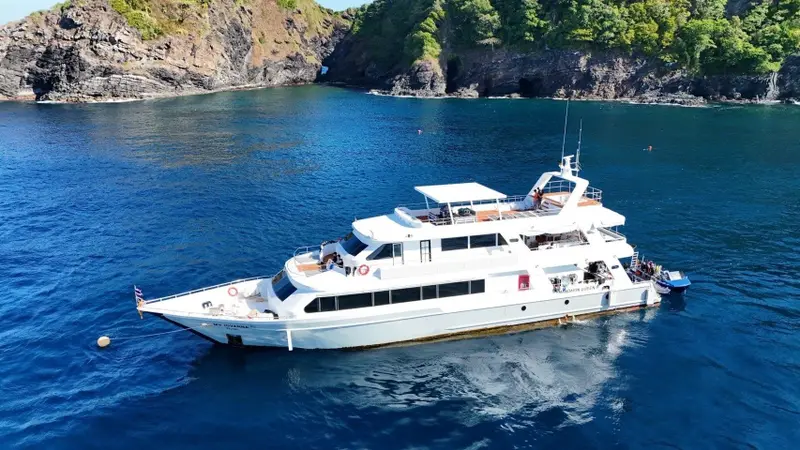
Mandarin Queen 9
Thailand
26 guests38 m
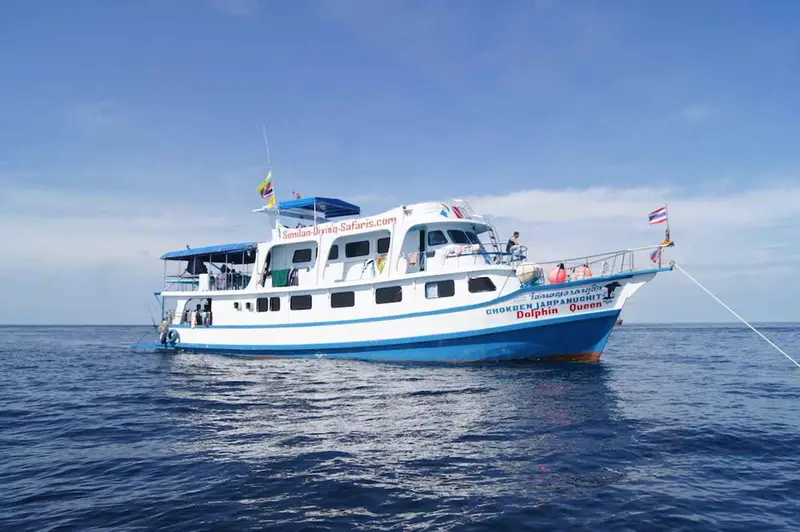
Dolphin Queen
Thailand
20 guests24 m
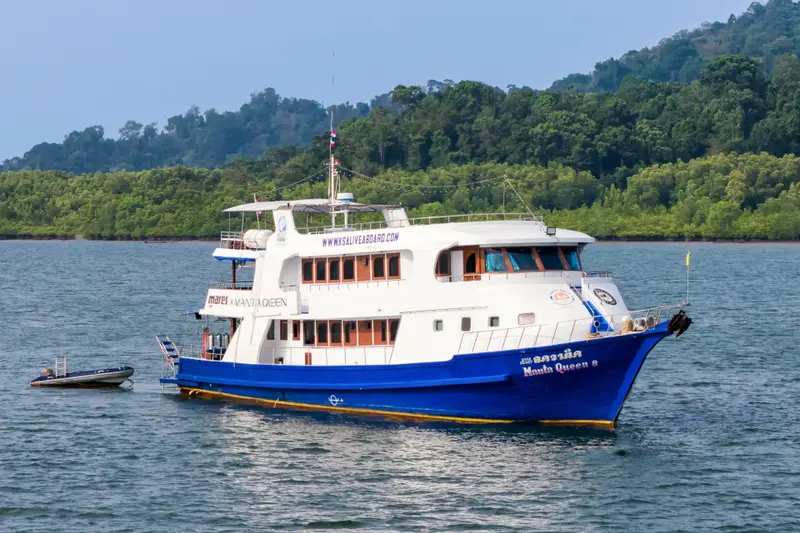
Manta Queen 8
Thailand
24 guests
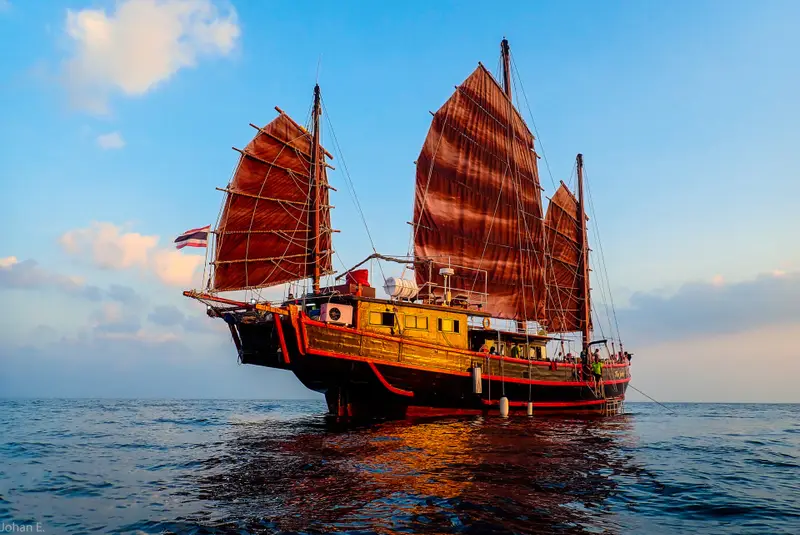
The Junk
Thailand
18 guests33 m
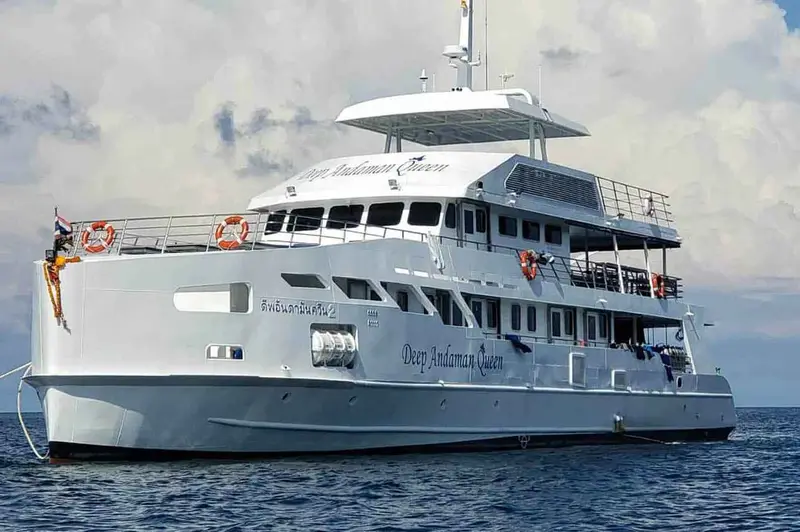
Deep Andaman Queen
Thailand
23 guests31 m
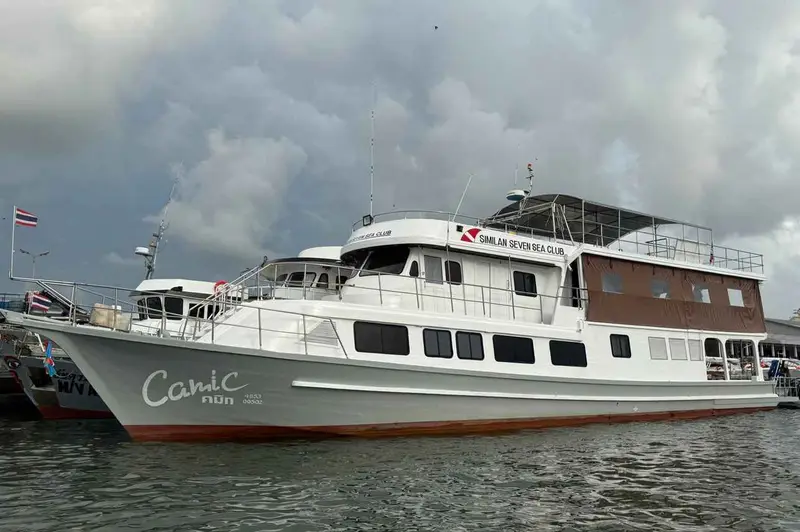
Camic
Thailand
14 guests24 m
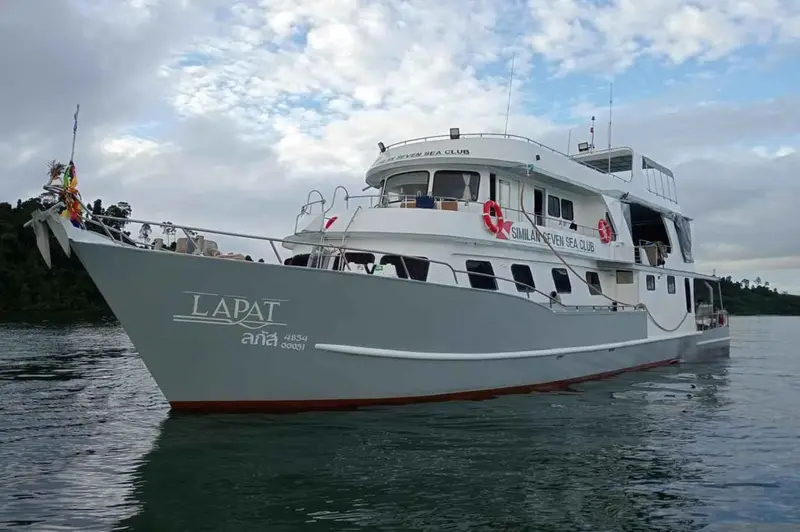
Lapat
Thailand
16 guests24 m
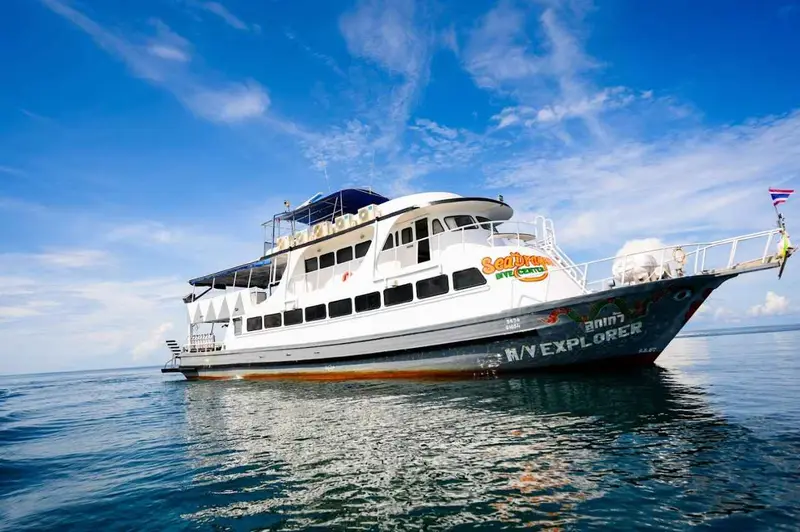
Explorer
Thailand
16 guests25 m
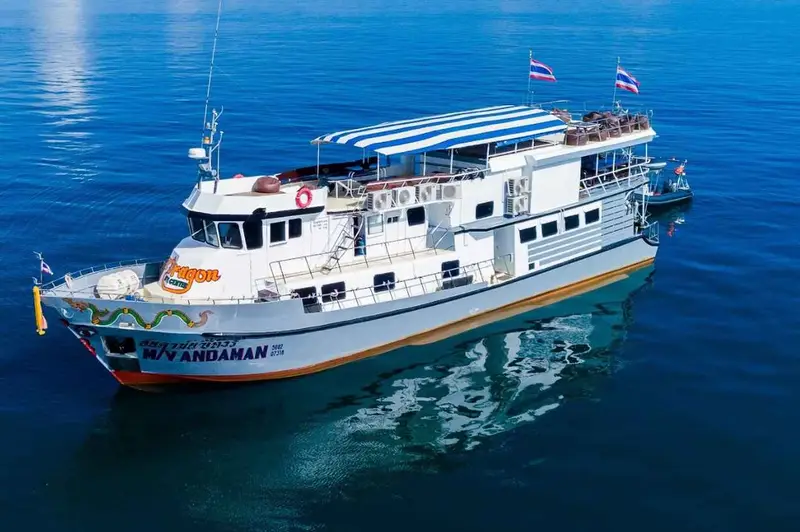
Andaman
Thailand
20 guests26 m
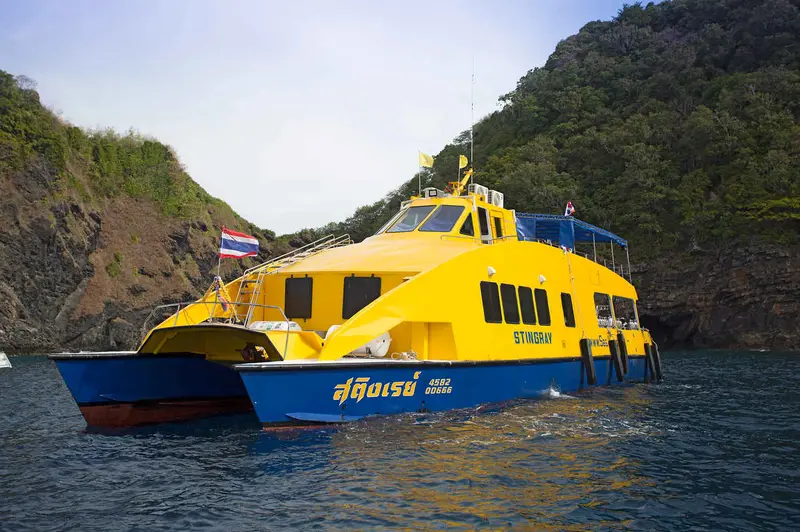
Stingray
Thailand
8 guests24 m
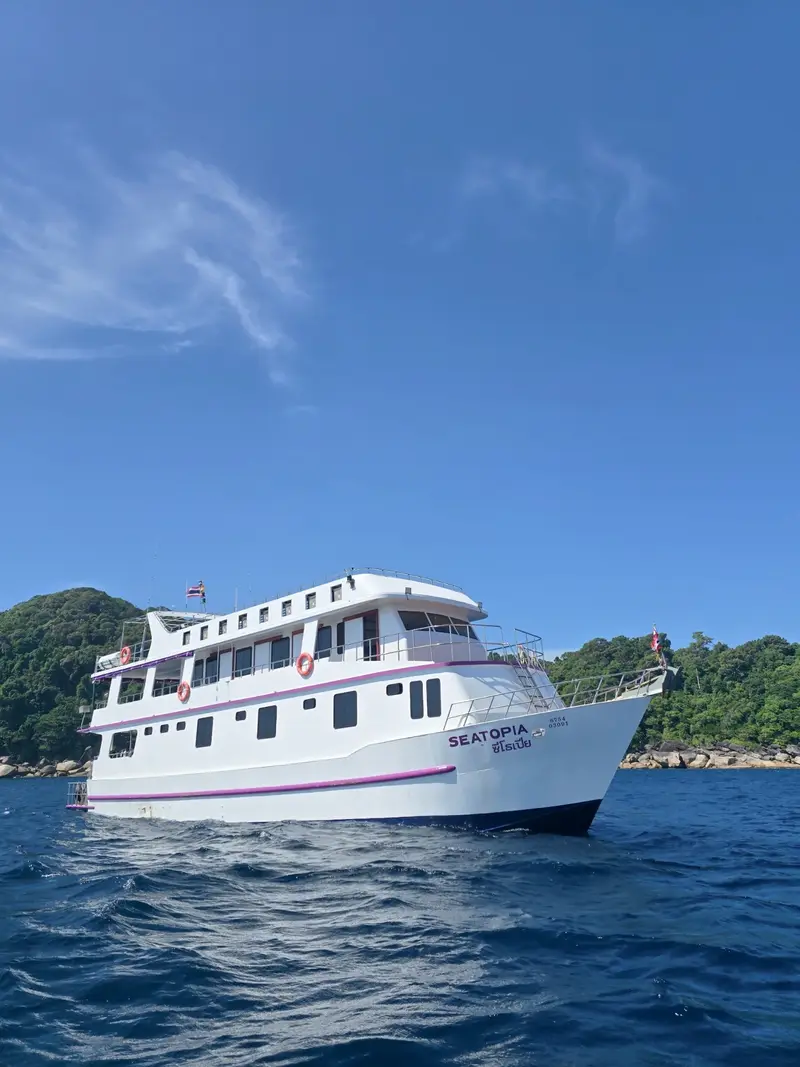
Seatopia
Thailand
24 guests24 m
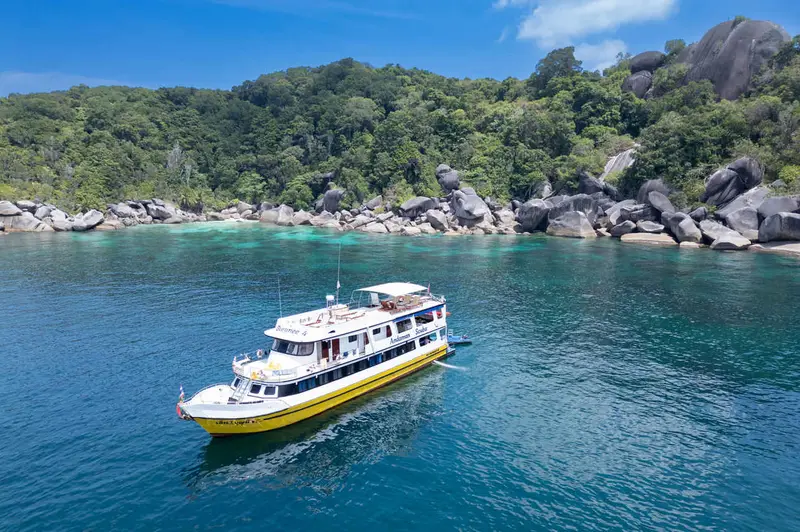
Bunmee 4
Thailand
20 guests29 m
Dive sites similar to Hin Luk Bat
Same character, same waters, six more sites divers love for the exact same reasons.Compare seasons, access and liveaboard routes, then pick the site that fits your trip best.
© EsriMaxar, Earthstar, GIS
Anemone Reef
Thailand
Anemone Reef, locally known as "Hin Jom" or "submerged rock," is a significant limestone pinnacle entirely hidden beneath the Andaman Sea's surface.
- Suitable for
- Intermediate
- Current
- Ripping
- Access
- Liveaboard or dayboat
- Depth
- 5–26 m
- Theme
- Pinnacle / Wall
© EsriMaxar, Earthstar, GIS
Ang Thong, Wao Island
Thailand
Wao Island, nestled within the picturesque Ang Thong National Marine Park, is a captivating dive site characterized by its dramatic limestone formations and intricate underwater landscape.
- Suitable for
- Beginner
- Current
- Strong
- Access
- Liveaboard or dayboat
- Depth
- 3–20 m
- Theme
- Cave & cavern / Reef
© EsriMaxar, Earthstar, GIS
Beacon Reef
Thailand
Beacon Reef, sometimes referred to as Beacon Bay or Beacon Point, is a cherished dive site within Thailand's Similan Islands National Park.
- Suitable for
- Beginner
- Current
- Moderate
- Access
- Liveaboard or dayboat
- Depth
- 5–25 m
- Theme
- Reef / Wreck
© EsriMaxar, Earthstar, GIS
Breakfast Bend
Thailand
Breakfast Bend, also known as Three Trees, is a highly regarded dive site located along the eastern side of Similan Island No. 9, Koh Bangu.
- Suitable for
- Beginner
- Current
- Strong
- Access
- Liveaboard or dayboat
- Depth
- 5–25 m
- Theme
- Reef
© EsriMaxar, Earthstar, GIS
Christmas Point
Thailand
Christmas Point, located on Similan Island number 9 (Koh Ba-Ngu), stands out as one of the Similan Islands' most iconic dive sites.
- Suitable for
- Intermediate
- Current
- Strong
- Access
- Liveaboard or dayboat
- Depth
- 2–40 m
- Theme
- Pinnacle
© EsriMaxar, Earthstar, GIS
Chumphon Pinnacle
Thailand
Chumphon Pinnacle is a renowned deep dive site situated approximately 12 kilometers northwest of Koh Tao in the Gulf of Thailand.
- Suitable for
- Intermediate
- Current
- Strong
- Access
- Liveaboard or dayboat
- Depth
- 12–36 m
- Theme
- Pinnacle