About Close Encounters
Close Encounters is a celebrated dive site located in Pemuteran Bay, North West Bali, just a short 5–10 minute boat ride from the shore. This site uniquely combines a pristine shallow coral garden with a steep slope and deeper drop-off, offering varied experiences for divers and snorkelers alike. The topography transitions from healthy hard coral cover in the 3–5 meter shallows to a clean slope that descends into the bay. This layout allows for both wide-angle and macro photography, with plenty of light in the shallower areas and larger marine life often encountered along the deeper edge where the reef meets the open water. While the site is known for reliably surprising divers with pelagics, its everyday inhabitants are equally captivating. Common sightings include schools of tuna, jacks, and fusiliers, alongside an excellent array of reef fish. Macro enthusiasts will find nudibranchs, frogfish, and scorpionfish on the slope, with moray eels and octopus dwelling within the wall. Conditions are generally mild, making it accessible for divers of all levels, including those new to drift diving. The sheltered bay usually provides calm surface conditions, enhancing the overall dive experience. It’s an ideal location for a mixed-experience group to enjoy simultaneously, with snorkelers exploring the coral garden while divers delve into the slope.
Highlights
Reliable pelagic encountersWhale sharks (rarely) and eagle raysHealthy shallow coral gardensDiverse macro life on slopeWhite-tip and black-tip reef sharksCalm, sheltered bay conditionsSuitable for all diver levelsExcellent for wide-angle and macro photography
Best Season
The site is diveable year-round, but cooler months from June to September tend to bring more reliable pelagic encounters, particularly eagle rays. Surface conditions in Pemuteran Bay are typically calm due to its sheltered geography, making it a good choice regardless of the season.
Dive site facts: Close Encounters
- Depth
- 5–28 m
- Current
- Mild, drift possible
- Visibility
- 10–40 m
- Entry
- Boat
- Level
- All Levels
- Dive type
- Wall, Macro, Coral garden
- Region / port
- Pemuteran Bay, North West Bali
- Coordinates
- 8.5784° S, 115.4331° E
Conditions & Currents
Currents at Close Encounters are generally mild, though drift diving is possible along the slope. The site is located within Pemuteran Bay, which is typically sheltered, ensuring calm surface conditions. Visibility commonly ranges from 10 to 40 meters, offering clear views of both the reef structure and passing pelagics. Entry is typically by boat, and the gentle slope provides an easy descent for divers of all experience levels. The mild current allows divers to conserve air and appreciate the marine life without excessive effort, making it suitable for newer divers to practice controlled descents with a visual reference. Divers should remain aware of potential drifts and maintain good buoyancy control.
Marine life & sighting chances
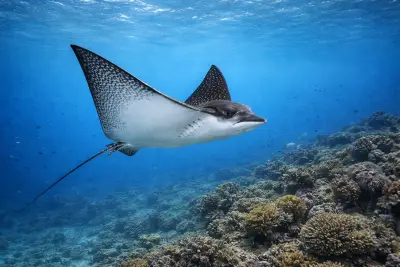
Eagle ray
June–September · common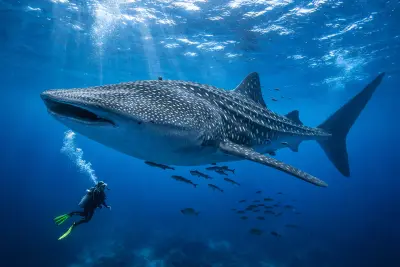
Whale shark
rare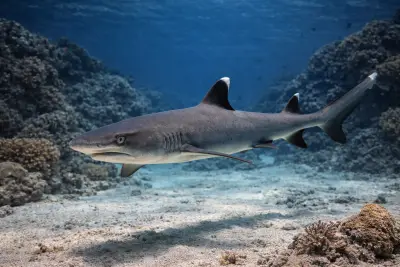
White-tip reef shark
occasional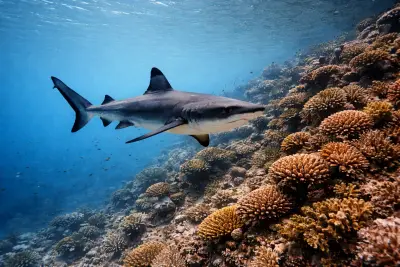
Black-tip reef shark
occasional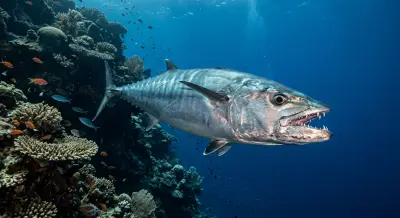
Tuna
occasional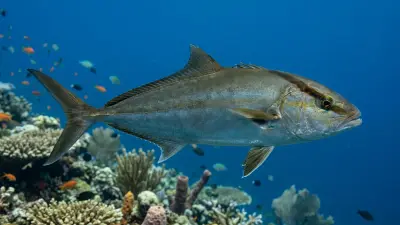
Jack
occasional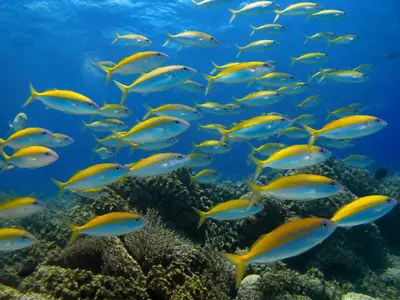
Fusilier
common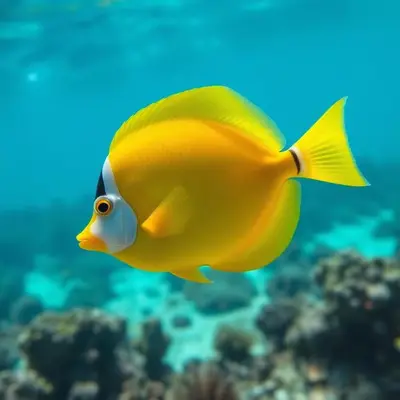
Surgeonfish
common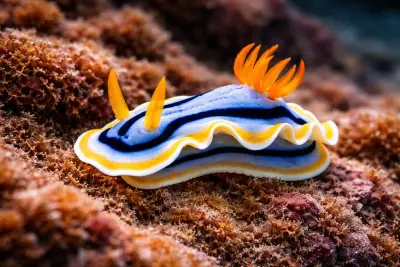
Nudibranch
common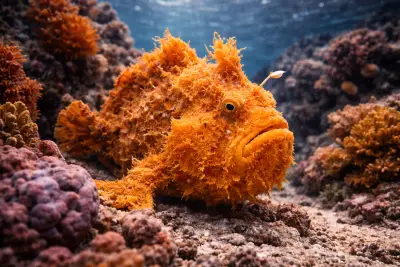
Frogfish
occasional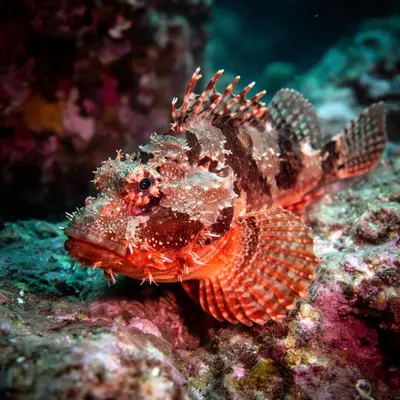
Scorpionfish
occasional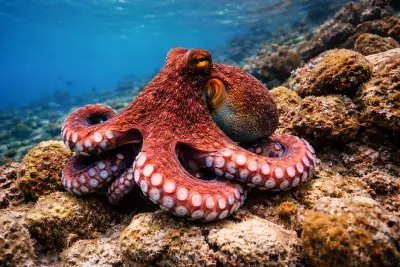
Octopus
occasional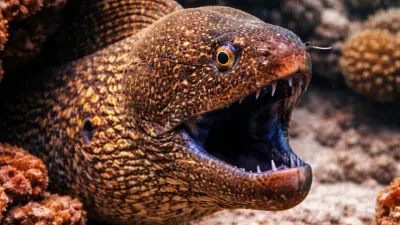
Moray eel
occasionalDive profile & how the dive runs
Your dive begins with a boat entry, followed by a descent onto the gentle slope of Close Encounters. The initial part of the dive explores the vibrant coral gardens in the shallow 3–5 meter range, which are teeming with reef fish and bathed in good natural light. From here, you'll gradually follow the slope downwards, maintaining depths typically between 5 and 28 meters. The main route involves traversing along the edge where the reef meets the open water, keeping an eye out for larger pelagic species. Macro life like nudibranchs and frogfish can be found tucked into the slope's features. The dive concludes with a gradual ascent, often incorporating a safety stop at 5 meters, before surfacing for boat pick-up.
Underwater photography
Close Encounters offers diverse photographic opportunities, accommodating both wide-angle and macro setups. For wide-angle shots, focus on the deeper drop-off to capture the grand reef topography and any passing pelagics such as eagle rays or sharks. The healthy shallow coral gardens in the 3–5 meter range also present excellent wide-angle scenes with abundant light. For macro photography, shift your attention to the slope where nudibranchs, frogfish, and scorpionfish are frequently found. Good buoyancy control is essential to avoid disturbing the fragile reef and its delicate inhabitants. Consider bringing a snoot for isolating macro subjects against the clean backdrop of the slope.
Combine with nearby dive sites
- Deep Reef
Steep sides from 38m to a 12m plateau, featuring table corals and giant leather corals.
- Napoleon Reef
Located 1km offshore, a chain of reefs from an extinct volcano with extensive variety.
- Bio-Wreck
Features two electrified Biorock structures and a 1,000-year-old Porites coral, also suitable for snorkeling.
Getting there & logistics
Access to Close Encounters is conveniently via a short 5–10 minute boat ride from beachfront bases in Pemuteran, North West Bali. Divers typically fly into Ngurah Rai International Airport (DPS) in Denpasar, then arrange for ground transport to Pemuteran. Most dive operators in Pemuteran offer day trips to this site, often combining it as a second dive after visiting other nearby sites like Bio-Wreck or Deep Reef. There are no specific marine park fees mentioned for this site, and typical dive operations ensure a low guide-to-diver ratio, enhancing personalized attention and the likelihood of spotting marine life.
Safety & environment
While Close Encounters generally presents mild conditions, divers should always be prepared for potential drift currents and ensure good buoyancy control. The nearest recompression chamber is located in Denpasar, requiring a significant journey from Pemuteran, emphasizing the importance of safe diving practices. Comprehensive dive insurance, covering medical emergencies and evacuation, is highly recommended for all divers. Always follow your guide's instructions, maintain a safe distance from marine life, and do not touch or disturb the corals. The dive operator typically maintains a low guide-to-diver ratio, ensuring close supervision and immediate assistance if needed.
Who it suits — and who it doesn't
Suited for
- Divers of all experience levels
- Mixed-experience groups (divers and snorkelers)
- Underwater photographers (macro and wide-angle)
- Divers seeking reliable pelagic encounters
- Those who appreciate diverse reef topography
Less suited for
- Divers expecting extreme currents
- Those uninterested in macro life
- Divers looking for purely muck diving conditions
- Individuals preferring remote, uncrowded sites (can be popular)
FAQ
Close Encounters FAQ
What kind of marine life can I expect at Close Encounters?
Close Encounters is known for its diverse marine life, ranging from pelagic sightings like eagle rays, reef sharks, and schools of tuna and jacks, to macro creatures. On the slope and reef, you can often find nudibranchs, frogfish, scorpionfish, octopus, and moray eels, alongside abundant reef fish like fusiliers and surgeonfish.
Is Close Encounters suitable for beginner divers?
Yes, Close Encounters is considered suitable for divers of all levels due to its generally mild currents and sheltered bay conditions. The gentle slope provides an excellent visual reference for practicing controlled descents, making it a good site for newer divers. Snorkelers can also enjoy the shallow coral gardens.
What are the typical diving conditions like?
Conditions at Close Encounters are usually very favorable. Currents are typically mild, though a gentle drift is possible. Visibility generally ranges from 10 to 40 meters, providing clear views. The site is located in a sheltered bay, ensuring calm surface conditions, which makes for comfortable boat entries and exits.
Can I do both wide-angle and macro photography here?
Absolutely. Close Encounters is excellent for both wide-angle and macro photography. The deeper drop-off and open water are ideal for capturing pelagic encounters and expansive reef scenes. The shallow coral gardens are also photogenic. For macro, the slope is rich with subjects like nudibranchs, frogfish, and scorpionfish.
How long is the boat ride to Close Encounters?
The boat ride to Close Encounters is quite short, typically taking only 5–10 minutes from dive centers located along the Pemuteran beachfront. This quick access means more time for diving and less time in transit, allowing for flexible dive plans and return to the resort.
Why dive Close Encounters from a liveaboard?
Close Encounters is one of Bali's signature dive sites. A liveaboard sleeps you on the water and puts you in the water for three to four guided dives per day, including dawn and night dives that day-boat operators rarely offer. You skip the daily commute back to port and reach quieter, less-crowded sites in the same region on a single trip.
Below are the liveaboards that include Close Encounters on their Bali itineraries.
Liveaboards diving Close Encounters
These liveaboards may visit Close Encounters on selected itineraries — the exact dive sites depend on departure, weather and conditions.
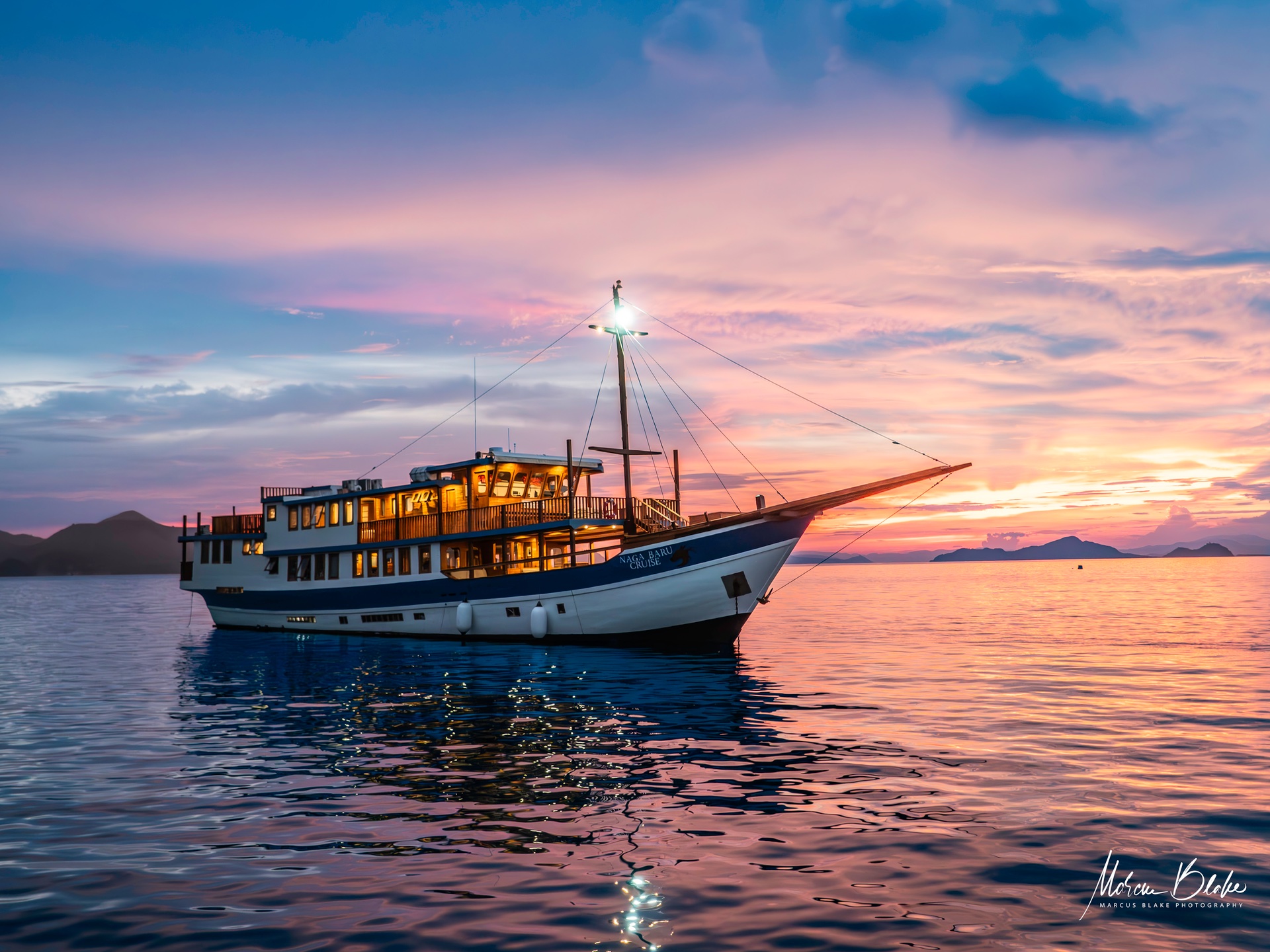
Naga Biru
Indonesia
12 guests40 m
$274/day
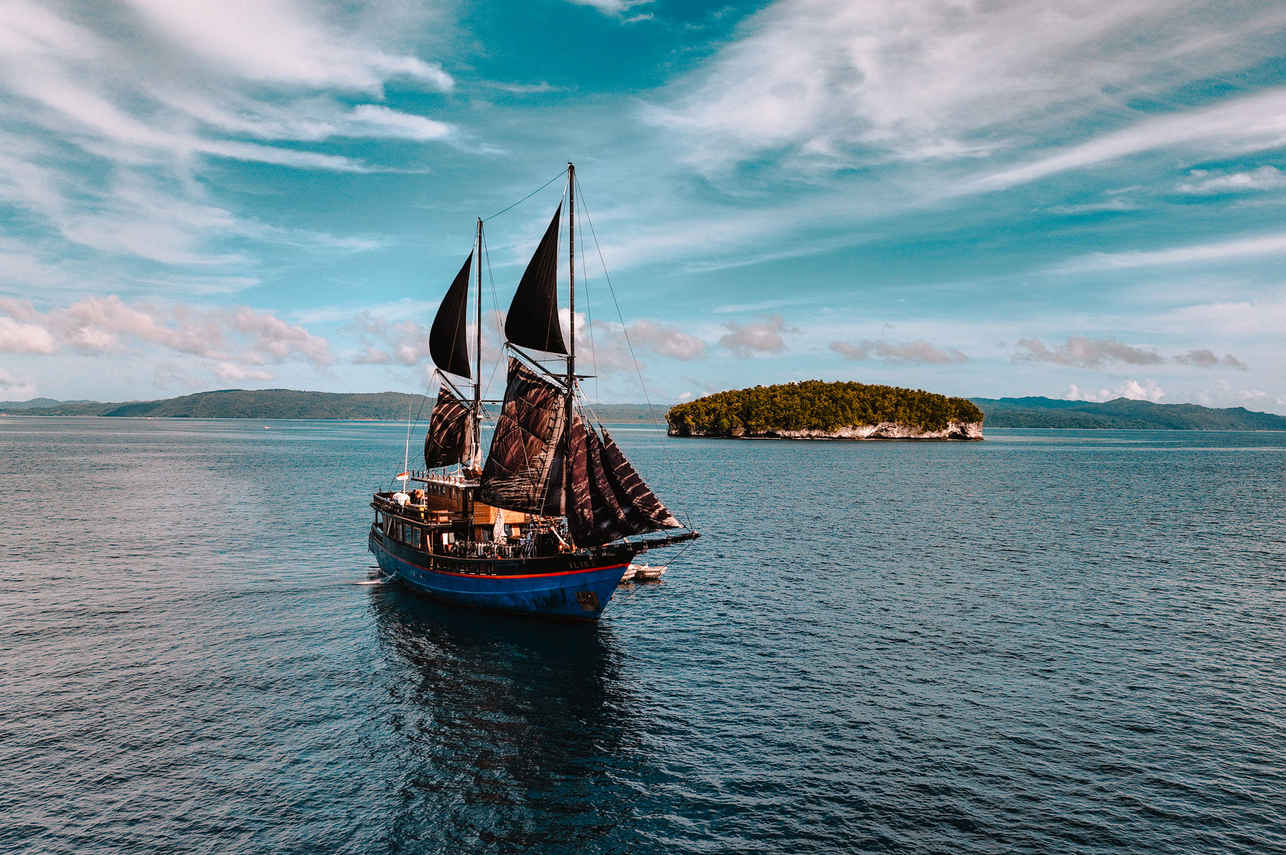
Ilike
Indonesia
16 guests40 m
$298/day
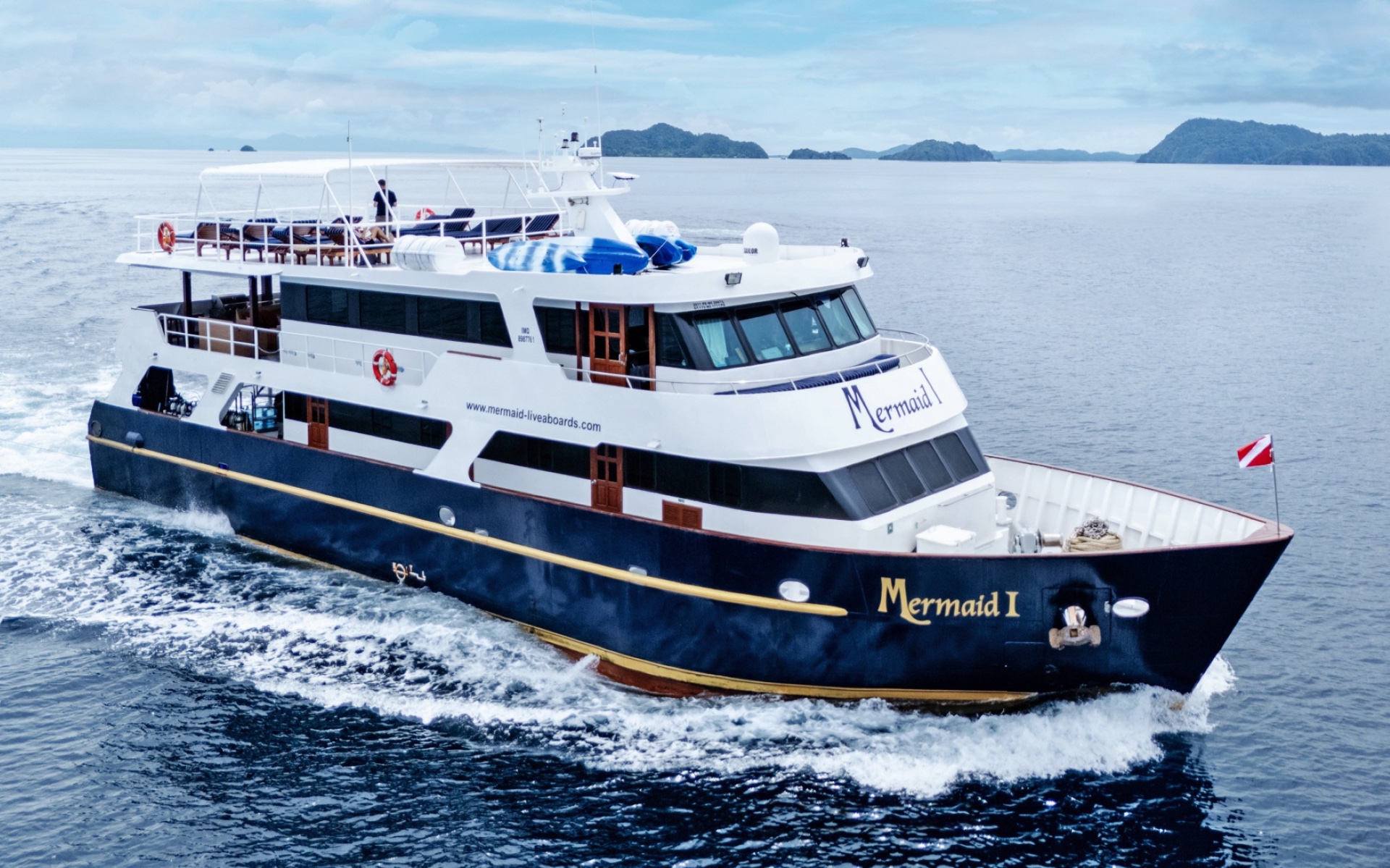
Mermaid I
Alor
15 guests28 m
$372/day
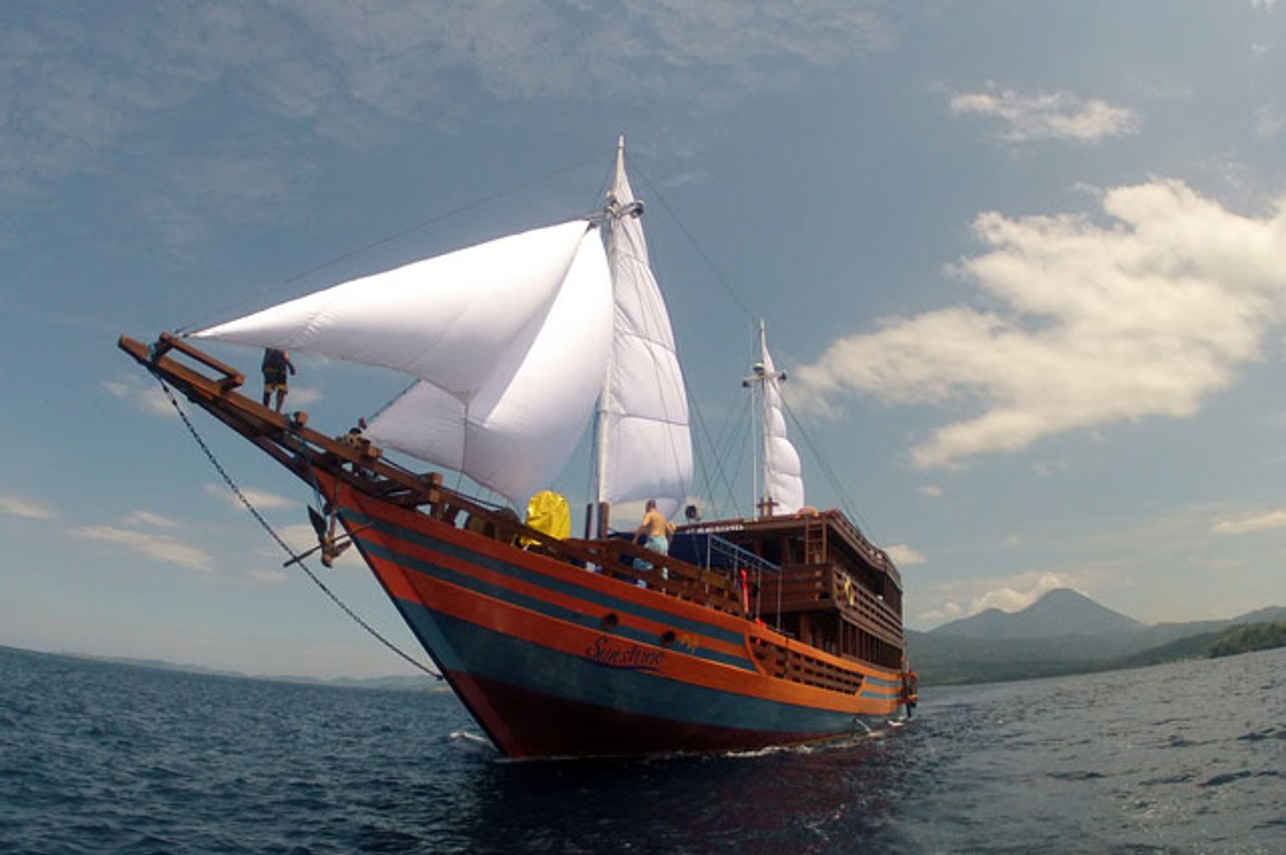
Sunshine Liveaboard
Indonesia
10 guests31 m
$191/day
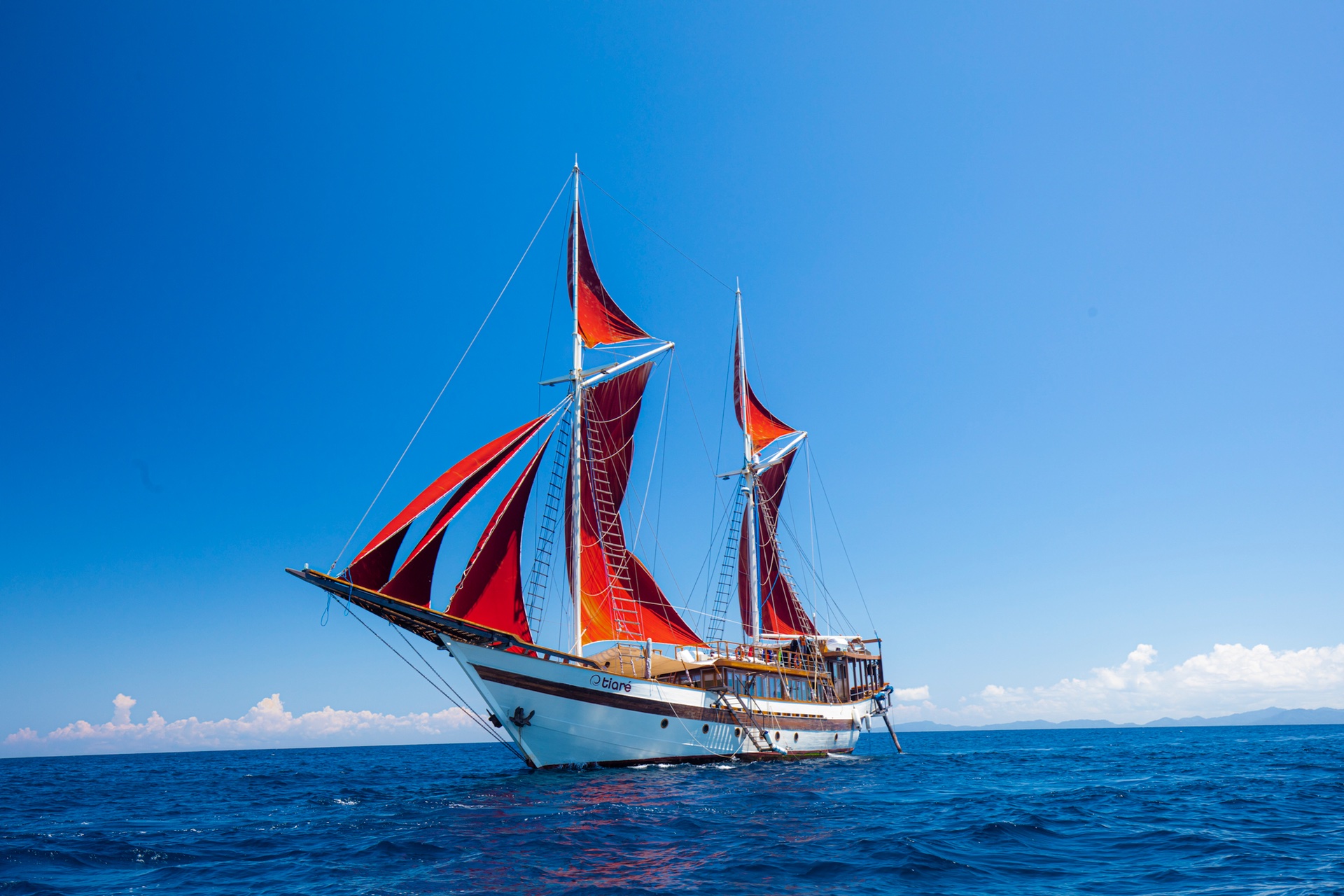
Tiare Cruise
Indonesia
12 guests36.5 m
$419/day
Dive sites similar to Close Encounters
Same character, same waters — six more sites divers love for the exact same reasons.Compare seasons, access and liveaboard routes — then pick the site that fits your trip best.
© Esri — Maxar, Earthstar, GIS
Batununggul
Bali
Batununggul, also known as Suana or Batumulapan by some operators, is a dynamic wall and sloping reef dive site situated on the eastern side of Nusa Penida, Bali.
- Suitable for
- Advanced
- Current
- Strong
- Access
- Liveaboard or dayboat
- Depth
- 10–40 m
- Theme
- Wall
© Esri — Maxar, Earthstar, GIS
Gili Tepekong
Bali
Gili Tepekong is one of three volcanic islets situated off the coast of Amuk Bay, near Padang Bai and Candidasa in East Bali.
- Suitable for
- Advanced
- Current
- Strong
- Access
- Liveaboard or dayboat
- Depth
- 10–40 m
- Theme
- Cave & cavern / Drift
© Esri — Maxar, Earthstar, GIS
Dream Wall
Bali
Dream Wall is one of Menjangan Island's premier dive sites, located within the protected West Bali National Park marine area.
- Suitable for
- Beginner
- Current
- Mild
- Access
- Dayboat
- Depth
- 10–60 m
- Theme
- Wall / Reef
© Esri — Maxar, Earthstar, GIS
Gili Selang
Bali
Gili Selang is a small island located off Bali's easternmost tip, forming a striking geological feature at the foot of Mount Seraya.
- Suitable for
- Advanced
- Current
- Strong
- Access
- Liveaboard or dayboat
- Depth
- 4–50 m
- Theme
- Drift / Wall
© Esri — Maxar, Earthstar, GIS
Anker Wreck
Bali
The Anker Wreck, sometimes referred to as Angker Wreck, is a small, historically significant wooden shipwreck located off Menjangan Island in the protected Bali Barat National Park.
- Suitable for
- Intermediate
- Current
- Mild
- Access
- Dayboat
- Depth
- 5–40 m
- Theme
- Wreck / Wall
© Esri — Maxar, Earthstar, GIS
Anchor Wreck
Bali
The Anchor Wreck is a celebrated dive site located off Menjangan Island, within the protected West Bali National Park.
- Suitable for
- Intermediate
- Current
- Moderate
- Access
- Dayboat
- Depth
- 4–40 m
- Theme
- Wall / Reef