About The Valley of Sharks
The Valley of Sharks is an exhilarating dive site located off Moorea, a short ferry ride from Tahiti in French Polynesia. It is renowned for its vibrant shark encounters, attracting a multitude of species including reef sharks, lemon sharks, and blacktip sharks. The site is characterized by significant currents, which are responsible for drawing in the diverse marine life and creating a dynamic underwater experience. This environment makes it a thrilling location for divers seeking close encounters with these pelagic predators. While specific topographical details like caves or walls are not explicitly mentioned for this site, the strong currents and rich marine activity suggest a channel or pass-like environment. The consistent water temperatures, ranging between 26°C and 29°C (78°F to 84°F) year-round, ensure comfortable diving conditions. Excellent visibility, often exceeding 30 meters (100 feet), enhances the experience, allowing divers to clearly observe the abundant marine life. This dive is best suited for confident and experienced divers due to the prevailing strong currents. While entry methods are not detailed, the conditions necessitate good buoyancy control and an understanding of drift diving techniques. The primary highlight remains the frequent and often numerous shark sightings, providing an unforgettable experience for those ready for an action-packed dive in the heart of French Polynesia's shark-rich waters.
Highlights
Thrilling shark encountersAbundant reef sharksLemon sharks presentBlacktip shark sightingsStrong currentsRich pelagic life
Season calendar
Best months to dive here
Jan
Feb
Mar
Apr
May
Jun
Jul
Aug
Sep
Oct
Nov
Dec
Excellent
Good
Off-Season
May – Oct (Dry Season)
Best visibility up to 40m. Humpback whales Jul–Nov. Shark wall at Fakarava peaks Jun–Jul (grouper spawning). Ideal conditions.
Feb – Apr & Nov (Transition)
Improving/declining conditions. Still good diving, occasional rain. Fewer tourists, good value.
Dec – Jan (Wet/Cyclone Season)
Peak wet season with reduced visibility, rough seas possible. Cyclone risk. Some operators still run trips to Rangiroa and Fakarava.
Dive site facts: The Valley of Sharks
- Depth
- Varies by dive plan
- Current
- Mild to strong
- Visibility
- 30+ m
- Water temperature
- 26–29°C
- Entry
- Boat
- Level
- Intermediate to Advanced
- Dive type
- Drift, Shark dive
- Night dive
- Possible (check operator)
- Region / port
- Moorea, French Polynesia
- Coordinates
- -16.4833, -145.4333
Conditions & Currents
The Valley of Sharks is known for its currents, which are a primary draw for the abundant marine life, particularly the sharks. These currents can range from mild to strong, depending on tidal conditions and moon phases, and are a key factor in the site's dynamic ecosystem. Divers should be prepared for drift diving conditions, where the current carries them through the channel. Visibility is consistently good, often exceeding 30 meters, even with varying current strengths. Water temperatures remain comfortably warm, between 26°C and 29°C, minimizing the risk of thermoclines. Divers should consult with their local dive operators for daily current forecasts and be proficient in drift diving techniques and buoyancy control to fully enjoy this site safely.
Marine life & sighting chances

Lemon shark
common
Blacktip reef shark
common
Grey reef shark
common
Manta ray
occasional
Sea turtle
occasional
Humpback whale
August to November · occasional
Dolphin
occasional
Barracuda
occasional
Eagle ray
occasional
Moray eel
common
Butterflyfish
commonDive profile & how the dive runs
Dives at The Valley of Sharks typically begin with a boat drop into the channel, often designed as a drift dive to navigate the prevailing currents. You descend quickly to depths where the main shark activity occurs, often following a reef slope or channel edge. Divers then maintain a comfortable depth, usually between 10 and 25 meters, allowing the current to carry them past the numerous shark populations. The route is often adjusted by dive guides to optimize shark viewing opportunities and to manage current strength. The turning point is dictated by air consumption and current conditions, after which divers ascend gradually. Safety stops are performed in shallower, less current-affected areas, sometimes using a surface marker buoy for support.
Underwater photography
Capturing the dynamic shark action at The Valley of Sharks demands a wide-angle lens to encompass the large subjects and schools of fish. Given the excellent visibility, natural light is often sufficient in shallower areas, but a strobe will enhance colors and sharpness, particularly for close-ups. For fast-moving sharks, use a quick shutter speed and burst mode. Practicing good buoyancy control is crucial to avoid stirring up sediment and to position yourself effectively for shots in varying currents. Always maintain a respectful distance from marine life, especially the sharks, and avoid any actions that might alter their natural behavior.
Combine with nearby dive sites
- Moorea - The Canyons
The Canyons is a notable dive site located off the mythical Ōpūnohu Bay in Moorea, one of French Polynesia's easily accessible Society…
- Moorea - Ray Corridor
The Ray Corridor in Moorea offers an exhilarating drift dive experience within a natural lagoon, making it a favorite for divers seeking…
- Moorea - The Roses
Moorea's 'The Roses' is a celebrated dive site off the stunning volcanic island of Moorea, part of French Polynesia's easily accessible…
- Moorea - Tiki Point
Tiki Point is an outstanding dive site located off the picturesque island of Moorea in French Polynesia, easily accessible from Tahiti.
- Tahiti - The Aquarium
Tahiti - The Aquarium offers a unique and accessible diving experience within the vibrant marine environment of French Polynesia.
Getting there & logistics
Accessing The Valley of Sharks typically involves flying into Faa’a International Airport (PPT) in Papeete, Tahiti. From Tahiti, Moorea is just a short, affordable ferry ride away. Dive trips to Moorea often range from a few days to a week, combining several local sites with the option to return to Tahiti. No specific permits beyond standard dive certifications are usually required for recreational diving. Many liveaboards and land-based operators offer packages that include dives at The Valley of Sharks, often integrated into a broader French Polynesia itinerary exploring the Society or Tuamotu Islands.
Safety & environment
The nearest recompression chamber is located in Papeete, Tahiti, highlighting the importance of cautious diving practices. Divers should always carry valid dive accident insurance, such as DAN, given the remote nature of some French Polynesian islands and the logistical challenges of emergency evacuations. Site-specific hazards at The Valley of Sharks include strong, unpredictable currents, which necessitate good buoyancy control and drift diving experience. Always dive with a reputable operator, follow your guide's instructions, and carry a surface marker buoy for safety.
Who it suits — and who it doesn't
Suited for
- Experienced divers comfortable with currents
- Shark enthusiasts and big animal lovers
- Underwater photographers with wide-angle setups
- Divers seeking exhilarating drift dives
- Those looking for consistent pelagic encounters
Less suited for
- Beginner divers or those without current experience
- Divers uncomfortable with large marine animals
- Individuals with poor buoyancy control
- Divers prone to seasickness in choppy conditions
- Those seeking calm, shallow reef dives
FAQ
The Valley of Sharks FAQ
What kind of sharks can I expect to see at The Valley of Sharks?
You can consistently encounter a variety of sharks at this site. Common sightings include blacktip reef sharks, lemon sharks, and grey reef sharks. The strong currents in the area attract these species, making for a thrilling and reliable shark diving experience.
Is The Valley of Sharks suitable for beginner divers?
This site is generally recommended for intermediate to advanced divers. The presence of strong and unpredictable currents requires good buoyancy control and experience with drift diving. Beginners or those uncomfortable with currents might find the conditions challenging.
What is the visibility and water temperature like?
The Valley of Sharks boasts excellent visibility year-round, often exceeding 30 meters (100 feet). Water temperatures are consistently warm, ranging from 26°C to 29°C (79°F to 84°F), ensuring a comfortable dive experience regardless of the season.
How do I get to The Valley of Sharks?
The Valley of Sharks is located in Moorea, which is a short ferry ride from Tahiti. You would typically fly into Faa’a International Airport (PPT) in Papeete, Tahiti, and then take a ferry to Moorea. Dive operators on Moorea will then transport you to the dive site.
Are there any specific safety precautions I should take?
Due to potentially strong currents, it is crucial to dive with a reputable operator and strictly follow your dive guide's instructions. Good buoyancy control and carrying a surface marker buoy are highly recommended. Always ensure you have appropriate dive accident insurance for any emergency.
Why dive The Valley of Sharks from a liveaboard?
The Valley of Sharks is one of French Polynesia's signature dive sites. A liveaboard sleeps you on the water and puts you in the water for three to four guided dives per day, including dawn and night dives that day-boat operators rarely offer. You skip the daily commute back to port and reach quieter, less-crowded sites in the same region on a single trip.
Below are the liveaboards that include The Valley of Sharks on their French Polynesia itineraries.
Liveaboards diving The Valley of Sharks
These liveaboards may visit The Valley of Sharks on selected itineraries — the exact dive sites depend on departure, weather and conditions.
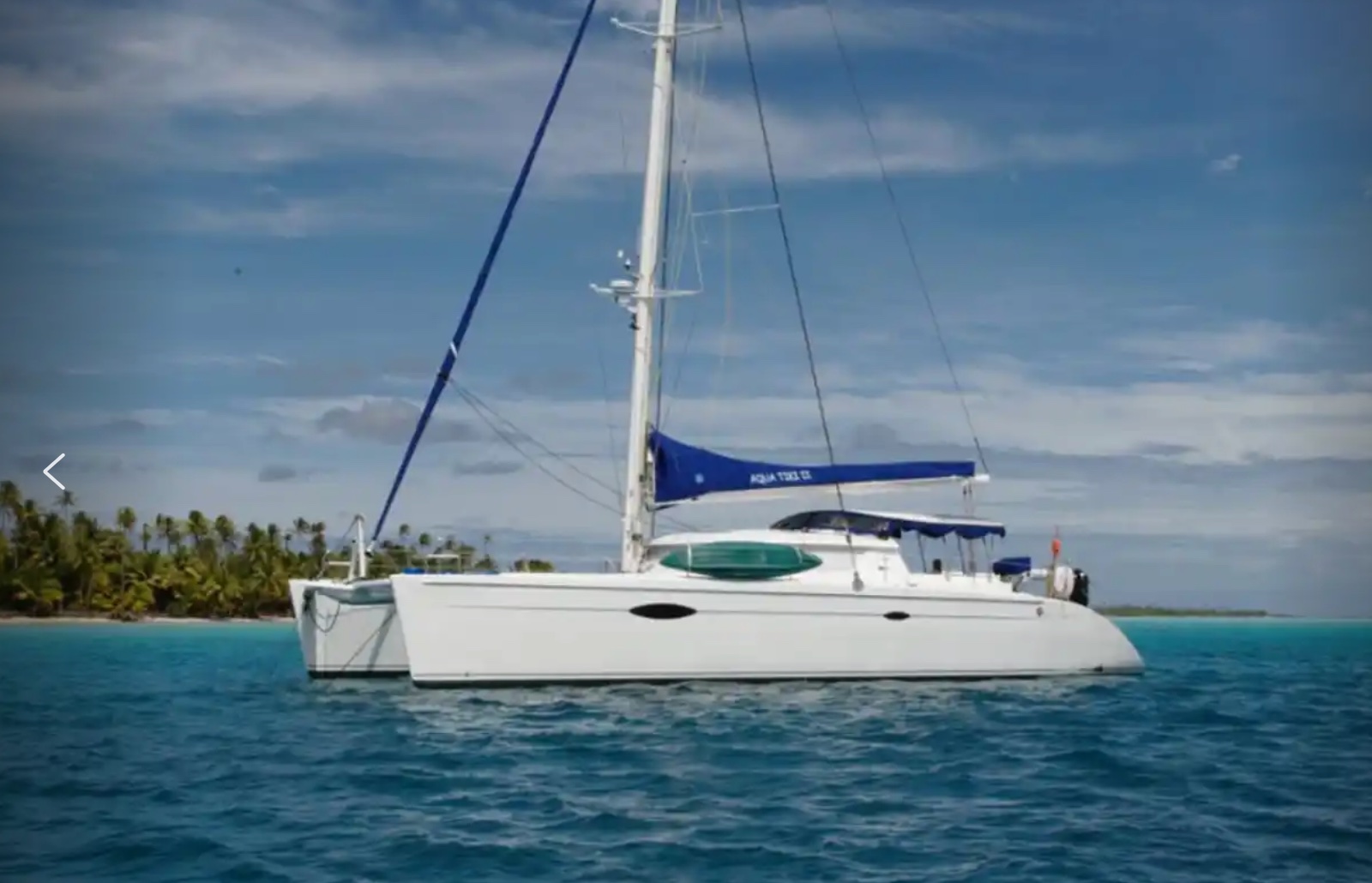
Aqua Tiki II
French Polynesia
8 guests
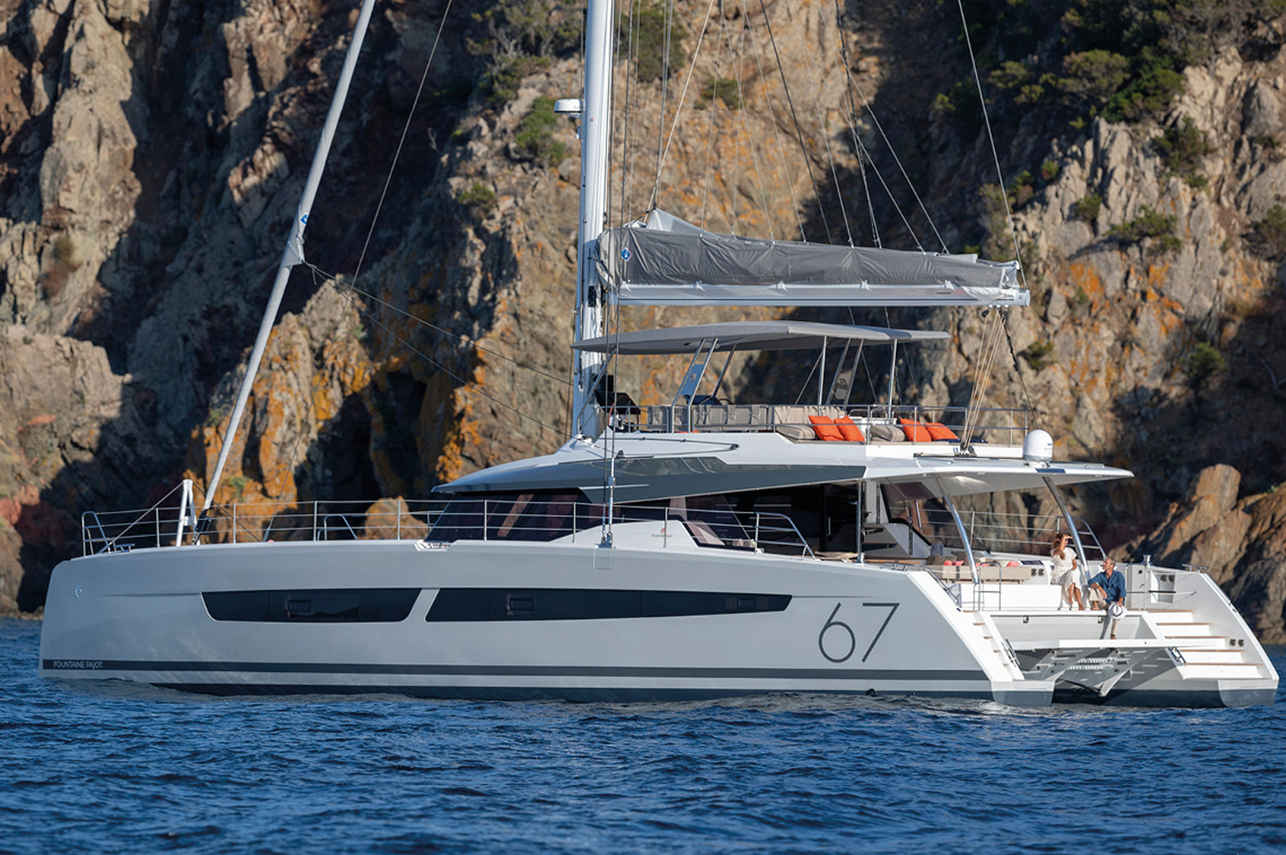
Aqua Tiki III
French Polynesia
10 guests20 m
Dive sites similar to The Valley of Sharks
Same character, same waters — six more sites divers love for the exact same reasons.Compare seasons, access and liveaboard routes — then pick the site that fits your trip best.
© Esri — Maxar, Earthstar, GIS
Agincourt Reef
Australia
Agincourt Reef sits on the outer edge of the Great Barrier Reef, roughly 60–72 km off Port Douglas in Far North Queensland, at the southern end of the true ribbon reefs that run…
- Suitable for
- Beginner
- Current
- Moderate
- Access
- Dayboat
- Depth
- 2–20 m
- Theme
- Reef / Wall
Ahe Atoll, a remote and authentic destination in French Polynesia, offers a dive experience deeply intertwined with its local pearl farming community.
- Suitable for
- Advanced
- Current
- Strong
- Access
- Liveaboard or dayboat
- Depth
- 5–22 m
- Theme
- Channel / Drift
© Esri — Maxar, Earthstar, GIS
Alacrity Shoal
Fiji
Alacrity Shoal is a premier dive site in Fiji, renowned for its spectacular drift diving opportunities and rich marine biodiversity.
- Suitable for
- Advanced
- Current
- Strong
- Access
- Liveaboard or dayboat
- Depth
- 12–40 m
- Theme
- Drift / Seamount
Alibaba is a renowned drift dive located within the Garuae Pass in northern Fakarava, a UNESCO Biosphere Reserve in the Tuamotu Archipelago.
- Suitable for
- Intermediate
- Current
- Strong
- Access
- Liveaboard only
- Depth
- 5–30 m
- Theme
- Reef
© Esri — Maxar, Earthstar, GIS
Aliko Reef
Micronesia
Aliko Reef is a prominent dive site within Yap, Micronesia, characterized by a captivating underwater topography that blends a mini-wall with an expansive coral plateau.
- Suitable for
- Intermediate
- Current
- Mild
- Access
- Dayboat
- Depth
- 6–15 m
- Theme
- Reef / Wall
© Esri — Maxar, Earthstar, GIS
Amity Point
Australia
Amity Point is a popular shore diving destination located at the northwestern tip of North Stradbroke Island, within the protected waters of Moreton Bay.
- Suitable for
- Beginner
- Current
- Moderate
- Access
- Shore / dayboat
- Depth
- 5–15 m
- Theme
- Reef