About Lonos Marine Sanctuary
Lonos Marine Sanctuary is a protected dive site situated in a tranquil bay near Tiamban Beach in Romblon, Philippines. Its establishment focuses primarily on the conservation of giant clams (Tridacna gigas), making it a unique location for observing these magnificent molluscs. The sanctuary is part of Romblon's diverse underwater landscape, which lies at the tip of the Verde Island Passage, recognized as a global center of marine biodiversity. Depths at Lonos accommodate a range of divers, though specific depth bands are not detailed in general overviews. The sanctuary's topography likely includes reef structures that support the giant clams and other marine organisms. Romblon's waters generally offer visibility between 15 to 30 meters and warm temperatures ranging from 26°C to 30°C year-round, contributing to comfortable diving conditions. The marine life here is particularly appealing to macro enthusiasts, with sightings of ornate ghost pipefish, spindle cowries, various crustaceans, and numerous nudibranch species. While a serene dive, the presence of these smaller, often cryptic creatures demands a keen eye and slower pace. The best conditions for visiting Romblon, and by extension Lonos, typically span from November to May. Diving Lonos Marine Sanctuary provides an intimate experience, often uncrowded, allowing divers ample time to explore its unique inhabitants. It's an ideal spot for those seeking quiet observation and macro photography, offering a window into the rich biodiversity of the Coral Triangle.
Highlights
Giant clam protection siteOrnate ghost pipefishSpindle cowrie sightingsDiverse nudibranch speciesRich macro lifeSerene, uncrowded diving
Season calendar
Best months to dive here
Jan
Feb
Mar
Apr
May
Jun
Jul
Aug
Sep
Oct
Nov
Dec
Good
Dive site facts: Lonos Marine Sanctuary
- Depth
- 12 m
- Current
- Mild
- Visibility
- 15–30 m
- Water temperature
- 26–30°C
- Entry
- Boat
- Level
- All levels
- Dive type
- Macro, marine sanctuary
- Region / port
- Romblon, Philippines
- Coordinates
- 11.2554° N, 122.0332° E
Conditions & Currents
Romblon's dive sites, including Lonos Marine Sanctuary, generally experience mild currents, making them suitable for most experience levels. While shallower areas are often quite calm, some deeper sections of Romblon can encounter moderate flow, though specific current conditions for Lonos are not detailed. Visibility consistently ranges from 15 to 30 meters (50 to 100 feet), providing clear views of macro critters and giant clams. Water temperatures remain comfortably warm, typically between 26°C and 30°C (80°F to 86°F) throughout the year. Divers should always practice good buoyancy control to avoid disturbing the delicate protected marine life, particularly the giant clams and smaller macro subjects. Entry is typically via boat, offering a controlled start to the dive.
Marine life & sighting chances

Giant clam
common
Ornate ghost pipefish
occasional
Spindle cowrie
occasional
Crustaceans
common
Nudibranchs
commonDive profile & how the dive runs
A dive at Lonos Marine Sanctuary generally commences with a boat entry into the protected bay. Divers typically descend to observe the giant clams, which are a primary focus of the sanctuary. The dive then proceeds to explore the surrounding reef and sandy areas, searching for the array of macro critters that inhabit the site. While specific depth progressions are not detailed, divers can expect to explore areas where ornate ghost pipefish, spindle cowries, crustaceans, and various nudibranchs are frequently found. The dive route often involves a meticulous search along the seabed and among coral formations, emphasizing slow, careful movement to spot cryptic marine life. The turning point is usually determined by air consumption or bottom time, with the ascent being gradual. A safety stop at 5 meters provides an opportunity to observe shallower reef life before surfacing.
Underwater photography
Lonos Marine Sanctuary is a prime location for macro photography, making a dedicated macro lens essential for capturing its tiny inhabitants. Photographers should prioritize excellent buoyancy control to avoid stirring up sand or damaging delicate corals, as many subjects are found close to the substrate. Snoots or off-camera strobes can effectively highlight small critters like ornate ghost pipefish and nudibranchs against their backgrounds, adding depth and detail. Patience is key, allowing sufficient time to locate and compose shots of well-camouflaged species such as spindle cowries and various crustaceans. Given the focus on conservation, photographers must maintain a respectful distance from the giant clams and other protected marine life, ensuring no contact or disturbance.
Combine with nearby dive sites
- The House Reef
Accessed from Three P Holiday & Dive Resort, known for macro critters
- Agnay Fish Sanctuary
Sheltered bay with Acropora corals, shoaling fish and rays
- The Rope
Known for rare critters like Stiliger sp., Costasiella sp. and skeleton shrimp
- Bangug Island
Small island with soft corals, pygmy seahorses, and hairy shrimp
- Bonbon Beach
Diverse coral species and marine life, suitable for night dives
Getting there & logistics
Access to Romblon, and subsequently Lonos Marine Sanctuary, often involves travel from Manila, which can be an extended journey, typically around 18 hours including ferry connections. The nearest major airport with regular flights would typically be to a larger island in the Visayas, followed by onward travel to Romblon Island. Dive packages are available for all experience levels, often including guided dives with experienced spotters specializing in macro life. Romblon is recognized for its uncrowded dive sites, allowing for a serene underwater experience. Typical dive operations are centered around Romblon Island, with local dive centers organizing boat trips to sites like Lonos. As a marine sanctuary, adherence to local regulations and ethical diving practices is paramount.
Safety & environment
Diving in Romblon, including Lonos Marine Sanctuary, is generally considered safe due to mild currents and warm waters. However, divers should always carry appropriate dive insurance that covers medical emergencies and potential evacuation. The nearest recompression chamber and advanced medical facilities might be located on larger neighboring islands or in Manila, making evacuation a potential reality in case of a serious dive accident. It is crucial to dive within certification limits and follow the guidance of local dive guides. Respecting the sanctuary's protected status means avoiding touching any marine life, especially the giant clams, and maintaining excellent buoyancy control to prevent damage to the delicate ecosystem. Night dives, if offered, require additional caution and specialized training.
Who it suits — and who it doesn't
Suited for
- Macro photography enthusiasts
- Critter hunters and observers
- Divers seeking uncrowded, serene sites
- Beginner to intermediate divers
- Marine conservation advocates
Less suited for
- Divers primarily interested in large pelagics
- Those seeking strong current drift dives
- Divers preferring fast-paced, high-action dives
- Individuals uncomfortable with lengthy travel to reach the destination
- Divers who prefer bustling, crowded dive spots
FAQ
Lonos Marine Sanctuary FAQ
What makes Lonos Marine Sanctuary special?
Lonos Marine Sanctuary is primarily special due to its dedication to protecting giant clams (Tridacna gigas), which you can observe here. It also boasts a rich array of macro life, including ornate ghost pipefish, spindle cowries, and various nudibranchs, making it a unique spot for critter enthusiasts and macro photographers.
What marine life can I expect to see at Lonos?
Divers at Lonos can expect to encounter protected giant clams, which are a major highlight. Beyond these, the sanctuary is rich in smaller, cryptic creatures such as ornate ghost pipefish, spindle cowries, diverse crustaceans, and many species of nudibranchs, making every dive a treasure hunt for macro life.
Is Lonos Marine Sanctuary suitable for beginners?
Yes, Lonos Marine Sanctuary, like most dive sites in Romblon, is generally suitable for all levels of divers. The currents are typically mild, and the focus is on slow, observational diving, which is ideal for newer divers to practice buoyancy and enjoy the marine environment.
What are the typical diving conditions at Lonos?
Diving conditions at Lonos Marine Sanctuary usually involve mild currents and comfortable water temperatures ranging from 26°C to 30°C. Visibility is often excellent, typically between 15 to 30 meters, providing clear views of the abundant macro life and protected giant clams.
How do I get to Lonos Marine Sanctuary?
Lonos Marine Sanctuary is located in Romblon, Philippines. Access generally involves traveling to Romblon Island, often via a combination of domestic flights and ferries from larger hubs like Manila. Local dive operators on Romblon Island then arrange boat trips to the sanctuary, which is situated near Tiamban Beach.
Why dive Lonos Marine Sanctuary from a liveaboard?
Lonos Marine Sanctuary is one of Philippines's signature dive sites. A liveaboard sleeps you on the water and puts you in the water for three to four guided dives per day, including dawn and night dives that day-boat operators rarely offer. You skip the daily commute back to port and reach quieter, less-crowded sites in the same region on a single trip.
Below are the liveaboards that include Lonos Marine Sanctuary on their Philippines itineraries.
Liveaboards diving Lonos Marine Sanctuary
These liveaboards may visit Lonos Marine Sanctuary on selected itineraries — the exact dive sites depend on departure, weather and conditions.
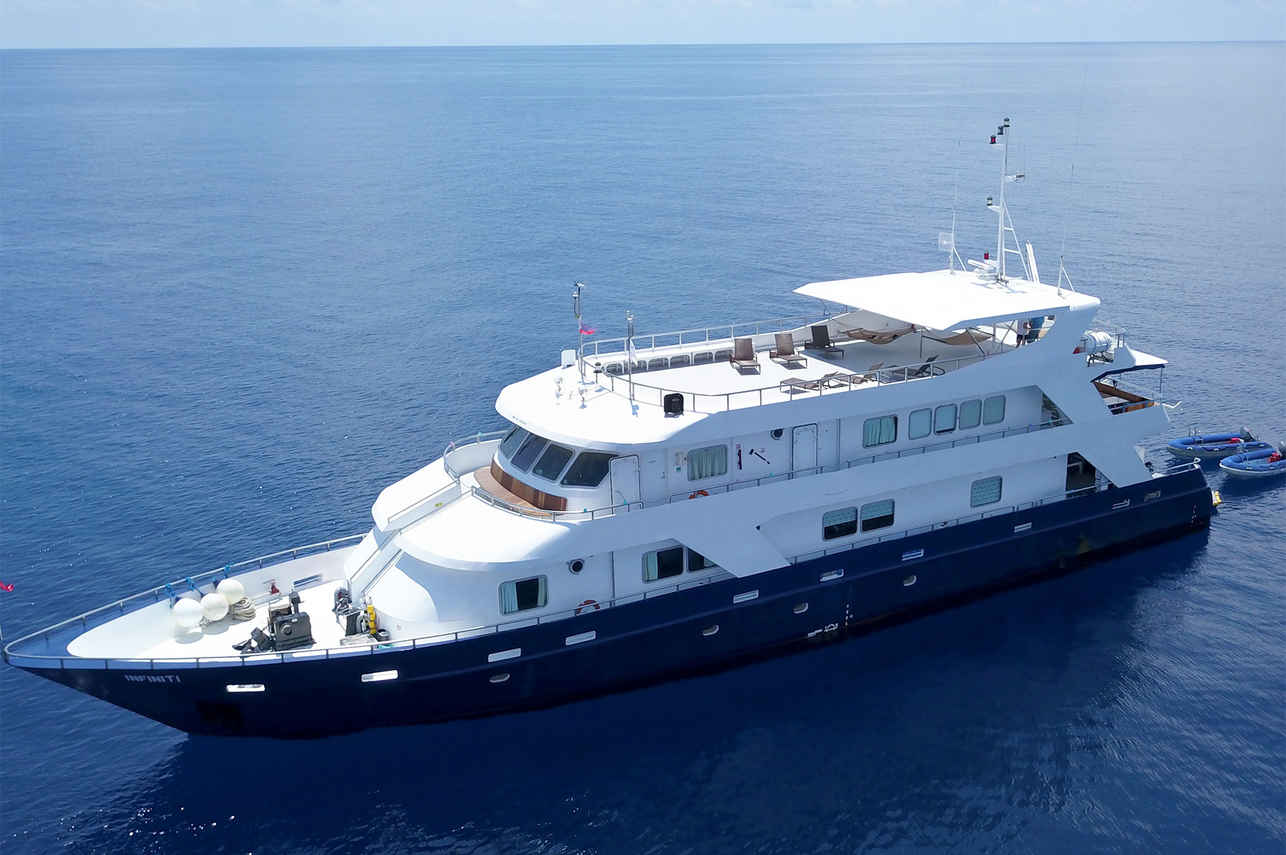
Infiniti
Philippines
25 guests39 m
$280/day
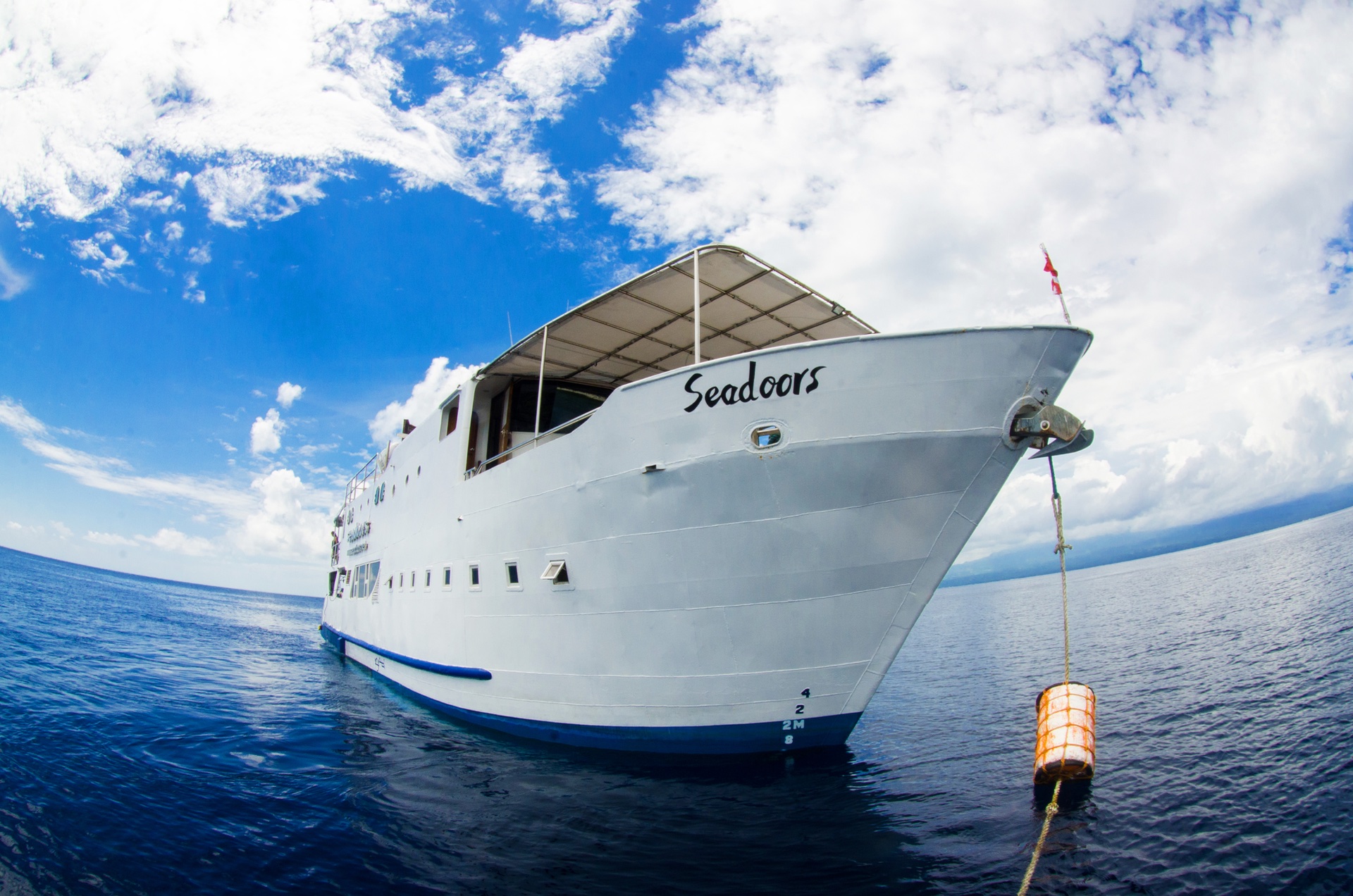
Seadoors
Philippines
16 guests25 m
$335/day
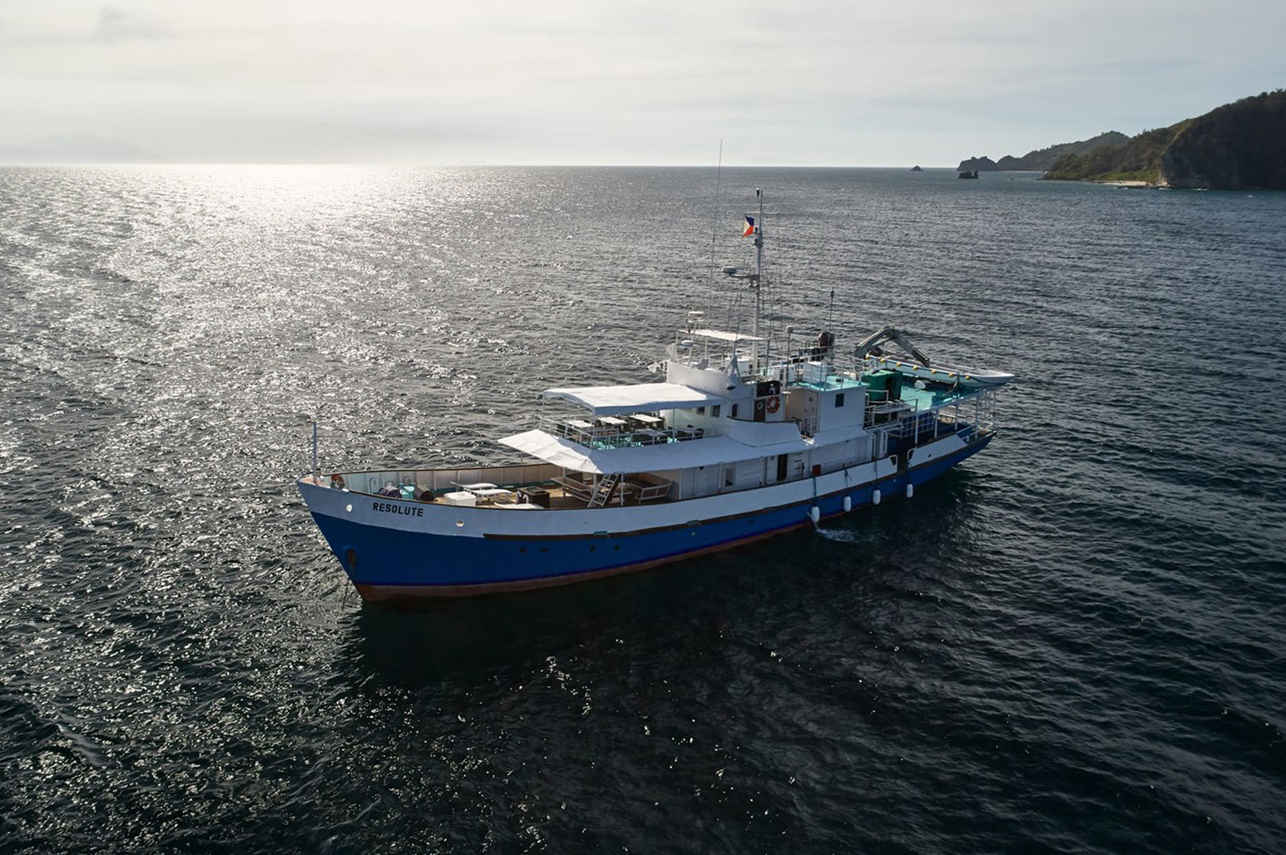
Resolute
Philippines
16 guests34.6 m
$314/day
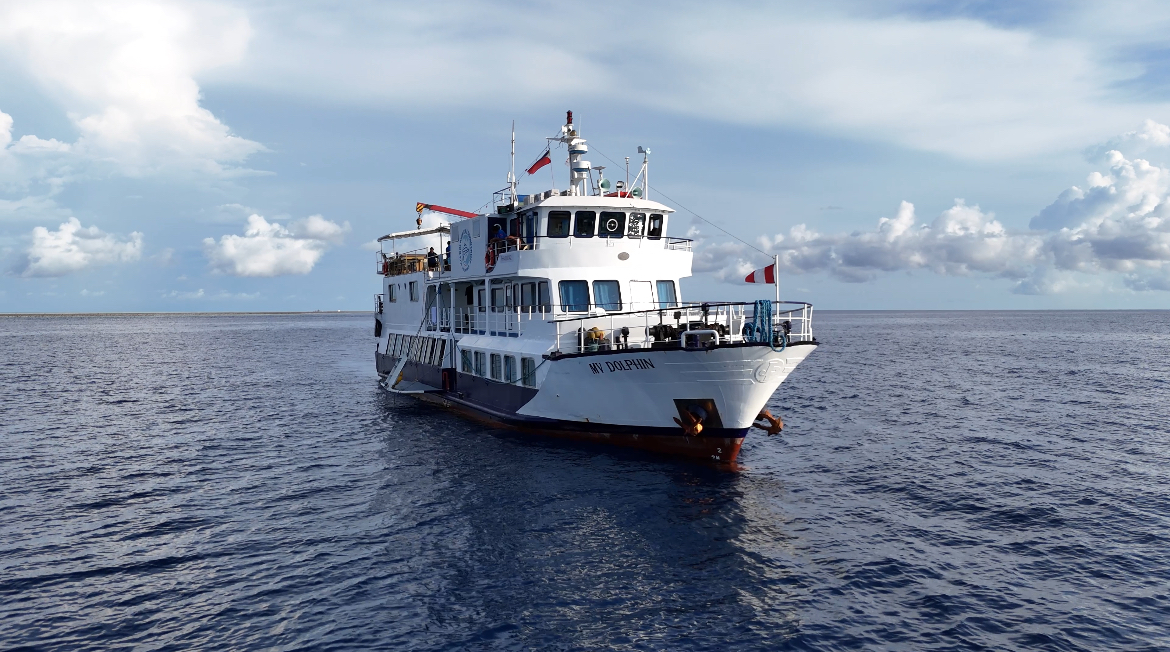
Dolphin
Philippines
18 guests31 m
$326/day
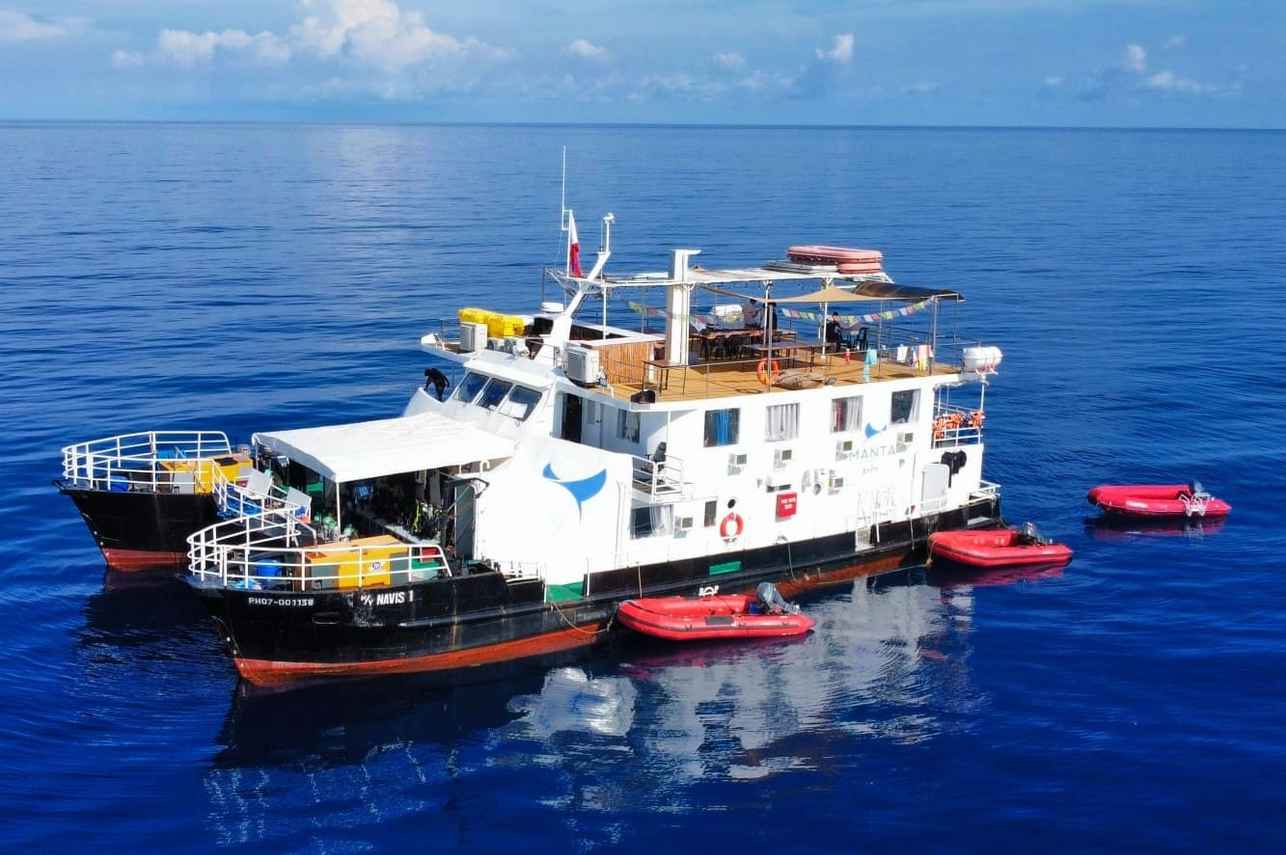
Navis 1
Philippines
22 guests23 m
$250/day
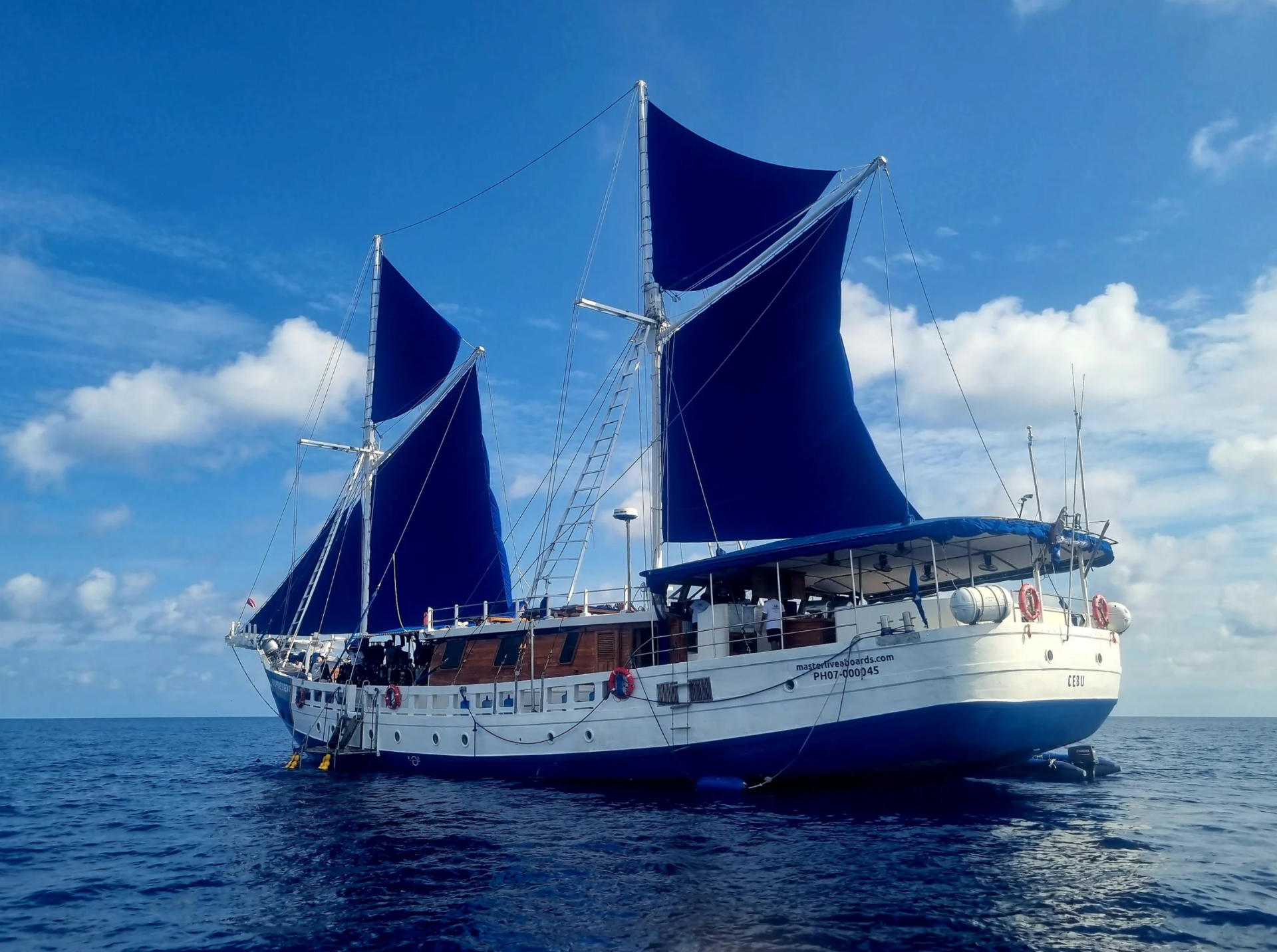
Philippine Siren
Philippines
16 guests
$309/day
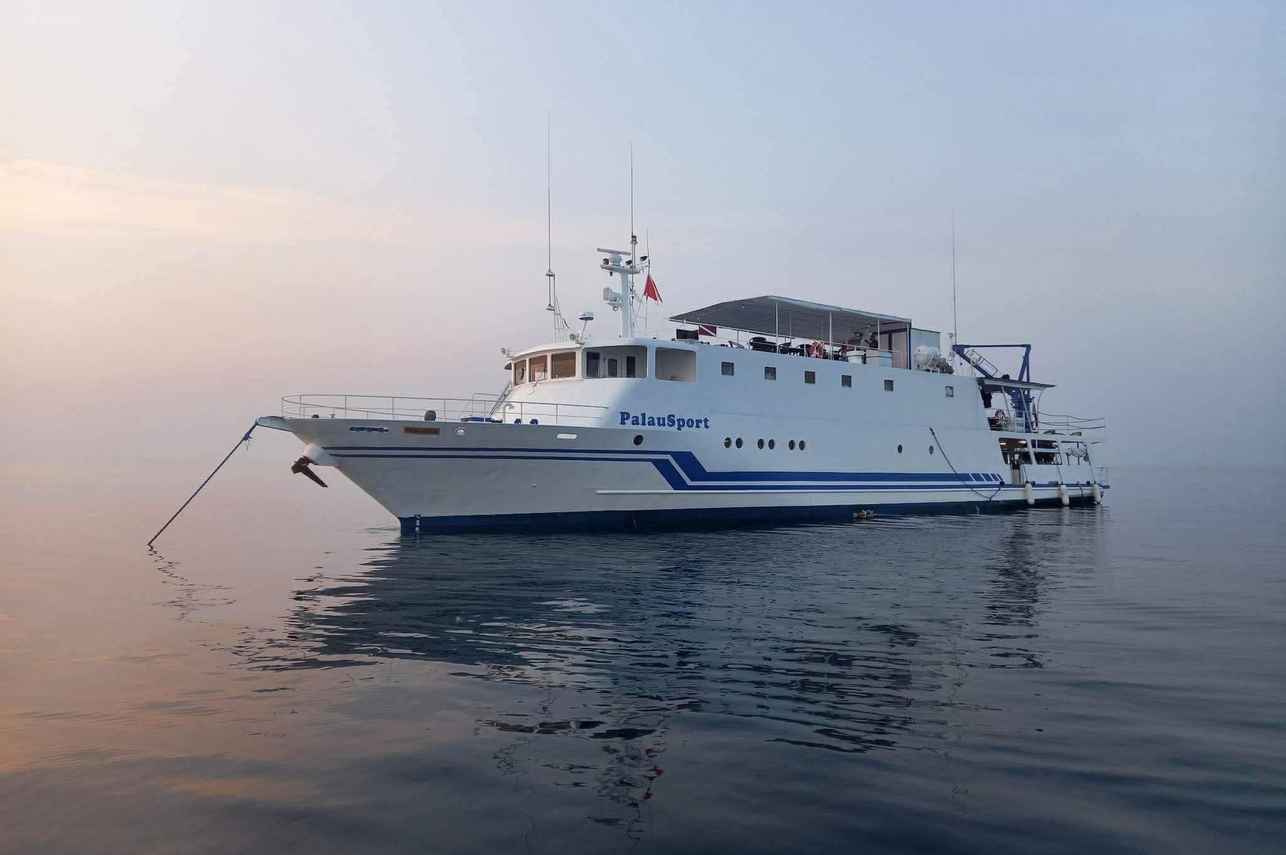
Palau Sport
Philippines
24 guests38.35 m
$215/day
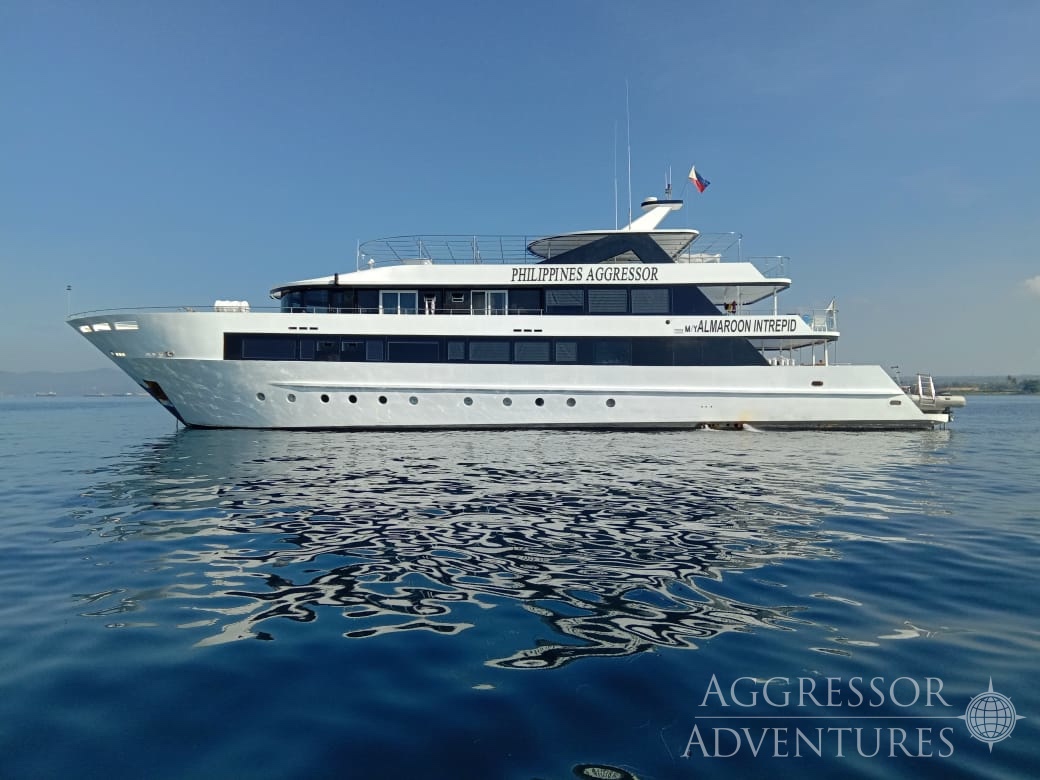
Philippines Aggressor
Philippines
26 guests42.7 m
$381/day
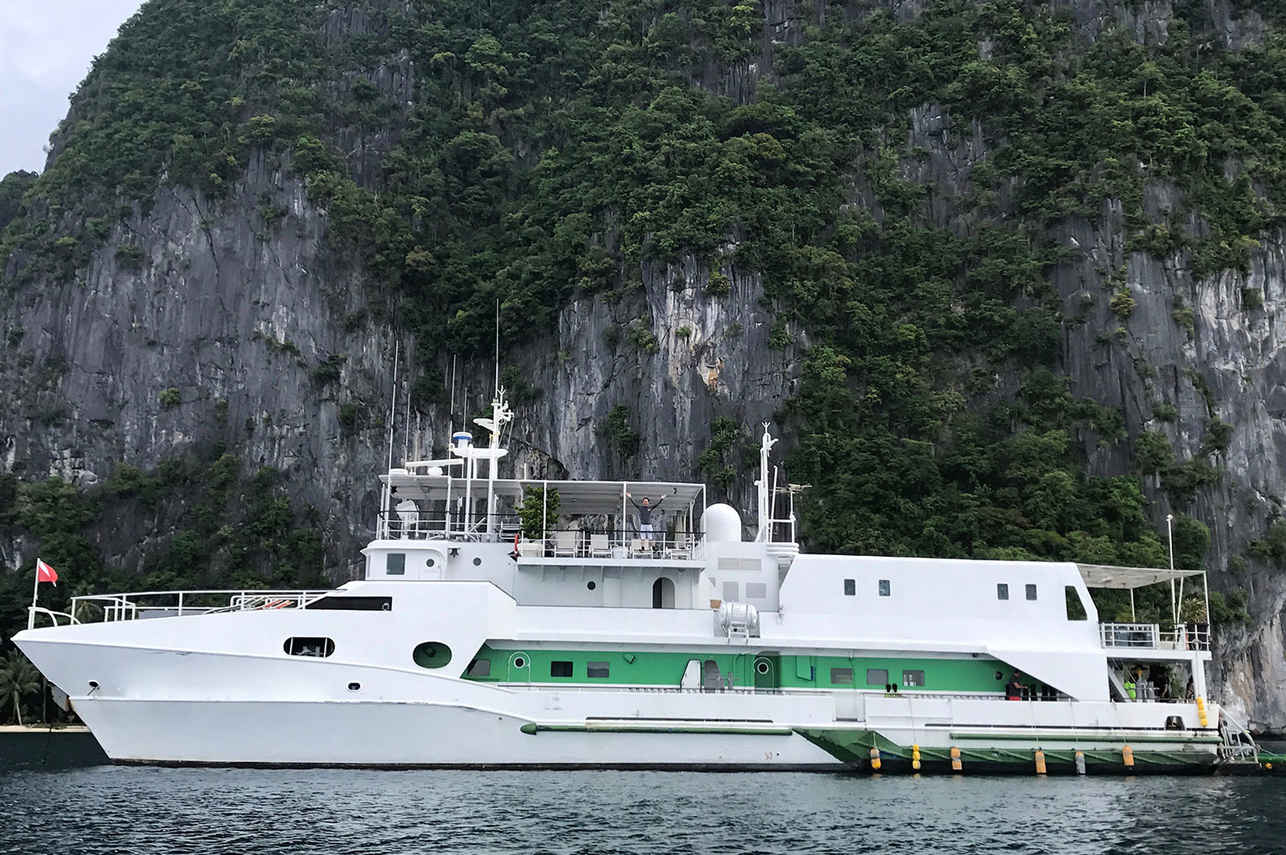
Stella Maris Explorer
Philippines
20 guests33 m
$398/day
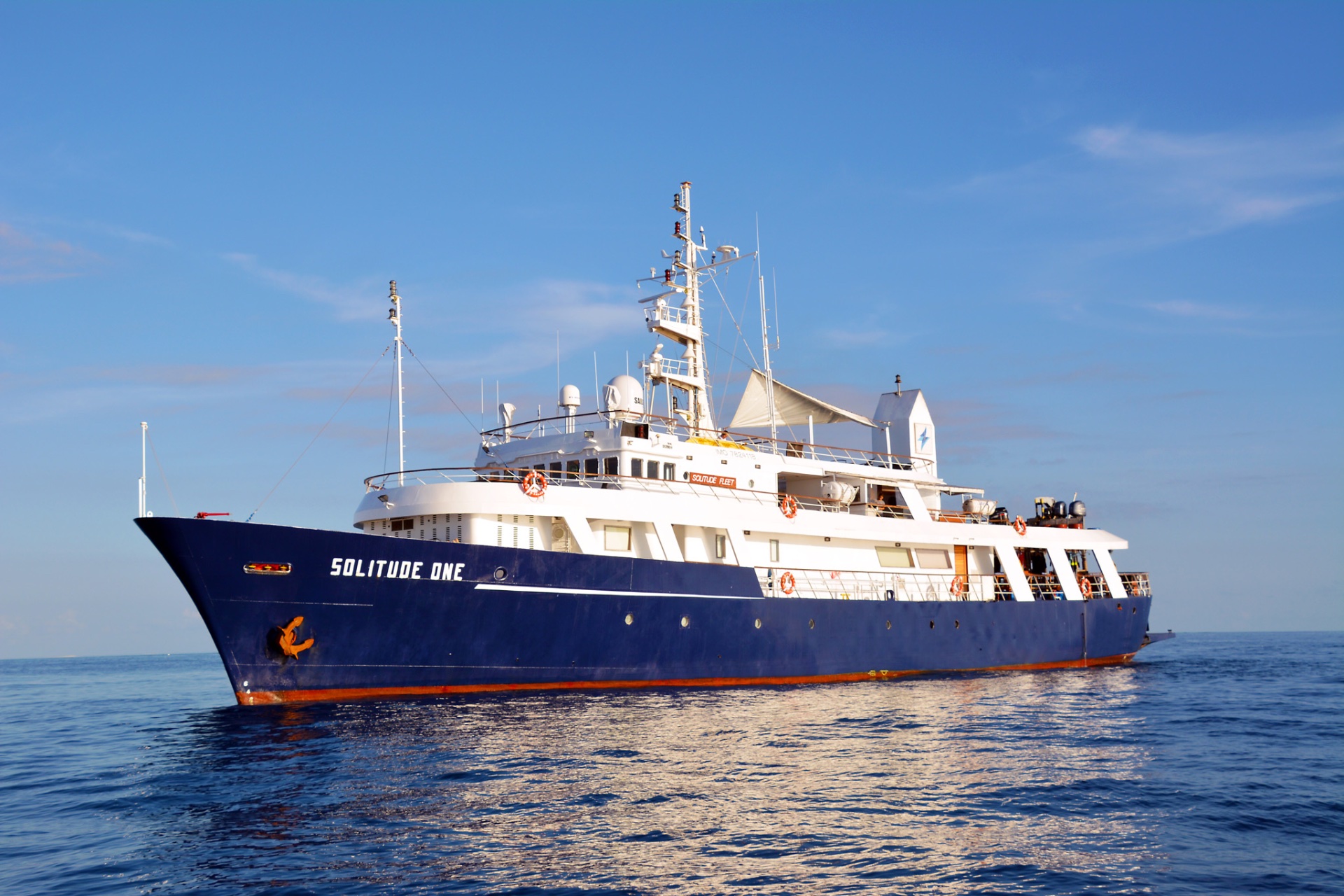
Solitude One
Philippines
24 guests52 m
$460/day
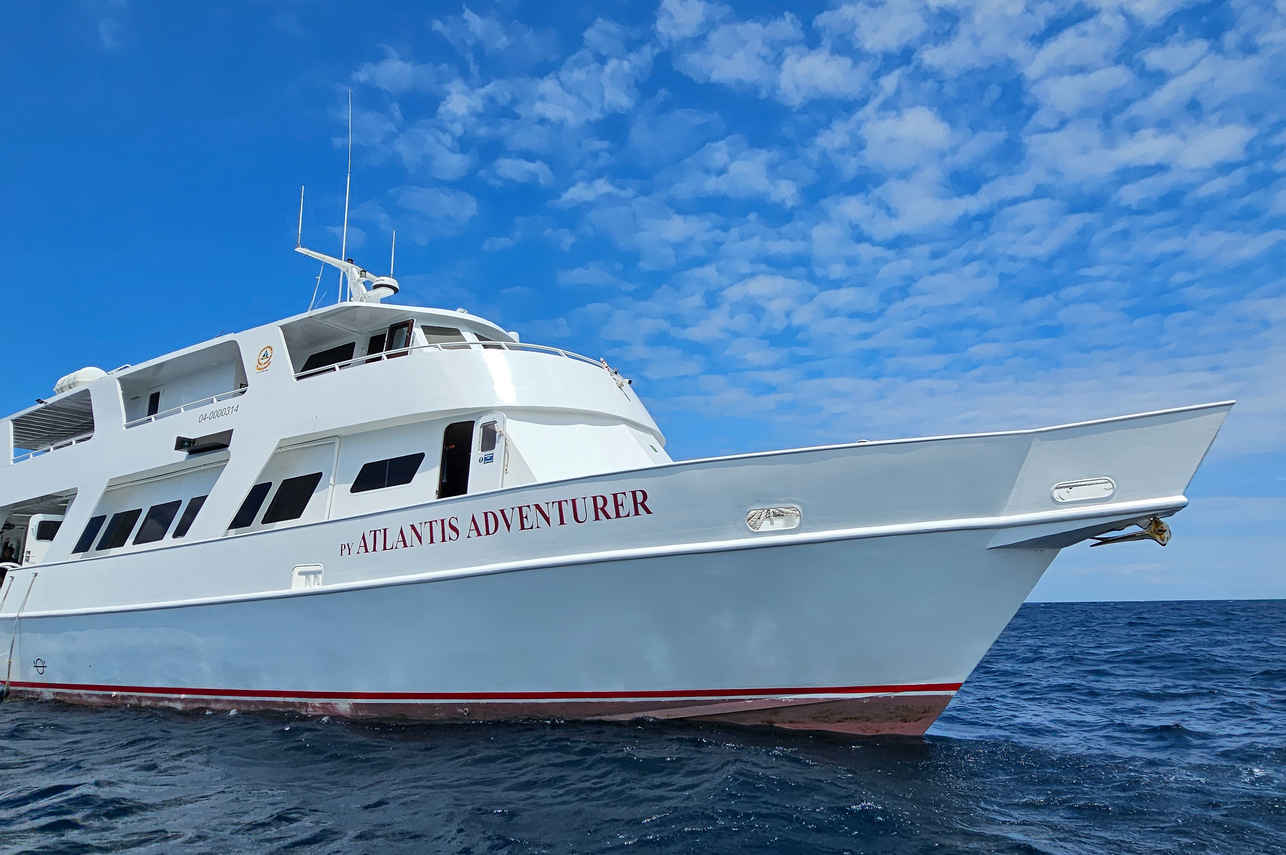
Atlantis Adventurer
Philippines
16 guests32.5 m
$421/day
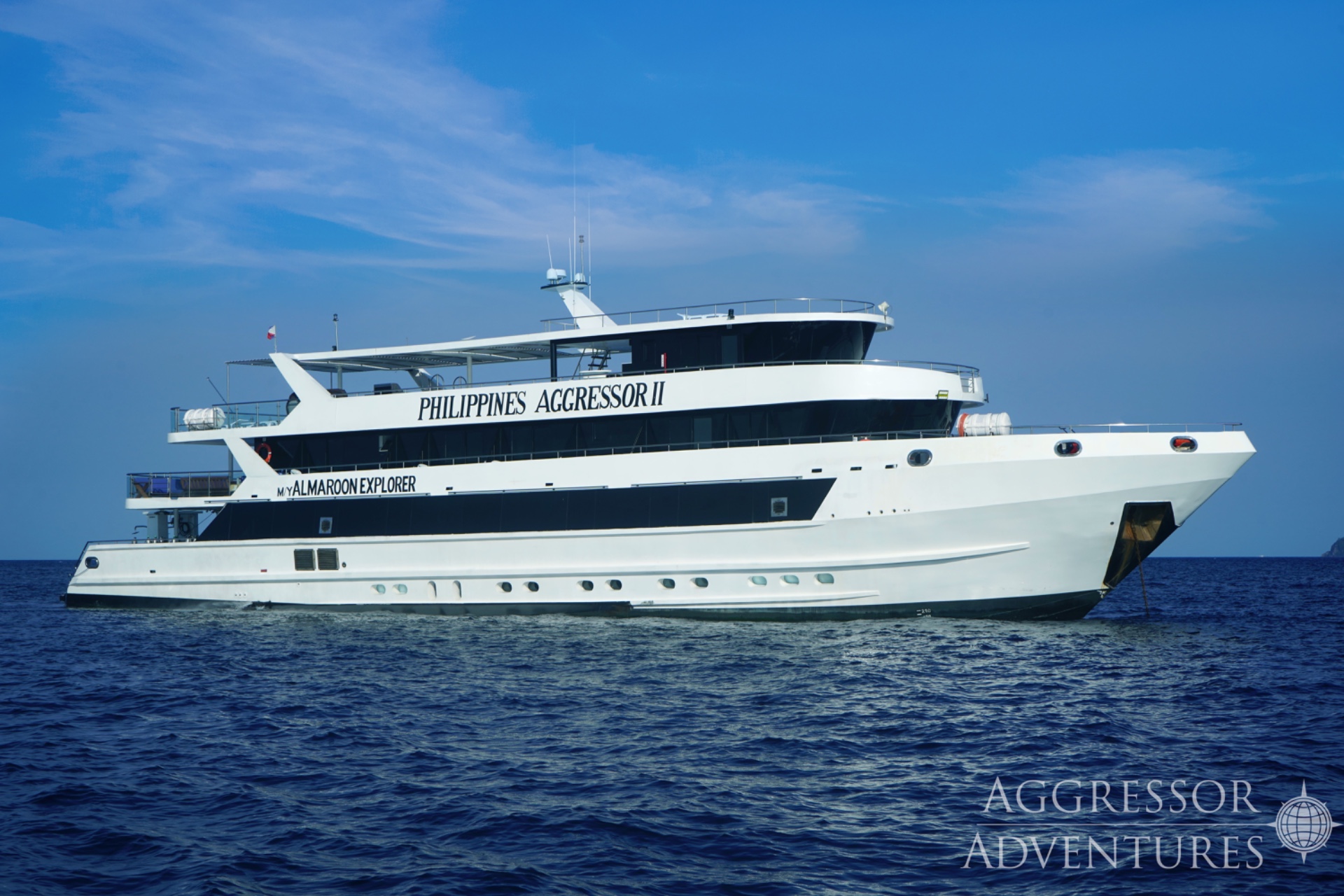
Philippines Aggressor II
Philippines
26 guests42.7 m
$247/day
Dive sites similar to Lonos Marine Sanctuary
Same character, same waters — six more sites divers love for the exact same reasons.Compare seasons, access and liveaboard routes — then pick the site that fits your trip best.
© Esri — Maxar, Earthstar, GIS
Big La Laguna
Philippines
Big La Laguna is a beach community situated on the western edge of the Sabang Peninsula, a popular dive region on Mindoro Island, Philippines.
- Suitable for
- Intermediate
- Current
- Moderate
- Access
- Dayboat
- Depth
- 5–35 m
- Theme
- Reef / Wall
© Esri — Maxar, Earthstar, GIS
Olympia Maru
Philippines
The Olympia Maru is a prominent Japanese cargo ship wreck from World War II, located within Coron Bay, Philippines.
- Suitable for
- Intermediate
- Current
- Mild
- Access
- Dayboat
- Depth
- 17–24 m
- Theme
- Wreck / Reef
© Esri — Maxar, Earthstar, GIS
Balinghai Wall
Philippines
Balinghai Wall is a notable dive site located on the northwest side of Boracay, known for its accessible wall and coral slope formations.
- Suitable for
- Intermediate
- Current
- Mild
- Access
- Dayboat
- Depth
- 8–24 m
- Theme
- Wall / Reef
© Esri — Maxar, Earthstar, GIS
Black Forest
Philippines
Black Forest is a premier dive site located off Balicasag Island, renowned for its exceptional marine biodiversity and distinct topography.
- Suitable for
- Intermediate
- Current
- Strong
- Access
- Liveaboard or dayboat
- Depth
- 10–30 m
- Theme
- Drift / Reef
© Esri — Maxar, Earthstar, GIS
Tongo Sanctuary
Philippines
Tongo Sanctuary, located in Moalboal, Cebu, is a marine protected area renowned for its dramatic underwater topography.
- Suitable for
- Beginner
- Current
- Mild
- Access
- Dayboat
- Depth
- 5–55 m
- Theme
- Reef / Wall
© Esri — Maxar, Earthstar, GIS
Panagsama Beach
Philippines
Panagsama Beach, situated on a peninsula near Moalboal town in Cebu, serves as a central hub for diving activities in the region, boasting over 20 dive sites along its shoreline.
- Suitable for
- Intermediate
- Current
- Moderate
- Access
- Liveaboard or dayboat
- Depth
- ≤ 30 m
- Theme
- Reef / Wall