About Golden Passage
Golden Passage, also known as Darat Passage, is a premier drift dive located in the channel separating Gili Lawa Darat and Komodo Island in Komodo National Park. It's renowned for its exhilarating currents that funnel tidal water across a shallow ridge, offering divers a thrilling underwater experience. The site’s name derives from both the abundant golden soft corals and the golden hue often seen on the water's surface, as well as the tussock grasslands observed at sunrise or sunset from the surface. The dive typically begins in the shallow eastern bay, with currents guiding you westward through a vibrant coral garden. Divers will navigate a slope, reaching depths around 20 meters, before encountering a saddle that rises to about 10 meters in the middle of the channel. After crossing this shallower section, the channel deepens again on the western side, offering further exploration before ascending for a safety stop amidst bright corals. This site is teeming with marine life, showcasing schools of sweetlips, fusiliers, and various trevally species. Divers frequently encounter green turtles, white-tip and black-tip reef sharks patrolling the slopes, and occasionally grey reef sharks. Pelagic sightings include manta rays, devil rays, and eagle rays, particularly during incoming tides. While the site is primarily known for its fast-moving midwater action, careful observation can also reveal macro life such as nudibranchs, pygmy seahorses, crabs, and shrimp hidden within the coral bommies. Golden Passage is suitable for intermediate to advanced divers due to its strong and variable currents. Dive operators typically plan dives on an incoming tide for optimal visibility and a smoother drift from east to west. Snorkelers can also enjoy the site by staying in calmer areas around the shallow reef near Gili Lawa Darat, away from the main current.
Highlights
Golden soft coral bedsHigh-speed drift divingGreen turtle encountersGiant trevally huntingReef shark patrolsOccasional manta ray sightingsDiverse schooling fishVibrant coral gardens
Season calendar
Best months to dive here
Jan
Feb
Mar
Apr
May
Jun
Jul
Aug
Sep
Oct
Nov
Dec
Excellent
Good
Dive site facts: Golden Passage
- Depth
- 5–25 m
- Current
- Strong, variable
- Visibility
- 15–30 m
- Water temperature
- 26–29°C
- Entry
- Tender / Negative entry
- Level
- Intermediate – Advanced
- Dive type
- Drift, Channel, Pelagic
- Region / port
- North Komodo
- Coordinates
- -8.58, 119.472
Conditions & Currents
Golden Passage is characterized by strong and highly variable currents, earning it a reputation as a thrill ride. Currents typically push from east to west during an incoming tide, which is the preferred time to dive this site for safety and the best drift experience. Divers should be prepared for rapid changes in current strength and direction, and follow their guide closely, as currents can split or accelerate unexpectedly. Negative entries are often employed to quickly descend to the desired depth. During the drift, divers need to be mindful of their buoyancy, especially when crossing the saddle area that rises to 10 meters, to avoid surfacing prematurely or damaging delicate corals. Reef hooks can be used if stationary, but only when carefully placed to avoid coral damage. Visibility is generally good but can fluctuate with tidal movements. The site's dynamic conditions mean it is best suited for intermediate to advanced divers with experience in drift diving and managing strong currents.
Marine life & sighting chances
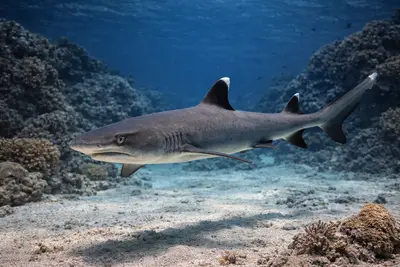
Whitetip Reef Shark
common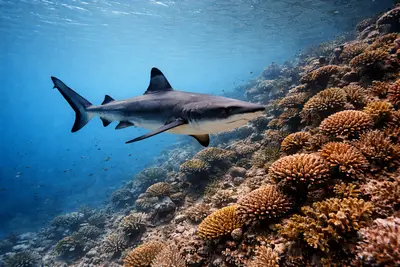
Blacktip Reef Shark
common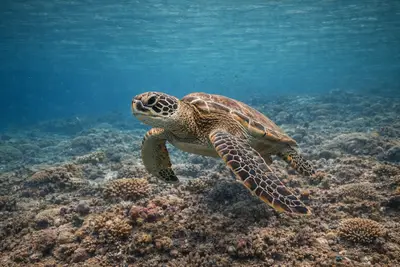
Green Turtle
common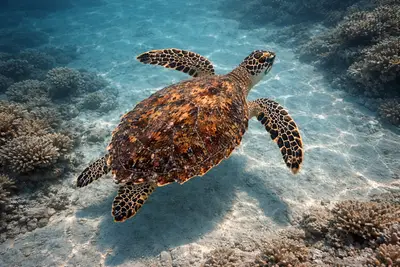
Hawksbill Turtle
occasional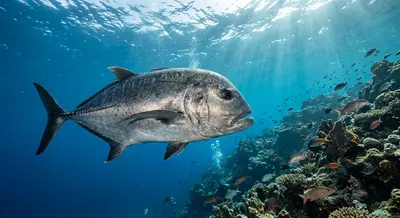
Giant Trevally
common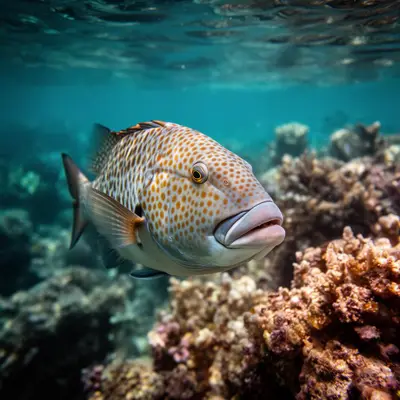
Sweetlips
common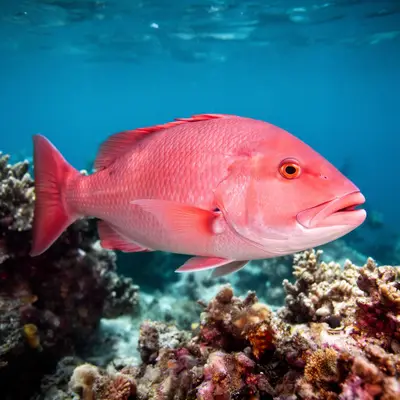
Snapper
common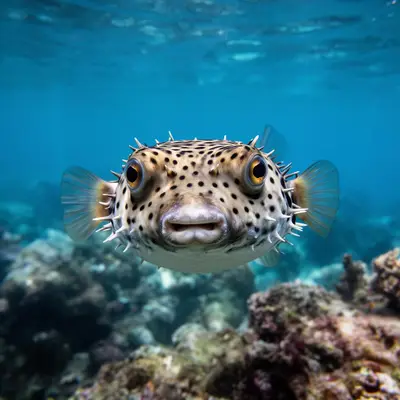
Pufferfish
common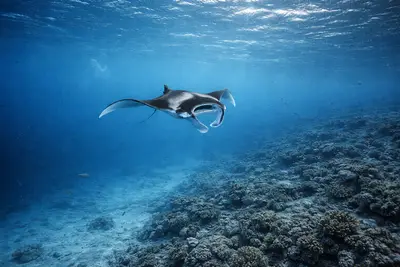
Manta Ray
occasional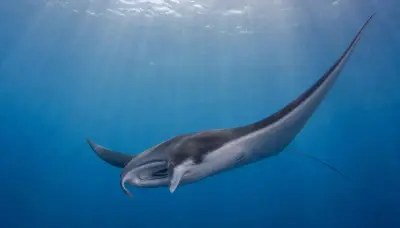
Mobula Ray
rare
Barracuda
occasional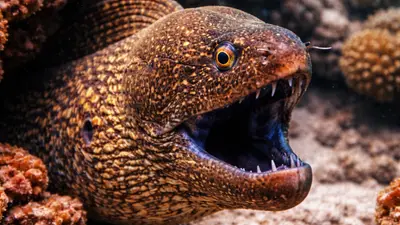
Moray Eel
occasional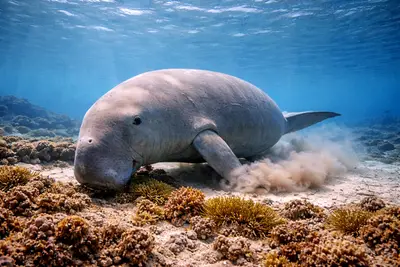
Dugong
rare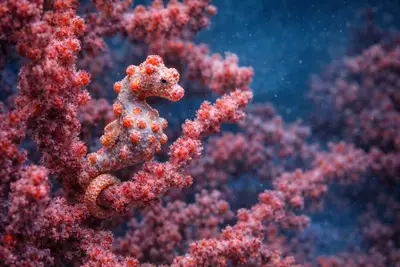
Pygmy Seahorse
occasionalDive profile & how the dive runs
A dive at Golden Passage typically begins with a negative entry, dropping quickly to around 5-10 meters to avoid being swept away by the strong surface currents. Divers then drift along the channel, following the lead of the guide who navigates the strongest current lines. The dive proceeds over coral slopes and ridges, reaching maximum depths of 25 meters, where whitetip reef sharks and other pelagics might be spotted. The drift continues, allowing divers to observe schools of snapper, sweetlips, and trevally. Mid-dive, there might be opportunities to hook onto a reef or find shelter behind larger formations to observe the passing action. The dive concludes as the current slackens, or when divers are ushered to a shallower, calmer area for a safety stop before ascending and surfacing for tender pick-up.
Underwater photography
Capturing the dynamic environment of Golden Passage requires planning and adaptability. Wide-angle lenses are ideal for showcasing the vast schools of fish, the expansive coral slopes, and the dramatic action of pelagic encounters. Given the strong currents, maintaining stable buoyancy is paramount, so consider higher shutter speeds to freeze motion. Strobes are essential for illuminating subjects and restoring color at depth, especially when shooting into the current. If you encounter manta or mobula rays, give them space and avoid sudden movements. For macro enthusiasts, while the site is primarily known for wide-angle opportunities, careful searching among coral bommies may reveal smaller critters, but prepare for challenging conditions due to the drift.
Combine with nearby dive sites
- Gili Lawa Darat
Adjacent island forming the channel for Golden Passage.
- Cauldron (Shotgun)
Another renowned current-driven dive in North Komodo.
- Castle Rock
Famous for strong currents and abundant pelagic life, also in North Komodo.
- Crystal Rock
Known for clear visibility and diverse marine life, near Gili Lawa Darat.
- Manta Point (North)
Potential site for manta ray encounters, depending on conditions.
Getting there & logistics
Access to Golden Passage is predominantly via liveaboard cruises departing from Labuan Bajo, Flores, Indonesia. Labuan Bajo is served by a regional airport (LBJ) with flights from Bali (DPS). Most liveaboard itineraries in Komodo range from 3 to 10 days, allowing ample time to explore the diverse northern, central, and sometimes southern dive sites. A Komodo National Park entrance permit is mandatory for all visitors and is typically arranged and included in the liveaboard package. This site is frequently combined with other northern Komodo highlights like Castle Rock and Crystal Rock, offering a thrilling sequence of current dives.
Safety & environment
Diving Golden Passage demands a high level of experience due to its strong and unpredictable currents. Divers must be comfortable with negative entries, rapid descents, and maintaining buoyancy in turbulent water. It is crucial to always dive with an experienced local guide who understands the tidal patterns. The nearest recompression chamber is located in Bali, emphasizing the importance of adequate dive insurance covering emergency medical evacuation. Always maintain a safe distance from delicate coral structures and avoid using reef hooks indiscriminately. Ensure your equipment is in excellent condition, and carry a surface marker buoy (SMB) for all dives in case of accidental separation from the group.
Who it suits — and who it doesn't
Suited for
- Advanced divers comfortable with strong currents
- Divers seeking pelagic action and large schools of fish
- Photographers with wide-angle setups
- Liveaboard guests exploring northern Komodo
- Divers looking for exhilarating drift dives
Less suited for
- Beginner divers or those new to currents
- Divers with poor buoyancy control
- Individuals prone to seasickness in choppy conditions
- Strict macro photographers (primary focus is wide-angle)
FAQ
Golden Passage FAQ
What kind of currents can I expect at Golden Passage?
Currents at Golden Passage are notoriously strong and variable, ranging from mild drifts to powerful, exhilarating rides. They are funneled through a channel, making them highly dependent on the tidal phase. Divers should be prepared for rapid movement and dynamic conditions throughout the dive.
What marine life is commonly seen at Golden Passage?
Golden Passage is teeming with marine life, particularly schooling fish like snappers and sweetlips. You'll frequently encounter green turtles, giant trevally, and various reef sharks. Occasional sightings of manta rays and mobula rays are also possible, especially during specific tidal conditions.
Is Golden Passage suitable for beginner divers?
No, Golden Passage is explicitly recommended for intermediate to advanced divers. The intense and unpredictable currents, coupled with the need for strong buoyancy control and experience in drift diving, make it unsuitable for beginners or those not comfortable in challenging conditions.
When is the best time of year to dive Golden Passage?
The prime time for diving Golden Passage is during Komodo's dry season, roughly from March/April to October/November. During these months, the northern sites offer the best visibility and generally calmer surface conditions, despite the strong underwater currents.
How do I get to Golden Passage?
Golden Passage is typically accessed via liveaboard boats operating out of Labuan Bajo, Flores. These multi-day dive trips incorporate Golden Passage into itineraries that explore the diverse dive sites of Komodo National Park, particularly those in the northern region.
What is the typical depth range for a dive at Golden Passage?
Dives at Golden Passage usually range from 5 meters to a maximum of 25 meters. The profile involves drifting along coral slopes and ridges, with the possibility of deeper sections where pelagic activity is more prevalent, making it essential to monitor depth throughout the dive.
Why dive Golden Passage from a liveaboard?
Golden Passage is one of Komodo, Indonesia's signature dive sites. A liveaboard sleeps you on the water and puts you in the water for three to four guided dives per day, including dawn and night dives that day-boat operators rarely offer. You skip the daily commute back to port and reach quieter, less-crowded sites in the same region on a single trip.
Below are the liveaboards that include Golden Passage on their Komodo, Indonesia itineraries.
Liveaboards diving Golden Passage
These liveaboards may visit Golden Passage on selected itineraries — the exact dive sites depend on departure, weather and conditions.
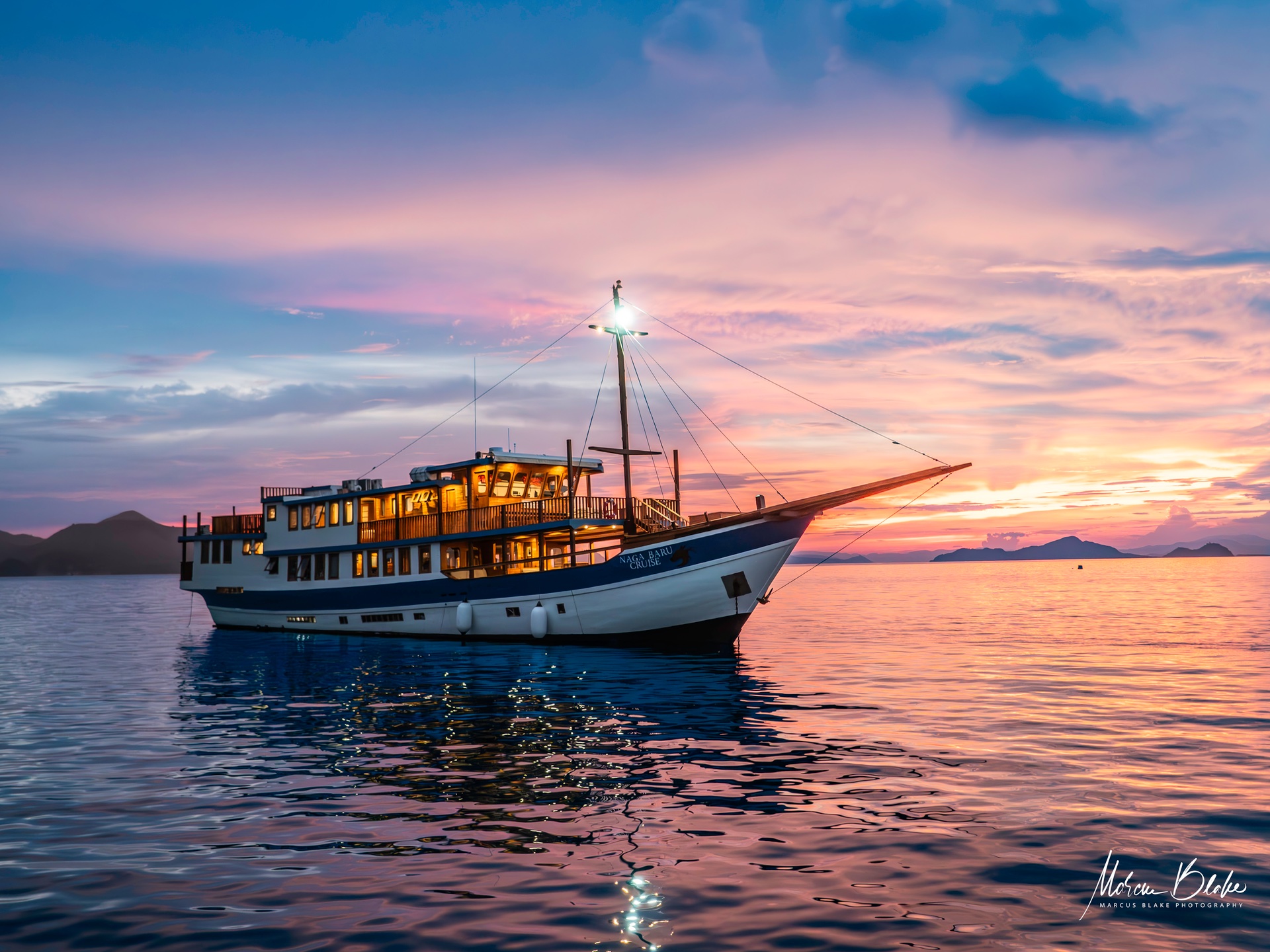
Naga Biru
Indonesia
12 guests40 m
$273/day
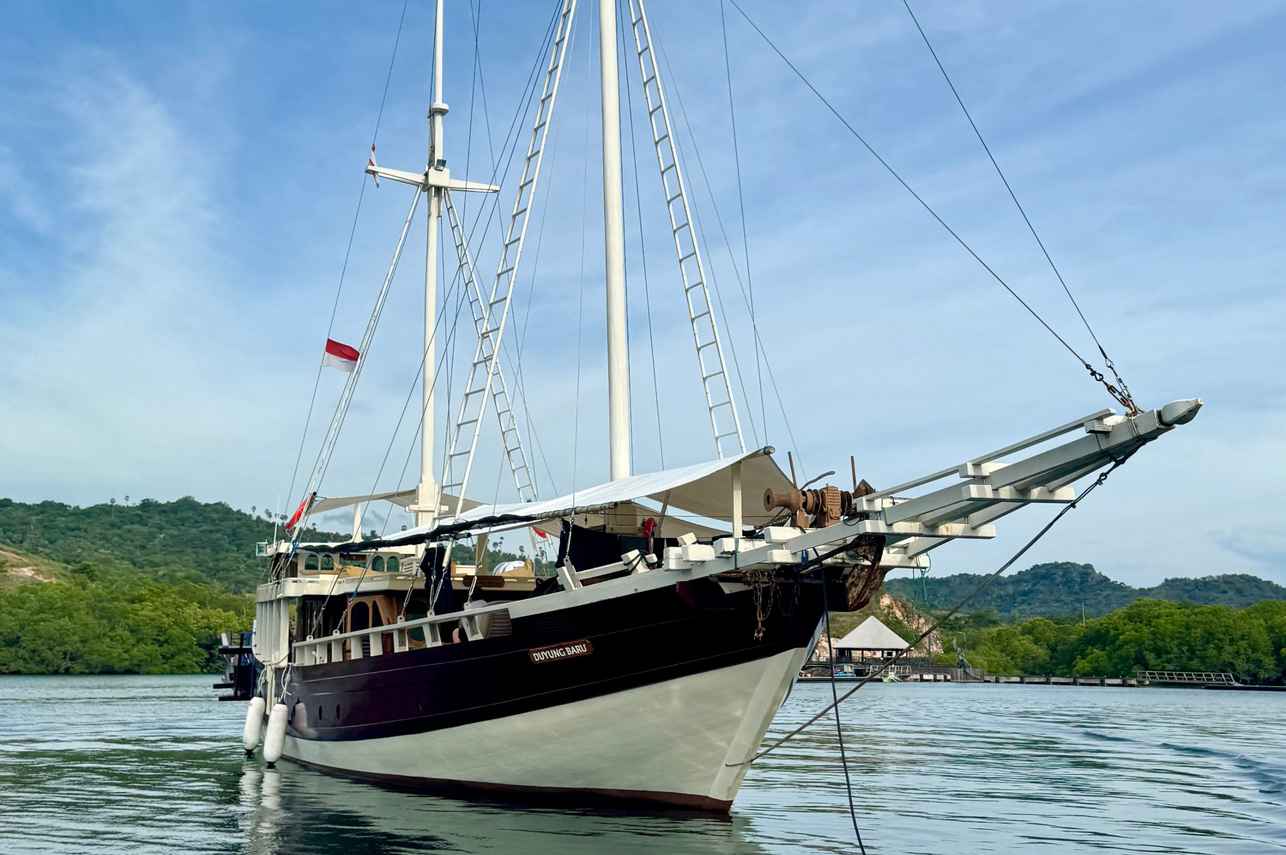
Ecopro Duyung Baru
Indonesia
6 guests27 m
$316/day
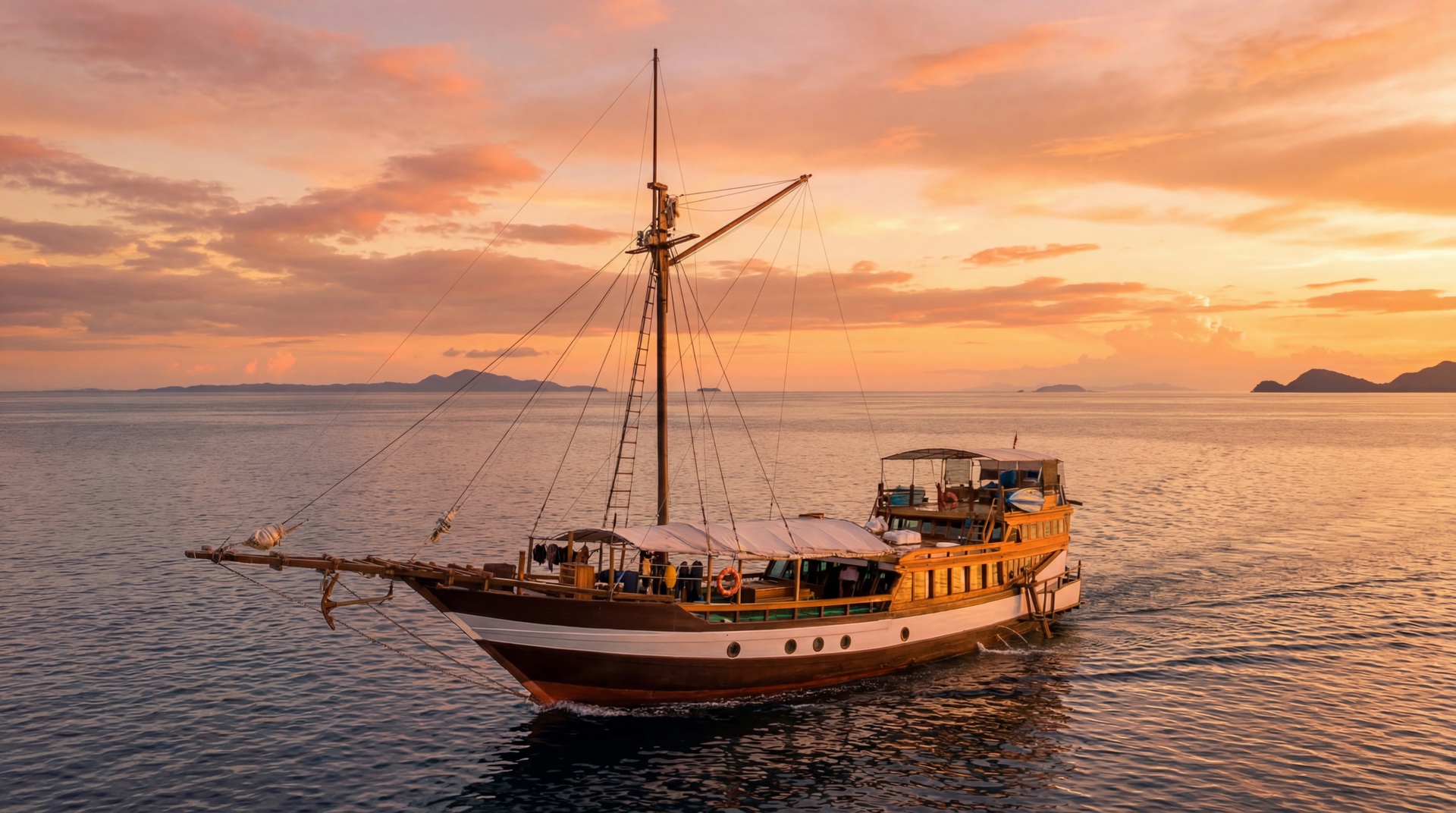
Wellenreng
Indonesia
9 guests25 m
$427/day
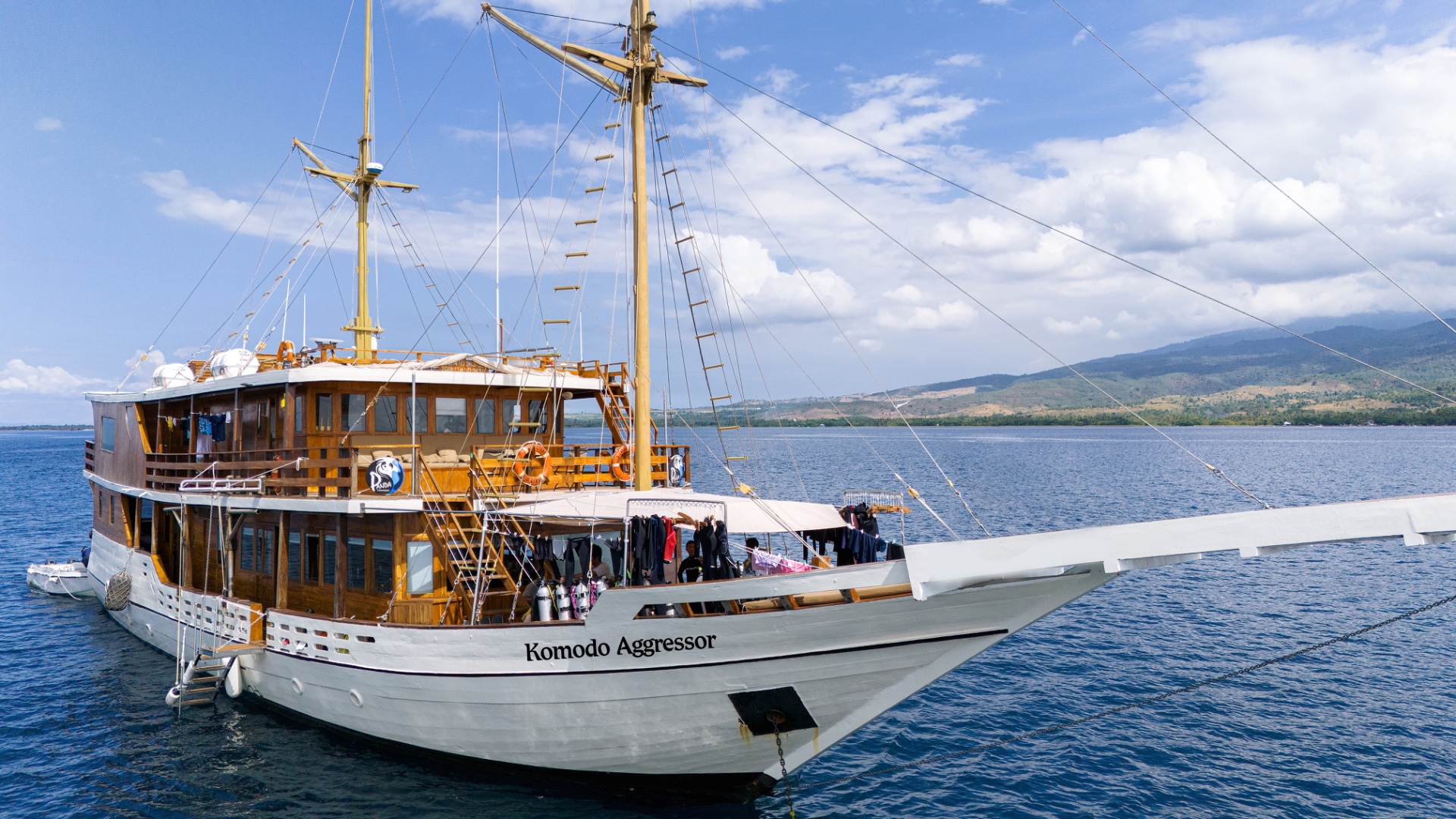
Komodo Aggressor
Komodo, Indonesia
16 guests29 m
$312/day
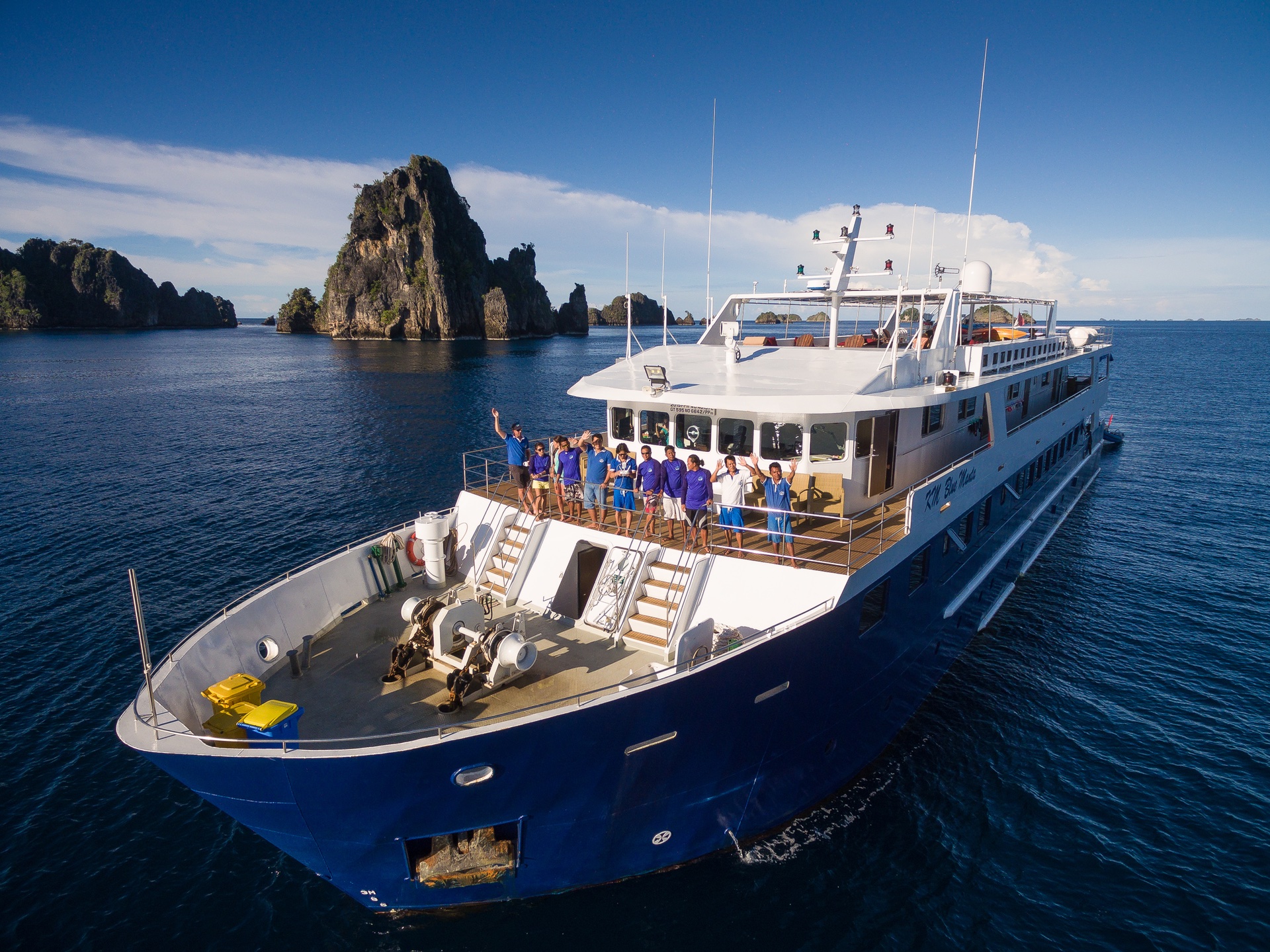
Blue Manta
Indonesia
20 guests45 m
$488/day
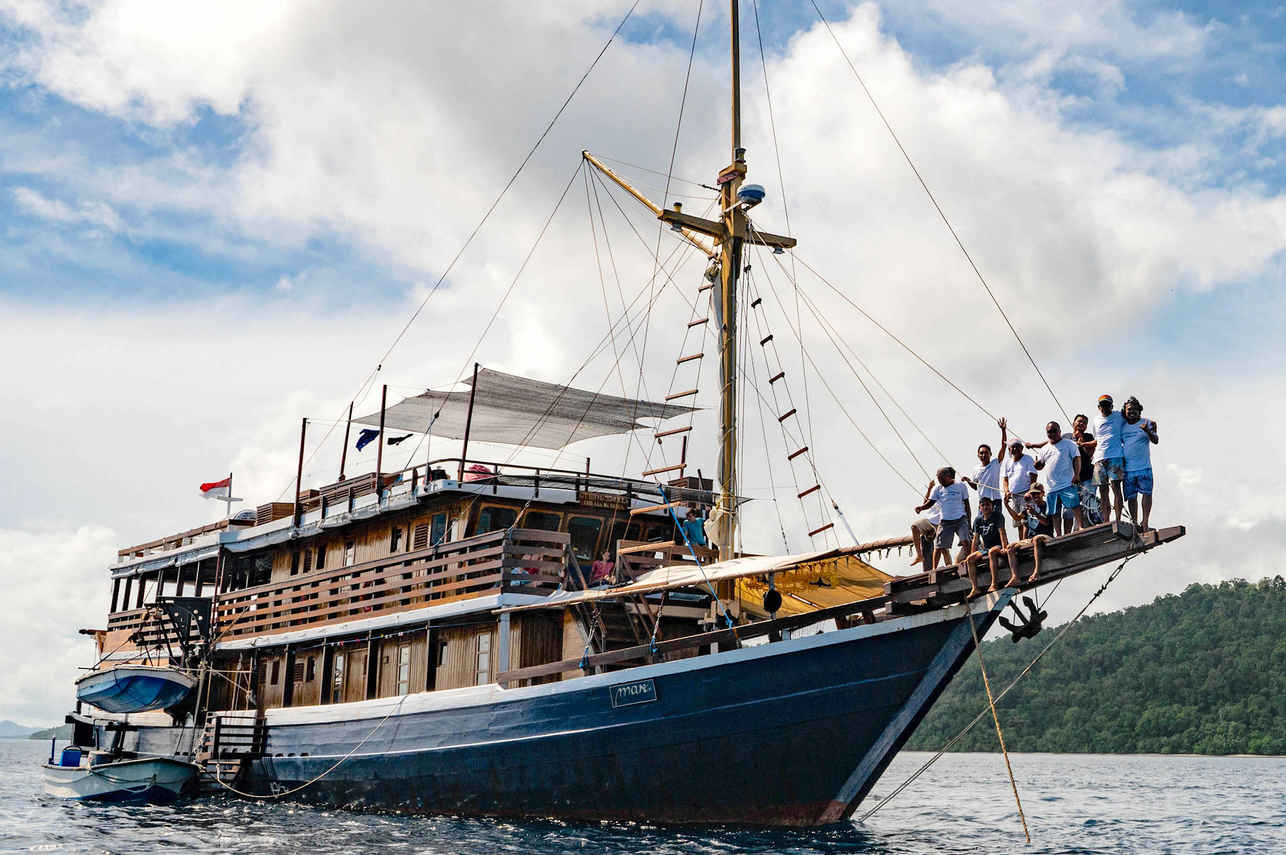
Mari
Indonesia
14 guests32.2 m
$328/day
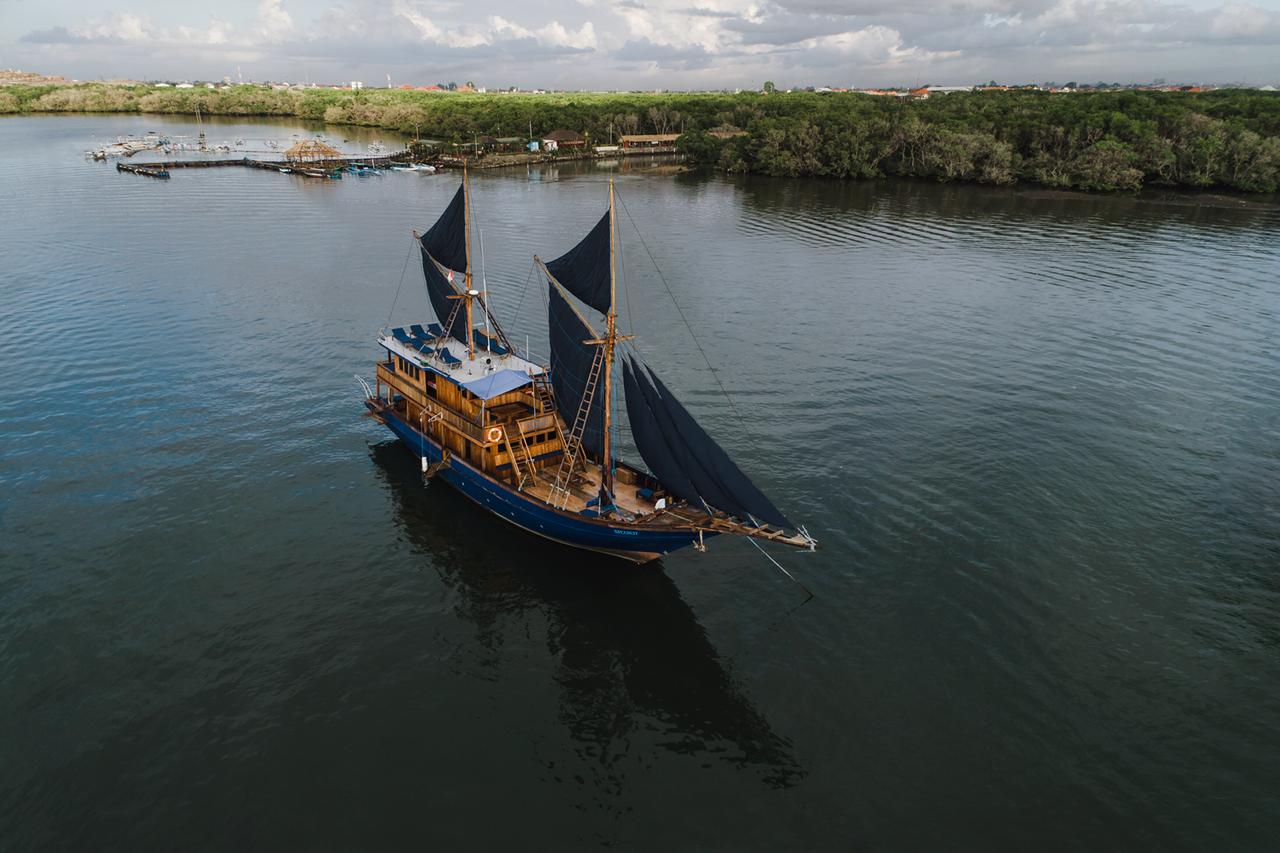
Situju7
Komodo, Indonesia
10 guests32.7 m
$362/day
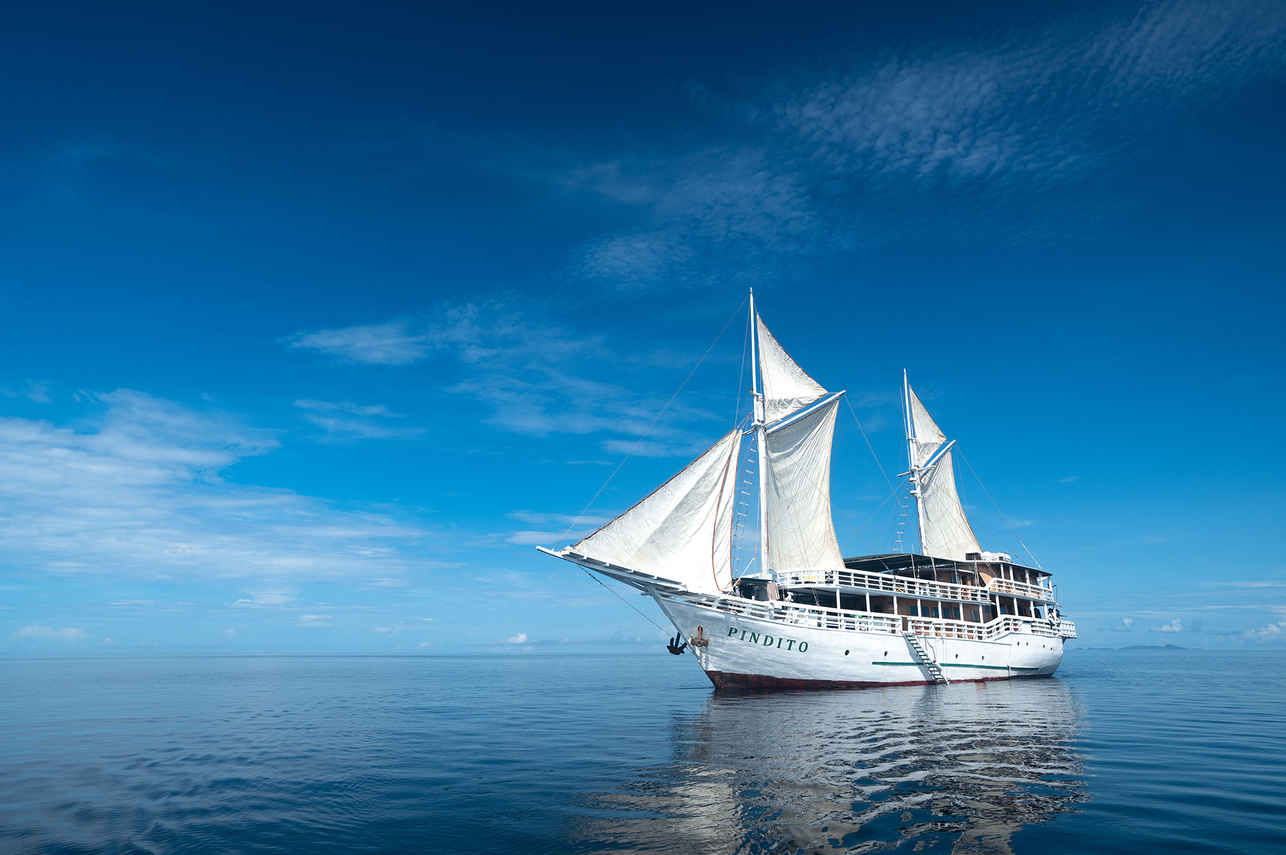
Pindito
Indonesia
16 guests37.79 m
$533/day
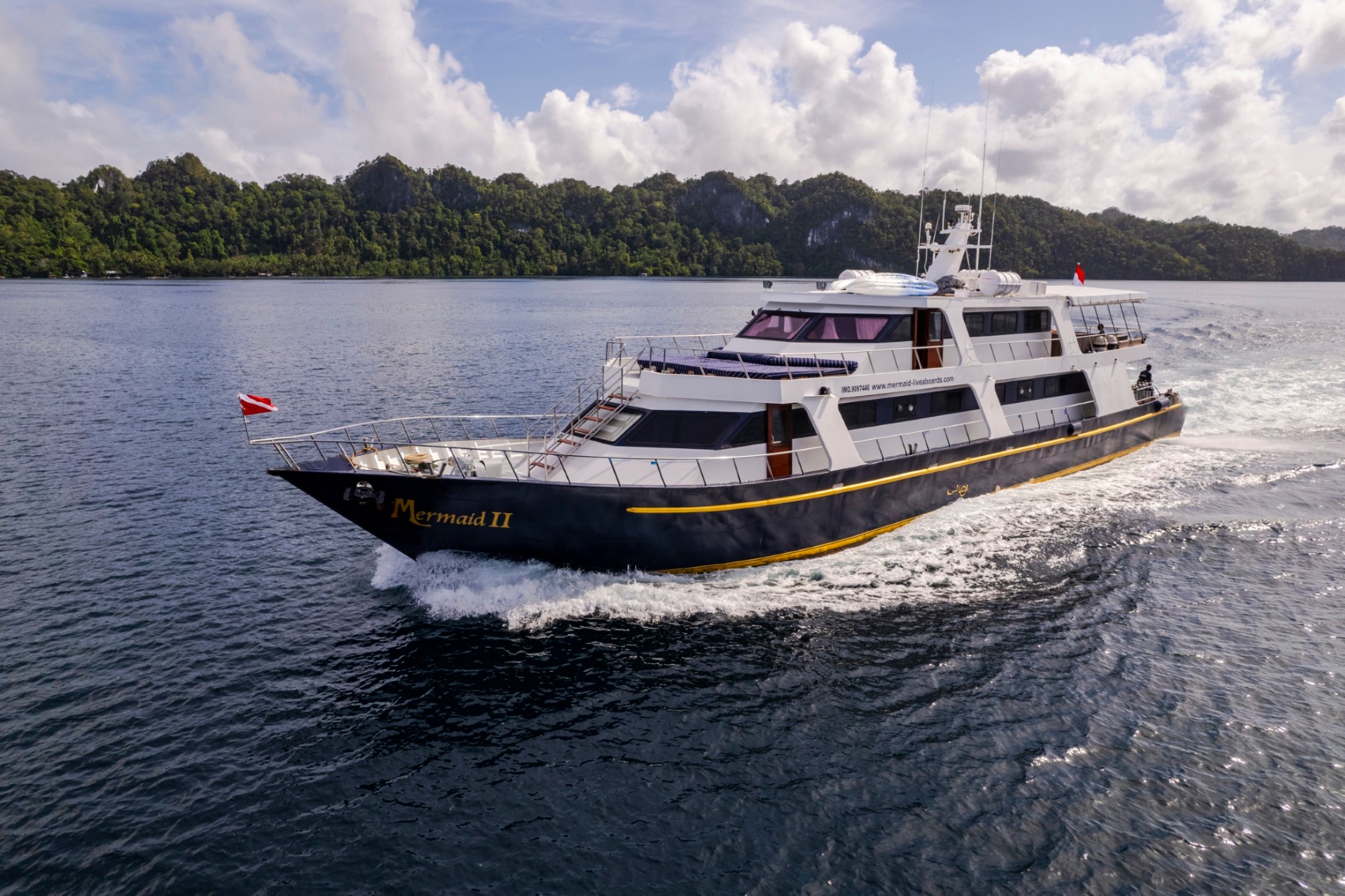
Mermaid II
Komodo, Indonesia
18 guests
$355/day
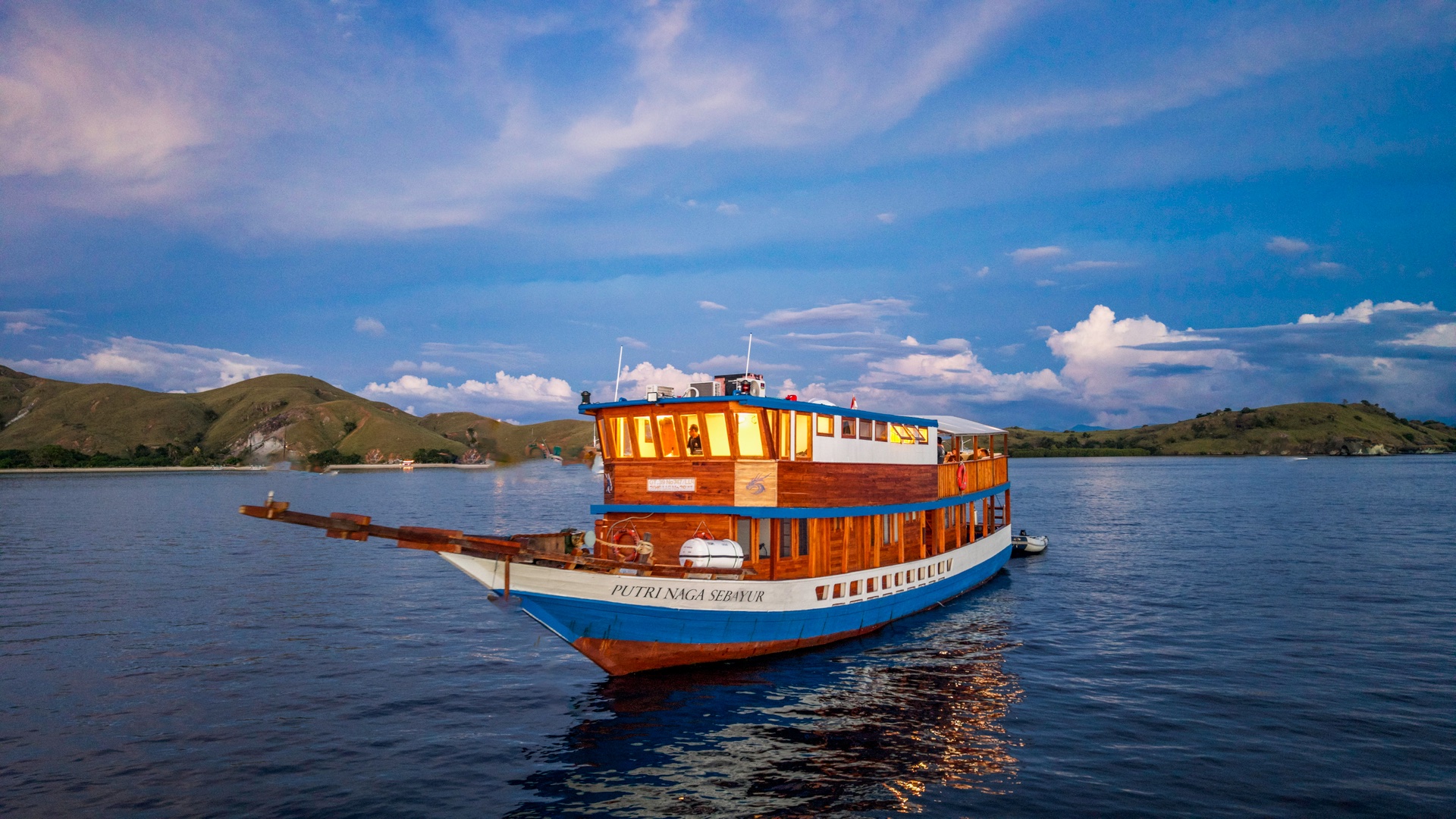
Putri Naga
Komodo, Indonesia
6 guests25 m
$222/day
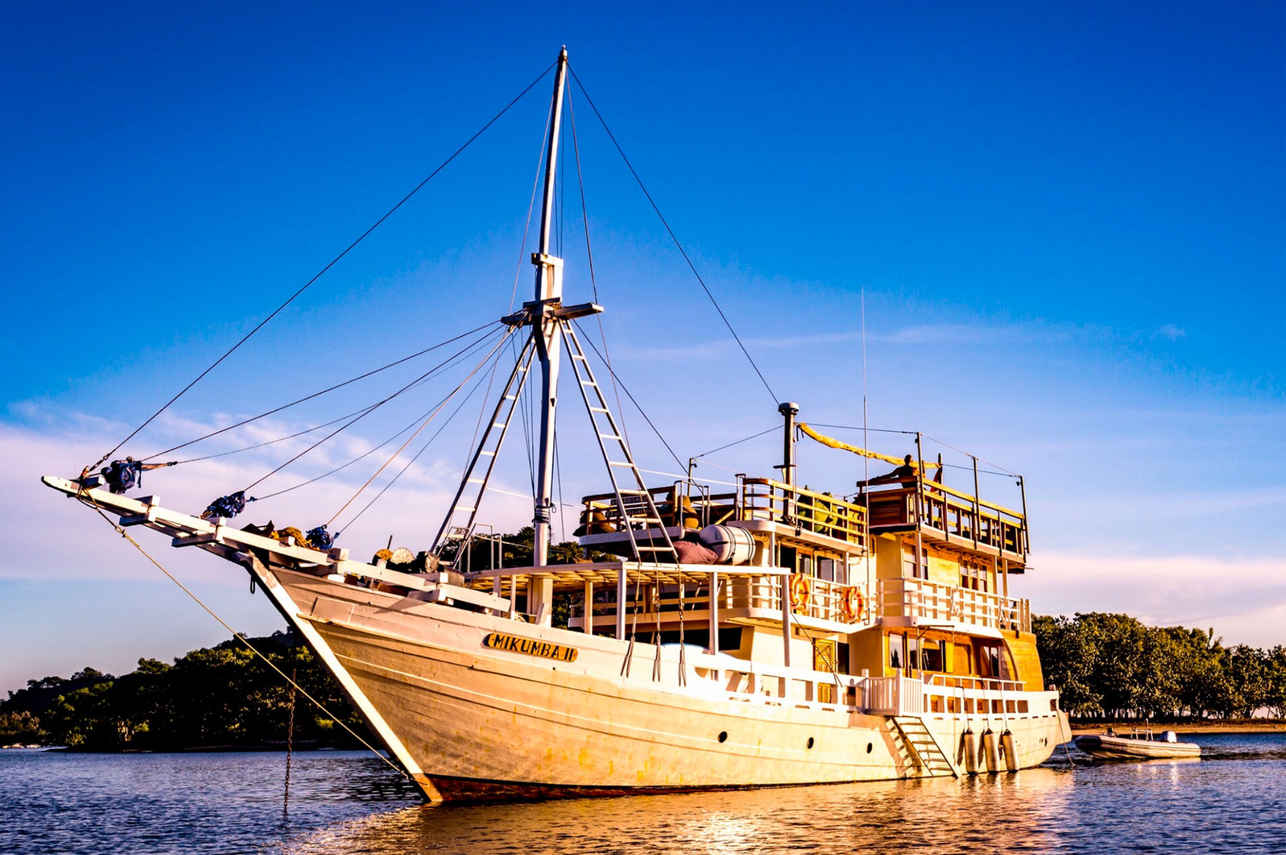
Mikumba Dua
Indonesia
10 guests30 m
$335/day
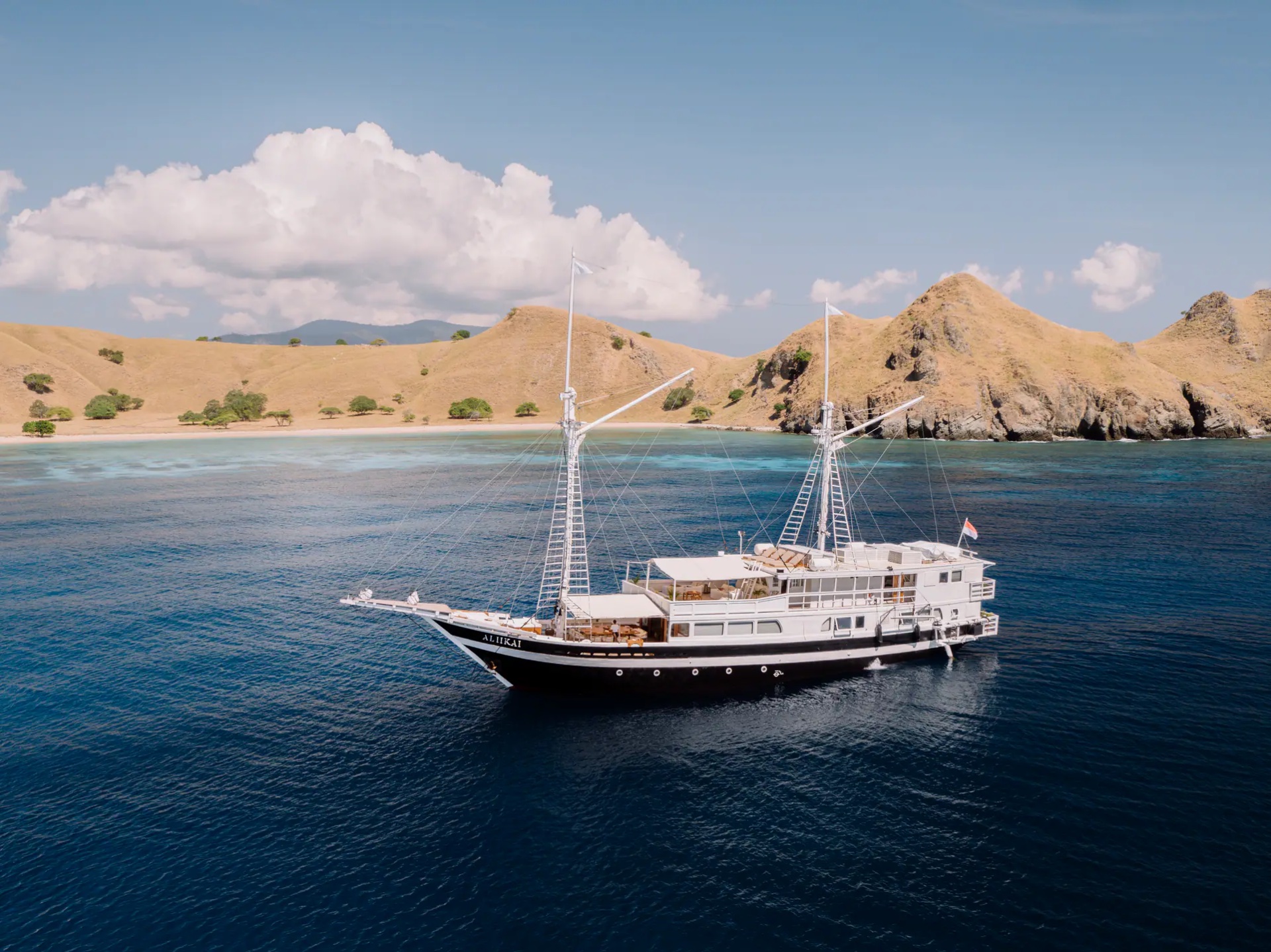
Aliikai Voyage
Indonesia
15 guests40 m
$658/day
Dive sites similar to Golden Passage
Same character, same waters — six more sites divers love for the exact same reasons.Compare seasons, access and liveaboard routes — then pick the site that fits your trip best.
Siaba Kecil
Komodo, Indonesia
Siaba Kecil is a distinct dive site located in the central part of Komodo National Park, positioned in a channel where waters flow between the north and south.
- Suitable for
- Intermediate
- Current
- Strong
- Access
- Liveaboard only
- Depth
- 8–25 m
- Theme
- Drift / Reef
Castle Rock
Komodo, Indonesia
Castle Rock, an iconic dive site within Komodo National Park, is celebrated as one of Indonesia's premier destinations for exhilarating underwater encounters.
- Suitable for
- Advanced
- Current
- Strong
- Access
- Liveaboard or dayboat
- Depth
- 5–35 m
- Theme
- Drift / Pinnacle
Pink Beach
Komodo, Indonesia
Pink Beach is a renowned dive site within Komodo National Park, famous for its unique pink-hued sands, a result of microscopic red foraminifera.
- Suitable for
- Intermediate
- Current
- Strong
- Access
- Liveaboard or dayboat
- Depth
- 1–15 m
- Theme
- Drift / Reef
Batu Bolong
Komodo, Indonesia
Batu Bolong, meaning "Hollow Rock" in Bahasa Indonesian, is a renowned dive site in Komodo National Park, situated in the central Lintah Strait between Komodo Island and Tatawa Besar.
- Suitable for
- Advanced
- Current
- Strong
- Access
- Liveaboard or dayboat
- Depth
- 10–30 m
- Theme
- Drift / Pinnacle
Komodo Corner
Komodo, Indonesia
Komodo Corner, or Police Corner, is a captivating dive site situated on the south side of Siaba Besar Island within Central Komodo National Park.
- Suitable for
- Advanced
- Current
- Strong
- Access
- Liveaboard or dayboat
- Depth
- 5–30 m
- Theme
- Cave & cavern / Drift
Nisaleme Island
Komodo, Indonesia
Nisaleme Island is a notable dive site within Komodo National Park, an area celebrated for its rich marine biodiversity located between the Flores Sea and the Savu Sea.
- Suitable for
- Advanced
- Current
- Ripping
- Access
- Liveaboard only
- Depth
- —
- Theme
- Drift