About Sidem
Sidem (Batu Belah) is a distinctive shore-entry dive site located in Tulamben, Bali, offering a unique focus on macro life and muck diving. Unlike the area's prominent wrecks and vibrant walls, Sidem provides an experience centered on careful exploration of its gently sloping seabed. The terrain primarily features fine volcanic sand, scattered rubble, and small coral patches, transitioning in some sections to more defined reef structures. This varied environment creates ideal habitats for a wide array of well-camouflaged and unusual sandy-bottom species. Divers at Sidem are rewarded for slow, deliberate movement and keen observation, making it a prime location for critter hunting and macro photography. The site's character emphasizes the discovery of often-hidden marine life rather than dramatic scenic vistas, requiring patience and precise buoyancy skills to fully appreciate its offerings. It provides a different yet equally rewarding underwater experience within the diverse Tulamben diving region.
Highlights
Dedicated muck diving siteExceptional macro potentialGently sloping volcanic sandShore entry accessibilityCritter hunting paradiseUnusual sandy-bottom species
Season calendar
Best months to dive here
Jan
Feb
Mar
Apr
May
Jun
Jul
Aug
Sep
Oct
Nov
Dec
Excellent
Good
Apr – Oct (Apr–Nov)
The dry season brings calm seas, 25–30m+ visibility, and strong currents that attract mantas, sharks, and pelagics to Komodo. Alor offers pristine reef diving with 20–40m visibility. Bali's Nusa Penida delivers Mola Mola encounters from July to October. Water temperatures range from 24–28°C — a 3mm or 5mm wetsuit is recommended.
Nov – Mar (Oct–Apr)
Raja Ampat peaks during the wet season with calmer seas, plankton-rich waters attracting manta rays, and excellent biodiversity. Water is a warm 28–30°C with 15–25m visibility. The Banda Sea opens its rare expedition window from September to December, with hammerhead sharks and pristine seamounts. Lembeh Strait offers world-class muck diving year-round. A 3mm wetsuit is sufficient.
Dive site facts: Sidem
- Depth
- 5–30 m
- Current
- Mild
- Water temperature
- 27–30°C
- Entry
- Shore
- Level
- Certified divers, good buoyancy control recommended
- Dive type
- Macro, muck
- Region / port
- Tulamben, East Bali
- Coordinates
- 8.2690° S, 115.5898° E
Conditions & Currents
Currents at Sidem are typically mild, which is advantageous for divers wishing to move slowly and meticulously explore the sandy slopes for macro subjects. However, conditions can fluctuate with weather, tides, and overall sea state, so dive planning should always account for potential variations. Uncontrolled fin kicks can easily disturb the fine volcanic sand, significantly reducing visibility for the group, making good buoyancy control essential. Entry is from the shore, and while generally calm, surface waves are possible, which may affect entry and exit points. Water temperatures remain warm throughout the year, typically between 27°C and 30°C.
Marine life & sighting chances

Frogfish
common
Ghost pipefish
occasional
Nudibranchs
common
Octopus
occasional
Cuttlefish
occasional
Boxer crabs
occasional
Mantis shrimp
occasional
Cleaner shrimp
occasional
Scorpionfish
occasional
Stonefish
occasional
Blue-spotted stingrays
occasionalDive profile & how the dive runs
Sidem is a shore-entry dive typically beginning with a gentle slope over fine volcanic sand, offering depths from around 5 meters down to approximately 30 meters. Divers proceed slowly, exploring the sandy bottom, scattered rubble, and small coral patches. The focus is on meticulous critter hunting, moving gradually across the terrain to spot well-camouflaged macro life. The dive route may transition into areas with more defined reef structures. Due to the site's characteristics, precise buoyancy is crucial to avoid stirring up sediment. Safety stops are typically conducted in the shallower sections of the slope.
Underwater photography
Sidem is a premier destination for macro photography, requiring lenses designed for close-up work to capture its tiny, camouflaged inhabitants. Snoots or focused strobes can be highly effective for highlighting specific subjects against the dark volcanic sand. Excellent buoyancy control is paramount to avoid disturbing the fine sediment, which can quickly reduce visibility for both the photographer and other divers. Patience is key, as many subjects are well-hidden. It is crucial to practice responsible photography, avoiding contact with marine life or its habitat.
Combine with nearby dive sites
Getting there & logistics
Access to Sidem is primarily from the shore in Tulamben, located on Bali's northeast coast. Most dive operators in Tulamben include Sidem in their daily itineraries, often combining it with other local sites like the USAT Liberty wreck or other macro spots. Typical dive days often involve two to three dives, usually concluding around lunchtime for two dives or mid-afternoon for three dives. The closest international airport is Ngurah Rai International Airport (DPS) in Denpasar. Travel from the airport to Tulamben usually takes about 3 hours by car. Many dive resorts offer airport pickup services. Permits or park fees are generally included in dive package costs from local operators.
Safety & environment
While currents at Sidem are generally mild, divers should always be prepared for changing conditions, as sea state and tides can influence current strength. The fine volcanic sand necessitates excellent buoyancy control to prevent stirring up sediment, which can impair visibility for all divers and pose a hazard if it disorients. Emergency evacuation to a recompression chamber, such as those available in Denpasar, requires significant travel time from Tulamben, typically around 3 hours. Divers are strongly advised to have comprehensive dive insurance that covers medical emergencies and evacuation. Always follow local guide instructions and adhere to safe diving practices, especially regarding bottom time and depth limits for your certification.
Who it suits, and who it doesn't
Suited for
- Macro photographers
- Critter hunters
- Divers seeking unique marine life
- Certified divers with good buoyancy
- Those who enjoy slow-paced, observational dives
Less suited for
- Divers preferring large pelagic encounters
- Those uninterested in small marine life
- Divers with poor buoyancy control
- Individuals who prefer dramatic coral reefs
- Fast-paced, high-current drift dives
FAQ
Sidem FAQ
What kind of marine life can I expect to see at Sidem?
Sidem is famous for its diverse macro life and sandy-bottom species. Divers frequently encounter frogfish, various nudibranchs in a multitude of colors, and occasionally ghost pipefish. You might also spot octopus, cuttlefish, and an assortment of crustaceans like boxer crabs and mantis shrimp, as well as scorpionfish and blue-spotted stingrays hidden in the sand.
Is Sidem suitable for beginner divers?
Sidem is best suited for certified divers who possess good buoyancy control. The site features fine volcanic sand, and uncontrolled fin kicks can easily stir up sediment, reducing visibility for everyone. While the currents are usually mild, divers should be comfortable with their skills to fully enjoy the unique macro opportunities the site offers without impacting the environment or other divers.
How deep is the Sidem dive site?
The depth at Sidem typically ranges from shallow areas around 5 meters, gradually sloping down to approximately 30 meters. Divers can explore different depth bands depending on their certification level and dive plan. The most prolific macro life is often found along the gentler slopes and shallower sections.
Can Sidem be combined with other dive sites in Tulamben?
Yes, Sidem is frequently combined with other Tulamben dive sites to create a varied dive day. It pairs well with famous sites like the USAT Liberty wreck, other macro sites such as Seraya Secrets or Batu Niti, or reef dives along the coastline. Dive operators often include Sidem as part of a two- or three-dive daily itinerary.
What is the entry type for Sidem?
Sidem is a shore-entry dive site. Divers access the water directly from the beach, making it convenient for multiple dives throughout the day. While generally calm, surface conditions can vary, so listening to your local dive guide's briefing on entry and exit procedures is always important.
Why dive Sidem from a liveaboard?
Sidem is one of Bali's signature dive sites. A liveaboard sleeps you on the water and puts you in the water for three to four guided dives per day, including dawn and night dives that day-boat operators rarely offer. You skip the daily commute back to port and reach quieter, less-crowded sites in the same region on a single trip.
Below are the liveaboards that include Sidem on their Bali itineraries.
Liveaboards diving Sidem
These liveaboards may visit Sidem on selected itineraries, the exact dive sites depend on departure, weather and conditions.
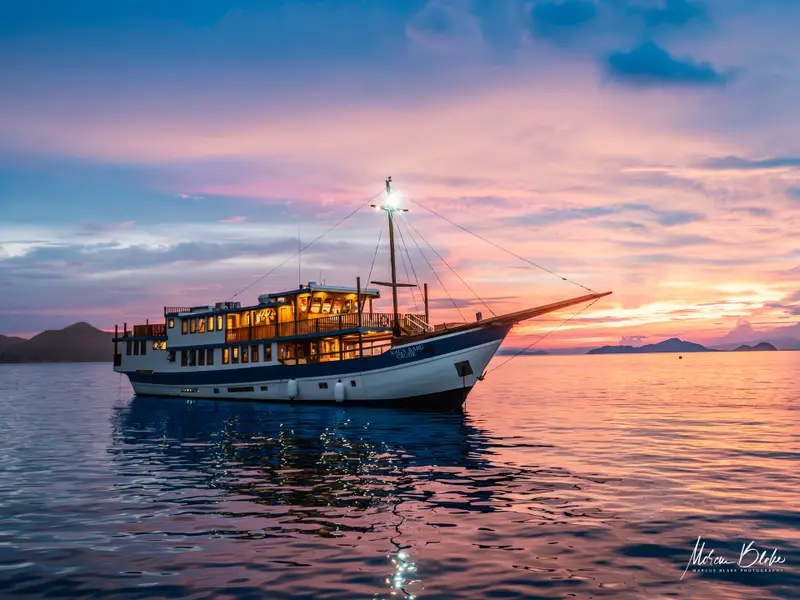
Naga Biru
Indonesia
12 guests40 m
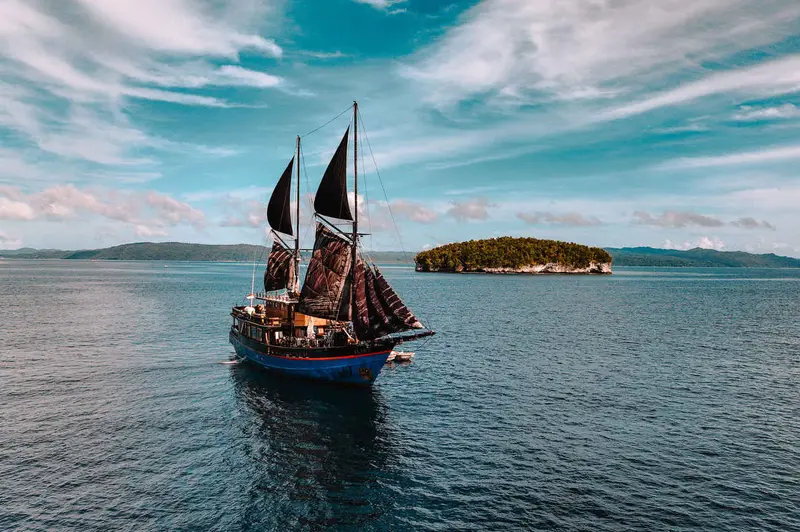
Ilike
Indonesia
16 guests40 m
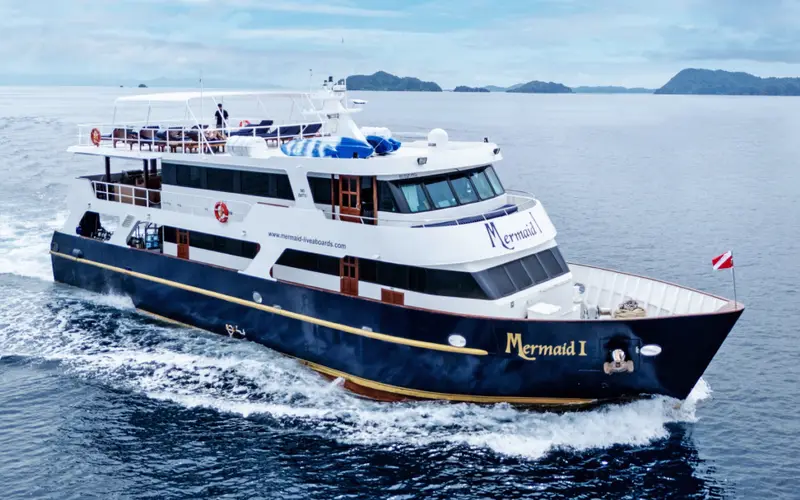
Mermaid I
Alor
15 guests28 m
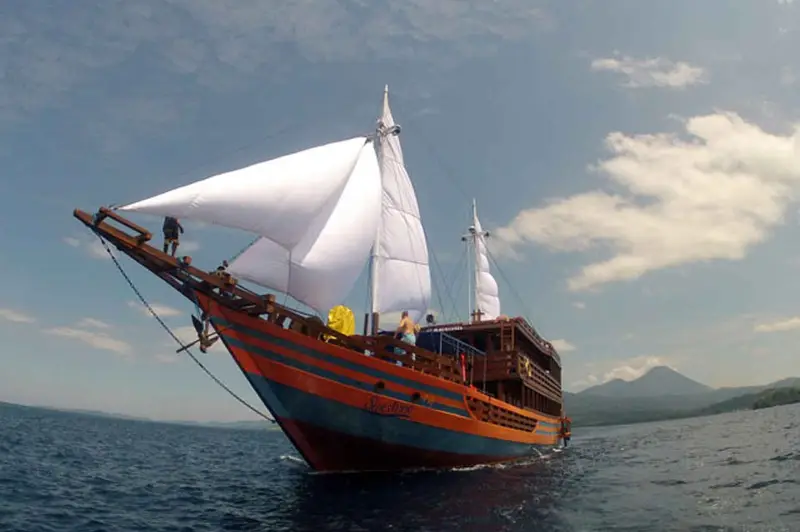
Sunshine Liveaboard
Indonesia
10 guests31 m
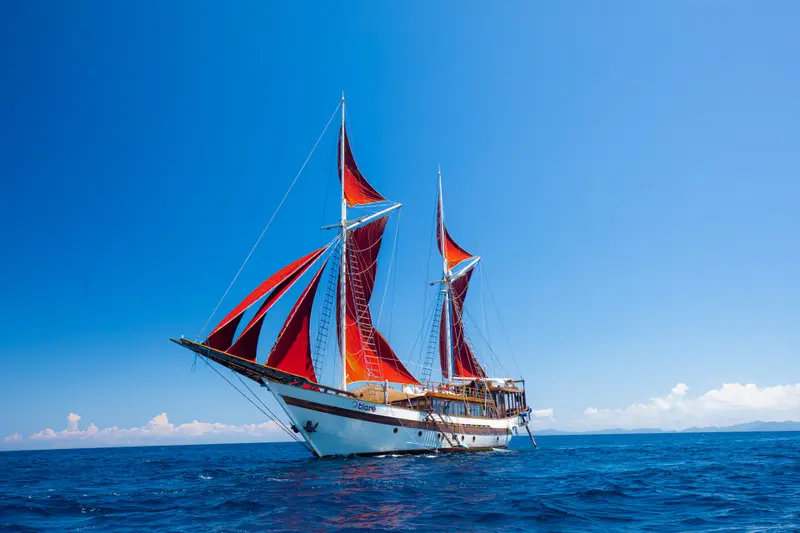
Tiare Cruise
Indonesia
12 guests37 m
Dive sites similar to Sidem
Same character, same waters, six more sites divers love for the exact same reasons.Compare seasons, access and liveaboard routes, then pick the site that fits your trip best.
Abila is a notable dive site located within the Alor Islands Marine Park, an area celebrated for its rich marine biodiversity due to its position in the Coral Triangle.
- Suitable for
- Beginner
- Current
- Mild
- Access
- Liveaboard only
- Depth
- —
- Theme
- Reef
© EsriMaxar, Earthstar, GIS
Adonara Channel
Alor
Adonara Channel stands as one of Alor's most iconic dive sites, celebrated for its dynamic currents and exceptionally rich biodiversity.
- Suitable for
- Advanced
- Current
- Strong
- Access
- Liveaboard or dayboat
- Depth
- 10–40 m
- Theme
- Drift / Wall
© EsriMaxar, Earthstar, GIS
Adonara Wall
Indonesia
Adonara is an Indonesian island dive site, renowned for its vibrant underwater topography characterized by submerged seamounts.
- Suitable for
- Intermediate
- Current
- Strong
- Access
- Liveaboard or dayboat
- Depth
- 5–35 m
- Theme
- Seamount / Wall
© EsriMaxar, Earthstar, GIS
Agnay Fish Sanctuary
Philippines
Agnay Fish Sanctuary is nestled in a sheltered bay near the village of Agnay in Romblon, a province celebrated for its rich marine biodiversity.
- Suitable for
- Beginner
- Current
- Mild
- Access
- Dayboat
- Depth
- 9–18 m
- Theme
- Reef
© EsriMaxar, Earthstar, GIS
Ai Island Reef
Banda Sea
Ai Island Reef, nestled within the Banda Sea, offers a remarkable diving experience characterized by its rich marine biodiversity and varied underwater topography.
- Suitable for
- Beginner
- Current
- Strong
- Access
- Liveaboard only
- Depth
- 3–30 m
- Theme
- Reef / Seamount
© EsriMaxar, Earthstar, GIS
Akitsushima
Philippines
The Akitsushima is a distinguished World War II Japanese seaplane tender, sunk in September 1944 during an American air raid in Coron Bay, Palawan.
- Suitable for
- Advanced
- Current
- Strong
- Access
- Dayboat
- Depth
- 22–38 m
- Theme
- Wreck