About Batu Niti
Batu Niti is a shore dive site situated in Tulamben, Bali, distinguished by its volcanic sandy slopes rather than traditional coral reefs. This location is celebrated for its exceptional macro marine life, offering a different style of diving compared to the area's more coral-heavy sites. It rewards divers who prefer slower-paced exploration and have a keen eye for well-camouflaged creatures. The dive typically commences over a gently sloping seabed composed of sand and scattered rocks, extending to depths of approximately 30 meters. The open terrain allows experienced local guides to meticulously search for elusive species that thrive in this environment. While not featuring dramatic walls or large coral formations, the focus here is on the abundance of smaller, more unusual inhabitants. Batu Niti is primarily sought out for its macro potential, making it a prime destination for underwater photographers and critter hunters. The site's unique characteristics foster a diverse ecosystem of small invertebrates and fish, many of which are rarely seen elsewhere. Diving here offers a distinct experience, complementing the wreck and wall dives commonly found in the Tulamben region. Good buoyancy control is paramount at Batu Niti, as many fascinating sightings are tiny and hidden, easily missed without careful observation. The site is best enjoyed when conditions are calm and visibility is good, often in the morning to avoid crowds and ensure optimal viewing of its delicate inhabitants.
Highlights
Volcanic sandy slopesExceptional macro lifeRare critter sightingsUnderwater photography paradiseFrogfish and ghost pipefishDiverse nudibranchsOctopus and cuttlefishShore entry convenience
Season calendar
Best months to dive here
Jan
Feb
Mar
Apr
May
Jun
Jul
Aug
Sep
Oct
Nov
Dec
Excellent
Good
Dive site facts: Batu Niti
- Depth
- 5–30 m
- Typical dive
- 10–25 m, 50–60 min (macro-focused)
- Current
- Calm, occasional light current
- Visibility
- 10–25 m
- Water temperature
- 26–29°C
- Entry
- Shore entry
- Level
- Certified divers, good buoyancy control recommended
- Dive type
- Macro, muck, sandy slope
- Region / port
- Tulamben, Bali
- Coordinates
- 8.2713° S, 115.5915° E
Conditions & Currents
Batu Niti typically experiences calm conditions, although occasional light currents can occur. Entry and exit are from the shore, which is best undertaken when surface conditions are calm to avoid difficulties with waves. The site's sandy bottom can affect visibility if stirred up by heavy rain or strong surge, so calm periods are preferred for optimal viewing of macro life. Visibility generally ranges from 10 to 25 meters, but can be slightly lower on muck diving sites due to the dark volcanic sand. Water temperatures are consistently warm, usually between 26–29°C. Divers should maintain excellent buoyancy control to avoid disturbing the silty substrate and reducing visibility for others, which is crucial for spotting the site's minute inhabitants. The generally calm conditions and shore access make it approachable, but awareness of potential substrate disturbance is important.
Marine life & sighting chances

Frogfish
common
Ghost pipefish
common
Nudibranchs
common
Octopus
occasional
Cuttlefish
occasional
Shrimp
common
Crustaceans
common
Wrasse
occasional
Reef fish
occasional
Garden eels
occasional
Harlequin shrimp
rareDive profile & how the dive runs
Diving at Batu Niti commences directly from the shore in Tulamben, transitioning into a sandy slope. Divers begin in shallow water, gradually descending along the volcanic sand seabed which ranges from 5 to 30 meters in depth. The dive profile involves slow, meticulous exploration of this sloping terrain, with experienced guides leading the search for well-camouflaged macro marine life. The emphasis is on patience and detailed observation rather than covering large distances. Divers typically progress downwards, scrutinizing scattered rocks and sandy patches where critters reside. The mid-depth sections are often the most productive for macro sightings. Ascents are gradual, culminating in a safety stop in the shallower, calmer waters near the shore, allowing for continued observation or a relaxed deco period.
Underwater photography
Batu Niti is a premier site for macro underwater photography, demanding a dedicated approach to capture its tiny inhabitants. A macro lens (e.g., 60mm or 100/105mm) is essential for frogfish, ghost pipefish, and diverse nudibranchs. Due to the dark volcanic sand, a snoot can be highly effective for isolating subjects and minimizing backscatter, or well-positioned strobes are crucial for illumination and color pop. Patience and excellent buoyancy are non-negotiable to avoid stirring up the silty bottom and to approach delicate subjects without disturbance. Many creatures are camouflaged, so a focus light or good spotting skills from your guide will significantly improve your chances. Subjects like octopus and cuttlefish may require slower shutter speeds or higher ISO in dimmer areas.
Combine with nearby dive sites
- USAT Liberty Wreck
Iconic shipwreck teeming with marine life, suitable for all levels.
- Sidem
Also known as Batu Belah, a neighboring site mentioned in context.
- Coral Garden
Artificial reef with structures, popular for general reef diving.
- Boga Wreck
A deeper wreck site suitable for advanced divers.
- Seraya Secrets
Another renowned muck diving site in the Tulamben area.
Getting there & logistics
Access to Batu Niti is typically arranged through dive centers in Tulamben, which is about a 3-hour drive from Ngurah Rai International Airport (DPS). Dive trips usually depart from the dive center around 8 am, with two-dive days often concluding by lunchtime and three-dive days by approximately 2 pm. Given its shore entry, Batu Niti is frequently combined with other Tulamben sites like the USAT Liberty Wreck or Seraya Secrets. Pick-up services from the airport are commonly offered by dive resorts. No specific permits beyond standard diving fees are mentioned for this site, and it's best suited for inclusion in a wider Tulamben or East Bali diving itinerary.
Safety & environment
While Batu Niti offers generally calm conditions, divers should always prioritize safety protocols. The nearest recompression chamber is located in Denpasar, requiring a significant travel time from Tulamben in case of emergency. Therefore, comprehensive dive insurance covering medical emergencies and evacuation is highly recommended. Specific hazards at Batu Niti are minimal, but divers must maintain excellent buoyancy control to avoid stirring up the sandy bottom, which can reduce visibility for themselves and others. Following your dive guide's instructions is crucial, particularly when searching for camouflaged macro life. Given the macro focus, divers should move slowly and deliberately to prevent accidental harm to delicate creatures or the environment.
Who it suits — and who it doesn't
Suited for
- Certified divers with good buoyancy control
- Underwater photographers focusing on macro
- Critter hunters and muck diving enthusiasts
- Divers preferring slow-paced, observational dives
- Those seeking unusual and rare marine species
Less suited for
- Divers seeking dramatic coral walls or large pelagic encounters
- Beginners without adequate buoyancy skills
- Divers who prefer fast-paced, wide-area exploration
- Those easily bored by small subjects
- Divers unwilling to spend time searching for camouflaged life
FAQ
Batu Niti FAQ
What kind of marine life can I expect to see at Batu Niti?
Batu Niti is renowned for its diverse macro marine life. Divers frequently encounter frogfish, ghost pipefish, and a wide array of colorful nudibranchs. Additionally, octopus, cuttlefish, various species of shrimp, and small crustaceans are often spotted. Patient divers with a keen eye may also find rare species like harlequin shrimp or wonderpus octopuses.
Is Batu Niti suitable for beginner divers?
While generally accessible, Batu Niti is better suited for certified divers who possess good buoyancy control. The site's focus on small, often camouflaged creatures requires careful movement to avoid stirring up the sandy bottom. Beginners with less refined buoyancy skills might find it challenging to fully appreciate the macro subjects without impacting visibility.
What is the typical depth range for diving at Batu Niti?
The dive site at Batu Niti begins in shallow waters and gradually slopes down to approximately 30 meters. Most recreational dives explore the mid-depth sections of this sandy slope, typically between 10 to 25 meters, where the macro marine life is most commonly found. Experienced divers might venture deeper, but the primary attractions are in the shallower to mid-range depths.
What are the best conditions for diving Batu Niti?
Batu Niti is best dived during calm conditions, ideally outside of heavy rain periods, as sediment can reduce visibility. Early morning dives are often recommended as the site is less busy, and surface conditions tend to be calmer, making shore entry easier. Optimal visibility is generally experienced during Bali's dry season, from May to October.
How is Batu Niti accessed, and how does it compare to other Tulamben sites?
Batu Niti is a shore entry dive site, meaning you walk directly into the water from the beach. This offers easy access compared to boat dives. It stands apart from other Tulamben sites, such as the USAT Liberty Wreck, by its primary focus on macro life on sandy slopes rather than large structures or coral reefs, providing a distinct and specialized diving experience.
Why dive Batu Niti from a liveaboard?
Batu Niti is one of Bali's signature dive sites. A liveaboard sleeps you on the water and puts you in the water for three to four guided dives per day, including dawn and night dives that day-boat operators rarely offer. You skip the daily commute back to port and reach quieter, less-crowded sites in the same region on a single trip.
Below are the liveaboards that include Batu Niti on their Bali itineraries.
Liveaboards diving Batu Niti
These liveaboards may visit Batu Niti on selected itineraries — the exact dive sites depend on departure, weather and conditions.

Naga Biru
Indonesia
12 guests40 m
$274/day

Ilike
Indonesia
16 guests40 m
$298/day
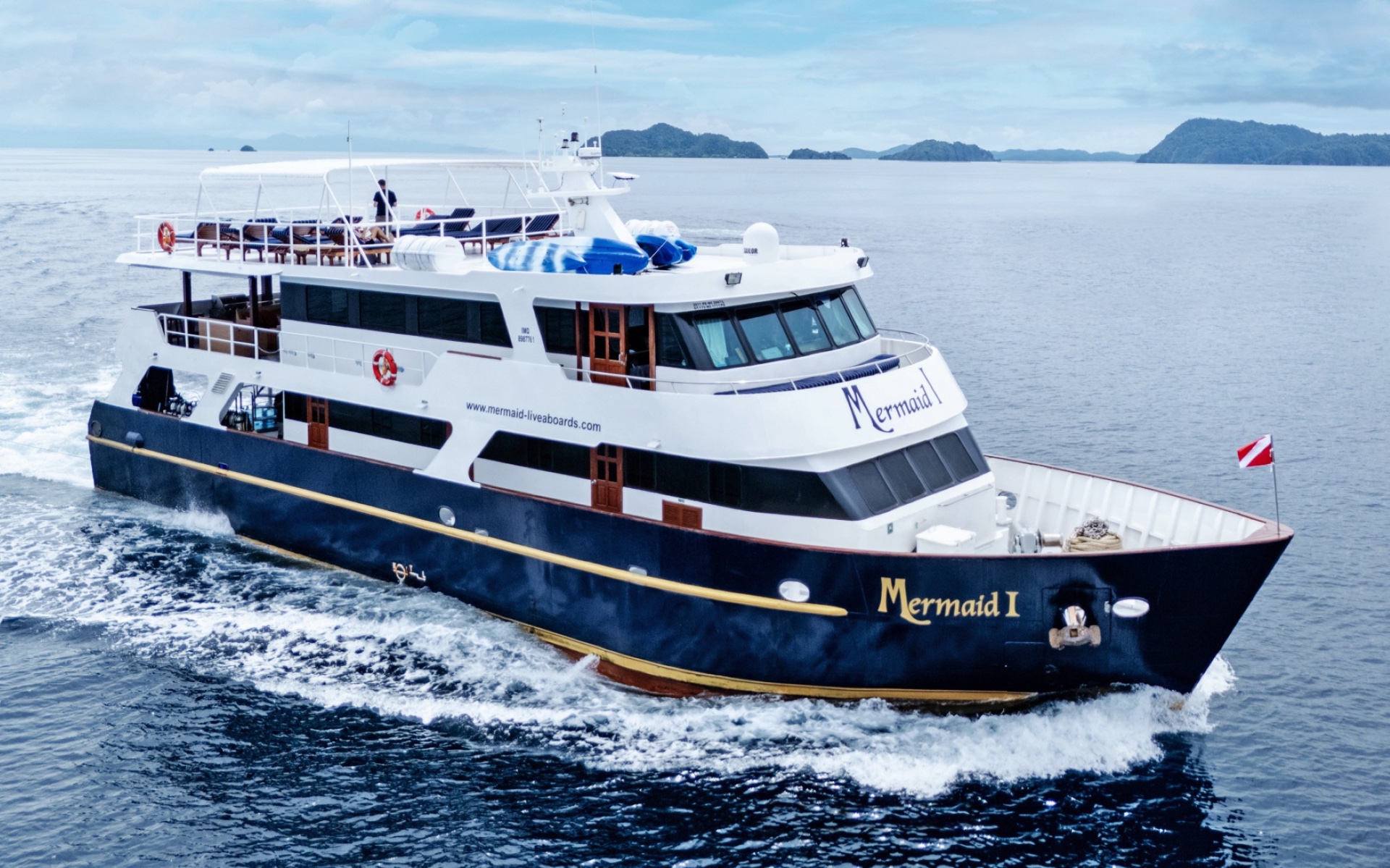
Mermaid I
Alor
15 guests28 m
$372/day
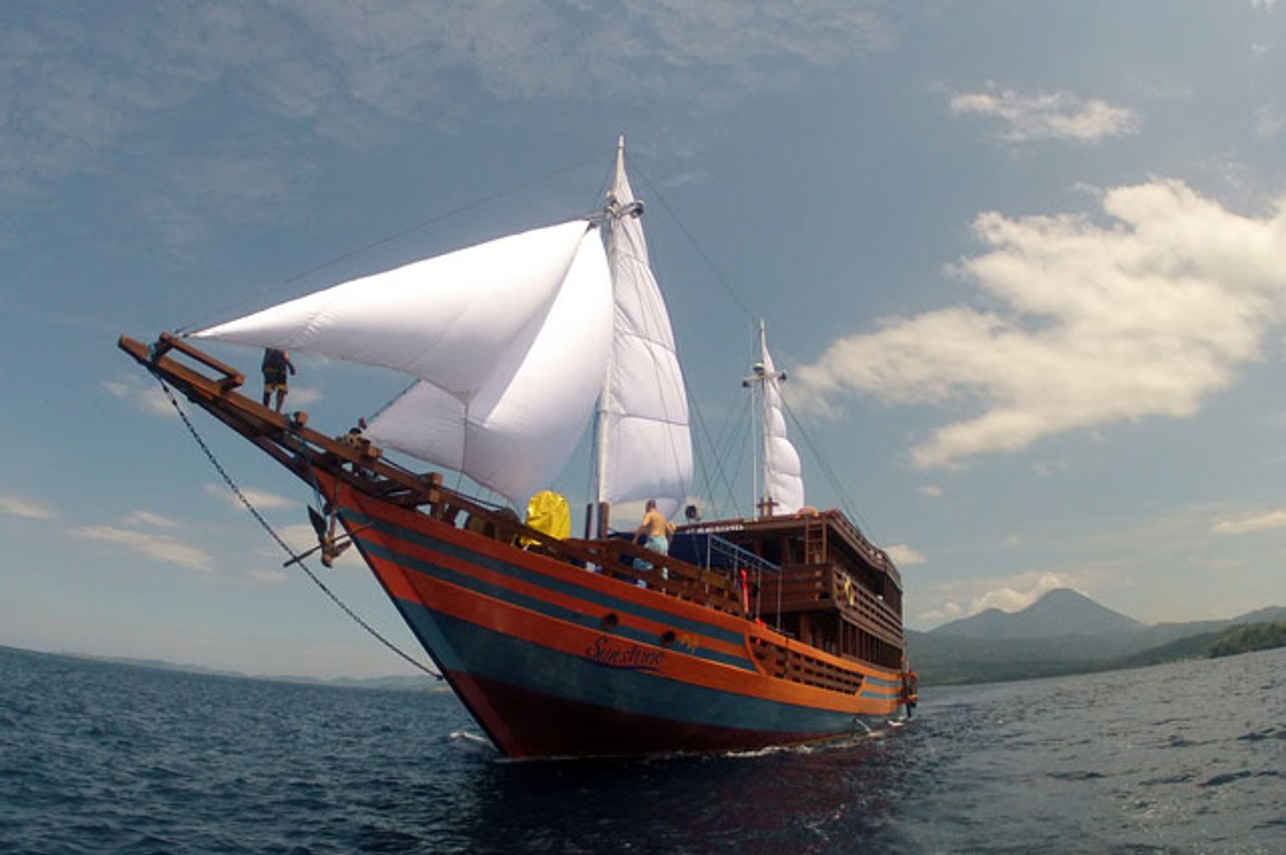
Sunshine Liveaboard
Indonesia
10 guests31 m
$192/day
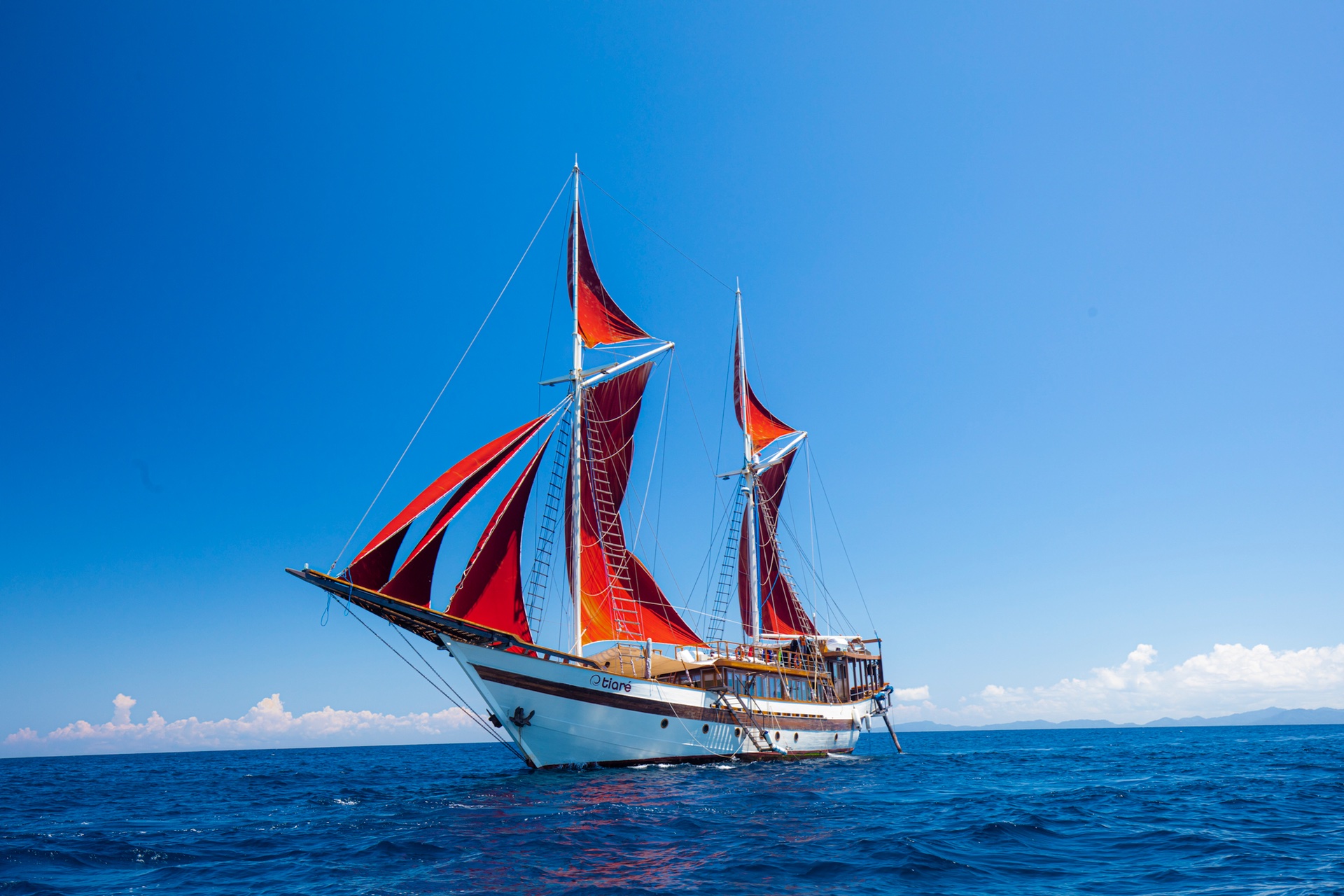
Tiare Cruise
Indonesia
12 guests36.5 m
$473/day
Dive sites similar to Batu Niti
Same character, same waters — six more sites divers love for the exact same reasons.Compare seasons, access and liveaboard routes — then pick the site that fits your trip best.
Lipah Bay is situated on Bali's northeast coast within the Amed area, nestled against the dramatic backdrop of Gunung Agung.
- Suitable for
- Beginner
- Current
- Mild
- Access
- Liveaboard or dayboat
- Depth
- 5–30 m
- Theme
- Reef / Drift
Puri Jati, often referred to as PJ, is located on Bali's north coast near Lovina, on the outskirts of Seririt village.
- Suitable for
- Intermediate
- Current
- No current
- Access
- Shore / dayboat
- Depth
- 6–12 m
- Theme
- Reef
© Esri — Maxar, Earthstar, GIS
Japanese Wreck
Bali
The Japanese Wreck is a compelling dive site located in Banyuning Bay, just off the beach in Amed, Bali.
- Suitable for
- Beginner
- Current
- Moderate
- Access
- Shore / dayboat
- Depth
- 6–12 m
- Theme
- Wreck / Reef
© Esri — Maxar, Earthstar, GIS
Dream Wall
Bali
Dream Wall is one of Menjangan Island's premier dive sites, located within the protected West Bali National Park marine area.
- Suitable for
- Beginner
- Current
- Mild
- Access
- Dayboat
- Depth
- 10–60 m
- Theme
- Wall / Reef
Pura Ped, located on the northern coast of Nusa Penida, is a celebrated dive site known for its extensive and healthy reef system.
- Suitable for
- Intermediate
- Current
- Strong
- Access
- Liveaboard or dayboat
- Depth
- 5–30 m
- Theme
- Drift / Reef
© Esri — Maxar, Earthstar, GIS
Biaha Reef
Bali
Situated near Candidasa, Biaha Reef is a captivating dive site characterized by its dramatic underwater landscapes and the potential for exhilarating encounters with large pelagic marine life.
- Suitable for
- Intermediate
- Current
- Moderate
- Access
- Liveaboard or dayboat
- Depth
- 10–35 m
- Theme
- Reef