About Cape Rouge
Cape Rouge is a notable dive site in Djibouti, known for its pristine underwater environment where the Red Sea meets the Indian Ocean. This unique geographical confluence results in a rich marine ecosystem, supporting a wide array of coral species and abundant fish life. Divers can expect to find flourishing hard and soft corals, forming intricate reef structures that shelter numerous reef inhabitants. The topography at Cape Rouge typically features vibrant coral gardens, walls, and potential drop-offs. The depths here cater to a range of experience levels, often presenting opportunities for both intermediate and advanced divers to explore. The site is characterized by clear, warm waters for much of the year, enhancing the visual experience of its colorful marine life. The biodiversity at Cape Rouge is impressive, with a focus on healthy coral reefs that sustain various species. While not explicitly mentioned for large pelagic sightings like whale sharks or manta rays, the general region of Djibouti is renowned for its diverse marine fauna, including reef sharks, barracuda, and schools of jacks. The health of the corals makes it a crucial habitat for smaller reef fish year-round. Diving at Cape Rouge offers a serene experience, often quieter than more heavily trafficked sites. Divers can immerse themselves in the natural beauty of undisturbed coral formations and observe the intricate behaviors of reef fish in a peaceful setting. The excellent visibility common to Djibouti's waters further enhances the exploration of this lively underwater world.
Highlights
Pristine coral gardensRich reef fish diversityClear, warm watersHealthy hard and soft coralsSerene dive experience
Season calendar
Best months to dive here
Jan
Feb
Mar
Apr
May
Jun
Jul
Aug
Sep
Oct
Nov
Dec
Excellent
Dive site facts: Cape Rouge
- Depth
- 15–40+ m
- Current
- Variable, can be strong
- Visibility
- 10–40 m
- Water temperature
- 27–29 °C
- Entry
- Boat
- Level
- Intermediate to Advanced
- Dive type
- Reef, Wall
- Region / port
- Gulf of Tadjoura, Djibouti
- Coordinates
- 11.7583° N, 43.1417° E
Conditions & Currents
While specific current details for Cape Rouge are not provided in the sources, Djibouti's exposed dive sites, particularly the Seven Brothers Islands, can experience strong currents due to massive tidal shifts occurring twice daily. However, there are also numerous sheltered, shallow reefs throughout Djibouti with minimal current. Divers should anticipate varying conditions and be prepared for potential strong currents, especially if the site is exposed to the Bab El-Mandab strait or influenced by the Red Sea and Indian Ocean exchange. A strong understanding of drift diving techniques is beneficial for diving in the region, as many sites may involve currents that carry divers along. Always listen to the dive briefing for site-specific current information and have a surface marker buoy (SMB) readily available.
Marine life & sighting chances
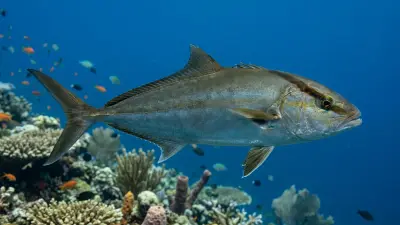
Schools of Jacks
common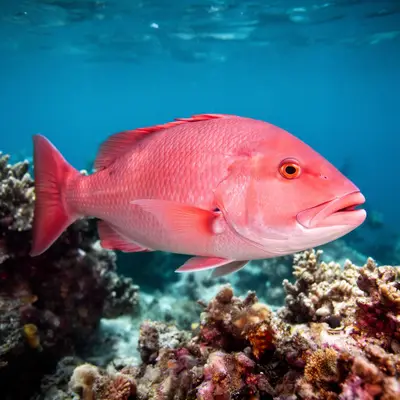
Schools of Snappers
common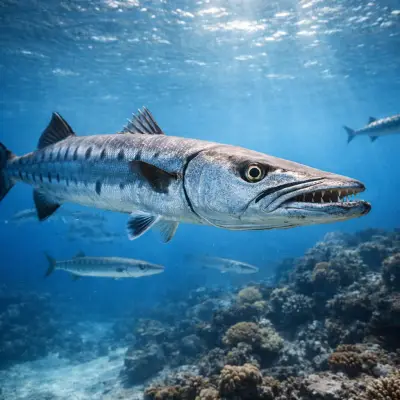
Schools of Barracuda
common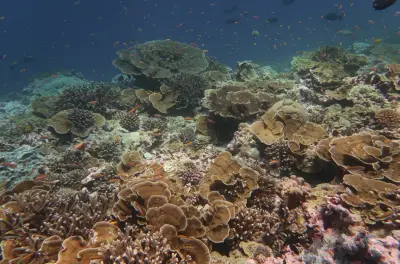
Reef Fish
common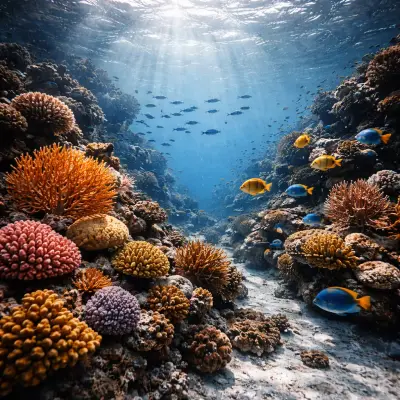
Hard Corals
common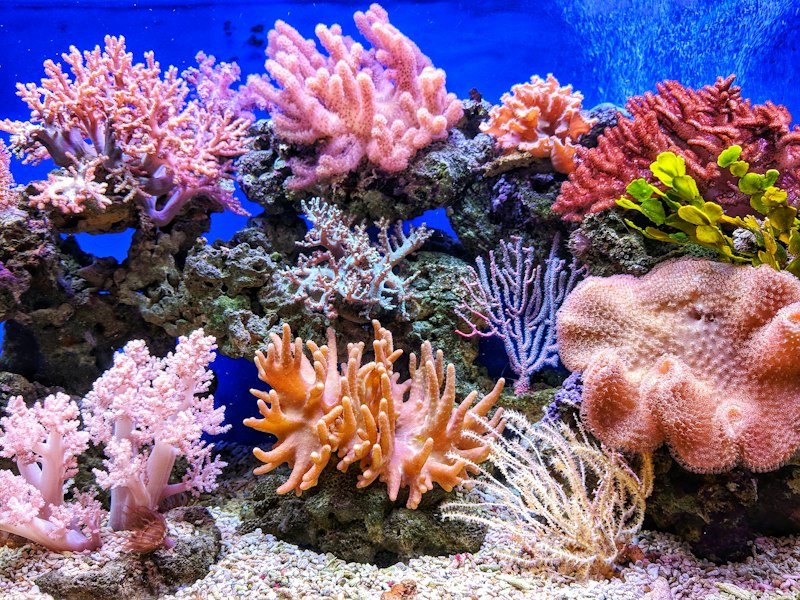
Soft Corals
common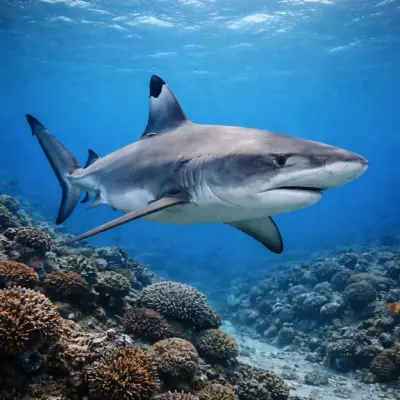
Grey Reef Sharks
common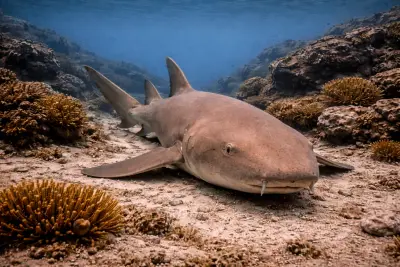
Nurse Sharks
common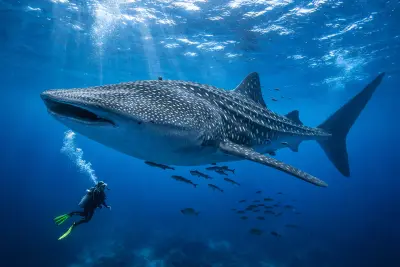
Whale Sharks
October to February · occasional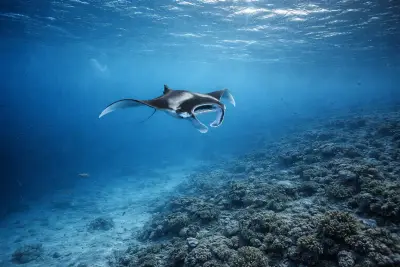
Manta Rays
October to February · occasional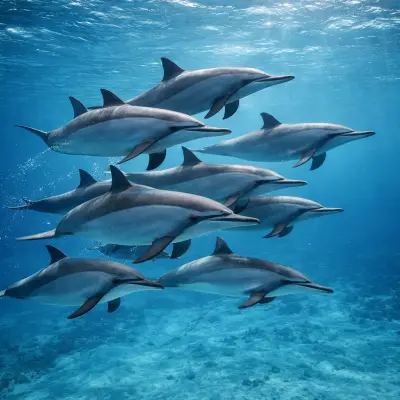
Dolphins
occasional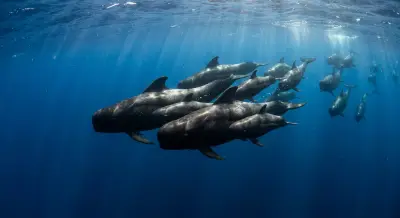
Pilot Whales
occasional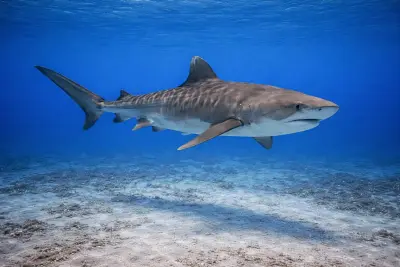
Tiger Sharks
rareDive profile & how the dive runs
Divers typically initiate their dive at Cape Rouge with a boat entry, often a giant stride, ensuring all gear is ready due to potential currents. The descent follows promptly, allowing divers to quickly reach the reef and minimize surface drift. The dive path will likely trace the contours of the coral gardens and walls, with the dive guide leading the group along the most interesting formations. Depth progression will depend on the chosen route, but divers can expect to explore vibrant reefs between 15 to 40 meters. Turn points are usually determined by air consumption and bottom time, with the group ascending gradually. The safety stop is conducted in shallower, calmer waters, often near the reef's top, before surfacing to be picked up by the tender or liveaboard. Given the potential for currents, maintaining good buoyancy and staying close to the group is essential throughout the dive.
Underwater photography
Cape Rouge offers excellent opportunities for wide-angle photography, especially when capturing the extensive coral gardens and colorful reef walls. A fisheye or wide-angle lens would be ideal to encompass the vibrant topography and schools of fish like jacks, snappers, and barracuda. For capturing smaller reef inhabitants and the intricate details of healthy hard and soft corals, a macro lens is recommended. Strong natural light penetrates the clear waters, but strobes are beneficial for color rendition and definition, particularly at greater depths. Maintain impeccable buoyancy to avoid stirring sediment or damaging delicate coral structures. When photographing marine life, approach slowly and respectfully, avoiding chasing or disturbing animals to ensure natural behavior and preserve the environment.
Combine with nearby dive sites
- Tombant Point
Known for spectacular coral gardens and plummeting walls.
- Sec de la Passe
Sec de la Passe is a dive site located within the inner Gulf of Tadjoura, known for its walls adorned with soft corals and abundant…
- The Dome
The Dome is a dive site located in Djibouti's Gulf of Tadjourah, a significant basin at the entrance to the Red Sea.
- Ras Korali
Ras Korali, situated near Arta, Djibouti, is a highly regarded dive site known for its rich marine biodiversity and striking underwater…
- Arta Beach Reef
Arta Beach Reef, situated in Djibouti, presents a unique diving experience where the Red Sea meets the Indian Ocean.
- Gulf of Tadjoura – Whale Shark Area
A prime location for encountering whale sharks and manta rays.
Getting there & logistics
Access to Djibouti dive sites, including Cape Rouge, is typically via liveaboard tours departing from Djibouti City. International flights generally arrive at Djibouti-Ambouli International Airport (JIB). Most liveaboard itineraries are 7-night/8-day trips, allowing divers to explore various sites across the Gulf of Tadjoura and potentially the Seven Brothers Islands. A valid e-Visa is required for entry into Djibouti, which divers should apply for in advance and collect upon arrival. While specific fees for Cape Rouge are not mentioned, park fees may be incorporated into liveaboard packages. Cape Rouge is often combined with other Gulf of Tadjoura sites like Tombant Point or the whale shark areas, offering a diverse diving experience within a single itinerary.
Safety & environment
While diving in Djibouti, safety is paramount, and divers should have comprehensive dive insurance covering medical evacuation. The nearest recompression chamber would be in Djibouti City, though actual evacuation capabilities and timelines in this remote region can be challenging. Divers are strongly advised to adhere to established dive plans, maintain buddy contact, and monitor their no-decompression limits carefully. Given the potential for strong currents at some Djibouti sites, proficiency in drift diving techniques and the use of a Surface Marker Buoy (SMB) are highly recommended. Always listen closely to the dive briefing for site-specific hazards and emergency procedures. Respect for marine life, especially large pelagics like whale sharks, means maintaining distance and never touching animals.
Who it suits — and who it doesn't
Suited for
- Experienced divers comfortable with drift diving
- Photographers seeking vibrant coral reefs
- Divers interested in diverse reef fish populations
- Those looking for less crowded dive experiences
- Divers comfortable with remote liveaboard travel
Less suited for
- Absolute beginner divers with no current experience
- Divers unwilling to dive from liveaboards
- Those uncomfortable with varying current conditions
- Divers primarily seeking macro-only opportunities
- Individuals with limited buoyancy control
FAQ
Cape Rouge FAQ
What is the best time of year to dive at Cape Rouge?
The prime diving season for Cape Rouge, mirroring the rest of Djibouti, runs from October to February. During these months, the water temperatures are comfortably warm, and visibility is typically at its best, ensuring optimal conditions for exploring the site's rich marine life and coral formations.
What kind of marine life can I expect to see at Cape Rouge?
Cape Rouge is home to an abundance of reef fish, including large schools of jacks, snappers, and barracuda, thriving within its healthy hard and soft coral gardens. While the site itself is known for its vibrant reef ecosystem, the broader Djibouti region also offers opportunities to spot grey reef and nurse sharks, and occasionally even pelagic species like whale sharks and manta rays during their season.
Are there strong currents at Cape Rouge?
Currents at Cape Rouge can be variable. While some areas of Djibouti offer sheltered reefs, other exposed sites, especially those influenced by the Red Sea and Indian Ocean exchange, can experience strong currents. Divers should be prepared for potential drift diving conditions and always consult their dive guide for the day's specific current forecast and entry procedures.
What is the typical dive depth at Cape Rouge?
Cape Rouge offers a range of depths, with the general diving range in Djibouti extending from 15 to over 40 meters. This allows for exploration of various reef features, from shallower coral gardens to deeper walls and drop-offs. Divers should be certified to an intermediate or advanced level to comfortably explore these depths.
What diving experience level is recommended for Cape Rouge?
Cape Rouge is generally recommended for intermediate to advanced divers. This recommendation is due to the potential for strong currents and the typical depths encountered. Divers with experience in drift diving and good buoyancy control will be best suited to enjoy the site safely and comfortably.
Why dive Cape Rouge from a liveaboard?
Cape Rouge is one of Djibouti's signature dive sites. A liveaboard sleeps you on the water and puts you in the water for three to four guided dives per day, including dawn and night dives that day-boat operators rarely offer. You skip the daily commute back to port and reach quieter, less-crowded sites in the same region on a single trip.
Below are the liveaboards that include Cape Rouge on their Djibouti itineraries.
Liveaboards diving Cape Rouge
These liveaboards may visit Cape Rouge on selected itineraries — the exact dive sites depend on departure, weather and conditions.
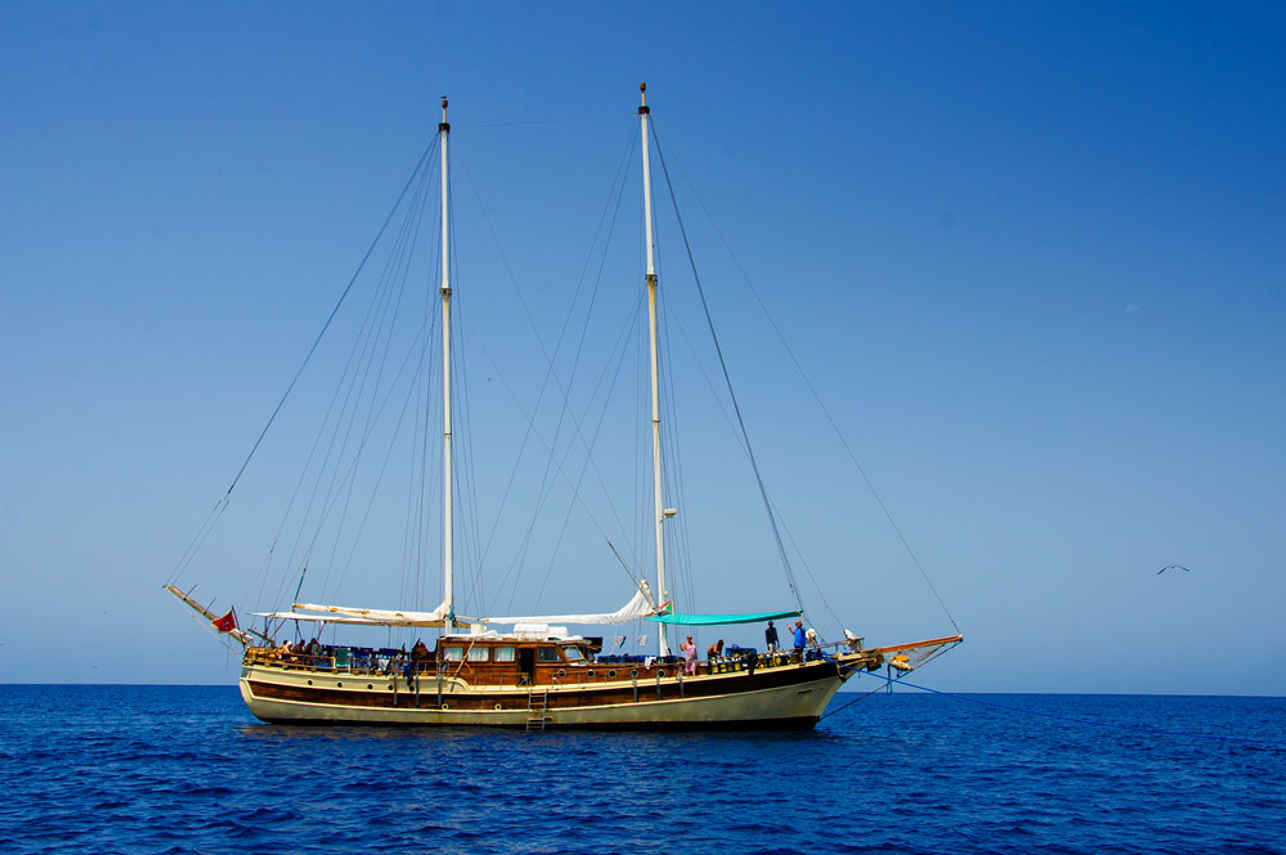
Elegante
Djibouti
14 guests25 m
$209/day
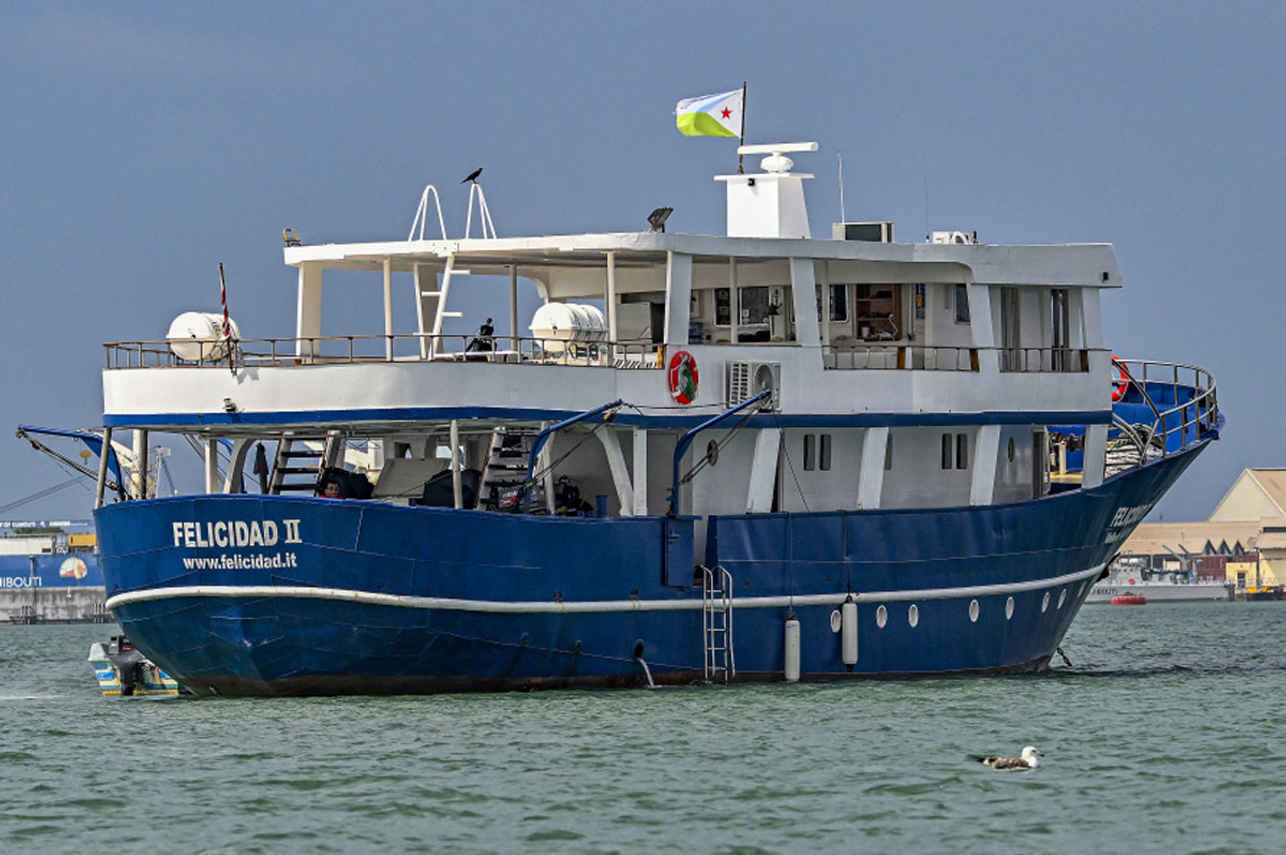
Felicidad II
Djibouti
18 guests30 m
$210/day
Dive sites similar to Cape Rouge
Same character, same waters — six more sites divers love for the exact same reasons.Compare seasons, access and liveaboard routes — then pick the site that fits your trip best.
© Esri — Maxar, Earthstar, GIS
Ghoubbet al Kharab
Djibouti
Ghoubbet al Kharab, also known as the Devil’s Goblet, is a deep bay connected to the Gulf of Tadjourah and the open ocean in Djibouti.
- Suitable for
- Advanced
- Current
- Strong
- Access
- Liveaboard only
- Depth
- 5–200 m
- Theme
- Drift / Reef
© Esri — Maxar, Earthstar, GIS
Moucha wrecks
Djibouti
The Moucha wrecks, including the notable Orchard Reefer and Le Fon, offer a distinctive dive experience within Djibouti's Gulf of Tadjoura, contrasting with the region's prevalent coral reefs.
- Suitable for
- Advanced
- Current
- Moderate
- Access
- Liveaboard or dayboat
- Depth
- 5–50 m
- Theme
- Wreck / Reef
© Esri — Maxar, Earthstar, GIS
Sable Blanc Reef
Djibouti
Sable Blanc Reef is a vibrant coral ecosystem located in Djibouti, nestled where the Red Sea meets the Gulf of Aden.
- Suitable for
- Intermediate
- Current
- Strong
- Access
- Shore / dayboat
- Depth
- 5–30 m
- Theme
- Drift / Reef
© Esri — Maxar, Earthstar, GIS
La Vierge Rouge
Djibouti
La Vierge Rouge is situated in Djibouti, a unique diving destination where the Red Sea converges with the Indian Ocean.
- Suitable for
- Intermediate
- Current
- Moderate
- Access
- Liveaboard only
- Depth
- 15–40 m
- Theme
- Reef
© Esri — Maxar, Earthstar, GIS
Le Sec Aux Boutres
Djibouti
Le Sec Aux Boutres is a distinguished dive site located near Arta, Djibouti, celebrated for its rich marine biodiversity and stunning underwater scenery.
- Suitable for
- Intermediate
- Current
- Mild
- Access
- Dayboat
- Depth
- 10–30 m
- Theme
- Reef
© Esri — Maxar, Earthstar, GIS
MV Priamos
Djibouti
The MV Priamos, known locally as "le Faon," is a world-class shipwreck located in the Gulf of Tadjoura, off the coast of Djibouti.
- Suitable for
- Intermediate
- Current
- Moderate
- Access
- Liveaboard only
- Depth
- 5–30 m
- Theme
- Reef