About La Vierge Rouge
La Vierge Rouge is situated in Djibouti, a unique diving destination where the Red Sea converges with the Indian Ocean. This site is renowned for its fascinating underwater topography, characterized by walls and overhangs that plunge into deeper waters, providing a dramatic backdrop for marine encounters. Divers here can experience the raw, oceanic conditions typical of the region, where currents play a significant role in shaping both the environment and the dive experience. The area's nutrient-rich waters contribute to a vibrant ecosystem, supporting an array of schooling reef fish, healthy corals, and regular sightings of pelagic species. Diving at La Vierge Rouge often involves navigating swift currents, which carry divers along the reef, showcasing a continuous panorama of marine life. The site's depth ranges make it suitable for advanced divers seeking an exhilarating experience. The convergence of two major oceanic systems makes for a biologically active environment, offering glimpses of both reef-dwelling creatures and larger transient visitors. Liveaboard expeditions typically include this type of site within itineraries exploring the Gulf of Tadjoura or the broader Djibouti region. This approach allows divers to maximize their time underwater and witness the dynamic changes in marine activity throughout a trip. The emphasis is on adventurous, current-driven diving that rewards with impressive pelagic sightings and diverse coral formations, making it a compelling destination for experienced divers.
Highlights
Dynamic drift divingPlunging walls and overhangsDiverse schooling reef fishHealthy coral formationsPelagic encountersStrong currents experience
Season calendar
Best months to dive here
Jan
Feb
Mar
Apr
May
Jun
Jul
Aug
Sep
Oct
Nov
Dec
Good
Dive site facts: La Vierge Rouge
- Depth
- 15–40 m+
- Typical dive
- Undisclosed
- Current
- Strong
- Visibility
- 10–35 m+
- Water temperature
- 24–33°C
- Entry
- Tender / negative entry recommended
- Level
- Advanced upwards
- Dive type
- Drift, wall, reef
- Region / port
- Gulf of Tadjoura, Djibouti
- Coordinates
- 11.5433° N, 42.6633° E
Conditions & Currents
La Vierge Rouge is a site defined by its currents, making drift diving a primary mode of exploration. Divers should anticipate potentially strong and swift currents that dictate the pace and direction of the dive. These currents are a natural consequence of the massive tidal shift occurring twice daily at the confluence of the Red Sea and Indian Ocean, pushing significant volumes of water across the reefs. Entry procedures often require a negative entry to quickly descend below strong surface currents and utilize the more consistent flow at depth. Divers must maintain excellent buoyancy control and stay streamlined to navigate effectively. The dive briefing is critical, detailing current direction, buddy positioning, and boat pickup plans to ensure safety and prevent separation. Good air consumption management is essential as the currents can increase exertion, even with reduced finning.
Marine life & sighting chances
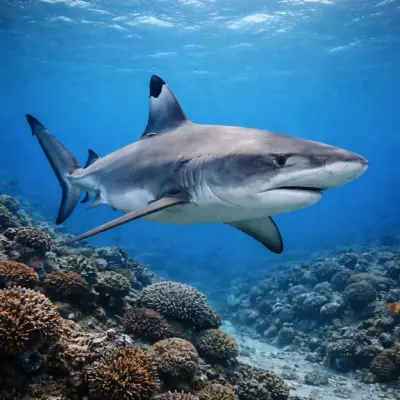
Reef sharks
occasional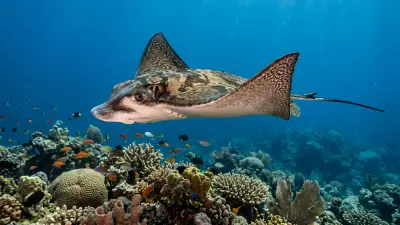
Rays
occasional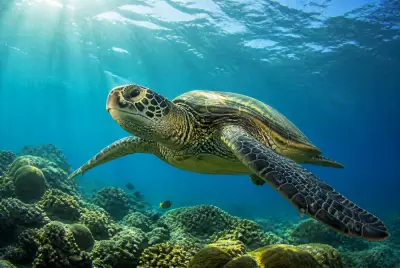
Turtles
occasional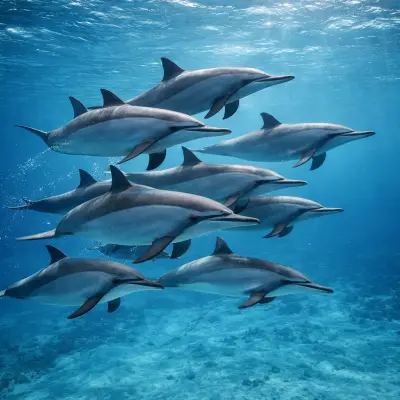
Dolphins
occasional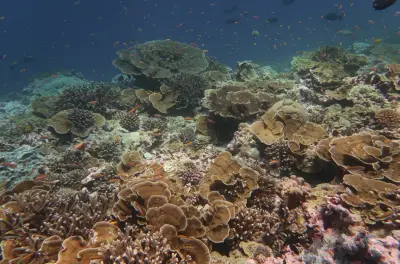
Schooling fish
commonGrey reef sharks
occasional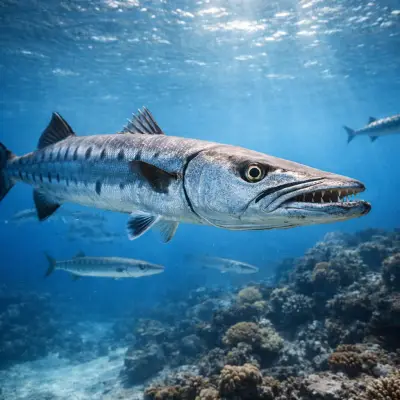
Barracuda
occasional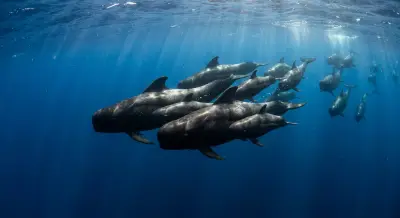
Pilot whales
rare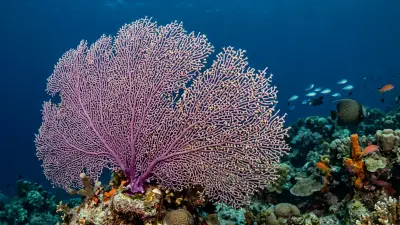
Gorgonian fans
common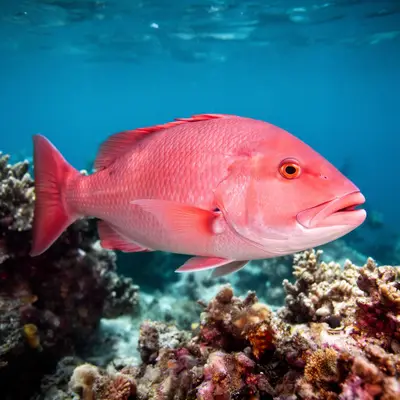
Snappers
common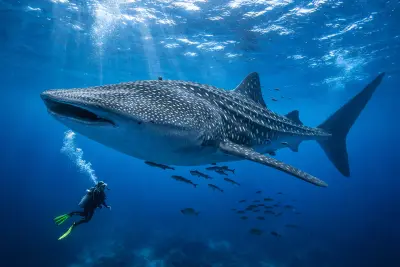
Whale sharks
October to February · occasional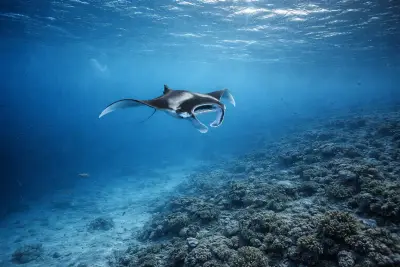
Manta rays
October to February · occasionalDive profile & how the dive runs
Diving at La Vierge Rouge typically begins with a tender drop, often requiring a negative entry to quickly descend and mitigate strong surface currents. Divers will then follow the prevailing current, allowing it to carry them along the reef's extensive walls and overhangs. Depth progression will depend on the specific route and current strength, but expect depths ranging from 15 to 40 meters or more. The dive profile is largely dictated by the drift, with divers maintaining visual contact with the reef while observing marine life that includes schooling fish and pelagic visitors. Turn points are usually determined by planned dive time or air consumption, with the boat tracking the divers from the surface. The safety stop is conducted as part of the continuous drift, with divers deploying a surface marker buoy (SMB) upon ascent, signaling the liveaboard for pickup downcurrent.
Underwater photography
Photographing at La Vierge Rouge presents both challenges and rewards due to the dynamic current. For wide-angle photography, a fisheye or wide-angle rectilinear lens is ideal to capture the expansive walls, gorgonian fans, and schooling fish against the blue water backdrop. Strong currents necessitate excellent buoyancy control to avoid contact with the reef and stabilize for shots. Strobes are essential to bring out the vibrant colors of corals and fish, especially in deeper sections or during overcast conditions. Consider a focus light if shooting macro, though macro subjects might be less numerous or harder to isolate in a fast drift. Be mindful of ethical behavior with marine life, especially any larger pelagics encountered; avoid flash photography on sensitive animals like whale sharks. Patience and quick reflexes are key to capturing fleeting moments with pelagics as they pass by.
Combine with nearby dive sites
- MV Priamos
A well-preserved wreck in the Gulf of Tadjoura.
- Japanese Gardens
Known for macro life, often combined with sites around the Seven Brothers.
- Rhounda Khomaytou
Features dizzying drop-offs and pelagic encounters near the Seven Brothers.
- La Dame Blanche
A shipwreck lying at 25 meters, part of the Seven Brothers area.
- Tombant Point
Spectacular coral gardens and plunging walls in the Gulf of Tadjoura.
Getting there & logistics
Access to La Vierge Rouge, like most Djibouti dive sites, is primarily via liveaboard expeditions, as there are no dedicated dive resorts. Divers typically fly into Djibouti City (JIB) and then transfer to their liveaboard vessel. Liveaboard trips usually range from 7 to 8 nights, encompassing diverse itineraries across the Gulf of Tadjoura and the Seven Brothers archipelago. These trips are designed to position divers at the best sites at optimal times, particularly for whale shark encounters from November to January. There are generally no specific park fees mentioned for individual sites, but liveaboard packages will cover necessary permits. Djibouti is recognized as an adventurous destination, and an e-Visa is required prior to arrival, with a hard copy collected at the airport.
Safety & environment
While Djibouti liveaboards are designed to provide a safe diving experience, the adventurous nature of sites like La Vierge Rouge requires divers to be self-reliant and highly attentive to dive briefings. The nearest recompression chamber is likely located in Djibouti City, emphasizing the importance of conservative dive planning and adherence to safety protocols. Evacuation from remote dive sites would involve liveaboard tenders and potentially external medical assistance, underscoring the need for comprehensive dive insurance that covers emergency medical treatment and evacuation. Site-specific hazards include potentially strong, unpredictable currents, which necessitate excellent buoyancy control, streamlined gear, and the ability to deploy an SMB. Staying with your buddy and following the dive guide's instructions are paramount. Divers should be well-rested and hydrated, and capable of managing potentially challenging conditions.
Who it suits — and who it doesn't
Suited for
- Experienced drift divers
- Advanced Open Water certified divers and above
- Divers seeking pelagic encounters
- Underwater photographers with wide-angle setups
- Adventurous divers comfortable with currents
Less suited for
- Beginner divers or those without current experience
- Divers with poor buoyancy control
- Divers prone to seasickness
- Those preferring calm, shallow reef dives
- Divers with limited air consumption management
FAQ
La Vierge Rouge FAQ
What kind of currents can I expect at La Vierge Rouge?
La Vierge Rouge is known for its dynamic and often strong currents. As a drift dive site, the currents are an integral part of the experience, moving divers along the reef. These conditions are due to significant tidal shifts between the Red Sea and the Indian Ocean, requiring divers to be comfortable with active water movement and possibly negative entries.
Is La Vierge Rouge suitable for beginner divers?
No, La Vierge Rouge is generally not recommended for beginner divers. The site's strong currents and dynamic conditions, along with depths often exceeding 15 meters, make it more suitable for advanced divers or those with significant experience in drift diving and excellent buoyancy control. It requires a higher level of skill and situational awareness.
What kind of marine life can be seen at La Vierge Rouge?
Divers at La Vierge Rouge can expect to see a diverse range of marine life, including healthy corals, large schools of reef fish, barracuda, and occasional sightings of pelagic species such as reef sharks, rays, and turtles. During the whale shark season (October to February), there is also a possibility of encountering these gentle giants, though they are more commonly seen in specific plankton-rich areas.
How is the visibility at this dive site?
Visibility at La Vierge Rouge can range from 10 to over 35 meters, with the best conditions typically found between October and February. While generally good, it can sometimes be affected by the plankton-rich waters that attract large marine life. Despite potential variations, the clear waters usually allow for impressive views of the underwater topography and its inhabitants.
How do liveaboards manage drift dives at La Vierge Rouge?
Liveaboards manage drift dives at La Vierge Rouge by providing detailed briefings on entry, current direction, and pickup procedures. Divers typically enter from tenders and are tracked from the surface by the liveaboard or chase boat. Upon surfacing after a safety stop, divers deploy an SMB to signal their location, and the boat collects them downcurrent, eliminating the need to swim back against the current.
Why dive La Vierge Rouge from a liveaboard?
La Vierge Rouge is one of Djibouti's signature dive sites. A liveaboard sleeps you on the water and puts you in the water for three to four guided dives per day, including dawn and night dives that day-boat operators rarely offer. You skip the daily commute back to port and reach quieter, less-crowded sites in the same region on a single trip.
Below are the liveaboards that include La Vierge Rouge on their Djibouti itineraries.
Liveaboards diving La Vierge Rouge
These liveaboards may visit La Vierge Rouge on selected itineraries — the exact dive sites depend on departure, weather and conditions.
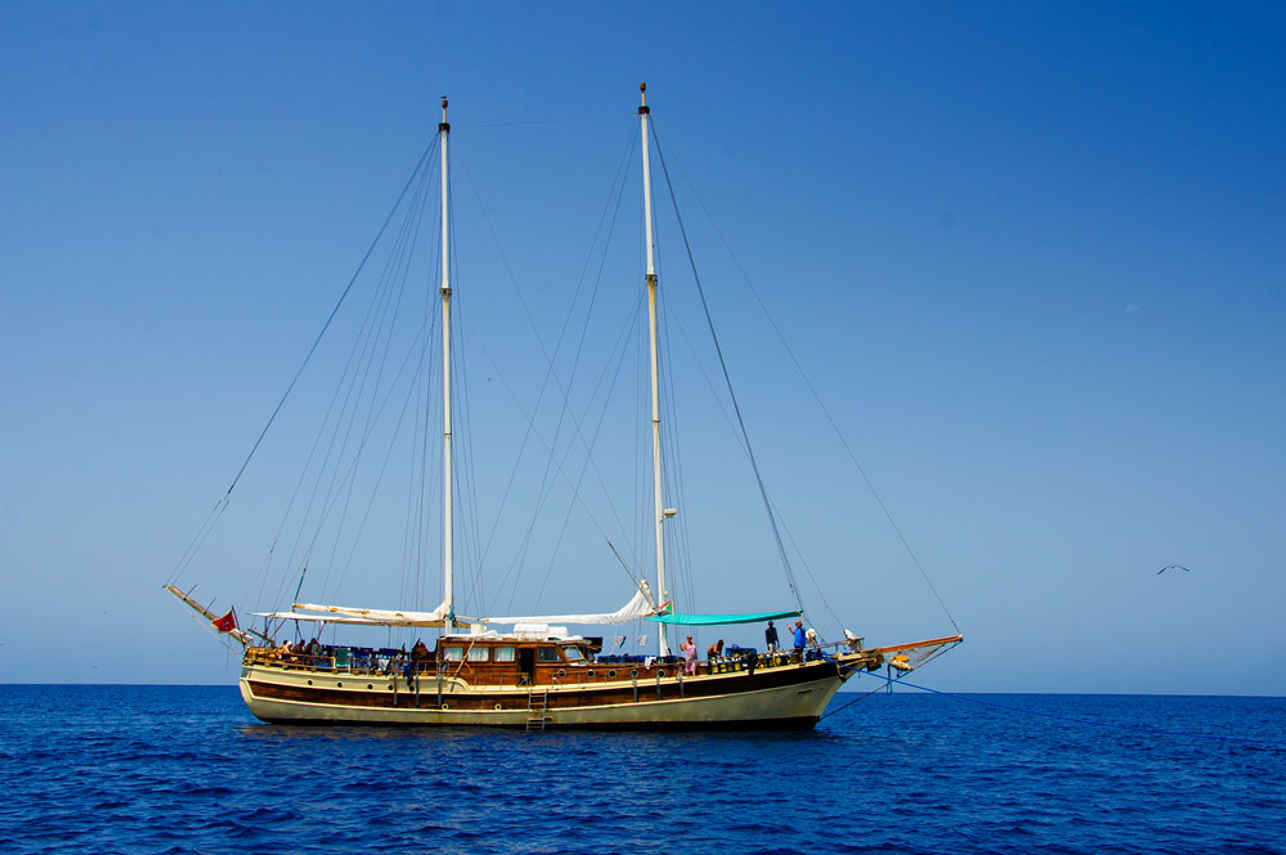
Elegante
Djibouti
14 guests25 m
$209/day
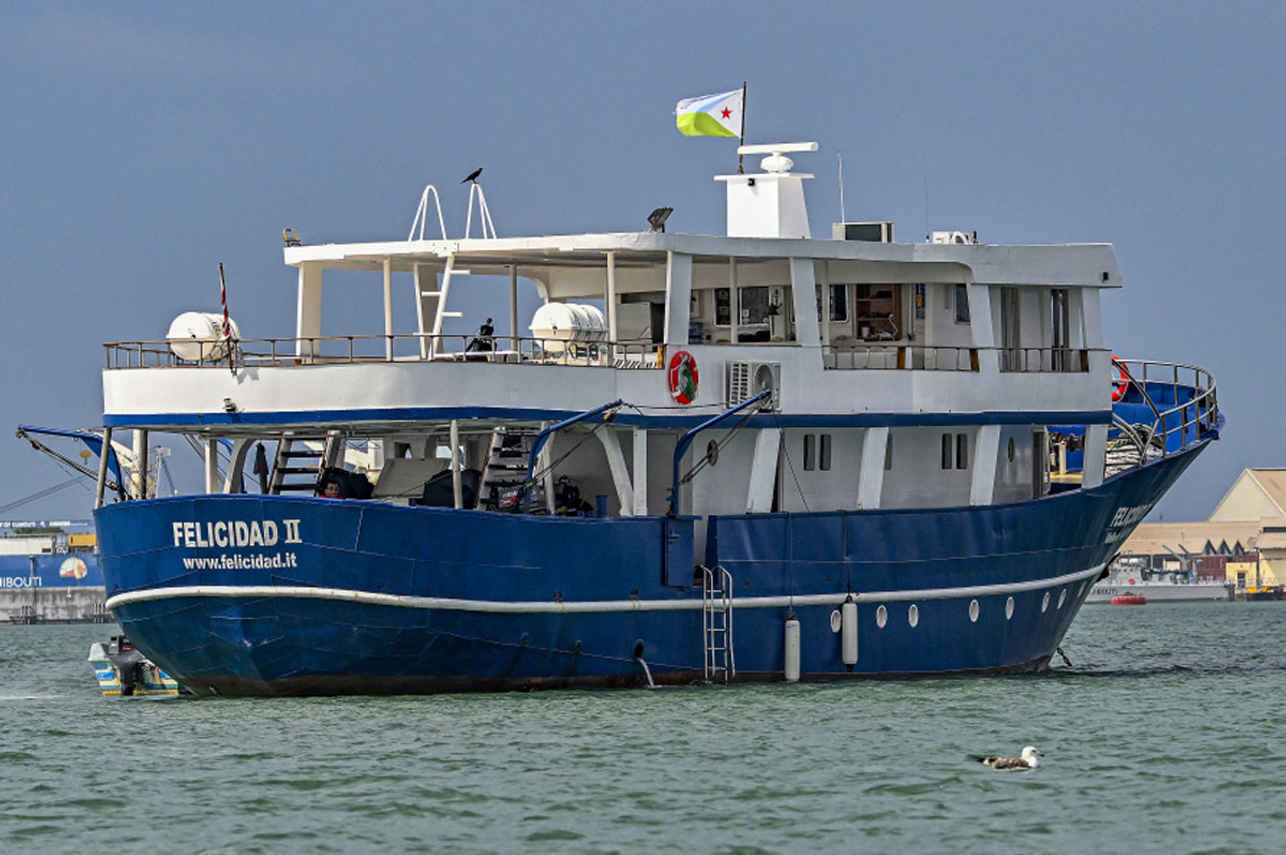
Felicidad II
Djibouti
18 guests30 m
$210/day
Dive sites similar to La Vierge Rouge
Same character, same waters — six more sites divers love for the exact same reasons.Compare seasons, access and liveaboard routes — then pick the site that fits your trip best.
© Esri — Maxar, Earthstar, GIS
Ghoubbet al Kharab
Djibouti
Ghoubbet al Kharab, also known as the Devil’s Goblet, is a deep bay connected to the Gulf of Tadjourah and the open ocean in Djibouti.
- Suitable for
- Advanced
- Current
- Strong
- Access
- Liveaboard only
- Depth
- 5–200 m
- Theme
- Drift / Reef
© Esri — Maxar, Earthstar, GIS
Moucha wrecks
Djibouti
The Moucha wrecks, including the notable Orchard Reefer and Le Fon, offer a distinctive dive experience within Djibouti's Gulf of Tadjoura, contrasting with the region's prevalent coral reefs.
- Suitable for
- Advanced
- Current
- Moderate
- Access
- Liveaboard or dayboat
- Depth
- 5–50 m
- Theme
- Wreck / Reef
© Esri — Maxar, Earthstar, GIS
Sable Blanc Reef
Djibouti
Sable Blanc Reef is a vibrant coral ecosystem located in Djibouti, nestled where the Red Sea meets the Gulf of Aden.
- Suitable for
- Intermediate
- Current
- Strong
- Access
- Shore / dayboat
- Depth
- 5–30 m
- Theme
- Drift / Reef
© Esri — Maxar, Earthstar, GIS
Cape Rouge
Djibouti
Cape Rouge is a notable dive site in Djibouti, known for its pristine underwater environment where the Red Sea meets the Indian Ocean.
- Suitable for
- Advanced
- Current
- Mild
- Access
- Liveaboard or dayboat
- Depth
- 15–40 m
- Theme
- Reef
© Esri — Maxar, Earthstar, GIS
Le Sec Aux Boutres
Djibouti
Le Sec Aux Boutres is a distinguished dive site located near Arta, Djibouti, celebrated for its rich marine biodiversity and stunning underwater scenery.
- Suitable for
- Intermediate
- Current
- Mild
- Access
- Dayboat
- Depth
- 10–30 m
- Theme
- Reef
© Esri — Maxar, Earthstar, GIS
MV Priamos
Djibouti
The MV Priamos, known locally as "le Faon," is a world-class shipwreck located in the Gulf of Tadjoura, off the coast of Djibouti.
- Suitable for
- Intermediate
- Current
- Moderate
- Access
- Liveaboard only
- Depth
- 5–30 m
- Theme
- Reef