About Sable Blanc Reef
Sable Blanc Reef is a vibrant coral ecosystem located in Djibouti, nestled where the Red Sea meets the Gulf of Aden. This site is part of the larger Gulf of Tadjoura region, known for its unique blend of volcanic formations, healthy coral reefs, and seasonal encounters with large marine life. The relatively undisturbed conditions of Djibouti's waters mean Sable Blanc Reef boasts pristine corals and an astonishing array of marine species, making it a standout destination for adventurous divers seeking uncrowded sites. The topography of Sable Blanc Reef features extensive coral gardens teeming with life. Depths typically range from shallow, sunlit sections to deeper reef slopes, accommodating various dive profiles. The consistent warmth of the water supports a flourishing ecosystem, attracting both resident reef fish and larger pelagic visitors. While the entire region is famous for whale shark encounters, particularly between October and February, Sable Blanc Reef itself offers consistent sightings of reef sharks, rays, and turtles year-round. Schools of jacks, snappers, and barracuda are common, enhancing the dynamic underwater scenery. Macro enthusiasts will also find plenty to explore among the corals and sandy patches. Diving here typically involves boat access, often as part of a liveaboard itinerary exploring the Gulf of Tadjoura. The experience is generally relaxed, with moderate currents providing comfortable drift opportunities while allowing divers ample time to absorb the rich biodiversity. This makes Sable Blanc Reef an excellent choice for divers of various skill levels looking for diverse marine encounters in warm, clear conditions.
Highlights
Vibrant coral gardensDiverse reef fishOccasional pelagic encountersPristine underwater conditionsWarm, clear watersRelaxed dive experience
Season calendar
Best months to dive here
Jan
Feb
Mar
Apr
May
Jun
Jul
Aug
Sep
Oct
Nov
Dec
Excellent
Good
Dive site facts: Sable Blanc Reef
- Depth
- 5–30 m
- Typical dive
- 12–25 m, 50–60 min
- Current
- Mild to moderate
- Visibility
- 15–25 m
- Water temperature
- 24–31°C
- Entry
- Tender / drift entry
- Level
- Open Water Diver with current experience recommended
- Dive type
- Coral reef, drift, pelagic encounters
- Night dive
- Possible
- Region / port
- Gulf of Tadjoura, Djibouti
- Coordinates
- 11.775, 42.9
Conditions & Currents
Currents at Sable Blanc Reef are generally moderate, making for comfortable drift dives that allow divers to conserve energy while exploring the reef. Conditions tend to be calmer within the sheltered Gulf of Tadjoura, where this site is located, especially compared to more exposed areas in the Red Sea. Entry and exit are typically from a tender boat, with divers often descending directly into the current for a smooth drift. While strong currents are not typical, divers should always be prepared for changing conditions, and a well-understood briefing on current direction and boat pickup procedures is essential. Visibility is generally excellent, often ranging from 15 to 25 meters, though it can vary slightly with nutrient upwellings that, paradoxically, enhance marine life activity. Water temperatures remain consistently warm, alleviating concerns about thermoclines or cold-water shock.
Marine life & sighting chances

Whale Shark (juvenile)
October-February, occasional in September · occasional
Grey Reef Shark
Year-round · common
Whitetip Reef Shark
Year-round · common
Manta Ray
Year-round · occasional
Barracuda (schools)
Year-round, increased in September · common
Trevally (schools)
Year-round, increased in September · common
Snapper (schools)
Year-round, increased in September · common
Sea Turtle
Year-round · common
Dolphin
Year-round · occasional
Angelfish
Year-round · common
Butterflyfish
Year-round · common
Parrotfish
Year-round · common
Nudibranch
Year-round · occasional
Crustacean
Year-round · occasionalDive profile & how the dive runs
A typical dive at Sable Blanc Reef begins with a tender drop-off, often initiating a drift over the reef. Divers descend gently, allowing the current to carry them along the coral gardens. The initial depth is usually around 12-15 meters, where schools of reef fish and vibrant hard and soft corals are abundant. The dive progresses deeper along the slope to approximately 20-25 meters, searching for larger pelagics such as reef sharks or rays. Divers should maintain good buoyancy to avoid contact with the pristine corals. The turning point is dictated by air consumption or bottom time, with the ascent initiated gradually while continuing the drift. The safety stop is conducted in the shallower, sunlit sections of the reef, providing a final opportunity for macro photography or observing smaller reef inhabitants. The boat tracks the divers and picks them up down-current, making for a relaxed and efficient exit.
Underwater photography
Sable Blanc Reef offers excellent opportunities for both wide-angle and macro photography. For wide-angle shots, consider a fisheye or wide-angle rectilinear lens to capture the expansive coral gardens and schools of fish. The clear, warm waters and good visibility lend themselves well to showcasing the vibrant reef health. If pelagic encounters occur, a wide lens will be essential. For macro enthusiasts, a dedicated macro lens will reveal the hidden world of nudibranchs, flatworms, and various crustaceans nestled within the corals. Good buoyancy control is paramount to avoid damaging the delicate reef and stirring up sediment, which can quickly degrade visibility for your shots. While natural light is often sufficient in shallower areas, external strobes can enhance colors and reduce backscatter, especially for subjects at deeper depths or when shooting against the light.
Combine with nearby dive sites
- Les Sept Frères (Seven Brothers Islands)
Known for diverse diving, strong currents attracting pelagics, and healthy coral.
- Gulf of Tadjoura – Whale Shark Area
Prime location for juvenile whale shark encounters during season.
- Moucha Island Reef
Offers vibrant coral gardens and diverse reef fish closer to Djibouti City.
- Khor Ambado Reef
Features healthy coral and varied reef life, often included in local itineraries.
Getting there & logistics
Access to Sable Blanc Reef typically involves flying into Djibouti-Ambouli International Airport (JIB). From there, divers usually transfer to a liveaboard vessel departing from Djibouti City. Most dive trips in Djibouti are liveaboard-based, offering itineraries that often combine Sable Blanc Reef with other sites in the Gulf of Tadjoura and the famous Seven Brothers Islands. Standard trip lengths are around 7 nights/8 days. No specific marine park fees are generally highlighted for Sable Blanc Reef itself, but liveaboard costs include all necessary permits. It's advisable to check with your liveaboard operator for any specific entry requirements or local fees.
Safety & environment
Diving at Sable Blanc Reef, like all sites in Djibouti, requires adherence to standard dive safety protocols. The nearest recompression chamber is located in Djibouti City, emphasizing the need for comprehensive dive insurance that covers emergency medical treatment and evacuation. Given that most diving is liveaboard-based and often in remote areas, evacuation can be complex and time-consuming. Site-specific hazards include potential moderate currents, so divers should be comfortable with drift diving techniques and proficient in buoyancy control to protect the fragile coral ecosystem. Always follow your dive guide's instructions, maintain buddy contact, and plan your dive within your certification limits. Strong situational awareness is key, particularly during drift dives where boat pickups are part of the process.
Who it suits — and who it doesn't
Suited for
- Experienced Open Water Divers comfortable with currents
- Underwater photographers seeking vibrant reef scenes
- Divers interested in pelagic encounters
- Liveaboard enthusiasts
- Divers seeking uncrowded, pristine reefs
Less suited for
- Absolute beginner divers with no current experience
- Divers unwilling to travel by liveaboard
- Those prone to seasickness in moderate sea states
- Divers seeking only wreck diving
FAQ
Sable Blanc Reef FAQ
What kind of marine life can I expect to see at Sable Blanc Reef?
Sable Blanc Reef is renowned for its vibrant coral gardens teeming with diverse reef fish such as angelfish, butterflyfish, and parrotfish. You can also expect to encounter schools of barracuda, trevally, and snapper. While not guaranteed, there are common sightings of grey reef sharks, whitetip reef sharks, sea turtles, and occasional manta rays. During the whale shark season from October to February, there is an increased chance of spotting juvenile whale sharks in the broader Gulf of Tadjoura.
What are the typical diving conditions at Sable Blanc Reef?
The diving conditions at Sable Blanc Reef are generally excellent, characterized by warm water temperatures ranging from 24-31°C year-round. Visibility typically ranges from 15 to 25 meters, offering clear views of the reef. Currents are usually mild to moderate, making for comfortable drift dives, but divers should be prepared for varying conditions. The reef is part of the sheltered Gulf of Tadjoura, so sea states are often calmer than more exposed Red Sea sites.
Is Sable Blanc Reef suitable for beginner divers?
Sable Blanc Reef is generally suitable for Open Water Divers who have some experience with currents. While the currents are typically mild to moderate, drift diving techniques are often employed, which requires good buoyancy control and comfort with current. Divers new to drift diving should seek guidance from their instructor or dive guide. Beginners who are confident in their skills and comfortable in open water will find the site rewarding, but it's not ideal for absolute first-time ocean divers.
How do I get to Sable Blanc Reef?
To reach Sable Blanc Reef, you will typically fly into Djibouti-Ambouli International Airport (JIB). From there, most divers join a liveaboard safari departing from Djibouti City. Sable Blanc Reef is usually included as part of a multi-day itinerary exploring the Gulf of Tadjoura and nearby dive sites like the Seven Brothers Islands. There are no direct shore dives available at this remote reef location.
What is the best time of year to dive Sable Blanc Reef?
The best time to dive Sable Blanc Reef, and indeed Djibouti in general, is from October to February. During these months, the water temperatures are comfortably warm, and visibility is at its peak. This period also coincides with the high season for whale shark sightings in the region, adding to the potential for exciting pelagic encounters. While diving is possible year-round, these months offer the most favorable conditions and marine life activity.
Why dive Sable Blanc Reef from a liveaboard?
Sable Blanc Reef is one of Djibouti's signature dive sites. A liveaboard sleeps you on the water and puts you in the water for three to four guided dives per day, including dawn and night dives that day-boat operators rarely offer. You skip the daily commute back to port and reach quieter, less-crowded sites in the same region on a single trip.
Below are the liveaboards that include Sable Blanc Reef on their Djibouti itineraries.
Liveaboards diving Sable Blanc Reef
These liveaboards may visit Sable Blanc Reef on selected itineraries — the exact dive sites depend on departure, weather and conditions.
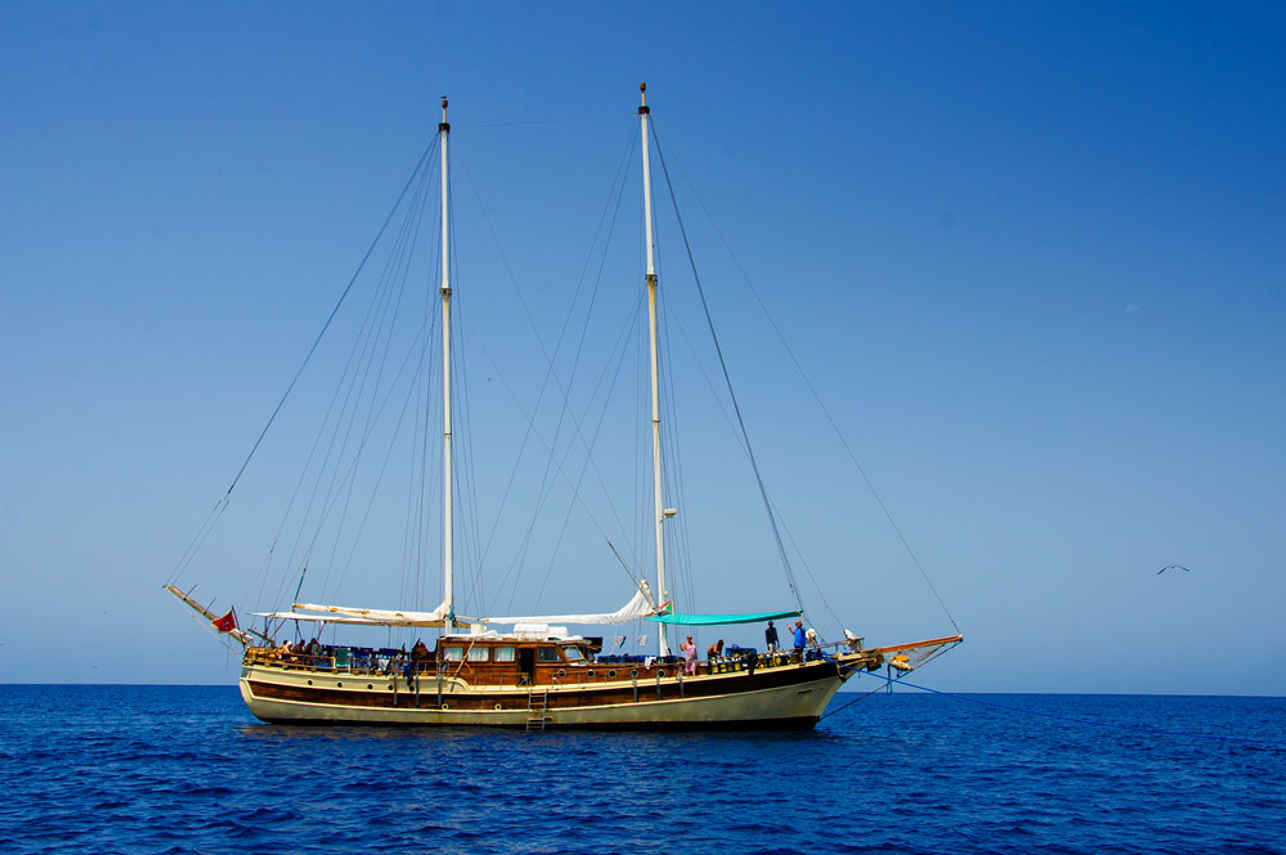
Elegante
Djibouti
14 guests25 m
$209/day
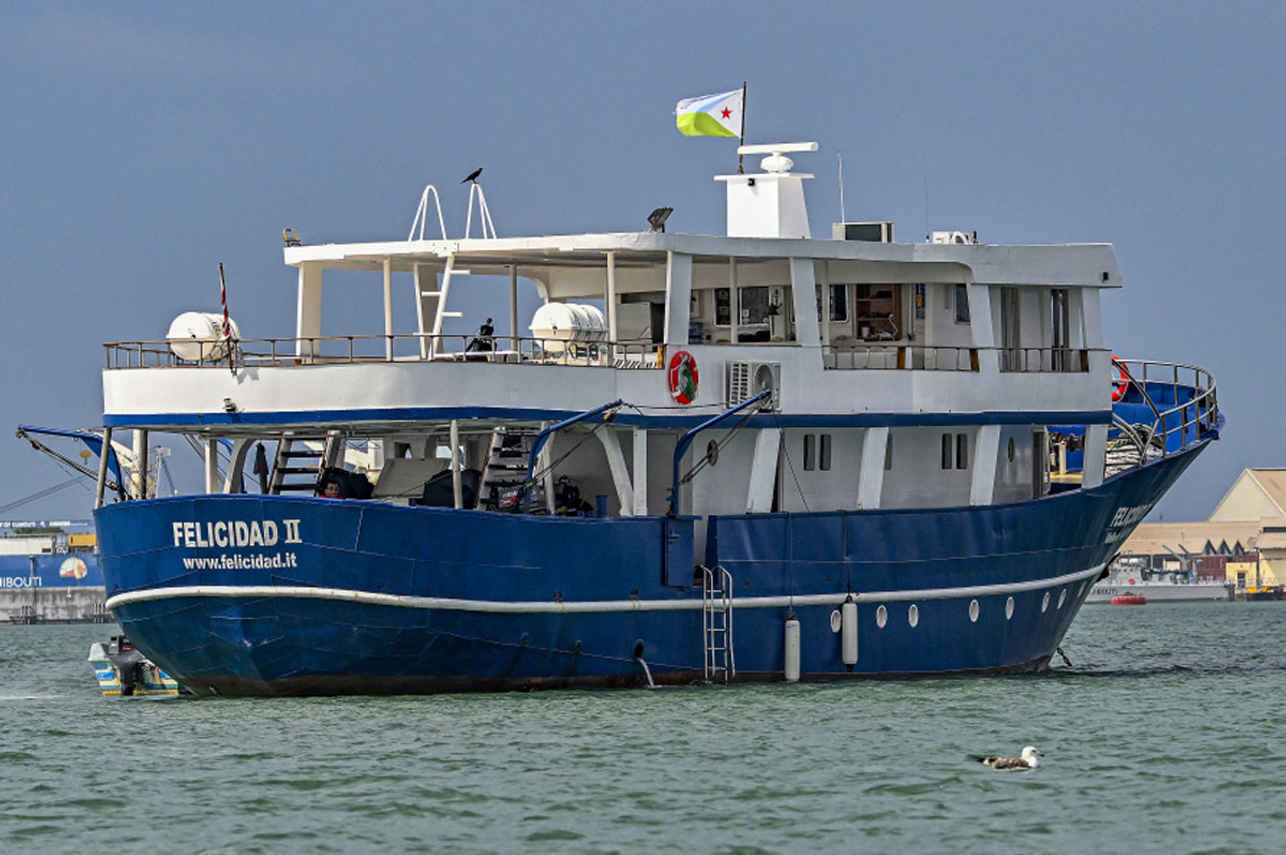
Felicidad II
Djibouti
18 guests30 m
$188/day
Dive sites similar to Sable Blanc Reef
Same character, same waters — six more sites divers love for the exact same reasons.Compare seasons, access and liveaboard routes — then pick the site that fits your trip best.
© Esri — Maxar, Earthstar, GIS
Arta Beach Reef
Djibouti
Arta Beach Reef, situated in Djibouti, presents a unique diving experience where the Red Sea meets the Indian Ocean.
- Suitable for
- Beginner
- Current
- Strong
- Access
- Liveaboard or dayboat
- Depth
- 3–15 m
- Theme
- Reef
© Esri — Maxar, Earthstar, GIS
Arta Plage Drop-off
Djibouti
Arta Plage Drop-off is a prominent dive site in Djibouti, known for its dramatic underwater wall that plunges into the depths.
- Suitable for
- Advanced
- Current
- Strong
- Access
- Liveaboard or dayboat
- Depth
- 10–40 m
- Theme
- Drift / Wall
© Esri — Maxar, Earthstar, GIS
Cape Rouge
Djibouti
Cape Rouge is a notable dive site in Djibouti, known for its pristine underwater environment where the Red Sea meets the Indian Ocean.
- Suitable for
- Advanced
- Current
- Mild
- Access
- Liveaboard or dayboat
- Depth
- 15–40 m
- Theme
- Reef
Cathedral in Djibouti is primarily recognized as a world-class shark diving destination, distinct from the Philippines' Pescador Cathedral.
- Suitable for
- Intermediate
- Current
- Strong
- Access
- Liveaboard or dayboat
- Depth
- 12–30 m
- Theme
- Cave & cavern / Reef
© Esri — Maxar, Earthstar, GIS
Connector Reef
Djibouti
Connector Reef sits within the rich waters of Djibouti, where the Red Sea converges with the Gulf of Aden, creating a dynamic environment for marine biodiversity.
- Suitable for
- Intermediate
- Current
- Strong
- Access
- Liveaboard or dayboat
- Depth
- 8–25 m
- Theme
- Drift / Reef
© Esri — Maxar, Earthstar, GIS
Djibouti Crack
Djibouti
The Djibouti Crack is a truly unique dive site found within the Ghoubbet al Kharab, often referred to as the Devil's Cauldron.
- Suitable for
- Intermediate
- Current
- Moderate
- Access
- Liveaboard only
- Depth
- 8–200 m
- Theme
- Reef