About Ras Korali
Ras Korali, situated near Arta, Djibouti, is a highly regarded dive site known for its rich marine biodiversity and striking underwater topography. This destination is celebrated for its healthy coral formations and consistently clear waters, providing an exceptional experience for intermediate divers. The site features a vibrant reef system that teems with diverse marine species, making it a preferred choice for those seeking dynamic underwater encounters. Diving at Ras Korali typically explores depths ranging from 10 to 30 meters, revealing both hard and some soft coral formations alongside abundant fish life. While sources do not detail specific topographical features like walls or pinnacles for Ras Korali itself, the general region of Djibouti is known for varied underwater landscapes including walls and lava flows. Optimal diving conditions, characterized by good visibility and calm seas, are most reliably found from October to February. This period also coincides with the broader region's whale shark season, although Ras Korali's primary allure lies in its vibrant reef ecosystem rather than large pelagic encounters. The site is accessed by boat, ensuring a guided and structured dive experience. Divers exploring Ras Korali can expect an engaging reef dive with ample opportunities for observing a wide array of reef fish. The general tranquility of Djibouti's dive sites, being less crowded than more popular Red Sea destinations, allows for a more immersive and peaceful exploration of its stunning underwater environment.
Highlights
Vibrant coral formationsRich marine biodiversityClear, calm watersAbundant reef fishIntermediate-friendly depthsBoat access convenience
Season calendar
Best months to dive here
Jan
Feb
Mar
Apr
May
Jun
Jul
Aug
Sep
Oct
Nov
Dec
Excellent
Good
Dive site facts: Ras Korali
- Depth
- 10–30 m
- Current
- Typically calm, potentially moderate
- Visibility
- 15–30 m
- Water temperature
- 27°C (81°F)
- Entry
- Boat dive
- Level
- Intermediate
- Dive type
- Reef, coral
- Region / port
- Arta, Djibouti
- Coordinates
- 11.78, 43.25
Conditions & Currents
At Ras Korali, conditions are generally calm with good visibility, making it suitable for intermediate divers. While strong currents are not typically reported for this specific site, divers in the broader Djibouti region, especially around areas like the Seven Brothers Islands, can encounter significant tidal shifts and stronger currents. Therefore, being comfortable with basic dive techniques and potentially moderate currents is advisable. Visibility at Ras Korali is often between 15-30 meters, though weather events can temporarily stir up the sea. Water temperatures are comfortably warm, averaging around 27°C (81°F). All dives are conducted via boat, necessitating careful entries and exits from the dinghy.
Marine life & sighting chances

Hard corals
Year-round · common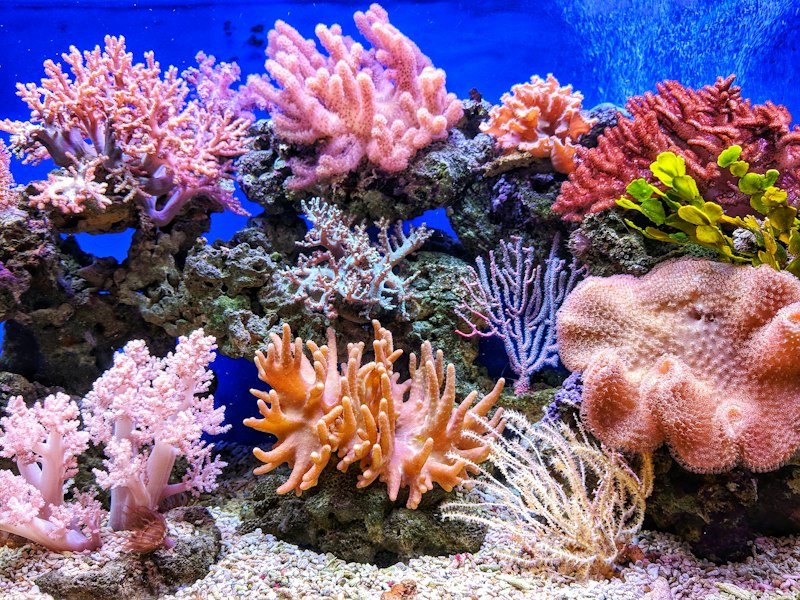
Soft corals
Year-round · occasional
Reef fish
Year-round · common
Jacks
common
Snappers
common
Barracuda
common
Grey sharks
occasional
Nurse sharks
occasional
Manta rays
occasional
Dolphins
occasionalDive profile & how the dive runs
Dives at Ras Korali typically begin with a boat entry, allowing direct access to the reef from the dinghy. Upon descent, you will generally follow the natural contours of the reef, exploring its vibrant coral gardens. Depths can range from a shallower 10 meters to a maximum of 30 meters, providing ample opportunity to observe the diverse marine life thriving on both hard and soft corals. The dive often progresses along a section of the reef, maintaining a comfortable depth that allows for extended bottom time and thorough exploration. Turnaround points are usually determined by air consumption and no-decompression limits, after which divers will slowly ascend, completing their safety stop in the shallower sections of the reef or in the blue, depending on conditions, before a boat exit.
Underwater photography
Ras Korali offers excellent opportunities for wide-angle photography, capturing the expansive, healthy coral formations and schooling reef fish. A wide-angle lens is ideal for showcasing the overall vibrancy of the reef. For capturing individual fish and smaller reef inhabitants, a macro lens can be rewarding, especially when exploring closer details of the corals. Given the excellent visibility, natural light can be sufficient in shallower areas, but strobes are highly recommended to bring out the true colors of the corals and marine life, particularly at deeper ranges. Maintaining excellent buoyancy is crucial to avoid damaging the delicate corals and to position yourself for the best shots. Always approach marine life calmly and avoid any intrusive behavior, ensuring minimal disturbance to the ecosystem.
Combine with nearby dive sites
Getting there & logistics
Djibouti can be accessed via Djibouti-Ambouli International Airport (JIB). Liveaboards are the most common way to experience diving in Djibouti, with most trips departing from Djibouti City. Typical liveaboard itineraries range from 7 to 10 days, often combining sites in the Gulf of Tadjoura, the Seven Brothers Islands, and sometimes Ghoubbet al-Kharab. While Ras Korali is situated near Arta, its inclusion in itineraries will depend on the specific liveaboard route. It's advisable to check visa requirements for Djibouti well in advance. Park fees may apply for certain marine protected areas, which are usually included in liveaboard packages. It is generally recommended to arrive a day or two before your liveaboard departure to allow for any travel delays and to settle in.
Safety & environment
Diving in Djibouti, including at sites like Ras Korali, requires adherence to standard dive safety protocols. Ensure you have comprehensive dive insurance that covers emergency medical evacuation, as the nearest recompression chamber is located in Djibouti City, and evacuation from more remote sites can be complex. Dive operators usually provide guided dives with experienced local guides who are familiar with the specific conditions of each site. Always follow your guide's instructions and maintain awareness of your dive buddy. While Ras Korali typically offers calm conditions, intermediate diving skills are recommended, as moderate currents can occasionally be encountered. Always bring reef-safe sunscreen to protect both your skin and the delicate marine ecosystem.
Who it suits — and who it doesn't
Suited for
- Intermediate divers seeking vibrant reef ecosystems
- Underwater photographers focusing on coral and reef fish
- Divers who appreciate less crowded dive sites
- Liveaboard guests exploring the Djibouti region
Less suited for
- Beginner divers without adequate experience
- Divers solely seeking large pelagic encounters
- Those expecting extensive wreck diving opportunities
- Divers unprepared for potential moderate currents
FAQ
Ras Korali FAQ
What kind of marine life can I expect to see at Ras Korali?
Ras Korali is celebrated for its abundant reef life, featuring vibrant hard and some soft coral formations. Divers frequently encounter schools of reef fish such as jacks, snappers, and barracuda. While not primarily a pelagic hotspot, occasional sightings of grey and nurse sharks, manta rays, and dolphins are possible.
What are the typical diving conditions at Ras Korali?
Conditions at Ras Korali are generally calm with excellent visibility, often ranging from 15 to 30 meters. Water temperatures hover around a comfortable 27°C (81°F). Although currents are typically mild, intermediate diving skills are recommended as moderate currents can sometimes be present, requiring divers to be comfortable with varied conditions.
What is the best time of year to dive Ras Korali?
The prime diving season for Ras Korali, and Djibouti in general, is from October to February. During these months, divers can expect the most favorable conditions, including calm waters and peak visibility, making it ideal for exploring the rich marine environment.
Is Ras Korali suitable for beginners?
Ras Korali is classified as an intermediate dive site. While its conditions are often calm, the potential for moderate currents and depths up to 30 meters means that divers should possess solid basic diving skills and be comfortable with various underwater scenarios. Advanced Open Water certification is often recommended for diving in this region.
How is Ras Korali typically accessed?
Access to Ras Korali is exclusively by boat, typically as part of a liveaboard itinerary exploring the Djibouti region. These boat dives usually involve entering the water directly from a dinghy. This method ensures divers are guided to the best spots on the reef and allows for easy exits back onto the vessel.
Why dive Ras Korali from a liveaboard?
Ras Korali is one of Djibouti's signature dive sites. A liveaboard sleeps you on the water and puts you in the water for three to four guided dives per day, including dawn and night dives that day-boat operators rarely offer. You skip the daily commute back to port and reach quieter, less-crowded sites in the same region on a single trip.
Below are the liveaboards that include Ras Korali on their Djibouti itineraries.
Liveaboards diving Ras Korali
These liveaboards may visit Ras Korali on selected itineraries — the exact dive sites depend on departure, weather and conditions.
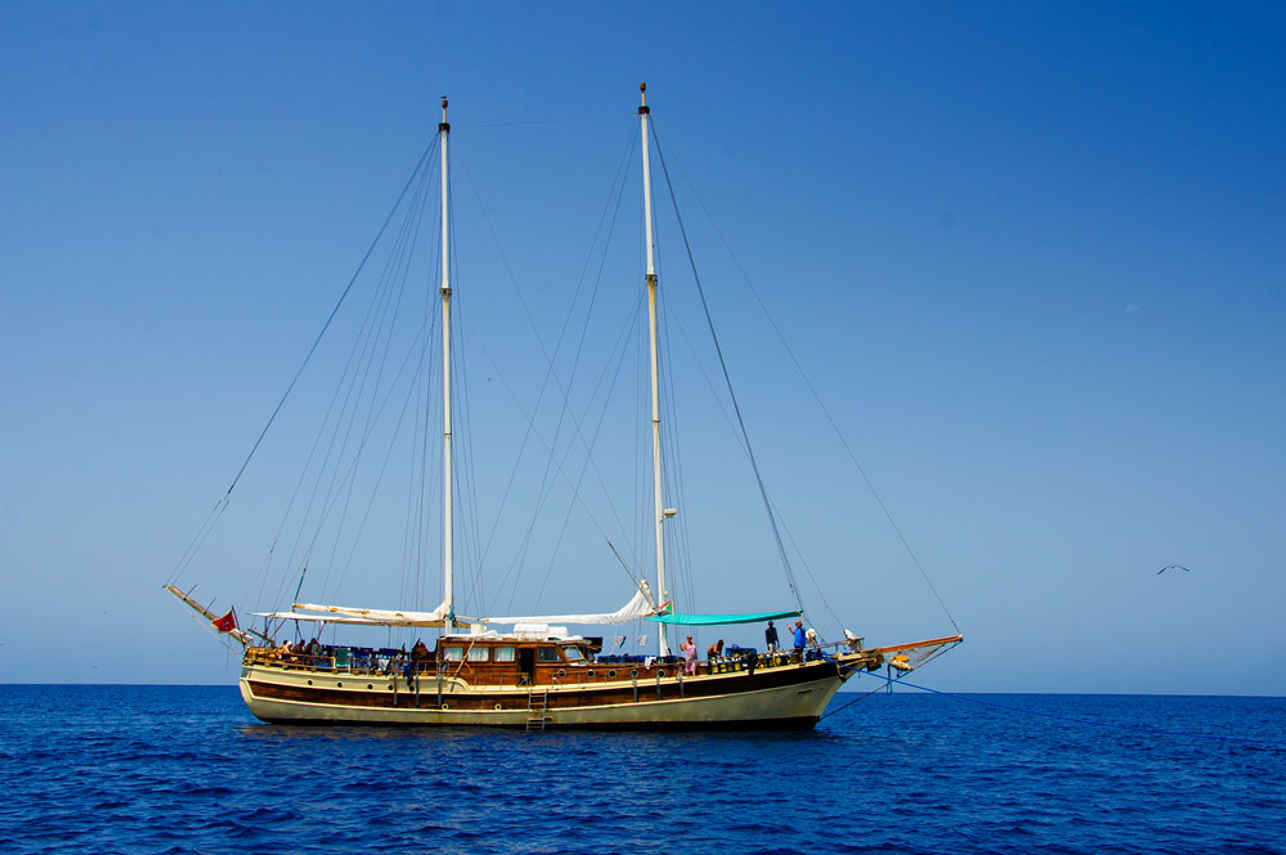
Elegante
Djibouti
14 guests25 m
$208/day
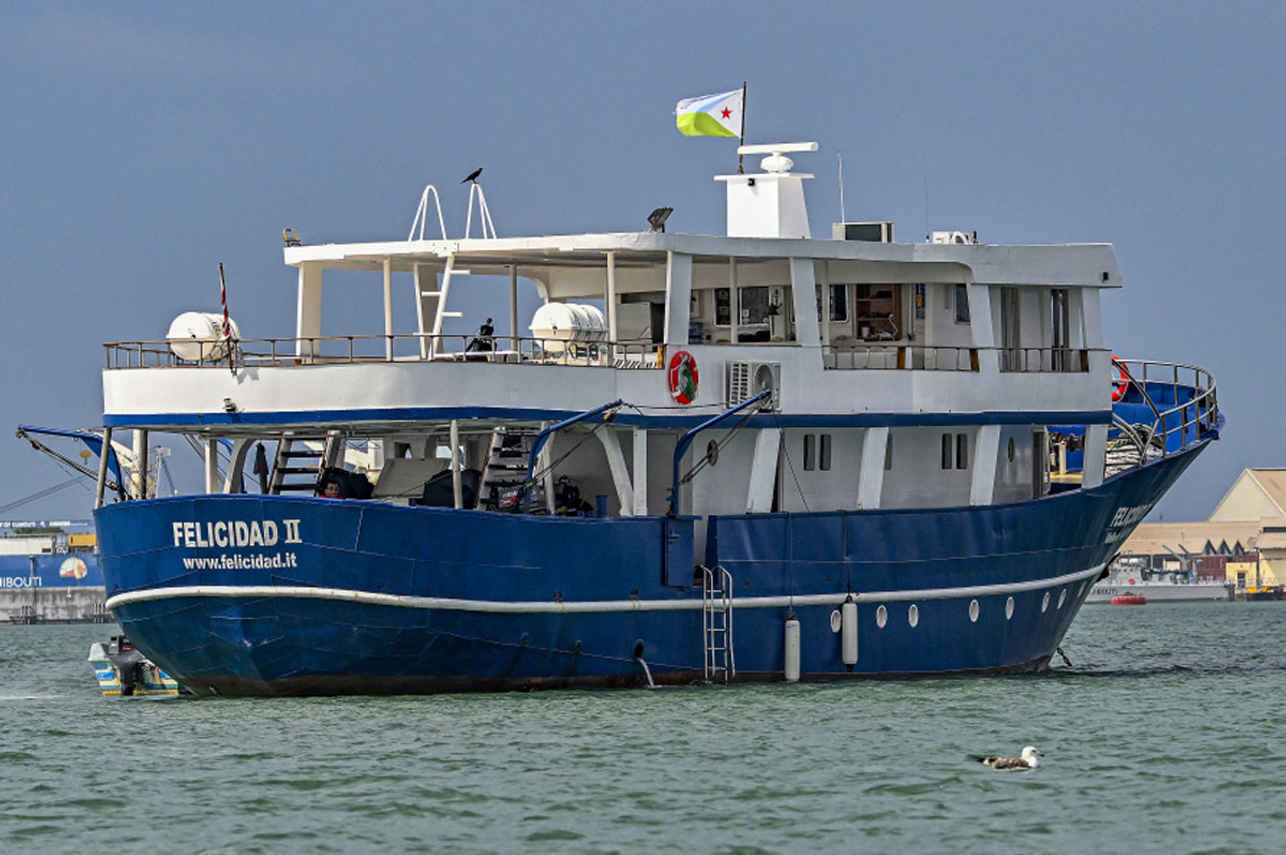
Felicidad II
Djibouti
18 guests30 m
$187/day
Dive sites similar to Ras Korali
Same character, same waters — six more sites divers love for the exact same reasons.Compare seasons, access and liveaboard routes — then pick the site that fits your trip best.
© Esri — Maxar, Earthstar, GIS
Ghoubbet al Kharab
Djibouti
Ghoubbet al Kharab, also known as the Devil’s Goblet, is a deep bay connected to the Gulf of Tadjourah and the open ocean in Djibouti.
- Suitable for
- Advanced
- Current
- Strong
- Access
- Liveaboard only
- Depth
- 5–200 m
- Theme
- Drift / Reef
© Esri — Maxar, Earthstar, GIS
Moucha wrecks
Djibouti
The Moucha wrecks, including the notable Orchard Reefer and Le Fon, offer a distinctive dive experience within Djibouti's Gulf of Tadjoura, contrasting with the region's prevalent coral reefs.
- Suitable for
- Advanced
- Current
- Moderate
- Access
- Liveaboard or dayboat
- Depth
- 5–50 m
- Theme
- Wreck / Reef
© Esri — Maxar, Earthstar, GIS
Sable Blanc Reef
Djibouti
Sable Blanc Reef is a vibrant coral ecosystem located in Djibouti, nestled where the Red Sea meets the Gulf of Aden.
- Suitable for
- Intermediate
- Current
- Strong
- Access
- Shore / dayboat
- Depth
- 5–30 m
- Theme
- Drift / Reef
© Esri — Maxar, Earthstar, GIS
Cape Rouge
Djibouti
Cape Rouge is a notable dive site in Djibouti, known for its pristine underwater environment where the Red Sea meets the Indian Ocean.
- Suitable for
- Advanced
- Current
- Mild
- Access
- Liveaboard or dayboat
- Depth
- 15–40 m
- Theme
- Reef
© Esri — Maxar, Earthstar, GIS
La Vierge Rouge
Djibouti
La Vierge Rouge is situated in Djibouti, a unique diving destination where the Red Sea converges with the Indian Ocean.
- Suitable for
- Intermediate
- Current
- Moderate
- Access
- Liveaboard only
- Depth
- 15–40 m
- Theme
- Reef
© Esri — Maxar, Earthstar, GIS
Le Sec Aux Boutres
Djibouti
Le Sec Aux Boutres is a distinguished dive site located near Arta, Djibouti, celebrated for its rich marine biodiversity and stunning underwater scenery.
- Suitable for
- Intermediate
- Current
- Mild
- Access
- Dayboat
- Depth
- 10–30 m
- Theme
- Reef