About Djibouti Crack
The Djibouti Crack is a truly unique dive site found within the Ghoubbet al Kharab, often referred to as the Devil's Cauldron. This submerged fissure represents a visible rift between the African and Arabian continental plates, offering divers the rare experience of swimming directly between two major tectonic boundaries. The surrounding area of Ghoubbet al Kharab is a deep cove, reaching depths of 200 meters, characterized by its dramatic mountainous backdrop and volcanic origins. The site's topography is defined by the fissure itself, a profound crack in the seafloor that divers can navigate. While specific depths of the accessible crack are not detailed, the general area of Ghoubbet al Kharab features deep waters, making it a site that typically appeals to more experienced divers. The volcanic activity associated with the plate junction has also created underwater volcanic islands within the cove, adding to its geological interest. Marine life in Ghoubbet al Kharab, where the crack is located, benefits from nutrient-rich waters. It is renowned as a nursery for juvenile whale sharks, which congregate here to feed on annual plankton blooms, particularly from November to January. Manta rays are also frequently observed in this bay, often feeding alongside the whale sharks. Large pelagic species and various sharks are known to frequent these deeper waters. Diving the Djibouti Crack offers an adventurous experience, combining geological exploration with potential encounters with significant pelagic marine life. Due to its location within Ghoubbet al Kharab, which can experience strong currents, divers should be prepared for dynamic conditions. Liveaboard itineraries frequently include this site, allowing divers to explore its distinctive features and the broader rich ecosystem of the Devil's Cauldron.
Highlights
Submerged tectonic fissureBetween African and Arabian platesUnique geological diveUnderwater volcanic islandsGhoubbet al Kharab locationWhale shark nursery area
Season calendar
Best months to dive here
Jan
Feb
Mar
Apr
May
Jun
Jul
Aug
Sep
Oct
Nov
Dec
Excellent
Good
Dive site facts: Djibouti Crack
- Depth
- Variable, within Ghoubbet al Kharab up to 200 m
- Current
- Strong
- Visibility
- Variable, affected by plankton blooms
- Water temperature
- 24–33°C
- Entry
- Liveaboard tender / drift entry
- Level
- Advanced upwards
- Dive type
- Tectonic fissure, geological, pelagic
- Region / port
- Djibouti / Gulf of Tadjoura
- Coordinates
- 11.5456° N, 42.6644° E
Conditions & Currents
Currents within Ghoubbet al Kharab, where the Djibouti Crack is located, can be strong, influenced by the deep waters and its connection to the Gulf of Tadjoura. Divers should expect variable conditions that necessitate good buoyancy control and experience in current diving. Entry and exit are typically managed via tender boats, with guides leading the dive to navigate the conditions effectively. While thermoclines are not generally a concern, visibility can occasionally be reduced by plankton blooms, particularly during peak whale shark season, although this does not detract from the unique geological experience. Divers must plan their gas consumption carefully, considering the potential for current-assisted dives and the depth range.
Marine life & sighting chances

Whale Shark
November to January · common
Manta Ray
November to January · common
Grey Reef Shark
occasional
Nurse Shark
occasional
Pilot Whale
occasional
Dolphin
common
Barracuda
common
Jack
common
Snapper
commonDive profile & how the dive runs
A dive at the Djibouti Crack typically involves entry from a tender boat into the Ghoubbet al Kharab, often as a negative entry due to potentially strong currents. Divers descend to explore the unique submerged fissure, which is a rare opportunity to swim between two tectonic plates. The route focuses on navigating through this geological feature, observing the rock formations and the dramatic environment created by the continental rift. Depth progression is carefully managed by the dive guide, considering the site's deep-water nature and currents. The turn point is determined by air consumption and bottom time, or by the guide's assessment of current conditions. The ascent usually involves gradually shallower sections, with a safety stop conducted in a more sheltered part of the Ghoubbet before surfacing for tender pickup.
Underwater photography
Photographing the Djibouti Crack demands a wide-angle lens to capture the impressive scale of the tectonic fissure and the dramatic underwater landscapes. Strobes are essential to illuminate the deep crevices and bring out the geological textures, as natural light diminishes quickly in the deeper sections. Due to potentially strong currents, excellent buoyancy control is crucial for stable shots and to avoid contact with the fragile environment. Patience is key when trying to frame the fissure, and divers should focus on conveying the unique geological context of the dive. For pelagic encounters with whale sharks or mantas in the Ghoubbet, be ready for dynamic wide-angle opportunities, but always maintain a respectful distance and avoid flash photography on these sensitive animals.
Combine with nearby dive sites
- Gulf of Tadjoura – Whale Shark Area
Known for seasonal whale shark encounters
- Ghoubbet al Kharab
Devil's Cauldron, whale shark nursery
- Sawabi Islands
Seven Brothers, remote volcanic chain with rich biodiversity
- Tombant Point
Spectacular coral gardens and plummeting walls
- MV Priamos
World-class wreck in the Gulf of Tadjoura
Getting there & logistics
Accessing the Djibouti Crack primarily involves liveaboard safaris departing from Djibouti Marina. Travelers typically fly into Djibouti Ambouli International Airport, which has direct connections from cities like Paris, Istanbul, and Dubai. Liveaboard itineraries usually span several days, combining the Crack with other key sites in the Gulf of Tadjoura and occasionally the Sawabi Islands. An e-Visa is required prior to arrival, with a hard copy picked up at the airport. There are no specific park fees mentioned for this site, but general permits for diving within Djibouti's waters are included in liveaboard costs. Given the remote nature and specific conditions, joining a well-organized liveaboard is the standard and most practical approach.
Safety & environment
Diving the Djibouti Crack, located in the deep waters of Ghoubbet al Kharab, requires careful safety considerations. The nearest recompression chamber is located in Djibouti City, approximately a two-hour drive from the Ghoubbet area, highlighting the importance of conservative dive planning and emergency preparedness. Evacuation for serious incidents would likely involve transport by boat and then land, which can be time-consuming. Dive insurance, covering emergency medical and evacuation costs, is therefore essential. Site-specific hazards include potentially strong currents within the Ghoubbet and the depths associated with its tectonic setting. Divers should possess advanced certification and current experience. Always follow your dive guide's instructions, maintain close proximity to the group, and conduct thorough buddy checks to mitigate risks in this challenging but rewarding environment.
Who it suits — and who it doesn't
Suited for
- Experienced divers comfortable with strong currents
- Divers seeking unique geological dive sites
- Adventure seekers interested in tectonic plate diving
- Underwater photographers with wide-angle focus
- Divers interested in pelagic encounters during whale shark season
Less suited for
- Beginner or Open Water divers
- Divers uncomfortable with deep or current-prone environments
- Those prone to seasickness on liveaboards
- Divers who prefer shallow, calm reef dives
- Individuals without comprehensive dive insurance
FAQ
Djibouti Crack FAQ
What is the Djibouti Crack?
The Djibouti Crack is a unique submerged tectonic fissure located within the Ghoubbet al Kharab bay. It represents a rare opportunity for divers to swim between the actively separating African and Arabian continental plates, offering a direct experience of Earth's geological processes. This site is renowned for its dramatic rock formations and the unique feeling of being at a continental divide.
Where is the Djibouti Crack located?
The Djibouti Crack is found in Ghoubbet al Kharab, also known as the Devil's Cauldron, a deep cove that connects to the Gulf of Tadjoura. This bay is surrounded by high mountains and cliffs, providing a stunning natural backdrop for this extraordinary dive site. It is a prominent feature on most Djibouti liveaboard itineraries.
What marine life can be seen around the Djibouti Crack?
While the primary attraction of the Djibouti Crack is its geological significance, the surrounding Ghoubbet al Kharab is a known nursery for juvenile whale sharks. These gentle giants, along with manta rays, frequently visit the bay to feed on plankton, especially between November and January. Divers might also encounter various pelagic species and schooling fish in the deeper waters.
What level of diving experience is required for the Djibouti Crack?
Diving the Djibouti Crack is generally recommended for experienced divers with advanced certifications. The site's location within the deep Ghoubbet al Kharab, coupled with the potential for strong currents, requires divers to have good buoyancy control and comfort in challenging conditions. Conservative dive planning and adherence to guide instructions are crucial for a safe experience.
When is the best time to dive the Djibouti Crack?
The optimal time to dive the Djibouti Crack is from November to January. During these months, the Ghoubbet al Kharab experiences significant plankton blooms, attracting a large number of juvenile whale sharks and manta rays. This period offers the best chance to combine the unique geological dive with incredible pelagic encounters.
Why dive Djibouti Crack from a liveaboard?
Djibouti Crack is one of Djibouti's signature dive sites. A liveaboard sleeps you on the water and puts you in the water for three to four guided dives per day, including dawn and night dives that day-boat operators rarely offer. You skip the daily commute back to port and reach quieter, less-crowded sites in the same region on a single trip.
Below are the liveaboards that include Djibouti Crack on their Djibouti itineraries.
Liveaboards diving Djibouti Crack
These liveaboards may visit Djibouti Crack on selected itineraries — the exact dive sites depend on departure, weather and conditions.
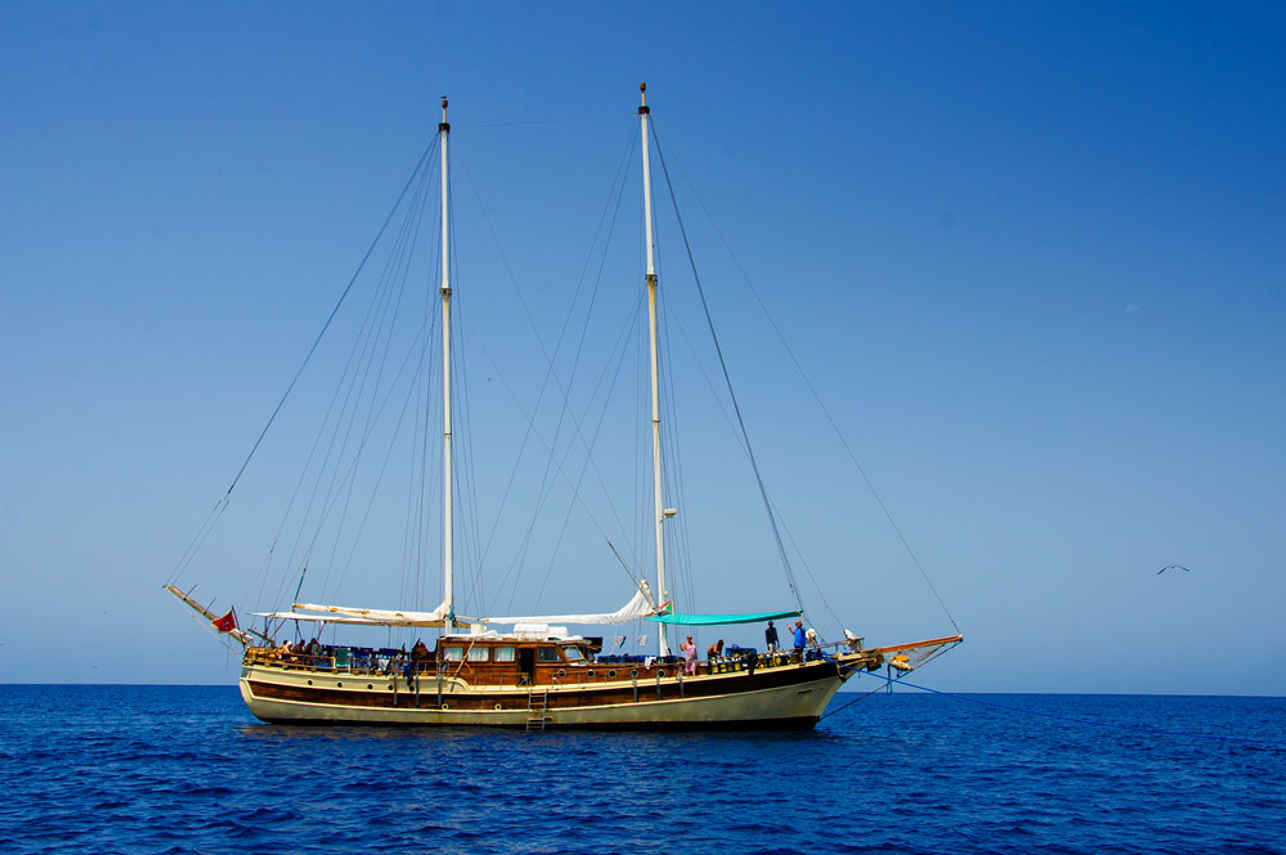
Elegante
Djibouti
14 guests25 m
$208/day
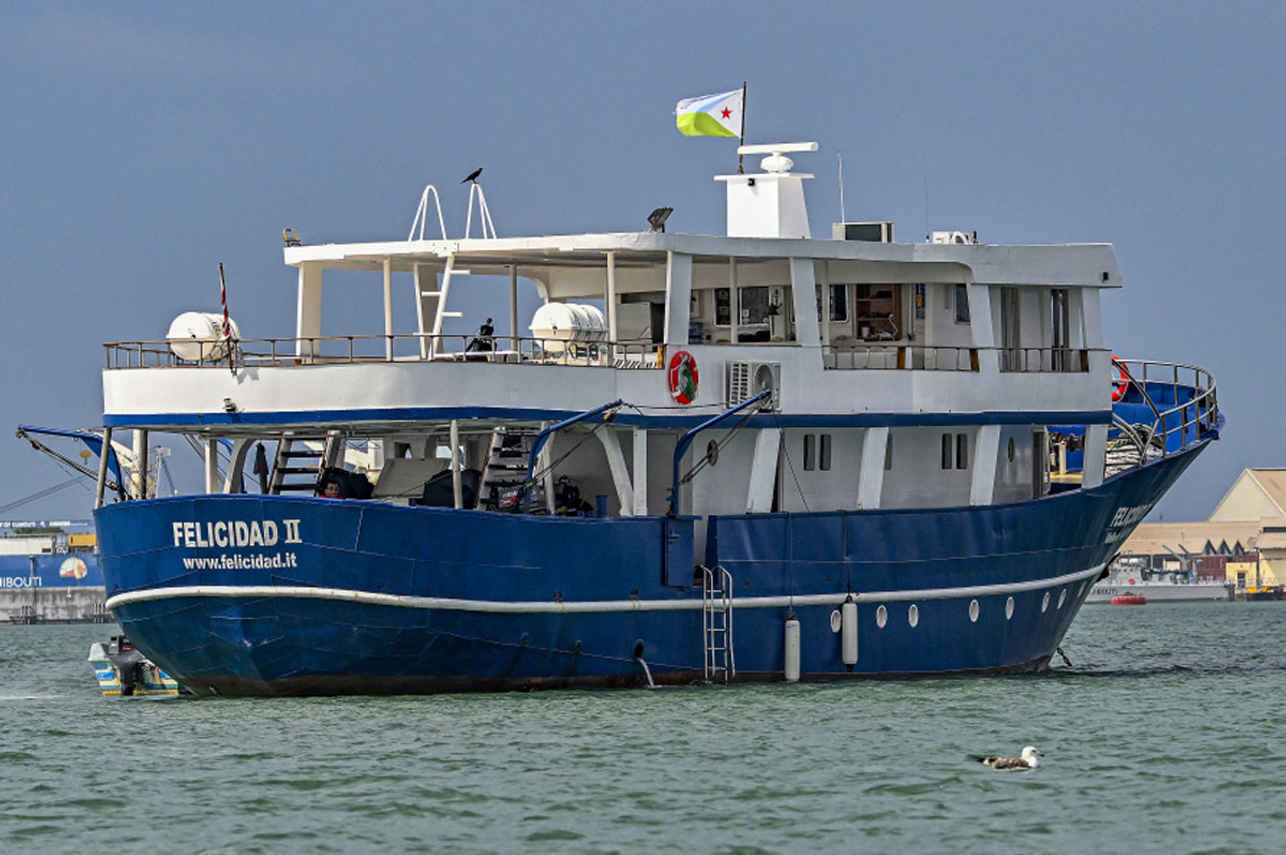
Felicidad II
Djibouti
18 guests30 m
$187/day
Dive sites similar to Djibouti Crack
Same character, same waters — six more sites divers love for the exact same reasons.Compare seasons, access and liveaboard routes — then pick the site that fits your trip best.
© Esri — Maxar, Earthstar, GIS
Cape Rouge
Djibouti
Cape Rouge is a notable dive site in Djibouti, known for its pristine underwater environment where the Red Sea meets the Indian Ocean.
- Suitable for
- Advanced
- Current
- Mild
- Access
- Liveaboard or dayboat
- Depth
- 15–40 m
- Theme
- Reef
© Esri — Maxar, Earthstar, GIS
Sawabi Islands
Djibouti
The Sawabi Islands, also known as the Seven Brothers, form a remote volcanic archipelago situated in the Bab El Mandeb strait, a narrow passage connecting the Red Sea to the Gulf of Aden.
- Suitable for
- Advanced
- Current
- Strong
- Access
- Liveaboard only
- Depth
- 5–40 m
- Theme
- Reef
© Esri — Maxar, Earthstar, GIS
Sable Blanc Reef
Djibouti
Sable Blanc Reef is a vibrant coral ecosystem located in Djibouti, nestled where the Red Sea meets the Gulf of Aden.
- Suitable for
- Intermediate
- Current
- Strong
- Access
- Shore / dayboat
- Depth
- 5–30 m
- Theme
- Drift / Reef
© Esri — Maxar, Earthstar, GIS
Ghoubbet al Kharab
Djibouti
Ghoubbet al Kharab, also known as the Devil’s Goblet, is a deep bay connected to the Gulf of Tadjourah and the open ocean in Djibouti.
- Suitable for
- Advanced
- Current
- Strong
- Access
- Liveaboard only
- Depth
- 5–200 m
- Theme
- Drift / Reef
© Esri — Maxar, Earthstar, GIS
Le Sec Aux Boutres
Djibouti
Le Sec Aux Boutres is a distinguished dive site located near Arta, Djibouti, celebrated for its rich marine biodiversity and stunning underwater scenery.
- Suitable for
- Intermediate
- Current
- Mild
- Access
- Dayboat
- Depth
- 10–30 m
- Theme
- Reef
© Esri — Maxar, Earthstar, GIS
Moucha wrecks
Djibouti
The Moucha wrecks, including the notable Orchard Reefer and Le Fon, offer a distinctive dive experience within Djibouti's Gulf of Tadjoura, contrasting with the region's prevalent coral reefs.
- Suitable for
- Advanced
- Current
- Moderate
- Access
- Liveaboard or dayboat
- Depth
- 5–50 m
- Theme
- Wreck / Reef