About Salem Wreck
The Salem Wreck is one of several significant shipwreck dive sites found in Djibouti, a region where the Red Sea converges with the Indian Ocean. Djibouti's strategic location ensures a rich marine ecosystem, supporting vibrant coral reefs and diverse aquatic species. Wrecks like the Salem provide both historical intrigue and serve as artificial reefs, attracting a concentrated array of marine life. Diving in Djibouti is characterized by dramatic underwater topography, including volcanic formations, deep walls, and extensive coral gardens. The region is renowned for its excellent visibility, often ranging from 10 to 40 meters, with water temperatures consistently warm, typically between 27-29°C. These conditions make it an appealing destination for exploring wrecks and experiencing diverse marine encounters. While specific details on the Salem Wreck's depth or exact layout are not provided, Djibouti's dive sites generally cater to intermediate to advanced divers due to potential strong currents and deeper profiles. However, the presence of multiple wrecks, including the Salem, contributes to the country's reputation for exceptional wreck diving, comparable to more famous Red Sea destinations. The dive experience at sites like the Salem Wreck often involves navigating through interesting structures that have become homes for various fish and coral species. Divers can expect a blend of historical exploration and dynamic marine life observation, often in uncrowded conditions, making for a unique adventure.
Highlights
Historic shipwreckRich marine biodiversityExcellent visibilityWarm water divingUncrowded dive siteArtificial reef ecosystem
Season calendar
Best months to dive here
Jan
Feb
Mar
Apr
May
Jun
Jul
Aug
Sep
Oct
Nov
Dec
Excellent
Good
Off-Season
Oct – Mar (Peak)
Whale shark season in the Gulf of Tadjoura, best visibility up to 25m, comfortable air temperatures, calm seas.
Apr & Sep (Shoulder)
Rising temperatures, fewer whale sharks but good reef diving. Manta rays and dolphins common.
May – Aug (Hot Season)
Extreme heat above 40°C, reduced visibility, strong currents. Most dive operations scale back.
Dive site facts: Salem Wreck
- Current
- Variable, potentially strong
- Visibility
- 10–40 m
- Water temperature
- 24–29°C
- Entry
- Tender / Live boat
- Level
- Intermediate to Advanced
- Dive type
- Wreck, reef
- Region / port
- Djibouti
- Coordinates
- 11.5992° N, 43.1903° E
Conditions & Currents
Currents in Djibouti can vary significantly, with exposed dive sites, particularly around areas like the Seven Brothers Islands, known for strong flows. While specific current information for the Salem Wreck is not detailed, divers should generally be prepared for potential currents, especially given the region's dynamic tidal shifts between the Red Sea and Gulf of Aden. Visibility is typically excellent, ranging from 10 to 40 meters, but could be impacted by plankton blooms during peak whale shark season or strong currents. Entry methods often involve live boating, where divers enter from an unanchored vessel, and efficient entry and exit are important. Dive planning should account for variable currents, requiring good buoyancy control and potentially drift diving techniques, making the site suitable for intermediate to advanced divers.
Marine life & sighting chances

Whale sharks
October to February · occasional
Manta rays
October to February · occasional
Reef sharks
common
Nurse sharks
commonGrey reef sharks
common
Tiger sharks
rare

Marine turtles
Year round · common
Dolphins
occasional
Pilot whales
occasional
Schooling reef fish
October to February · common
Hard corals
common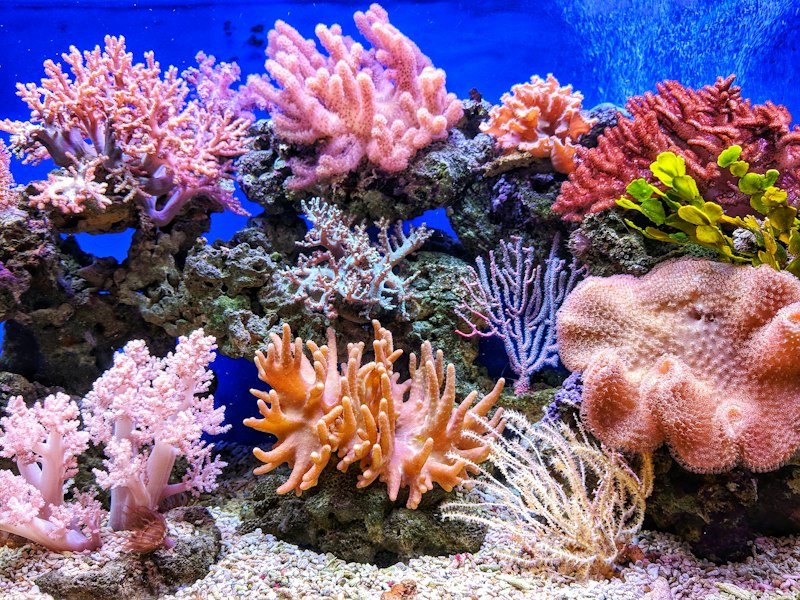
Soft corals
October to February · common
Pelagics
commonDive profile & how the dive runs
A typical dive on the Salem Wreck will begin with a boat entry, likely a giant stride or backroll from a tender, as the vessel remains unanchored to follow the divers. Due to the potential for currents in Djibouti, the dive may often be a drift dive, with the boat monitoring bubbles or a surface marker buoy. Divers will descend directly to the wreck, exploring its structures that have become encrusted with corals and provide shelter for marine life. The route involves navigating around the wreck, observing the diverse ecosystem it supports. Depth progression will depend on the wreck's orientation and structural integrity, allowing for both deeper exploration and shallower sections. The turn point is determined by air consumption and bottom time, with an ascent usually initiated while drifting. The safety stop is typically performed in the blue, potentially while drifting, with the boat positioned to pick up divers upon surfacing. Effective communication with the dive guide and careful buoyancy control are essential throughout the dive.
Underwater photography
The Salem Wreck offers compelling opportunities for both wide-angle and macro photography, depending on the specific features and resident marine life encountered. For wide-angle shots, a fisheye or wide-angle rectilinear lens is ideal to capture the scale of the wreck, especially if visibility is excellent, showcasing its silhouette and surrounding reef growth. Strobes are highly recommended to bring out the vibrant colors of corals and fish, compensating for color loss at depth. For macro subjects, such as nudibranchs or small reef fish inhabiting the wreck, a macro lens will be essential. Maintain excellent buoyancy to avoid stirring up silt and to safely navigate the wreck without causing damage. When photographing marine life, approach slowly and respectfully, avoiding intrusive actions like flash photography on sensitive animals or disturbing their habitat.
Combine with nearby dive sites
- MV Priamos
A world-class wreck in the Gulf of Tadjoura, also known as 'le Faon'.
- Musha wrecks
Other historical wrecks located in the Djibouti region.
- Le Boutre
Another known wreck dive site in Djibouti.
- Seven Brothers Islands
A volcanic chain in the Bab El-Mandab Strait, known for pristine corals and pelagics.
- La Dame Blanche
A well-preserved shipwreck located near the Seven Brothers Islands.
- Djibouti Crack
A submerged fissure between tectonic plates in Ghoubbet al-Kharab.
Getting there & logistics
Diving in Djibouti typically involves liveaboard trips that depart from Djibouti City. Travelers generally fly into Ambouli International Airport (JIB), which serves as the primary gateway to the country. Liveaboard itineraries often last a week or more, combining various dive sites across the Gulf of Tadjoura, Ghoubbet al-Kharab, and the Seven Brothers Islands. A valid e-Visa is required for most nationalities and should be applied for in advance, with the hard copy collected upon arrival at the airport. Permits and marine park fees are usually included in liveaboard packages. Itineraries are often designed to maximize whale shark encounters during their season, in addition to exploring wrecks and reefs. Trips to the Seven Brothers Islands generally run from January to May, while whale shark encounters are most common from October to January in the Gulf of Tadjoura.
Safety & environment
For diving in Djibouti, comprehensive travel and dive insurance, including coverage for medical emergencies and evacuation, is highly recommended due to the remote nature of many dive sites. While specific details on the nearest recompression chamber are not readily available in the provided sources, emergency evacuations would typically involve transport to Djibouti City, and then potentially to larger medical facilities abroad depending on the severity of the incident. Divers should always choose certified operators and ensure their certification matches the dive requirements, especially given that many sites are suited for intermediate to advanced divers due to strong currents and deeper profiles. Adhering to the PADI Standard Safe Diving Practices, maintaining excellent buoyancy control, and following dive guide instructions are crucial, particularly during drift dives or when exploring wrecks.
Who it suits, and who it doesn't
Suited for
- Experienced divers comfortable with currents
- Wreck diving enthusiasts
- Divers seeking unique marine encounters
- Underwater photographers
- Liveaboard adventurers
Less suited for
- Novice or inexperienced divers
- Divers uncomfortable with drift diving
- Those prone to seasickness on liveaboards
- Divers requiring very shallow or current-free sites
- Travelers with limited time for multi-day trips
FAQ
Salem Wreck FAQ
What kind of marine life can I expect at the Salem Wreck?
The Salem Wreck, like other dive sites in Djibouti, supports a rich diversity of marine life due to its location where the Red Sea meets the Indian Ocean. Divers can frequently encounter various reef sharks, nurse sharks, and schooling reef fish. During the season from October to February, there is also a chance to spot whale sharks and manta rays in the wider region.
What is the visibility and water temperature like at the Salem Wreck?
Visibility in Djibouti is generally excellent, often ranging between 10 to 40 meters, providing clear views of the wreck and its inhabitants. Water temperatures are consistently warm, typically between 27-29°C, although they can dip slightly to 24°C during the cooler months, making for comfortable diving year-round.
Is the Salem Wreck suitable for beginner divers?
The Salem Wreck, and many other dive sites in Djibouti, are generally recommended for intermediate to advanced divers. This is primarily due to the potential for strong currents and deeper dive profiles that may be encountered in the region. Divers should possess good buoyancy control and be comfortable with various diving conditions, including drift diving.
How do I access the Salem Wreck?
Access to the Salem Wreck and other remote dive sites in Djibouti is primarily through liveaboard operations. These multi-day trips depart from Djibouti City and explore various locations, including the Gulf of Tadjoura where wrecks are found. Divers typically enter the water from tenders or directly from the liveaboard, often using drift diving techniques.
When is the best time of year to dive the Salem Wreck and Djibouti in general?
The best time to dive the Salem Wreck and other sites in Djibouti is from October to February. This period offers optimal water temperatures ranging from 24–28°C and the clearest visibility. It also coincides with the peak season for whale shark sightings, adding an extra dimension to the diving experience.
Why dive Salem Wreck from a liveaboard?
Salem Wreck is one of Djibouti's signature dive sites. A liveaboard sleeps you on the water and puts you in the water for three to four guided dives per day, including dawn and night dives that day-boat operators rarely offer. You skip the daily commute back to port and reach quieter, less-crowded sites in the same region on a single trip.
Below are the liveaboards that include Salem Wreck on their Djibouti itineraries.
Liveaboards diving Salem Wreck
These liveaboards may visit Salem Wreck on selected itineraries, the exact dive sites depend on departure, weather and conditions.

Elegante
Djibouti
14 guests25 m

Felicidad II
Djibouti
18 guests30 m
Dive sites similar to Salem Wreck
Same character, same waters, six more sites divers love for the exact same reasons.Compare seasons, access and liveaboard routes, then pick the site that fits your trip best.
© EsriMaxar, Earthstar, GIS
Abu Dabbab
Egypt
Abu Dabbab stands out as one of the Red Sea's most celebrated dive destinations, particularly notable for being a rare location where divers can encounter the endangered dugong.
- Suitable for
- Beginner
- Current
- Strong
- Access
- Shore / dayboat
- Depth
- 3–20 m
- Theme
- Reef
© EsriMaxar, Earthstar, GIS
Abu Galawa
Saudi Arabia
Abu Galawa is a prominent dive site within Saudi Arabia's Red Sea, specifically located among the Seven Sisters reefs near Yanbu.
- Suitable for
- Intermediate
- Current
- Strong
- Access
- Liveaboard or dayboat
- Depth
- 5–40 m
- Theme
- Reef / Wall
© EsriMaxar, Earthstar, GIS
Abu Galawa Kebir
Egypt
Abu Galawa Kebir is a premier dive site located in the southern Red Sea, situated on the northwestern edge of the extensive Fury Shoal reef system.
- Suitable for
- Beginner
- Current
- Strong
- Access
- Liveaboard or dayboat
- Depth
- 3–18 m
- Theme
- Wreck
Abu Nuhas, often called the "ship's graveyard" of the Red Sea, is a triangular coral reef situated at the northern edge of the Strait of Gubal.
- Suitable for
- Beginner
- Current
- Strong
- Access
- Liveaboard or dayboat
- Depth
- 4–24 m
- Theme
- Wreck
The Aida is a prominent wreck dive site located in the Egyptian Red Sea, frequently visited on liveaboard itineraries that traverse the central region between the northern and southern dive sites.
- Suitable for
- Advanced
- Current
- Strong
- Access
- Liveaboard only
- Depth
- 25–65 m
- Theme
- Wreck / Drift
© EsriMaxar, Earthstar, GIS
Al Lith Mangrove Reef
Saudi Arabia
Al Lith Mangrove Reef, located approximately 210 km south of Jeddah, serves as the primary launch point for exploring the renowned Farasan Banks.
- Suitable for
- Beginner
- Current
- Strong
- Access
- Shore / dayboat
- Depth
- 3–15 m
- Theme
- Reef / Wall