About Le Boutre
Le Boutre is a notable shipwreck dive in Djibouti, lying within waters where the Red Sea meets the Indian Ocean, creating a unique and vibrant marine ecosystem. While the exact location details are not widely published, it is recognized as one of the significant wreck diving opportunities in the region, alongside other historical wrecks like the Musha wrecks and the Salem Wreck. The site contributes to Djibouti's reputation for diverse diving experiences, which range from vibrant coral gardens to dramatic drop-offs and walls. Diving around Le Boutre offers an encounter with the artificial reef it has created, attracting a variety of Red Sea and Indian Ocean species. The Djibouti waters are known for their crystal-clear visibility, often exceeding 20 meters, and warm temperatures, making for comfortable and immersive exploration of the wreck's structure and its inhabitants. The site is part of a broader diving landscape that also includes volcanic islands, deep basins like the Gulf of Tadjoura, and specific areas famous for pelagic encounters. Accessibility to Le Boutre and other Djibouti dive sites is typically via liveaboard, which are big fish safaris designed to explore the country's extensive marine offerings. These trips often combine wreck diving with opportunities to observe large pelagics. Given the potential for currents in some exposed areas of Djibouti, and the nature of wreck diving, an intermediate to advanced skill level is generally recommended for divers visiting the region.
Highlights
Historic shipwreckRich marine ecosystemCrystal-clear watersPelagic encountersRed Sea and Indian Ocean speciesUnique dive experience
Season calendar
Best months to dive here
Jan
Feb
Mar
Apr
May
Jun
Jul
Aug
Sep
Oct
Nov
Dec
Excellent
Good
Dive site facts: Le Boutre
- Depth
- 15-40m+
- Current
- Variable, can be strong
- Visibility
- 10-40m
- Water temperature
- 27-29°C
- Entry
- Liveaboard tender
- Level
- Intermediate to Advanced
- Dive type
- Wreck, reef, drift
- Region / port
- Djibouti
- Coordinates
- 11.6700° N, 43.1020° E
Conditions & Currents
Djibouti's dive sites can experience varying current strengths; exposed areas, especially around the Seven Brothers Islands, are known for strong currents and are not advised for novice divers. However, other sites, particularly sheltered reefs, offer calmer conditions. For wreck dives like Le Boutre, currents can be a factor, requiring divers to be proficient in managing their buoyancy and potentially performing drift-style descents or ascents. Visibility is generally excellent, ranging from 10 to 40 meters, though strong currents can sometimes affect it. Water temperatures remain warm throughout the year, between 27-29°C, eliminating concerns about thermoclines. Divers should be prepared for boat entries and exits, often utilizing tender boats for site access.
Marine life & sighting chances
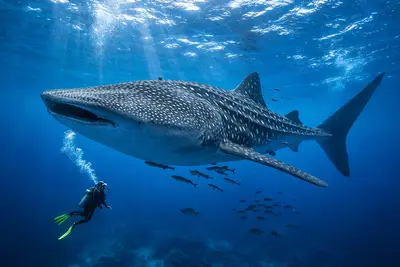
Whale sharks
October to January · occasional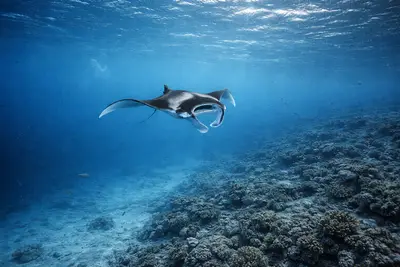
Manta rays
October to February · occasional
Grey reef sharks
common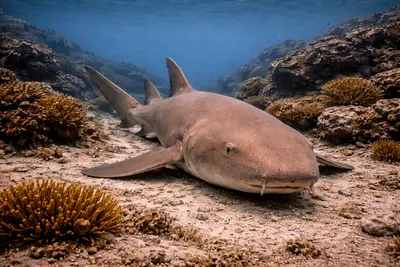
Nurse sharks
common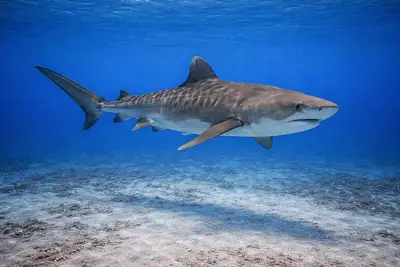
Tiger sharks
occasional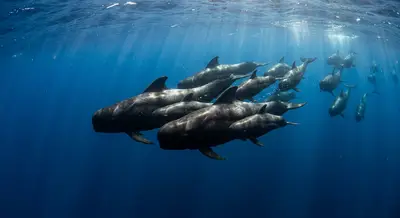
Pilot whales
occasional
Dolphins
common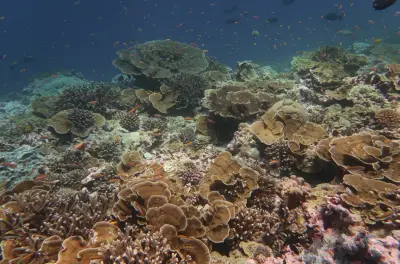
Reef fish
common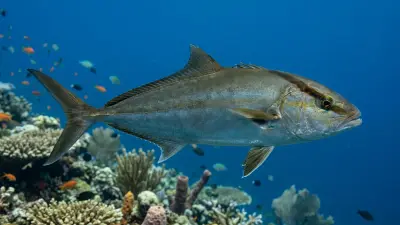
Schools of Jacks
common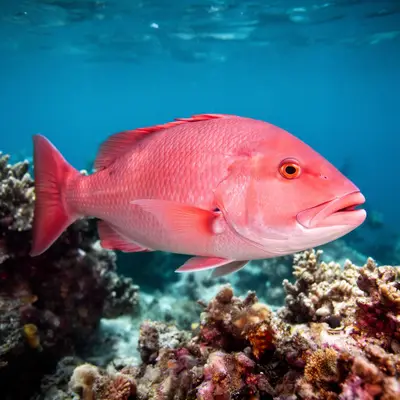
Snappers
common
Barracuda
common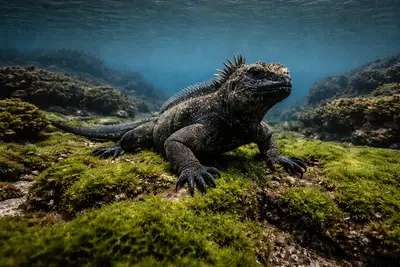
Marine turtles
Year round · commonDive profile & how the dive runs
Dives at Le Boutre typically involve a descent onto the wreck structure, often starting from a tender boat. Depending on current conditions, a negative entry may be advised to quickly reach the desired depth without drifting. Divers will navigate around the remains of the vessel, exploring its features which have become an artificial reef. The dive typically progresses to shallower parts of the wreck or nearby reef, allowing for gradual ascent. The specific route will vary based on the wreck's integrity and marine life concentrations on any given day. Safety stops are conducted in the blue or near any shallower parts of the wreck or adjacent reef structure, with surface support provided by the liveaboard tender.
Underwater photography
For capturing the Le Boutre wreck, a wide-angle lens is ideal for showcasing the overall structure and its integration into the marine landscape, especially given the typically excellent visibility in Djibouti. Macro lenses can be very rewarding for close-ups of the diverse reef fish, nudibranchs, and other small creatures that inhabit the wreck. When pelagics like manta rays or reef sharks are sighted near the wreck, a wide-angle setup is essential. Strobes are recommended to bring out the vibrant colors of corals and fish, especially inside any darker sections of the wreck. Careful buoyancy control is paramount to avoid disturbing delicate growth and stirring up sediment around the historical site.
Combine with nearby dive sites
- Musha wrecks
The Musha wrecks, prominently featuring the **Orchard Reefer**, offer a significant dive experience in Djibouti’s Gulf of Tadjoura.
- Salem Wreck
The Salem Wreck is one of several significant shipwreck dive sites found in Djibouti, a region where the Red Sea converges with the Indian…
- Sawabi Islands
Also known as the Seven Brothers Islands
- Gulf of Tadjoura – Whale Shark Area
The Gulf of Tadjoura, specifically its designated Whale Shark Area, stands as a prime destination for encounters with juvenile whale sharks…
- Le Goubet (Ghoubbet al-Kharab)
Le Goubet, known as Ghoubbet al-Kharab or the "Devil's Goblet," marks a dramatic geological junction where the African and Arabian…
- MV Priamos
Known locally as “le Faon”
Getting there & logistics
Diving Le Boutre and other sites in Djibouti is primarily done via liveaboard excursions, departing from Djibouti City. Travelers typically fly into Djibouti-Ambouli International Airport (JIB). Trips generally range from 7 to 10 nights, often combining wreck dives with visits to the Seven Brothers Islands, the Gulf of Tadjoura, and the whale shark aggregation areas. An e-Visa is required for most nationalities and should be applied for prior to arrival, with the hard copy picked up at the airport. National park fees may apply depending on the itinerary, which are usually included in the liveaboard package. These liveaboard itineraries offer comprehensive exploration of Djibouti's diverse underwater environment, including opportunities for both reef and wreck diving.
Safety & environment
While diving in Djibouti offers incredible experiences, safety is paramount. The nearest recompression chamber is located in Djibouti City, emphasizing the need for robust dive planning and conservative profiles. Evacuation in remote areas, particularly around the Seven Brothers Islands, can be complex and time-consuming, necessitating comprehensive dive insurance that covers emergency medical treatment and evacuation. Site-specific hazards at Le Boutre may include entanglement risks associated with wreck penetration (which should only be attempted by appropriately trained and equipped divers) and potential for strong currents, requiring good buoyancy control and buddy team communication. Always follow dive guide instructions, maintain safe ascent rates, and conduct thorough buddy checks to ensure a safe diving experience.
Who it suits — and who it doesn't
Suited for
- Experienced wreck divers
- Divers seeking large pelagic encounters
- Underwater photographers
- Liveaboard enthusiasts
- Intermediate to advanced divers comfortable with currents
Less suited for
- Novice divers without current experience
- Divers uncomfortable with potential wreck penetration
- Those prone to seasickness on liveaboards
- Divers seeking only shallow, calm reef dives
FAQ
Le Boutre FAQ
What kind of wreck is Le Boutre?
Le Boutre is a historic shipwreck in Djibouti's waters, though specific details about its origin or type are not widely published. It forms an artificial reef, attracting a variety of marine life and offering a unique structure for divers to explore. The wreck contributes to Djibouti's reputation as a destination for diverse diving, including both natural reefs and historical sites.
What marine life can I expect to see around Le Boutre?
The waters around Le Boutre are home to a rich mix of Red Sea and Indian Ocean species. Divers commonly encounter abundant reef fish, schooling jacks, snappers, and barracuda. Occasionally, larger pelagics such as grey reef sharks, nurse sharks, manta rays, and even whale sharks during their season (October to January) might pass by the wreck site, making every dive a potential adventure.
Are there strong currents at Le Boutre?
Currents in Djibouti can be variable, ranging from mild to strong, particularly in exposed areas like the Seven Brothers Islands. While specific current information for Le Boutre is not detailed, divers should be prepared for potential currents, especially given its open water location. Good buoyancy control and experience with drift diving techniques are beneficial for diving in Djibouti.
What is the typical depth for diving Le Boutre?
Dives at Le Boutre typically range in depth from 15 to over 40 meters, allowing for exploration of different parts of the wreck and its surrounding environment. The specific depth will depend on the wreck's structure and the planned dive profile. Divers should be certified for appropriate depths and possess an intermediate to advanced skill level due to the depth and potential for currents.
How do I access Le Boutre for diving?
Le Boutre, like most of Djibouti's premier dive sites, is primarily accessed via liveaboard diving trips. These multi-day excursions depart from Djibouti City and provide comfortable accommodation and transportation to various dive locations. Divers usually transfer from the main liveaboard vessel to smaller tender boats to reach the exact dive entry point at the wreck.
Why dive Le Boutre from a liveaboard?
Le Boutre is one of Djibouti's signature dive sites. A liveaboard sleeps you on the water and puts you in the water for three to four guided dives per day, including dawn and night dives that day-boat operators rarely offer. You skip the daily commute back to port and reach quieter, less-crowded sites in the same region on a single trip.
Below are the liveaboards that include Le Boutre on their Djibouti itineraries.
Liveaboards diving Le Boutre
These liveaboards may visit Le Boutre on selected itineraries — the exact dive sites depend on departure, weather and conditions.
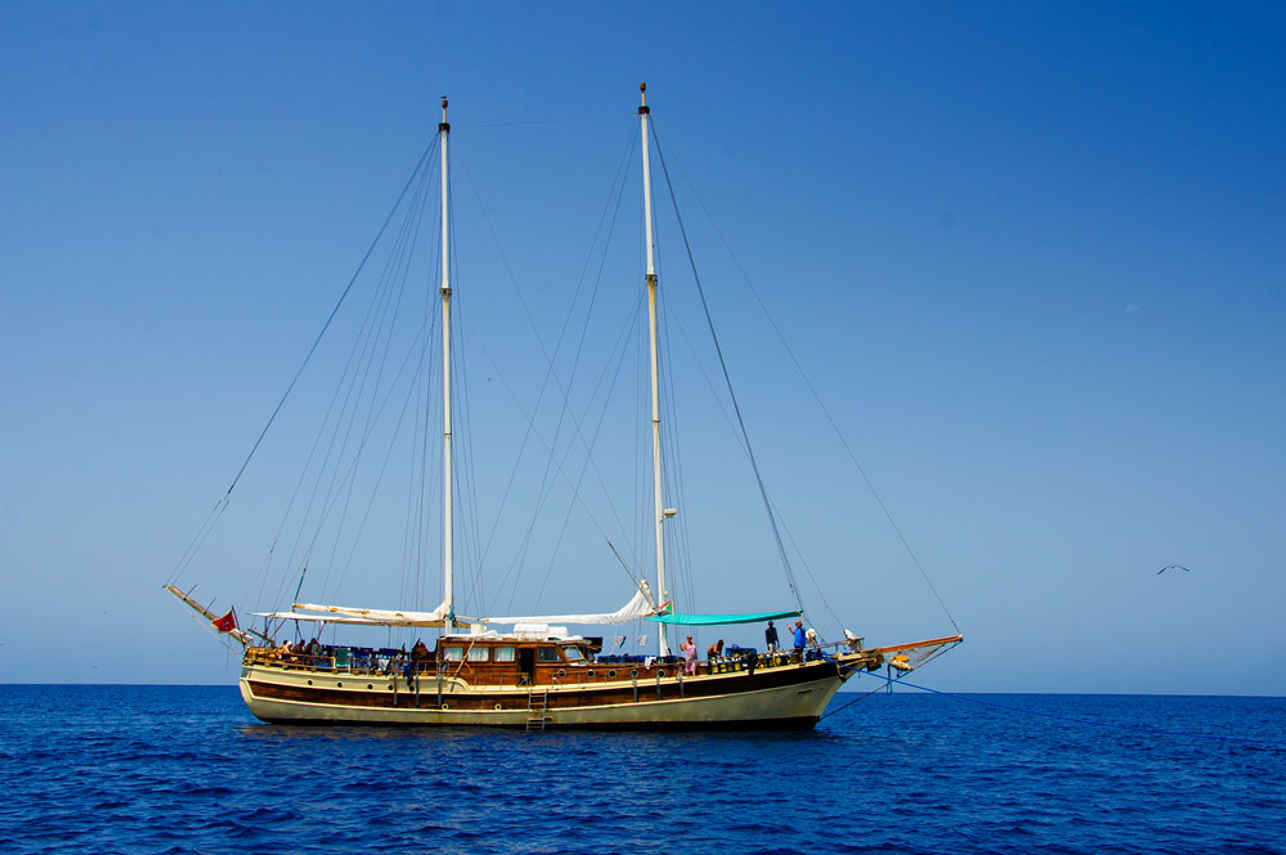
Elegante
Djibouti
14 guests25 m
$208/day
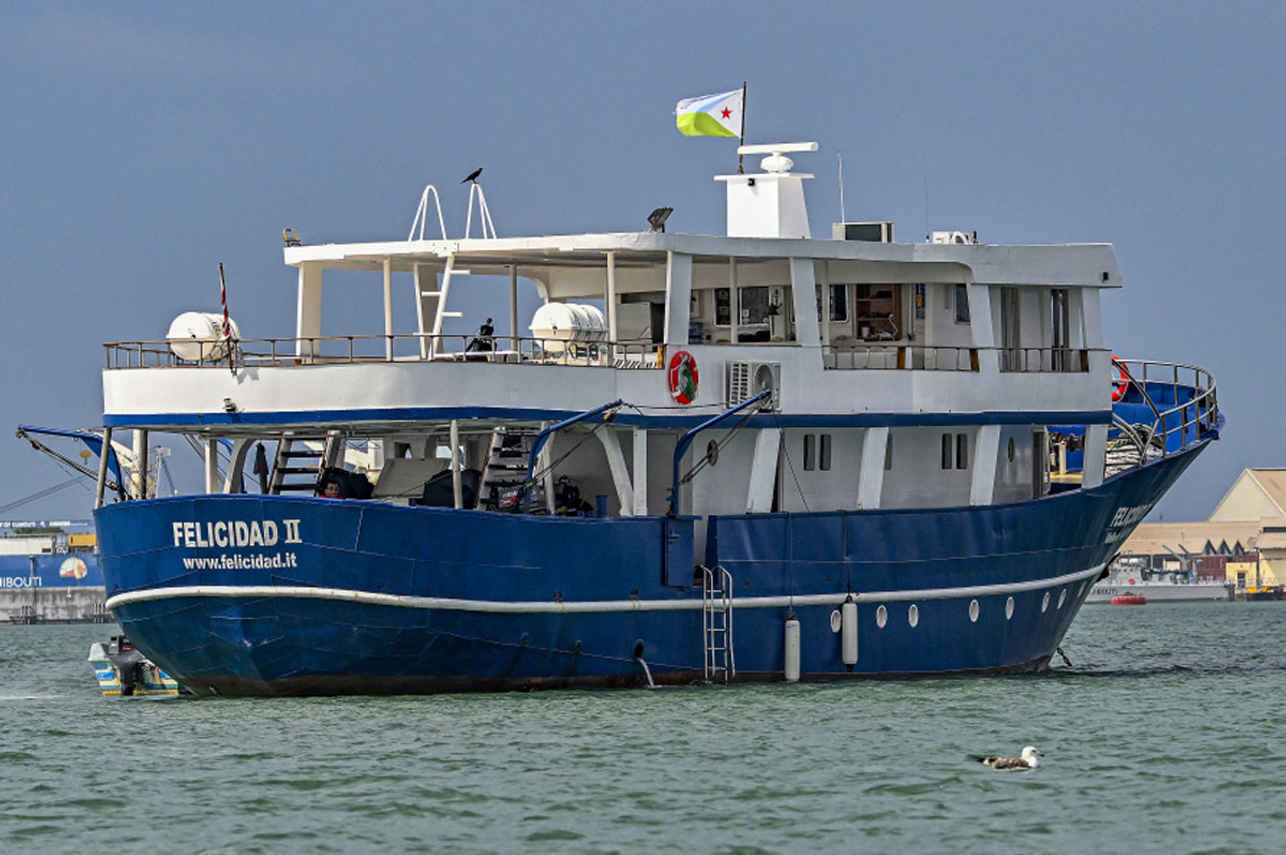
Felicidad II
Djibouti
18 guests30 m
$209/day
Dive sites similar to Le Boutre
Same character, same waters — six more sites divers love for the exact same reasons.Compare seasons, access and liveaboard routes — then pick the site that fits your trip best.
© Esri — Maxar, Earthstar, GIS
Ghoubbet al Kharab
Djibouti
Ghoubbet al Kharab, also known as the Devil’s Goblet, is a deep bay connected to the Gulf of Tadjourah and the open ocean in Djibouti.
- Suitable for
- Advanced
- Current
- Strong
- Access
- Liveaboard only
- Depth
- 5–200 m
- Theme
- Drift / Reef
© Esri — Maxar, Earthstar, GIS
Moucha wrecks
Djibouti
The Moucha wrecks, including the notable Orchard Reefer and Le Fon, offer a distinctive dive experience within Djibouti's Gulf of Tadjoura, contrasting with the region's prevalent coral reefs.
- Suitable for
- Advanced
- Current
- Moderate
- Access
- Liveaboard or dayboat
- Depth
- 5–50 m
- Theme
- Wreck / Reef
© Esri — Maxar, Earthstar, GIS
Sable Blanc Reef
Djibouti
Sable Blanc Reef is a vibrant coral ecosystem located in Djibouti, nestled where the Red Sea meets the Gulf of Aden.
- Suitable for
- Intermediate
- Current
- Strong
- Access
- Shore / dayboat
- Depth
- 5–30 m
- Theme
- Drift / Reef
© Esri — Maxar, Earthstar, GIS
Cape Rouge
Djibouti
Cape Rouge is a notable dive site in Djibouti, known for its pristine underwater environment where the Red Sea meets the Indian Ocean.
- Suitable for
- Advanced
- Current
- Mild
- Access
- Liveaboard or dayboat
- Depth
- 15–40 m
- Theme
- Reef
© Esri — Maxar, Earthstar, GIS
La Vierge Rouge
Djibouti
La Vierge Rouge is situated in Djibouti, a unique diving destination where the Red Sea converges with the Indian Ocean.
- Suitable for
- Intermediate
- Current
- Moderate
- Access
- Liveaboard only
- Depth
- 15–40 m
- Theme
- Reef
© Esri — Maxar, Earthstar, GIS
Le Sec Aux Boutres
Djibouti
Le Sec Aux Boutres is a distinguished dive site located near Arta, Djibouti, celebrated for its rich marine biodiversity and stunning underwater scenery.
- Suitable for
- Intermediate
- Current
- Mild
- Access
- Dayboat
- Depth
- 10–30 m
- Theme
- Reef