About Cenote Dreamgate
Cenote Dreamgate offers an extraordinary dive experience within the vast underground river systems of Mexico's Yucatán Peninsula. These natural sinkholes, or 'sacred wells' as the Mayans called them, formed over millions of years as limestone caves collapsed, revealing breathtaking subterranean landscapes. The region's porous limestone, shattered by the Chicxulub asteroid impact 66 million years ago, allowed rainwater to carve out extensive cave networks, which eventually filled with fresh water, creating the cenotes we see today. Dreamgate is particularly renowned for its intricate cavern system, characterized by delicate stalactites, stalagmites, and columns that create an otherworldly environment. Unlike many open cenotes, Dreamgate is largely enclosed, offering a more intimate and mysterious diving adventure. The consistently clear freshwater provides exceptional visibility, allowing divers to fully appreciate the complex geological features that have developed over millennia. While specific marine life is minimal in these freshwater environments, the allure of Dreamgate lies in its geological artistry and the unique sensation of exploring an ancient, submerged world. The serene silence and mineral scent enhance the mystical atmosphere, far removed from typical ocean dives. This cenote is a prime example of a 'cave cenote,' the youngest and most geologically impressive type, presenting a challenging yet rewarding dive into a truly unique ecosystem.
Highlights
Intricate stalactite and stalagmite formationsCrystal-clear freshwater visibilityUnique cavern diving experienceSerene and quiet underwater environmentGeological wonders from ancient collapsesFeatured in documentariesLess crowded diving site
Season calendar
Best months to dive here
Jan
Feb
Mar
Apr
May
Jun
Jul
Aug
Sep
Oct
Nov
Dec
Excellent
Good
Dive site facts: Cenote Dreamgate
- Depth
- Up to 10 m
- Typical dive
- 40–50 min
- Current
- None
- Visibility
- 30–40 m
- Water temperature
- 24–26°C
- Entry
- Stairs/platforms into pool
- Level
- Advanced Open Water Diver (AOWD) recommended
- Dive type
- Cavern, geological, freshwater
- Night dive
- Not applicable
- Region / port
- Yucatán Peninsula, Mexico
- Coordinates
- 20.3107, -87.3917
Conditions & Currents
Cenote Dreamgate, like most cenotes, experiences virtually no currents due to its enclosed, underground nature. The water within the cavern system is calm and still, ensuring a tranquil diving experience without the challenges of drift. Visibility is consistently excellent, often exceeding 30 meters, as there is minimal sediment disturbance and no ocean-borne particles. Water temperature remains stable year-round, typically between 24-26°C. Divers should be mindful of their finning to avoid stirring up any fine silt on the cavern floor, which could temporarily reduce visibility for following divers. Entry and exit are typically straightforward, often involving stairs or platforms into a calm pool, making for a relaxed start and end to the dive.
Marine life & sighting chances
Stalactites
Year-round · commonStalagmites
Year-round · commonLimestone columns
Year-round · commonTree roots
Year-round · occasionalSmall cave fish
Year-round · rare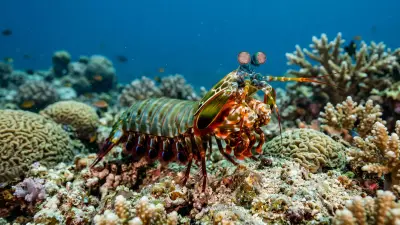
Shrimp
Year-round · rareDive profile & how the dive runs
Your dive at Cenote Dreamgate typically begins with an easy entry into a calm, clear pool, often via stairs or a platform. You'll follow a fixed cavern line, a critical guideline for navigation and safety within the overhead environment. The route involves weaving through extensive chambers adorned with ancient stalactites, stalagmites, and columns, with depths generally remaining within recreational limits, typically around 10 meters. The dive progresses horizontally through the main cavern system, showcasing the intricate geological formations. Expect to spend about 40 to 50 minutes exploring this unique environment, with light beams penetrating from openings creating dramatic visual effects. The turn point is determined by air consumption and dive plan, leading you back along the cavern line towards the exit point, where your safety stop will be performed in the clear, shallow water near the surface.
Underwater photography
Cenote Dreamgate presents incredible opportunities for wide-angle photography, capturing the vastness of the caverns and the intricate rock formations. A wide-angle lens is essential to encompass the sweeping views of stalactites, stalagmites, and columns. External strobes are highly recommended to properly light the formations and reveal their textures, as natural light can be limited in certain sections. Be mindful of your buoyancy to avoid stirring up the fine silt, which can quickly ruin visibility for photos. Utilizing a video light can also enhance your footage and provide constant illumination. Patience and careful positioning are key to framing shots that highlight the unique interplay of light and shadow in this subterranean world, often requiring thoughtful composition to convey the scale and mystery.
Combine with nearby dive sites
- Cenote The Pit (El Pit)
Known for its dramatic light beams and deep halocline, ideal for advanced divers.
- Cenote Calavera (Temple of Doom)
A unique cenote with three openings, offering a distinct cavern experience.
- Cenote Angelita
Famous for its hydrogen sulphide cloud at 30m, creating an 'underwater river' effect.
- Bull Shark Dive - Playa del Carmen
An exhilarating seasonal dive to encounter bull sharks in their natural habitat.
Getting there & logistics
Diving in Cenote Dreamgate typically involves a day trip from major tourist hubs like Tulum or Playa del Carmen. The nearest international airport is Cancun International Airport (CUN), which offers numerous connections. From Cancun, you can reach Tulum or Playa del Carmen via shuttle, bus, or rental car. Most dive operators in these towns arrange transportation directly to the cenote, usually involving a drive into the jungle. It's often combined with another cenote dive in a two-tank day trip to optimize travel. There are usually entrance fees to the cenote property, which are often included in your dive package. Permits are typically handled by your dive center, ensuring a smooth and organized experience.
Safety & environment
Safety in Cenote Dreamgate is paramount, especially given the overhead environment. Divers must maintain excellent buoyancy control to avoid contact with the delicate formations and stirring up silt. Always follow your certified cavern guide, as they are trained in the specific navigation and safety protocols of cenote diving. It is strongly advised to have comprehensive dive insurance that covers cavern or cave diving. The nearest recompression chamber is located in Playa del Carmen, approximately an hour's drive away, and emergency evacuation can be challenging due to the cenote's jungle location. Always dive within your training limits and ensure your equipment is well-maintained and redundant for overhead environments. The 'cavern line' is a critical safety feature; never deviate from it.
Who it suits — and who it doesn't
Suited for
- Advanced Open Water Divers with good buoyancy
- Divers comfortable in overhead environments
- Underwater photographers seeking unique geological subjects
- Divers interested in geological formations and freshwater diving
- Those looking for a tranquil and less crowded dive
Less suited for
- Beginner Open Water Divers
- Divers prone to claustrophobia
- Divers with poor buoyancy control
- Those who prefer extensive marine life encounters
- Divers unfamiliar with overhead environment protocols
FAQ
Cenote Dreamgate FAQ
What kind of certification do I need to dive Cenote Dreamgate?
To dive Cenote Dreamgate, an Open Water Diver certification with recent diving experience is the minimum requirement. However, due to its intricate passages and overhead environment, an Advanced Open Water Diver certification is highly recommended to ensure you are comfortable and safe in these conditions. Some dive operators may require specific cavern diving experience or offer a briefing to prepare you.
Is Cenote Dreamgate suitable for beginners?
Cenote Dreamgate is not typically recommended for absolute beginner divers. While many cenotes cater to all levels, Dreamgate's confined spaces and challenging topography are best suited for divers with good buoyancy control and some experience. Beginners might find the overhead environment intimidating; it's advisable to gain more experience in open water before attempting this cenote.
What will I see underwater in Cenote Dreamgate?
In Cenote Dreamgate, you will primarily encounter stunning geological formations such as intricate stalactites, stalagmites, and columns formed over thousands of years. The crystal-clear freshwater offers exceptional visibility, allowing you to appreciate the serene and mysterious underwater landscape. While marine life is sparse, the beauty lies in the ancient rock formations and the unique light effects filtering through the cavern openings.
How deep is Cenote Dreamgate and how long does a dive usually last?
Cenote Dreamgate generally has a maximum depth of around 10 meters, keeping it well within recreational diving limits. A typical dive here lasts approximately 40 to 50 minutes, depending on the diver's air consumption and the specific dive plan. This duration allows ample time to explore the intricate cavern system and appreciate its unique features.
What is the water temperature in Cenote Dreamgate?
The water temperature in Cenote Dreamgate remains remarkably consistent throughout the year, typically ranging between 24°C and 26°C (75°F to 79°F). This stable temperature ensures comfortable diving conditions regardless of the season, though a 5mm wetsuit is generally recommended for thermal comfort during an extended dive.
Why dive Cenote Dreamgate from a liveaboard?
Cenote Dreamgate is one of Mexico's signature dive sites. A liveaboard sleeps you on the water and puts you in the water for three to four guided dives per day, including dawn and night dives that day-boat operators rarely offer. You skip the daily commute back to port and reach quieter, less-crowded sites in the same region on a single trip.
Below are the liveaboards that include Cenote Dreamgate on their Mexico itineraries.
Liveaboards diving Cenote Dreamgate
These liveaboards may visit Cenote Dreamgate on selected itineraries — the exact dive sites depend on departure, weather and conditions.
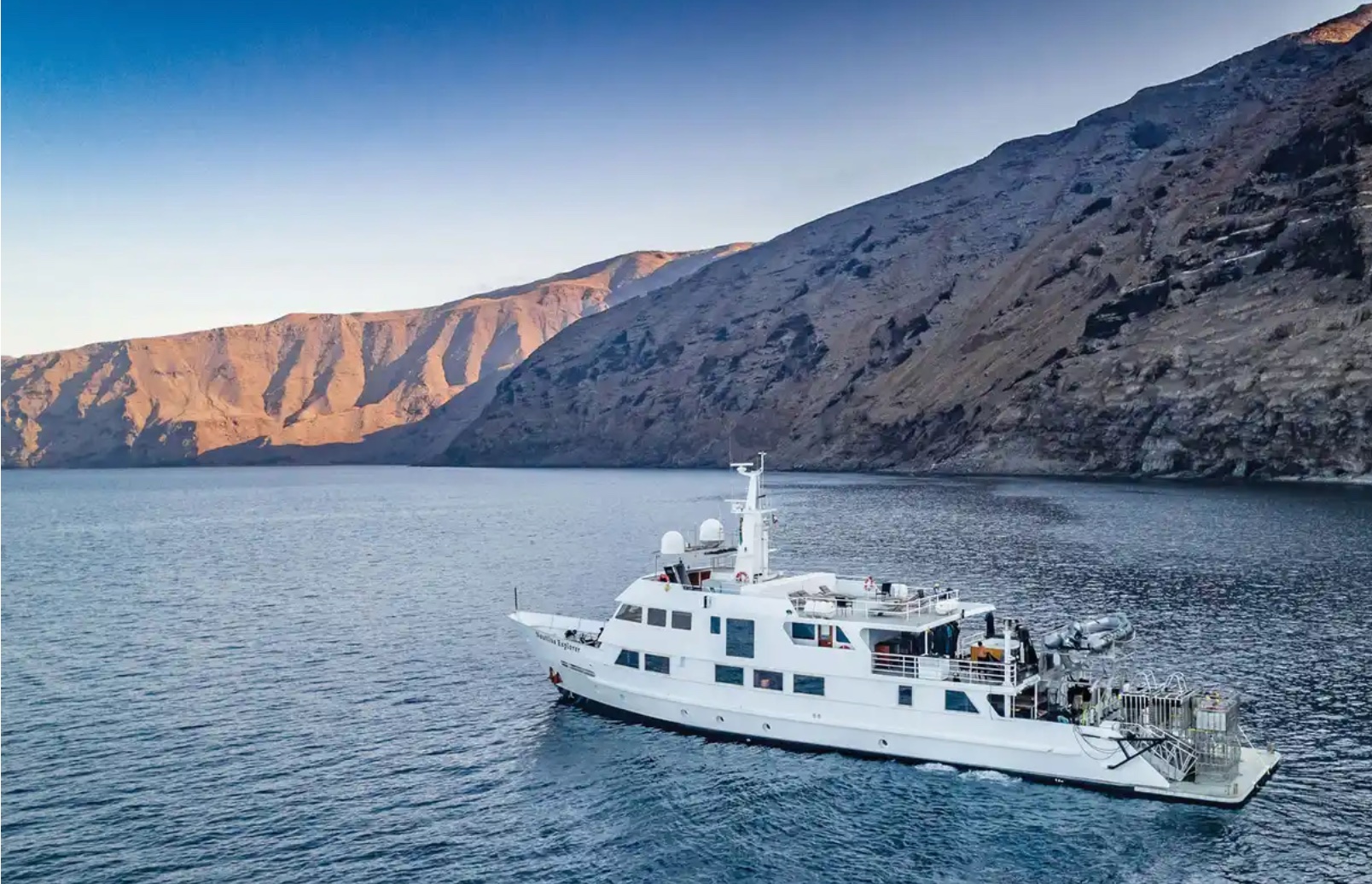
Nautilus Explorer
Mexico
25 guests44.8 m
$230/day
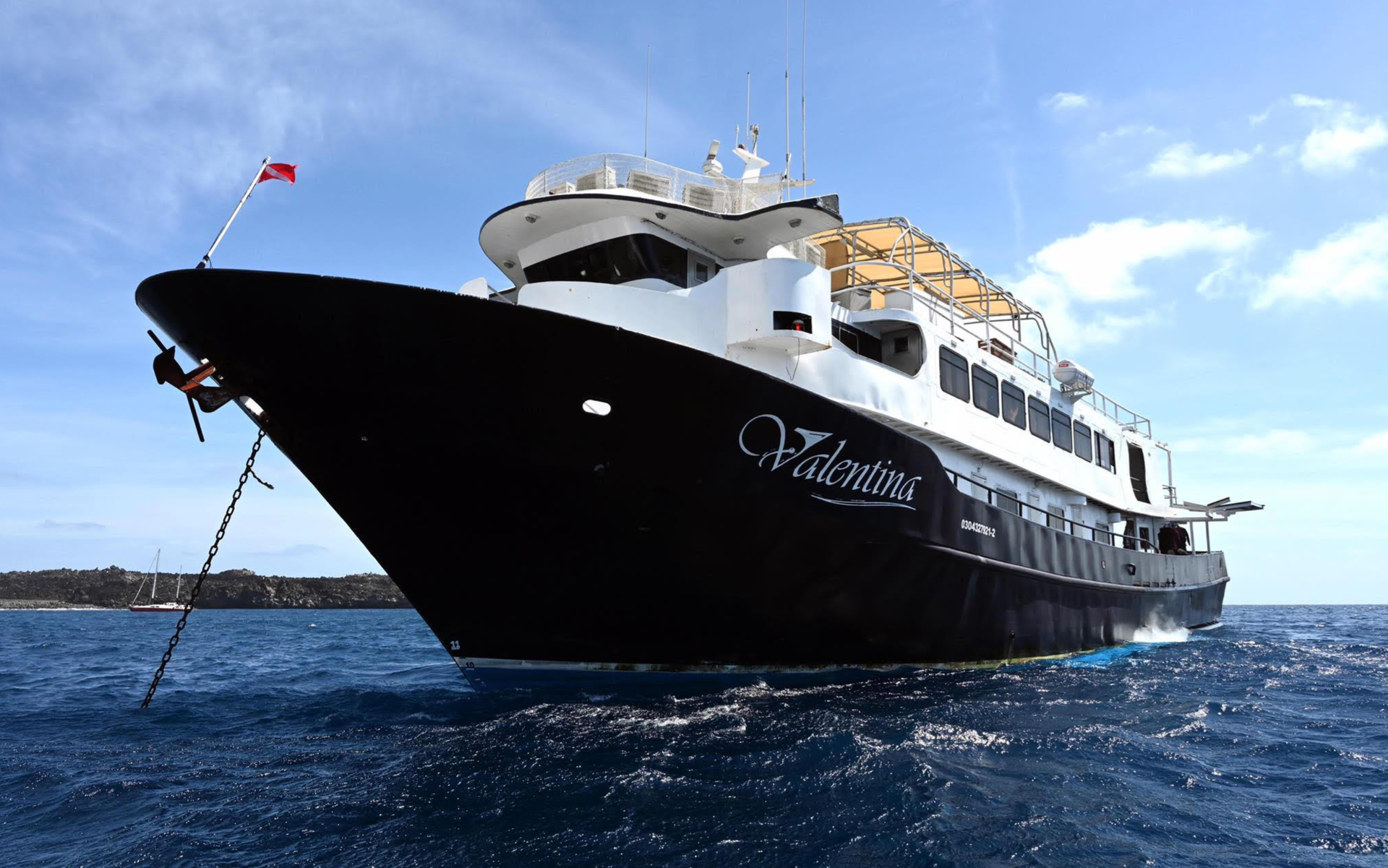
Valentina
Mexico
20 guests38.1 m
$430/day
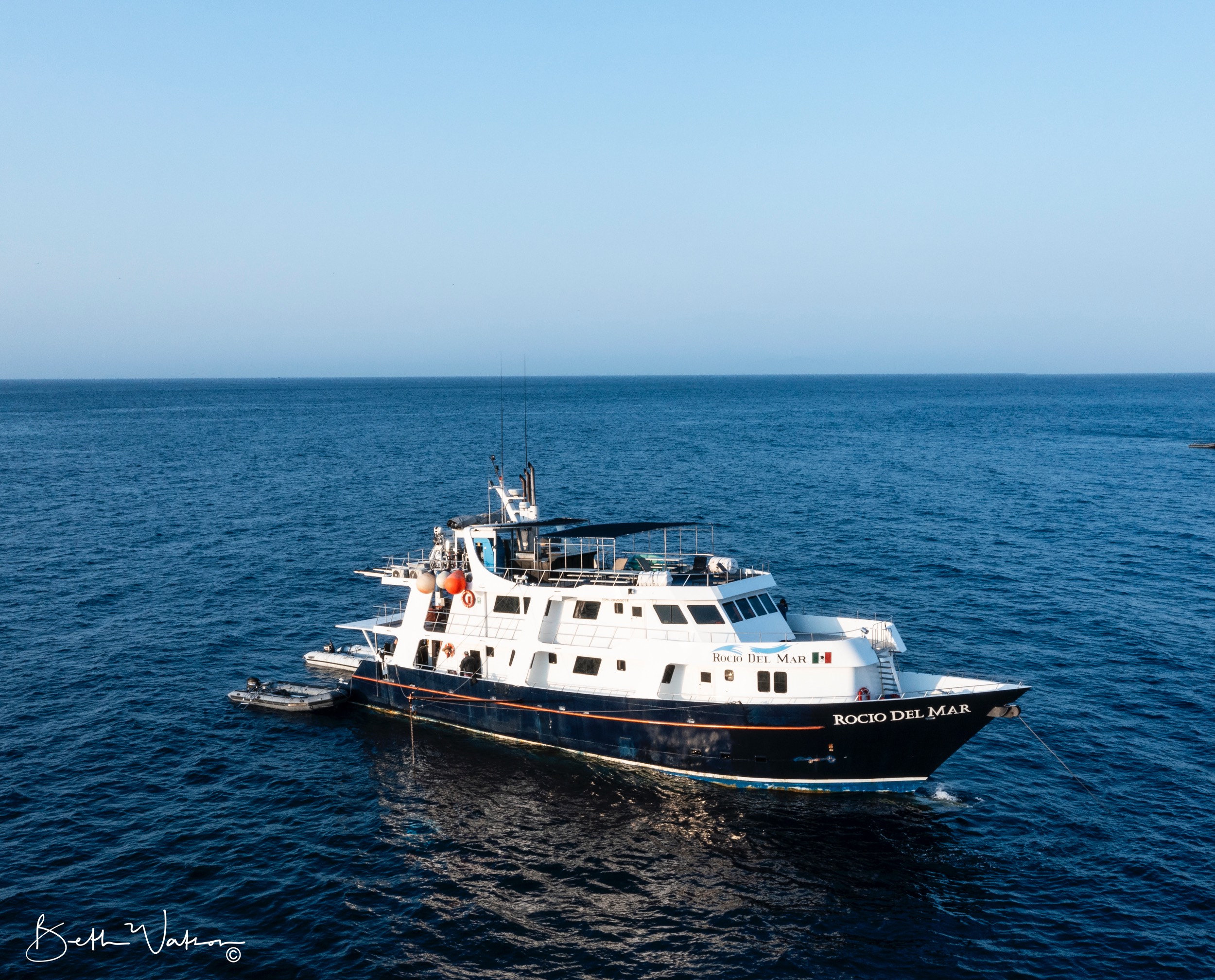
Rocio del Mar
Mexico
20 guests33.5 m
$392/day
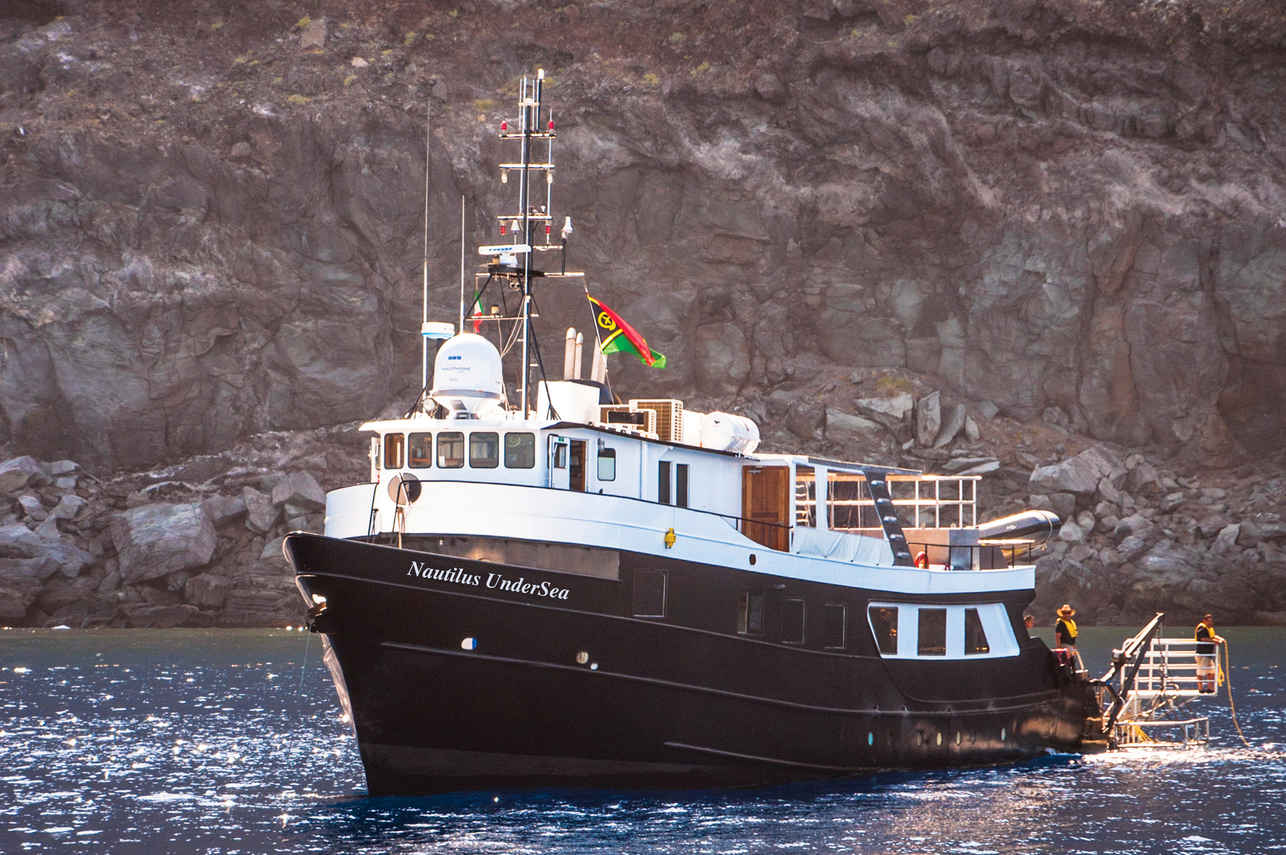
Nautilus Under Sea
Mexico
19 guests32 m
$261/day
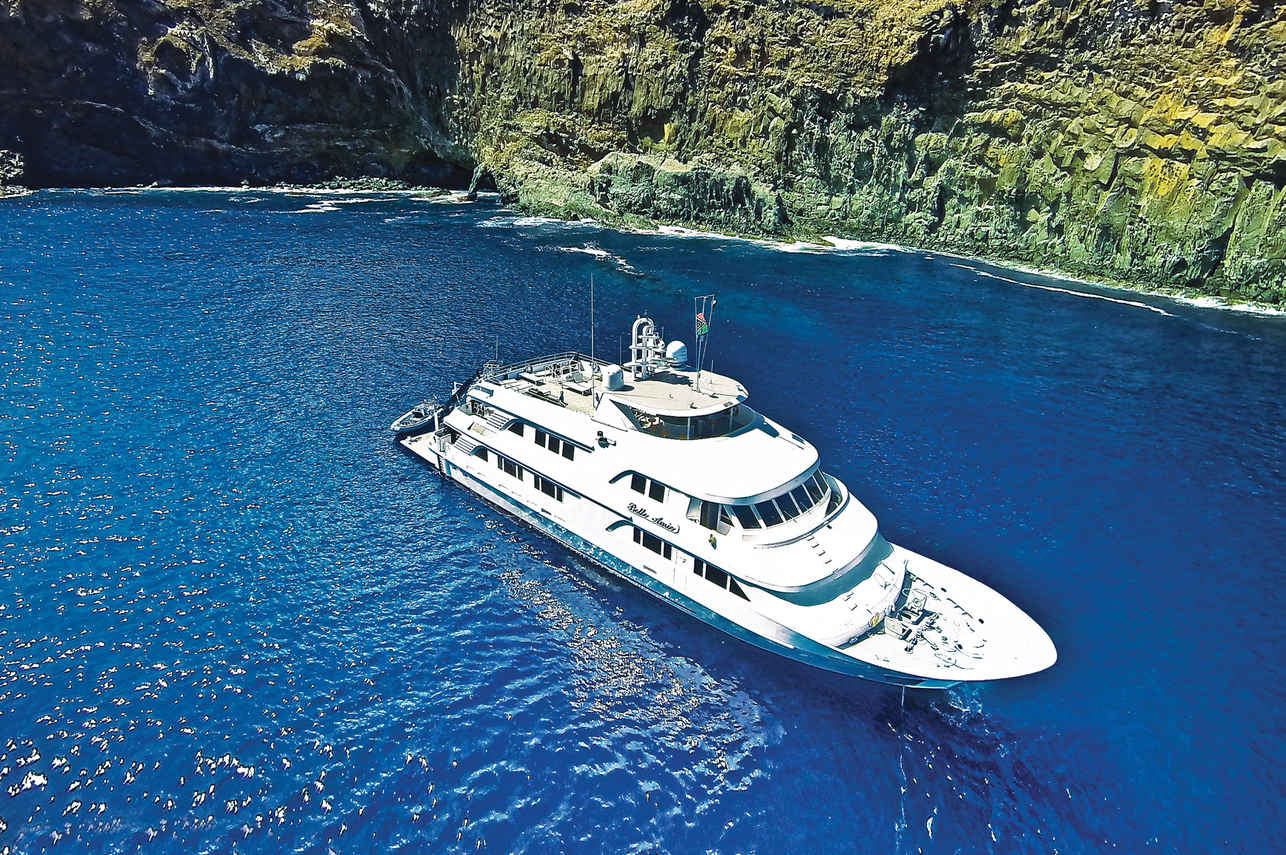
Nautilus Belle Amie
Mexico
32 guests44.8 m
$299/day
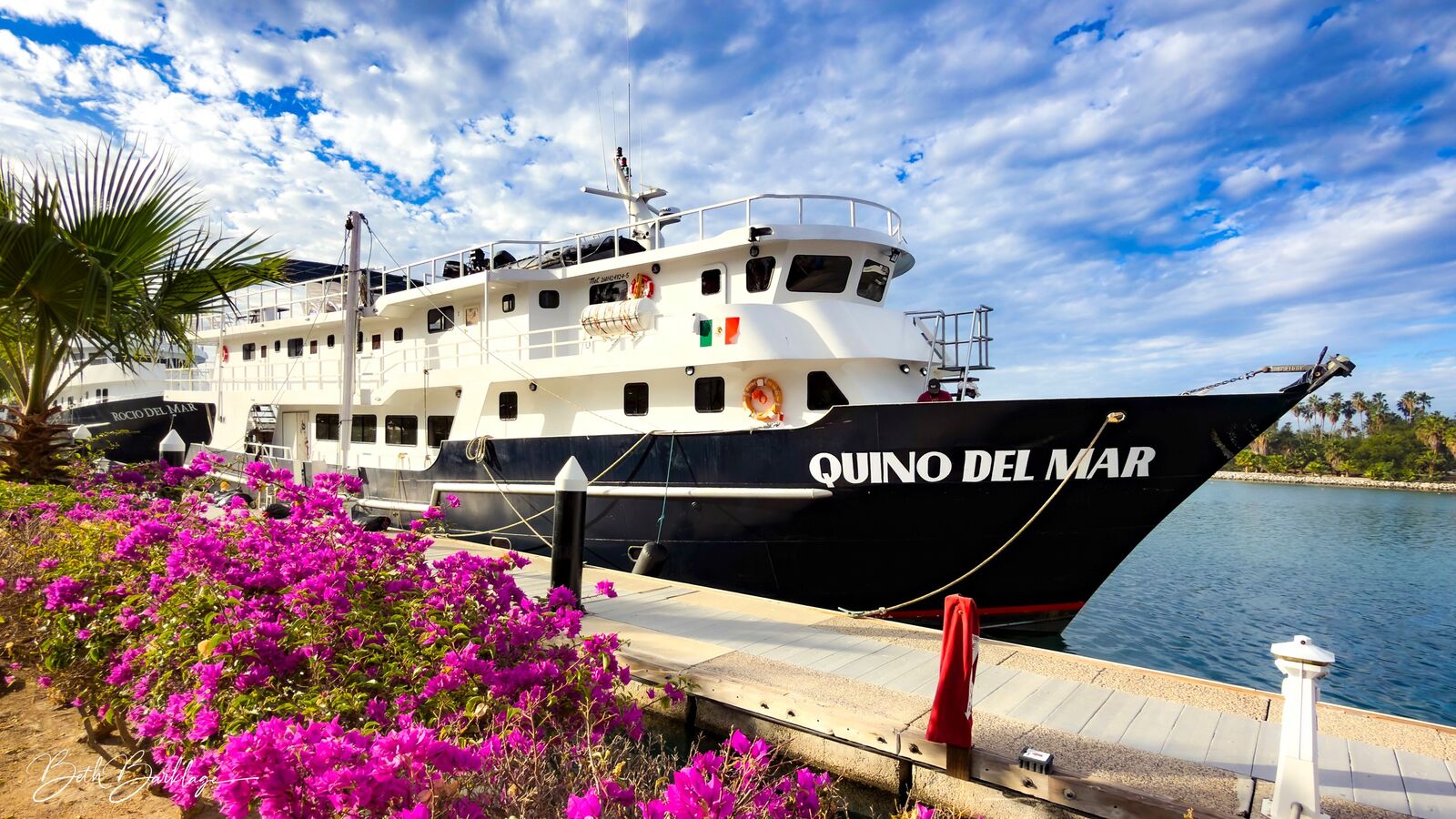
Quino del Mar
Mexico
20 guests36 m
$392/day
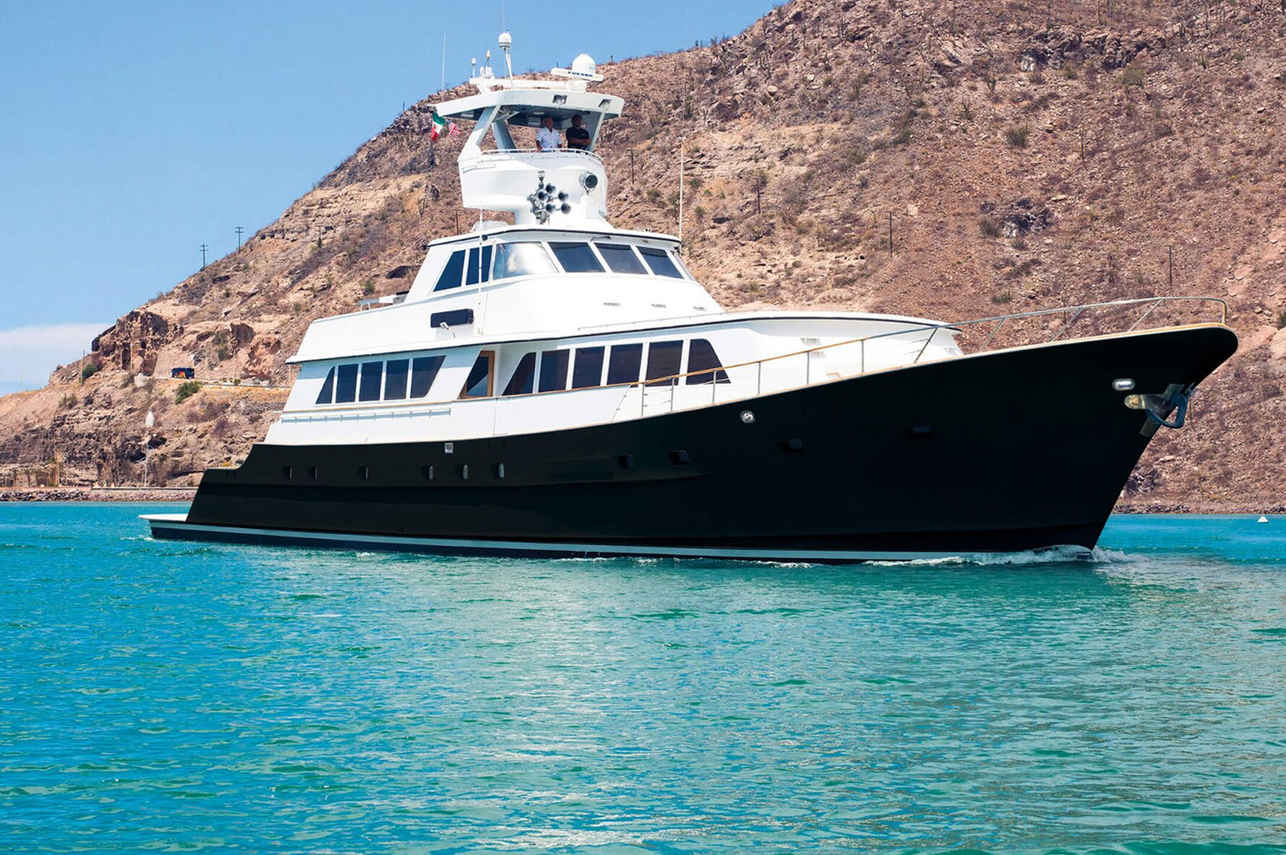
Nautilus Gallant Lady
Mexico
12 guests35.36 m
$332/day
Dive sites similar to Cenote Dreamgate
Same character, same waters — six more sites divers love for the exact same reasons.Compare seasons, access and liveaboard routes — then pick the site that fits your trip best.
El Morro is acclaimed as one of the best diving locations in the Puerto Vallarta area, situated just beyond the sheltered waters of Banderas Bay.
- Suitable for
- Advanced
- Current
- Strong
- Access
- Dayboat
- Depth
- 18–37 m
- Theme
- Reef / Wall
© Esri — Maxar, Earthstar, GIS
Cenote The Pit (El Pit)
Mexico
Cenote The Pit, located within the Dos Ojos Natural Park near Tulum, offers a unique and profound diving experience unlike any other cenote in Mexico.
- Suitable for
- Advanced
- Current
- Strong
- Access
- Liveaboard or dayboat
- Depth
- 30–120 m
- Theme
- Cave & cavern / Cenote
© Esri — Maxar, Earthstar, GIS
Sac Actun / Ox Bel Ha
Mexico
Sac Actun and Ox Bel Ha represent two of the world's longest known underwater cave systems, forming an intricate network beneath the Yucatán Peninsula's jungle floor.
- Suitable for
- Advanced
- Current
- No current
- Access
- Dayboat
- Depth
- 10–40 m
- Theme
- Cave & cavern / Cavern
© Esri — Maxar, Earthstar, GIS
Punta Sur Reef
Mexico
Punta Sur sits at the exposed southern tip of Cozumel, requiring the longest boat ride from the marina, signaling its advanced nature.
- Suitable for
- Advanced
- Current
- Strong
- Access
- Liveaboard or dayboat
- Depth
- 18–41 m
- Theme
- Cave & cavern / Wall
© Esri — Maxar, Earthstar, GIS
Los Arcos, a National Marine Park situated off the coast of Puerto Vallarta near Mismaloya, stands as one of the region's most iconic and biologically rich dive destinations.
- Suitable for
- Beginner
- Current
- Strong
- Access
- Liveaboard or dayboat
- Depth
- 5–20 m
- Theme
- Cave & cavern / Pinnacle
© Esri — Maxar, Earthstar, GIS
Colombia Deep Wall
Mexico
Colombia Deep Wall is a premier dive site in Cozumel, Mexico, renowned for its dramatic drop-offs and exhilarating drift diving experience.
- Suitable for
- Advanced
- Current
- Strong
- Access
- Liveaboard or dayboat
- Depth
- 18–40 m
- Theme
- Cave & cavern / Drift