About Cuatro Piedras
Cuatro Piedras, part of the volcanic Catalina Islands off Costa Rica's Pacific coast, is named for its unique rock formations. This site features a distinctive sandy patch nestled among the rocks, which provides a serene area for exploration, though currents can sometimes make staying in this specific patch challenging. Depths here range from 7 to 28 meters, making it suitable for a broad spectrum of divers. The nutrient-rich waters surrounding Cuatro Piedras attract a vibrant array of marine life. Divers frequently encounter diverse tropical reef fish such as angelfish, barberfish, cornetfish, damselfish, and wrasses. It is also noted as a key spot to observe manta rays and abundant reef fish, making it a dynamic environment. While generally considered accessible for beginners, the site's variable currents mean that conditions dictate its suitability for less experienced divers on any given day. When currents are mild, it offers a relaxed dive to appreciate the diverse ecosystem. The presence of significant pelagic species like manta rays underscores the rich biodiversity sustained by the Catalina Islands' upwellings and cleaning stations. Accessibility from nearby ports like Playa Potrero, Flamingo, and Tamarindo makes Cuatro Piedras a popular day trip destination within the Catalina Islands chain. The short boat ride allows divers to experience this site, often combined with other nearby spots to maximize encounters with marine fauna and varied underwater landscapes.
Highlights
Distinctive rock formationsShallow sandy patchVibrant tropical reef fishPotential manta ray encountersAccessible for various skill levelsPart of Catalina Islands
Season calendar
Best months to dive here
Jan
Feb
Mar
Apr
May
Jun
Jul
Aug
Sep
Oct
Nov
Dec
Excellent
Good
Dive site facts: Cuatro Piedras
- Depth
- 7–28 m
- Current
- Variable, can be strong
- Visibility
- 15–80 ft
- Water temperature
- 13–30°C (55–86°F)
- Entry
- Boat / back-roll
- Level
- Beginner to advanced (conditions permitting)
- Dive type
- Reef, volcanic formations, sand patch, big animals
- Region / port
- Guanacaste, Catalina Islands
- Coordinates
- 7.7584° N, 86.1882° W
Conditions & Currents
Currents at Cuatro Piedras can be variable, ranging from mild to occasionally strong, which may make it challenging to remain in the shallow sandy patch. The site is primarily diveable when currents are not strong, ensuring a more relaxed experience. Conditions can fluctuate, so dive guides assess the site daily to determine suitability. Given the potential for currents, maintaining good buoyancy control is essential for divers to navigate the site effectively and avoid contact with the reef. Visibility here can range from 15 to 80 feet, influenced by plankton blooms and seasonal runoff characteristic of the Pacific coast. Water temperatures can vary significantly, sometimes dropping as low as 13°C (55°F) due to thermoclines, necessitating appropriate thermal protection.
Marine life & sighting chances
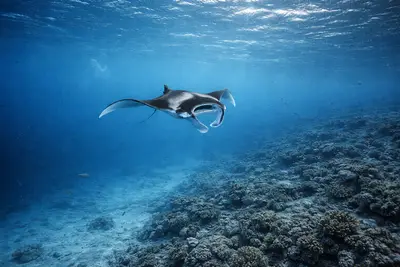
Giant Pacific Manta Ray
November to April · occasionalWhite-tip Reef Shark
occasional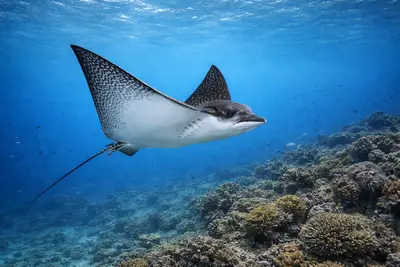
Spotted Eagle Ray
occasionalSea Turtle
occasional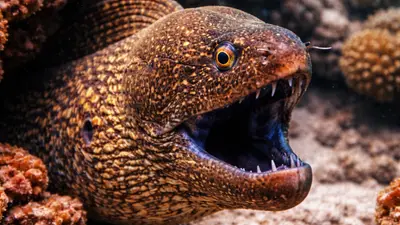
Moray Eel
occasional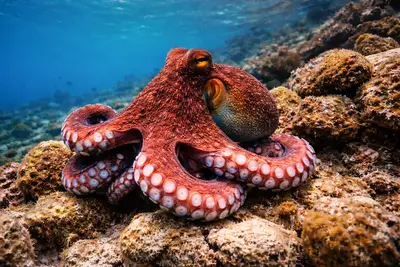
Octopus
occasional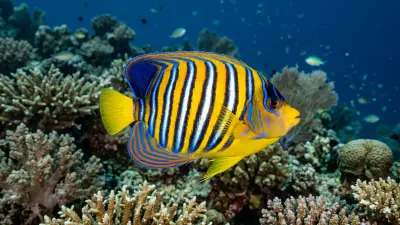
Angelfish
common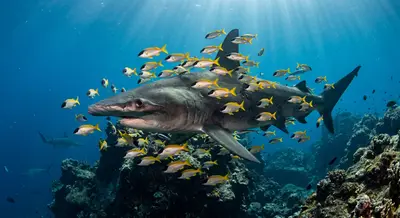
Barberfish
common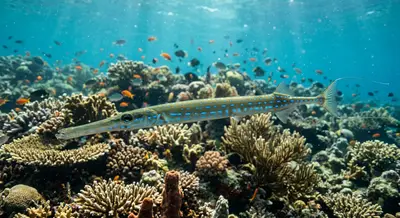
Cornetfish
common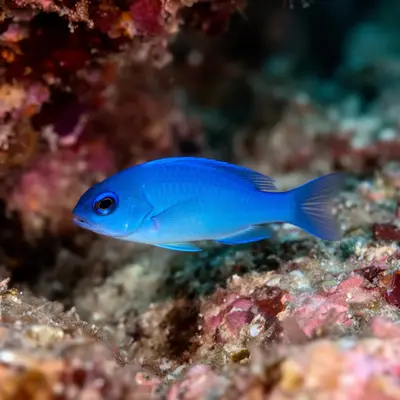
Damselfish
common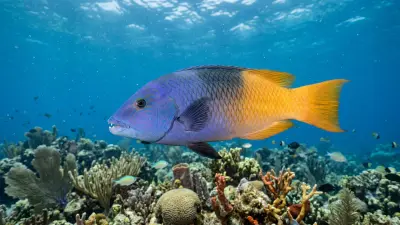
Wrasse
common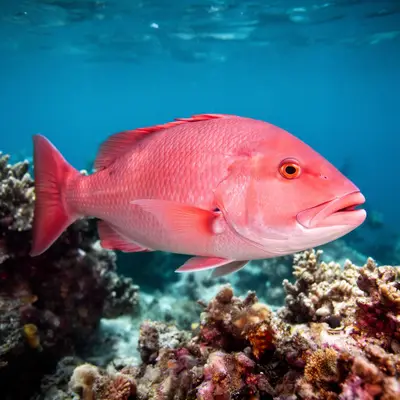
Snapper
occasional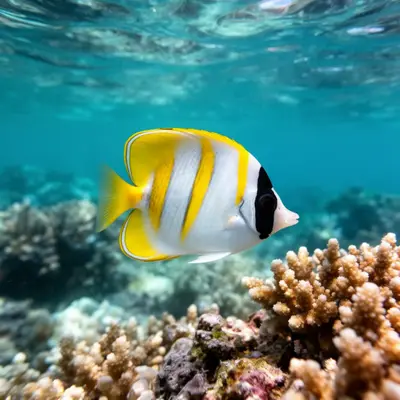
Butterflyfish
occasionalDive profile & how the dive runs
Diving at Cuatro Piedras typically begins with a boat entry, often a back-roll, allowing divers to descend directly onto the site. The dive often starts exploring the distinctive rock formations and then moves towards the shallow sandy patch nestled between them. Divers will navigate around these structures, observing the diverse tropical reef fish and searching for larger pelagics like manta rays. Depths can range from 7 meters in the shallow areas to approximately 28 meters. Depending on current conditions, the dive may involve a gentle drift or require more active finning to explore specific features. The relatively shallow depths generally allow for generous bottom time, with safety stops conducted in the clear, calm waters before ascending to the boat.
Underwater photography
Cuatro Piedras offers excellent opportunities for both wide-angle and macro photography, particularly when currents are mild. The shallow sandy patches and volcanic rock formations, combined with ambient light penetration, make it ideal for capturing schooling fish or reef scenery with a wide-angle lens. For macro enthusiasts, exploring the crevices and rocky areas can yield shots of smaller creatures like moray eels or octopuses. Good buoyancy control is crucial here to avoid stirring up the sandy bottom, which can quickly reduce visibility and impact image clarity. Utilizing strobes can enhance the vibrant colors of the tropical fish and reef.
Combine with nearby dive sites
- Arco Iris
Known for white-tip reef sharks and striking rock formations.
- Escorpiones
A shallow ledge with small critters and occasional larger marine life, including white-tip reef sharks and eagle rays.
- Brumel Deep
A slightly deeper, sheltered site often chosen in challenging conditions.
- Brumel Shallow
A shallow, sheltered site ideal for beginners and relaxed dives.
- El Clásico
The most famous site in Catalina Islands, known for varied marine life and suitable for intermediate divers.
- Elefante
Features a rock formation resembling an elephant's trunk, with arches and tunnels.
Getting there & logistics
Cuatro Piedras is located within the Catalina Islands, off the coast of Guanacaste, Costa Rica. The most common departure points for diving excursions are Playa Potrero, Flamingo, and Tamarindo, with boat rides typically ranging from 18 to 40 minutes depending on the starting point and sea conditions. Day trips usually include two or three dives. Divers often fly into Daniel Oduber Quirós International Airport (LIR) in Liberia, which is approximately an hour's drive from these coastal towns. It's recommended to book in advance during peak manta season, from November through April, as trips can fill quickly.
Safety & environment
Diving at Cuatro Piedras requires adherence to safe diving practices, especially considering the variable currents. Divers should always carry appropriate safety gear, including a surface marker buoy. The nearest recompression chamber is likely located at CIMA Hospital in San Jose, which is a significant distance, making emergency evacuation potentially lengthy. Therefore, comprehensive dive insurance covering medical emergencies and evacuation is strongly recommended. Divers must be mindful of currents, maintain proper buoyancy, and follow the instructions of their certified dive guides to ensure a safe experience. Thermal protection is also important due to potential cold thermoclines.
Who it suits — and who it doesn't
Suited for
- Beginner divers (in calm conditions)
- Divers seeking diverse reef fish
- Photographers (both wide-angle and macro)
- Divers interested in volcanic underwater topography
- Manta ray enthusiasts
Less suited for
- Divers uncomfortable with potential currents
- Those strictly seeking deep wreck dives
- Divers prioritizing consistent, high visibility
- Individuals prone to seasickness on boat rides
FAQ
Cuatro Piedras FAQ
What kind of marine life can I expect to see at Cuatro Piedras?
At Cuatro Piedras, you can expect to encounter a vibrant array of tropical reef fish, including angelfish, barberfish, cornetfish, damselfish, and wrasses. It is also considered a key spot for observing manta rays, and you might occasionally see white-tip reef sharks, eagle rays, or octopuses among the rocks and sandy patches.
Is Cuatro Piedras suitable for beginner divers?
Cuatro Piedras is generally considered suitable for beginners, particularly due to its shallow sandy patch. However, it's crucial that conditions are calm, as currents can sometimes be challenging. Dive operators will assess daily conditions to determine if the site is appropriate for less experienced divers on a given day.
How deep is the dive site at Cuatro Piedras?
The depths at Cuatro Piedras are quite varied, ranging from approximately 7 meters (23 feet) in the shallower areas, particularly the sandy patch, down to about 28 meters (92 feet). This range allows for exploration at different depth levels depending on diver experience and comfort.
When is the best time to dive Cuatro Piedras for manta rays?
While manta rays can be sighted year-round in the Catalina Islands, the peak season for encountering Giant Pacific Manta Rays, which often visit cleaning stations, is from November to April. Within this period, January to March are often highlighted as prime months for manta ray encounters at sites like Cuatro Piedras.
What are the typical water conditions like at Cuatro Piedras?
Water temperatures at Cuatro Piedras can fluctuate significantly, ranging from 13°C (55°F) with cold thermoclines to 30°C (86°F). Visibility can also vary between 15 and 80 feet, influenced by plankton blooms and seasonal factors. Currents are variable and can range from mild to strong, impacting dive plans.
Why dive Cuatro Piedras from a liveaboard?
Cuatro Piedras is one of Costa Rica's signature dive sites. A liveaboard sleeps you on the water and puts you in the water for three to four guided dives per day, including dawn and night dives that day-boat operators rarely offer. You skip the daily commute back to port and reach quieter, less-crowded sites in the same region on a single trip.
Below are the liveaboards that include Cuatro Piedras on their Costa Rica itineraries.
Liveaboards diving Cuatro Piedras
These liveaboards may visit Cuatro Piedras on selected itineraries — the exact dive sites depend on departure, weather and conditions.
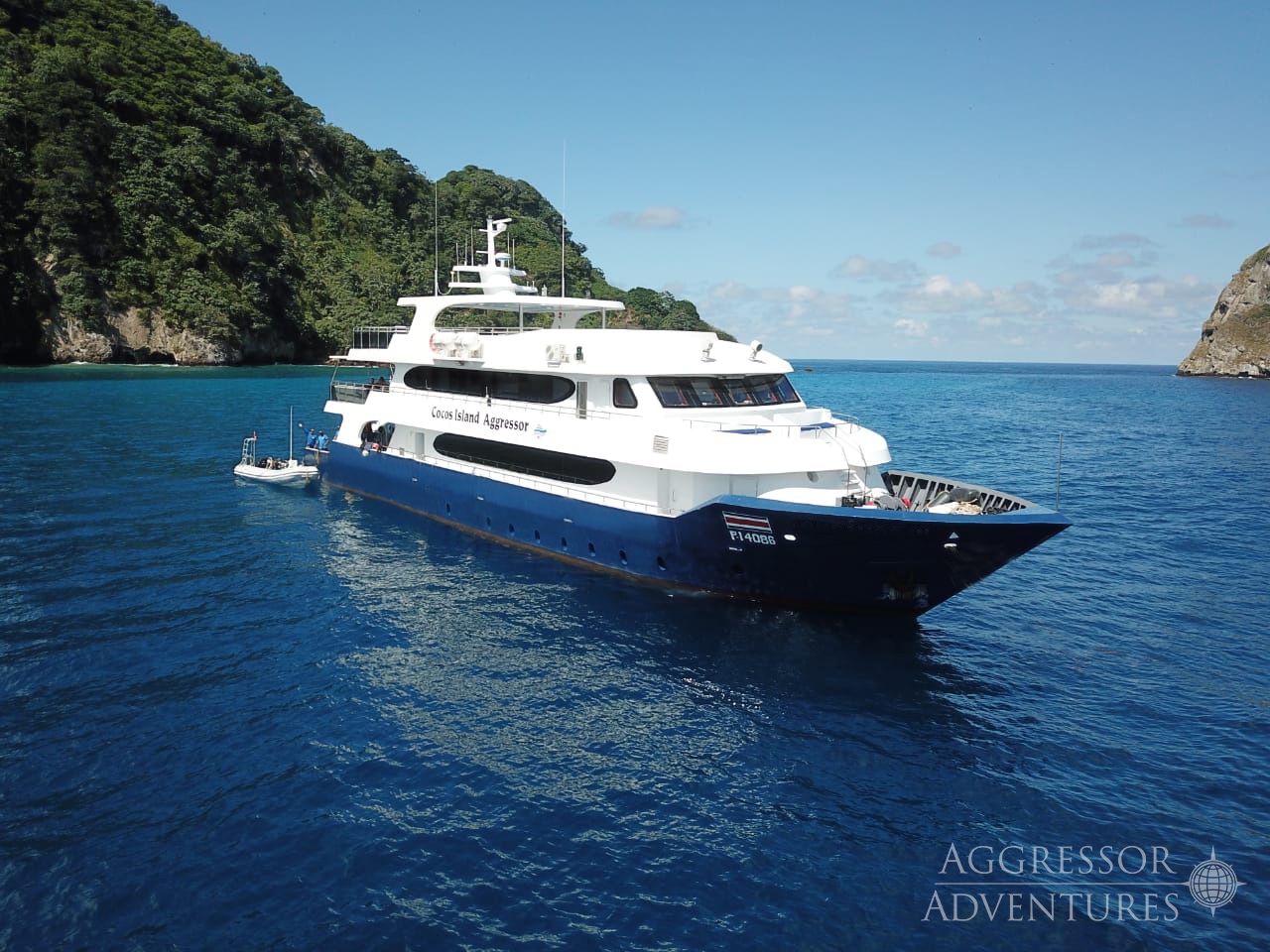
Cocos Aggressor
Costa Rica
22 guests37.8 m
$477/day
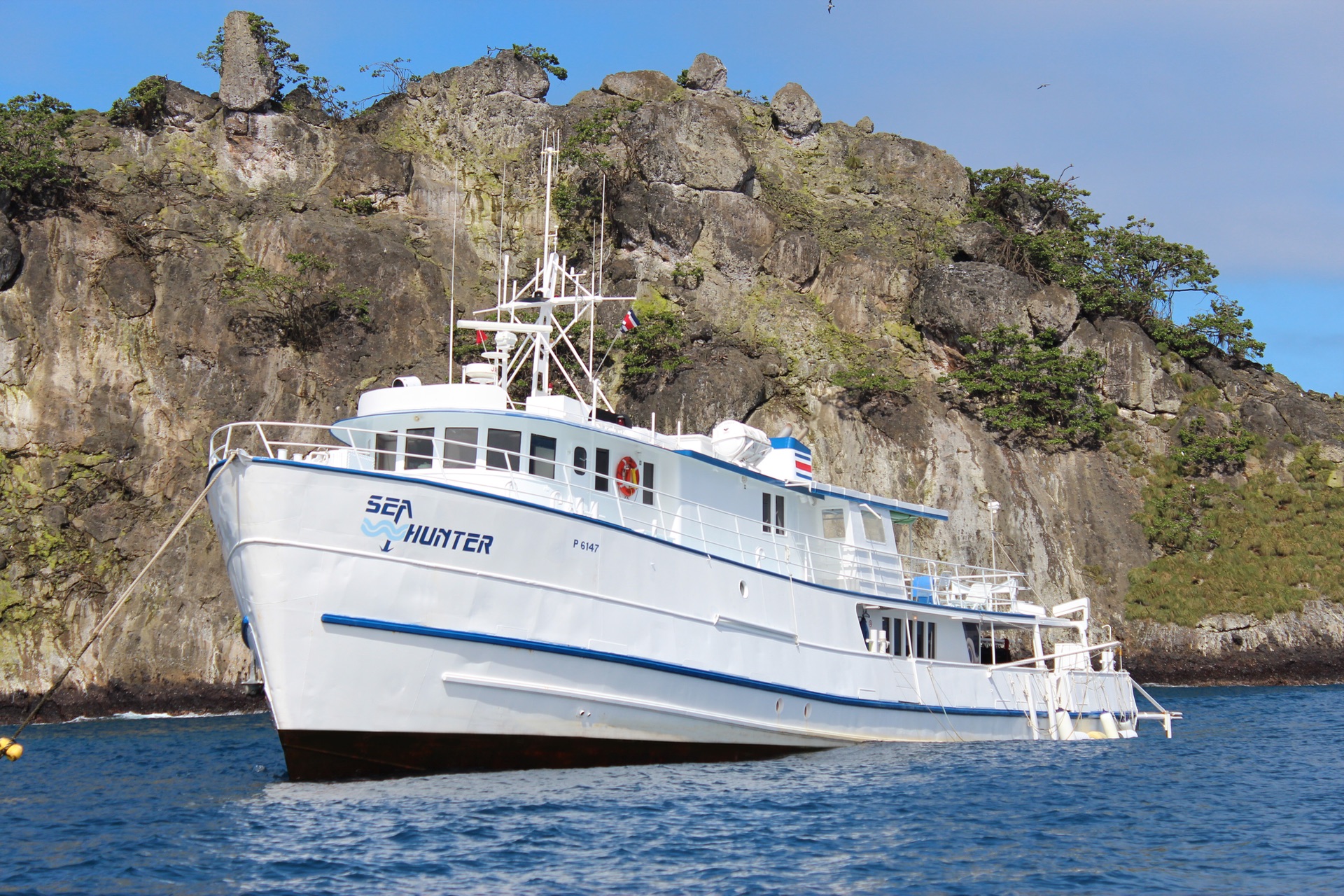
Sea Hunter
Costa Rica
20 guests
$690/day
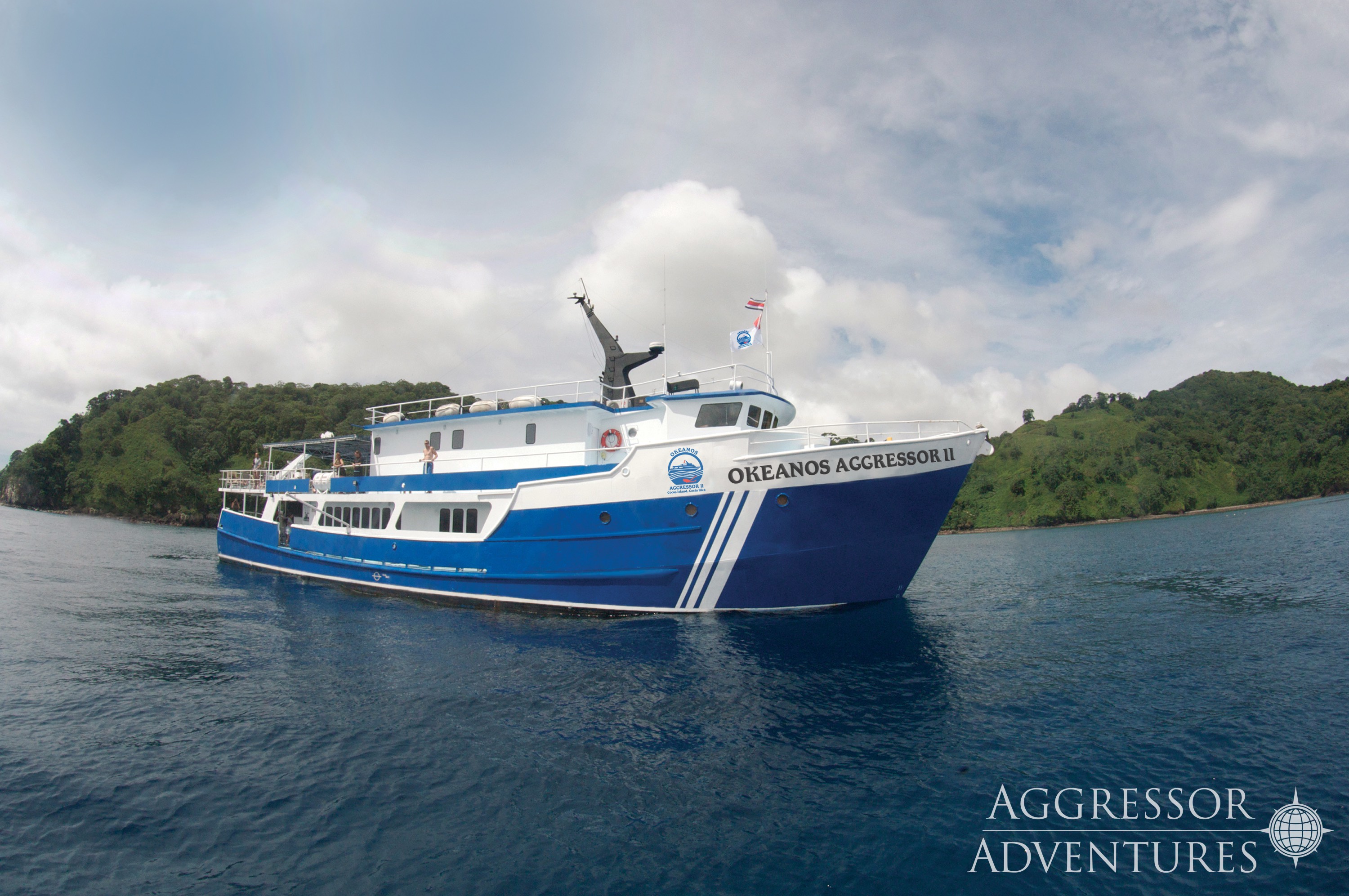
Okeanos Aggressor II
Costa Rica
24 guests36.6 m
$582/day
Dive sites similar to Cuatro Piedras
Same character, same waters — six more sites divers love for the exact same reasons.Compare seasons, access and liveaboard routes — then pick the site that fits your trip best.
© Esri — Maxar, Earthstar, GIS
Bajo Negro
Costa Rica
Bajo Negro, or Black Rock, is a captivating dive site located within the Bat Islands in Santa Rosa National Park, off Costa Rica's Pacific coast.
- Suitable for
- Advanced
- Current
- Strong
- Access
- Shore / dayboat
- Depth
- 20–30 m
- Theme
- Pinnacle / Seamount
© Esri — Maxar, Earthstar, GIS
Brumel Deep
Costa Rica
Brumel Deep, a prominent dive site just a 20-minute boat ride from Flamingo Marina, offers a protected environment, making it an excellent choice when stronger winds affect the main Catalina Islands.
- Suitable for
- Intermediate
- Current
- Mild
- Access
- Dayboat
- Depth
- ≤ 30 m
- Theme
- Reef
© Esri — Maxar, Earthstar, GIS
Dos Sombreros
Costa Rica
Dos Sombreros is a renowned dive site located offshore from Playa Flamingo, forming part of the Catalina Islands chain in Costa Rica's North Pacific region.
- Suitable for
- Intermediate
- Current
- Moderate
- Access
- Dayboat
- Depth
- 12–25 m
- Theme
- Pinnacle
© Esri — Maxar, Earthstar, GIS
Los Sombreros
Costa Rica
Los Sombreros, named for its two small islets resembling Mexican hats, offers a boat dive experience in the Catalina Islands suitable for mixed-experience groups.
- Suitable for
- Intermediate
- Current
- Moderate
- Access
- Dayboat
- Depth
- 8–25 m
- Theme
- Reef / Drift
© Esri — Maxar, Earthstar, GIS
Submerged Rock
Costa Rica
Submerged Rock is a distinctive dive site located off Cocos Island, approximately 500 km (340 miles) west of mainland Costa Rica.
- Suitable for
- Advanced
- Current
- Strong
- Access
- Liveaboard only
- Depth
- 15–20 m
- Theme
- Pinnacle