About El Barco
El Barco is a standout dive site within Cabo Pulmo National Park, recognized by divers as a must-visit location in the Sea of Cortez. This site centers around a wreck, which has become famous for attracting bull sharks, providing divers with unique opportunities to witness these powerful animals without baiting. The wreck also serves as a gathering point for large schools of pelagic fish, enhancing the overall biodiversity of the experience. It exemplifies the vibrant marine life found in Cabo Pulmo, a marine reserve praised globally for its remarkable recovery after fishing bans were enacted. The dive site is located within a protected area celebrated as a UNESCO World Heritage Site and a "Hope Spot" by Mission Blue, highlighting its ecological importance. The rich ecosystem here supports an abundance of fish and diverse species, making every dive a dynamic encounter with nature. Divers can expect to explore the wreck structure while being surrounded by the thriving aquatic environment. The Sea of Cortez, where El Barco is situated, is renowned for its diverse conditions, often presenting strong currents and varied visibility that shape the diving experience. These conditions, combined with the presence of large pelagics, offer a distinct and exhilarating contrast to other Mexican dive regions. Planning your visit according to seasonal marine life migrations is key to experiencing the full spectacle El Barco has to offer.
Highlights
Bull sharks in natural environmentImpressive schools of pelagic fishWreck explorationVibrant marine park ecosystemNo baiting for shark encounters
Season calendar
Best months to dive here
Jan
Feb
Mar
Apr
May
Jun
Jul
Aug
Sep
Oct
Nov
Dec
Excellent
Good
Dive site facts: El Barco
- Current
- Medium to strong
- Visibility
- 10–50 m
- Water temperature
- 19–28°C
- Entry
- Boat
- Level
- Advanced recommended
- Dive type
- Wreck, Reef
- Region / port
- Cabo Pulmo, Sea of Cortez
- Coordinates
- 23.4735, -109.431
Conditions & Currents
El Barco, like other sites in the Sea of Cortez, can experience medium to strong currents, which are a characteristic feature of this vibrant marine region. Divers should anticipate varied current strengths, which can influence drift dives and require careful entry and exit techniques. Visibility in the Sea of Cortez ranges significantly, from 10 to 50 meters, with the clearest conditions typically found from late August through December. Water temperatures can fluctuate, with thermoclines potentially causing sudden dips, especially outside the warmest months of June to September when temperatures are 21–28°C. These dynamic conditions mean divers should be prepared for varying levels of exertion and carry appropriate exposure protection, making current experience beneficial for a more comfortable dive.
Marine life & sighting chances

Bull shark
common
Pelagic fish schools
common
Mobula ray
May-July, December-March · occasional
Whale shark
June-October, October-December, Winter · occasional
Sea lion
Summer, Fall · occasional
Grouper
occasional
Humpback whale
Winter, December-April · rare
Hammerhead shark
Winter, Spring · rareDive profile & how the dive runs
Diving El Barco typically involves a boat entry to the wreck site in Cabo Pulmo. Upon descent, you will explore the structure of the wreck, which often acts as a focal point for marine life. The dive plan will prioritize observing bull sharks, which are frequently seen cruising around the wreck and the surrounding area. Divers will also focus on the large schools of pelagic fish that congregate here. The depth will vary depending on the wreck's position and the topography, but the area is known for depths up to 18 meters for other sites in Cabo Pulmo. Due to potential currents, divers should maintain good buoyancy and stay close to the guide. The safety stop will typically be conducted in the shallower sections or during the ascent, following standard dive protocols.
Underwater photography
For capturing the bull sharks and extensive pelagic schools at El Barco, a wide-angle lens is essential to encompass the grandeur of these subjects and the wreck. Consider bringing external strobes to illuminate subjects and enhance color rendition in the often-deep blue water. Given the potential for strong currents and large, unpredictable animals, quick focusing and burst shooting capabilities are advantageous. Maintain respectful distance from the sharks and avoid any behavior that might disturb them. Buoyancy control is paramount to avoid silting the wreck or damaging delicate marine growth, particularly when maneuvering for optimal shots amidst other divers.
Combine with nearby dive sites
Getting there & logistics
Access to El Barco is typically via boat trips originating from the village of Cabo Pulmo. To reach this region, divers generally fly into San Jose del Cabo (SJD) in Baja California, Mexico. From there, it's a drive to Cabo Pulmo, which serves as the hub for day trip operators in the marine park. El Barco is usually part of a day-diving itinerary exploring the diverse sites within Cabo Pulmo National Park. There may be national park fees to dive in this protected area, as it is a UNESCO World Heritage Site, which should be confirmed with your dive operator.
Safety & environment
For diving El Barco and the surrounding Cabo Pulmo area, it is highly recommended to have comprehensive dive insurance covering hyperbaric treatment and evacuation. The nearest recompression chamber or advanced medical facilities may require significant travel time, reinforcing the importance of being insured and diving within your limits. Site-specific hazards include potentially strong currents, which necessitate good buoyancy control and careful dive planning. Always follow your dive guide's instructions, especially regarding interactions with bull sharks, as they are wild animals. Ensure all equipment is in excellent condition, and carry an audible signaling device and a surface marker buoy for safety.
Who it suits, and who it doesn't
Suited for
- Advanced divers seeking large animal encounters
- Divers with current diving experience
- Photographers focused on wide-angle pelagic shots
- Divers interested in marine conservation success stories
Less suited for
- Beginner divers or those without current experience
- Divers who are uncomfortable with large sharks
- Divers seeking only calm, shallow reef dives
- Divers with limited buoyancy control
FAQ
El Barco FAQ
What marine life can I expect to see at El Barco?
El Barco is renowned for frequent encounters with bull sharks, which are a major draw to the site. You will also commonly observe large schools of pelagic fish. Occasionally, other large marine animals like mobula rays, whale sharks, or even humpback whales during their migratory season might be sighted.
What are the typical dive conditions at El Barco?
Dive conditions at El Barco in the Sea of Cortez can be dynamic, featuring medium to strong currents. Visibility typically ranges from 10 to 50 meters, with the clearest conditions from late summer into autumn. Water temperatures vary seasonally, ranging from 19°C in winter to 28°C in summer, so exposure protection should be chosen accordingly.
Is El Barco suitable for all diving levels?
El Barco is primarily recommended for advanced divers due to the potential for strong currents and the presence of large pelagic species like bull sharks. Divers should have good buoyancy control and experience diving in currents to safely enjoy this site. Beginners or those without recent advanced dive experience may find the conditions challenging.
How do I get to El Barco?
To dive El Barco, you typically fly into San Jose del Cabo (SJD) in Baja California, Mexico. From the airport, you'll travel to the village of Cabo Pulmo, which serves as the departure point for dive boats heading to the national park. El Barco is usually visited as part of a day-diving trip from Cabo Pulmo.
When is the best time of year to see bull sharks at El Barco?
Bull sharks are considered year-round residents at El Barco. While sightings are common throughout the year, specific seasonal migrations of other pelagics might influence when you choose to visit. The general best time to dive the Sea of Cortez for overall favorable conditions and marine life diversity is from July to November.
Why dive El Barco from a liveaboard?
El Barco is one of Mexico's signature dive sites. A liveaboard sleeps you on the water and typically offers several guided dives per day (the exact number depends on the vessel and itinerary), including dawn and night dives that day-boat operators rarely offer. You skip the daily commute back to port and reach quieter, less-crowded sites in the same region on a single trip.
Liveaboards diving El Barco
These liveaboards may visit El Barco on selected itineraries, the exact dive sites depend on departure, weather and conditions.
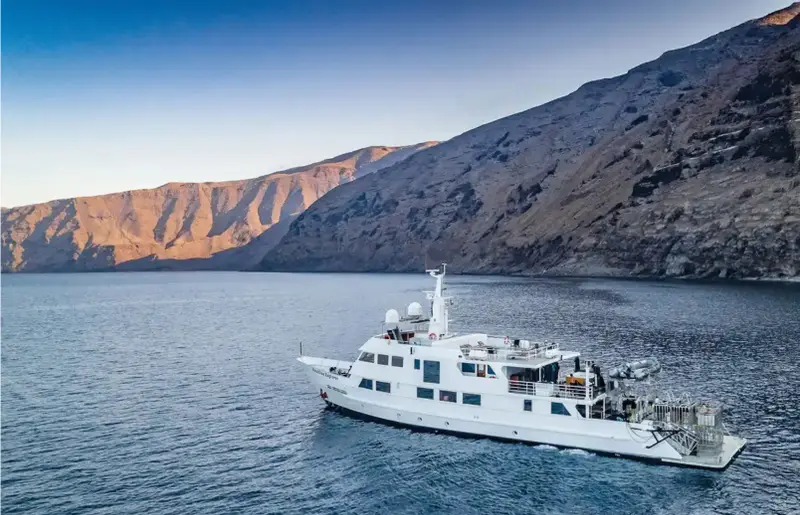
Nautilus Explorer
Mexico
25 guests45 m
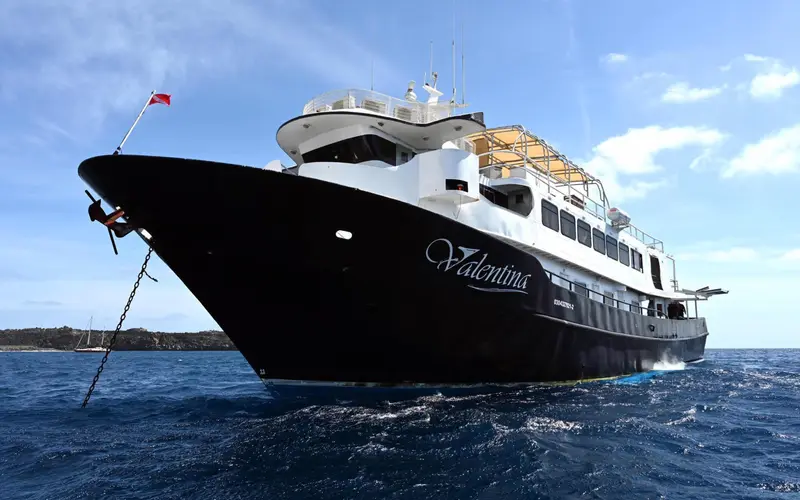
Valentina
Mexico
20 guests38 m
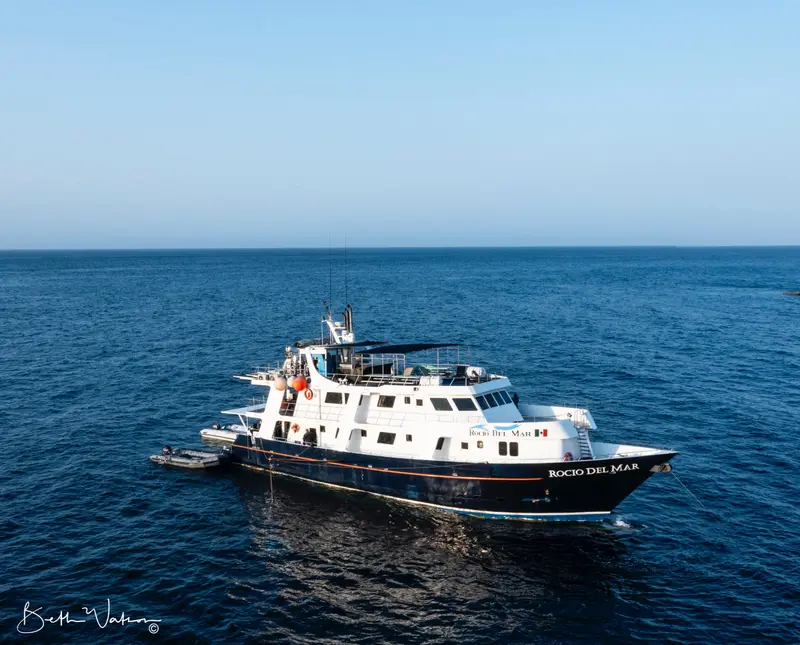
Rocio del Mar
Mexico
20 guests34 m
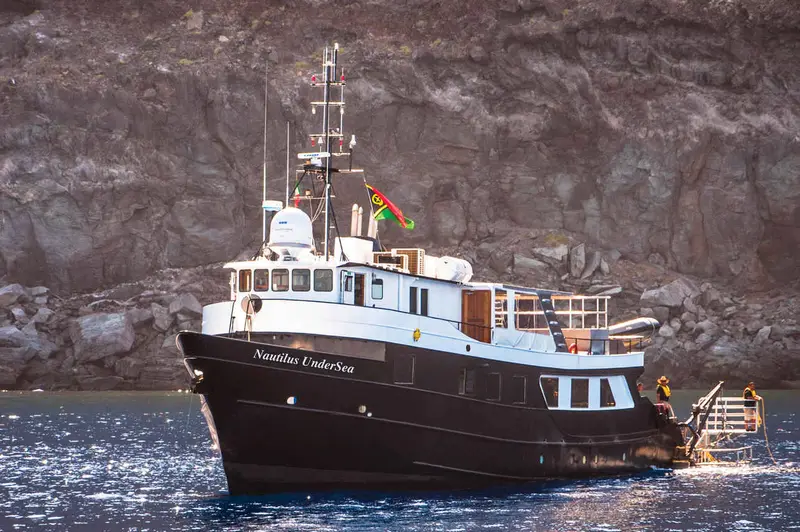
Nautilus Under Sea
Mexico
19 guests32 m
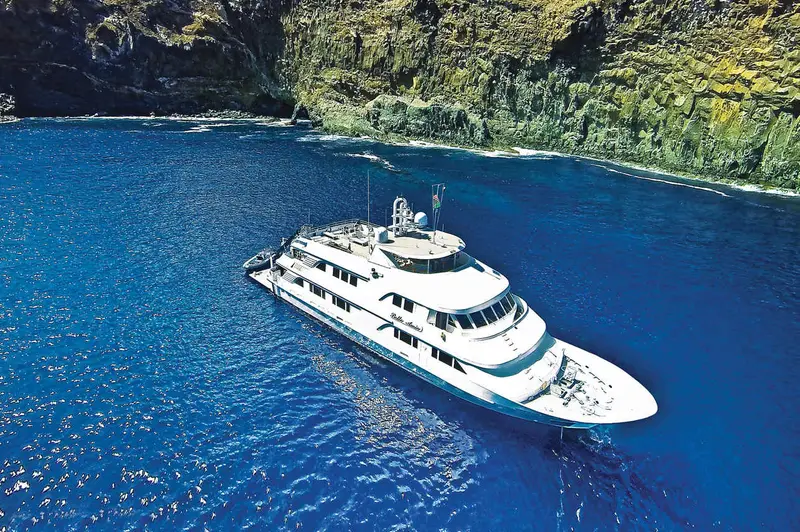
Nautilus Belle Amie
Mexico
32 guests45 m
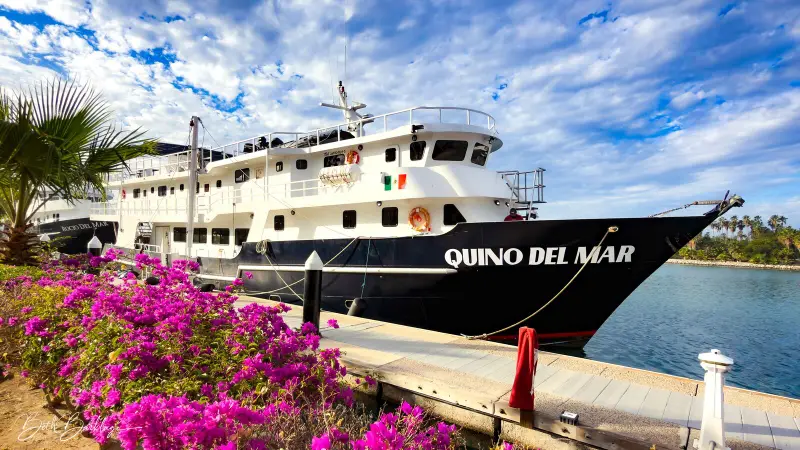
Quino del Mar
Mexico
20 guests36 m
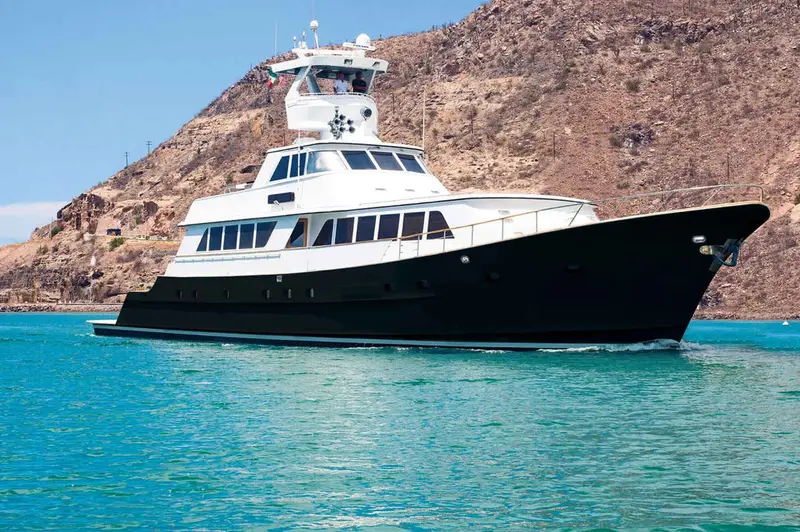
Nautilus Gallant Lady
Mexico
12 guests35 m
Dive sites similar to El Barco
Same character, same waters, six more sites divers love for the exact same reasons.Compare seasons, access and liveaboard routes, then pick the site that fits your trip best.
© EsriMaxar, Earthstar, GIS
Bahía de los Ángeles
Mexico
Bahía de los Ángeles, nestled in the northern Sea of Cortez, is a remarkable dive destination primarily known for its seasonal aggregations of whale sharks.
- Suitable for
- Intermediate
- Current
- Moderate
- Access
- Liveaboard only
- Depth
- 3–15 m
- Theme
- Reef
© EsriMaxar, Earthstar, GIS
Bajo Sandia
Mexico
Bajo Sandia is a notable dive site situated within the Loreto Bay National Park, a UNESCO World Heritage Site in the Sea of Cortez, off the coast of Baja California Sur, Mexico.
- Suitable for
- Intermediate
- Current
- Mild
- Access
- Liveaboard only
- Depth
- —
- Theme
- Reef
© EsriMaxar, Earthstar, GIS
Brumel Deep
Costa Rica
Brumel Deep, a prominent dive site just a 20-minute boat ride from Flamingo Marina, offers a protected environment, making it an excellent choice when stronger winds affect the main Catalina Islands.
- Suitable for
- Intermediate
- Current
- Mild
- Access
- Dayboat
- Depth
- ≤ 30 m
- Theme
- Reef
© EsriMaxar, Earthstar, GIS
C-59 Wreck
Mexico
The C-59 Wreck is a former navy vessel, deliberately sunk to become an artificial reef off the coast of La Paz, Mexico.
- Suitable for
- Intermediate
- Current
- Moderate
- Access
- Liveaboard only
- Depth
- 18–24 m
- Theme
- Reef
© EsriMaxar, Earthstar, GIS
Cuatro Piedras
Costa Rica
Cuatro Piedras, part of the volcanic Catalina Islands off Costa Rica's Pacific coast, is named for its unique rock formations.
- Suitable for
- Intermediate
- Current
- Moderate
- Access
- Dayboat
- Depth
- 7–28 m
- Theme
- Reef / Pinnacle
© EsriMaxar, Earthstar, GIS
El Arenal - Santiago
Galápagos
El Arenal, located near Darwin Island in the northern Galapagos Archipelago, is considered one of the world's premier dive sites.
- Suitable for
- Intermediate
- Current
- Strong
- Access
- Liveaboard only
- Depth
- 3–18 m
- Theme
- Reef