About Punta Espinosa
Punta Espinosa, located on Fernandina Island, offers an extraordinary dive experience within the Galapagos Marine Reserve, an area celebrated for its unique oceanographic conditions. The convergence of cold, nutrient-rich currents with warmer tropical waters fosters an explosion of marine life, making it a pivotal site for observing evolutionary adaptations firsthand. This volcanic island's rugged coastlines provide a dramatic backdrop for encounters with iconic endemic species. The dive site itself is characterized by its shallow, sheltered bays, gradually sloping volcanic formations, and occasional stronger currents further offshore. Depths typically range from 5 to 25 meters, providing varied environments from algae-covered rocks to sandy patches. Visibility can be excellent, though nutrient-rich waters can sometimes reduce it, especially during the cool season. Marine life here is abundant and diverse throughout the year, with sightings of marine iguanas foraging underwater being a signature experience. Playful sea lions, graceful green sea turtles, and various ray species are common. During the cooler, dry season (June to November), the increased nutrients attract larger pelagic species, including occasional whale sharks and schooling hammerheads, while the warmer, wet season (December to May) brings more stable conditions and manta rays. A typical dive at Punta Espinosa involves exploring the underwater rock formations and observing the unique behaviors of its inhabitants. It's an immersive experience, often combining the thrill of encountering large marine animals with the intimate observation of endemic creatures, all within a relatively less-frequented area, ensuring a more private and natural interaction.
Highlights
Marine iguana foragingPlayful sea lion interactionsGalapagos green sea turtlesUnique volcanic underwater landscapeRich marine biodiversityOpportunity for intimate encounters
Season calendar
Best months to dive here
Jan
Feb
Mar
Apr
May
Jun
Jul
Aug
Sep
Oct
Nov
Dec
Good
Dive site facts: Punta Espinosa
- Depth
- 5–25 m
- Typical dive
- 12–18 m, 45–60 min
- Current
- Mild to strong, drift potential
- Visibility
- 8–18 m
- Water temperature
- 18–26°C
- Entry
- Tender / Liveaboard
- Level
- Intermediate, current experience helpful
- Dive type
- Reef, drift, pelagic encounters
- Night dive
- Not permitted
- Region / port
- Fernandina Island, Galapagos
- Coordinates
- -0.2667, -91.5833
Conditions & Currents
Currents at Punta Espinosa can vary from mild to strong, depending on the tidal phase and location within the site. Divers should be prepared for potential drift diving, particularly if venturing into more exposed areas. Surface conditions can also be choppy during the cool season (June-November) due to stronger winds and the influence of the Humboldt Current, requiring careful entry and exit techniques. While visibility is generally good, nutrient-rich upwellings, especially prevalent in the cool season, can sometimes reduce it. Water temperatures fluctuate significantly between seasons, necessitating appropriate thermal protection. Divers should maintain excellent buoyancy control to avoid damaging the delicate ecosystems and be mindful of surge in shallower areas.
Marine life & sighting chances

Marine Iguana
Year-round · common
Galapagos Sea Lion
Year-round · common
Galapagos Green Sea Turtle
Year-round · common
Galapagos Penguin
Year-round · occasional
Flightless Cormorant
Year-round · occasional
Whale Shark
June - December · occasional
Hammerhead Shark
Year-round, larger schools Dec-May · occasional
Manta Ray
December - May · occasional
Spotted Eagle Ray
Year-round · occasional
Dolphin
Year-round · occasional
Humpback Whale
rareDive profile & how the dive runs
Diving at Punta Espinosa typically begins with a tender transfer from the liveaboard. Entry is usually a backward roll or giant stride into the calm, inshore waters. The dive often follows the rugged volcanic coastline, exploring shallow areas where marine iguanas forage on algae, often near 5-10 meters. As you progress, the depth gradually increases along a sloping reef, reaching 15-20 meters, where you might encounter sea turtles and various reef fish. Playful sea lions are common companions throughout the dive, often interacting with divers. Depending on currents and marine activity, the dive may become a gentle drift along the wall. The turn point is usually dictated by air consumption or current direction. Safety stops are performed in shallower, sheltered areas, often with continued interactions with sea lions or observations of reef life, before ascending to the surface for tender pickup.
Underwater photography
Punta Espinosa offers exceptional opportunities for both wide-angle and macro photography, though wide-angle is often preferred for capturing the dramatic volcanic landscapes and interacting wildlife. For marine iguanas, green sea turtles, and sea lions, a wide-angle lens is ideal. Be prepared for playful and curious animals; maintain a respectful distance but be ready for close encounters. A strong strobe is recommended to bring out vibrant colors, especially when visibility is affected by nutrient-rich waters. Given the potential for currents, maintaining excellent buoyancy control is crucial for stable shots. For macro enthusiasts, there are smaller critters among the rocks, but the site's main draw is its larger inhabitants. Always prioritize animal welfare; avoid touching, chasing, or disturbing the wildlife.
Combine with nearby dive sites
- Cape Douglas - Fernandina
Another key dive site on Fernandina Island, known for its unique marine iguana populations.
- Punta Vicente Roca
Located on Isabela Island, famous for mola mola, penguins, and seahorses.
- Cousin's Rock
An iconic site offering excellent opportunities for hammerhead sharks, sea lions, and schooling fish.
Getting there & logistics
Access to Punta Espinosa is primarily via liveaboard cruises, as it's located on Fernandina Island, one of the younger, more volcanically active islands, less frequented by day trips. International flights land at Quito (UIO) or Guayaquil (GYE), with connecting domestic flights to Baltra (GPS) or San Cristóbal (SCY) in the Galapagos. Most liveaboard itineraries, such as 8-day routes, include sites on Fernandina and Isabela. These Western Route itineraries often combine Punta Espinosa with other remote sites. Park entry fees are required, and all travel within the Galapagos is highly regulated to preserve its unique ecosystem.
Safety & environment
Diving in the Galapagos, including Punta Espinosa, requires preparedness due to potentially strong currents and cooler water temperatures. A recompression chamber is located in Puerto Ayora on Santa Cruz Island. Evacuation from remote sites like Fernandina to the chamber can take several hours, underscoring the importance of proper dive planning, adherence to depth and time limits, and sufficient safety stops. Dive insurance with comprehensive medical and evacuation coverage is mandatory. Always dive with a qualified guide, stay close to your buddy, and maintain excellent buoyancy to avoid damaging the delicate coral and rock formations. Respect wildlife by observing from a distance and never touching or feeding animals.
Who it suits — and who it doesn't
Suited for
- Experienced divers comfortable with currents
- Wildlife photographers seeking unique encounters
- Divers interested in endemic species
- Liveaboard enthusiasts
Less suited for
- Beginner divers without current experience
- Divers prone to seasickness
- Those preferring very warm, calm waters
- Divers seeking exclusively macro subjects
FAQ
Punta Espinosa FAQ
What marine life can I expect to see at Punta Espinosa?
Punta Espinosa is renowned for its iconic marine iguanas, which you can often observe feeding underwater. You will also frequently encounter playful Galapagos sea lions, graceful green sea turtles, and various species of rays. During certain seasons, there is also a chance to spot hammerhead sharks and other pelagic species.
What are the typical dive conditions at Punta Espinosa?
Dive conditions can vary, with water temperatures ranging from 18-26°C (65-80°F) depending on the season. Currents can be mild to strong, making some dives suitable for drift diving. Visibility typically ranges from 8-18 meters (25-60 feet), though it can be reduced at times due to nutrient-rich waters.
Is Punta Espinosa suitable for beginner divers?
Punta Espinosa is generally recommended for intermediate to experienced divers. The potential for strong currents and variable conditions, along with cooler water temperatures, requires a good level of comfort and skill in the water. Divers new to currents may find it challenging.
What is the best time of year to dive Punta Espinosa?
While diving is good year-round, the cool, dry season from June to November often brings more prolific marine life due to increased nutrients from the Humboldt Current. This period offers higher chances for larger pelagic encounters. The warm season (December-May) provides calmer seas and warmer waters.
How do I get to Punta Espinosa?
Punta Espinosa is primarily accessed via liveaboard diving cruises that offer Western Route itineraries in the Galapagos. These itineraries typically depart from Baltra Island after flying in from mainland Ecuador. Day trips to this specific site are less common due to its remote location on Fernandina Island.
What specific photography gear is best for this site?
For Punta Espinosa, a wide-angle lens is highly recommended to capture the expansive volcanic underwater scenery and interacting marine iguanas, sea lions, and turtles. Consider bringing a strong strobe to enhance colors and detail. Good buoyancy control is essential for stable shots, especially with potential currents.
Why dive Punta Espinosa from a liveaboard?
Punta Espinosa is one of Galápagos's signature dive sites. A liveaboard sleeps you on the water and puts you in the water for three to four guided dives per day, including dawn and night dives that day-boat operators rarely offer. You skip the daily commute back to port and reach quieter, less-crowded sites in the same region on a single trip.
Below are the liveaboards that include Punta Espinosa on their Galápagos itineraries.
Liveaboards diving Punta Espinosa
These liveaboards may visit Punta Espinosa on selected itineraries — the exact dive sites depend on departure, weather and conditions.
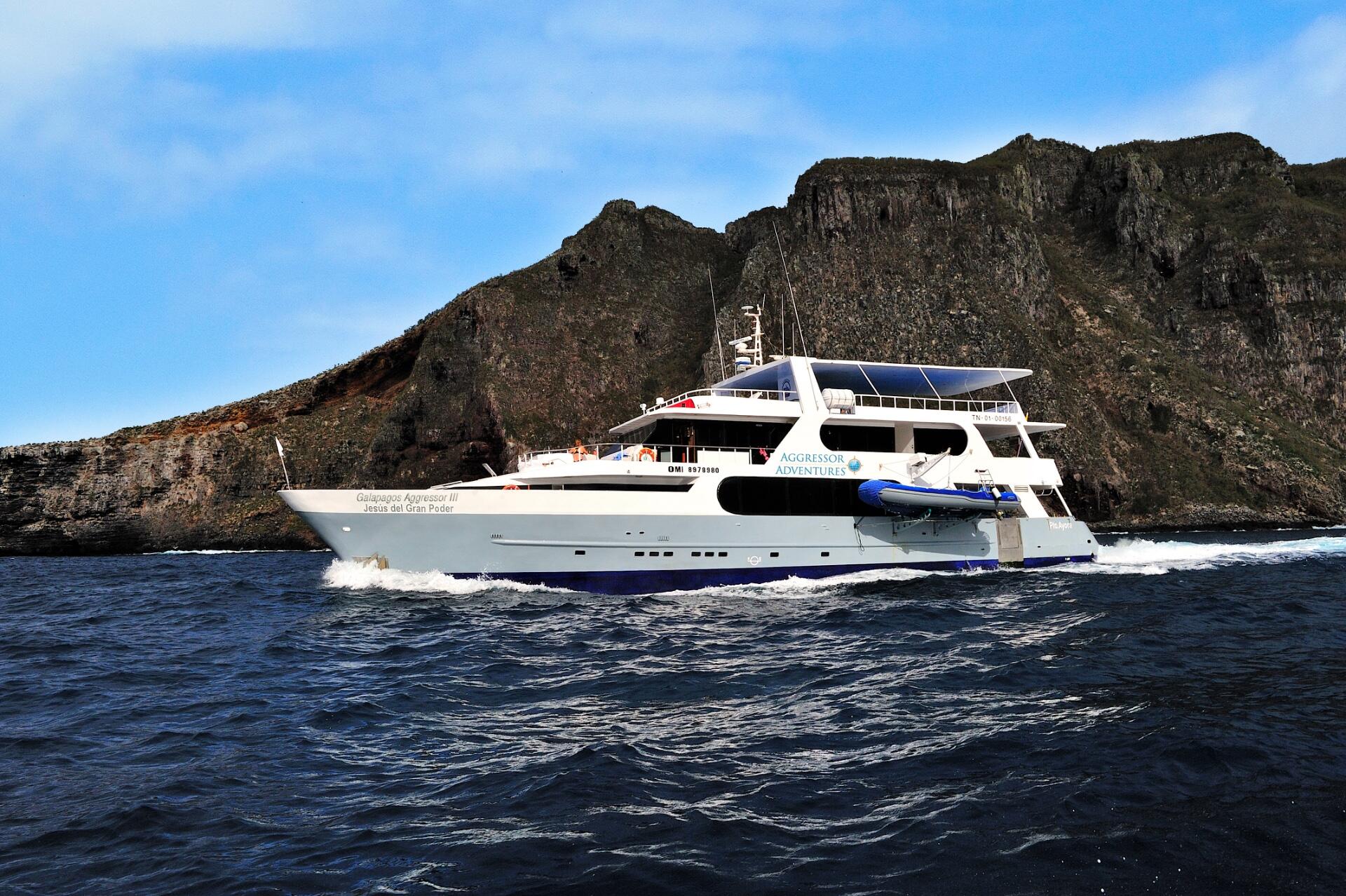
Galapagos Aggressor III
Galápagos
16 guests30.5 m
$913/day
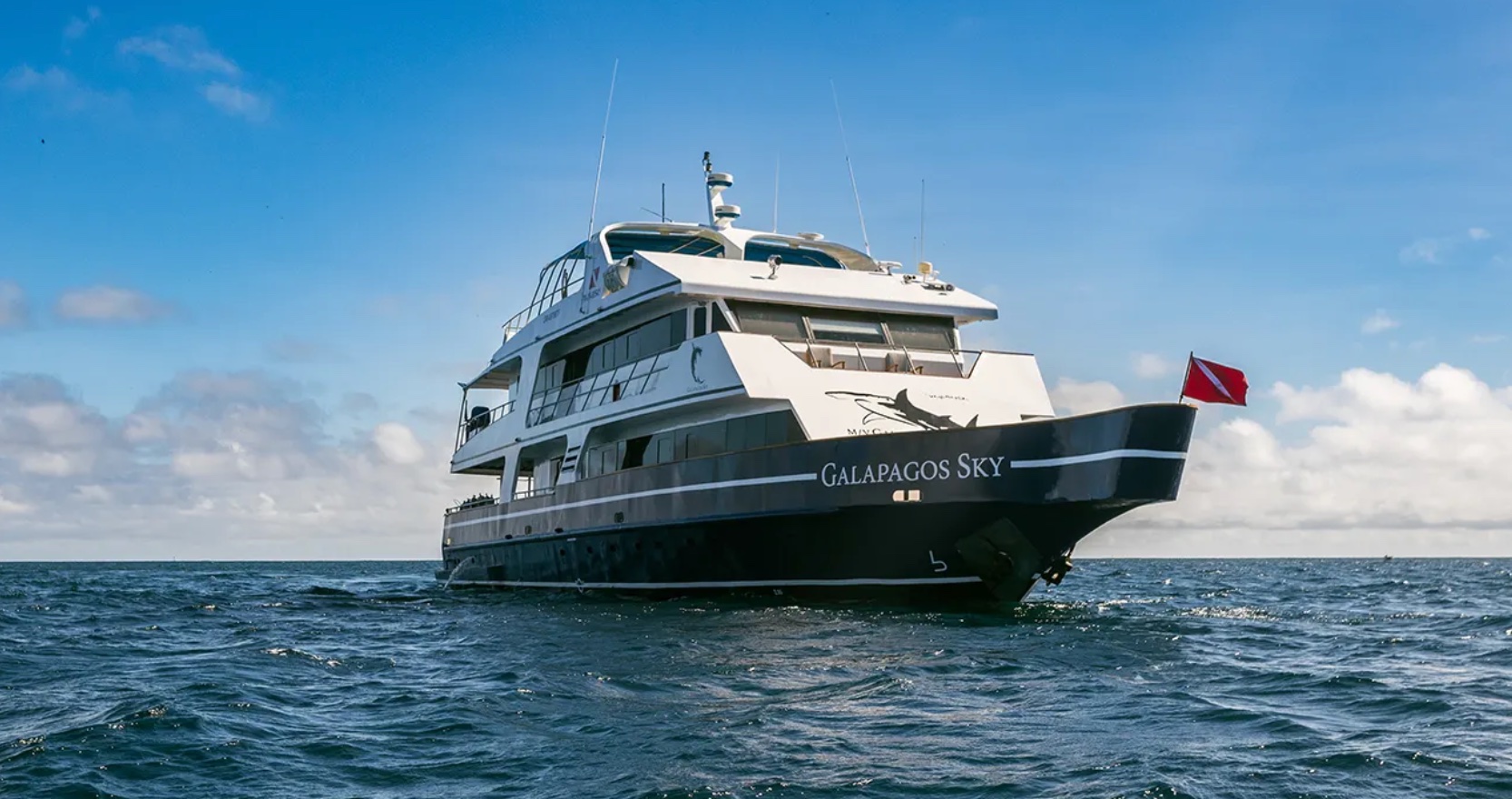
Galapagos Sky
Galápagos
16 guests
$937/day
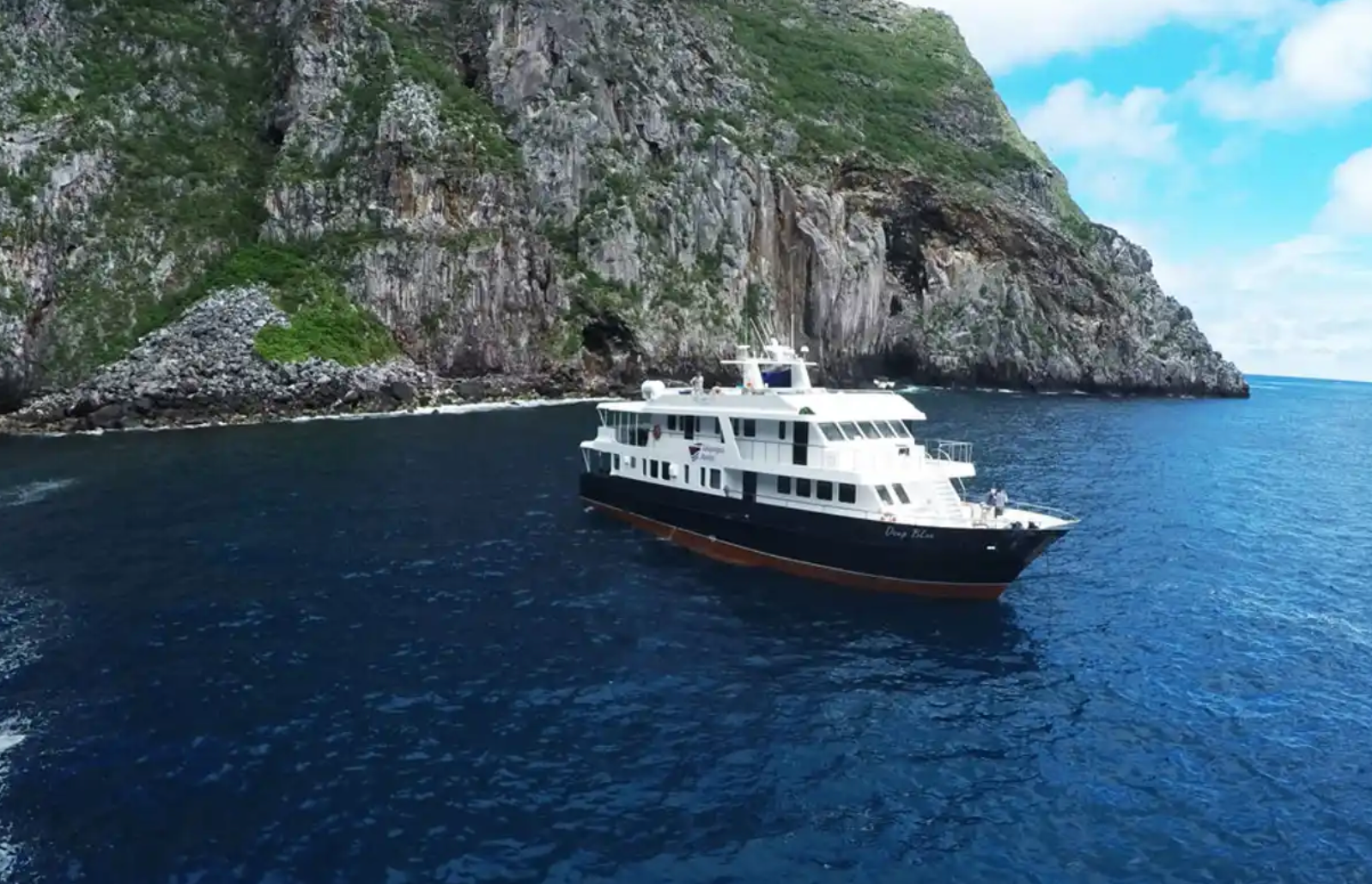
Galapagos Master
Galápagos
16 guests
$669/day
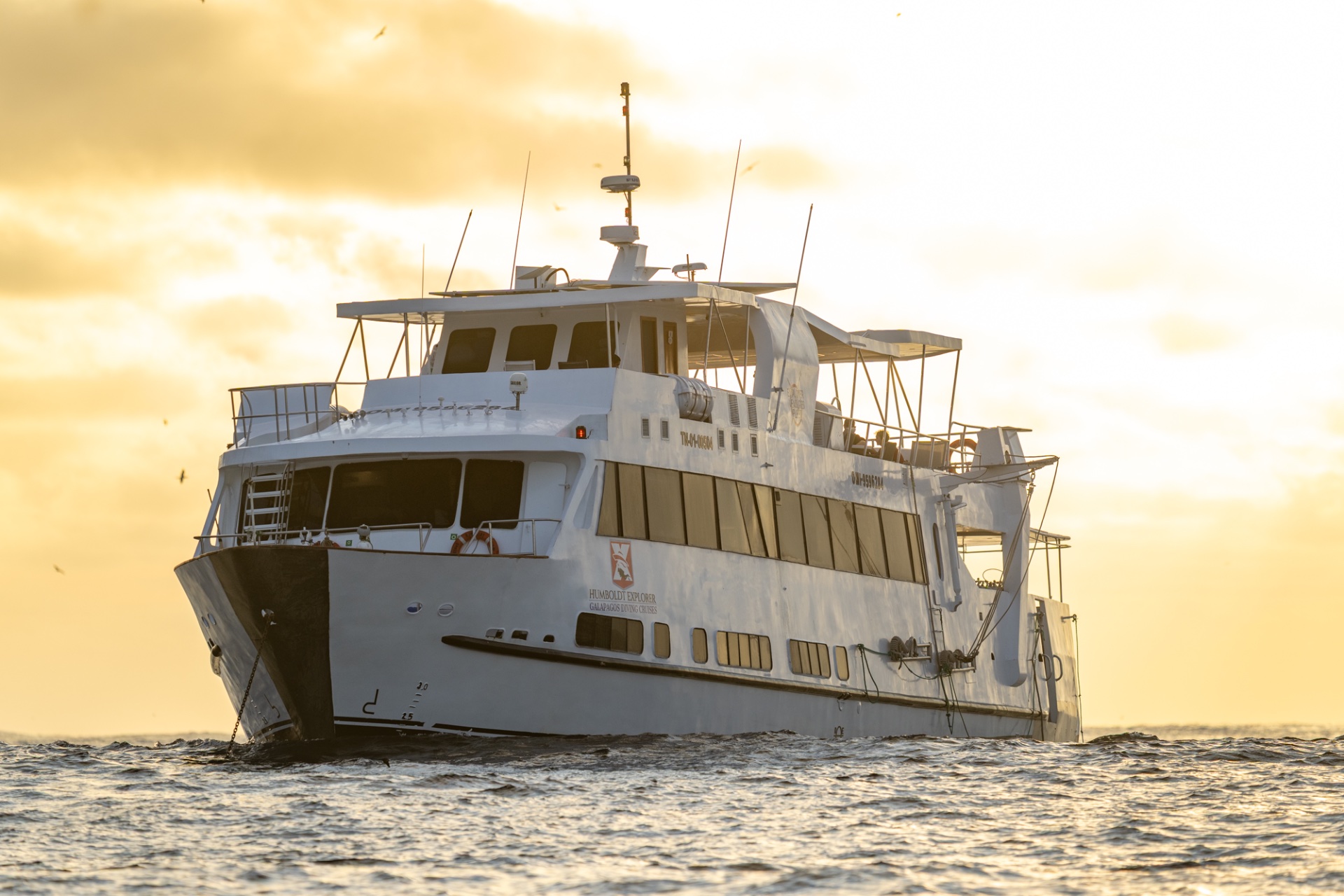
Humboldt Explorer
Galápagos
16 guests
$612/day
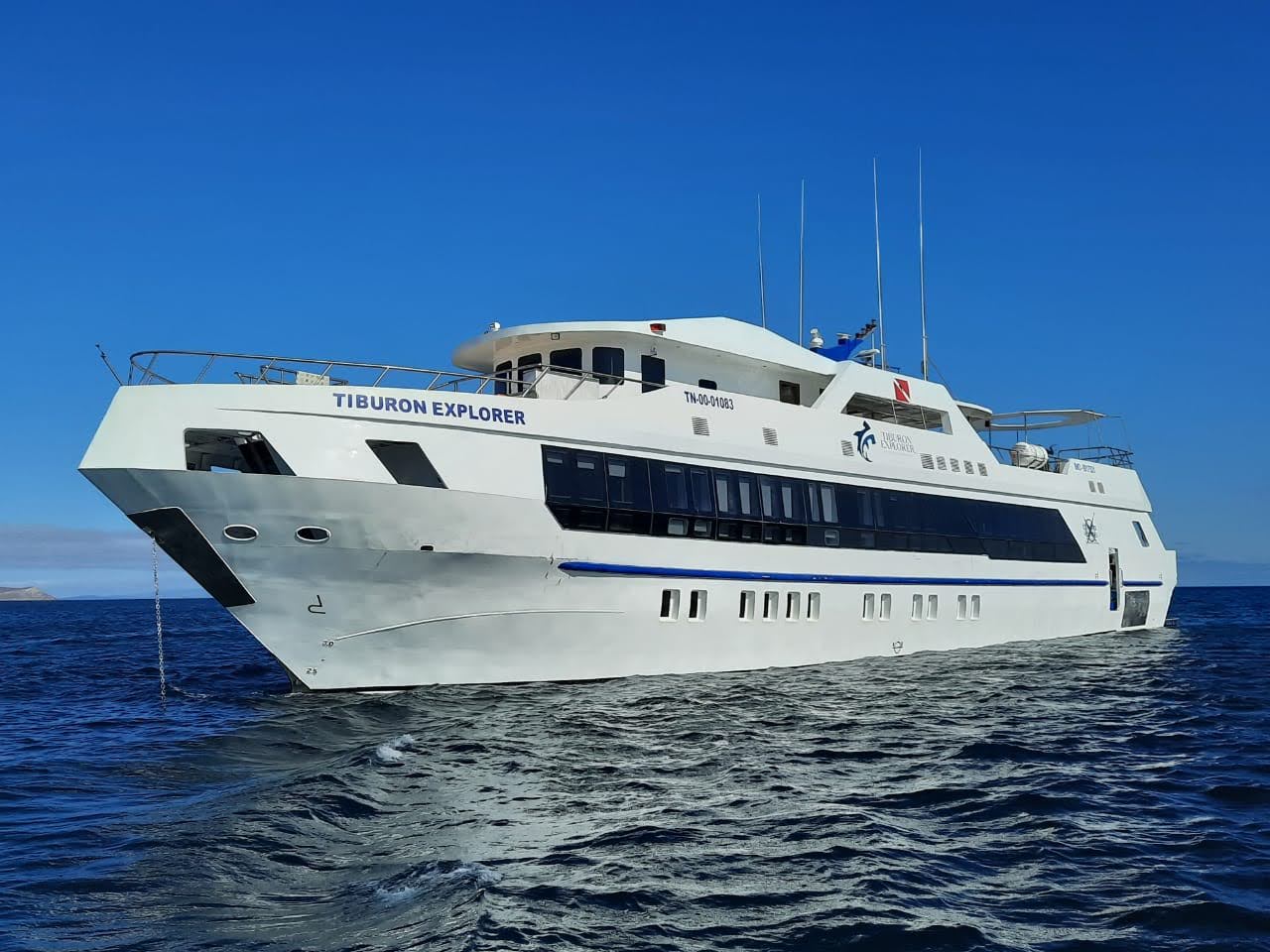
Tiburon Explorer
Galápagos
16 guests
$924/day
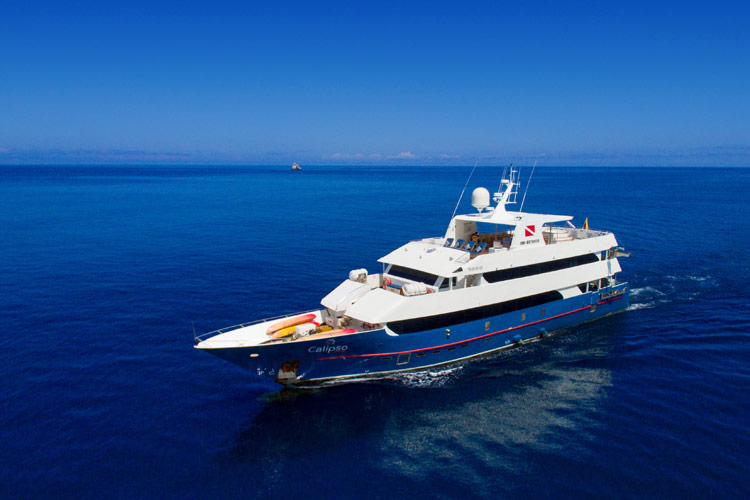
Calipso
Galápagos
16 guests
$819/day
Dive sites similar to Punta Espinosa
Same character, same waters — six more sites divers love for the exact same reasons.Compare seasons, access and liveaboard routes — then pick the site that fits your trip best.
© Esri — Maxar, Earthstar, GIS
Floreana - Devil's Crown
Galápagos
Devil's Crown, located off Floreana Island in the Galápagos, is renowned as one of the archipelago's premier diving and snorkeling destinations.
- Suitable for
- Beginner
- Current
- Strong
- Access
- Liveaboard only
- Depth
- 3–15 m
- Theme
- Reef
© Esri — Maxar, Earthstar, GIS
Plaza Islands
Galápagos
Plaza Islands offers exceptional diving within Ecuador's Galápagos Marine Reserve, renowned for its abundant marine life and position in one of the world's most biodiverse ocean zones.
- Suitable for
- Beginner
- Current
- Mild
- Access
- Liveaboard or dayboat
- Depth
- —
- Theme
- Reef
Pinzon is situated among the central islands of the Galápagos archipelago, an area characterized by waters that are generally warmer and more protected compared to the northern or western regions.
- Suitable for
- Advanced
- Current
- Strong
- Access
- Liveaboard or dayboat
- Depth
- ≤ 18 m
- Theme
- Reef / Drift
Santa Fe Island, also known by its English name Barrington, is a unique dive location within the Galápagos archipelago, notable for its significant geological age and high degree of endemism.
- Suitable for
- Beginner
- Current
- Mild
- Access
- Liveaboard or dayboat
- Depth
- 5–30 m
- Theme
- Reef
© Esri — Maxar, Earthstar, GIS
Camano Islet
Galápagos
The Galápagos Islands offer an unparalleled diving experience year-round, renowned for their exceptional marine biodiversity and unique blend of oceanic currents.
- Suitable for
- Beginner
- Current
- Mild
- Access
- Liveaboard or dayboat
- Depth
- 21–35 m
- Theme
- Reef
© Esri — Maxar, Earthstar, GIS
El Arenal - Santiago
Galápagos
El Arenal, located near Darwin Island in the northern Galapagos Archipelago, is considered one of the world's premier dive sites.
- Suitable for
- Intermediate
- Current
- Strong
- Access
- Liveaboard only
- Depth
- 3–18 m
- Theme
- Reef