Drift diving: the best dive sites worldwide
514 dive sites28 countries8 regions114 liveaboard-only sites

Drift diving: the best dive sites worldwide

Drift diving is fast water, hooking in and letting the reef fly past — from Nusa Penida to Cozumel. Compare the best Drift dive sites worldwide with depth, current, certification level and best season, plus the liveaboard itineraries that actually dive them.

What makes Drift diving special

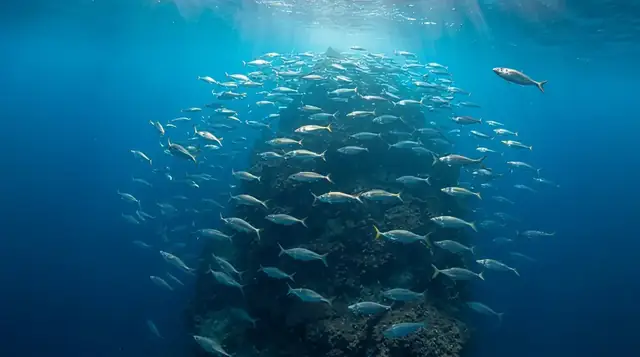
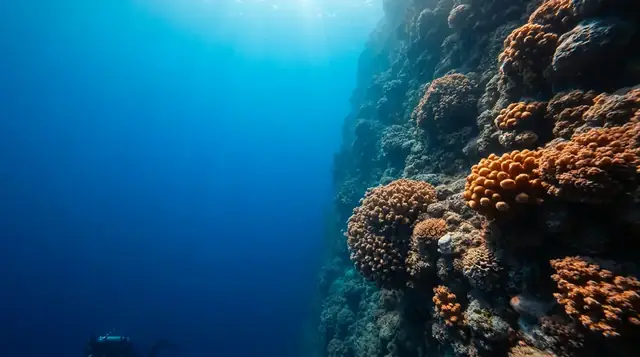
Drift diving means letting the current carry you along the reef instead of swimming against it. It is effortless and fast-paced, but it needs good buoyancy, a surface marker buoy and a boat that picks you up downstream.

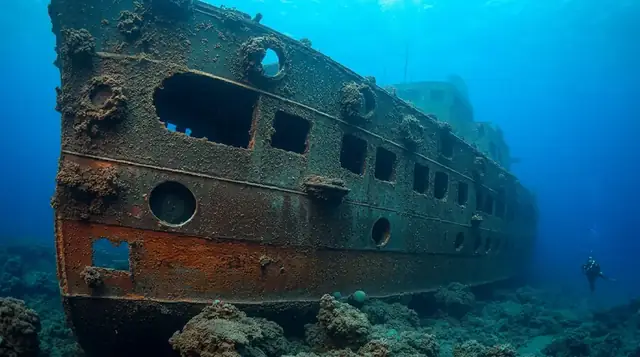
Drift diving is one of the most rewarding ways to read the ocean. Every site layers history, marine life and a unique atmosphere — from shallow, coral-encrusted shore wrecks to deep, current-swept war graves.

Some wrecks are protected museums, others are artificial reefs bursting with schools, predators and macro critters. Depth and current vary widely, so there is usually a wreck for every certification level — as long as you respect its limits.
Signature sites

Iconic drift dives

The absolute classics every diver has heard of — and the liveaboards that reach them.

German Channel

Micronesia

German Channel, located in Micronesia's Palau archipelago near Ngemelis Island, is a renowned dive site created in the early 1900s by Germans for guano transport.

Suitable for
Intermediate
Current
Ripping
Access
Liveaboard only
Depth
5–40 m
Theme
Channel / Drift

Tikehau - Tuheiava Pass

French Polynesia

Tuheiava Pass, located in Tikehau, French Polynesia, is a renowned dive site in the stunning Tuamotu Archipelago, offering exceptional marine encounters.

Suitable for
Intermediate
Current
Strong
Access
Liveaboard or dayboat
Depth
6–35 m
Theme
Channel / Drift

Rocky Island, a tiny, uninhabited outcrop barely 500 meters long, is located in the far south of Egypt's Red Sea, approximately 170 kilometers southeast of Marsa Alam and just 6 kilometers southeast of Zabargad Island.

Suitable for
Advanced
Current
Strong
Access
Shore / dayboat
Depth
5–50 m
Theme
Drift / Reef

Tatawa Kecil

Indonesia

Tatawa Kecil is a renowned dive site located in the heart of Komodo National Park, specifically in the Linta Strait between Komodo and Rinca Islands.

Suitable for
Advanced
Current
Strong
Access
Liveaboard or dayboat
Depth
5–30 m
Theme
Cave & cavern / Drift

South Solitary Island, located approximately 8-9 nautical miles offshore from Coffs Harbour, New South Wales, Australia, is a premier dive destination within the Solitary Islands Marine Park.

Suitable for
Intermediate
Current
Strong
Access
Liveaboard or dayboat
Depth
15–30 m
Theme
Drift / Reef

Rainbow Reef, renowned worldwide for its vibrant coral ecosystems, lies within Fiji's Somosomo Strait, a narrow passage separating Vanua Levu and Taveuni islands.

Suitable for
Intermediate
Current
Strong
Access
Liveaboard or dayboat
Depth
10–30 m
Theme
Drift / Reef

Editorial ranking

Top 14 drift dives worldwide

Our editorial top 14, based on how often each site appears in published best-of rankings, dive guides and operator reports.

From bucket-list classics to lesser-known gems, these sites cover the full range of experience levels and conditions.

Compare depth, current, access and the liveaboards that reach each site to plan your next underwater adventure.

1

Blue Corner

Micronesia

Blue Corner, located off the southwest reefs of Palau's Ngemelis Island, stands as one of the world's premier dive destinations, frequently listed among the best globally.

Suitable for
Intermediate
Current
Strong
Access
Liveaboard only
Depth
15–30 m
Theme
Drift / Wall
2

Ulong Channel

Micronesia

Ulong Channel, situated approximately 15 miles west of Koror and adjacent to Ulong Island, is a renowned channel dive in Palau celebrated for its dynamic currents and abundant marine life.

Suitable for
Advanced
Current
Strong
Access
Liveaboard or dayboat
Depth
3–15 m
Theme
Drift / Reef

Season

Best season for Drift diving

Seasons change by region, but these windows reliably deliver the calmest seas and the best visibility for Drift diving. Compare water temperature, surface conditions and the liveaboard routes that run during each peak season.
Drift diving in the Coral Triangle

Coral Triangle

April – November

J
F
M
A
M
J
J
A
S
O
N
D
ExcellentGoodOff-season

Komodo's channels and Raja Ampat's passes run hardest and clearest between the monsoons.

Water 24–30 °C · visibility 15–30 m · spring tides push 3+ knots through the narrows.

Drift diving in the Indian Ocean

Indian Ocean

January – April

J
F
M
A
M
J
J
A
S
O
N
D
ExcellentGoodOff-season

Maldivian channel dives are best on the northeast monsoon, when incoming current brings clear water.

Water 27–30 °C · visibility 15–30 m · reef hook allowed on many atoll corners.

Drift diving in the South Pacific

South Pacific

May – October

J
F
M
A
M
J
J
A
S
O
N
D
ExcellentGoodOff-season

Palau's Blue Corner and the Tuamotu passes are cleanest on the dry-season incoming tide.

Water 27–30 °C · visibility 20–40 m · shark action peaks on the strongest exchanges.

Drift diving in the Caribbean

Caribbean

December – April

J
F
M
A
M
J
J
A
S
O
N
D
ExcellentGoodOff-season

Cozumel's famous drift reefs run all year but are flattest in the dry season.

Water 26–29 °C · visibility 25–40 m · drift is the default dive style, boats follow bubbles.

Drift diving in the Red Sea & Arabia

Red Sea & Arabia

March – May & September – November

J
F
M
A
M
J
J
A
S
O
N
D
ExcellentGoodOff-season

Offshore reefs like Rocky Island and Daedalus need calm surface conditions for drift pickups.

Water 22–29 °C · visibility 25–40 m · zodiac pickup standard on offshore plateaus.

Drift diving in the Eastern Pacific

Eastern Pacific

June – November

J
F
M
A
M
J
J
A
S
O
N
D
ExcellentGoodOff-season

Cocos, Malpelo and the Revillagigedos run strong, pelagic-rich drifts in the warm season.

Water 21–29 °C · visibility 15–30 m · reef hook and surface marker essential.

Drift diving in the Mediterranean & Atlantic

Mediterranean & Atlantic

June – October

J
F
M
A
M
J
J
A
S
O
N
D
ExcellentGoodOff-season

Gibraltar, the Azores and Canary channels drift best in the settled summer months.

Water 15–27 °C · visibility 20–35 m · tidal streams strongest around new and full moon.

Drift diving in the Andaman Sea

Andaman Sea

November – April

J
F
M
A
M
J
J
A
S
O
N
D
ExcellentGoodOff-season

Hin Daeng, Richelieu and the Mergui channels drift hardest on the spring tides.

Water 27–30 °C · visibility 15–30 m · liveaboards pause during the southwest monsoon.

Plan ahead

Good to know

Drift diving mixes unforgettable moments with real planning decisions — depth, current, certification and the right season all matter. Here is what experienced divers check before booking a liveaboard trip.

  1. Current strength

    Anything from a gentle push to 3+ knots. Ask the guide about the tidal exchange before you gear up and know the abort plan.

  2. Certification

    Open Water works on gentle drifts; Advanced plus a drift specialty is the right base for channel and pass diving.

  3. Negative entry

    Many drifts start with a fast, deflated backroll onto the reef so the group does not get blown off the site — practise it before the trip.

  4. SMB & signalling

    A delayed SMB and reel are mandatory. The boat follows your marker, not your bubbles, on open-ocean drifts.

  5. Reef hook

    Where permitted, a reef hook lets you park in the blue and watch the show without touching coral. Never hook into living reef.

  6. Group discipline

    Stay level with the guide. A drift group spread over 50 m becomes two dives and two pickups.

  7. Marine life

    Current means food: grey reef sharks, jacks, barracuda, mantas at cleaning stations and huge fusilier schools.

  8. Buoyancy

    Down-currents on channel walls are real. If you start sinking, swim off the wall into open water and add gas early.

  9. Gas planning

    Working against current burns air fast. Turn the dive on pressure, not on time.

  10. Getting there

    Liveaboards win here — they can move with the tide and hit each pass at exactly the right hour.

By country

Find your drift dives by country

Pick the country you have always dreamed of and see all drift dives waiting for you there.

Depths, currents, best season and the liveaboards that actually dive them — all in one place.

89 dive sites

Indonesia

avg 33 m · level Advanced · current Strong

43 dive sites

Maldives

avg 31 m · level Advanced · current Strong

41 dive sites

Mexico

avg 27 m · level Intermediate · current Strong

25 dive sites

Fiji

avg 28 m · level Intermediate · current Strong

22 dive sites

Egypt

avg 51 m · level Advanced · current Strong

20 dive sites

Australia

avg 28 m · level Advanced · current Strong

18 dive sites

Micronesia

avg 28 m · level Intermediate · current Strong

17 dive sites

French Polynesia

avg 27 m · level Advanced · current Strong

13 dive sites

Bahamas

avg 29 m · level Intermediate · current Strong

13 dive sites

Saudi Arabia

avg 33 m · level Advanced · current Moderate

11 dive sites

Seychelles

avg 31 m · level Advanced · current Strong

11 dive sites

Galápagos

avg 28 m · level Advanced · current Strong

10 dive sites

Philippines

avg 38 m · level Intermediate · current Strong

9 dive sites

Honduras

avg 28 m · level Intermediate · current Mild

8 dive sites

Thailand

avg 30 m · level Intermediate · current Strong

8 dive sites

Papua New Guinea

avg 24 m · level Advanced · current Moderate

By region

Find your drift dives by region

Pick the region you have always dreamed of and see all drift dives waiting for you there.

Depths, currents, best season and the liveaboards that actually dive them — all in one place.

Drift diving in the Coral Triangle109 dive sites

Coral Triangle

avg 33 m · level Advanced · current Strong

Drift diving in the South Pacific75 dive sites

South Pacific

avg 28 m · level Advanced · current Strong

Drift diving in the Indian Ocean64 dive sites

Indian Ocean

avg 31 m · level Advanced · current Strong

Drift diving in the Caribbean62 dive sites

Caribbean

avg 29 m · level Intermediate · current Strong

Drift diving in the Red Sea & Arabia42 dive sites

Red Sea & Arabia

avg 41 m · level Advanced · current Strong

Drift diving in the Eastern Pacific30 dive sites

Eastern Pacific

avg 29 m · level Advanced · current Strong

Drift diving in the Mediterranean & Atlantic10 dive sites

Mediterranean & Atlantic

avg 34 m · level Advanced · current Strong

Drift diving in the Andaman Sea8 dive sites

Andaman Sea

avg 30 m · level Intermediate · current Strong

Liveaboards for Drift diving

Search boats built around Drift diving and compare departures.

FAQ

FAQ: Drift diving

What is drift diving?
Instead of swimming a fixed route, you let the current carry you along the reef while the boat follows and picks the group up wherever it surfaces.
Is drift diving dangerous?
Not with the right briefing and gear. The essentials are a delayed SMB, staying with the group, and a boat crew that is used to live pickups.
Do beginners manage drift dives?
Gentle drifts like Cozumel are fine for Open Water divers. Strong channel and pass dives need Advanced-level experience and good buoyancy.
What is a reef hook and do I need one?
A short line with a hook that lets you hold position in current without touching coral. It is standard in Palau and the Maldives and banned at some other sites.
Why is the marine life better in current?
Current delivers plankton and small fish, which draws predators. Channel corners and passes are where sharks, jacks and mantas gather.
When is the current strongest?
Around spring tides and the middle of the tidal exchange. Guides plan drift dives around slack and peak flow depending on the site.

Find liveaboards for Drift diving

Search boats built around Drift diving and compare departures.