Reef diving: the best dive sites worldwide
1345 dive sites29 countries9 regions104 liveaboard-only sites

Reef diving: the best dive sites worldwide

Reef diving is healthy coral gardens and dense reef fish — from Raja Ampat to Tubbataha. Compare the best Reef dive sites worldwide with depth, current, certification level and best season, plus the liveaboard itineraries that actually dive them.

What makes Reef diving special

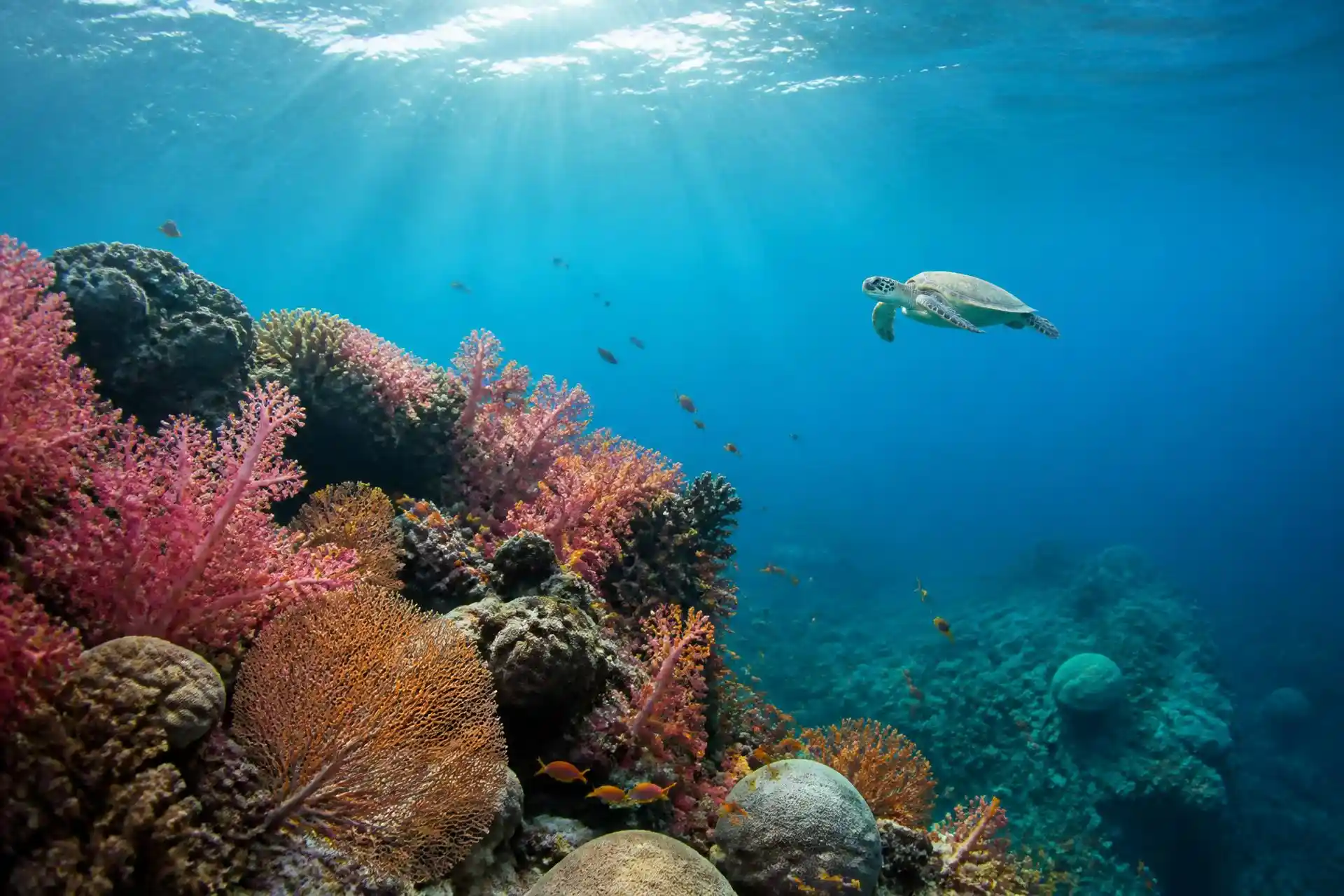
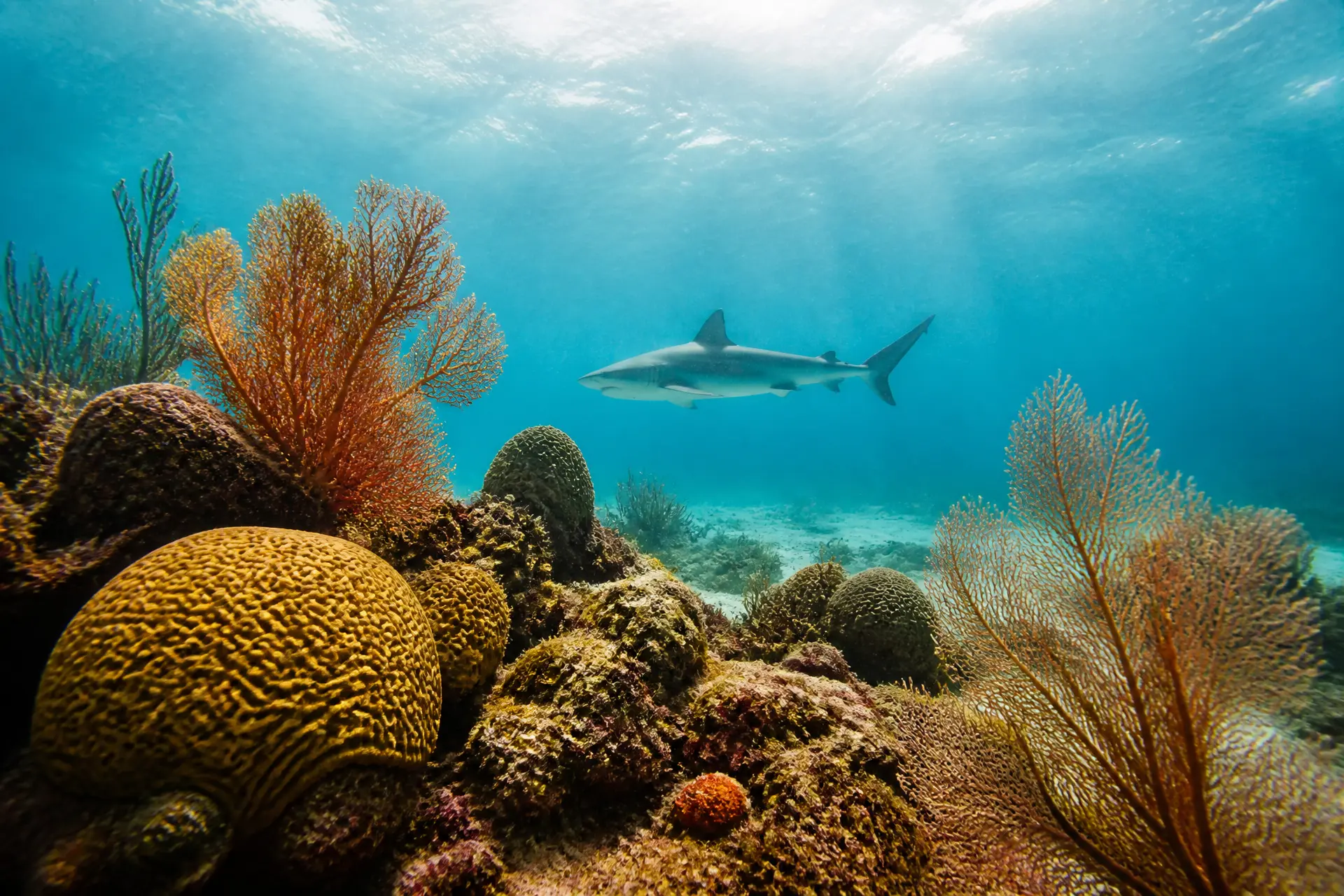
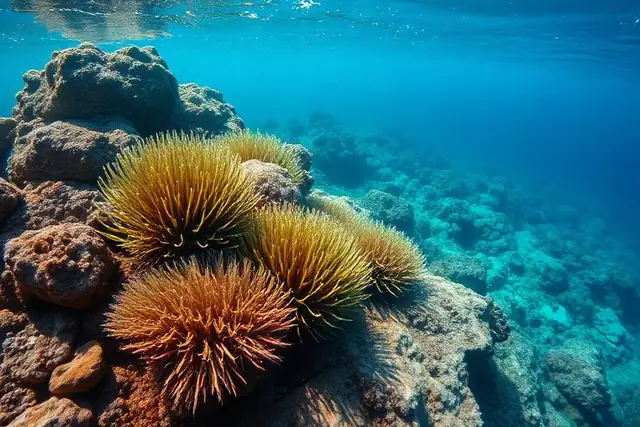
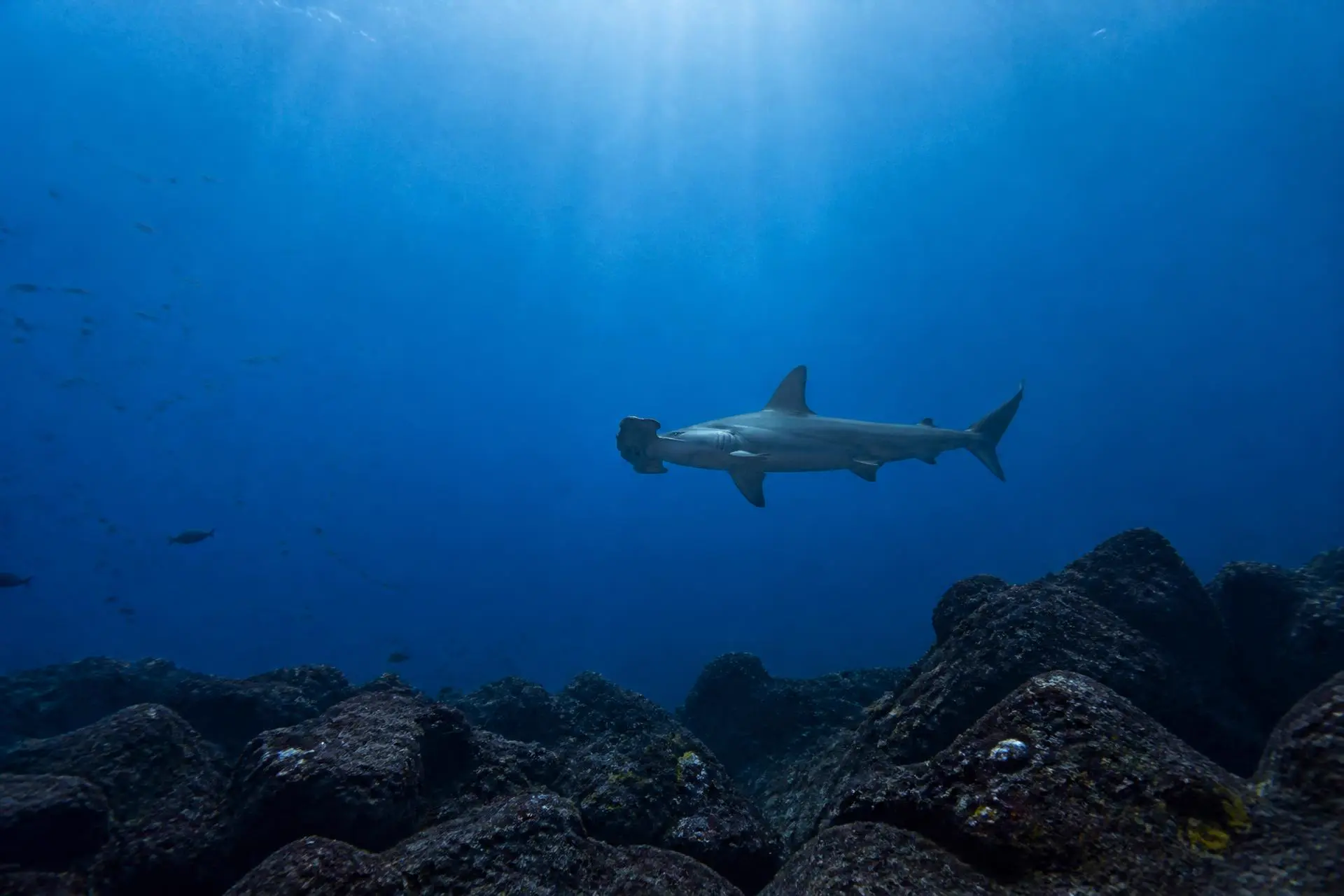
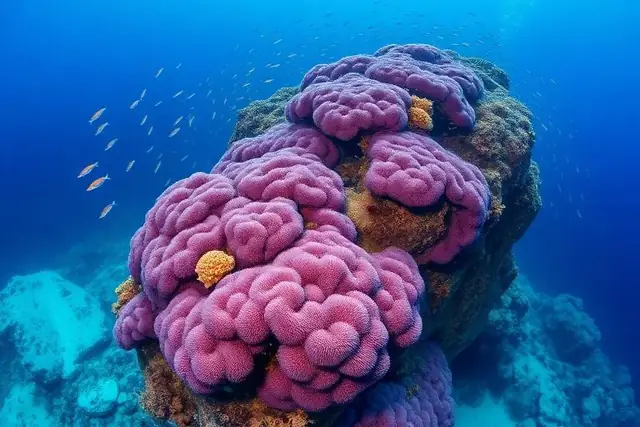
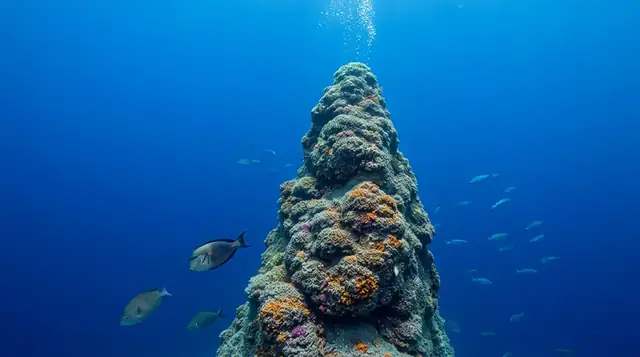
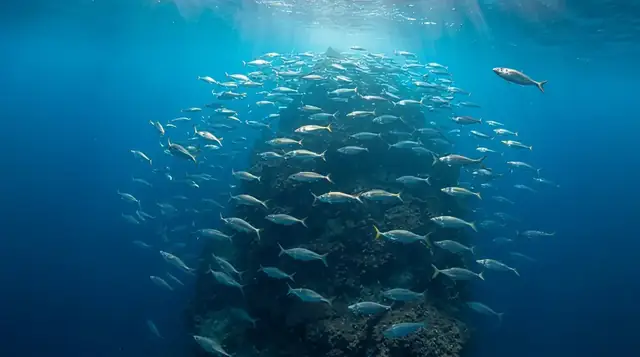
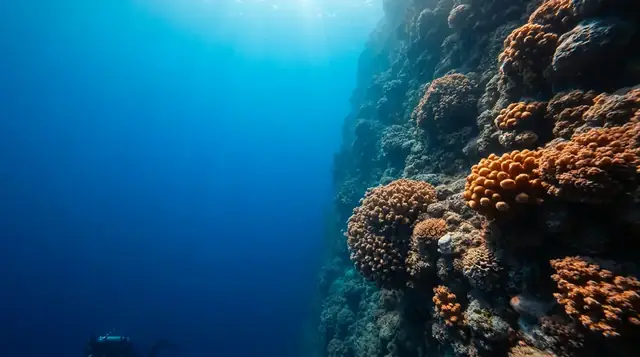
Reef diving is the classic coral dive: shallow to mid-depth hard and soft coral gardens packed with fish life. Conditions are usually calm and forgiving, which makes reefs ideal for every certification level.

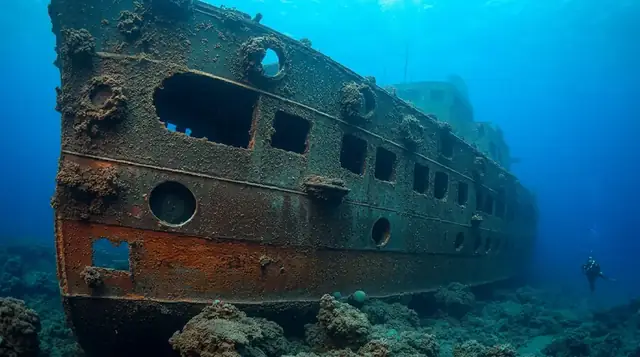
Reef diving is one of the most rewarding ways to read the ocean. Every site layers history, marine life and a unique atmosphere — from shallow, coral-encrusted shore wrecks to deep, current-swept war graves.

Some wrecks are protected museums, others are artificial reefs bursting with schools, predators and macro critters. Depth and current vary widely, so there is usually a wreck for every certification level — as long as you respect its limits.
Signature sites

Iconic reefs

The absolute classics every diver has heard of — and the liveaboards that reach them.

Rainbow Reef, renowned worldwide for its vibrant coral ecosystems, lies within Fiji's Somosomo Strait, a narrow passage separating Vanua Levu and Taveuni islands.

Suitable for
Intermediate
Current
Strong
Access
Liveaboard or dayboat
Depth
10–30 m
Theme
Drift / Reef

Bougainville Reef, situated approximately 150 km south of Osprey Reef in the Coral Sea, is a remote and pristine dive destination off Australia's northeast coast.

Suitable for
Intermediate
Current
Strong
Access
Liveaboard only
Depth
15–1000 m
Theme
Cave & cavern / Reef

Misool, situated in the southern reaches of Raja Ampat, Indonesia, stands as a premier liveaboard diving destination, renowned for its exceptionally intact marine ecosystems.

Suitable for
Intermediate
Current
Strong
Access
Liveaboard or dayboat
Depth
3–30 m
Theme
Cave & cavern / Reef

Tatawa Kecil

Indonesia

Tatawa Kecil is a renowned dive site located in the heart of Komodo National Park, specifically in the Linta Strait between Komodo and Rinca Islands.

Suitable for
Advanced
Current
Strong
Access
Liveaboard or dayboat
Depth
5–30 m
Theme
Cave & cavern / Drift

Susan's Reef

Papua New Guinea

Susan's Reef is a highlight of Kimbe Bay, located on New Britain Island in Papua New Guinea, celebrated for its pristine condition and rich biodiversity.

Suitable for
Beginner
Current
Moderate
Access
Liveaboard only
Depth
5–20 m
Theme
Reef / Seamount

Kimbe Island

Papua New Guinea

Kimbe Bay, situated on New Britain Island in Papua New Guinea, is renowned globally as a premier dive destination.

Suitable for
Intermediate
Current
Strong
Access
Liveaboard only
Depth
5–33 m
Theme
Reef / Seamount

Editorial ranking

Top 14 reefs worldwide

Our editorial top 14, based on how often each site appears in published best-of rankings, dive guides and operator reports.

From bucket-list classics to lesser-known gems, these sites cover the full range of experience levels and conditions.

Compare depth, current, access and the liveaboards that reach each site to plan your next underwater adventure.

1

Cod Hole

Australia

Cod Hole is a renowned dive site located at the northern end of Ribbon Reef #10, approximately 240 kilometers north of Cairns, Australia, within the Great Barrier Reef Marine Park.

Suitable for
Beginner
Current
Strong
Access
Liveaboard only
Depth
5–30 m
Theme
Reef / Wall

The Passage in Raja Ampat offers a truly unique diving experience, resembling an underwater river flowing between Gam and Waigeo islands.

Suitable for
Advanced
Current
Strong
Access
Liveaboard or dayboat
Depth
1–35 m
Theme
Cave & cavern / Channel

Season

Best season for Reef diving

Seasons change by region, but these windows reliably deliver the calmest seas and the best visibility for Reef diving. Compare water temperature, surface conditions and the liveaboard routes that run during each peak season.
Reef diving in the Coral Triangle

Coral Triangle

April – November

J
F
M
A
M
J
J
A
S
O
N
D
ExcellentGoodOff-season

Raja Ampat, Komodo and Wakatobi show their richest coral cover once the monsoon swell fades.

Water 27–30 °C · visibility 15–30 m · plankton blooms cut clarity but feed the reef.

Reef diving in the Caribbean

Caribbean

December – April

J
F
M
A
M
J
J
A
S
O
N
D
ExcellentGoodOff-season

Dry season brings flat seas and 30 m+ visibility over the hard-coral spur-and-groove reefs.

Water 26–29 °C · visibility 25–40 m · hurricane season June–November.

Reef diving in the Red Sea & Arabia

Red Sea & Arabia

March – May & September – November

J
F
M
A
M
J
J
A
S
O
N
D
ExcellentGoodOff-season

Shoulder seasons give warm water without the summer heat over the northern fringing reefs.

Water 22–29 °C · visibility 20–40 m · 5 mm suit in winter, 3 mm in summer.

Reef diving in the South Pacific

South Pacific

May – October

J
F
M
A
M
J
J
A
S
O
N
D
ExcellentGoodOff-season

Fiji's soft-coral reefs and the Great Barrier Reef are calmest and clearest in the dry season.

Water 24–29 °C · visibility 20–35 m · cyclone risk peaks January–March.

Reef diving in the Indian Ocean

Indian Ocean

January – April

J
F
M
A
M
J
J
A
S
O
N
D
ExcellentGoodOff-season

The northeast monsoon flattens the Maldivian atolls and gives the clearest reef water of the year.

Water 27–30 °C · visibility 15–30 m · southwest monsoon adds plankton May–July.

Reef diving in the Mediterranean & Atlantic

Mediterranean & Atlantic

June – October

J
F
M
A
M
J
J
A
S
O
N
D
ExcellentGoodOff-season

Temperate reefs, gorgonian gardens and seagrass beds are warmest and calmest in late summer.

Water 14–27 °C · visibility 20–35 m · thermocline near 15 °C below 30 m.

Reef diving in the Eastern Pacific

Eastern Pacific

June – November

J
F
M
A
M
J
J
A
S
O
N
D
ExcellentGoodOff-season

Warm-season reefs around Baja, Cocos and the Revillagigedos, when the water is clearest.

Water 21–29 °C · visibility 15–30 m · winter brings cool green water and stronger swell.

Reef diving in the Andaman Sea

Andaman Sea

November – April

J
F
M
A
M
J
J
A
S
O
N
D
ExcellentGoodOff-season

Similan and Mergui hard-coral reefs outside the southwest monsoon.

Water 27–30 °C · visibility 15–30 m · most liveaboards pause mid-May to mid-October.

Reef diving in the polar regions

Polar

November – March (Antarctic) & June – September (Arctic)

J
F
M
A
M
J
J
A
S
O
N
D
ExcellentGoodOff-season

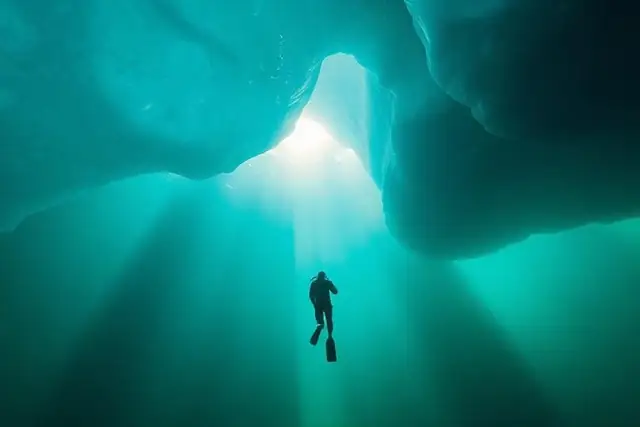
Cold-water reef walls with kelp, anemones and soft corals in the short polar seasons.

Water −1 to 6 °C · visibility 15–40 m · drysuit and ice-rated regulators mandatory.

Plan ahead

Good to know

Reef diving mixes unforgettable moments with real planning decisions — depth, current, certification and the right season all matter. Here is what experienced divers check before booking a liveaboard trip.

  1. Depth range

    Most reef dives sit between 5 and 25 m, where light drives coral growth — perfect for long, relaxed bottom times.

  2. Certification

    Open Water is enough for the vast majority of reef sites; Advanced helps on deeper reef slopes and drop-offs.

  3. Current & tides

    Fringing reefs are usually gentle, but reef corners and outer slopes can pick up during tidal exchange — carry an SMB.

  4. Visibility

    Expect 15–40 m. Plankton-rich seasons trade clarity for a far more active reef.

  5. Buoyancy

    Neutral trim protects living coral. Never touch, kneel or steady yourself on the reef — one fin kick can undo decades of growth.

  6. Marine life

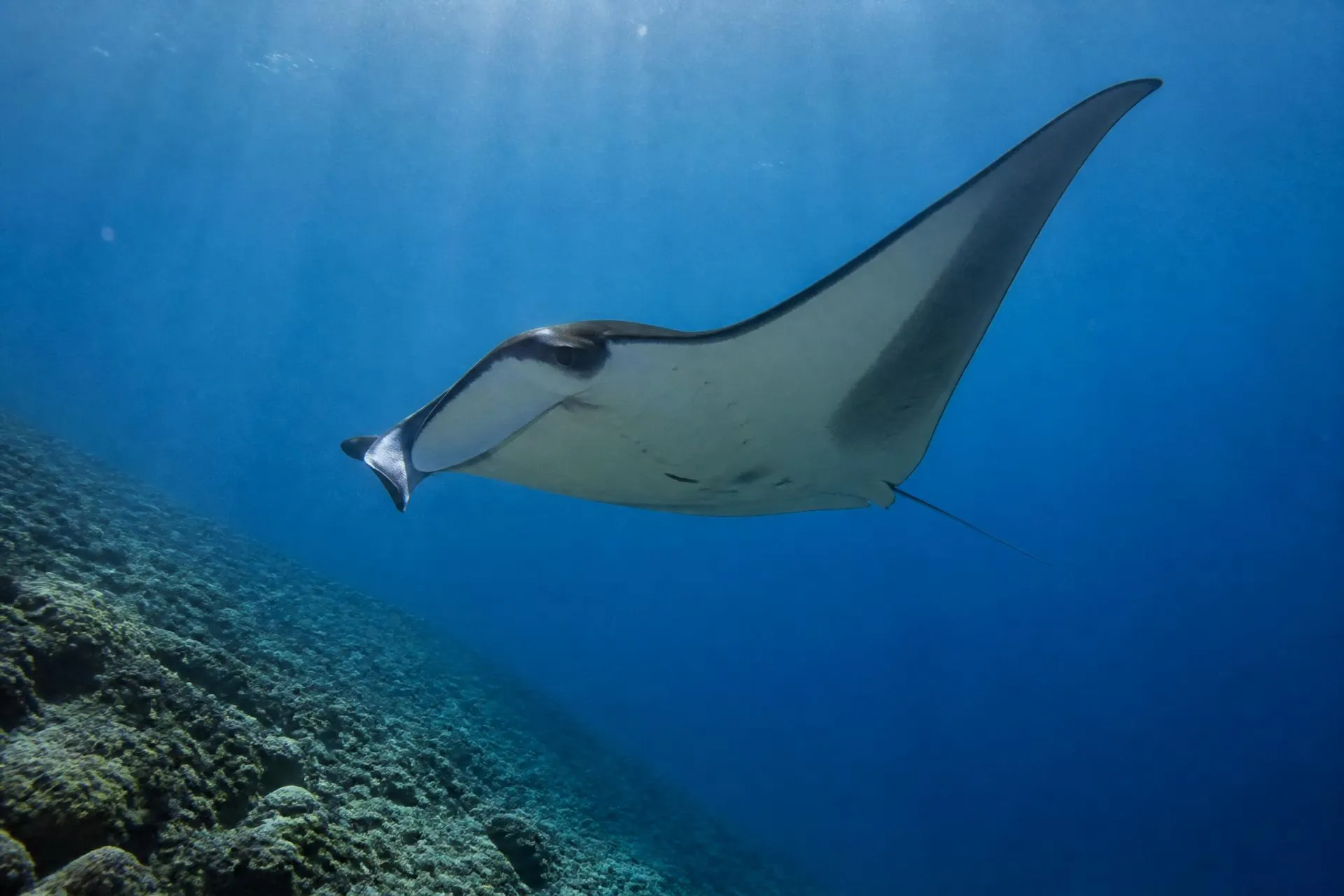
    Anthias clouds, parrotfish, moray eels, turtles, reef sharks and thousands of nudibranchs and shrimps in the coral matrix.

  7. Photography

    Wide-angle for the reefscape, macro for the residents. Shoot with the sun behind you in the first hours of daylight.

  8. Equipment

    3 mm shorty to 5 mm suit depending on region, plus reef hook only where local rules allow it.

  9. Conservation

    Reef-safe sunscreen, no gloves in coral-protection zones, and keep gauges clipped off so nothing drags.

  10. Getting there

    Day boats reach most reef systems; liveaboards open up remote atolls and outer barrier reefs with 3–4 dives per day.

By country

Find your reefs by country

Pick the country you have always dreamed of and see all reefs waiting for you there.

Depths, currents, best season and the liveaboards that actually dive them — all in one place.

59 dive sites

Indonesia

avg 30 m · level Intermediate · current Strong

33 dive sites

Australia

avg 22 m · level Beginner · current Strong

31 dive sites

Mexico

avg 23 m · level Beginner · current Moderate

21 dive sites

Honduras

avg 35 m · level Intermediate · current Moderate

21 dive sites

Cuba

avg 28 m · level Intermediate · current Mild

18 dive sites

Turkey

avg 30 m · level Beginner · current Mild

16 dive sites

Bahamas

avg 19 m · level Intermediate · current Mild

16 dive sites

Portugal

avg 25 m · level Beginner · current Mild

14 dive sites

Fiji

avg 26 m · level Intermediate · current Strong

14 dive sites

Madagascar

avg 30 m · level Intermediate · current Moderate

14 dive sites

Dominican Republic

avg 22 m · level Beginner · current Moderate

13 dive sites

Belize

avg 34 m · level Intermediate · current No current

12 dive sites

Egypt

avg 44 m · level Advanced · current Strong

12 dive sites

Papua New Guinea

avg 28 m · level Intermediate · current Moderate

12 dive sites

Philippines

avg 30 m · level Intermediate · current Mild

11 dive sites

Cayman Islands

avg 25 m · level Beginner · current Mild

By region

Find your reefs by region

Pick the region you have always dreamed of and see all reefs waiting for you there.

Depths, currents, best season and the liveaboards that actually dive them — all in one place.

Reef diving in the Caribbean133 dive sites

Caribbean

avg 27 m · level Intermediate · current Moderate

Reef diving in the Coral Triangle86 dive sites

Coral Triangle

avg 30 m · level Intermediate · current Strong

Reef diving in the Indian Ocean47 dive sites

Indian Ocean

avg 25 m · level Beginner · current Strong

Reef diving in the South Pacific44 dive sites

South Pacific

avg 23 m · level Intermediate · current Strong

Reef diving in the Mediterranean & Atlantic34 dive sites

Mediterranean & Atlantic

avg 28 m · level Beginner · current Mild

Reef diving in the Red Sea & Arabia29 dive sites

Red Sea & Arabia

avg 34 m · level Intermediate · current Strong

Reef diving in the Eastern Pacific20 dive sites

Eastern Pacific

avg 26 m · level Beginner · current Strong

Reef diving in the Andaman Sea5 dive sites

Andaman Sea

avg 25 m · level Beginner · current Strong

Reef diving in the polar regions2 dive sites

Polar

avg 16 m · level Expert · current Moderate

Liveaboards for Reef diving

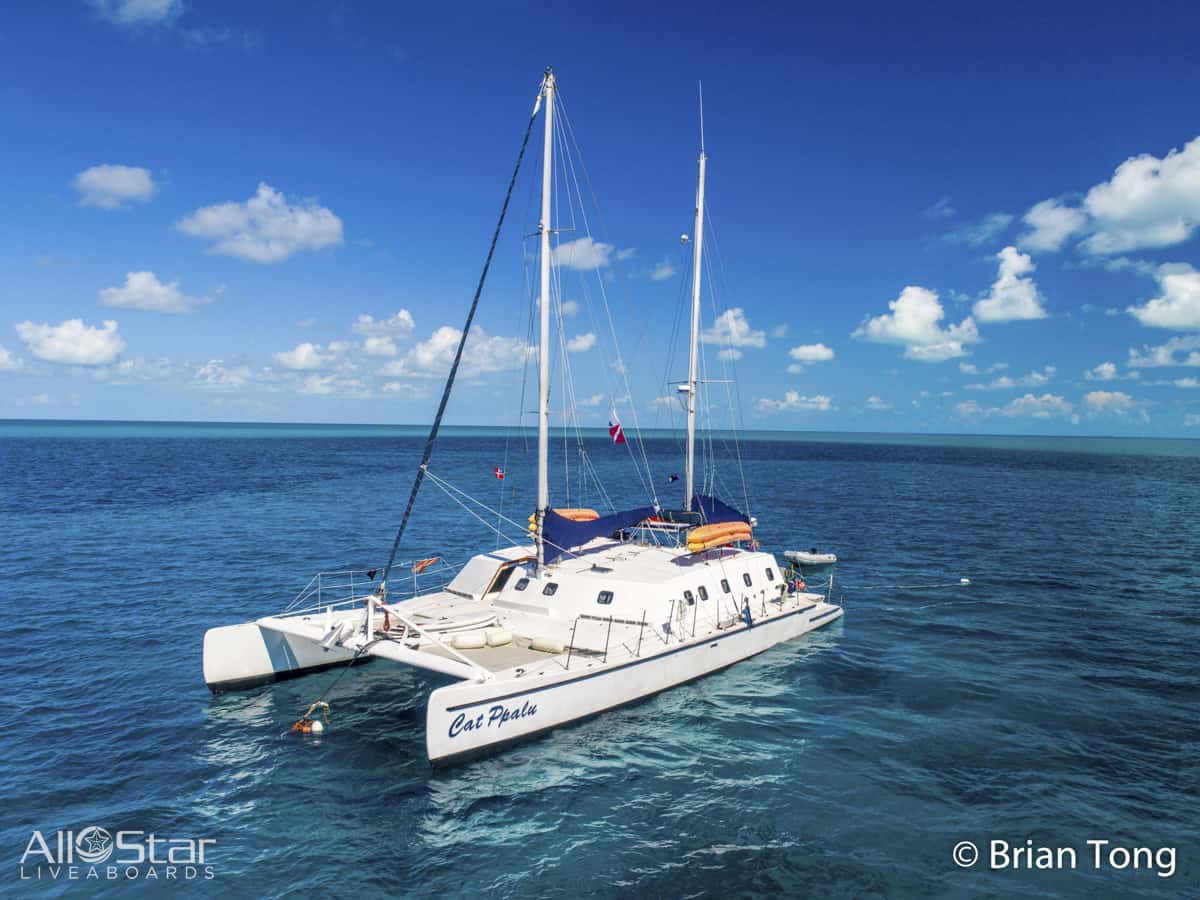
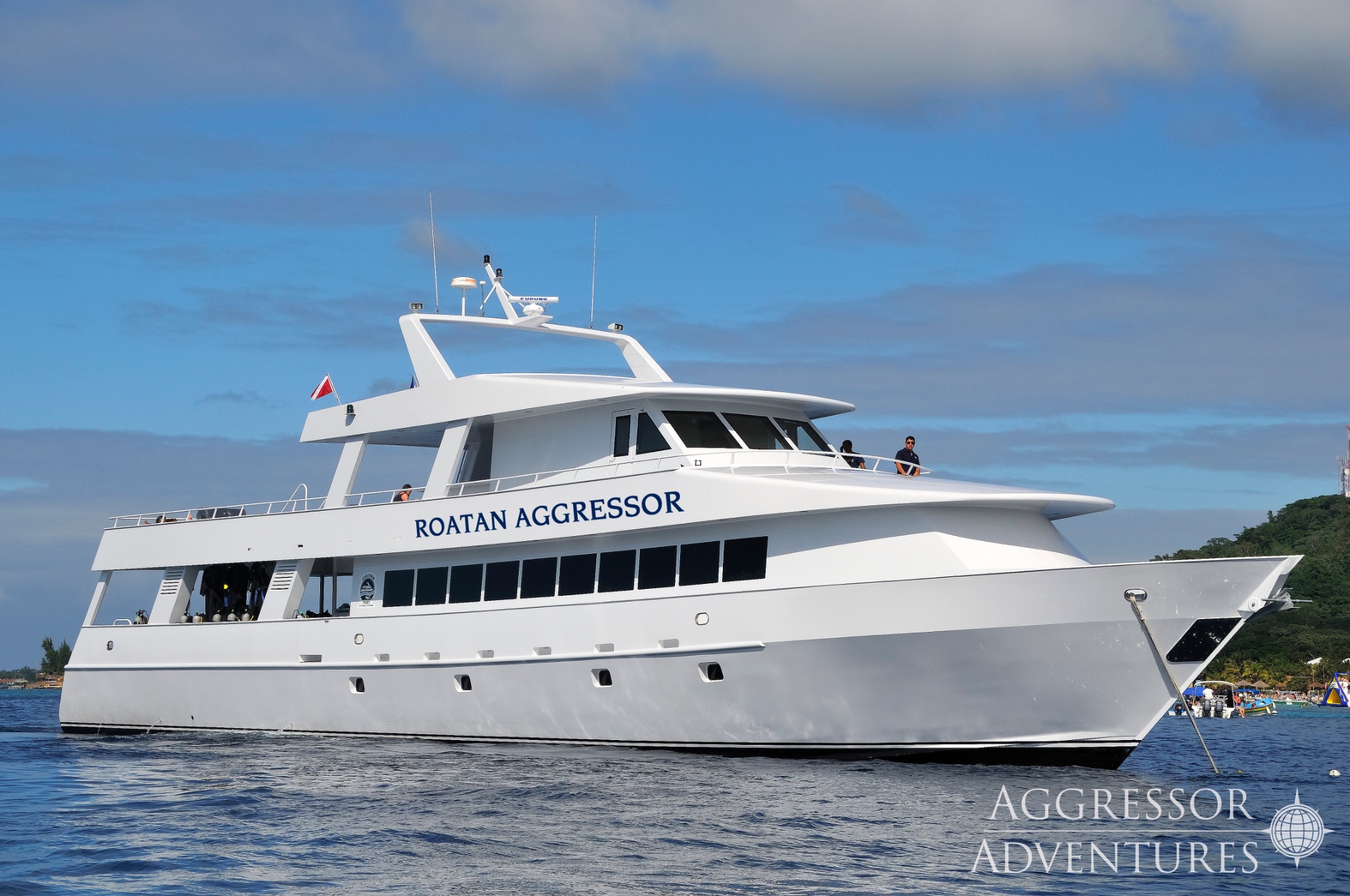
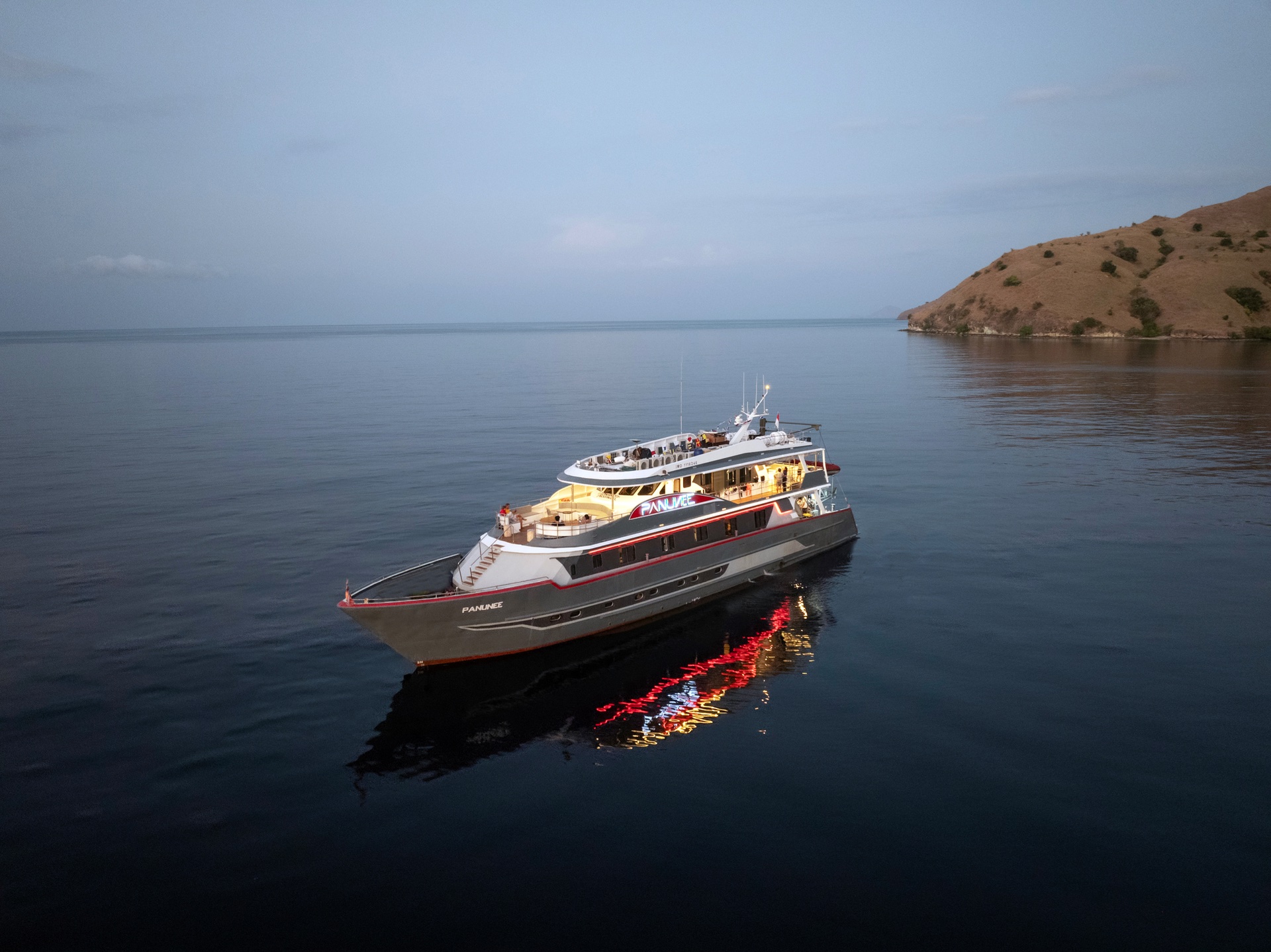
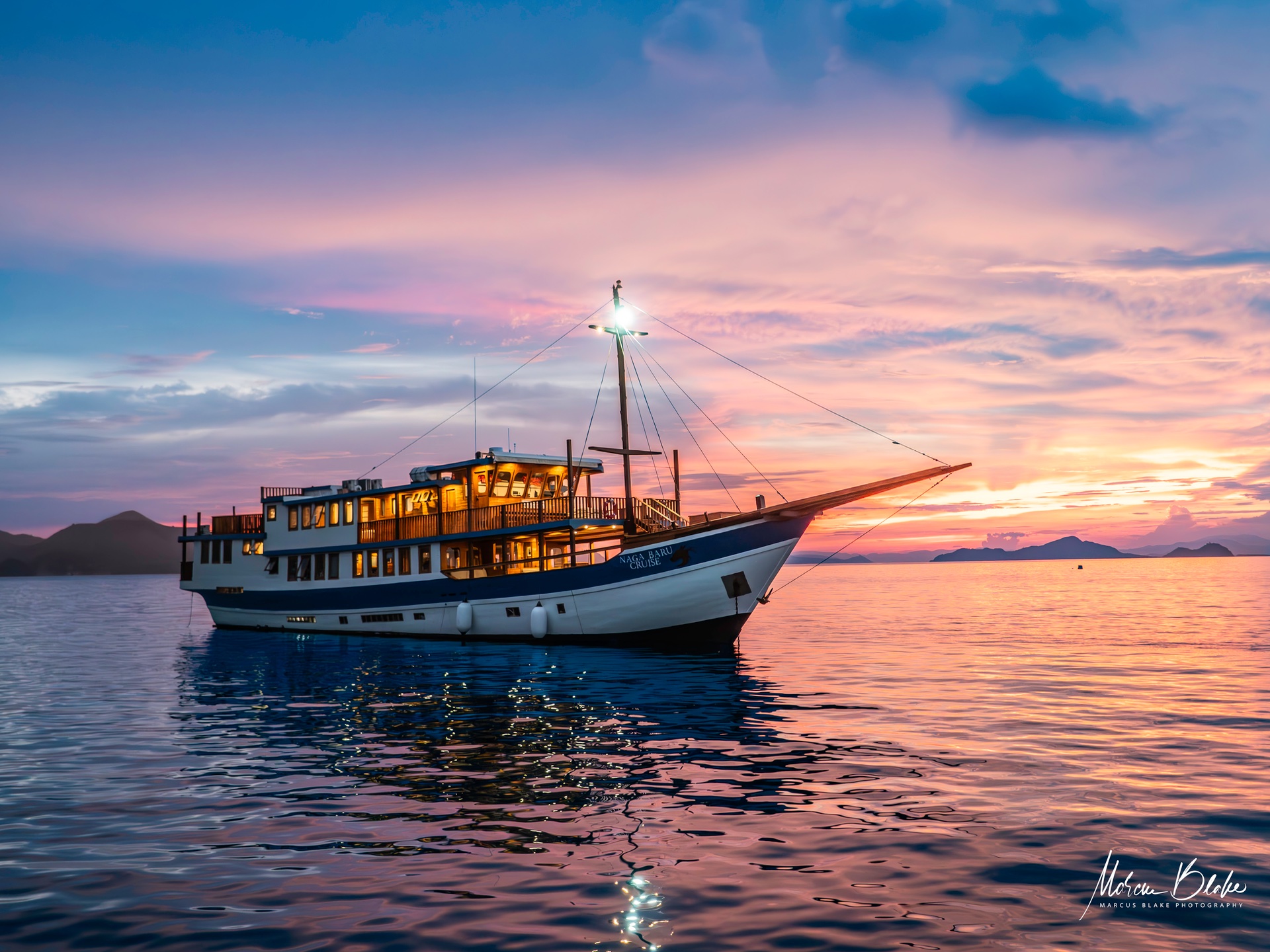
Search boats built around Reef diving and compare departures.

FAQ

FAQ: Reef diving

Is reef diving suitable for beginners?
Yes — shallow, sheltered coral reefs with little current are where most divers do their very first ocean dives. Depths of 8–18 m and long bottom times make them ideal for building comfort.
When is the best time for reef diving?
It depends on the region: the Caribbean is best December–April, the Coral Triangle April–November, the Red Sea in spring and autumn. Check the seasonal windows above.
What will I see on a coral reef?
Hard and soft corals, anthias and fusilier schools, parrotfish, moray eels, turtles, reef sharks and an enormous amount of macro life hidden in the structure.
Do I need special training for reef dives?
No specialty is required. A peak performance buoyancy course is the single best investment — it protects the reef and doubles your air time.
How do I dive reefs responsibly?
Stay neutrally buoyant, keep fins away from coral, use reef-safe sunscreen, never chase or touch animals and follow local marine park rules.
Reef by day boat or liveaboard?
Coastal reefs work perfectly from a day boat. Remote atolls, outer barriers and multi-region reef trips are far better covered by liveaboard.

Find liveaboards for Reef diving

Search boats built around Reef diving and compare departures.