Cenote diving: the best dive sites worldwide
9 dive sites2 countries1 region

Cenote diving: the best dive sites worldwide

Cenote diving is freshwater caverns, stalactites and light beams — from Dos Ojos to The Pit. Compare the best Cenote dive sites worldwide with depth, current, certification level and best season, plus the liveaboard itineraries that actually dive them.

What makes Cenote diving special

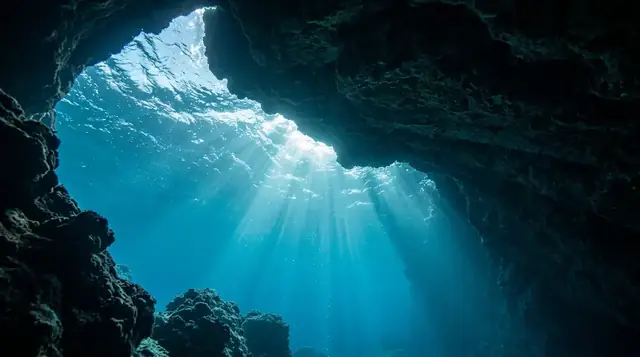
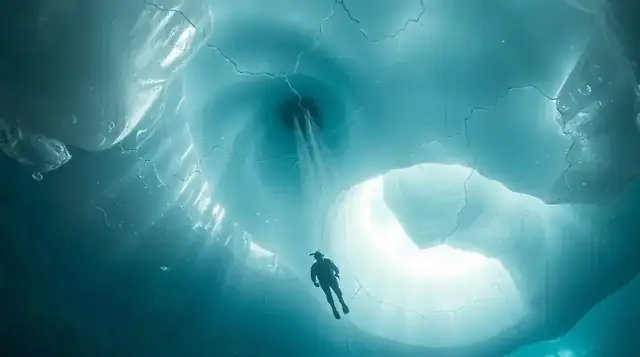
Cenotes are freshwater sinkholes in limestone, most famously in Mexico's Yucatán, connected to vast flooded cave systems. Visibility is extreme and light beams and haloclines are the main attraction.

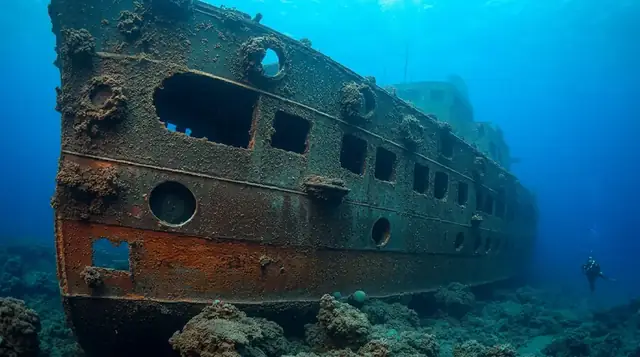
Cenote diving is one of the most rewarding ways to read the ocean. Every site layers history, marine life and a unique atmosphere — from shallow, coral-encrusted shore wrecks to deep, current-swept war graves.

Some wrecks are protected museums, others are artificial reefs bursting with schools, predators and macro critters. Depth and current vary widely, so there is usually a wreck for every certification level — as long as you respect its limits.
Signature sites

Iconic cenotes

The absolute classics every diver has heard of — and the liveaboards that reach them.

Cenote Dos Ojos, Spanish for "Two Eyes," is one of the most iconic and visually stunning cenotes in Mexico's Yucatán Peninsula.

Suitable for
Intermediate
Current
No current
Access
Liveaboard or dayboat
Depth
5–10 m
Theme
Cave & cavern / Cenote

Cenote The Pit, located within the Dos Ojos Natural Park near Tulum, offers a unique and profound diving experience unlike any other cenote in Mexico.

Suitable for
Advanced
Current
Strong
Access
Liveaboard or dayboat
Depth
30–120 m
Theme
Cave & cavern / Cenote

Gran Cenote, also known as El Grande Cenote, is a renowned freshwater sinkhole located near Tulum in Quintana-Roo, Mexico, forming part of the vast Sac Actun System—the world's longest network of underground rivers.

Suitable for
Intermediate
Current
No current
Access
Shore / dayboat
Depth
3–15 m
Theme
Cave & cavern / Cenote

Cenote Dreamgate offers an extraordinary dive experience within the vast underground river systems of Mexico's Yucatán Peninsula.

Suitable for
Advanced
Current
No current
Access
Liveaboard or dayboat
Depth
2–9 m
Theme
Cave & cavern / Cenote

Cenote Car Wash, also known as Aktun Ha, is a renowned dive site located just outside Tulum in the Riviera Maya.

Suitable for
Beginner
Current
No current
Access
Shore / dayboat
Depth
5–15 m
Theme
Cave & cavern / Cenote

Cenote Calavera, famously known as the "Temple of Doom" or "Skull Cenote," is a unique dive and snorkel site located just a short distance from Tulum, Mexico, on the Coba Road.

Suitable for
Intermediate
Current
No current
Access
Liveaboard or dayboat
Depth
5–19 m
Theme
Cave & cavern / Cenote

Editorial ranking

Top 15 cenotes worldwide

Our editorial top 15, based on how often each site appears in published best-of rankings, dive guides and operator reports.

From bucket-list classics to lesser-known gems, these sites cover the full range of experience levels and conditions.

Compare depth, current, access and the liveaboards that reach each site to plan your next underwater adventure.

Cenote Dos Ojos, Spanish for "Two Eyes," is one of the most iconic and visually stunning cenotes in Mexico's Yucatán Peninsula.

Suitable for
Intermediate
Current
No current
Access
Liveaboard or dayboat
Depth
5–10 m
Theme
Cave & cavern / Cenote

Cenote The Pit, located within the Dos Ojos Natural Park near Tulum, offers a unique and profound diving experience unlike any other cenote in Mexico.

Suitable for
Advanced
Current
Strong
Access
Liveaboard or dayboat
Depth
30–120 m
Theme
Cave & cavern / Cenote

Season

Best season for Cenote diving

Seasons change by region, but these windows reliably deliver the calmest seas and the best visibility for Cenote diving. Compare water temperature, surface conditions and the liveaboard routes that run during each peak season.
Cenotes in Caribbean (yucatán)

Caribbean (Yucatán)

November – April

J
F
M
A
M
J
J
A
S
O
N
D
ExcellentGoodOff-season

The Yucatán dry season keeps the freshwater lens crystal clear; heavy rain can cloud the shallow systems.

Water a constant 24–25 °C · visibility often 50–100 m · 5 mm suit for repeat dives.

Plan ahead

Good to know

Cenote diving mixes unforgettable moments with real planning decisions — depth, current, certification and the right season all matter. Here is what experienced divers check before booking a liveaboard trip.

  1. Freshwater clarity

    Filtered rainwater gives visibility measured in tens of metres — the clearest diving on earth, with light beams cutting through the ceiling holes.

  2. Certification

    Guided cavern dives inside the daylight zone need Open Water (often Advanced) plus a certified cenote guide. Beyond the daylight line requires full cave certification.

  3. Halocline

    Where fresh water meets salt water the image blurs like oil in water. Swim through slowly — clarity returns below it.

  4. Lights

    Every diver carries a primary torch. Guides run a permanent line and the group stays within sight of natural light on cavern dives.

  5. Depth

    Most cenote cavern routes stay between 8 and 18 m; The Pit and a few others drop past 30 m and are for experienced divers.

  6. Buoyancy & finning

    Frog kick only. The silt layer on a cenote floor is fine as dust and takes an hour to settle.

  7. Formations

    Stalactites, stalagmites and columns from the last ice age. Never touch them — they are irreplaceable and grow millimetres per century.

  8. Marine life

    Almost none, and that is the point. Occasional catfish, small freshwater shrimp and bats above the water line.

  9. Exposure

    24 °C sounds warm but three cenote dives in a day get cold. A 5 mm suit with hood is standard.

  10. Getting there

    Shore entries along the Riviera Maya, reached by road from Playa del Carmen or Tulum — no boat needed.

By country

Find your cenotes by country

Pick the country you have always dreamed of and see all cenotes waiting for you there.

Depths, currents, best season and the liveaboards that actually dive them — all in one place.

7 dive sites

Mexico

avg 18 m · level Intermediate · current No current

2 dive sites

Cuba

avg 48 m · level Beginner · current Ripping

By region

Find your cenotes by region

Pick the region you have always dreamed of and see all cenotes waiting for you there.

Depths, currents, best season and the liveaboards that actually dive them — all in one place.

Cenotes in the Caribbean9 dive sites

Caribbean

avg 25 m · level Intermediate · current No current

Liveaboards for Cenote diving

Search boats built around Cenote diving and compare departures.

FAQ

FAQ: Cenote diving

What is a cenote?
A collapsed limestone sinkhole that opens into a flooded cave system. The Yucatán Peninsula in Mexico has thousands, forming the largest underwater cave network on earth.
Do I need cave certification for cenote diving?
Not for guided cavern dives, which stay within the daylight zone with a permanent guideline. Full cave certification is required for anything past that.
What is a halocline?
The blurred layer where fresh water sits on top of salt water. Passing through it looks like swimming through liquid glass — and it clears again as soon as the water settles.
How cold is the water?
A constant 24–25 °C year-round. It feels warm at first but a 5 mm suit and hood are recommended for multiple dives in a day.
Are cenotes suitable for beginners?
Certified Open Water divers with good buoyancy can do the classic cavern routes with a qualified cenote guide. Nervous divers should build experience in open water first.
What is the best time of year for cenote diving?
The dry season from November to April. Heavy rain in the wet season can reduce clarity in the shallower systems, though the deeper ones stay clear.

Find liveaboards for Cenote diving

Search boats built around Cenote diving and compare departures.