About Gran Cenote
Gran Cenote, also known as El Grande Cenote, is a renowned freshwater sinkhole located near Tulum in Quintana-Roo, Mexico, forming part of the vast Sac Actun System—the world's longest network of underground rivers. This cenote offers unique diving experiences within its partially collapsed cavern, where shafts of sunlight penetrate the crystal-clear water, creating breathtaking light effects on delicate stalactites and stalagmites. Divers navigate through numerous passageways adorned with white formations and columns, all enhanced by the surreal blue-green waters. The topography transitions from an open cavern, accessible via stairs from a jetty, to intricate underwater tunnels. The open sections allow for snorkeling and cavern diving, providing an opportunity to observe small fish and turtles, with bats sometimes flying overhead. For more advanced exploration, the deeper, darker tunnels lead into the extensive cave system, which requires specialized certification and offers a journey along fixed guidelines through stunning geological formations. While currents are generally absent, the environment itself demands careful navigation and respect for the delicate formations. Gran Cenote is diveable year-round, with average water temperatures around 20°C (68°F) and air temperatures between 25-30°C (77-86°F). Visibility is exceptional, typically ranging from 20-50 meters (65-164 feet), averaging around 30 meters (98 feet). The site is popular, so arriving early is recommended to avoid crowds.
Highlights
StalactitesCrystal waterTurtlesLight effects
Season calendar
Best months to dive here
Jan
Feb
Mar
Apr
May
Jun
Jul
Aug
Sep
Oct
Nov
Dec
Excellent
Dive site facts: Gran Cenote
- Depth
- 8 m max
- Typical dive
- 8 m, 40 min
- Current
- None
- Visibility
- 30 m+
- Water temperature
- 24–26 °C
- Entry
- Easy shore entry / steps
- Level
- Open Water
- Dive type
- Cavern
- Night dive
- Not permitted
- Region / port
- Tulum, Quintana Roo
- Coordinates
- 20.2463, -87.46
Conditions & Currents
Gran Cenote experiences virtually no currents, making for a relaxed and effortless dive. The water within the cenote's cavern system remains still, allowing divers to navigate at their own pace without concern for drift. Visibility is consistently excellent, often exceeding 30 meters, as the freshwater is unaffected by surface weather or tidal movements. Entry and exit are typically straightforward, often involving steps or ramps into the water. Divers must maintain excellent buoyancy control to avoid disturbing the delicate silt on the cenote floor and to protect fragile formations.
Marine life & sighting chances

Freshwater turtles
Year-round · commonSmall freshwater fish
Year-round · commonMottled cichlid
Year-round · occasional
Catfish
Year-round · occasionalDive profile & how the dive runs
Your dive at Gran Cenote typically begins with an easy entry from a wooden platform or steps into the main open pool. From here, you'll follow a permanent guideline into the cavern zone, staying within sight of natural light throughout the dive. The route meanders through beautifully lit chambers, showcasing impressive stalactites and stalagmites. You'll progress to a maximum depth of around 8 meters, exploring various sections where sunlight penetrates the water, creating stunning visual effects. The dive often follows a circular path, bringing you back to the entry point. The absence of currents and the constant shallow depth make for a relaxed progression. Safety stops are typically performed in the open water section before surfacing.
Underwater photography
Gran Cenote offers fantastic opportunities for wide-angle photography due to its vast caverns and spectacular light beams. A wide-angle lens is essential to capture the scale of the formations and the dramatic shafts of light piercing the water. External strobes are recommended to illuminate the dark corners of the cavern and bring out the textures of the rock formations, but be mindful of backscatter in the silty environment. Buoyancy control is paramount to avoid stirring up sediment, which can quickly ruin visibility for both photos and fellow divers. Aim to shoot between 10:30 AM and 12:00 PM for the most intense light effects. Focus on capturing the interplay of light and shadow, and the unique geological structures rather than marine life, which is sparse here.
Combine with nearby dive sites
Getting there & logistics
Gran Cenote is easily accessible from Tulum, a major base for cenote diving, about 50 minutes south of Playa del Carmen. The closest international airport is Cancun International (CUN). Divers typically book packages with local dive shops in Tulum or Playa del Carmen, which include transportation, guide services, and entry fees. Day trips combining Gran Cenote with other nearby cenotes are common, allowing divers to experience different cavern environments. Expect to pay an entrance fee, which is often bundled into dive tour costs. Trip lengths for cenote diving usually range from single-day excursions to multi-day itineraries exploring several sites.
Safety & environment
Safety at Gran Cenote is managed by strict adherence to cavern diving protocols, meaning divers must remain within visible natural light and within an arm's reach of the permanent guideline. The nearest recompression chamber is located in Playa del Carmen, approximately an hour's drive away. Comprehensive dive insurance, including coverage for evacuation and hyperbaric treatment, is highly recommended. Divers must demonstrate excellent buoyancy control to prevent disturbing the delicate silt on the floor or damaging ancient formations. Always follow your certified cenote dive guide's instructions, as local rules dictate group sizes (max 4 divers per guide, sometimes 3 for more complex cenotes) and routes.
Who it suits — and who it doesn't
Suited for
- Open Water certified divers
- Divers seeking unique geological experiences
- Underwater photographers
- Divers comfortable with overhead environments
- Those who appreciate clear freshwater diving
Less suited for
- Divers exclusively seeking abundant marine life
- Divers uncomfortable in enclosed spaces
- Beginners with poor buoyancy control
- Divers expecting strong currents or drift dives
- Those without proper dive insurance
FAQ
Gran Cenote FAQ
What certification do I need to dive Gran Cenote?
Gran Cenote is considered a cavern dive, meaning you will always be within sight of natural light. Therefore, an Open Water Diver certification is sufficient to explore this beautiful site. However, good buoyancy control is essential to protect the delicate formations and maintain visibility for yourself and others.
How deep is Gran Cenote and how long is a typical dive?
The maximum depth at Gran Cenote is typically around 8 meters (26 feet), making it a relatively shallow dive. A standard guided dive usually lasts approximately 40 minutes, allowing ample time to explore the various chambers and admire the light effects.
What kind of marine life can I expect to see?
While Gran Cenote is not known for a wide variety of marine fish like ocean dives, you can expect to encounter freshwater turtles and small freshwater fish. The primary attraction here is the stunning geological formations, crystal-clear water, and the unique interaction of light.
Are there strong currents in Gran Cenote?
No, Gran Cenote is characterized by its exceptionally calm and still waters. There are virtually no currents within the cenote's cavern system, which makes for a very relaxed and effortless diving experience. This stability contributes to the excellent visibility.
When is the best time to visit Gran Cenote for diving?
The dry season, from November to April, is generally considered the best time for cenote diving due to less rain and typically clearer water. For capturing the famous light beams, aiming to dive between 10:30 AM and 12:00 PM will offer the most dramatic effects.
Do I need special equipment for cenote diving?
While your standard recreational dive gear is sufficient, a full 5mm wetsuit is recommended due to the consistent water temperature of 24-26°C. Excellent buoyancy control is critical, and for photographers, a wide-angle lens and external strobes will enhance your shots of the caverns and light effects.
Why dive Gran Cenote from a liveaboard?
Gran Cenote is one of Mexico's signature dive sites. A liveaboard sleeps you on the water and puts you in the water for three to four guided dives per day, including dawn and night dives that day-boat operators rarely offer. You skip the daily commute back to port and reach quieter, less-crowded sites in the same region on a single trip.
Below are the liveaboards that include Gran Cenote on their Mexico itineraries.
Liveaboards diving Gran Cenote
These liveaboards may visit Gran Cenote on selected itineraries — the exact dive sites depend on departure, weather and conditions.
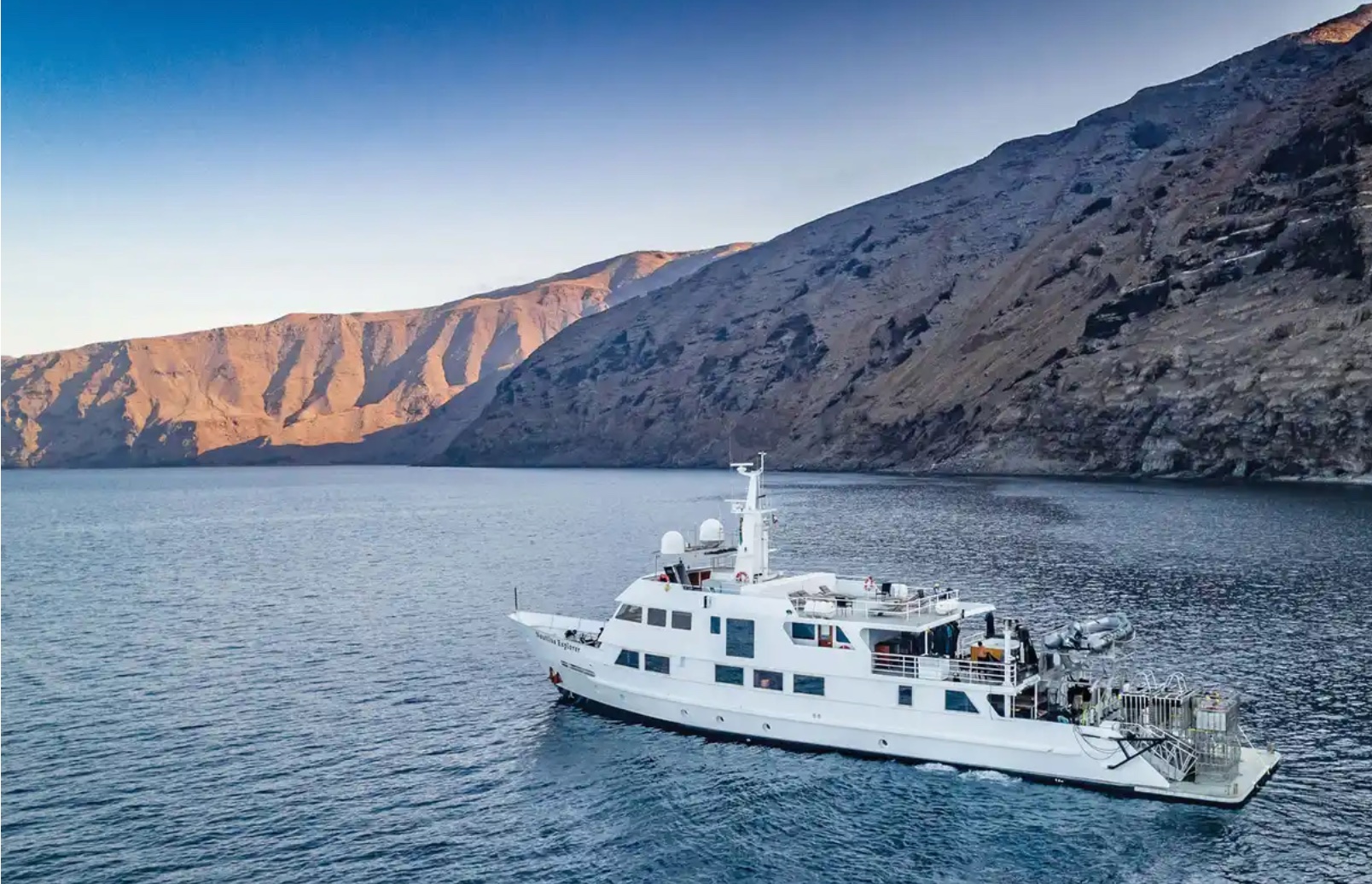
Nautilus Explorer
Mexico
25 guests44.8 m
$336/day
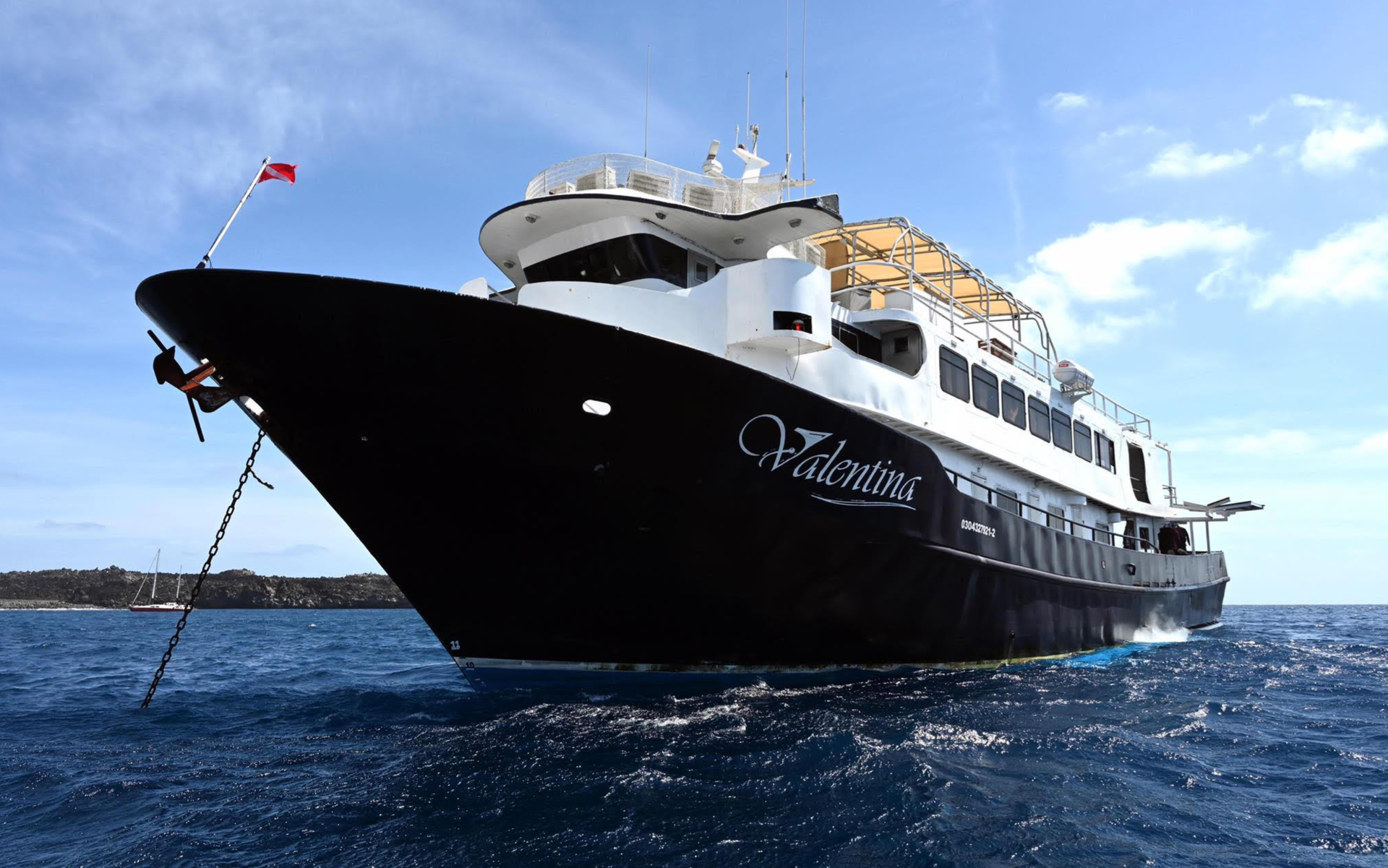
Valentina
Mexico
20 guests38.1 m
$430/day
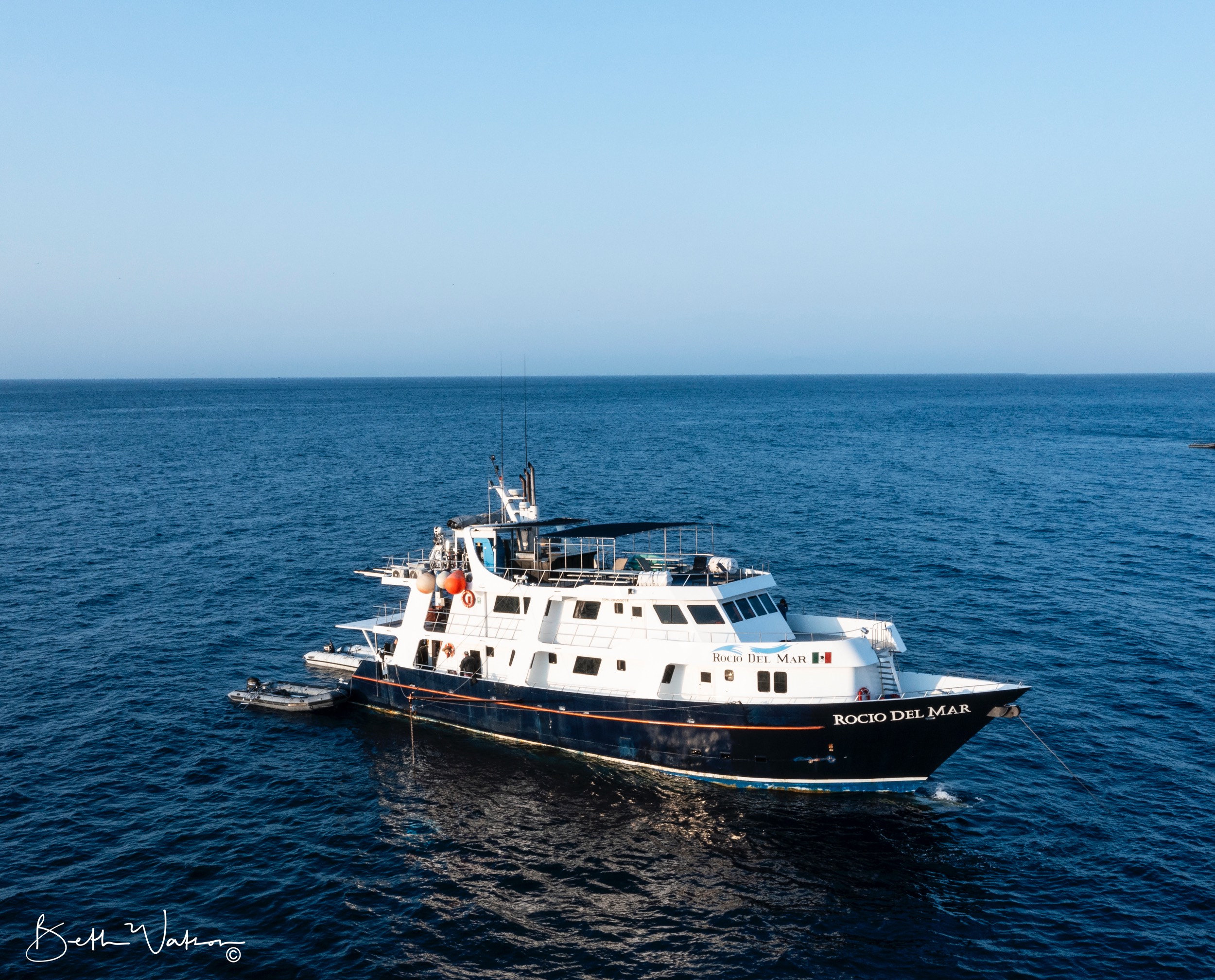
Rocio del Mar
Mexico
20 guests33.5 m
$392/day
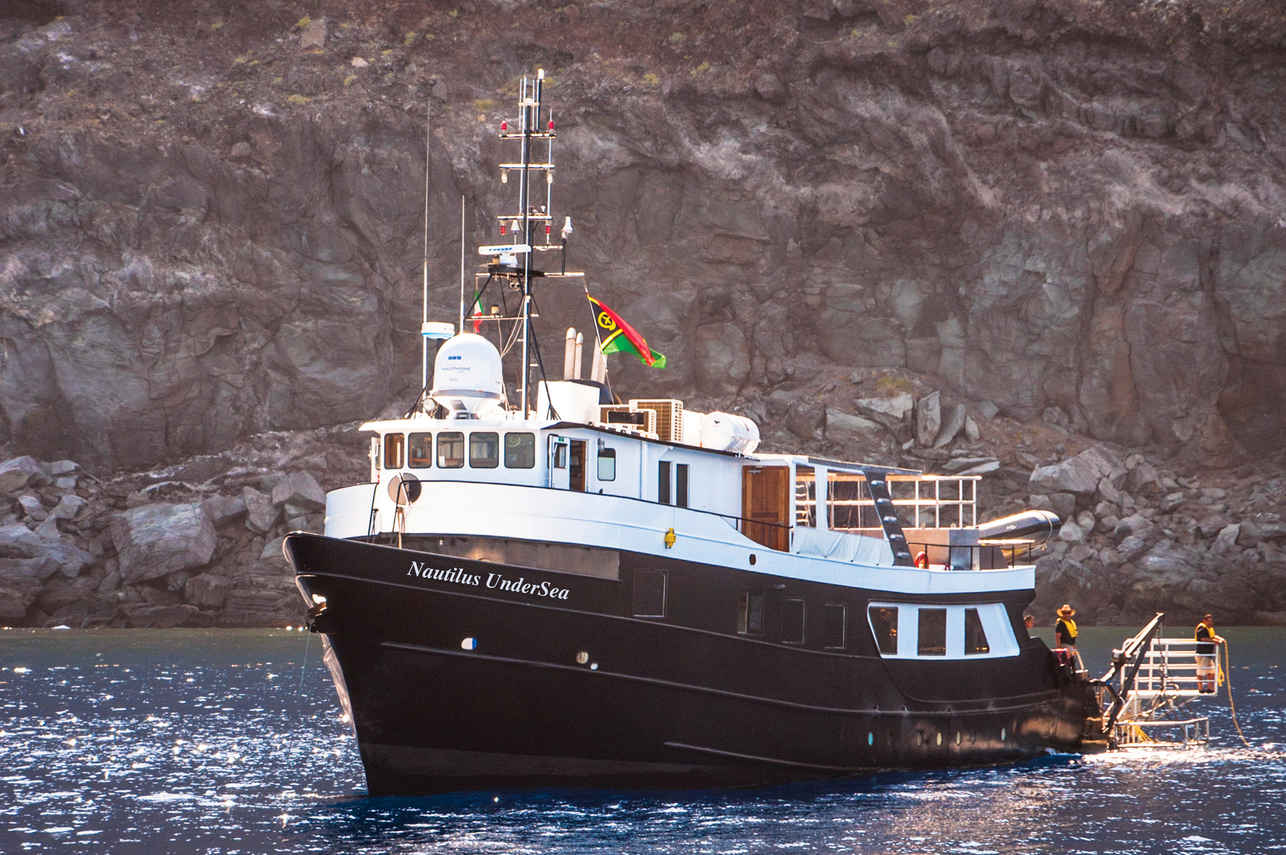
Nautilus Under Sea
Mexico
19 guests32 m
$261/day
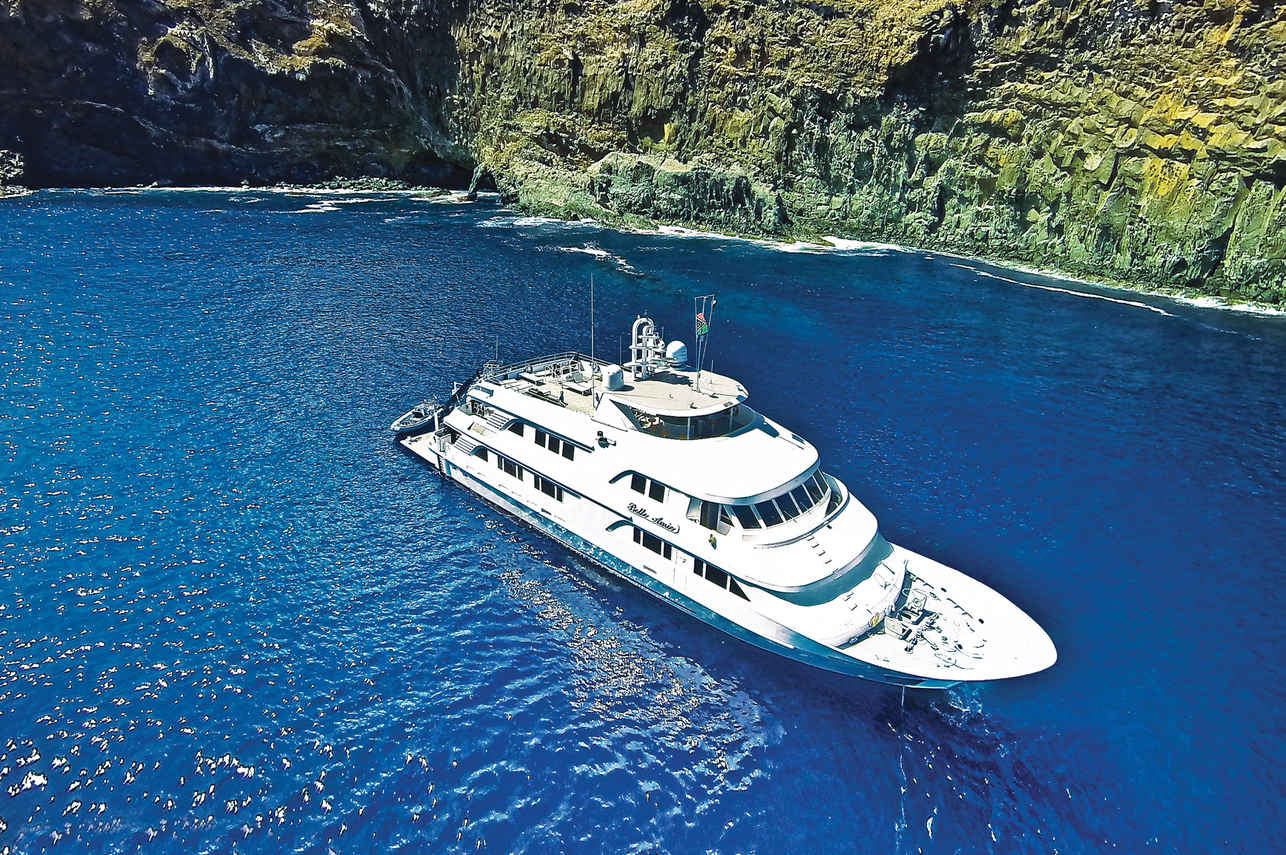
Nautilus Belle Amie
Mexico
32 guests44.8 m
$323/day
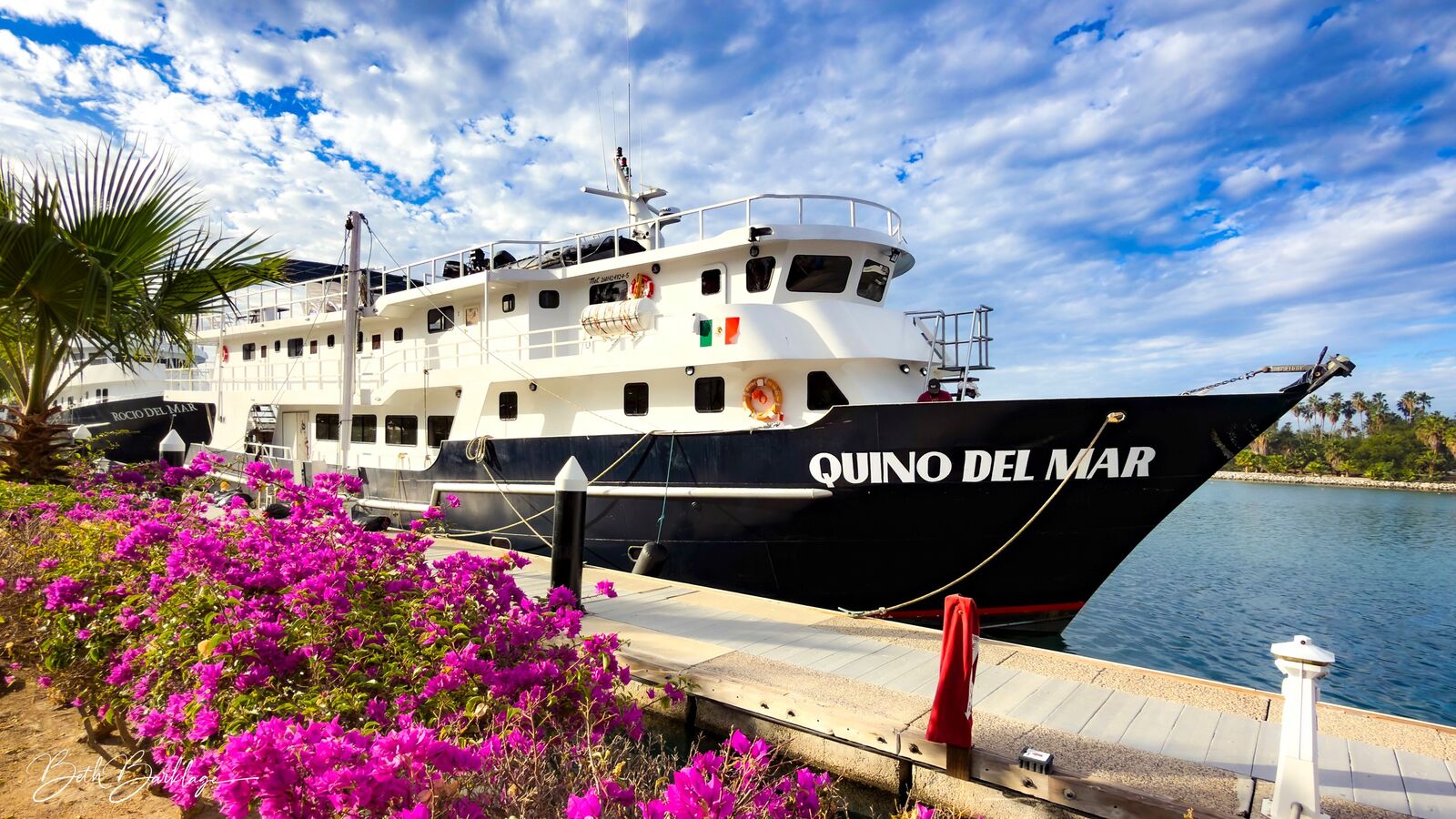
Quino del Mar
Mexico
20 guests36 m
$377/day
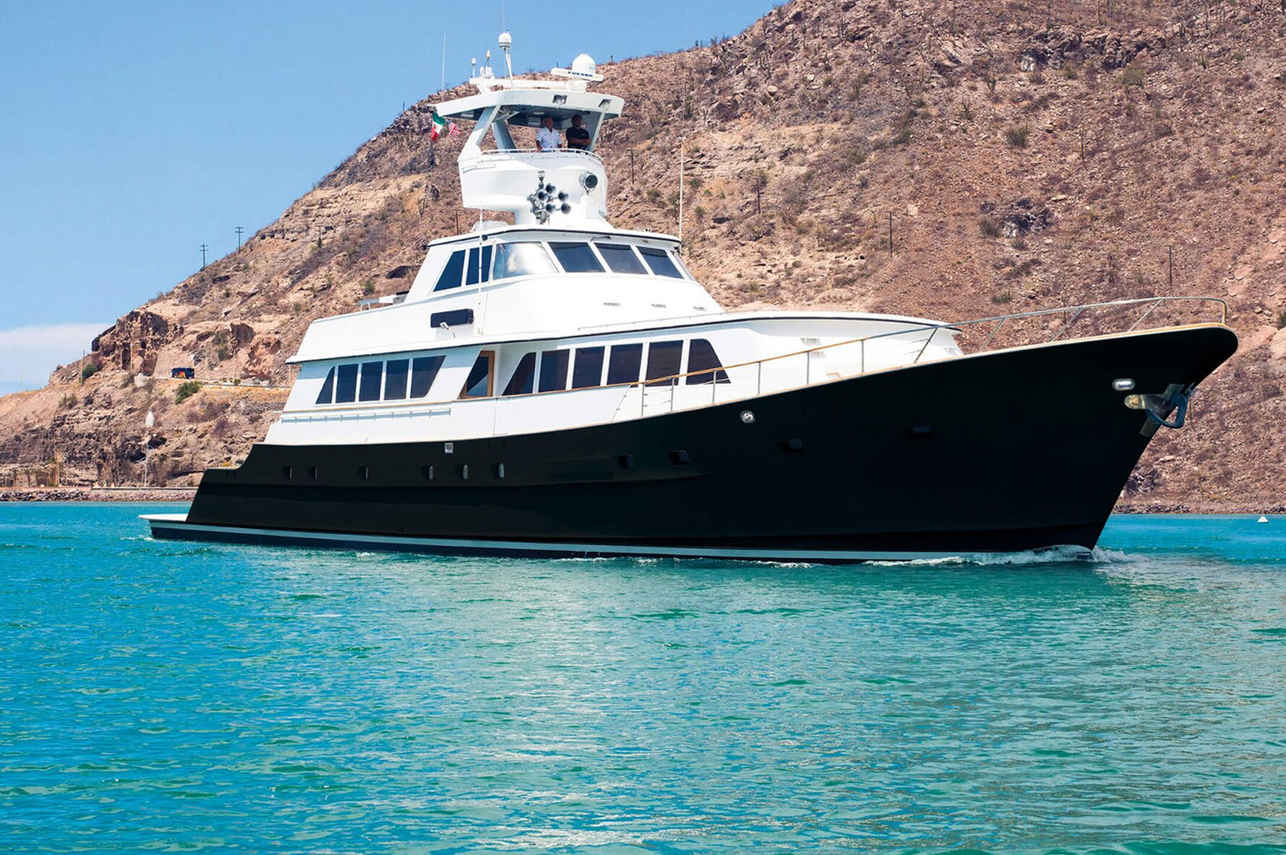
Nautilus Gallant Lady
Mexico
12 guests35.36 m
$332/day
Dive sites similar to Gran Cenote
Same character, same waters — six more sites divers love for the exact same reasons.Compare seasons, access and liveaboard routes — then pick the site that fits your trip best.
© Esri — Maxar, Earthstar, GIS
Cenote The Pit (El Pit)
Mexico
Cenote The Pit, located within the Dos Ojos Natural Park near Tulum, offers a unique and profound diving experience unlike any other cenote in Mexico.
- Suitable for
- Advanced
- Current
- Strong
- Access
- Liveaboard or dayboat
- Depth
- 30–120 m
- Theme
- Cave & cavern / Cenote
© Esri — Maxar, Earthstar, GIS
Punta Sur Reef
Mexico
Punta Sur sits at the exposed southern tip of Cozumel, requiring the longest boat ride from the marina, signaling its advanced nature.
- Suitable for
- Advanced
- Current
- Strong
- Access
- Liveaboard or dayboat
- Depth
- 18–41 m
- Theme
- Cave & cavern / Wall
El Morro is acclaimed as one of the best diving locations in the Puerto Vallarta area, situated just beyond the sheltered waters of Banderas Bay.
- Suitable for
- Advanced
- Current
- Strong
- Access
- Dayboat
- Depth
- 18–37 m
- Theme
- Reef / Wall
© Esri — Maxar, Earthstar, GIS
Sac Actun / Ox Bel Ha
Mexico
Sac Actun and Ox Bel Ha represent two of the world's longest known underwater cave systems, forming an intricate network beneath the Yucatán Peninsula's jungle floor.
- Suitable for
- Advanced
- Current
- No current
- Access
- Dayboat
- Depth
- 10–40 m
- Theme
- Cave & cavern / Cavern
© Esri — Maxar, Earthstar, GIS
Cenote Dos Ojos
Mexico
Cenote Dos Ojos, Spanish for "Two Eyes," is one of the most iconic and visually stunning cenotes in Mexico's Yucatán Peninsula.
- Suitable for
- Intermediate
- Current
- No current
- Access
- Liveaboard or dayboat
- Depth
- 5–10 m
- Theme
- Cave & cavern / Cenote
© Esri — Maxar, Earthstar, GIS
Colombia Deep Wall
Mexico
Colombia Deep Wall is a premier dive site in Cozumel, Mexico, renowned for its dramatic drop-offs and exhilarating drift diving experience.
- Suitable for
- Advanced
- Current
- Strong
- Access
- Liveaboard or dayboat
- Depth
- 18–40 m
- Theme
- Cave & cavern / Drift