Channel diving: the best dive sites worldwide
63 dive sites17 countries7 regions8 liveaboard-only sites

Channel diving: the best dive sites worldwide

Channel diving is tidal passes where pelagics stack up — from Fotteyo Kandu to Tiputa Pass. Compare the best Channel dive sites worldwide with depth, current, certification level and best season, plus the liveaboard itineraries that actually dive them.

What makes Channel diving special

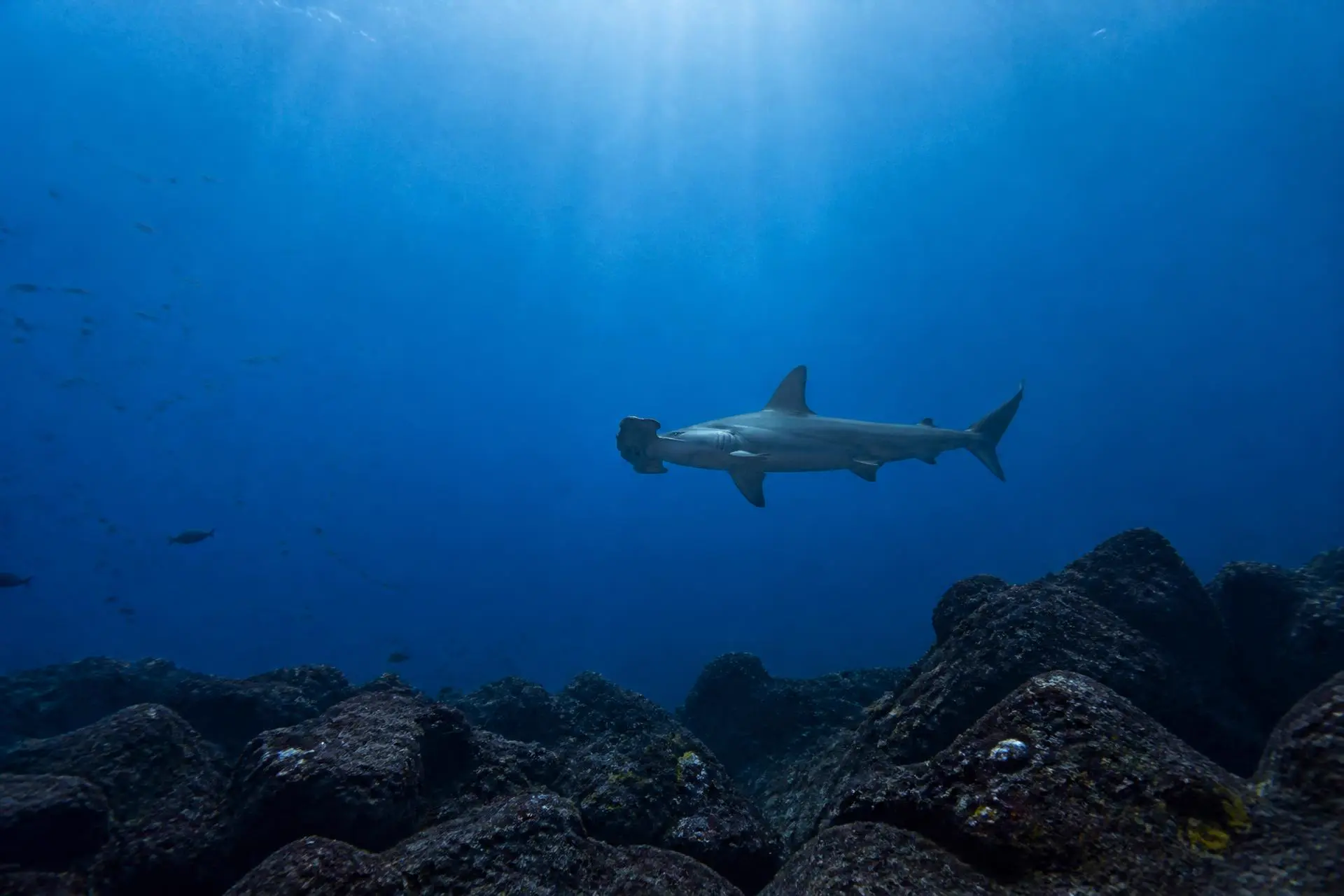
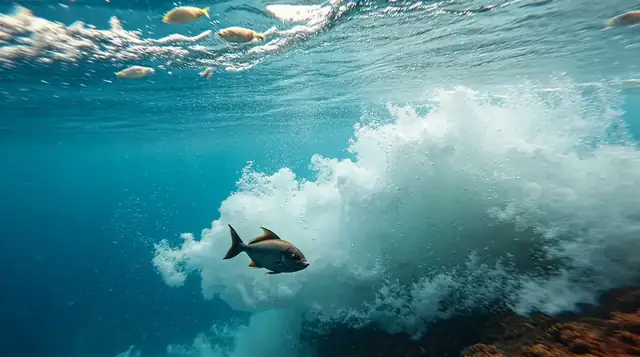
Channel diving happens in the narrow passes between islands, atolls or lagoons where tidal water is squeezed through. The rushing water attracts sharks, rays and schooling fish, but timing the tide is essential.

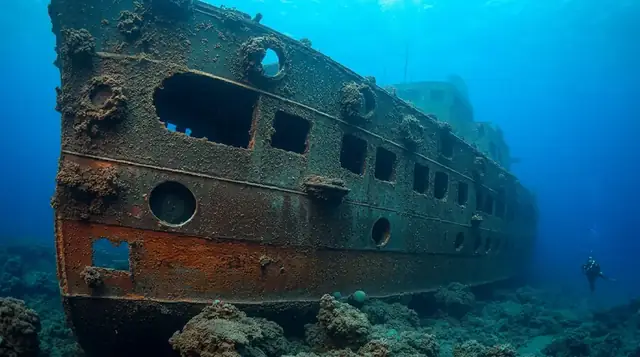
Channel diving is one of the most rewarding ways to read the ocean. Every site layers history, marine life and a unique atmosphere — from shallow, coral-encrusted shore wrecks to deep, current-swept war graves.

Some wrecks are protected museums, others are artificial reefs bursting with schools, predators and macro critters. Depth and current vary widely, so there is usually a wreck for every certification level — as long as you respect its limits.
Signature sites

Iconic channels

The absolute classics every diver has heard of — and the liveaboards that reach them.
© Esri — Maxar, Earthstar, GIS

German Channel

Micronesia

German Channel, located in Micronesia's Palau archipelago near Ngemelis Island, is a renowned dive site created in the early 1900s by Germans for guano transport.

Suitable for
Intermediate
Current
Ripping
Access
Liveaboard only
Depth
5–40 m
Theme
Channel / Drift
© Esri — Maxar, Earthstar, GIS

Guraidhoo Corner, situated at the southern tip of Guraidhoo Island, stands as a marine protected area often celebrated for its exceptional fish diversity and photographic opportunities within the Maldives.

Suitable for
Advanced
Current
Ripping
Access
Liveaboard or dayboat
Depth
5–35 m
Theme
Channel / Drift
© Esri — Maxar, Earthstar, GIS

Miyaru Kandu

Maldives

Miyaru Kandu, aptly named "Shark Channel," stands out as a premier drift dive destination in the Maldives, particularly within the Vaavu Atoll.

Suitable for
Advanced
Current
Strong
Access
Liveaboard or dayboat
Depth
10–30 m
Theme
Cave & cavern / Channel
© Esri — Maxar, Earthstar, GIS

Vattaru Kandu, also known as Vattaru Reef, is an isolated channel and wall dive site situated at the southern end of Vaavu (Felidhe) Atoll in the Maldives.

Suitable for
Advanced
Current
Strong
Access
Liveaboard or dayboat
Depth
12–30 m
Theme
Channel / Drift
© Esri — Maxar, Earthstar, GIS

Tikehau - Tuheiava Pass

French Polynesia

Tuheiava Pass, located in Tikehau, French Polynesia, is a renowned dive site in the stunning Tuamotu Archipelago, offering exceptional marine encounters.

Suitable for
Intermediate
Current
Strong
Access
Liveaboard or dayboat
Depth
6–35 m
Theme
Channel / Drift
© Esri — Maxar, Earthstar, GIS

Moorea - The Canyons

French Polynesia

The Canyons is a notable dive site located off the mythical Ōpūnohu Bay in Moorea, one of French Polynesia's easily accessible Society Islands.

Suitable for
Advanced
Current
Strong
Access
Shore / dayboat
Depth
8–28 m
Theme
Cave & cavern / Channel

Editorial ranking

Top 15 channels worldwide

Our editorial top 15, based on how often each site appears in published best-of rankings, dive guides and operator reports.

From bucket-list classics to lesser-known gems, these sites cover the full range of experience levels and conditions.

Compare depth, current, access and the liveaboards that reach each site to plan your next underwater adventure.

© Esri — Maxar, Earthstar, GIS
1

German Channel

Micronesia

German Channel, located in Micronesia's Palau archipelago near Ngemelis Island, is a renowned dive site created in the early 1900s by Germans for guano transport.

Suitable for
Intermediate
Current
Ripping
Access
Liveaboard only
Depth
5–40 m
Theme
Channel / Drift
© Esri — Maxar, Earthstar, GIS
2

Ulong Channel

Micronesia

Ulong Channel, situated approximately 15 miles west of Koror and adjacent to Ulong Island, is a renowned channel dive in Palau celebrated for its dynamic currents and abundant marine life.

Suitable for
Advanced
Current
Strong
Access
Liveaboard or dayboat
Depth
3–15 m
Theme
Drift / Reef

Season

Best season for Channel diving

Seasons change by region, but these windows reliably deliver the calmest seas and the best visibility for Channel diving. Compare water temperature, surface conditions and the liveaboard routes that run during each peak season.
Channel diving in the Indian Ocean

Indian Ocean

January – April

J
F
M
A
M
J
J
A
S
O
N
D
ExcellentGoodOff-season

Maldivian kandus run clearest on the northeast monsoon, with mantas on the atoll's downstream side.

Water 27–30 °C · visibility 15–30 m · incoming tide brings the clear ocean water in.

Channel diving in the Coral Triangle

Coral Triangle

April – November

J
F
M
A
M
J
J
A
S
O
N
D
ExcellentGoodOff-season

Komodo's straits and the Raja Ampat passes deliver their best on the mid inter-monsoon tides.

Water 24–30 °C · visibility 15–30 m · 3+ knot flow and cold upwellings in the narrows.

Channel diving in the South Pacific

South Pacific

May – October

J
F
M
A
M
J
J
A
S
O
N
D
ExcellentGoodOff-season

Palau's German Channel and the Tuamotu passes work best on the incoming dry-season tide.

Water 27–30 °C · visibility 20–40 m · grey reef shark walls on the pass mouth.

Channel diving in the Caribbean

Caribbean

December – April

J
F
M
A
M
J
J
A
S
O
N
D
ExcellentGoodOff-season

Cuts and cuts-through between the cays are flattest and clearest in the dry months.

Water 26–29 °C · visibility 25–40 m · tidal exchange fills the cuts with schooling fish.

Channel diving in the Red Sea & Arabia

Red Sea & Arabia

March – May & September – November

J
F
M
A
M
J
J
A
S
O
N
D
ExcellentGoodOff-season

Narrow straits and reef channels in the Red Sea run cleanest in the shoulder seasons.

Water 22–29 °C · visibility 20–40 m · tidal flow strongest at the Strait of Tiran.

Channel diving in the Eastern Pacific

Eastern Pacific

June – November

J
F
M
A
M
J
J
A
S
O
N
D
ExcellentGoodOff-season

Channel dives between Baja's islands work best in the warm, clear months.

Water 21–29 °C · visibility 15–30 m · currents accelerate on spring tides.

Plan ahead

Good to know

Channel diving mixes unforgettable moments with real planning decisions — depth, current, certification and the right season all matter. Here is what experienced divers check before booking a liveaboard trip.

  1. Tidal timing

    Channel diving lives and dies by the tide table. Guides plan entry for a specific hour of the exchange — flexibility on schedule is essential.

  2. Certification

    Advanced Open Water plus drift experience. Channels combine strong current, depth changes and blue-water ascents.

  3. Incoming vs outgoing

    Incoming pulls clear ocean water in and is usually the safer, clearer dive; outgoing flushes lagoon water and can drop visibility sharply.

  4. Down-currents

    Where flow hits the channel wall it can push you down. Swim away from the wall into open water and add gas early, then ascend.

  5. Reef hook

    In Palau and the Maldives a hook lets you park at the channel mouth and watch the sharks work the current. Hook dead rock only.

  6. SMB & pickup

    You will finish over deep water, often far from the drop point. Deploy a delayed SMB at depth and ascend as a group.

  7. Marine life

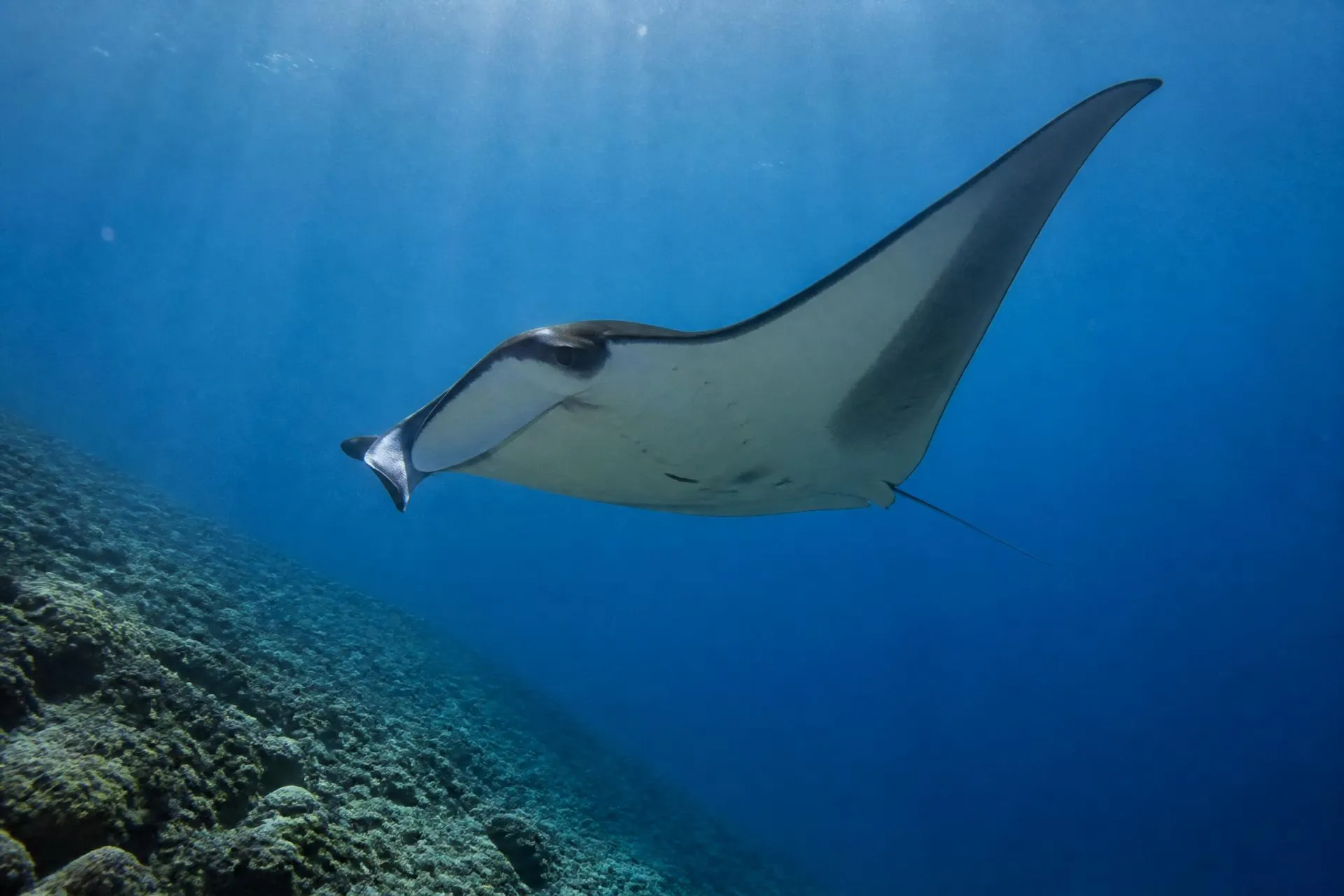
    Grey reef sharks stacked into the flow, eagle rays, mantas at cleaning stations, big-eye jacks and dense fusilier walls.

  8. Gas planning

    Fighting even a little current doubles consumption. Set a turn pressure and respect it.

  9. Entry technique

    Negative entries are standard so the group reaches the reef before the current takes hold.

  10. Getting there

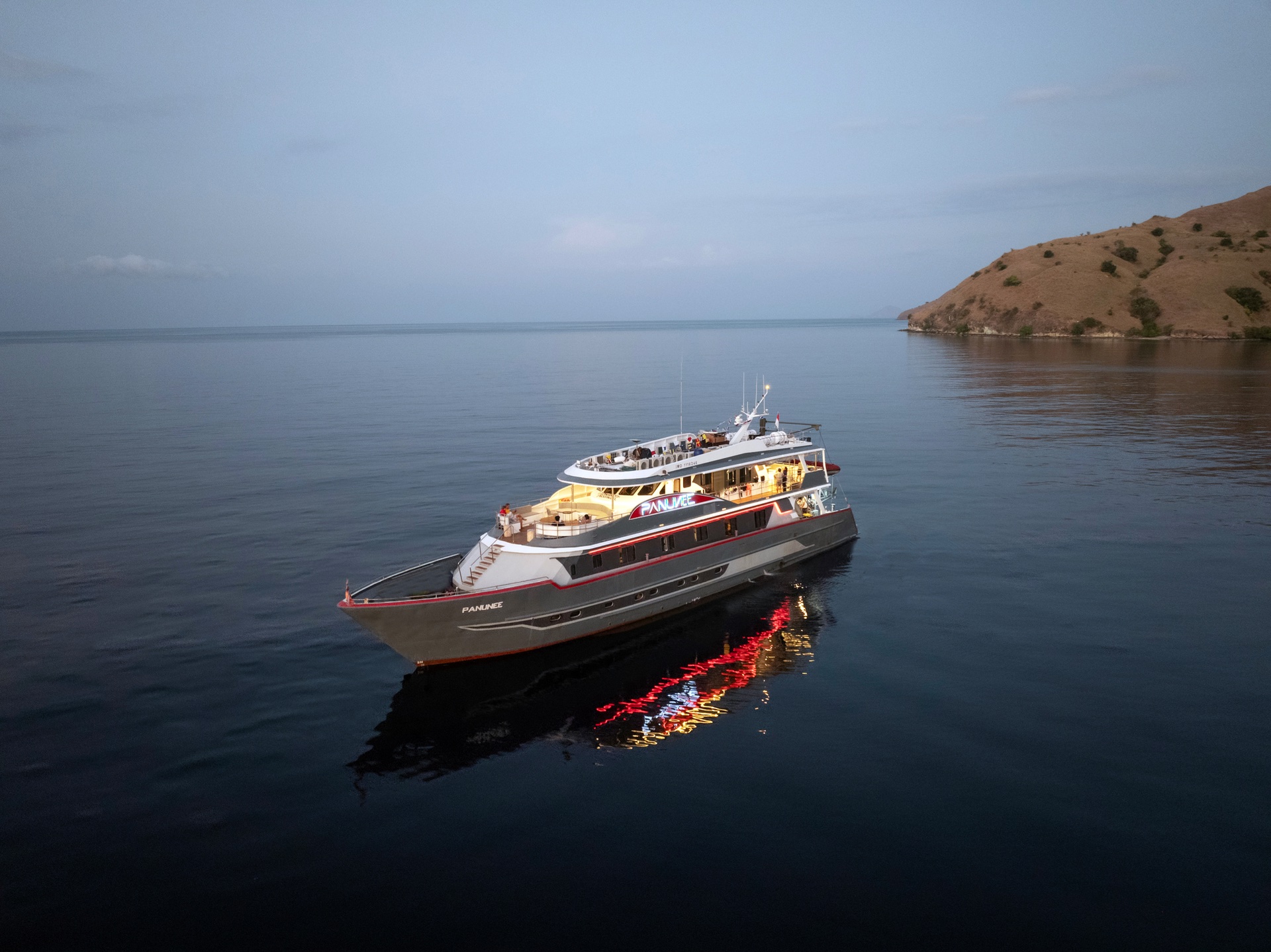
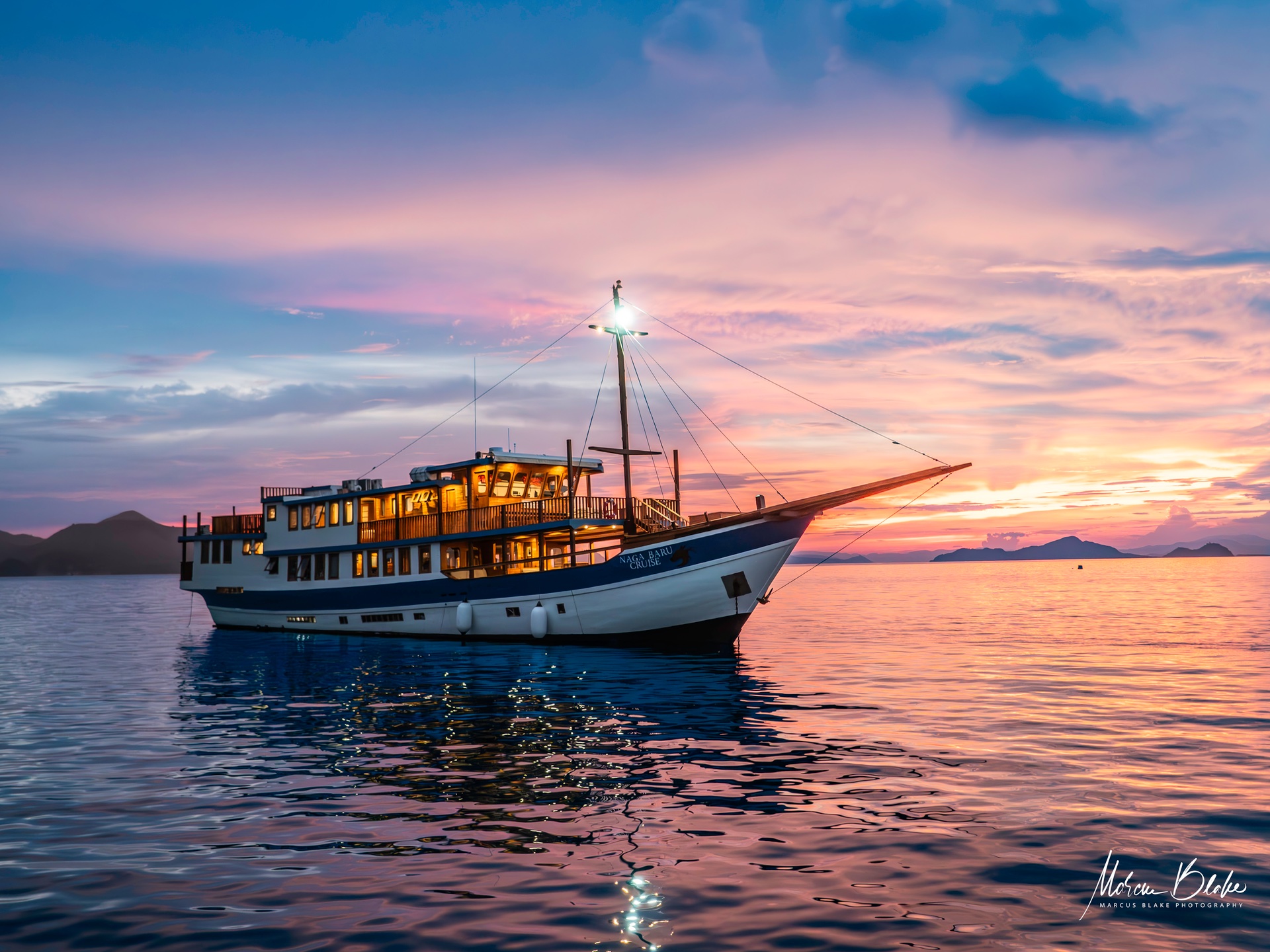
    Liveaboards can sit on the pass and dive it at exactly the right tide, which is why channel itineraries are almost always boat-based.

By country

Find your channels by country

Pick the country you have always dreamed of and see all channels waiting for you there.

Depths, currents, best season and the liveaboards that actually dive them — all in one place.

18 dive sites

Maldives

avg 33 m · level Advanced · current Strong

12 dive sites

Indonesia

avg 28 m · level Advanced · current Strong

8 dive sites

French Polynesia

avg 27 m · level Advanced · current Strong

3 dive sites

Mexico

avg 21 m · level Intermediate · current Strong

3 dive sites

Micronesia

avg 45 m · level Intermediate · current Strong

3 dive sites

Fiji

avg 28 m · level Advanced · current Strong

2 dive sites

Australia

avg 35 m · level Advanced · current Strong

2 dive sites

Bahamas

avg 28 m · level Advanced · current Strong

2 dive sites

Philippines

avg 30 m · level Advanced · current Strong

2 dive sites

Galápagos

avg 19 m · level Beginner · current Strong

2 dive sites

Papua New Guinea

avg 30 m · level Advanced · current Strong

1 dive sites

Seychelles

level Advanced · current Strong

1 dive sites

Portugal

level Advanced · current Strong

1 dive sites

Saudi Arabia

level Advanced · current Strong

1 dive sites

Egypt

level Advanced · current Mild

1 dive sites

Djibouti

level Advanced · current Strong

By region

Find your channels by region

Pick the region you have always dreamed of and see all channels waiting for you there.

Depths, currents, best season and the liveaboards that actually dive them — all in one place.

Channel diving in the Indian Ocean20 dive sites

Indian Ocean

avg 32 m · level Advanced · current Strong

Channel diving in the Coral Triangle16 dive sites

Coral Triangle

avg 28 m · level Advanced · current Strong

Channel diving in the South Pacific15 dive sites

South Pacific

avg 31 m · level Advanced · current Strong

Channel diving in the Caribbean5 dive sites

Caribbean

avg 25 m · level Advanced · current Strong

Channel diving in the Red Sea & Arabia3 dive sites

Red Sea & Arabia

avg 47 m · level Advanced · current Strong

Channel diving in the Eastern Pacific3 dive sites

Eastern Pacific

avg 21 m · level Beginner · current Strong

Channel diving in the Mediterranean & Atlantic1 dive sites

Mediterranean & Atlantic

level Advanced · current Strong

Liveaboards for Channel diving

Search boats built around Channel diving and compare departures.

FAQ

FAQ: Channel diving

What is a channel dive?
A dive in the passage between an open ocean and a lagoon or between two islands, where tidal exchange creates strong, predictable current and heavy fish traffic.
Is channel diving suitable for beginners?
Generally no. Strong current, down-currents and blue-water pickups mean channel dives are best after Advanced certification and some drift experience.
Incoming or outgoing tide — which is better?
Incoming, almost always. It brings clear ocean water into the channel; outgoing flushes murkier lagoon water and can be far less pleasant.
Why are sharks always in channels?
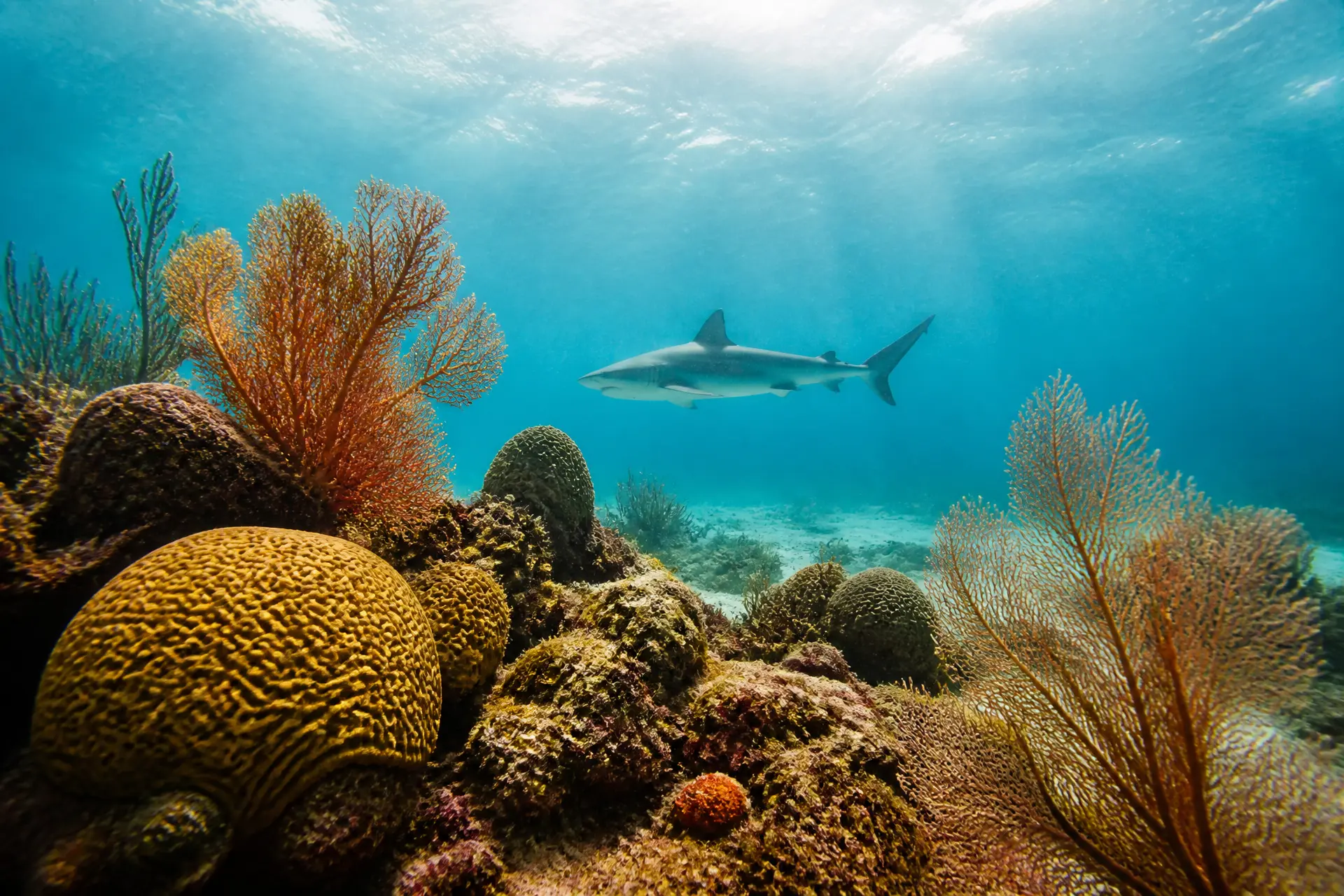
Current is a conveyor belt of food. Grey reef sharks and jacks hold station in the flow at the channel mouth waiting for baitfish to pass.
What if I hit a down-current?
Do not fight it vertically. Swim horizontally away from the wall into open water, add gas to your BCD and ascend once the flow releases you.
Do I need a reef hook?
At classic channel sites like Blue Corner or the Maldivian kandus, yes — it is the difference between watching the show and being swept past it.

Find liveaboards for Channel diving

Search boats built around Channel diving and compare departures.