Seamount diving: the best dive sites worldwide
52 dive sites12 countries7 regions22 liveaboard-only sites

Seamount diving: the best dive sites worldwide

Seamount diving is open-ocean summits and big-fish traffic — from Roca Partida to Hin Daeng. Compare the best Seamount dive sites worldwide with depth, current, certification level and best season, plus the liveaboard itineraries that actually dive them.

What makes Seamount diving special

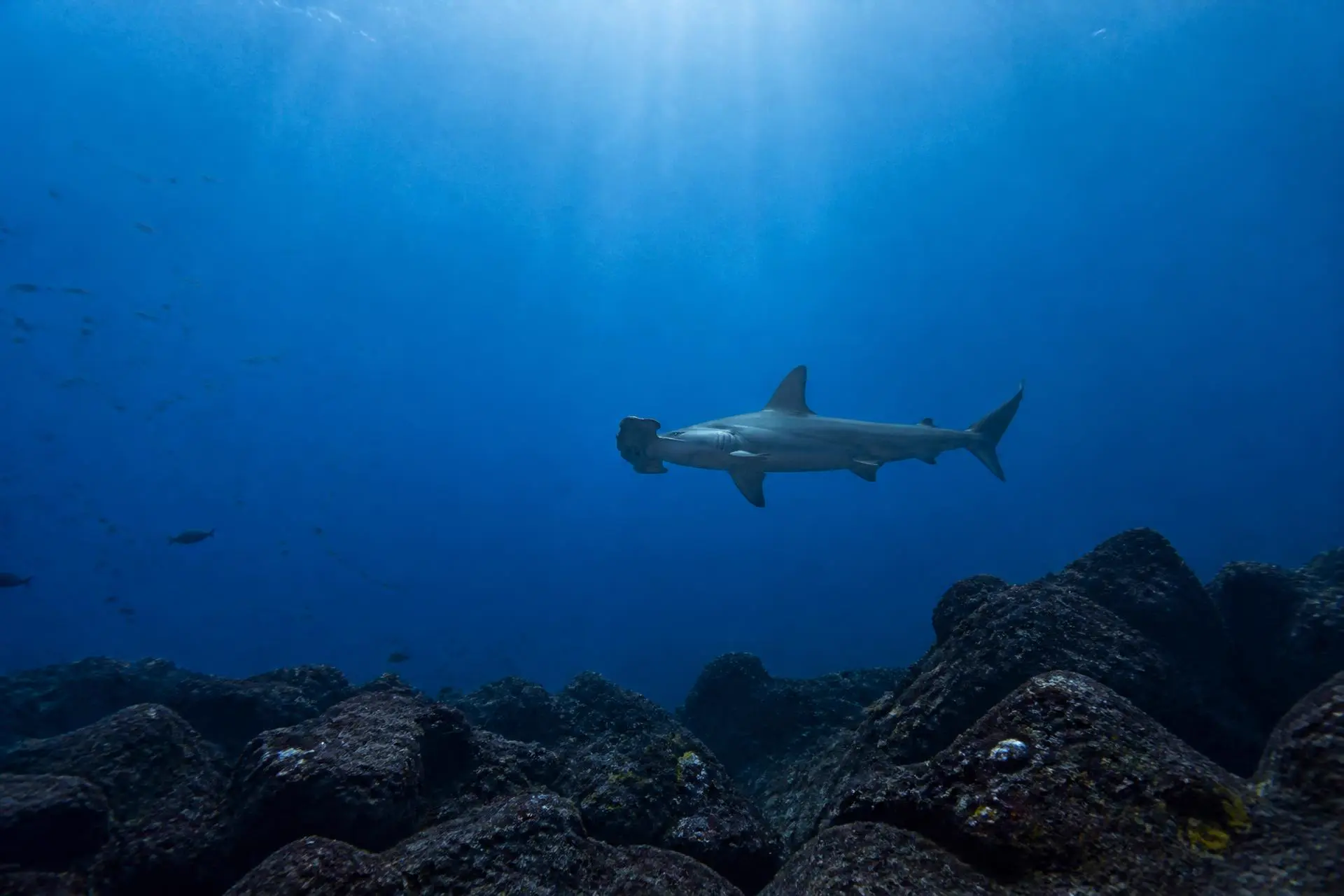
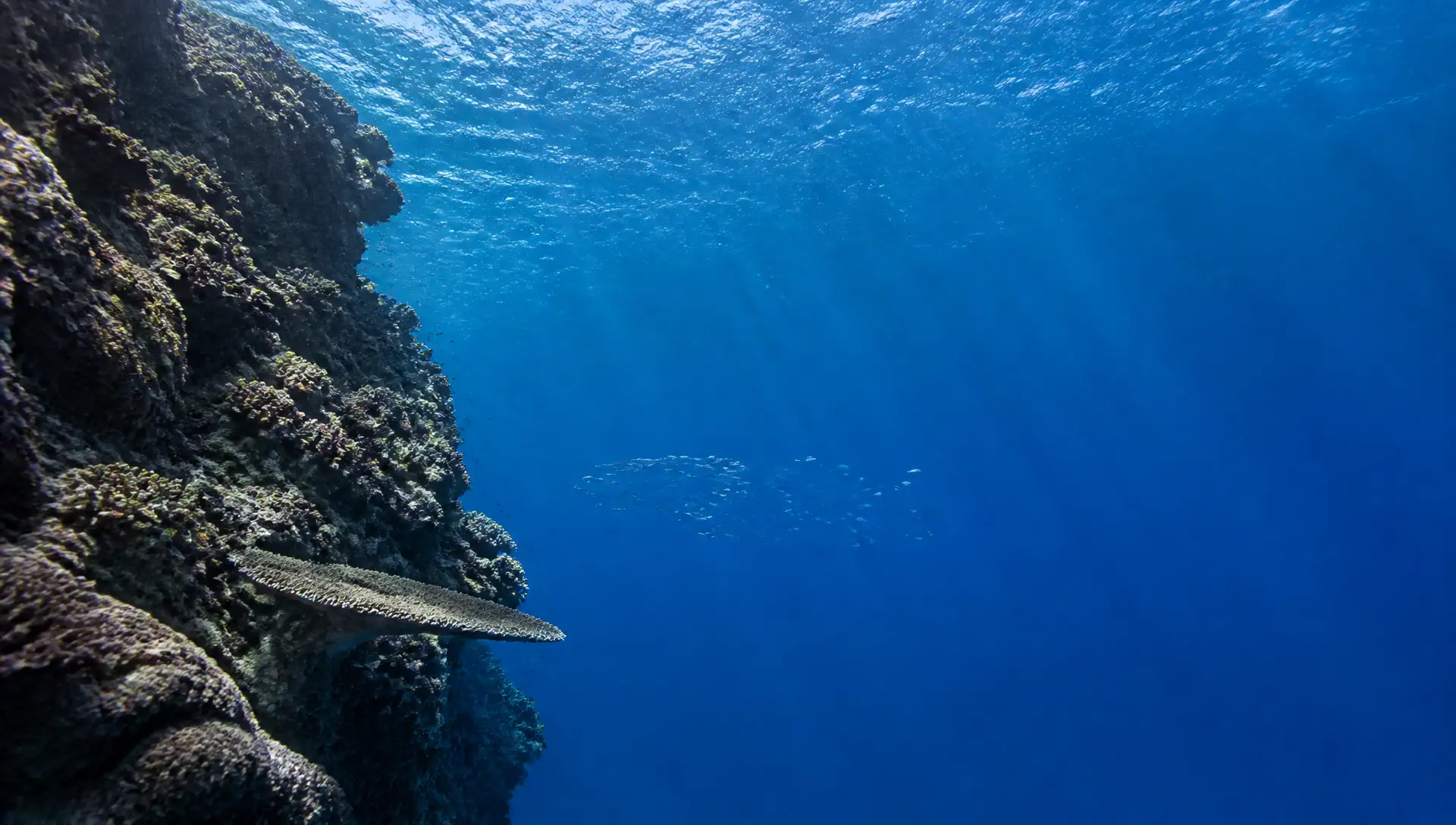
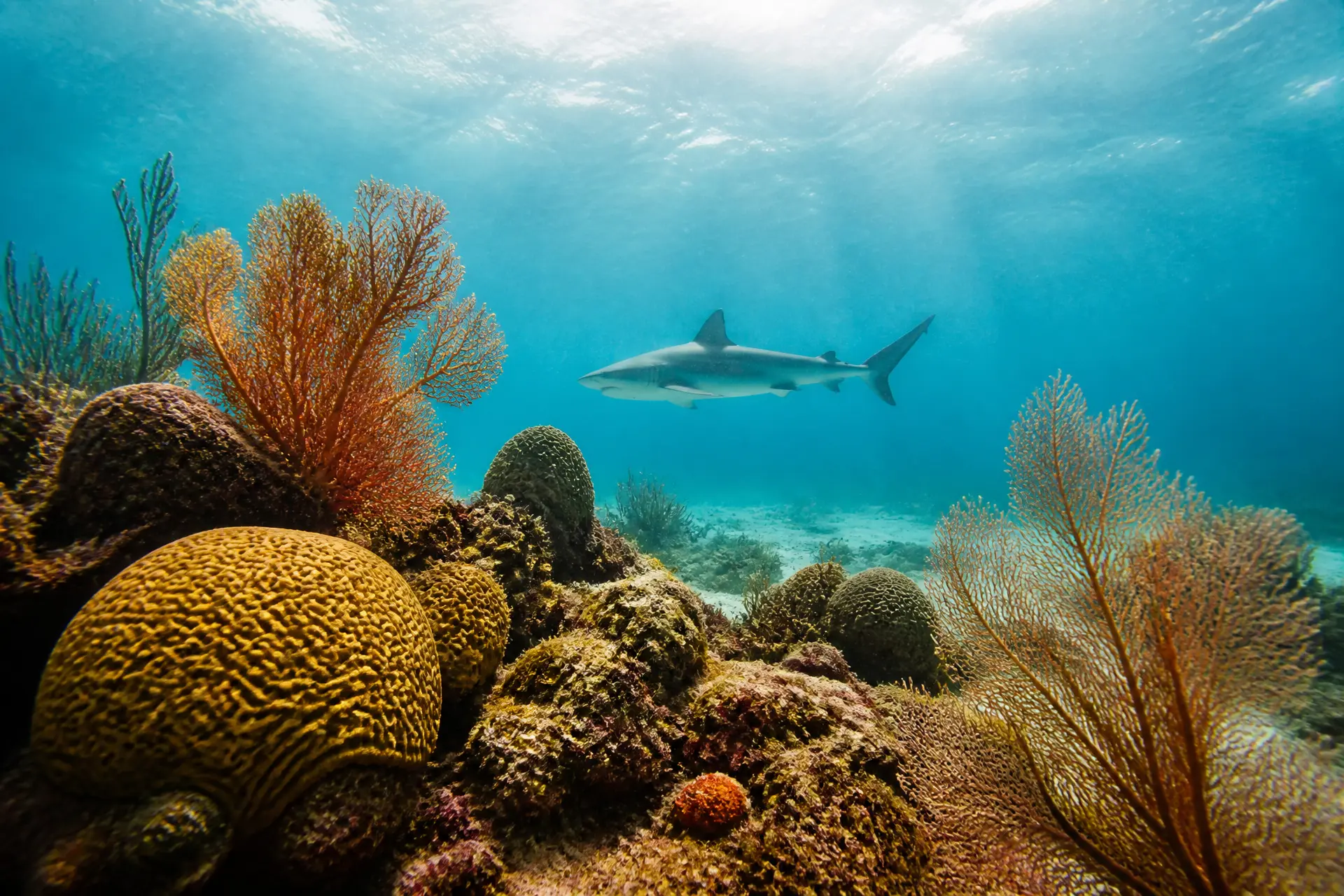
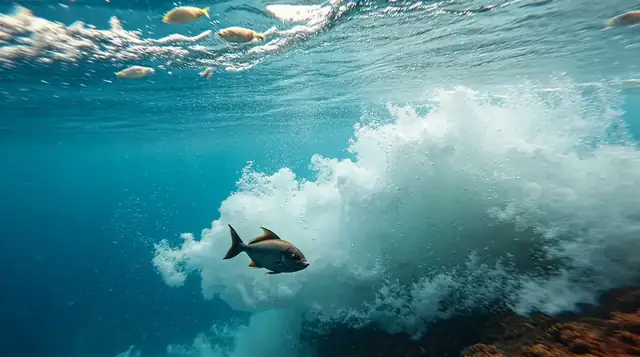
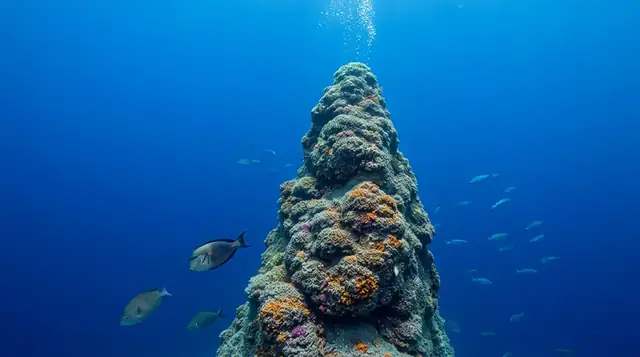
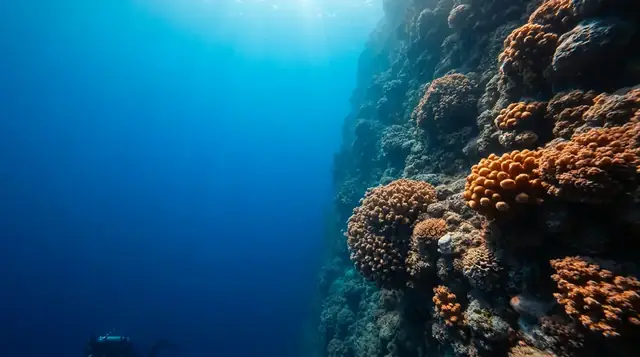
A seamount is an underwater mountain that never breaks the surface, rising from the deep in open ocean. Currents hit its flanks and push up nutrients, which makes seamounts magnets for sharks, tuna and other pelagic life.

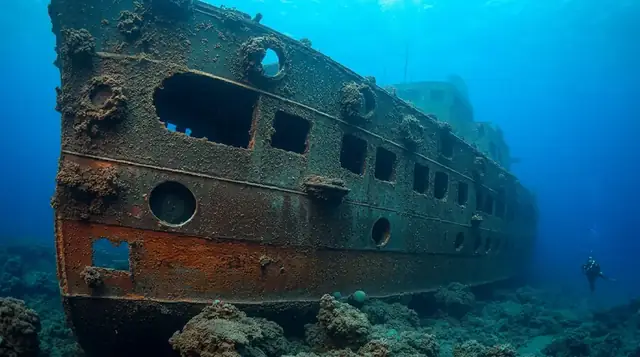
Seamount diving is one of the most rewarding ways to read the ocean. Every site layers history, marine life and a unique atmosphere — from shallow, coral-encrusted shore wrecks to deep, current-swept war graves.

Some wrecks are protected museums, others are artificial reefs bursting with schools, predators and macro critters. Depth and current vary widely, so there is usually a wreck for every certification level — as long as you respect its limits.
Signature sites

Iconic seamounts

The absolute classics every diver has heard of — and the liveaboards that reach them.
© Esri — Maxar, Earthstar, GIS

Princess Alice Bank is an oceanic seamount located approximately 83 kilometers southwest of Faial Island, or 90 to 96 kilometers southwest of Pico Island, in the Azores.

Suitable for
Advanced
Current
Strong
Access
Liveaboard or dayboat
Depth
2–40 m
Theme
Pinnacle / Seamount
© Esri — Maxar, Earthstar, GIS

Gordo Banks is a world-renowned deep dive site located approximately seven to ten miles offshore from San José del Cabo marina in Mexico.

Suitable for
Advanced
Current
Strong
Access
Liveaboard or dayboat
Depth
31–40 m
Theme
Pinnacle / Seamount
© Esri — Maxar, Earthstar, GIS

Silverado

Costa Rica

Silverado is a renowned dive site located within the extraordinary marine ecosystem of Cocos Island, approximately 500 kilometers southwest of mainland Costa Rica.

Suitable for
Advanced
Current
Strong
Access
Liveaboard only
Depth
15–40 m
Theme
Seamount
© Esri — Maxar, Earthstar, GIS

Kimbe Island

Papua New Guinea

Kimbe Bay, situated on New Britain Island in Papua New Guinea, is renowned globally as a premier dive destination.

Suitable for
Intermediate
Current
Strong
Access
Liveaboard only
Depth
5–33 m
Theme
Reef / Seamount
© Esri — Maxar, Earthstar, GIS

Lama Shoal, evocatively named 'Circle of Stars' or 'Crack-A-Fat Reef,' is a premier dive site within the remote Witu Islands of Papua New Guinea.

Suitable for
Intermediate
Current
Strong
Access
Liveaboard only
Depth
5–30 m
Theme
Reef / Seamount
© Esri — Maxar, Earthstar, GIS

Susan's Reef

Papua New Guinea

Susan's Reef is a highlight of Kimbe Bay, located on New Britain Island in Papua New Guinea, celebrated for its pristine condition and rich biodiversity.

Suitable for
Beginner
Current
Moderate
Access
Liveaboard only
Depth
5–20 m
Theme
Reef / Seamount

Editorial ranking

Top 14 seamounts worldwide

Our editorial top 14, based on how often each site appears in published best-of rankings, dive guides and operator reports.

From bucket-list classics to lesser-known gems, these sites cover the full range of experience levels and conditions.

Compare depth, current, access and the liveaboards that reach each site to plan your next underwater adventure.

© Esri — Maxar, Earthstar, GIS
1

El Boiler

Mexico

El Boiler is a submerged seamount off Socorro Island, part of the Revillagigedo Archipelago, renowned as a cleaning station for giant manta rays.

Suitable for
Advanced
Current
Strong
Access
Liveaboard only
Depth
Theme
Reef
© Esri — Maxar, Earthstar, GIS
2

Roca Partida is arguably one of the most extraordinary dive sites globally, a remote volcanic rock in the Revillagigedo Archipelago, approximately 400 km off Mexico's Pacific coast.

Suitable for
Advanced
Current
Strong
Access
Liveaboard or dayboat
Depth
10–40 m
Theme
Cave & cavern / Seamount

Season

Best season for Seamount diving

Seasons change by region, but these windows reliably deliver the calmest seas and the best visibility for Seamount diving. Compare water temperature, surface conditions and the liveaboard routes that run during each peak season.
Seamounts in the Eastern Pacific

Eastern Pacific

June – November

J
F
M
A
M
J
J
A
S
O
N
D
ExcellentGoodOff-season

Baja's Gordo Banks and the Costa Rican seamounts sit in the warm season with the best pelagic traffic.

Water 19–29 °C · visibility 15–35 m · sharp thermoclines and cold upwellings.

Seamounts in the Coral Triangle

Coral Triangle

April – November

J
F
M
A
M
J
J
A
S
O
N
D
ExcellentGoodOff-season

Kimbe Bay and the Witu Islands seamounts are calmest between the monsoons.

Water 27–30 °C · visibility 20–35 m · seamount tops from 5 m, walls into the abyss.

Seamounts in the Mediterranean & Atlantic

Mediterranean & Atlantic

June – October

J
F
M
A
M
J
J
A
S
O
N
D
ExcellentGoodOff-season

The Azorean banks — Princess Alice, Ambrósio — only open up in the settled summer window.

Water 18–24 °C · visibility 25–40 m · long open-ocean crossings, 5 mm suit minimum.

Seamounts in the South Pacific

South Pacific

May – October

J
F
M
A
M
J
J
A
S
O
N
D
ExcellentGoodOff-season

Offshore banks are diveable only in dry-season swell windows.

Water 24–29 °C · visibility 20–40 m · exposed sites, live-boat pickup standard.

Seamounts in the Indian Ocean

Indian Ocean

January – April & September – November

J
F
M
A
M
J
J
A
S
O
N
D
ExcellentGoodOff-season

Offshore banks and thilas off the Maldives and Tanzania in the calm monsoon shoulder.

Water 27–30 °C · visibility 20–30 m · exposed tops need flat seas to dive safely.

Plan ahead

Good to know

Seamount diving mixes unforgettable moments with real planning decisions — depth, current, certification and the right season all matter. Here is what experienced divers check before booking a liveaboard trip.

  1. Open ocean

    Seamounts rise from deep water far offshore. There is no reef to retreat to and no shore — everything happens in blue water.

  2. Certification

    Advanced Open Water plus deep and drift experience. Many operators also ask for a minimum logged-dive count.

  3. Blue-water descent

    You often descend a line or make a negative entry straight to the summit. Practise descending without a visual reference.

  4. Current

    Upwellings and swirling flow are the norm. Work the upcurrent face and stay close to the structure.

  5. Thermoclines

    Cold water rises along the flanks — a 5 °C drop in a few metres is common. Overdress rather than under.

  6. Pelagics

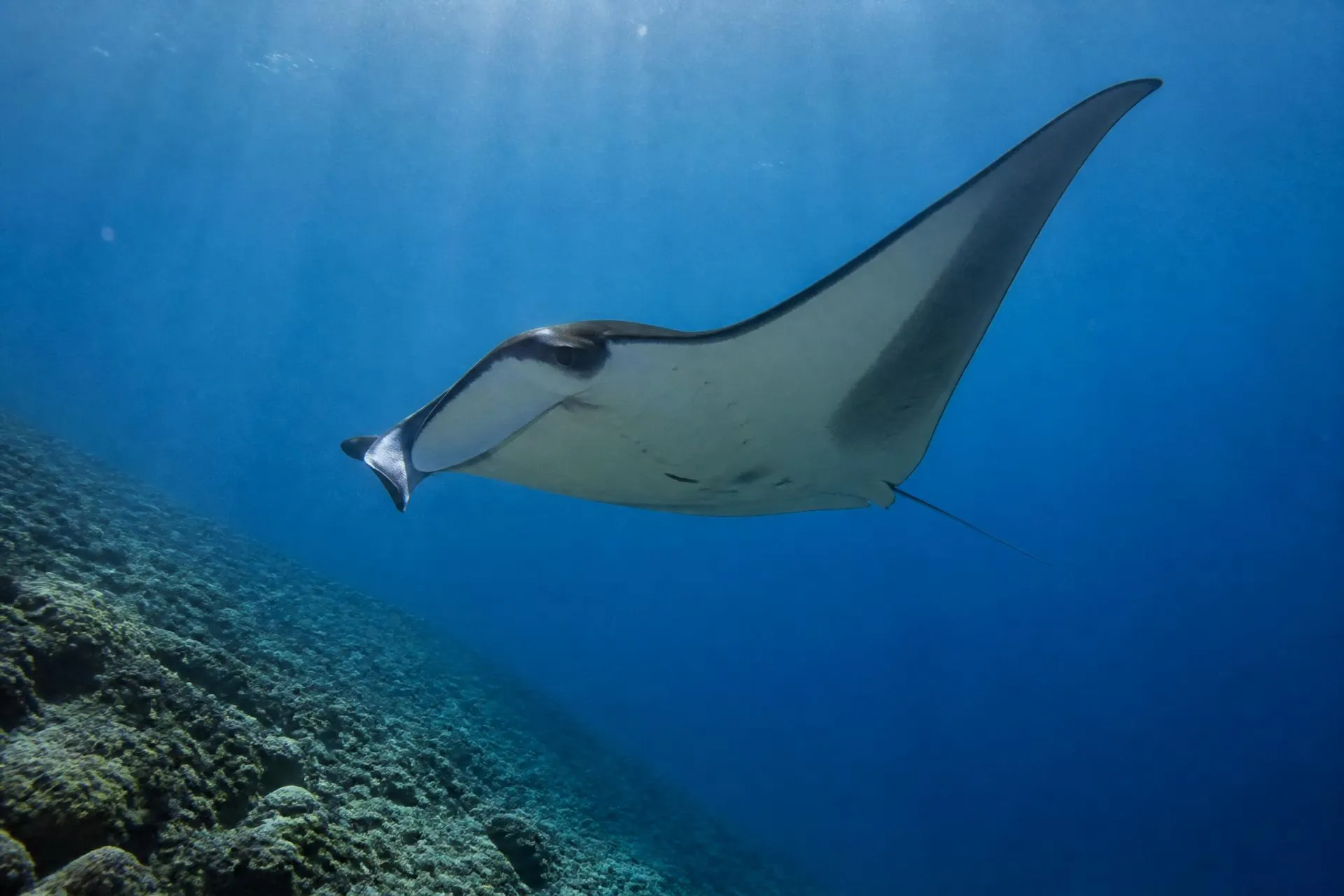
    This is big-animal diving: mobula and manta rays, hammerheads, silky sharks, tuna, marlin and whale sharks on the plankton.

  7. Gas planning

    Depth plus current plus excitement equals fast consumption. Nitrox and a conservative turn pressure are standard.

  8. SMB & pickup

    Deploy your delayed SMB well before surfacing — you may drift a long way from the boat over open ocean.

  9. Sea sickness

    Long crossings in swell are part of the deal. Take medication before departure, not once you already feel it.

  10. Getting there

    Nearly all serious seamounts are liveaboard or long day-trip destinations with strict weather windows.

By country

Find your seamounts by country

Pick the country you have always dreamed of and see all seamounts waiting for you there.

Depths, currents, best season and the liveaboards that actually dive them — all in one place.

16 dive sites

Indonesia

avg 33 m · level Advanced · current Strong

7 dive sites

Papua New Guinea

avg 30 m · level Advanced · current Strong

6 dive sites

Mexico

avg 34 m · level Advanced · current Strong

5 dive sites

Portugal

avg 43 m · level Advanced · current Strong

5 dive sites

Costa Rica

avg 35 m · level Advanced · current Strong

5 dive sites

Fiji

avg 35 m · level Advanced · current Strong

2 dive sites

Seychelles

avg 43 m · level Advanced · current Strong

2 dive sites

Maldives

avg 43 m · level Advanced · current Strong

1 dive sites

Solomon Islands

level Advanced · current Moderate

1 dive sites

Honduras

level Intermediate · current Strong

1 dive sites

Galápagos

level Expert · current Strong

1 dive sites

Saudi Arabia

level Advanced · current Strong

By region

Find your seamounts by region

Pick the region you have always dreamed of and see all seamounts waiting for you there.

Depths, currents, best season and the liveaboards that actually dive them — all in one place.

Seamounts in the Coral Triangle24 dive sites

Coral Triangle

avg 32 m · level Advanced · current Strong

Seamounts in the Eastern Pacific12 dive sites

Eastern Pacific

avg 34 m · level Advanced · current Strong

Seamounts in the Mediterranean & Atlantic5 dive sites

Mediterranean & Atlantic

avg 43 m · level Advanced · current Strong

Seamounts in the South Pacific5 dive sites

South Pacific

avg 35 m · level Advanced · current Strong

Seamounts in the Indian Ocean4 dive sites

Indian Ocean

avg 43 m · level Advanced · current Strong

Seamounts in the Caribbean1 dive sites

Caribbean

level Intermediate · current Strong

Seamounts in the Red Sea & Arabia1 dive sites

Red Sea & Arabia

level Advanced · current Strong

Liveaboards for Seamount diving

Search boats built around Seamount diving and compare departures.

FAQ

FAQ: Seamount diving

What is a seamount dive?
A dive on an underwater mountain that rises from the deep ocean floor without reaching the surface. Its summit concentrates plankton, baitfish and large predators.
Why do pelagics gather at seamounts?
Current hitting the slopes forces nutrient-rich water upwards. That upwelling feeds a whole food chain, from plankton to hammerheads and whale sharks.
What experience do I need?
Advanced certification, comfort with blue-water descents, strong buoyancy and experience in current. Many seamount operators require 50+ logged dives.
How deep are seamount dives?
Typically 20–40 m on the summit and upper flanks. Nitrox is strongly recommended and decompression planning matters.
How is it different from a pinnacle?
Scale and setting. Pinnacles are usually nearshore rock towers; seamounts are true offshore mountains, deeper, more exposed and dominated by pelagics.
Are seamount dives weather-dependent?
Very. Offshore swell decides whether the crossing happens at all, which is why seamount itineraries always keep backup sites in reserve.

Find liveaboards for Seamount diving

Search boats built around Seamount diving and compare departures.