About Bradford Shoals
Bradford Shoals is a prominent seamount located in the outer reaches of Kimbe Bay, off the northern coast of New Britain, Papua New Guinea. This isolated reef rises dramatically from significant depths to within 20 meters of the surface, creating a magnet for diverse marine species. The Shoals are a testament to the rich biodiversity of the Coral Triangle, an area considered the hard coral capital of the world, with Kimbe Bay itself boasting over 400 species of coral and 860 species of reef fish. The topography of Bradford Shoals features extensive flat plates of hard corals adapted to maximize light at its shallower depths, along with numerous colonies of Leather Coral. From its twin summits, the reef slopes down to a lip at approximately 27 meters, before plunging into almost sheer vertical drop-offs. These unique formations provide both sanctuary and hunting grounds, attracting a wide array of marine life, from vibrant reef fish to powerful pelagic predators. Diving here offers an exceptional experience, characterized by encounters with large schools of barracuda, jacks, and tuna, alongside patrolling reef sharks. The consistent currents that sweep across the seamount deliver vital nutrients, sustaining this thriving ecosystem. This site is frequently visited by liveaboards and day boats operating out of Walindi Plantation Resort, known for its pristine and uncrowded dive experiences. Bradford Shoals is a key highlight among the three iconic seamounts in Kimbe Bay, alongside Inglis Shoals and Joelle's Reef, offering spectacular diving conditions particularly for those interested in large marine animal encounters and breathtaking coral landscapes.
Highlights
Pelagic action with large schoolsExtensive hard coral platesWhitetip reef shark sightingsSeamount topographyVibrant reef fish diversityConsistent current-fed ecosystem
Season calendar
Best months to dive here
Jan
Feb
Mar
Apr
May
Jun
Jul
Aug
Sep
Oct
Nov
Dec
Excellent
Good
Dive site facts: Bradford Shoals
- Depth
- 20–60 m+
- Typical dive
- 20–27 m, 50–60 min
- Current
- Mild to moderate, occasionally strong
- Visibility
- 10–30 m
- Water temperature
- 27–30°C
- Entry
- Tender / negative entry
- Level
- Advanced Open Water Diver recommended
- Dive type
- Seamount, pelagic, coral reef
- Night dive
- Possible, but less common
- Region / port
- Kimbe Bay, New Britain
- Coordinates
- -5.32, 150.39
Conditions & Currents
Bradford Shoals, as a seamount on the outer edge of Kimbe Bay, experiences mild to moderate currents, and occasionally stronger ones, which are fundamental to its rich marine life. These currents bring vital nutrients, attracting large pelagic species and creating dynamic drift opportunities for divers. Visibility typically ranges from 10 to 30 meters, with sites further offshore often providing clearer water. While currents are a defining feature, they are generally manageable, making the site suitable for divers with some experience in moving water. Entry is typically by tender, and divers often descend into the current to begin their drift along the reef, with safety stops performed in shallower, less exposed areas or via liveaboard pickup.
Marine life & sighting chances

Barracuda
common
Big Eye Trevally
common
Dog Tooth Tuna
common
Grey Reef Shark
common
Whitetip Reef Shark
common
Pink Anemonefish
common
Butterflyfish
common
Damselfish
common
Leather Coral
common
Unicorn Fish
common
Fusiliers
common
Hammerhead Shark
rareDive profile & how the dive runs
A typical dive at Bradford Shoals begins with a negative entry from a tender directly into the blue, aiming for the reef's summit at around 20-22 meters. Divers then follow the reef structure, often drifting with the current, exploring the flat hard coral plates and the vibrant reef fish that inhabit them. The route typically descends to the reef lip at about 27 meters, where schools of barracuda, trevally, and tuna are frequently observed, alongside patrolling grey and whitetip reef sharks. The dive progresses along the wall, offering opportunities for wide-angle photography of the schooling pelagics against the backdrop of healthy corals. The turn point is determined by air consumption and current direction. Safety stops are conducted in shallower water, often between 5 and 7 meters, before ascending to the surface for pickup by the tender.
Underwater photography
Bradford Shoals is a prime location for wide-angle photography, capturing the expansive hard coral formations and massive schools of pelagic fish. A wide-angle lens is essential for documenting the impressive barracuda and trevally schools, as well as the reef sharks that frequent the drop-offs. External strobes are highly recommended to bring out the vibrant colors of the corals and reef fish, especially in deeper sections. Due to the potential for currents, maintaining excellent buoyancy control is crucial to avoid disturbing the delicate coral ecosystems. Be prepared for fast-moving subjects; a quick autofocus system can be advantageous when pelagics sweep past unexpectedly.
Combine with nearby dive sites
- Inglis Shoals
Another iconic seamount in Kimbe Bay, known for coral density and pelagic action.
- Joelle’s Reef
A slightly shallower seamount with abundant barracuda and healthy coral.
- Restorf Island
Features dramatic wall dives and encounters with manta rays and grey reef sharks.
- Susan's Reef
A spectacular pinnacle bursting with soft corals and abundant reef fish.
Getting there & logistics
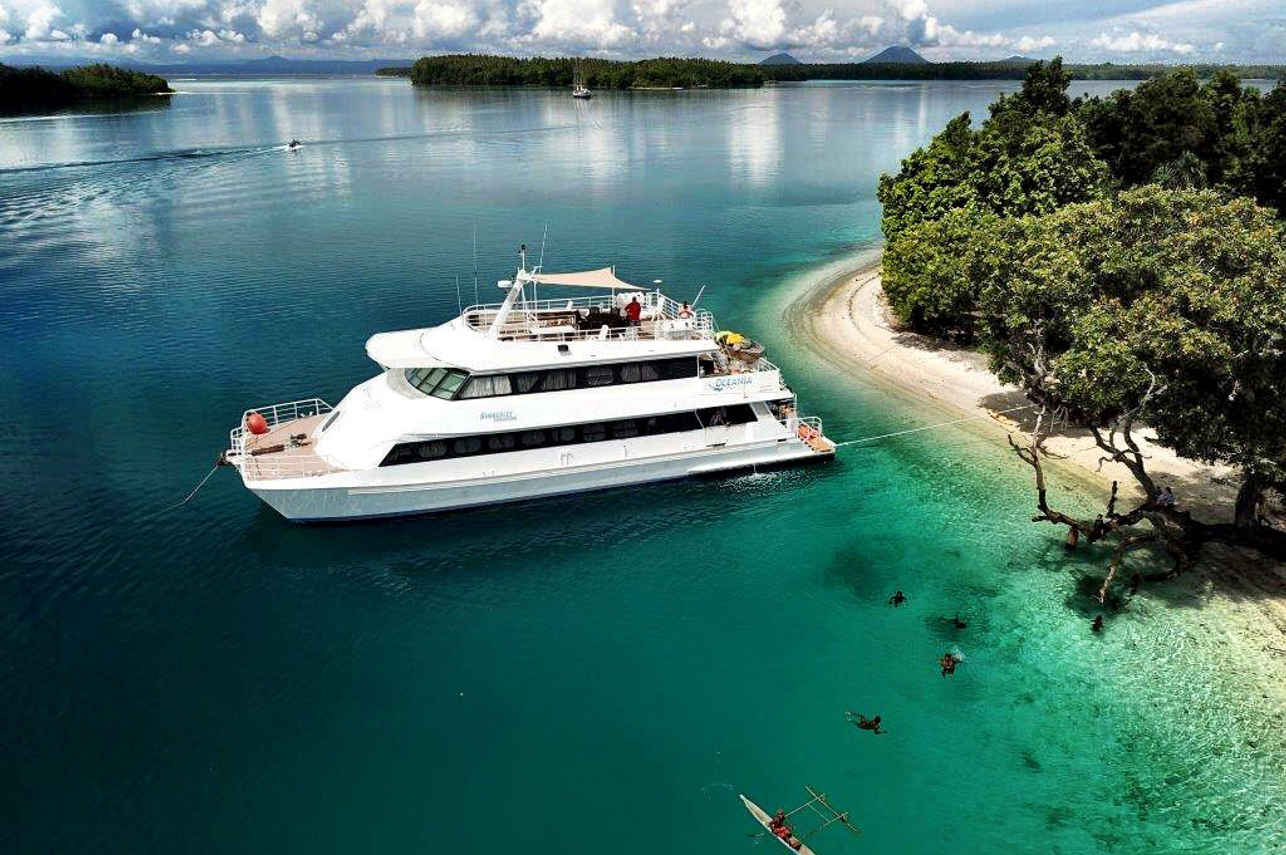
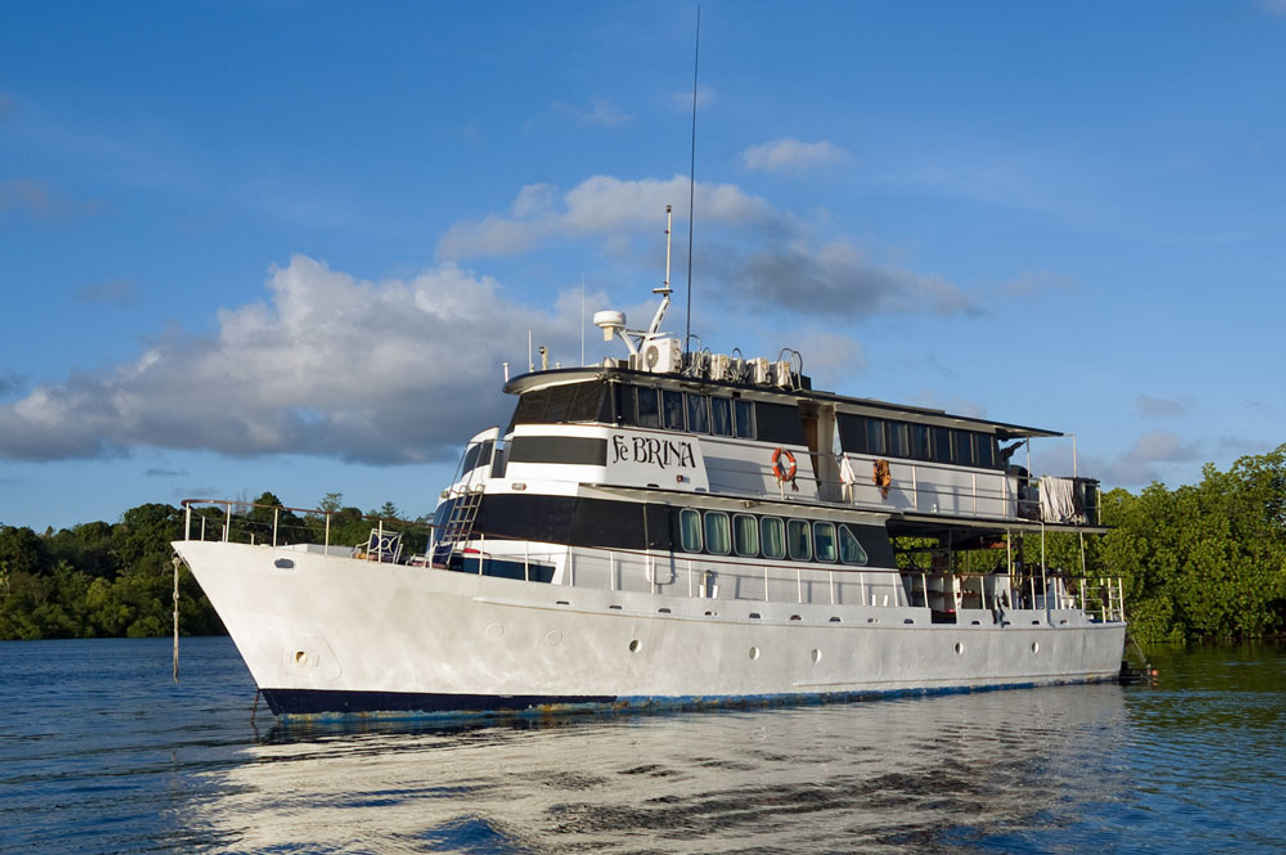
Diving Bradford Shoals typically involves a liveaboard trip or day trips from Walindi Plantation Resort in Kimbe Bay, New Britain. The nearest airport is Hoskins Airport (HKN), which can be reached via domestic flights from Port Moresby (POM). Liveaboards like the MV Febrina and MV Oceania offer itineraries that include Kimbe Bay and its surrounding seamounts. Trips usually range from 7 to 10 days, allowing ample time to explore various sites. Marine park fees are generally included in liveaboard packages. Day boats from Walindi Plantation Resort provide access to Bradford Shoals and other local sites within an hour's ride.
Safety & environment
The nearest recompression chamber to Kimbe Bay is located in Port Moresby, making emergency evacuation a potentially lengthy process. Therefore, comprehensive dive insurance with emergency evacuation coverage is not just recommended, but essential for all divers. Divers should be proficient in drift diving and comfortable with varying current strengths, as strong currents can occasionally be encountered. Always dive with a surface marker buoy (SMB) for safety in case of surfacing away from the boat. Respect local marine life and avoid touching corals. Listen carefully to dive briefings, as local conditions and site-specific protocols are key to a safe dive.
Who it suits — and who it doesn't
Suited for
- Experienced divers comfortable with currents
- Underwater photographers seeking pelagic action
- Divers interested in diverse hard coral ecosystems
- Liveaboard enthusiasts
Less suited for
- Absolute beginners
- Divers uncomfortable with drift diving
- Those prone to seasickness in open water
- Divers without comprehensive dive insurance
FAQ
Bradford Shoals FAQ
What kind of marine life can I expect at Bradford Shoals?
Bradford Shoals is teeming with marine life, particularly known for its pelagic species. You can expect to see large schools of barracuda, big eye trevally, and dog tooth tuna. Grey reef sharks and whitetip reef sharks are common, and on rare occasions, hammerheads have been sighted. The reef also hosts numerous smaller species like butterflyfish, damselfish, and pink anemonefish.
What are the typical dive conditions at Bradford Shoals?
Conditions at Bradford Shoals generally include water temperatures between 27-30°C and visibility ranging from 10 to 30 meters. Currents can be mild to moderate, and occasionally strong, which is characteristic of seamount dives in the region. The best visibility and calmer seas are typically experienced between May and November.
What depth does Bradford Shoals reach?
Bradford Shoals rises from considerable depths to within 20 meters of the surface. The reef slopes down to a lip at about 27 meters, after which there's an almost sheer vertical drop. Most of the active diving takes place between 20 and 27 meters, exploring the reef's summit and upper slopes.
Is Bradford Shoals suitable for beginner divers?
Bradford Shoals is generally recommended for Advanced Open Water Divers or those with experience in currents. Its exposure as a seamount means currents can be unpredictable, and negative entries are sometimes required. Beginners might find the conditions challenging, making prior experience with drift diving beneficial.
How do I get to Bradford Shoals?
Bradford Shoals is accessed primarily via liveaboard trips or day boats departing from Walindi Plantation Resort in Kimbe Bay, New Britain. Divers typically fly into Hoskins Airport (HKN) in Kimbe, usually via a connecting flight from Port Moresby (POM), to begin their dive itineraries.
Why is Kimbe Bay considered so biodiverse?
Kimbe Bay, where Bradford Shoals is located, sits within the Coral Triangle, a global epicenter of marine biodiversity. Scientists believe it may be where the first corals originated, and it's often called the 'hard coral capital of the world.' Surveys have identified over 860 species of reef fish and 400 species of coral, nurtured by nutrient-rich currents from the Bismarck and Solomon Seas.
Why dive Bradford Shoals from a liveaboard?
Bradford Shoals is one of Papua New Guinea's signature dive sites. A liveaboard sleeps you on the water and puts you in the water for three to four guided dives per day, including dawn and night dives that day-boat operators rarely offer. You skip the daily commute back to port and reach quieter, less-crowded sites in the same region on a single trip.
Below are the liveaboards that include Bradford Shoals on their Papua New Guinea itineraries.
Liveaboards diving Bradford Shoals
These liveaboards may visit Bradford Shoals on selected itineraries — the exact dive sites depend on departure, weather and conditions.
Dive sites similar to Bradford Shoals
Same character, same waters — six more sites divers love for the exact same reasons.Compare seasons, access and liveaboard routes — then pick the site that fits your trip best.
© Esri — Maxar, Earthstar, GIS
Big La Laguna
Philippines
Big La Laguna is a beach community situated on the western edge of the Sabang Peninsula, a popular dive region on Mindoro Island, Philippines.
- Suitable for
- Intermediate
- Current
- Moderate
- Access
- Dayboat
- Depth
- 5–35 m
- Theme
- Reef / Wall
© Esri — Maxar, Earthstar, GIS
Rusa Pinnacle
Alor
Rusa Pinnacle is a challenging yet highly rewarding dive site situated in the Alor archipelago, part of Indonesia's East Nusa Tenggara.
- Suitable for
- Advanced
- Current
- Strong
- Access
- Liveaboard only
- Depth
- 6–30 m
- Theme
- Reef
Lipah Bay is situated on Bali's northeast coast within the Amed area, nestled against the dramatic backdrop of Gunung Agung.
- Suitable for
- Beginner
- Current
- Mild
- Access
- Liveaboard or dayboat
- Depth
- 5–30 m
- Theme
- Reef / Drift
© Esri — Maxar, Earthstar, GIS
Tangked Cave
Bali
Tangked Cave, sometimes referred to as Tangked Taked Shark Cave, is an advanced dive site situated in the open ocean off Bali's southeastern coast.
- Suitable for
- Advanced
- Current
- Moderate
- Access
- Liveaboard or dayboat
- Depth
- 15–40 m
- Theme
- Cave & cavern / Reef
© Esri — Maxar, Earthstar, GIS
Schools Out
Alor
Schools Out in Alor offers divers an exceptional encounter with healthy coral reefs and a rich variety of marine species.
- Suitable for
- Intermediate
- Current
- Mild
- Access
- Liveaboard only
- Depth
- 20–30 m
- Theme
- Reef
© Esri — Maxar, Earthstar, GIS
Batununggul
Bali
Batununggul, also known as Suana or Batumulapan by some operators, is a dynamic wall and sloping reef dive site situated on the eastern side of Nusa Penida, Bali.
- Suitable for
- Advanced
- Current
- Strong
- Access
- Liveaboard or dayboat
- Depth
- 10–40 m
- Theme
- Wall