About Inglis Shoals
Inglis Shoals is one of Kimbe Bay's iconic seamounts, a renowned dive site located on the northern coast of New Britain, Papua New Guinea. This seamount is celebrated for its rich marine biodiversity, drawing large pelagic species to its waters. It is one of three iconic offshore seamounts in Kimbe Bay, accessible when conditions allow, offering dramatic topography that plunges to significant depths. The shoals rise dramatically from very deep water, cresting at approximately 11 meters below the surface. Its unique structure acts as a self-contained ecosystem, attracting an impressive array of marine life. The site features thriving coral communities, despite its exposure to currents, supporting a rich food chain from small reef fish to large predators. Divers can expect to encounter plentiful schooling fish, various shark species, and other large marine animals. The strong currents present at the shoals contribute to the vibrant ecosystem, bringing nutrient-rich waters that sustain the extensive marine populations. Diving here offers an exhilarating experience, showcasing the pristine and largely undamaged marine environment for which Kimbe Bay is famous.
Highlights
Iconic Kimbe Bay seamountPelagic fish encountersShark sightings (hammerheads, silvertips)Abundant schooling fishDramatic deep-water topographyVibrant fish life on current
Best Season
The best time to dive Inglis Shoals, as part of a Kimbe Bay itinerary, is generally between May and June, and then again from September through December. During these periods, conditions are typically favorable, allowing access to offshore sites like the shoals and maximizing encounters with pelagic species.
Dive site facts: Inglis Shoals
- Depth
- 11m (top) to deep water
- Current
- Strong
- Visibility
- 25–40 m
- Water temperature
- 26–31°C
- Entry
- Liveaboard / Tender
- Level
- Advanced, current experience essential
- Dive type
- Seamount, pelagic, reef
- Region / port
- Kimbe Bay, New Britain
- Coordinates
- 6.2753° S, 149.5835° E
Conditions & Currents
Inglis Shoals is known for its exposure to currents, which can be vigorous, bringing in nutrient-rich waters and attracting schooling fish and pelagic predators. Divers frequently encounter a strong current here, which makes the site an adrenaline dive but also contributes significantly to the abundance of marine life observed. Entry techniques may involve negative entries to quickly descend to the reef, depending on the current strength. Due to the potential for strong currents and deeper average dive profiles, experience with current diving is highly recommended. Visibility at the shoals is generally excellent, often ranging from 25 to 40 meters, though strong currents can sometimes introduce particulate matter. Divers should be mindful of their gas consumption and plan their dive profiles accordingly, especially given the depths and potential for drift.
Marine life & sighting chances
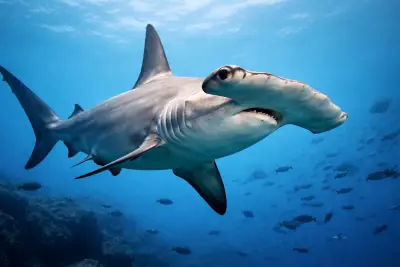
Scalloped Hammerhead Shark
occasional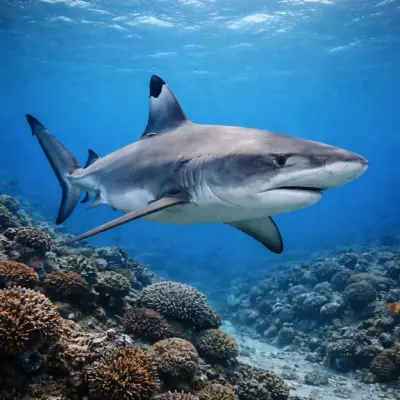
Grey Reef Shark
common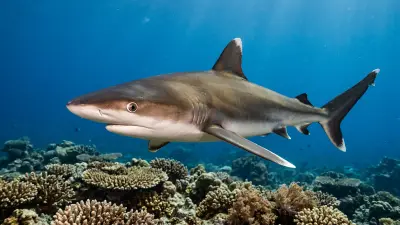
Silvertip Shark
occasional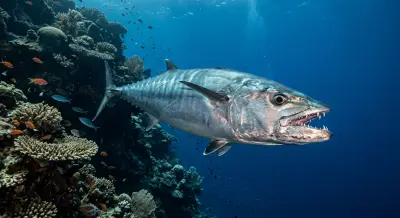
Dogtooth Tuna
common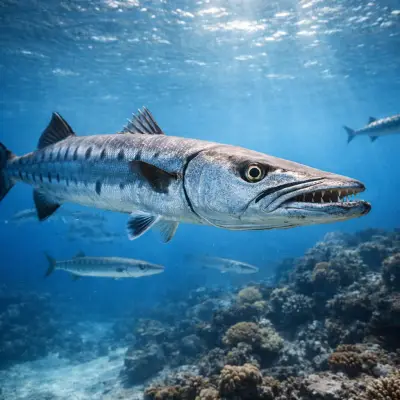
Barracuda
common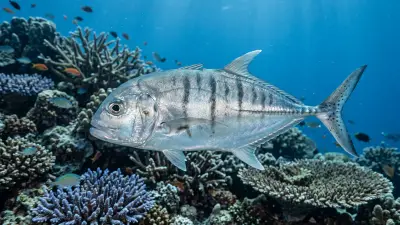
Bigeye Trevally
common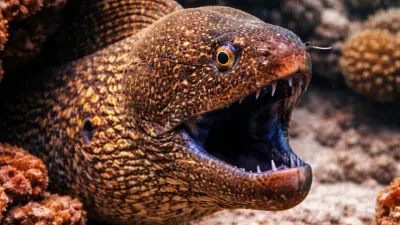
Moray Eel
common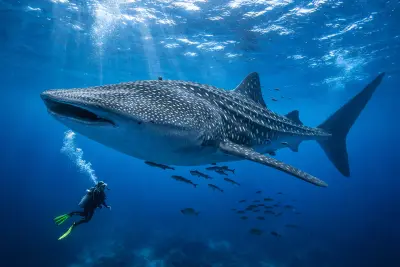
Whale Shark
occasional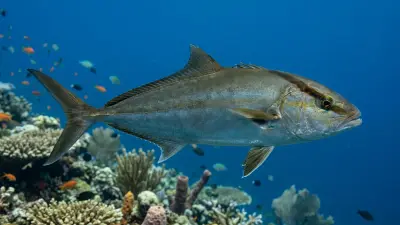
Schooling Jacks
commonDive profile & how the dive runs
Inglis Shoals rises to approximately 11 meters, with dive profiles typically beginning with a descent into the blue, often using a negative entry due to potential currents. Divers explore the seamount's flanks, paying close attention to schools of fish and passing pelagics such as barracuda, trevally, and various shark species. The dive progresses along the reef, moving with or against the current as dictated by conditions, maximizing the chances of encountering active marine life. Depths can extend beyond typical recreational limits if divers are exploring the deeper sections, but the majority of the action occurs around the top and upper slopes. Safety stops are performed in the shallower sections or while drifting, monitoring buoyancy and remaining aware of the boat's position for pick-up.
Underwater photography
Inglis Shoals is ideal for wide-angle photography, capturing the dramatic seamount topography, large schools of fish, and pelagic encounters like sharks and tuna. A wide-angle lens, such as a fisheye or rectilinear wide-angle, is essential to encompass the expansive schools and the surrounding blue water. Strobes are beneficial for adding color and definition to foreground subjects, even in clear conditions. Given the potential for strong currents, photographers should prioritize stable buoyancy and body positioning to secure shots. Focus on capturing the interactions between predators and prey, and the overall spectacle of abundant marine life drawn to the shoals.
Combine with nearby dive sites
- Bradford Shoals
Another iconic Kimbe Bay seamount known for attracting marine life.
- Joelle’s Reef
A third spectacular seamount in Kimbe Bay, often dived with Inglis Shoals and Bradford Shoals.
- South Emma
A Kimbe Bay site with diverse marine life, including anemones, barrel sponges, and a swim-through.
- Susan’s Reef
Features stunning corals and is known for its healthy marine ecosystem within Kimbe Bay.
- Fathers Reef
Situated further northeast, known for seamounts, pinnacles, and thrilling pelagic spectacles.
Getting there & logistics
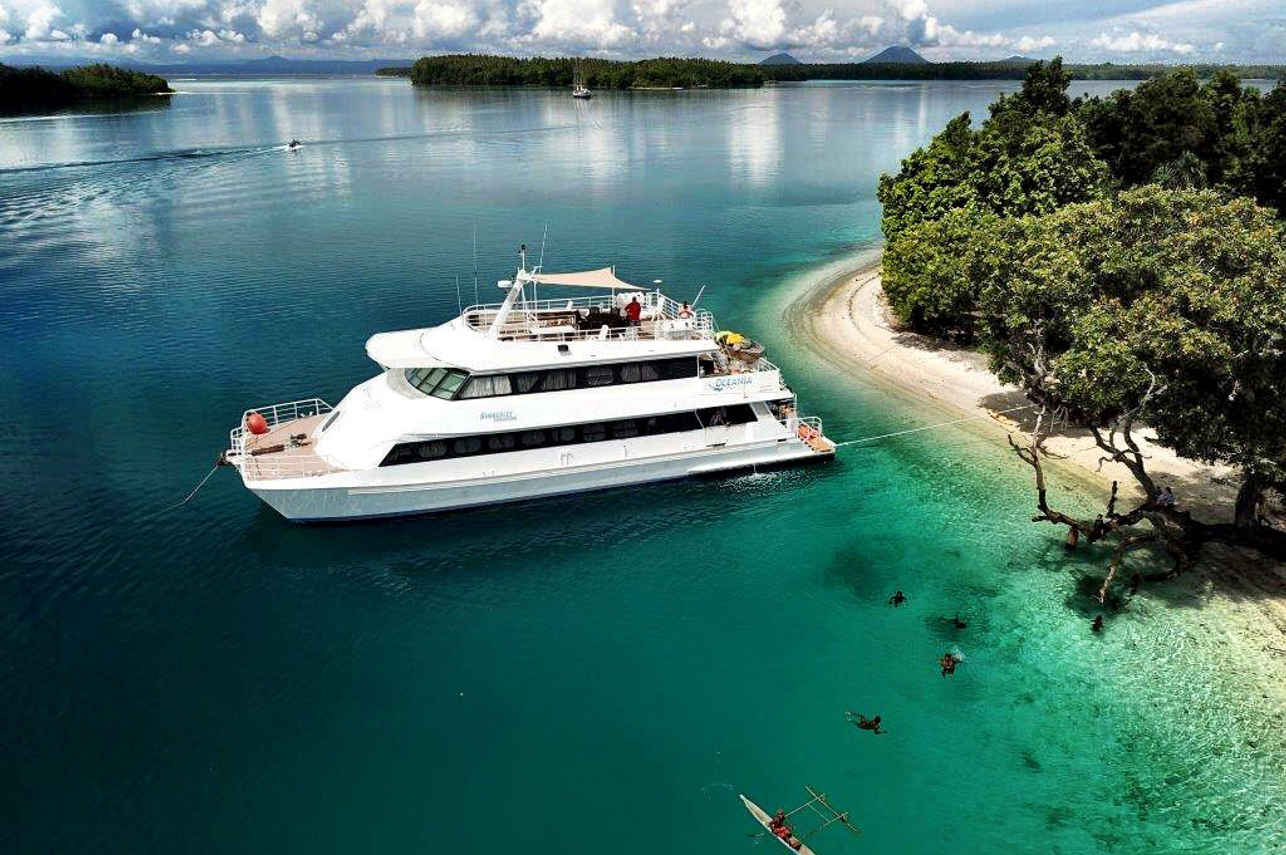
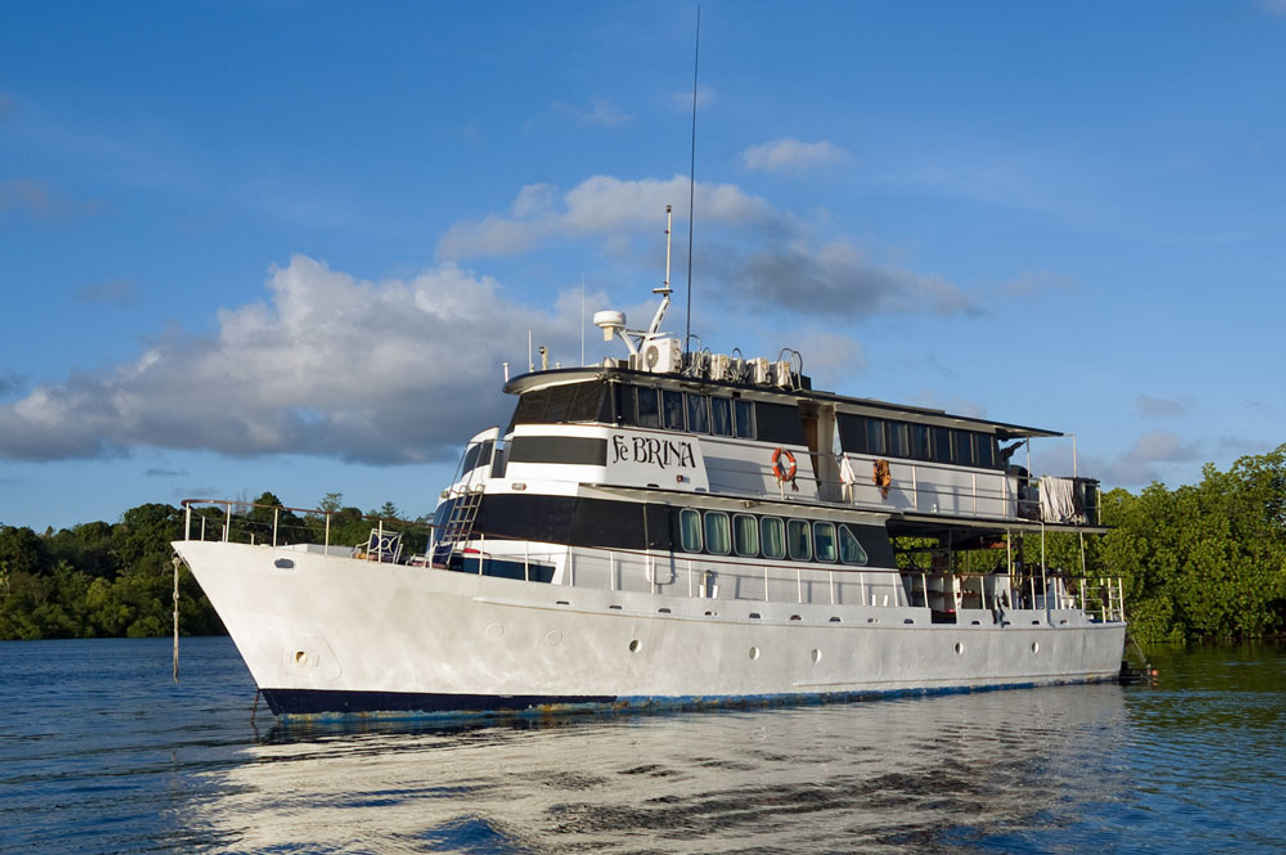
Access to Inglis Shoals, located in Kimbe Bay off New Britain Island, is primarily via liveaboard vessels such as the MV Oceania or FeBrina, which typically operate out of Walindi Plantation Resort. Divers usually fly into Port Moresby, then take a connecting flight to Hoskins, followed by a 45-minute car transfer to the resort or liveaboard departure point. Trips often last 7 to 10 nights, combining offshore seamounts with fringing reefs and other Kimbe Bay sites. Dive packages usually include accommodation, meals, and multiple dives per day. No specific permits beyond standard visa requirements for Papua New Guinea are generally needed for diving, though liveaboard operators manage local dive site fees.
Safety & environment
The nearest recompression chamber is located in Port Moresby, approximately an hour's flight from Hoskins. In the event of a diving emergency requiring recompression, evacuation would involve a combination of boat transfer to shore, car to Hoskins airport, and then an air transfer to Port Moresby, highlighting the remoteness and potential delays. Therefore, comprehensive dive accident insurance is not just recommended, but essential for all divers. Site-specific hazards at Inglis Shoals include strong and unpredictable currents, which necessitate good buoyancy control and careful dive planning, especially for gas management and ascent. Divers should always follow guide instructions, maintain buddy contact, and respect the natural environment. While urban areas in PNG can have security concerns, dive tourists generally experience safe travels when following operator guidelines and staying within established itineraries.
Who it suits — and who it doesn't
Suited for
- Advanced divers seeking pelagic encounters
- Experienced divers comfortable with strong currents
- Underwater photographers focusing on wide-angle reefscapes and big animals
- Divers interested in remote and pristine marine environments
- Those looking for abundant fish life and shark sightings
Less suited for
- Beginner divers or those without current experience
- Divers prone to seasickness, due to potential for open-water exposure
- Individuals seeking primarily muck or macro photography opportunities
- Divers with limited gas consumption, given potential depths and current
- Anyone uncomfortable with remote logistics and emergency procedures
FAQ
Inglis Shoals FAQ
What kind of marine life can I expect at Inglis Shoals?
Inglis Shoals is renowned for its abundant pelagic life, including schooling barracuda, bigeye trevally, and dogtooth tuna. Divers frequently encounter various shark species such as grey reef sharks and, occasionally, scalloped hammerheads and silvertips. The site is a vibrant hub of marine activity, offering thrilling encounters with larger fish.
Are the currents strong at Inglis Shoals?
Yes, Inglis Shoals is known for strong and sometimes unpredictable currents. These currents bring rich nutrients, supporting the incredible marine biodiversity, but they also require divers to be experienced and comfortable with current diving. Dive operators will assess conditions carefully for diver safety.
What is the typical depth range for diving Inglis Shoals?
The top of Inglis Shoals rises to approximately 11 meters below the surface, but the seamount drops to much greater depths. Dives typically explore the upper sections and flanks, allowing for encounters with both reef fish and pelagics. Divers should be prepared for varying depths depending on the specific dive plan and current conditions.
How do I get to Inglis Shoals?
Inglis Shoals is located in Kimbe Bay, Papua New Guinea, and is best accessed via liveaboard trips departing from Walindi Plantation Resort. You would typically fly into Port Moresby, then take a domestic flight to Hoskins, followed by a transfer to the resort or your liveaboard vessel. It's part of a remote diving experience.
Is Inglis Shoals suitable for beginner divers?
Inglis Shoals is not generally recommended for beginner divers due to the potential for strong currents and its deeper profile as a seamount. It is best suited for advanced divers who have experience with drift diving and are comfortable in exposed open-water conditions. Prior experience with currents is highly advisable for this site.
Why dive Inglis Shoals from a liveaboard?
Inglis Shoals is one of Papua New Guinea's signature dive sites. A liveaboard sleeps you on the water and puts you in the water for three to four guided dives per day, including dawn and night dives that day-boat operators rarely offer. You skip the daily commute back to port and reach quieter, less-crowded sites in the same region on a single trip.
Below are the liveaboards that include Inglis Shoals on their Papua New Guinea itineraries.
Liveaboards diving Inglis Shoals
These liveaboards may visit Inglis Shoals on selected itineraries — the exact dive sites depend on departure, weather and conditions.
Dive sites similar to Inglis Shoals
Same character, same waters — six more sites divers love for the exact same reasons.Compare seasons, access and liveaboard routes — then pick the site that fits your trip best.
© Esri — Maxar, Earthstar, GIS
Giants at Home
Papua New Guinea
Giants at Home is a unique dive site nestled in a protected, shallow bay within Milne Bay, Papua New Guinea, specifically known as a thriving manta ray cleaning station.
- Suitable for
- Beginner
- Current
- Mild
- Access
- Liveaboard only
- Depth
- 1–8 m
- Theme
- Reef
© Esri — Maxar, Earthstar, GIS
Lissenung Island Reef
Papua New Guinea
Lissenung Island Reef is the house reef surrounding approximately two-thirds of Lissenung Island, located near Kavieng in Papua New Guinea.
- Suitable for
- Beginner
- Current
- Moderate
- Access
- Shore / dayboat
- Depth
- 2–10 m
- Theme
- Reef
© Esri — Maxar, Earthstar, GIS
Banana Bommie
Papua New Guinea
Banana Bommie is a prominent and highly regarded dive site situated at the northern mouth of Milne Bay in Papua New Guinea.
- Suitable for
- Advanced
- Current
- Moderate
- Access
- Liveaboard only
- Depth
- ≤ 40 m
- Theme
- Reef / Pinnacle
© Esri — Maxar, Earthstar, GIS
End Bommie
Papua New Guinea
End Bommie is a renowned dive site located in Bootless Bay, near Port Moresby, Papua New Guinea.
- Suitable for
- Advanced
- Current
- Strong
- Access
- Liveaboard or dayboat
- Depth
- 6–30 m
- Theme
- Reef / Wall
Lauadi is a celebrated dive site within Milne Bay, Papua New Guinea, specifically recognized as the origin point of muck diving.
- Suitable for
- Beginner
- Current
- Moderate
- Access
- Shore / dayboat
- Depth
- 8–25 m
- Theme
- Reef
© Esri — Maxar, Earthstar, GIS
George's Wreck
Papua New Guinea
George's Wreck is a renowned dive site near Rabaul in Papua New Guinea, famous for its historical significance as a Japanese minelayer that reportedly ran aground after an Allied attack.
- Suitable for
- Advanced
- Current
- Moderate
- Access
- Liveaboard only
- Depth
- 12–60 m
- Theme
- Wreck / Reef