About Joelle’s Reef
Joelle's Reef is a renowned seamount located in the pristine Kimbe Bay, Papua New Guinea, named after the daughter of liveaboard skipper Alan Raabe. Positioned close to the open waters of the Bismarck Sea, it is one of three iconic seamounts in the bay that are celebrated for their incredible marine biodiversity. This site features a pinnacle reef rising from considerable depths, its summit reaching around 16 to 20 meters from the surface. The topography is characterized by exceptional hard coral cover, sea whips, gorgonians, and a multitude of reef fish, creating a dense biomass and a visually stunning underwater landscape. The seamount acts as a self-contained ecosystem, attracting both abundant reef life and larger pelagic species. Divers can anticipate encounters with schooling barracuda and bigeye trevally, along with resident species like bumphead parrotfish and Napoleon wrasse. Pygmy seahorses can be found in the sea fans, while a variety of anemones host clownfish, shrimp, and crabs. The reef thrives with an eclectic range of corals and sponges, making it a hotspot for macro and wide-angle subjects alike. Diving Joelle's Reef typically involves exploring the pinnacle, observing the dense reef fish populations, and watching for pelagics in the blue. Conditions often feature clear water with minimal currents, although the site is best dived when conditions allow, due to its exposure to the open sea. It offers a captivating experience for divers seeking vibrant coral gardens and diverse marine encounters.
Highlights
Pinnacle reefExceptional hard coral coverPygmy seahorses in sea fansSchooling barracuda and trevallyBumphead parrotfish groupsNapoleon wrasse sightingsDense reef fish biomassDiverse anemones with symbionts
Season calendar
Best months to dive here
Jan
Feb
Mar
Apr
May
Jun
Jul
Aug
Sep
Oct
Nov
Dec
Good
Dive site facts: Joelle’s Reef
- Depth
- 16–20 m
- Typical dive
- 30m maximum, 50-60 min
- Current
- Mild to none (site dependent)
- Visibility
- 30 m
- Water temperature
- 27–30°C
- Entry
- Tender / Liveaboard skiff
- Level
- Open Water Diver, Advanced recommended
- Dive type
- Reef, seamount, macro, wide-angle
- Region / port
- Kimbe Bay, New Britain, Papua New Guinea
- Coordinates
- 6.3443° S, 149.5855° E
Conditions & Currents
Joelle's Reef, being a seamount located near the open waters of the Bismarck Sea, is primarily dived when conditions are favorable, allowing for its accessibility. While the site is often characterized by clear water and no current whatsoever, according to some reports, its exposure means that currents can occasionally be present, influencing dive plans. When currents are mild, divers can leisurely explore the pinnacle, while stronger flows would necessitate drift diving techniques. Visibility is typically excellent, often exceeding 30 meters, contributing to wide-angle photography opportunities. Water temperatures in the Bismarck Sea average around 31°C, eliminating concerns about thermoclines at typical dive depths. Entry is usually via tender boat, with divers descending along the reef structure. Dive operators coordinate schedules to ensure that Joelle's Reef is not crowded, providi
Marine life & sighting chances
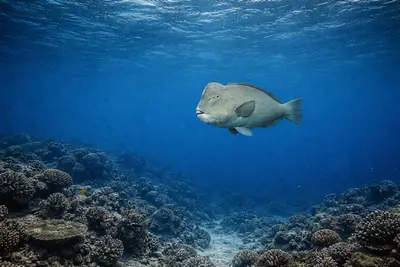
Bumphead Parrotfish
common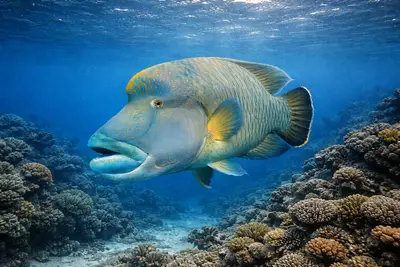
Napoleon Wrasse
common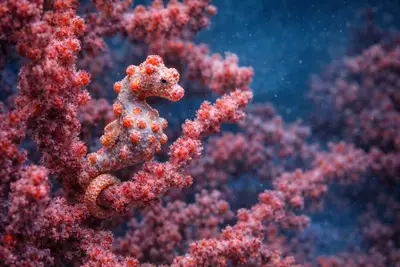
Pygmy Seahorse
occasional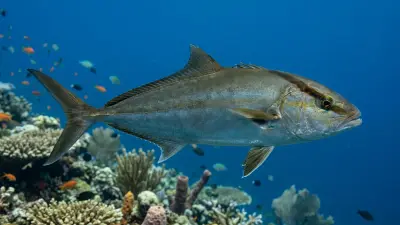
Bigeye Jack
common
Barracuda
common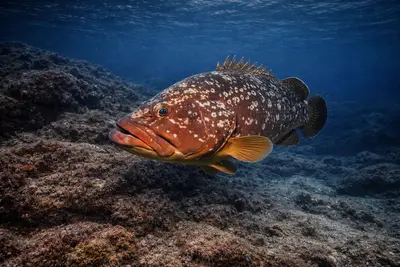
Barramundi Grouper
occasional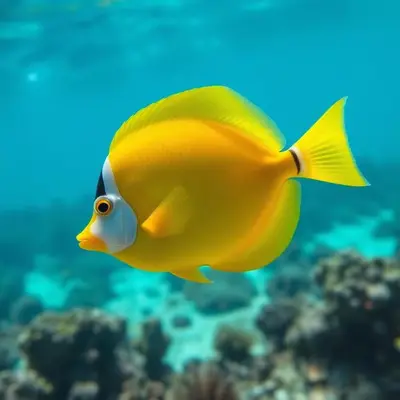
Yellowmask Surgeonfish
common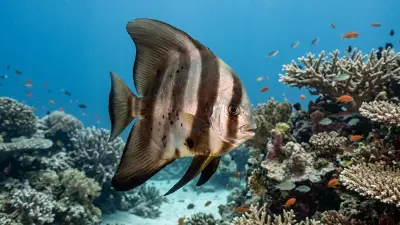
Teira Batfish
occasional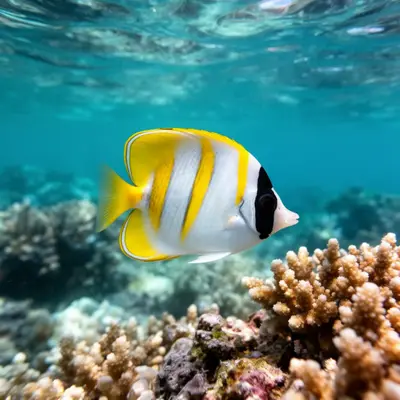
Pyramid Butterflyfish
common
Highfin Coral Grouper
occasional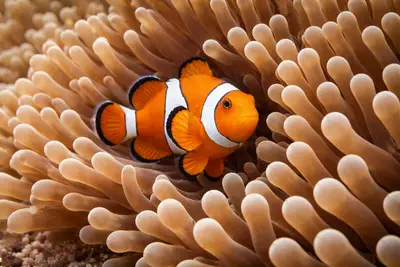
Clownfish
common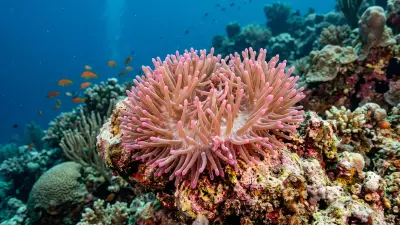
Shrimp (in anemones)
common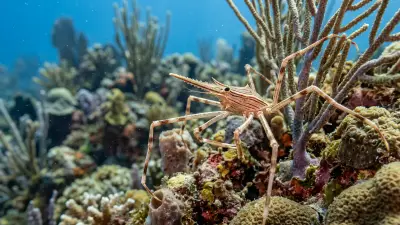
Crabs (in anemones)
common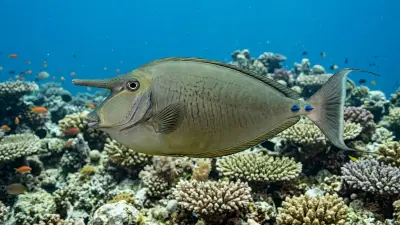
Vlaming Unicornfish
occasionalDive profile & how the dive runs
Dives at Joelle’s Reef typically begin with a descent onto the pinnacle’s shallower sections, which rise to about 16 to 20 meters from the surface. Divers often explore the top and sides of the reef, characterized by abundant hard corals, sea whips, and a high biomass of reef fish. The route usually involves circling the seamount, observing smaller creatures like pygmy seahorses in sea fans and the symbiotic life within the numerous anemones, before gradually spiraling deeper along the reef’s slopes. Attention is also paid to the blue water surrounding the pinnacle, where schools of bigeye trevally and barracuda are frequently sighted. The dive progression is generally slow, allowing ample time for observation and photography, with the deepest points reaching around 30 meters. The turn point is determined by air consumption and no-decompression limits, allowing for a reverse profile ascent. Safety stops are conducted in the shallower sections of the reef, usually around 5 meters, where divers can enjoy the vibrant coral gardens and reef activity before surfacing.
Underwater photography
Joelle's Reef offers exceptional opportunities for both wide-angle and macro photography, thanks to its pristine corals and diverse marine life. For wide-angle shots, a fisheye lens or wide rectilinear lens is recommended to capture the expansive hard coral coverage and the dramatic scale of the seamount, particularly with schools of barracuda or trevally in the background. Abundant light from strobes is crucial to bring out the vibrant colors of the corals and sponges, which thrive in the clear waters. Macro photographers will find a wealth of subjects, including pygmy seahorses nestled in sea fans, various species of clownfish in their anemone hosts, and a host of other critters like shrimp and crabs. A macro lens with a diopter can be advantageous for capturing the intricate details of smaller subjects. Careful buoyancy control is essential to avoid disturbing the delicate corals and to position yourself for optimal shots. Patience is key when photographing shy subjects like pygmy seahorses, requiring a slow and non-intrusive approach.
Combine with nearby dive sites
- Bradford Shoals
Another iconic seamount, known for whitetip reef sharks.
- Inglis Shoals
A seamount dive with varied fish life and notable sponges.
- Vanessa’s Reef
Renowned for gorgonians, hard corals, and diverse critters.
- Susan’s Reef
Famous for abundant sea whips and razorfish.
- Restorf Island
A spectacular wall dive where manta rays and grey reef sharks are seen.
Getting there & logistics
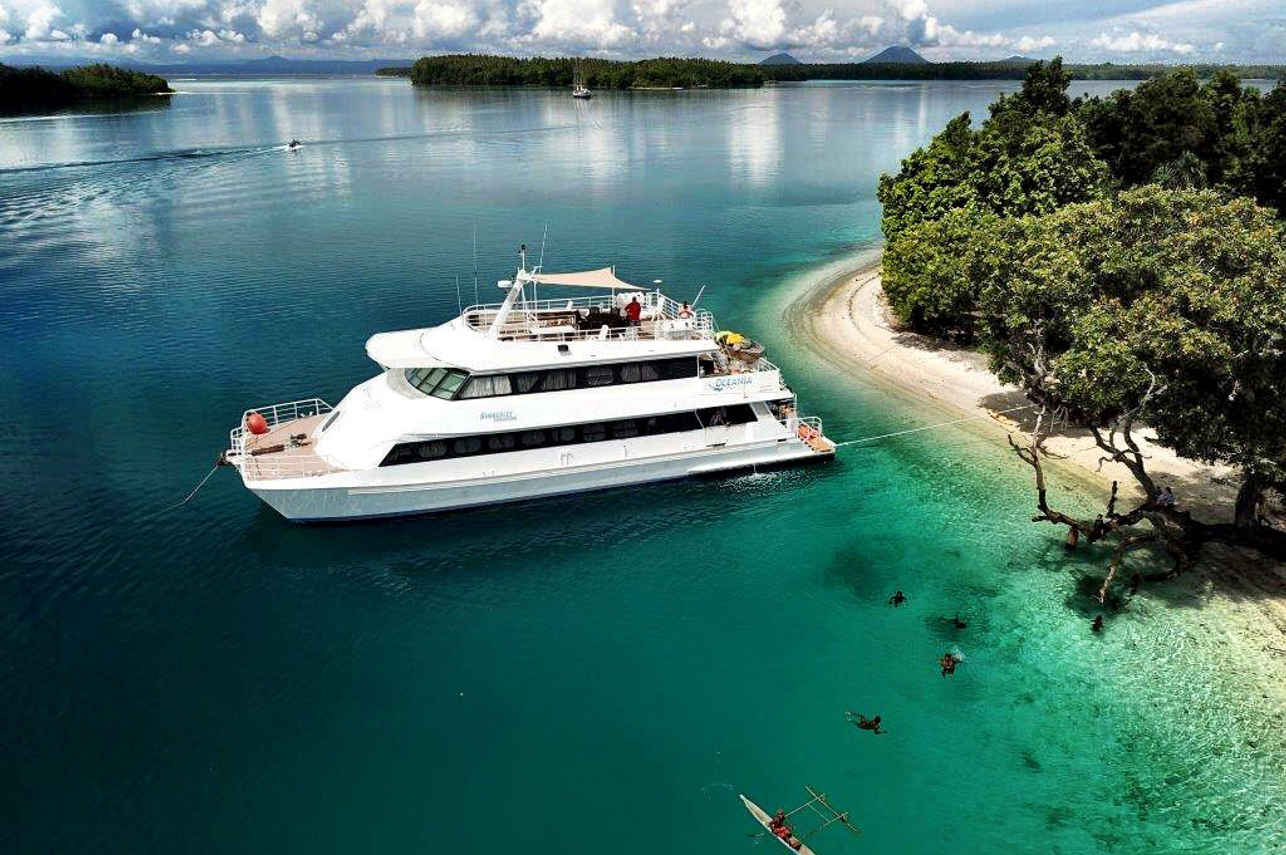
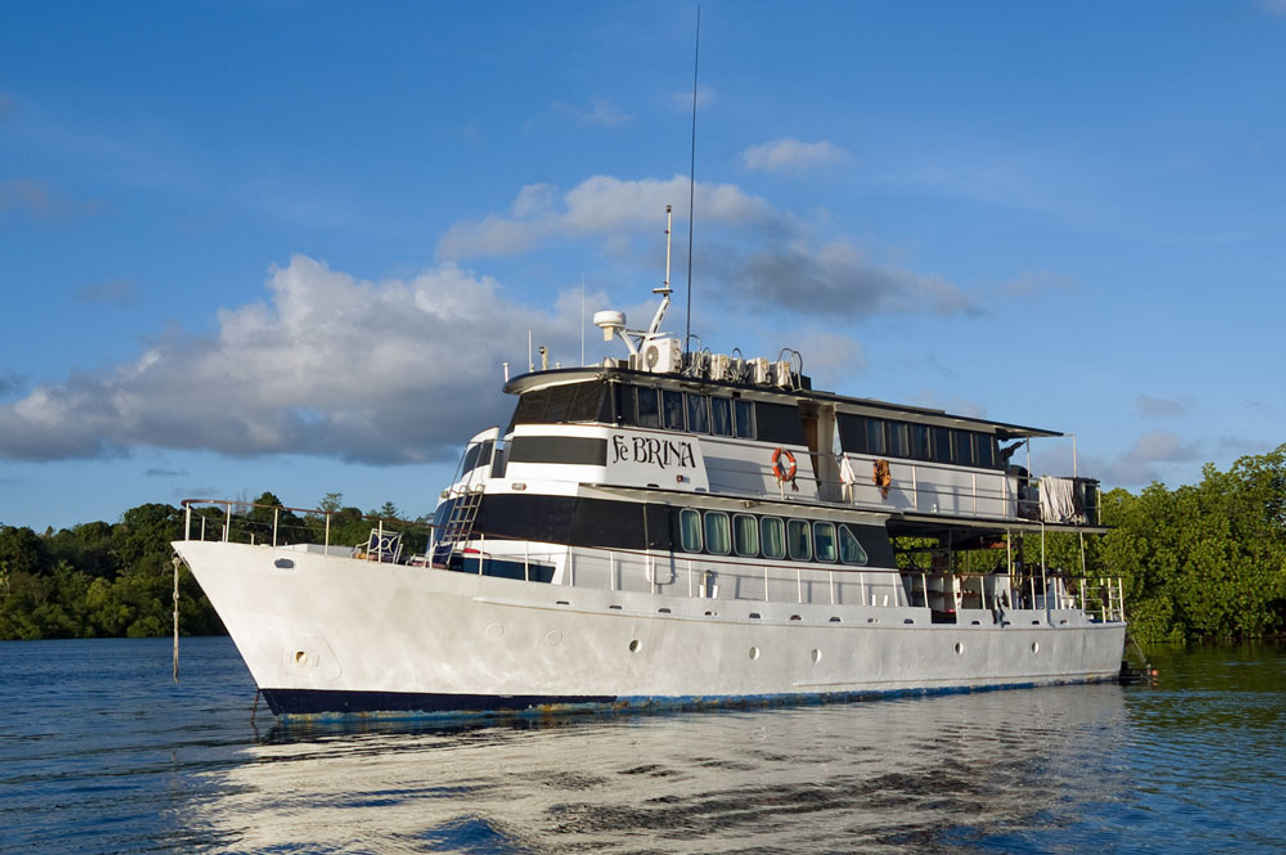
Access to Joelle's Reef in Kimbe Bay is typically via liveaboard or day boats operating from Walindi Plantation Resort. Most international travelers fly into Port Moresby (POM) and then take a domestic flight to Hoskins Airport (HKN) in West New Britain, which is the closest airport to Kimbe Bay. Walindi Resort provides transfers from Hoskins to the resort. Liveaboards like MV FeBrina and MV Oceania offer multi-day itineraries, ranging from 7 to 10 days, that frequently include Joelle's Reef among other Kimbe Bay seamounts and fringing reefs. Marine park fees may apply for diving within Kimbe Bay, a designated Hope Spot for conservation. These trips are all-inclusive, covering diving, accommodation, and meals, offering a comprehensive way to explore the region's diverse sites.
Safety & environment
Diving in Kimbe Bay, including Joelle's Reef, requires adherence to standard dive safety protocols, particularly given its remote location. The nearest recompression chamber is approximately 450 km away, emphasizing the critical importance of conservative diving practices, including strict adherence to no-decompression limits and sufficient surface intervals. Divers must carry personal dive insurance that covers emergency medical evacuation and treatment. Liveaboard operators will provide briefings on site-specific hazards, but divers should be aware of potential strong currents, especially on seamounts, even if Joelle's Reef is often calm. Always dive within your certification limits and communicate any discomfort or issues immediately to your dive guide. Ensure all equipment is in good working order before entering the water.
Who it suits — and who it doesn't
Suited for
- Macro photographers
- Wide-angle photographers seeking pristine corals
- Divers interested in diverse reef fish populations
- Intermediate divers comfortable with boat entries
- Divers seeking uncrowded, pristine dive experiences
Less suited for
- Absolute beginner divers (due to open water exposure)
- Divers uncomfortable with potential currents
- Divers expecting guaranteed large pelagic encounters
- Shore entry enthusiasts
- Those looking for dedicated wreck dives (this is a reef site)
FAQ
Joelle’s Reef FAQ
What kind of marine life can I expect at Joelle's Reef?
Joelle's Reef is teeming with diverse marine life. You can anticipate seeing schools of bigeye jack and barracuda, groups of bumphead parrotfish, and Napoleon wrasse. Macro enthusiasts will enjoy spotting pygmy seahorses in sea fans and a variety of colorful anemones hosting clownfish, shrimp, and crabs, all amidst pristine hard corals.
Is Joelle's Reef suitable for beginners?
While Joelle's Reef often experiences mild to no currents, its location as a seamount in the open waters of Kimbe Bay makes it more suitable for certified Open Water divers with some experience, or Advanced Open Water divers. Beginners might find it challenging if currents are present, and the depth can reach 30 meters, which requires appropriate training and comfort.
How deep is Joelle's Reef and what are the typical dive depths?
Joelle's Reef is a pinnacle reef where the top rises to about 16 to 20 meters from the surface. Typical dive profiles will explore these shallower sections for abundant reef life, but can extend to around 30 meters to observe the reef's structure and deeper marine inhabitants. Dives are usually limited to no-decompression profiles for safety.
What is the visibility like at Joelle's Reef?
Visibility at Joelle's Reef is generally excellent, often averaging around 30 meters or more. The clear waters provide fantastic conditions for observing the vibrant coral ecosystems and marine life, making it a favorite for underwater photographers. Conditions can vary slightly with seasons, but typically remain very good.
How do I get to Joelle's Reef?
Joelle's Reef is located in Kimbe Bay, Papua New Guinea, and is primarily accessed via liveaboards or day boats operating from Walindi Plantation Resort. Travelers typically fly into Port Moresby, then take a domestic flight to Hoskins Airport, followed by a transfer to the resort. Liveaboards offer itineraries that include this site as part of a multi-day dive adventure.
Why dive Joelle’s Reef from a liveaboard?
Joelle’s Reef is one of Papua New Guinea's signature dive sites. A liveaboard sleeps you on the water and puts you in the water for three to four guided dives per day, including dawn and night dives that day-boat operators rarely offer. You skip the daily commute back to port and reach quieter, less-crowded sites in the same region on a single trip.
Below are the liveaboards that include Joelle’s Reef on their Papua New Guinea itineraries.
Liveaboards diving Joelle’s Reef
These liveaboards may visit Joelle’s Reef on selected itineraries — the exact dive sites depend on departure, weather and conditions.
Dive sites similar to Joelle’s Reef
Same character, same waters — six more sites divers love for the exact same reasons.Compare seasons, access and liveaboard routes — then pick the site that fits your trip best.
© Esri — Maxar, Earthstar, GIS
Giants at Home
Papua New Guinea
Giants at Home is a unique dive site nestled in a protected, shallow bay within Milne Bay, Papua New Guinea, specifically known as a thriving manta ray cleaning station.
- Suitable for
- Beginner
- Current
- Mild
- Access
- Liveaboard only
- Depth
- 1–8 m
- Theme
- Reef
© Esri — Maxar, Earthstar, GIS
Lissenung Island Reef
Papua New Guinea
Lissenung Island Reef is the house reef surrounding approximately two-thirds of Lissenung Island, located near Kavieng in Papua New Guinea.
- Suitable for
- Beginner
- Current
- Moderate
- Access
- Shore / dayboat
- Depth
- 2–10 m
- Theme
- Reef
© Esri — Maxar, Earthstar, GIS
Banana Bommie
Papua New Guinea
Banana Bommie is a prominent and highly regarded dive site situated at the northern mouth of Milne Bay in Papua New Guinea.
- Suitable for
- Advanced
- Current
- Moderate
- Access
- Liveaboard only
- Depth
- ≤ 40 m
- Theme
- Reef / Pinnacle
© Esri — Maxar, Earthstar, GIS
End Bommie
Papua New Guinea
End Bommie is a renowned dive site located in Bootless Bay, near Port Moresby, Papua New Guinea.
- Suitable for
- Advanced
- Current
- Strong
- Access
- Liveaboard or dayboat
- Depth
- 6–30 m
- Theme
- Reef / Wall
Lauadi is a celebrated dive site within Milne Bay, Papua New Guinea, specifically recognized as the origin point of muck diving.
- Suitable for
- Beginner
- Current
- Moderate
- Access
- Shore / dayboat
- Depth
- 8–25 m
- Theme
- Reef
© Esri — Maxar, Earthstar, GIS
George's Wreck
Papua New Guinea
George's Wreck is a renowned dive site near Rabaul in Papua New Guinea, famous for its historical significance as a Japanese minelayer that reportedly ran aground after an Allied attack.
- Suitable for
- Advanced
- Current
- Moderate
- Access
- Liveaboard only
- Depth
- 12–60 m
- Theme
- Wreck / Reef