About Lauadi
Lauadi is a celebrated dive site within Milne Bay, Papua New Guinea, specifically recognized as the origin point of muck diving. This unique location gained fame through pioneers like Bob and Dinah Halstead, who first explored its rich biodiversity. Situated on the northern (Solomon Sea) coast of the East Cape peninsula, Lauadi benefits from nutrient-rich currents, fostering an extraordinary array of marine life. It is particularly known for its black sand slope, often referred to as Dinah's Beach, providing a habitat for elusive macro creatures. The topography of Lauadi consists primarily of a dark, silty bottom that gradually slopes from shallow depths, typically around 8 meters, down to approximately 25 meters. This substratum, composed of volcanic sand and detritus, creates a unique environment where camouflaged species thrive. The dive site is often accessed directly from liveaboards, with the boat stern tied close to the shore, allowing divers to descend immediately onto the productive muck. The marine life here is exceptionally diverse, with numerous rare species making it a mecca for critter enthusiasts and underwater photographers. Expect to encounter various frogfish, seahorses, nudibranchs, and crustaceans throughout the year. Night dives at Lauadi are particularly rewarding, revealing nocturnal hunters and endemic species like the Milne Bay epaulette shark. Diving Lauadi is typically a slow, deliberate experience focused on detailed observation rather than covering large distances. Divers often spend significant time examining small areas, guided by expert spotters who can pinpoint the most camouflaged inhabitants. Buoyancy control is paramount to avoid disturbing the silty bottom, ensuring good visibility and preserving the delicate ecosystem.
Highlights
Birthplace of muck divingDinah's Beach black sandRare macro creaturesMilne Bay epaulette sharkPygmy seahorsesFrogfish diversityExceptional critter spottingNight dive opportunities
Season calendar
Best months to dive here
Jan
Feb
Mar
Apr
May
Jun
Jul
Aug
Sep
Oct
Nov
Dec
Good
Dive site facts: Lauadi
- Depth
- 8–25 m
- Typical dive
- 8–20 m, 60–75 min
- Current
- Mild to none
- Visibility
- 15–30 m (can be reduced by silt)
- Water temperature
- 26–31°C (79–88°F)
- Entry
- Liveaboard / tender
- Level
- Open Water Diver, good buoyancy control essential
- Dive type
- Muck, macro, critter hunting
- Night dive
- Excellent
- Region / port
- Milne Bay, Papua New Guinea
- Coordinates
- 8.6250° S, 150.8800° E
Conditions & Currents
Currents at Lauadi are generally mild to negligible, especially within the sheltered bay area of Dinah's Beach, making it suitable for meticulous macro observation. However, Milne Bay as a whole is influenced by complex regional and equatorial currents, which bring nutrient-rich waters vital for its intense biodiversity. While the immediate dive site at Lauadi tends to be calm, surrounding areas and headlands along the Solomon Sea coast can experience more significant flows. Divers should be prepared for varying conditions across Milne Bay, though Lauadi itself is typically characterized by calm water. Visibility can be excellent, but as with any muck dive, disturbing the silty bottom with poor buoyancy can temporarily reduce it, emphasizing the need for precise control.
Marine life & sighting chances

Milne Bay epaulette shark
occasional
Warty frogfish
common
Severn's pygmy seahorse
occasional
Flabellina nudibranchs
common
Jewel-like bobtail squid
occasional
Peacock mantis shrimp
common
Emperor shrimp
common
Pipefish
common
Crabs
commonShrimp
commonExotic nudibranchs
commonDive profile & how the dive runs
Diving at Lauadi, particularly Dinah's Beach, typically begins with a stern tie-up of the liveaboard close to shore, allowing for a direct descent under the boat. Divers drop down to the dark sandy slope, which starts around 8 meters and gently descends to about 25 meters. The dive profile is characterized by slow, methodical movement across the silty bottom, focusing intently on small areas. Guides are adept at spotting camouflaged critters, so staying close to them is beneficial. There isn't a fixed route; instead, divers explore patches of sand, small coral heads, and debris for macro life. Depth is usually kept between 10-20 meters to maximize bottom time and light for photography. The turn point is often dictated by air consumption or the discovery of a particularly interesting subject. Safety stops are conducted in the shallower sections, typically between 5-7 meters, often near the boat or in areas with small coral patches that might host juvenile fish.
Underwater photography
Lauadi is a premier destination for macro underwater photography, making a dedicated macro lens (60mm or 100/105mm) essential. Bring a diopter for super macro shots of the tiniest subjects like pygmy seahorses or nudibranchs. Due to the dark, silty background, strobes are crucial to illuminate subjects and bring out their vibrant colors; dual strobes are highly recommended for even lighting and to minimize backscatter. A snoot can be an excellent tool here to isolate subjects and create dramatic lighting effects, especially for creatures hiding in crevices or on the sand. Maintaining impeccable buoyancy is vital to avoid stirring up the fine sediment, which can quickly reduce visibility and ruin shots. Practice patience and observe critter behavior to capture natural moments, always respecting their space and avoiding harassment. Night dives offer unique photographic opportunities for nocturnal species, so prepare your lighting accordingly.
Combine with nearby dive sites
- Deacon's Reef
A nearby gem known for its rich coral gardens and potential pelagic encounters.
- South Emma
Another Milne Bay site, celebrated for diverse marine life.
- B-17F Black Jack Bomber Wreck
A WWII bomber wreck offering deeper historical exploration in Milne Bay.
- Suzie's Bommie
A notable bommie in the region with diverse marine inhabitants.
Getting there & logistics
To reach Milne Bay, the typical approach involves flying into Port Moresby (Jacksons International, POM), Papua New Guinea's main international gateway. From POM, you'll take a domestic flight to Alotau (GUR), which serves as the primary hub for Milne Bay. Liveaboards operating in Milne Bay often embark from Alotau, though some may offer direct embarkation from Port Moresby. Trip lengths for liveaboards usually range from 7 to 10 days, allowing ample time to explore the diverse sites of Milne Bay, including Lauadi. Dive itineraries in this region frequently combine muck diving at sites like Lauadi with reef dives, wall dives, and wreck explorations to showcase the full spectrum of marine environments. There are typically no specific dive site permits or fees required directly for Lauadi, but liveaboard packages often include any necessary park or port fees for the region.
Safety & environment
Safety in Papua New Guinea diving requires careful planning due to the remote nature of many sites. While there is a recompression chamber in Port Moresby, evacuation from remote areas like Milne Bay can be complex and time-consuming, involving domestic flights and potentially further transfers. Comprehensive dive insurance that covers emergency medical evacuation and treatment is therefore non-negotiable. At Lauadi specifically, the main hazard is disturbing the silty bottom, which can temporarily reduce visibility and disorient divers; maintaining excellent buoyancy control is key. There are no strong currents or major structural hazards. As with any dive, be aware of marine life that can sting or bite if provoked, such as stonefish or scorpionfish, which are well-camouflaged in the muck. Always dive with a reputable operator, follow your dive guide's instructions, and carry an SMB for surface signaling, especially when diving from liveaboards.
Who it suits — and who it doesn't
Suited for
- Macro photographers seeking rare subjects
- Experienced divers with excellent buoyancy control
- Critter enthusiasts and marine naturalists
- Divers who enjoy slow, observational dives
- Those comfortable with remote liveaboard travel
Less suited for
- Divers seeking fast-paced drift dives or large pelagic encounters
- Beginner divers still developing buoyancy control
- Divers who prefer pristine coral gardens exclusively
- Those easily bored by slow-moving, detailed exploration
- Divers unwilling to travel to remote destinations
FAQ
Lauadi FAQ
What kind of diving is Lauadi known for?
Lauadi is primarily known as the birthplace of muck diving. It features a dark, silty, volcanic sand bottom that serves as a habitat for an extraordinary array of camouflaged and rare macro marine life, making it a world-renowned destination for critter hunting and underwater photography.
What specific marine life can I expect to see at Lauadi?
Divers at Lauadi often encounter numerous species of frogfish, various nudibranchs, pipefish, different types of shrimp and crabs, and bobtail squid. It's also one of the few places where you might spot the elusive Milne Bay epaulette shark, especially during night dives, and tiny pygmy seahorses.
Is Lauadi suitable for beginner divers?
While the depths are generally shallow and currents mild, Lauadi is best suited for divers with good buoyancy control. This is crucial to avoid stirring up the fine silt, which can reduce visibility and disturb the delicate ecosystem. Beginner divers can enjoy it with careful guidance and focus on their trim.
How do I access the Lauadi dive site?
Lauadi is typically accessed via liveaboard dive boats operating in Milne Bay. These boats often moor close to the shore, allowing divers to enter the water directly from the vessel's stern. This offers convenient access to the prime muck diving areas like Dinah's Beach.
What is the best time of year to dive Lauadi?
For optimal conditions, the best time to dive Lauadi and the broader Milne Bay region is between October and March. During these months, the area generally experiences peak visibility and calmer weather, enhancing the overall dive experience.
What kind of underwater photography gear is best for Lauadi?
For Lauadi, macro photography equipment is highly recommended, including a macro lens and potentially a diopter for super macro. Dual strobes are essential to properly illuminate subjects against the dark background and minimize backscatter. A snoot can also be very effective for creative lighting of individual critters.
Why dive Lauadi from a liveaboard?
Lauadi is one of Papua New Guinea's signature dive sites. A liveaboard sleeps you on the water and puts you in the water for three to four guided dives per day, including dawn and night dives that day-boat operators rarely offer. You skip the daily commute back to port and reach quieter, less-crowded sites in the same region on a single trip.
Below are the liveaboards that include Lauadi on their Papua New Guinea itineraries.
Liveaboards diving Lauadi
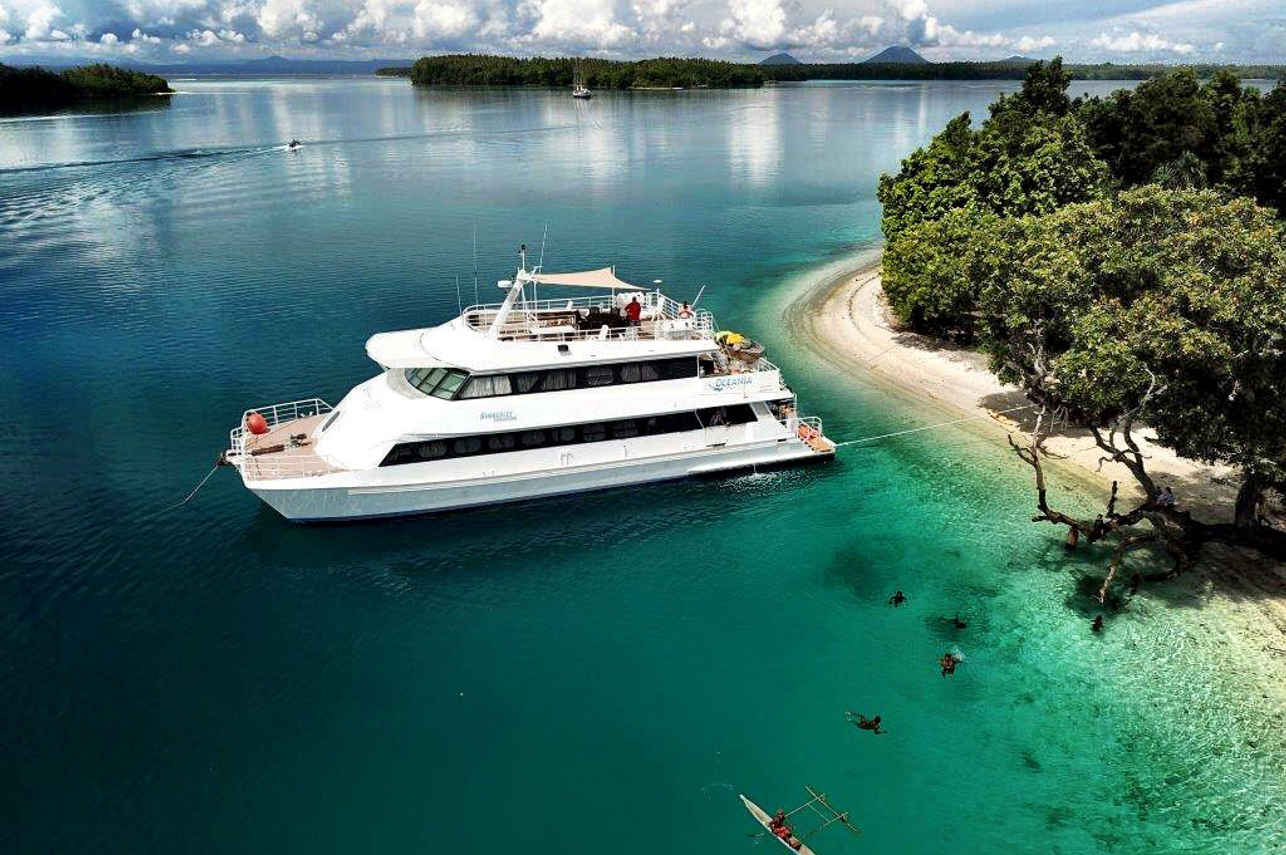
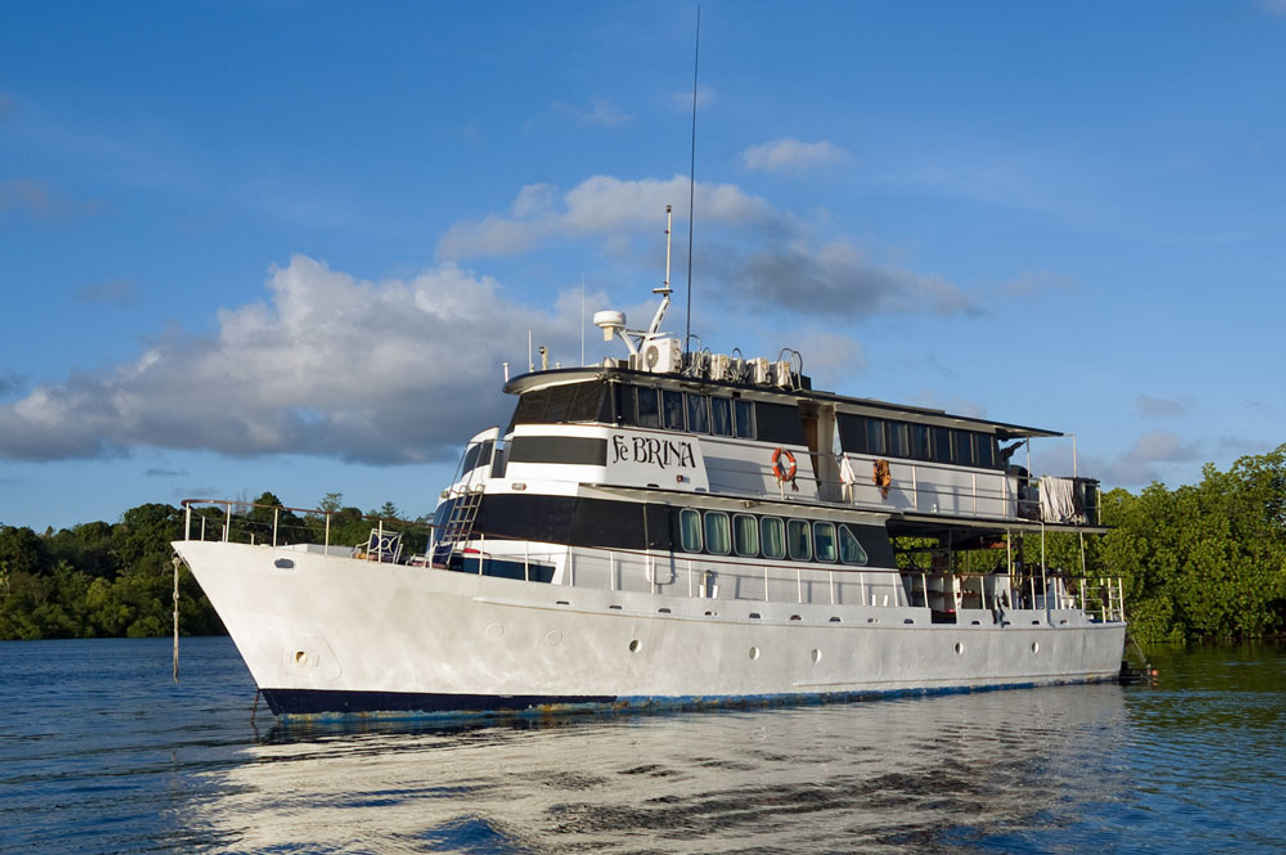
These liveaboards may visit Lauadi on selected itineraries — the exact dive sites depend on departure, weather and conditions.
Dive sites similar to Lauadi
Same character, same waters — six more sites divers love for the exact same reasons.Compare seasons, access and liveaboard routes — then pick the site that fits your trip best.
© Esri — Maxar, Earthstar, GIS
Giants at Home
Papua New Guinea
Giants at Home is a unique dive site nestled in a protected, shallow bay within Milne Bay, Papua New Guinea, specifically known as a thriving manta ray cleaning station.
- Suitable for
- Beginner
- Current
- Mild
- Access
- Liveaboard only
- Depth
- 1–8 m
- Theme
- Reef
© Esri — Maxar, Earthstar, GIS
Lissenung Island Reef
Papua New Guinea
Lissenung Island Reef is the house reef surrounding approximately two-thirds of Lissenung Island, located near Kavieng in Papua New Guinea.
- Suitable for
- Beginner
- Current
- Moderate
- Access
- Shore / dayboat
- Depth
- 2–10 m
- Theme
- Reef
© Esri — Maxar, Earthstar, GIS
Banana Bommie
Papua New Guinea
Banana Bommie is a prominent and highly regarded dive site situated at the northern mouth of Milne Bay in Papua New Guinea.
- Suitable for
- Advanced
- Current
- Moderate
- Access
- Liveaboard only
- Depth
- ≤ 40 m
- Theme
- Reef / Pinnacle
© Esri — Maxar, Earthstar, GIS
End Bommie
Papua New Guinea
End Bommie is a renowned dive site located in Bootless Bay, near Port Moresby, Papua New Guinea.
- Suitable for
- Advanced
- Current
- Strong
- Access
- Liveaboard or dayboat
- Depth
- 6–30 m
- Theme
- Reef / Wall
© Esri — Maxar, Earthstar, GIS
George's Wreck
Papua New Guinea
George's Wreck is a renowned dive site near Rabaul in Papua New Guinea, famous for its historical significance as a Japanese minelayer that reportedly ran aground after an Allied attack.
- Suitable for
- Advanced
- Current
- Moderate
- Access
- Liveaboard only
- Depth
- 12–60 m
- Theme
- Wreck / Reef
© Esri — Maxar, Earthstar, GIS
Tufi Fjords
Papua New Guinea
Tufi Fjords, nestled on Cape Nelson along Papua New Guinea's northeast coast, offers a unique diving experience in a stunning, tropical fjord-like landscape.
- Suitable for
- Intermediate
- Current
- Strong
- Access
- Liveaboard only
- Depth
- 5–200 m
- Theme
- Muck diving / Reef